




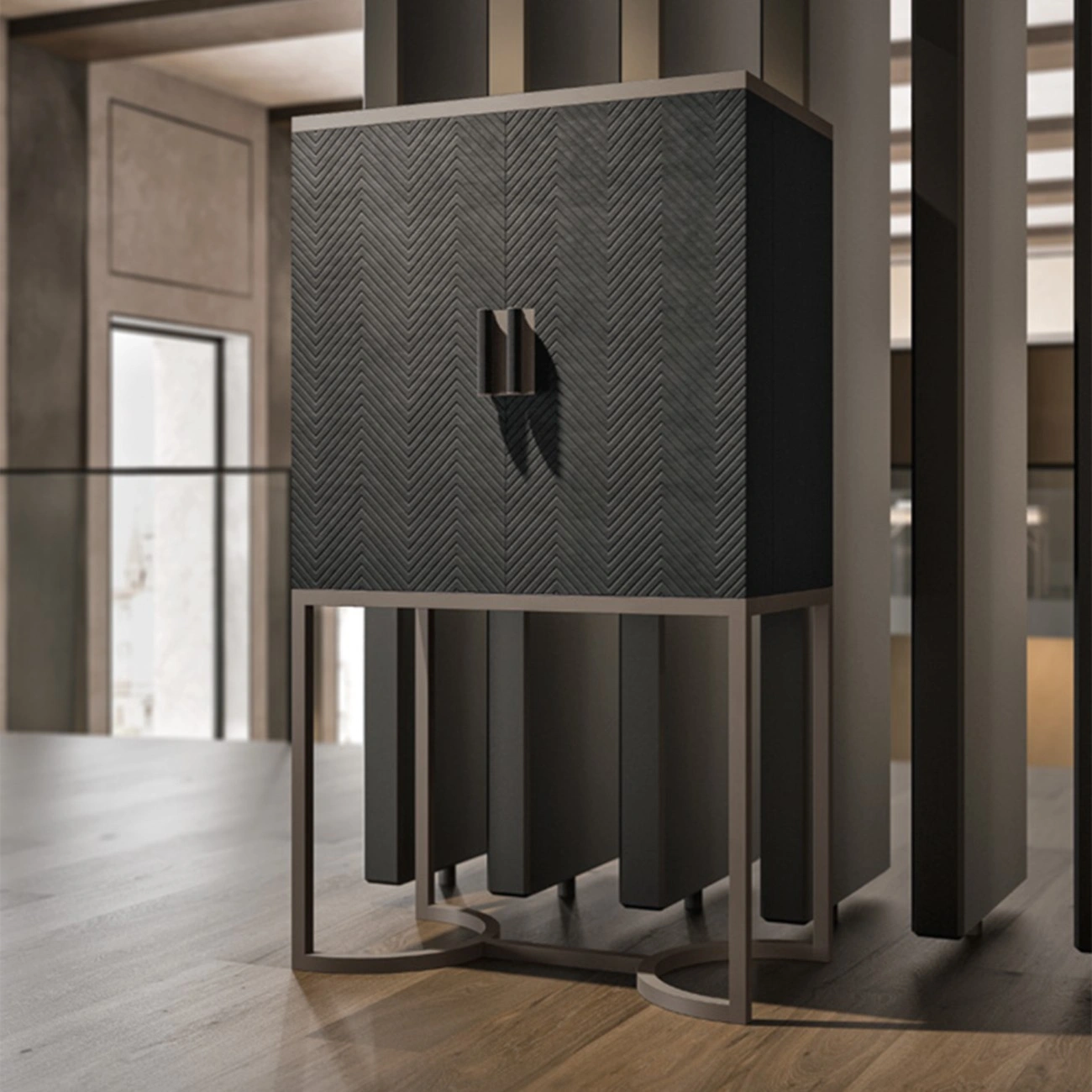

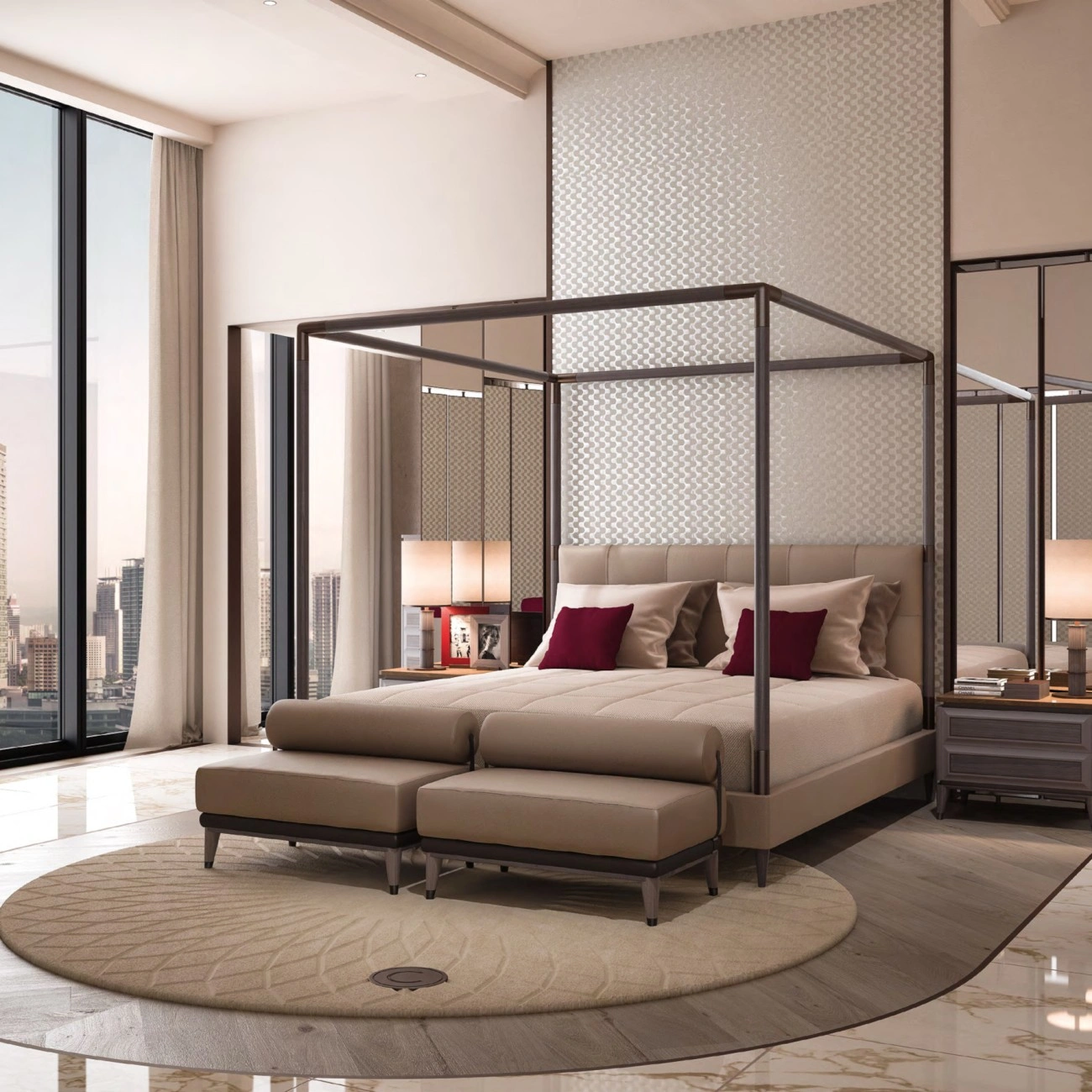
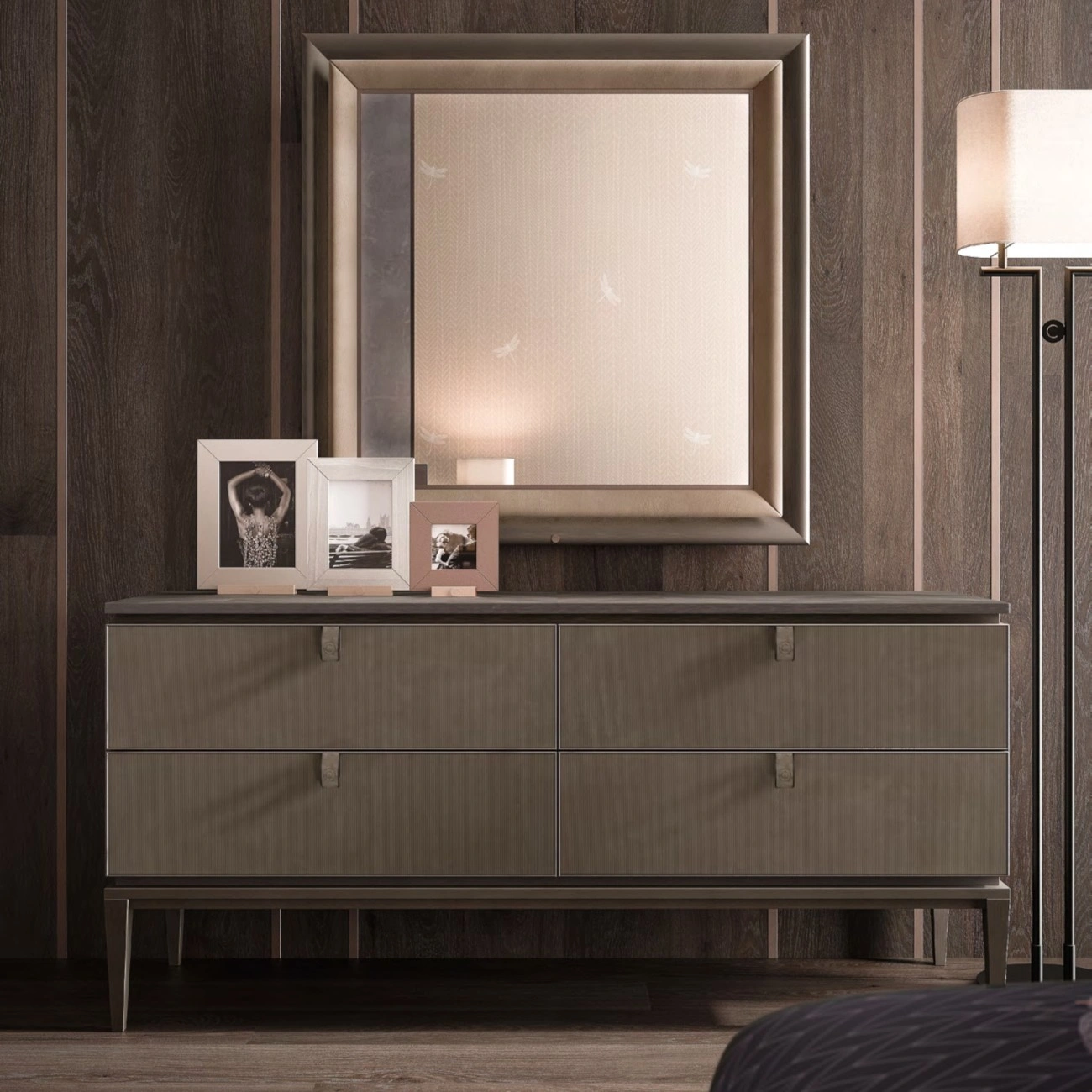

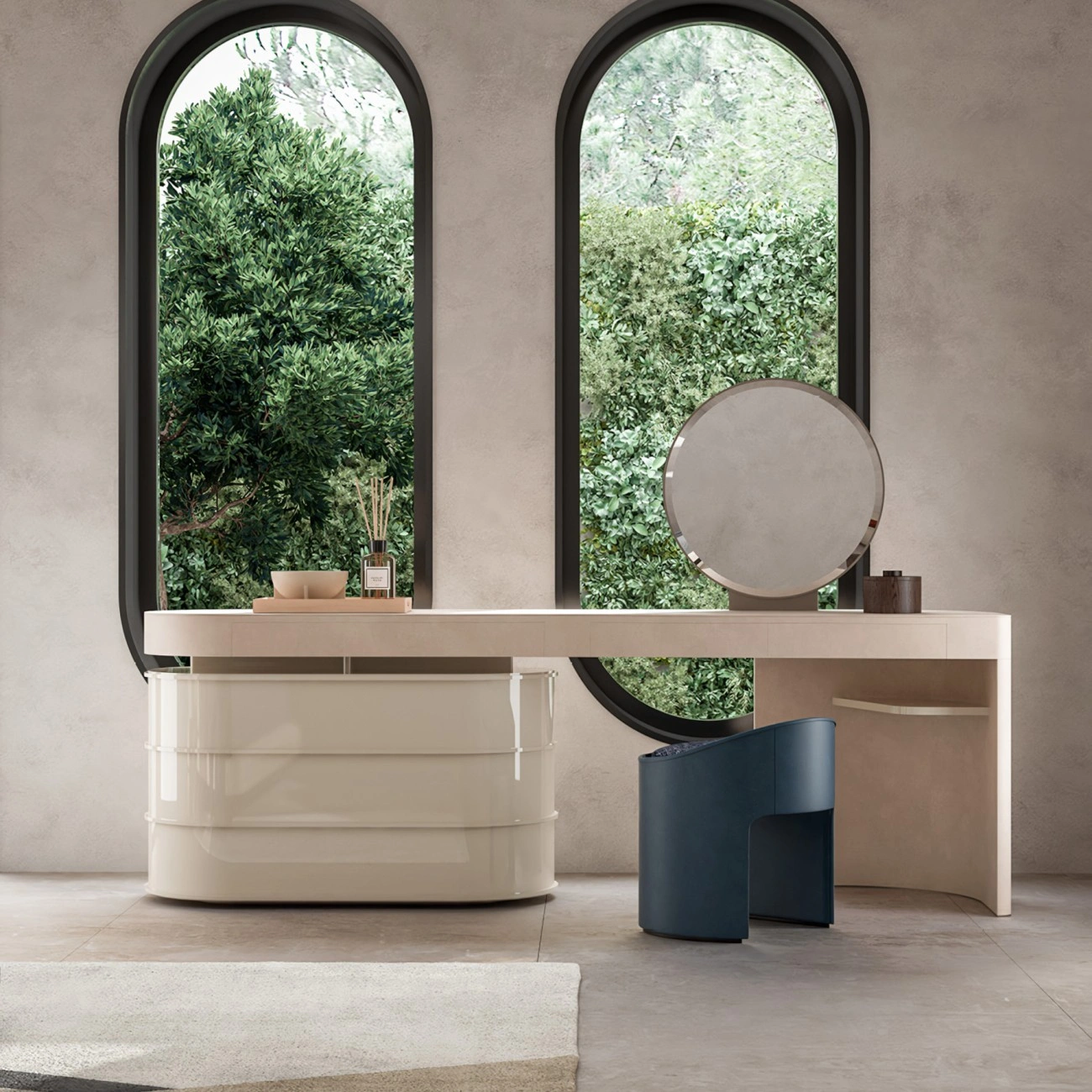








None of these words mean anything. “High-end,” “designer,” “luxury,” “premium,” “heirloom” — there is no standards body, no certification, no minimum specification any of them has to clear. A sofa can be marketed as luxury at eight hundred dollars and at eighty thousand, and both are legal.
That is genuinely inconvenient if you are trying to spend a significant amount of money well. So it is worth setting the vocabulary aside and looking at what actually differs between the tiers, because the underlying differences are real even when the labels describing them are not.
The three tiers people are actually describing
In practice, almost everything sold in this market falls into one of three groups. The labels move around; the groups do not.
Premium mass-market
Designed centrally, manufactured at volume, largely overseas, sold from stock. This is where most of what gets called “high-end furniture” online actually sits — the better end of the big retail names, with real design input and genuine quality control, built to a price that assumes a seven-to-ten-year life.
Typical construction: engineered hardwood or plywood frame, stapled and glued, sinuous spring suspension, single-density foam cushions wrapped in polyester. Nothing wrong with any of that. It is simply built to a different brief.
Heritage and upper retail
The long-established American names, plus the upper tier of design-led retail. Kiln-dried hardwood frames, eight-way hand-tied springs on the better models, a real choice of upholstery, and often a genuine made-to-order programme running alongside the stock lines.
This tier is where the word “high-end” is used most and disputed most, because the range inside it is enormous. The same showroom will frequently carry a hand-tied hardwood-framed sofa and a stapled plywood one at half the price, under the same brand, with the same descriptive language on both tickets.
European design houses
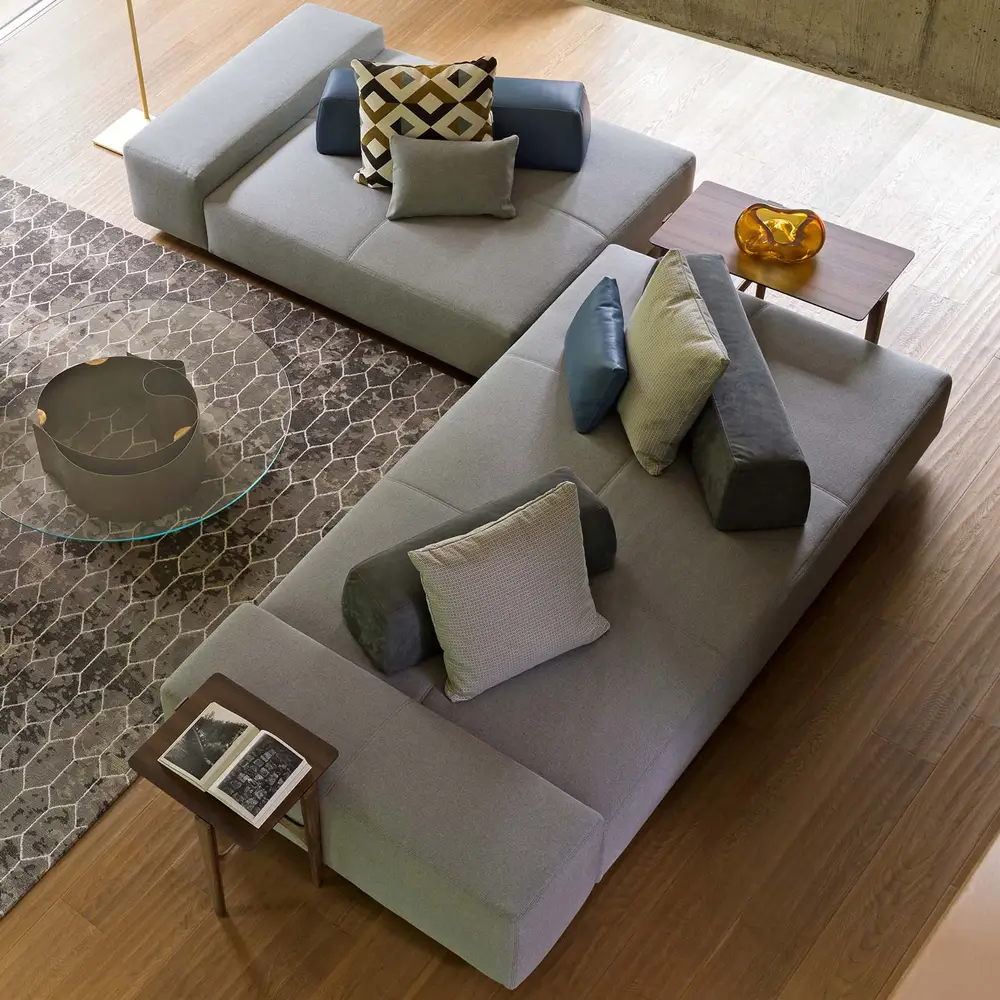
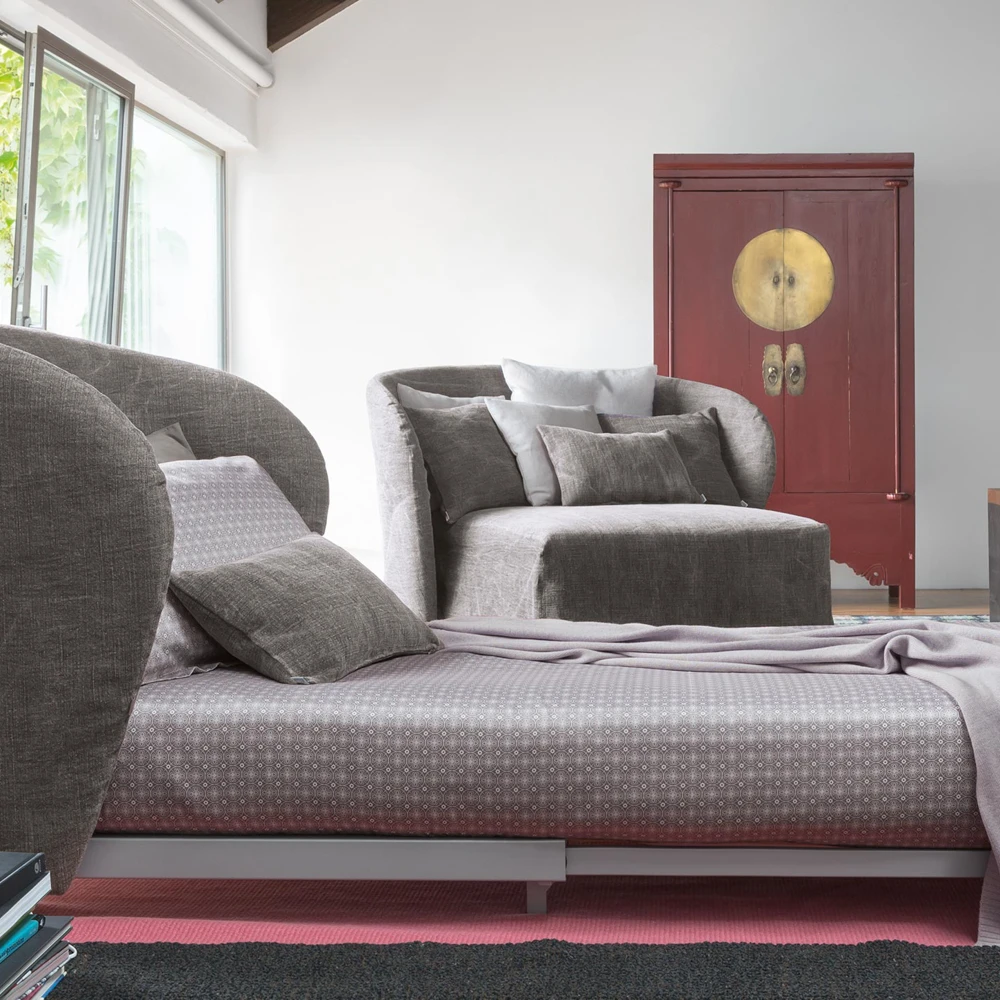
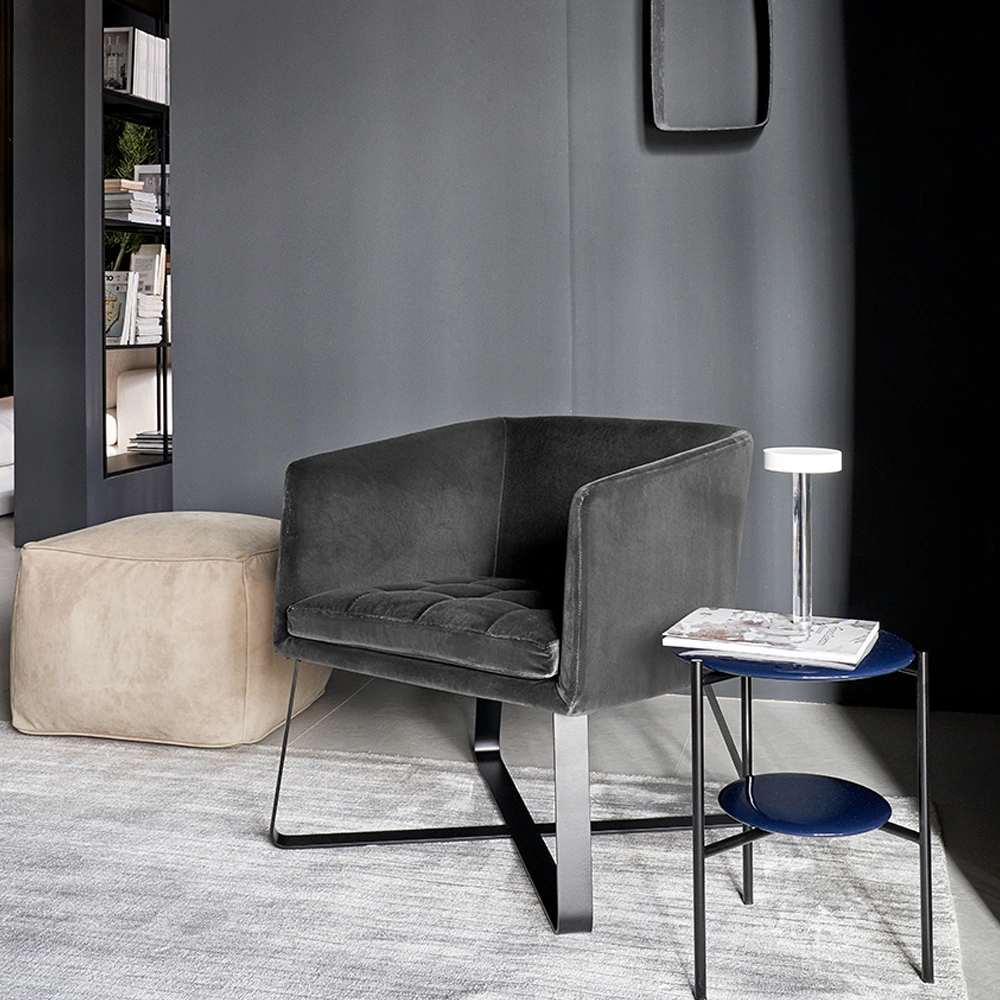
Mostly Italian, some Scandinavian and French. Built to order in the country of origin, attributed to a named designer, produced in small runs with long lead times. This is the tier where the word luxury is doing the least work, because at this point the differences are in things that cannot easily be photographed — suspension systems, foam densities specified by zone, seam allowances, the number of hours in the finishing.
Lead times of ten to sixteen weeks are normal here and are a reasonably reliable signal in themselves: the piece did not exist before it was ordered. We go through the individual houses, what each is actually good at, and how they compare on price in our full guide to the best luxury furniture brands.
The five things that actually differ
Ignore the adjectives on the website. These are the specifications that separate the tiers, in roughly descending order of how much they affect the life of the piece.
1. The frame
Kiln-dried hardwood, joined with dowels, corner blocks and glue, is the standard that lasts decades. Kiln-drying matters as much as the species: timber that has not been dried to a stable moisture content will move, and a frame that moves will eventually loosen every joint in it.
Below that: plywood and engineered lumber, stapled. Below that: softwood and particle board, which is where a sofa develops a permanent lean around year four. Ask which one it is. A brand at the top of this market will answer immediately; the answer being hard to obtain is itself the answer.
2. The suspension
Eight-way hand-tied springs remain the traditional benchmark and are genuinely labour-intensive. Sinuous S-springs are the mainstream alternative and are perfectly good when heavy-gauge and closely spaced. Elastic webbing is standard on much contemporary European design and is not a downgrade — it is a different intent, giving a firmer, flatter seat.
What matters is that a decision was made. Thin, widely spaced sinuous springs on a wide seat is the specification that fails first.
3. The cushion fill
The single biggest driver of how a sofa feels on day one and how it looks in year five. High-resilience foam holds its shape; low-density foam is what has collapsed when a cushion needs turning weekly. The better constructions use zoned densities — firmer at the base, softer at the surface — and wrap the whole thing in down or a down-substitute.
Foam density is a number. It is published or it is not, and whether it is published tells you most of what you need.
4. How it was finished
On case goods: whether the veneer is book-matched across the piece, whether the grain runs continuously through a run of drawers, whether the back is finished to the same standard as the front, whether the drawers are dovetailed and run on wood rather than plastic.
On upholstery: whether pattern is matched across seams, whether welting is straight, whether the underside is properly dust-covered. These are hours, and hours are most of what separates the price points.
5. Made to order, or made already
The clearest single dividing line in the whole market. A piece built after you ordered it can be specified — dimension, fill, fabric, finish, sometimes leg height and seat depth — and it carries no inventory cost, which is where a surprising share of retail markup actually goes.
The cost is time. Ten to sixteen weeks is the normal range, and it is the main reason people talk themselves into the tier below.
Price is a signal, not a proof
Price correlates with construction, imperfectly. What it also correlates with is retail model, shipping, showroom overhead, marketing, and how many parties stand between the factory and the room.
Two useful heuristics. First, a piece that is heavily discounted on a recurring schedule is a piece with discount built into its list price — genuine made-to-order production almost never runs seasonal sales, because there is no inventory to clear. Second, compare like specifications rather than like descriptions: an eight-hundred-dollar and a four-thousand-dollar sofa described in identical language on two websites are not making the same claim, they are making no claim at all.
Where the labels come from
A quick historical note, because it explains the vocabulary. The American furniture industry consolidated around a single city for most of the twentieth century, and the tier language — “better goods,” “promotional,” “upper-middle” — is inherited from wholesale market classification rather than from anything a customer was ever meant to read. We wrote about that history and what remains of it in our piece on High Point and the furniture capital of the world.
The European houses never used that system, which is part of why their marketing language sounds different and why direct comparison is genuinely hard. They classify by collection and designer, not by price tier.
What to ask before spending
- What is the frame made of, and is it kiln-dried?
- What is the seat cushion foam density, and is the fill zoned?
- What is the suspension, and at what gauge and spacing?
- Is this built to order, and in which country?
- Can the cover be replaced later, and are covers sold separately?
- What does the warranty cover on the frame specifically, and for how long?
Six questions. A brand operating at the top of this market answers all six without hesitation, usually with numbers. Anywhere the answers become adjectives, you have found the tier.
Which tier is right
Not a rhetorical question, and the answer is not always the top one. Premium mass-market is the correct choice for a first apartment, a rental, a room whose function is likely to change, or a household with young children and a realistic view of the next four years.
The upper tiers earn their price on pieces you intend to keep, in rooms whose use is settled, in the specific categories where construction is felt daily — seating above all, then beds, then dining tables. Spending at the top on a console table and at the bottom on a sofa is the most common misallocation in this market, and it is exactly backwards.
If what you actually want is the ranked list — who makes what, what each house costs, and where the genuine differences sit between them — that is a separate and longer piece of work, and it lives in our comparison of the best luxury furniture brands. For the Italian houses specifically, and where to see them in person, start with our guide to the top Italian luxury furniture stores.