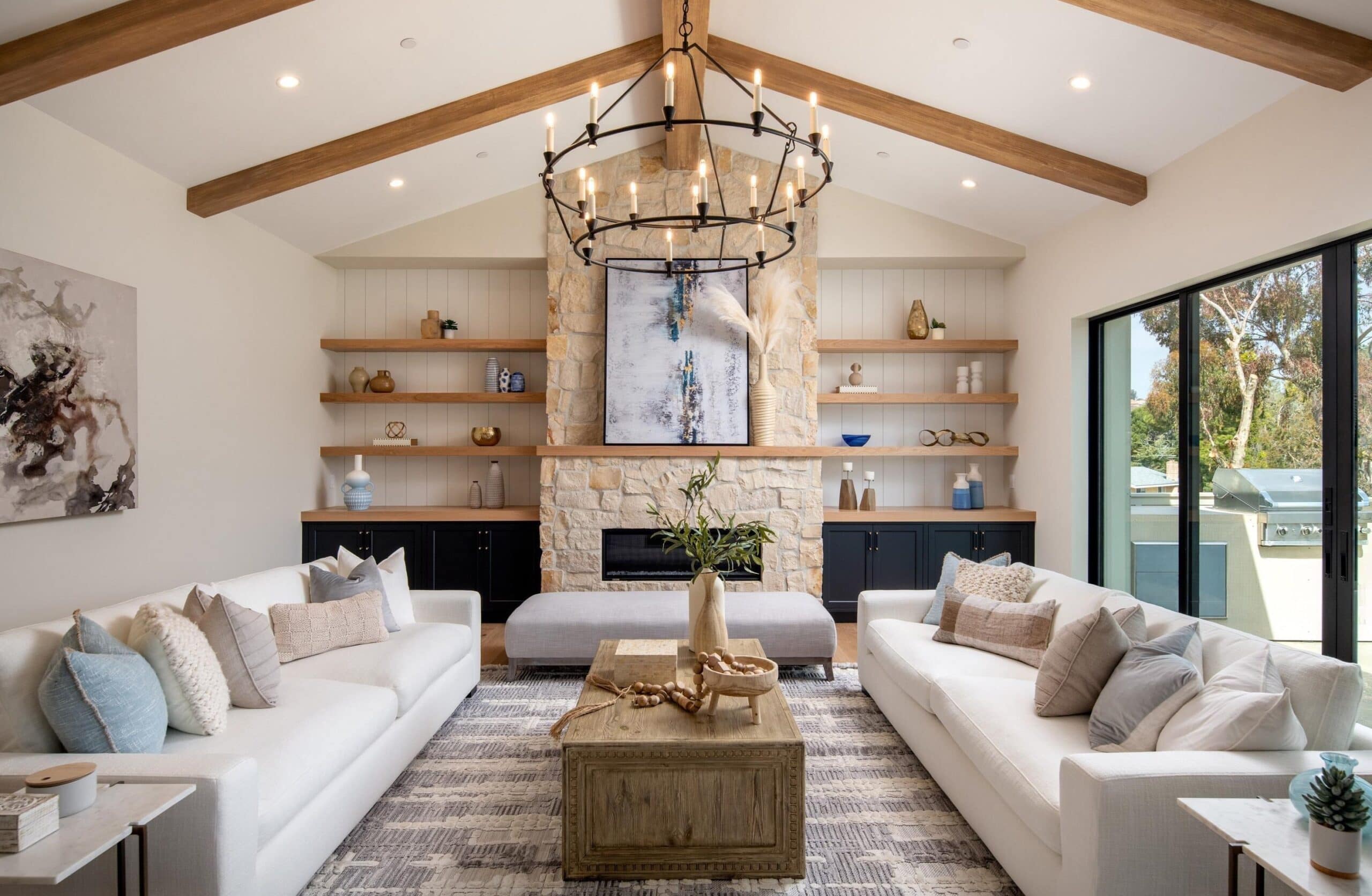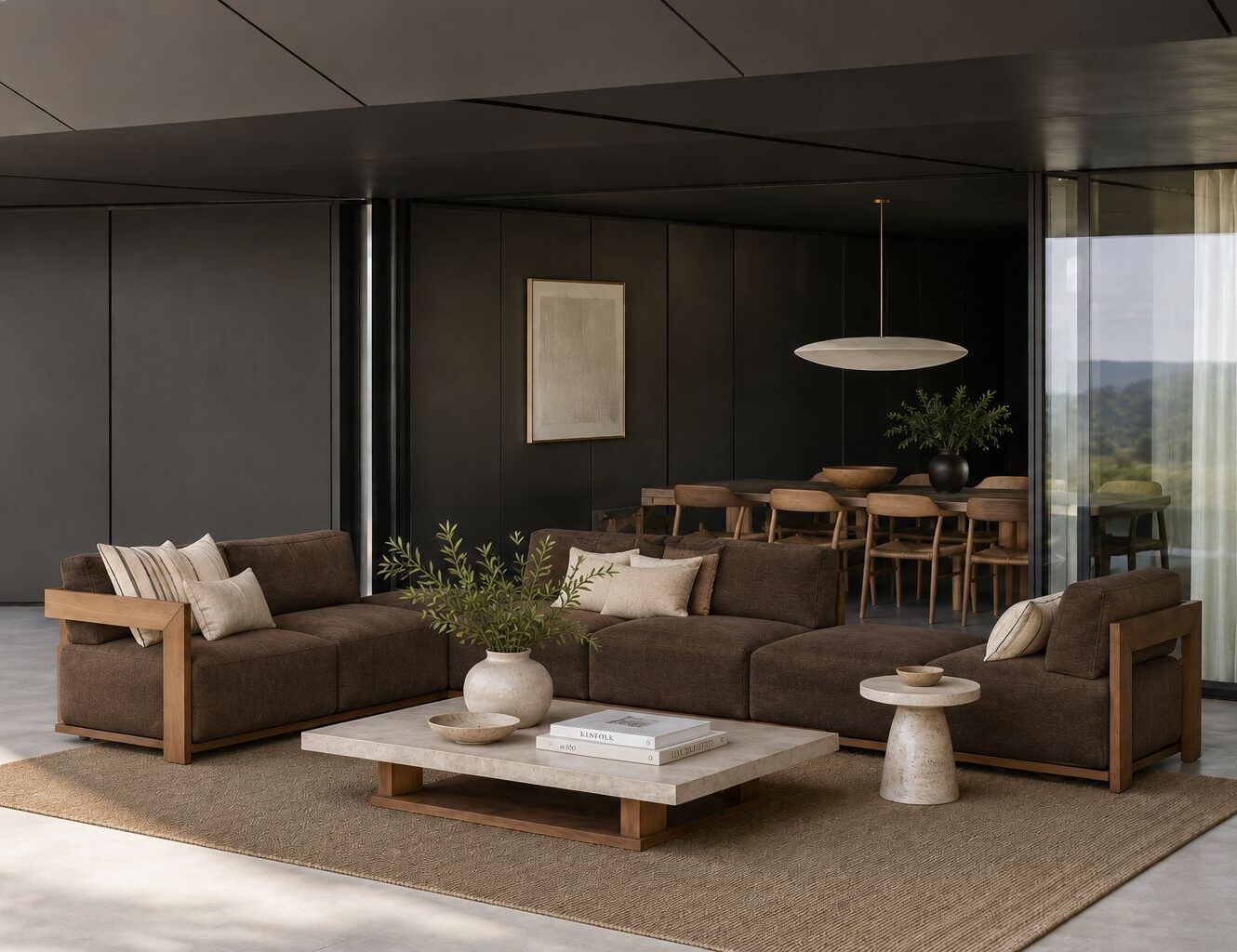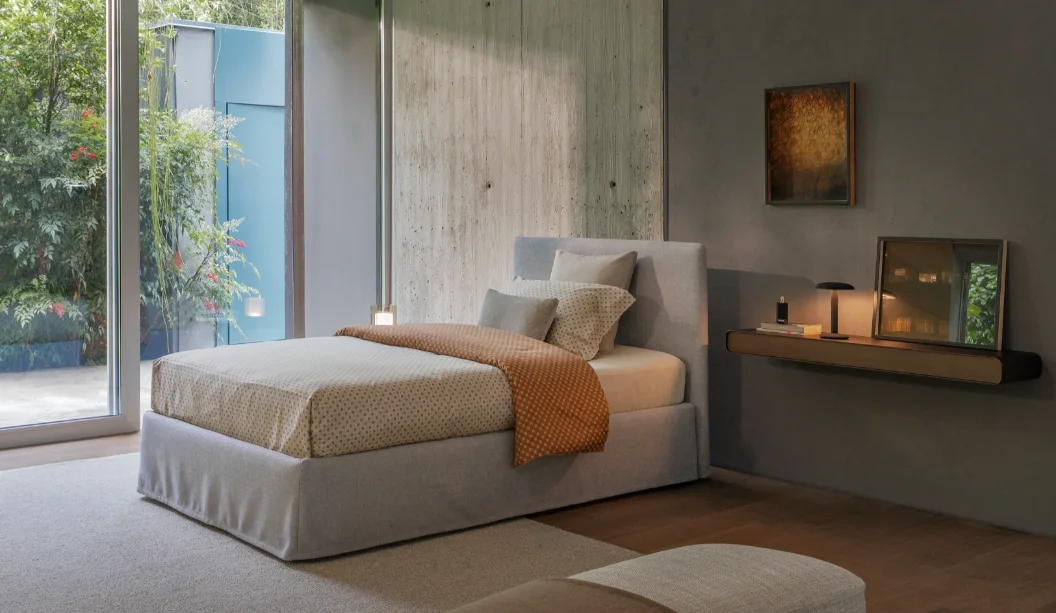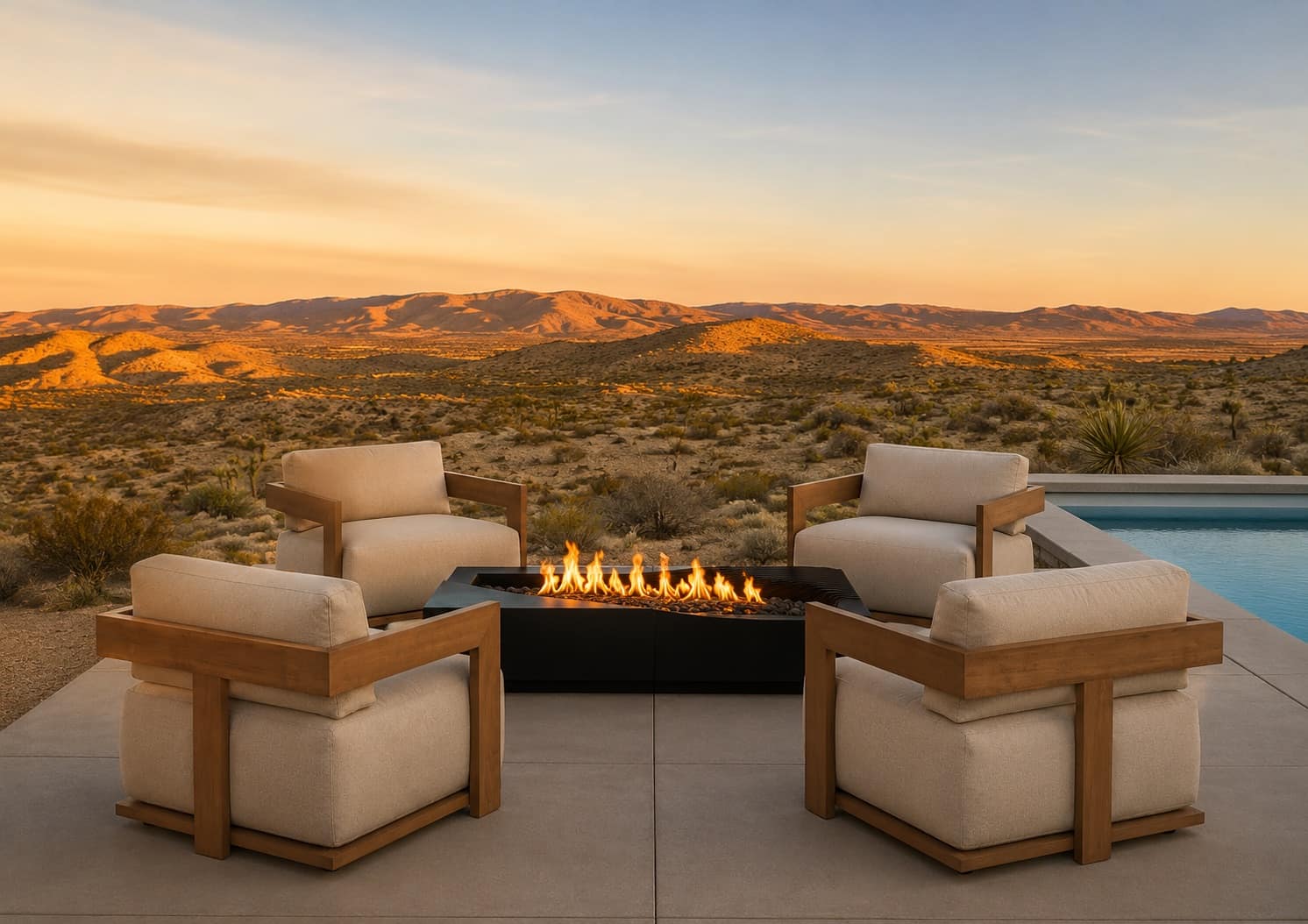











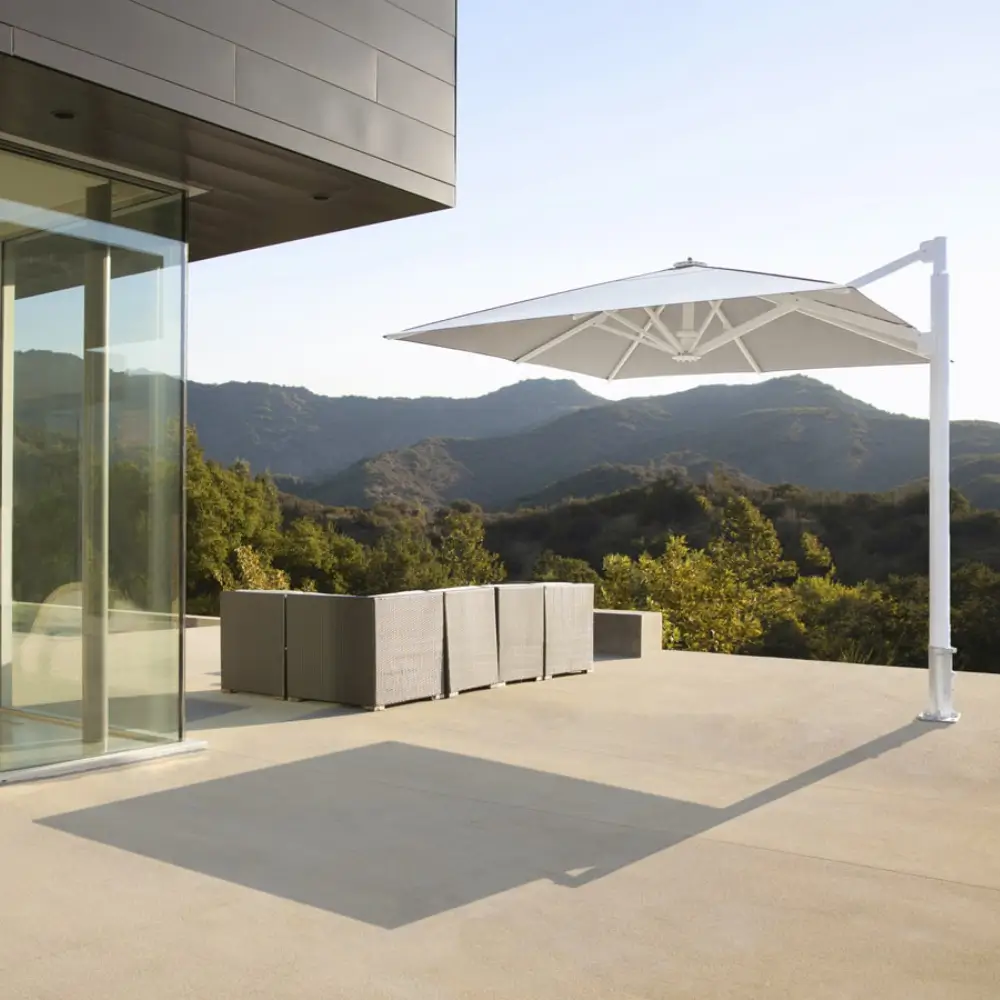


There’s something quietly radical about the armless sofa. It isn’t flashy. It doesn’t demand attention the way a bright color or sculptural chair does. And yet, in 2026 interiors, it’s popping up everywhere—and for good reason. The armless form changes how a room feels, how furniture interacts, how space is occupied. It’s less about the sofa itself and more about what it does in a room: it opens, it invites, it flows.
Walk into a living room with an armless sofa and you notice it instantly. There’s no visual barrier at the ends. Light passes freely. Movement feels natural. You can sit from any angle, approach it from multiple sides. Cushions spill over the edges without being trapped by rigid arms. It’s a sofa that encourages interaction, flexibility, and a kind of casual elegance.
Minimalist Without Feeling Cold
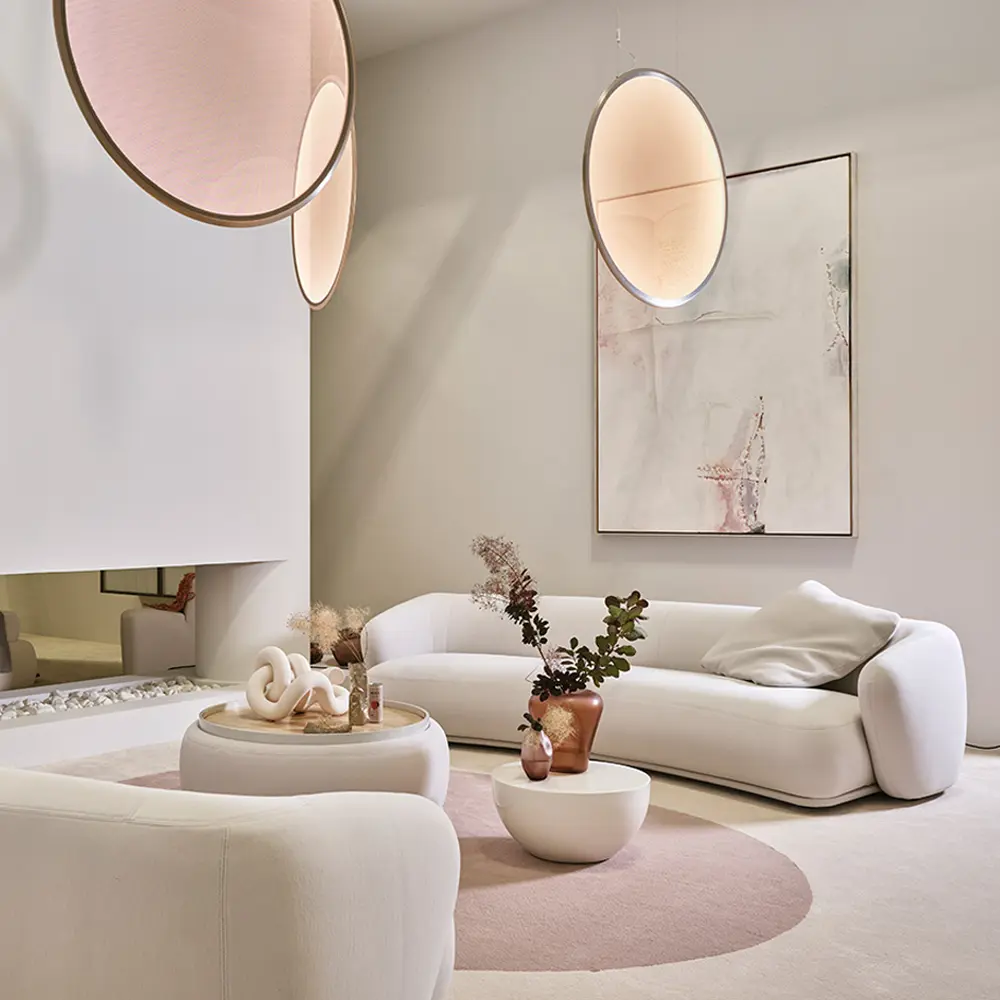
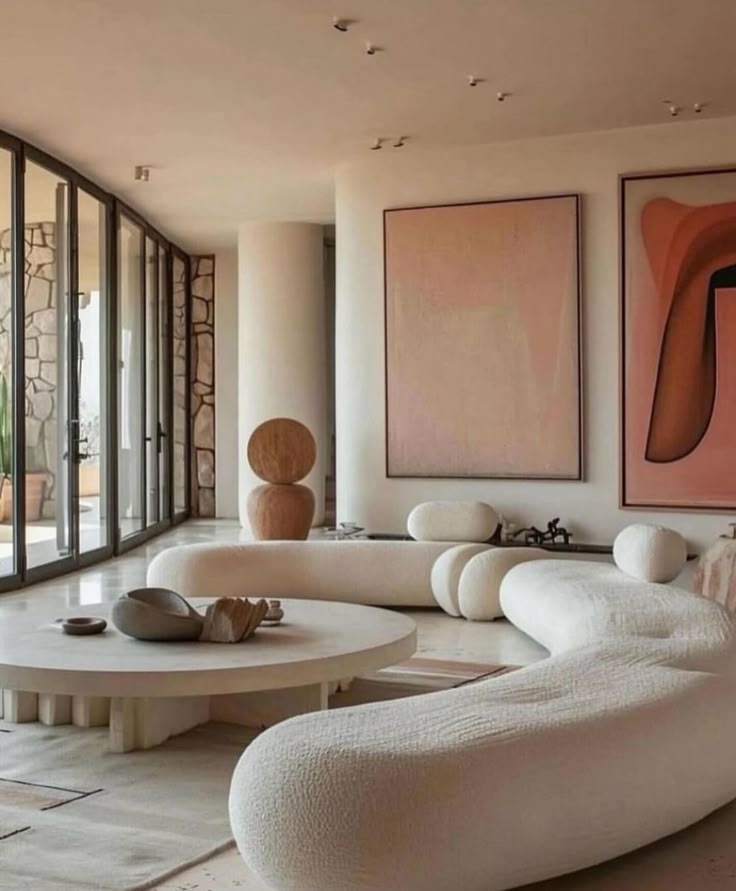
Armless sofas have long been tied to minimalism, but 2026 designers are giving them more depth, more warmth. Clean lines, yes, but also plush upholstery, layered textures, careful attention to proportion. It isn’t just about reducing visual weight; it’s about openness without sacrificing comfort.
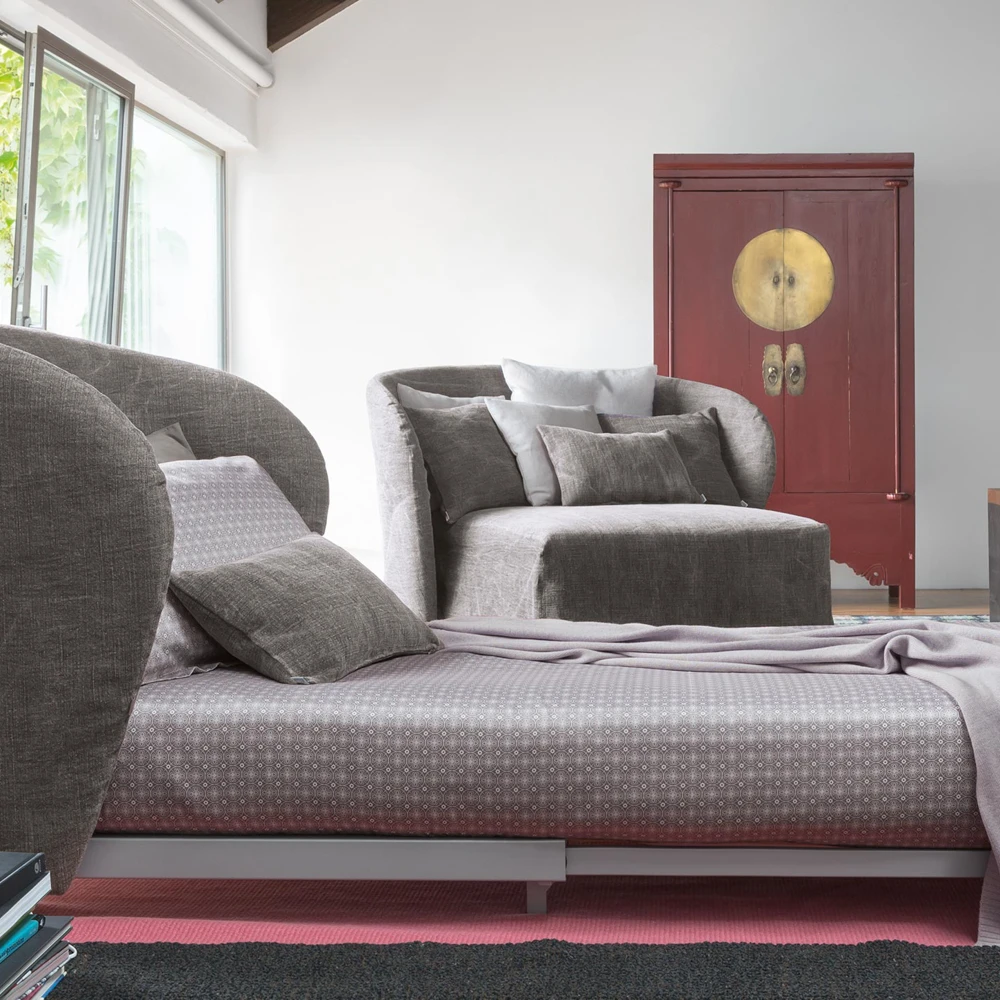
A custom high end velvet armless sofa, for instance, can feel sculptural and approachable at the same time. Linen blends offer softness, tactility, warmth. Even leather—usually formal—softens in an armless silhouette, inviting slouching, lounging, more human interaction with the furniture.
Scale and Proportion
Armless sofas are deceptively tricky. Without arms to visually finish the piece, proportion is everything. Designers in 2026 pay close attention to height, depth, cushion layering. Too low and the sofa disappears. Too high and it dominates. It’s a delicate balance.
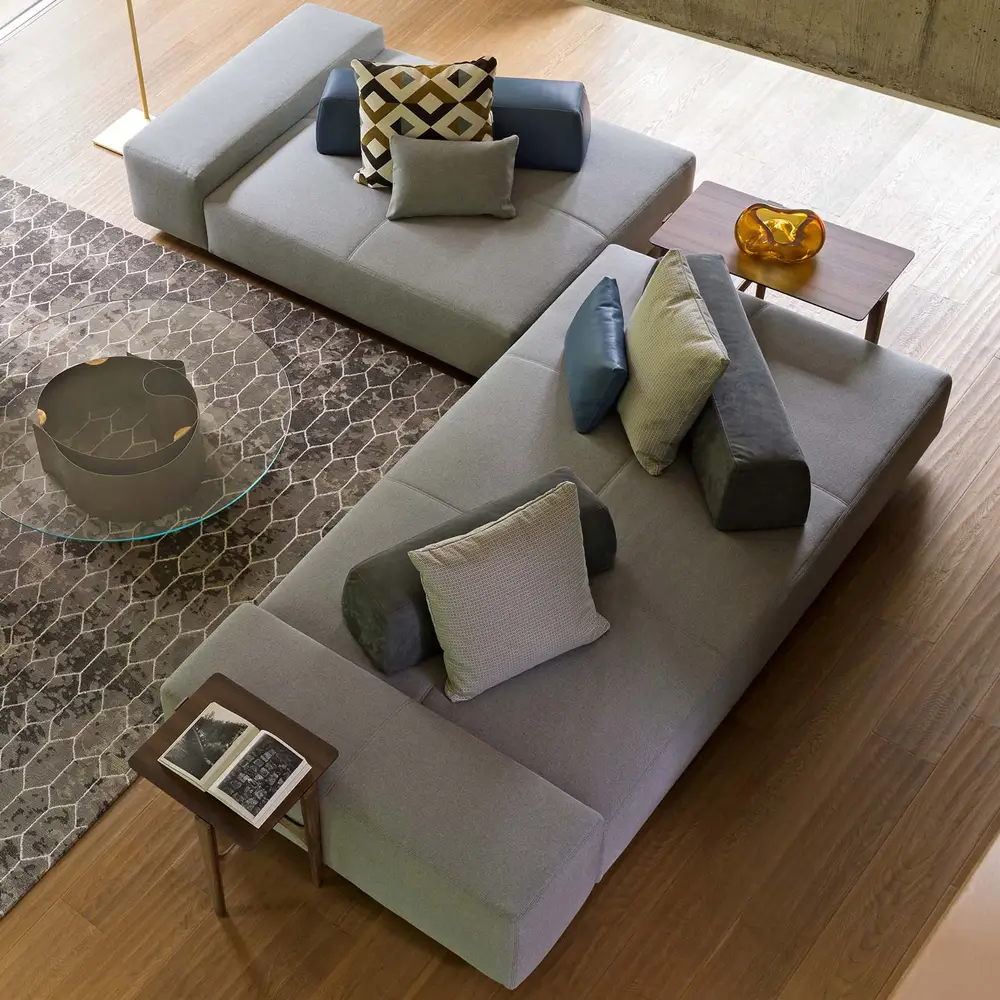
Modular armless sofas are especially popular. Sections combine, separate, corners form, spaces shift. The absence of arms gives a sense of fluidity—a sofa that moves with the room rather than forcing a strict layout. In open-plan living, this flexibility is invaluable. Pathways, zones, circulation—it all works without being forced.
Emotional and Behavioral Influence
Armless sofas change how people behave in a space. They encourage lounging, sideways sitting, sprawling, conversation in multiple directions. Children slide across cushions easily; pets curl up at the ends without obstruction. The furniture becomes less a barrier and more a shared territory.
There’s also a psychological effect. Rooms feel lighter, freer, less boxed in. The sofa becomes a canvas for other design elements—rugs, coffee tables, side tables, poufs—to interact. Furniture arrangement isn’t dictated by armrests anymore; it becomes playful, experimental.
Materiality Matters
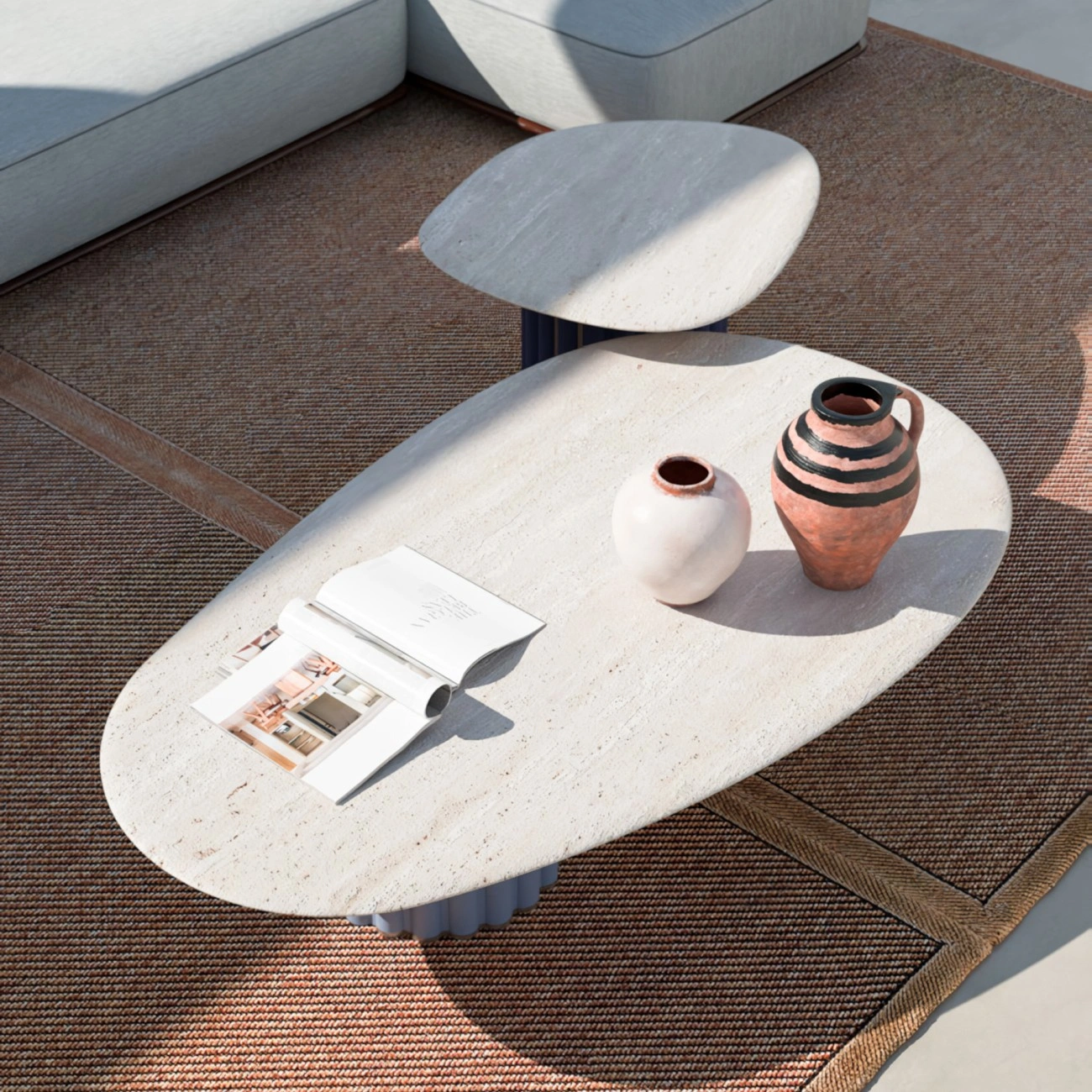
2026 interiors are pairing armless sofas with everything: natural woods, polished metals, soft textiles, sculptural ceramics. Materials matter. A hand-woven rug anchors an armless piece; a sculptural coffee table complements it. The sofa itself bridges surfaces—soft against hard, matte against glossy, tactile against smooth.
Textiles are getting bolder. Jewel-toned velvets, muted earth tones, soft pastels—armless sofas absorb and reflect color differently because they’re open-ended. Cushions, throws, modular add-ons—they all become part of the conversation, not just accents.
Custom and High-End
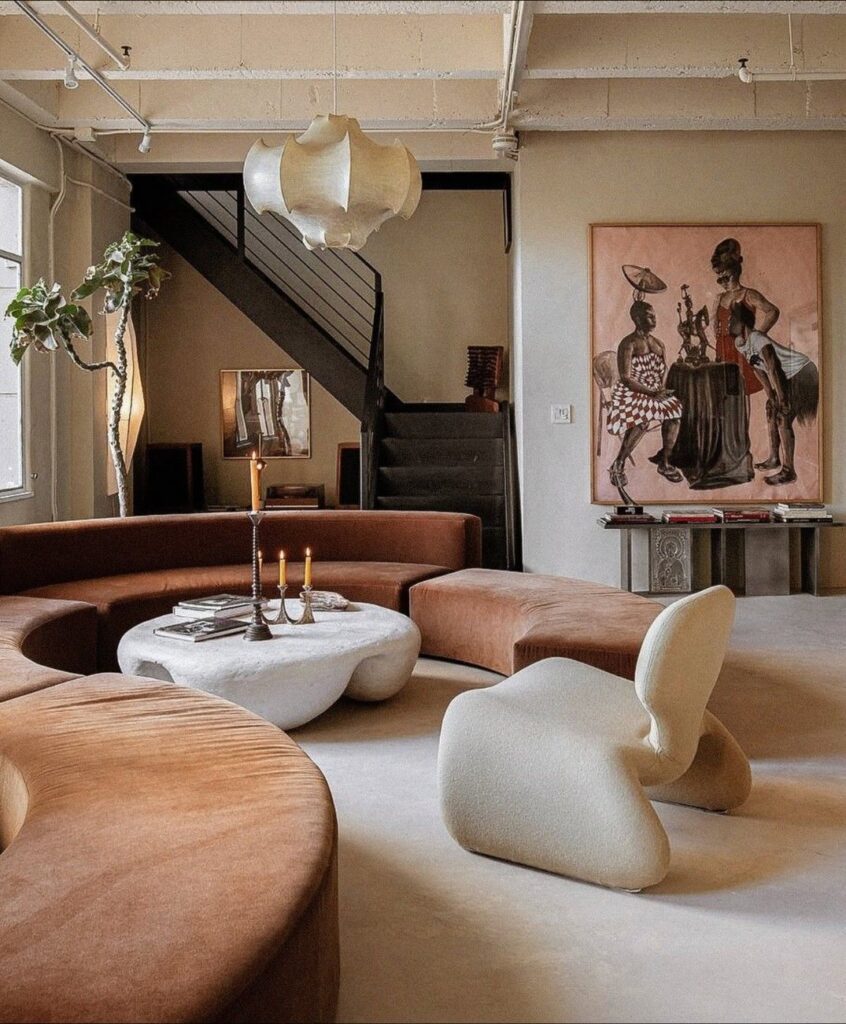
The armless trend has moved into high-end custom furniture. Designers experiment with exaggerated proportions, unconventional curves, asymmetrical forms. One bespoke sofa might be longer at one end, creating rhythm. Another might have low-profile backrests, inviting slouching or lounging.
Custom armless sofas feel intentional. Every cushion, seam, leg placement matters. The lack of arms doesn’t make it easier—it makes it harder. Balance, rhythm, comfort—they all have to work harder. When it’s done well, the sofa anchors the room without dominating it.
Modularity and Movement
Modular armless sofas shine here. Sections can be rearranged for morning coffee, evening conversation, movie night, or just sprawling. Armlessness removes rigid boundaries, letting furniture interact with space instead of constraining it.
Visually, the lack of arms creates movement. The eye travels over the piece uninterrupted, noticing curves, upholstery texture, subtle leg angles. In rooms dominated by sharp lines or architectural restraint, armless sofas soften the visual flow without losing sophistication.
Pairing and Layering
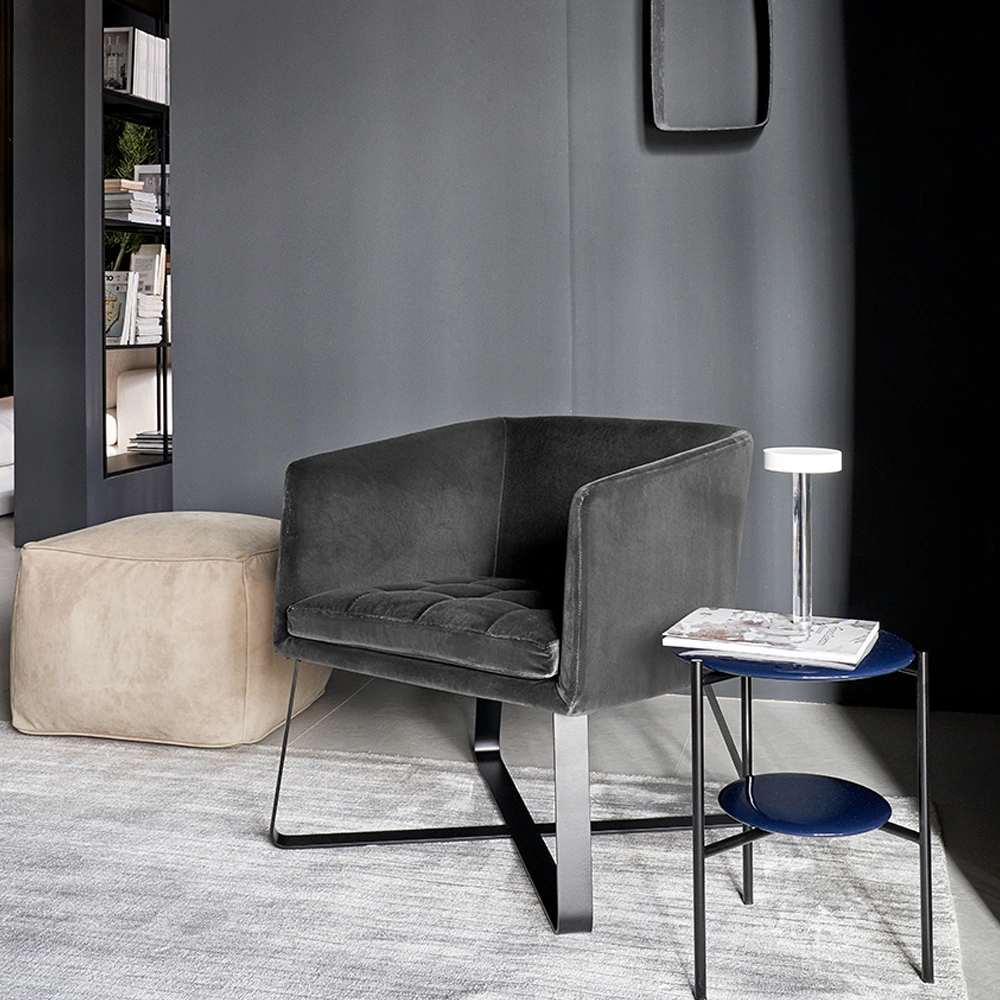
Armless sofas aren’t solo stars. They work in layers. Pair with a sculptural side table, a pouf, or low bench. Rugs, lamps, art—all breathe around it. Nothing blocks the visual line, and other elements can punctuate, anchor, extend.
The furniture becomes a stage. People, rugs, coffee tables, plants—they all interact with it. Even lighting behaves differently over an armless sofa; shadows drift across edges that would otherwise be boxed in by arms.
Emotional Resonance
It’s subtle, but armless sofas change how rooms feel emotionally. They invite collaboration, intimacy, flexibility. They give the room an energy conventional sofas don’t. That energy is quiet but powerful. Not just seating—it shapes experience.
People gravitate toward them. Lounging, conversation, play, reflection. They feel human. Alive. In 2026 interiors, human-centered design is everything. Furniture participates in living, not just existing.
Why It Works
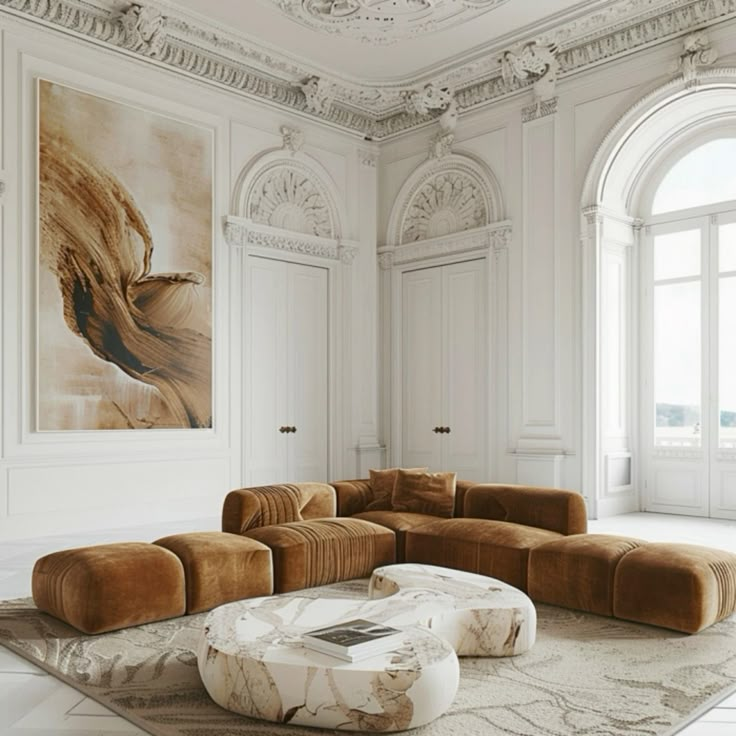
Armless sofas work because they’re flexible, visual, interactive. They create rhythm without imposing boundaries. They make interiors feel open but grounded. They pair with natural materials, sculptural accessories, layered textiles. They can be minimal or plush, restrained or indulgent.
Simple silhouette, complex execution. Lack of arms forces designers—and inhabitants—to think differently about space, circulation, interaction. That’s why the armless sofa is more than a trend. It’s a 2026 interior strategy.
Openness, adaptability, tactility, human engagement. The room breathes, furniture interacts, design feels lived-in. Armless sofas don’t shout, but they quietly reshape how we inhabit interiors in ways that are subtle, physical, emotional, human.