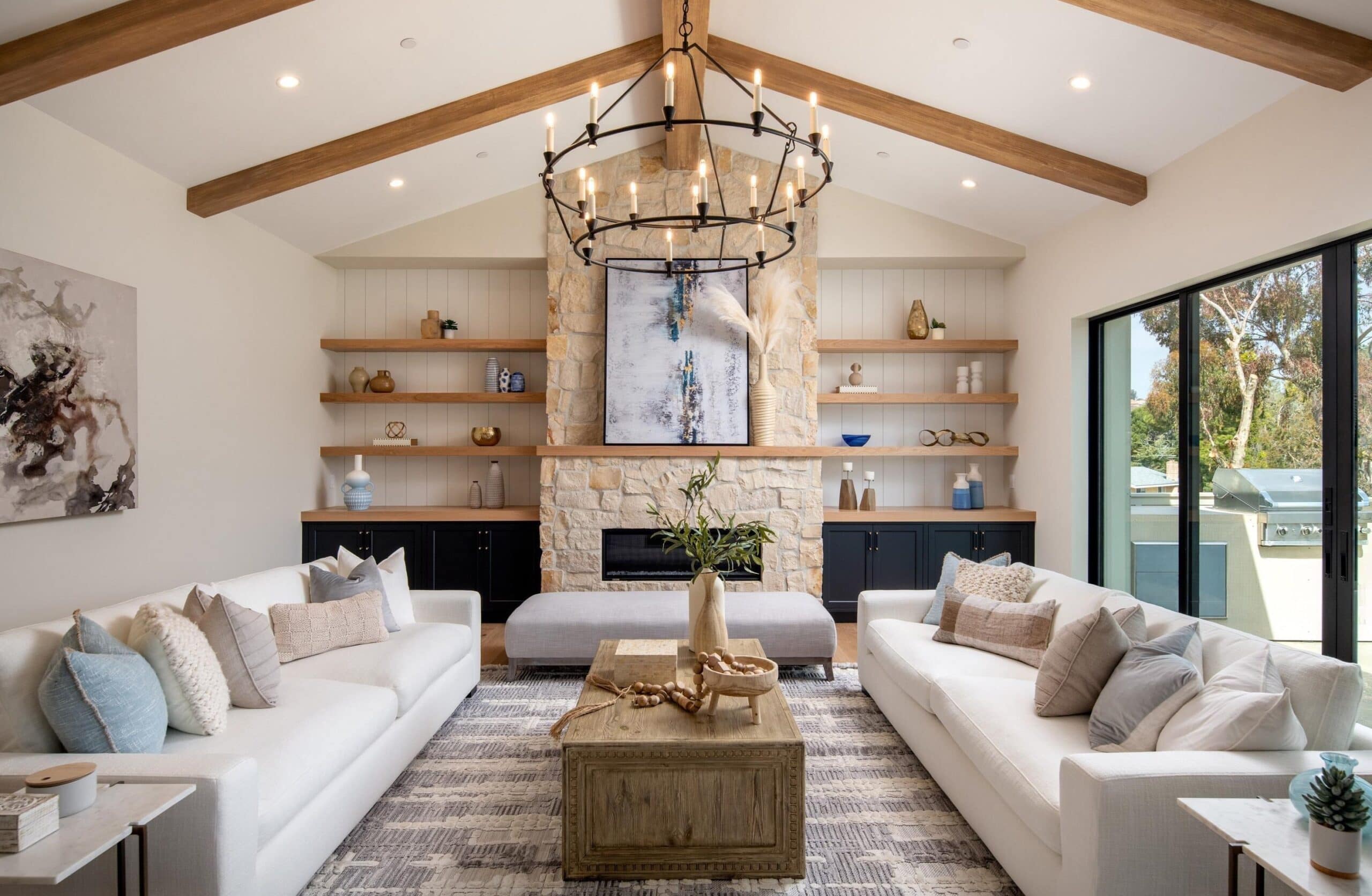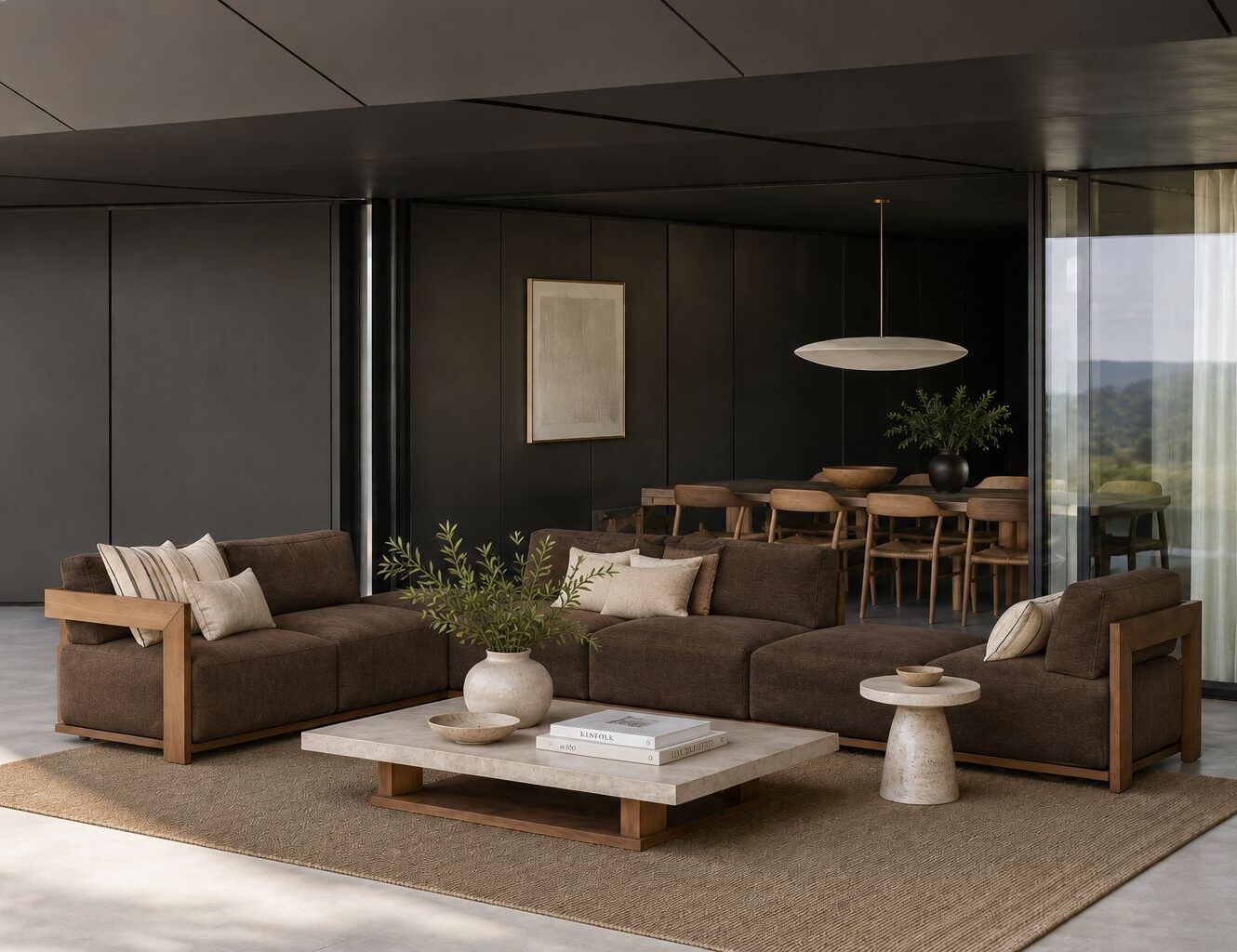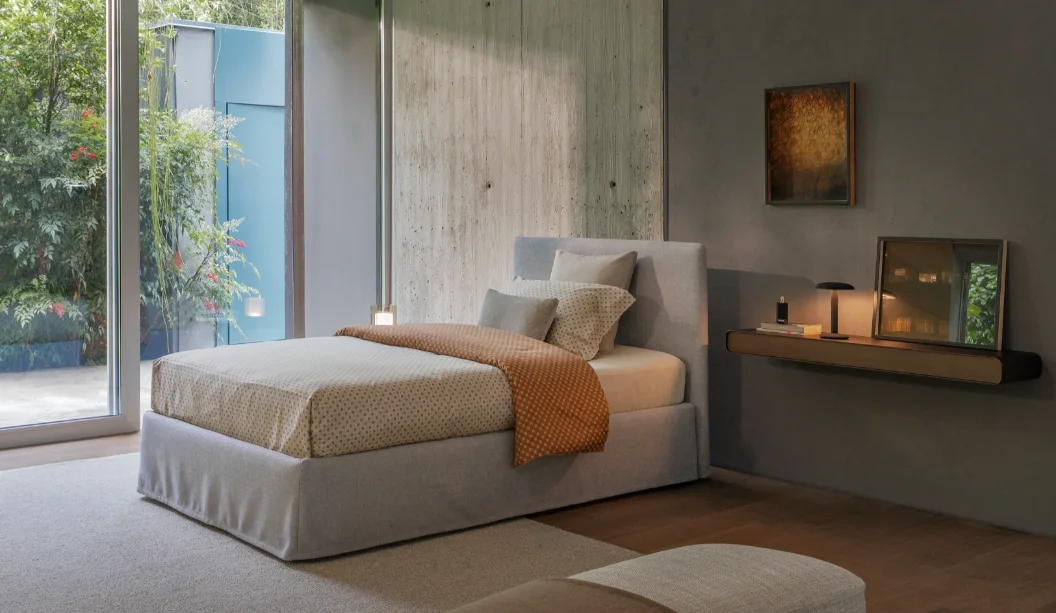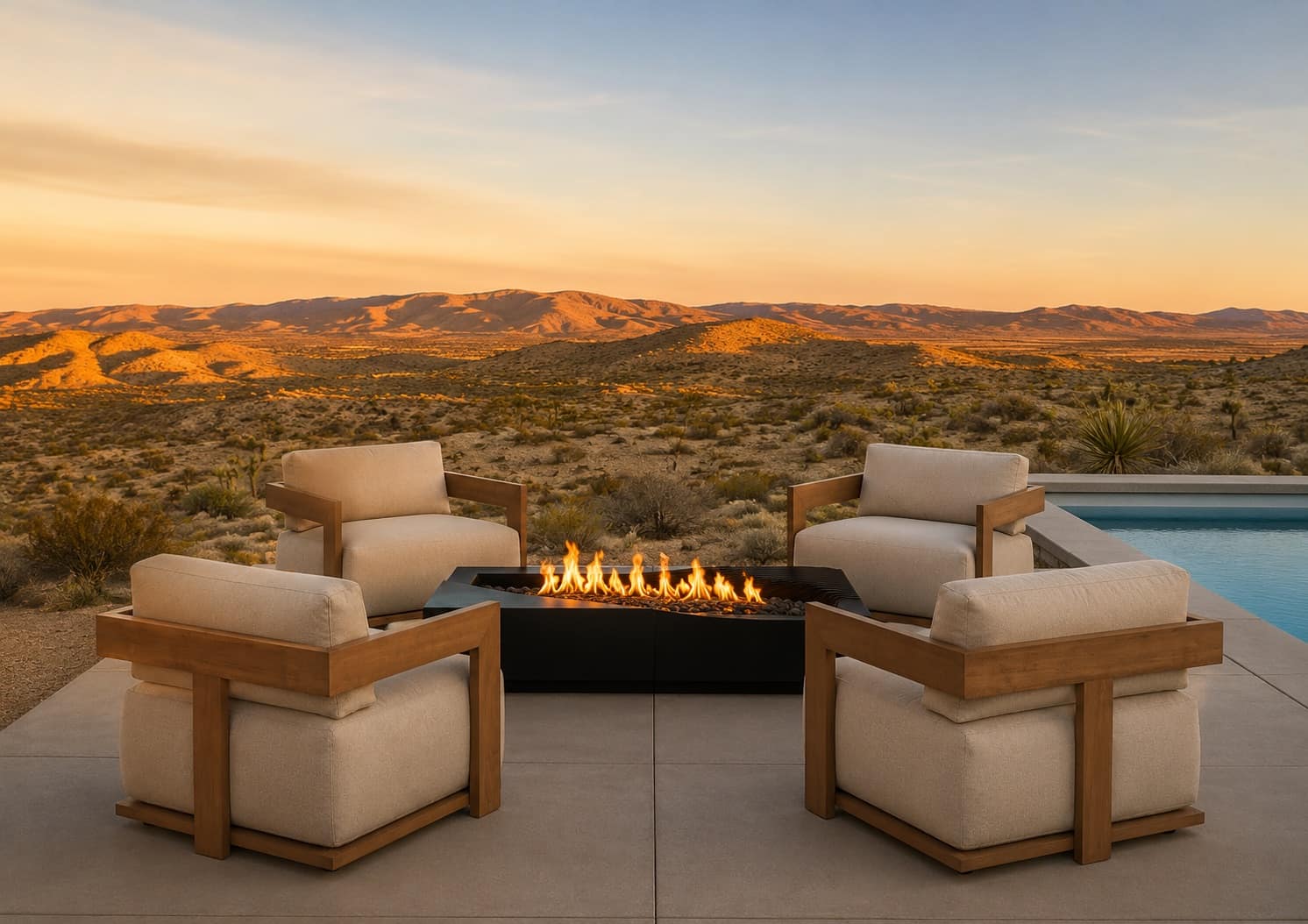





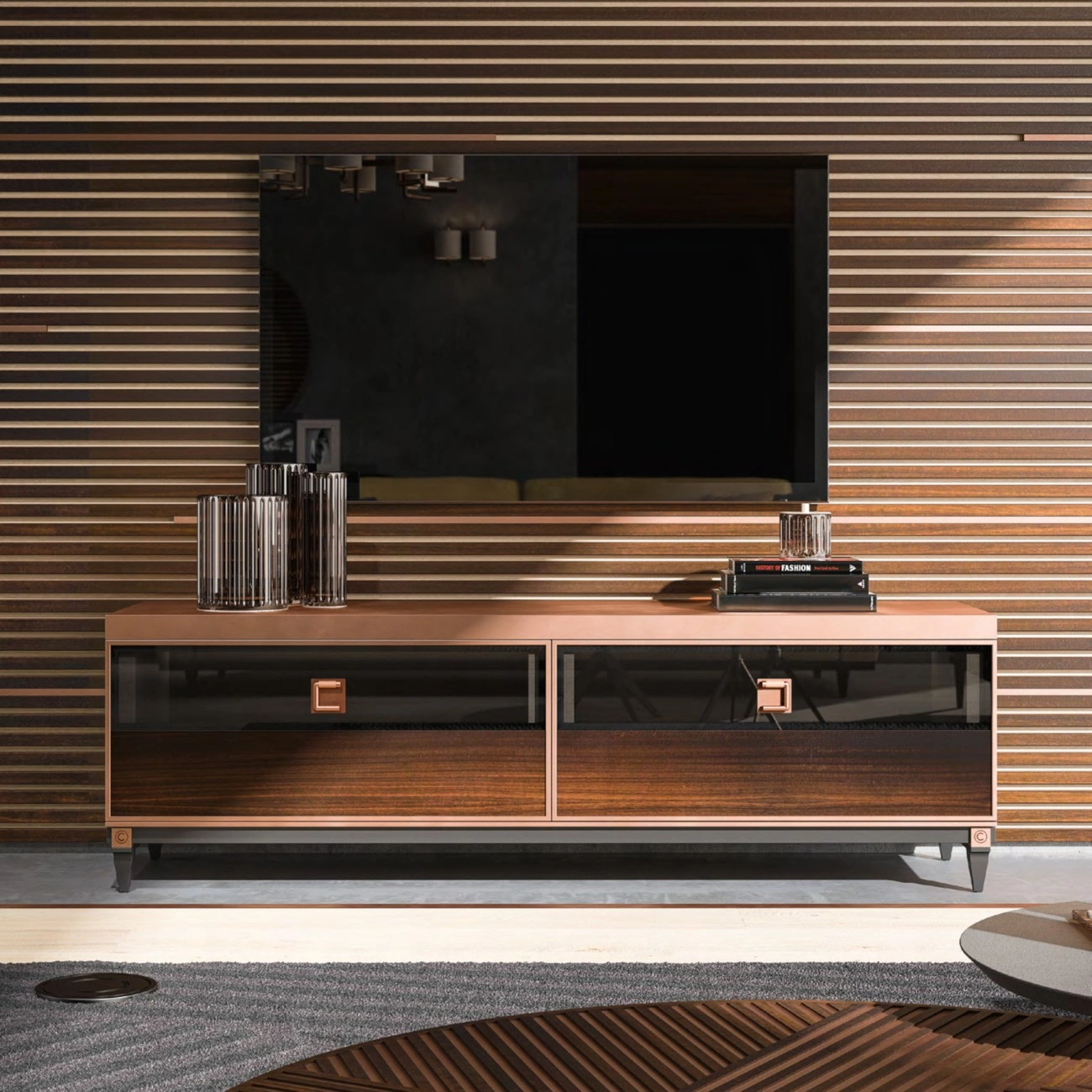
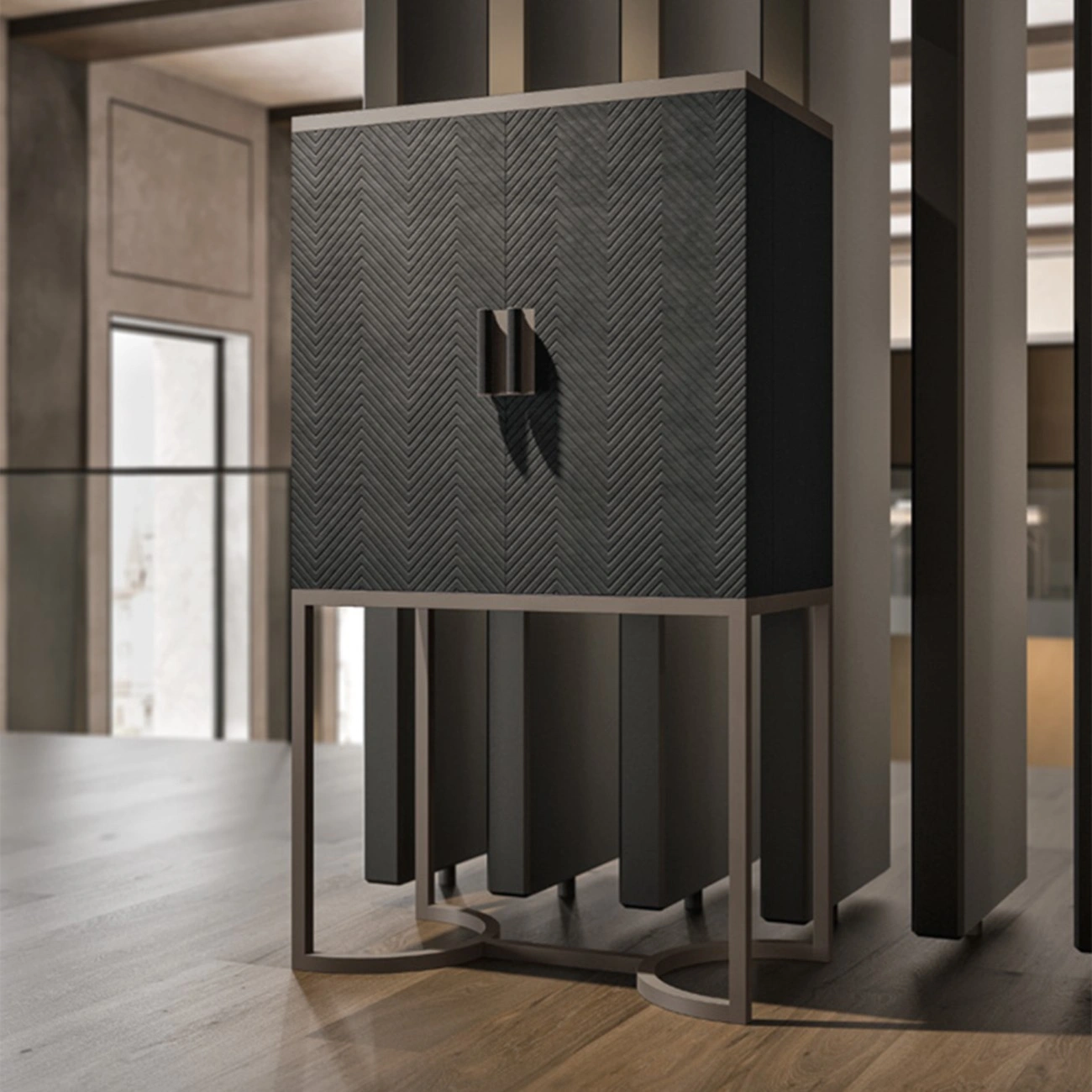

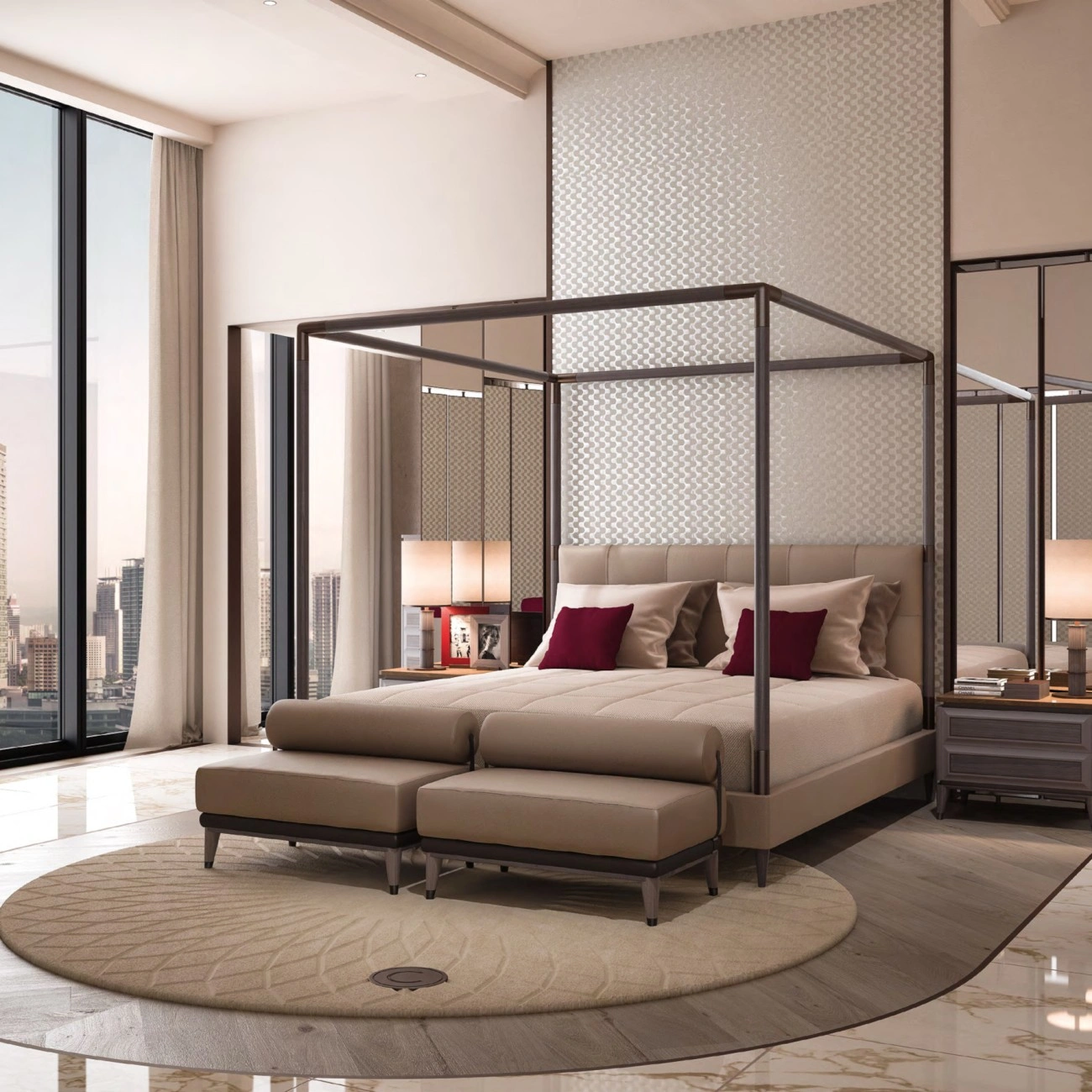
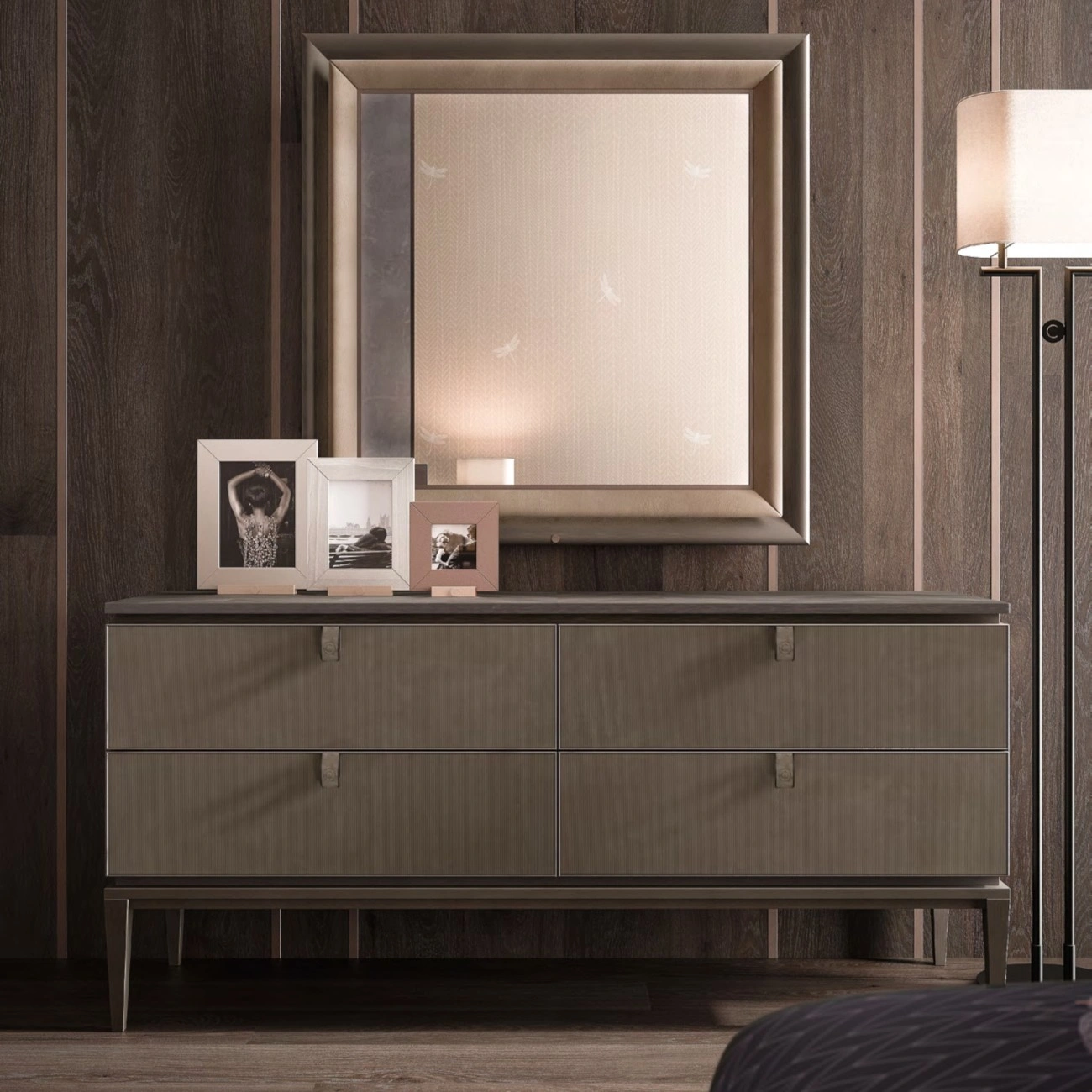

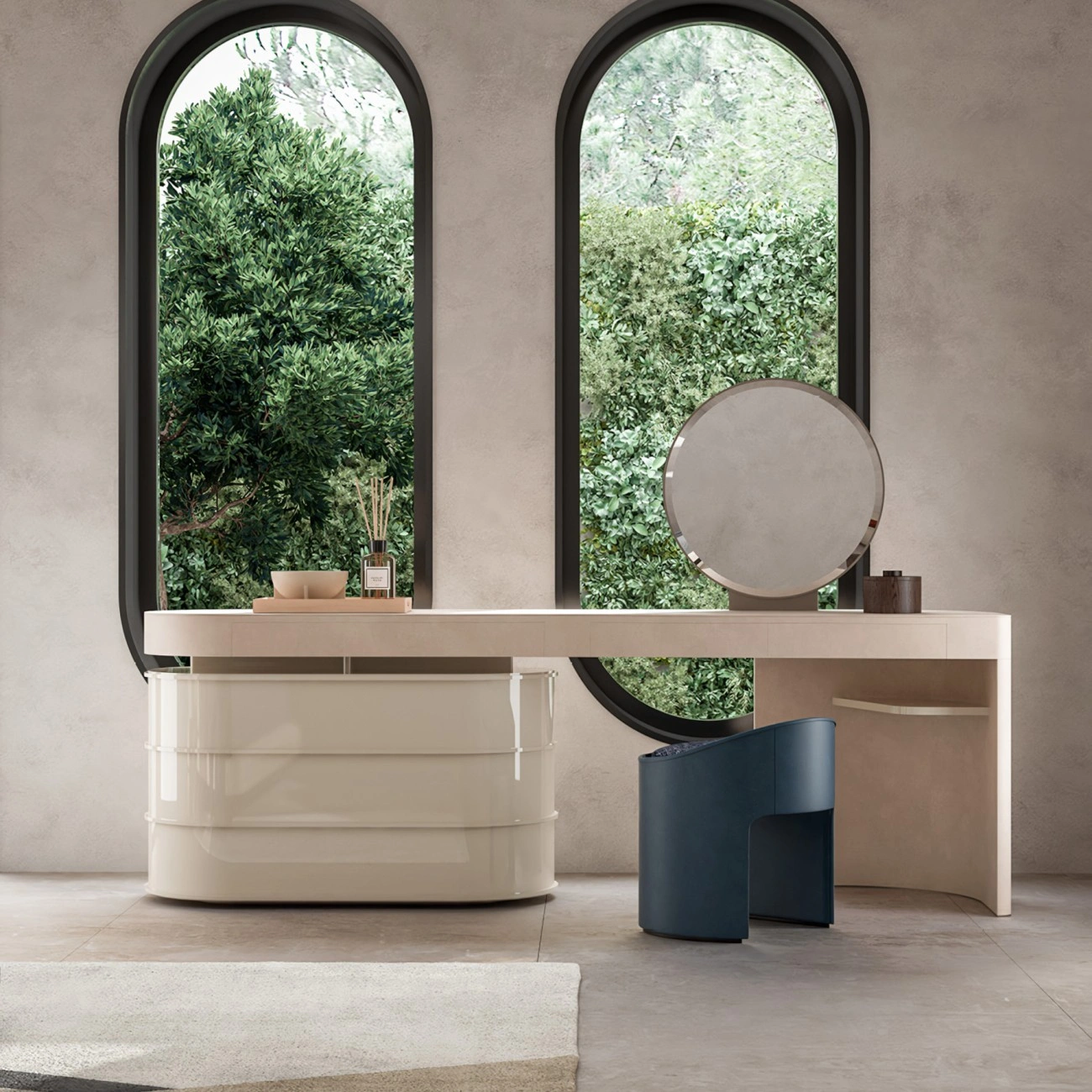
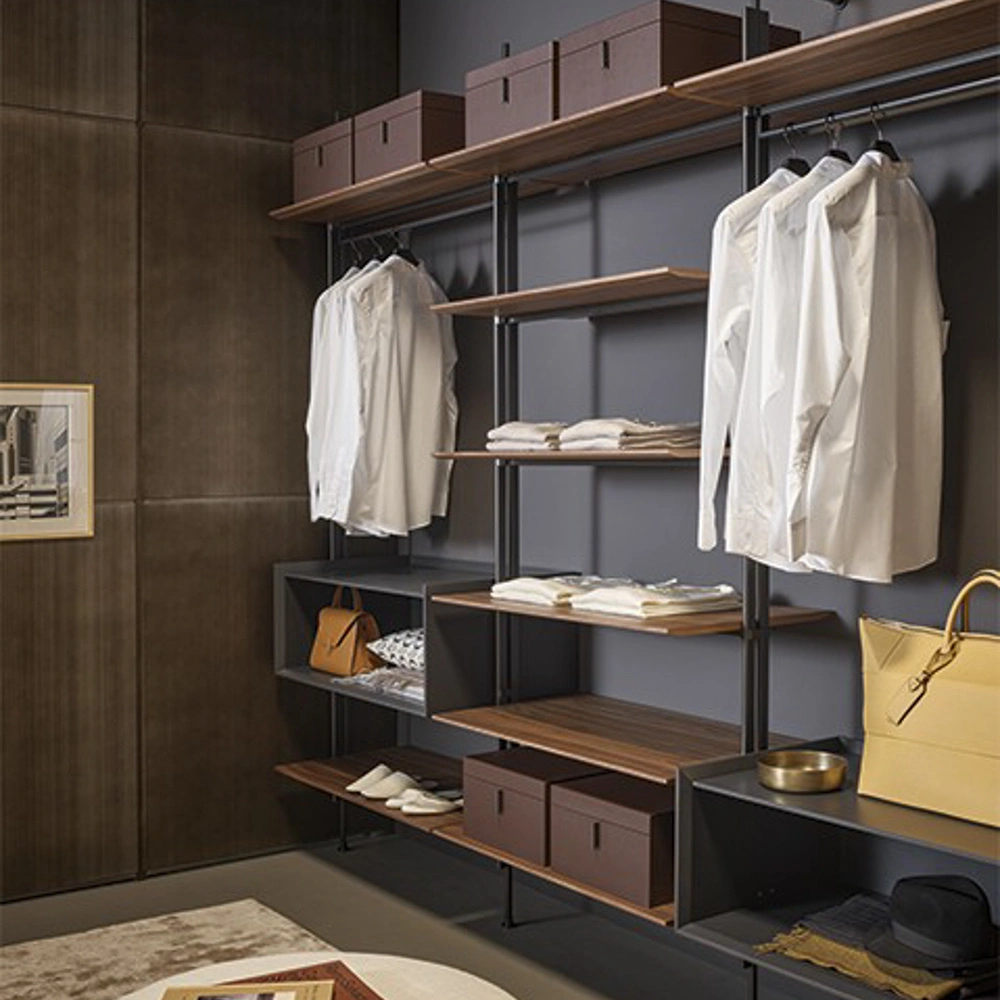
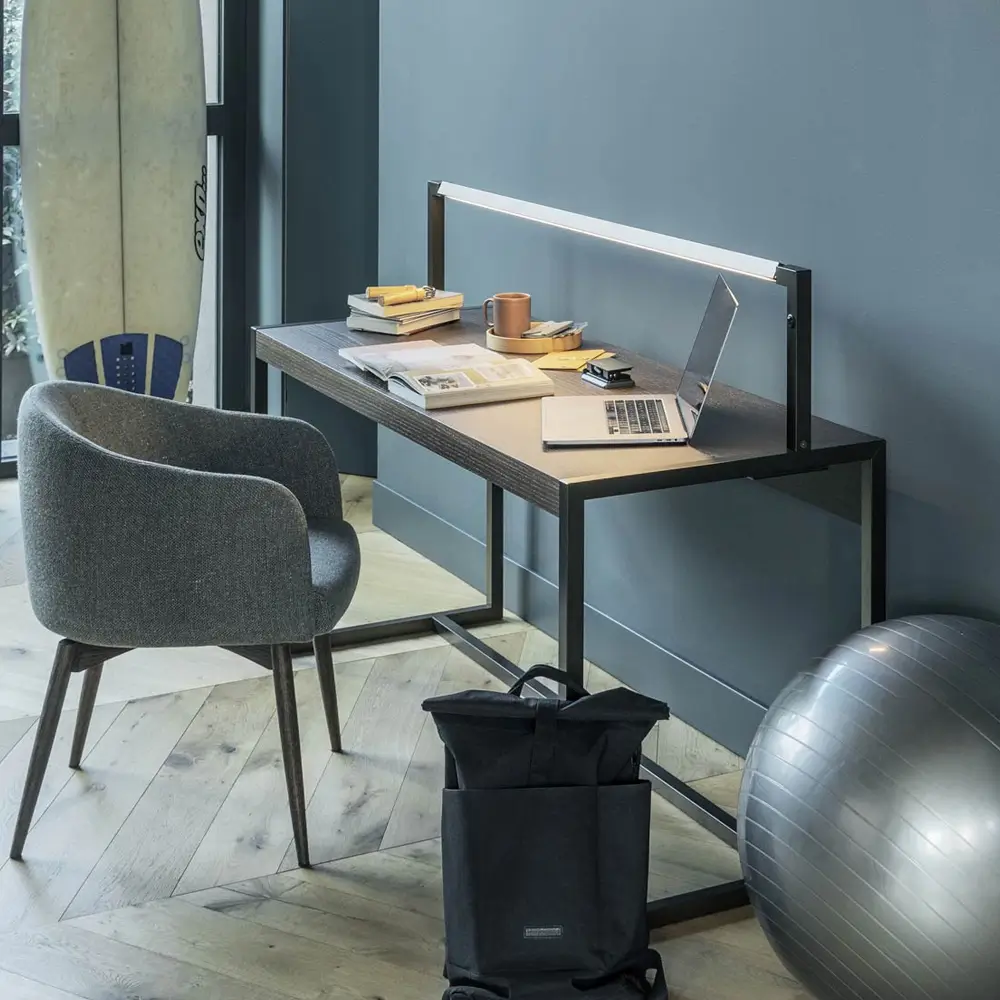




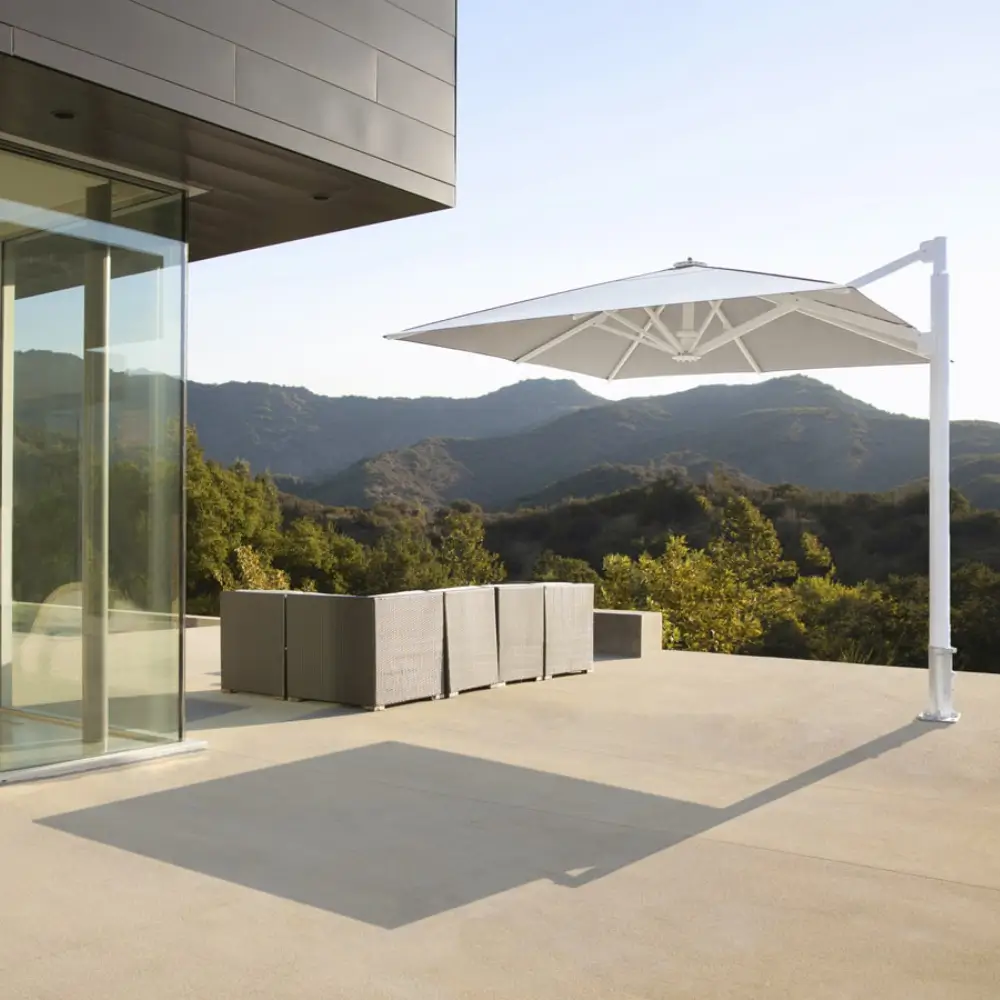


There is something that happens when you walk into a room that has been genuinely, thoughtfully furnished — a room where every piece was chosen with care, where the materials are honest and the proportions are right. Something in you settles. This is not coincidence. It is psychology.
At Melaaura, we have always believed that the furniture in a home is not merely decorative. It is environmental. It shapes the emotional experience of the people who live within it — their sense of calm, their quality of rest, their capacity for conversation, their relationship to their own daily life. The research behind this belief is substantial. The lived experience of our clients confirms it every day.
This piece is our attempt to articulate what we see — and what the emerging science of environmental psychology is beginning to formally document: that luxury furniture emotional wellbeing is not a marketing phrase. It is a real, measurable phenomenon. And Italian furniture, specifically, achieves it in ways that no other furniture tradition in the world consistently matches.
How does living with quality furniture affect psychological well-being?
The research is unambiguous: the quality of our physical environment has a direct and sustained effect on our psychological state. Spaces with coherent design, natural materials, considered proportions, and sensory richness — qualities that luxury furniture inherently brings — consistently produce lower cortisol levels, reduced anxiety, improved sleep quality, and greater overall life satisfaction in their occupants. The effect is not superficial or temporary. People who live with genuinely well-made, beautifully designed furniture report a sustained improvement in their relationship to home — a deeper sense of belonging, calm, and personal dignity — that compounds over time rather than fading with novelty. At Melaaura, we consider this the most important argument for investing seriously in the furniture that surrounds your daily life.
The Room as Emotional Environment
The field of environmental psychology has spent decades documenting what good interior designers have always known intuitively: the spaces we inhabit are not passive backdrops to our lives. They are active participants in how we feel, think, and function. Temperature, light, acoustic quality, spatial proportion, material texture, color — each of these variables exerts a measurable influence on mood, cognitive performance, stress response, and social behaviour.
Furniture is the primary means by which these variables are controlled and expressed in a domestic interior. The height of a sofa back determines how the room’s light falls across a seated person’s face. The density of an upholstered cushion determines whether sitting on it produces a sensation of support or of sinking. The grain of a timber dining table surface determines the quality of the visual and tactile experience at every meal. These are not trivial details. They are the substance of what the psychology of luxury interior design is actually about.
At Melaaura, we think about these dimensions of furniture selection constantly — not because we have been trained to apply a psychological framework to our work, but because our clients tell us, consistently and over many years, that the homes we help them furnish feel different from any other home they have lived in. Calmer. More their own. More liveable in the deepest sense of that word.
“A room that has been genuinely furnished — not decorated, but furnished — tells its occupant something important: you are worth this. That message, received daily, changes how a person moves through their life.”
Why Italian Furniture — and Why It Matters Psychologically
Not all well-made furniture achieves the same psychological effect — and this is where the specificity of the Italian furniture tradition becomes relevant. The reason that Italian furniture quality of life is a phrase that resonates with people who have experienced it is not marketing. It is the accumulated effect of a manufacturing tradition that treats every stage of production as a craft decision rather than an efficiency problem.
Italian furniture manufacturers — the brands Melaaura carries, including Flou, Meridiani, Bonaldo, Gervasoni, and Talenti — produce pieces in which every element has been considered: the tension of the spring system beneath an upholstered seat, the weight and balance of a drawer when it opens, the way a leather surface will develop and deepen over years of use, the acoustic quality of a room when its surfaces are covered in natural woven textiles rather than synthetic ones. These are not selling points. They are the difference between a piece of furniture that contributes to your psychological environment and one that merely occupies it.
The psychological impact of this difference is profound. When you sit in a chair that responds to your body with precision and care, something registers — not consciously, but at the level of nervous system response. Muscle tension releases. Breathing deepens. The body recognises that it is supported. This is the mechanism behind the frequently reported experience of luxury interior design psychological benefits: not a vague sense of aesthetic pleasure, but a specific, physiological response to an environment of quality.
Why do people feel better in spaces with Italian luxury furniture?
Italian luxury furniture achieves its psychological effect through a combination of factors that operate simultaneously and reinforce each other. The material quality — natural leathers, honest timber, woven textiles that carry the evidence of their own making — activates the sensory systems in ways that synthetic materials cannot replicate, producing a sense of environmental richness that the nervous system interprets as safety and comfort. The precision of Italian construction means that every piece functions with a smoothness and responsiveness that registers as care — and the experience of being cared for, even by an inanimate object, has well-documented psychological benefits. The design language of Italian furniture — restrained, proportionally considered, never gratuitously decorative — creates the kind of visual quiet that supports cognitive rest. And the longevity of well-made Italian furniture means that the psychological investment deepens over time: a piece that improves with age, that carries the history of its use, that will outlast every trend, contributes to a sense of permanence and stability that is itself deeply reassuring.
Material and the Nervous System — What Touch Communicates
One of the most consistently underestimated dimensions of how furniture affects mood is the role of tactile experience. We touch the furniture in our homes hundreds of times a day — the arm of a sofa as we pass, the surface of a dining table as we sit down, the handle of a drawer as we reach for something — and each of these micro-encounters either reinforces or undermines our sense of environmental quality.
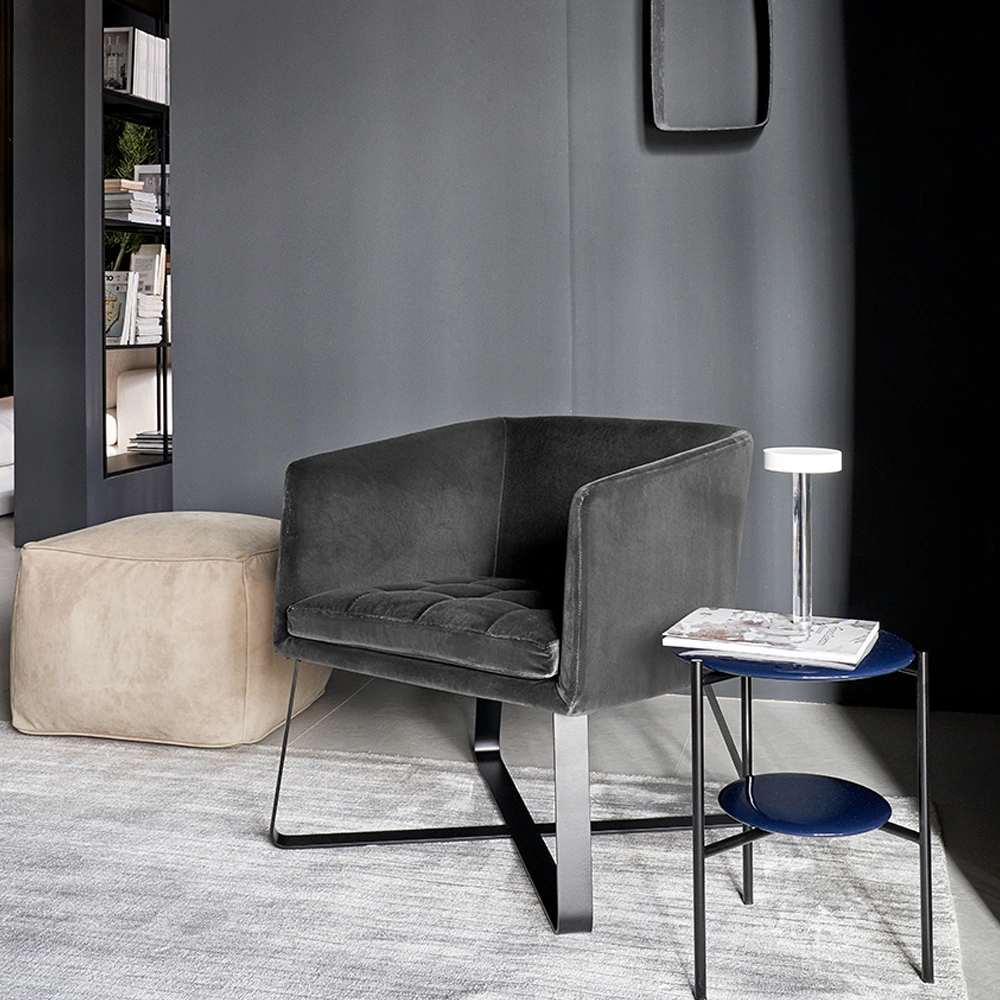
Natural materials communicate very differently from synthetic ones through touch. Full-grain leather warms to body temperature and develops a patina that carries the history of its use. A heavy woven linen has a complexity of texture that the hand never quite exhausts — you can run your palm across it a thousand times and it will continue to offer something new. Solid timber carries grain variation that makes every surface unique, and a weight and thermal quality that no engineered board can replicate. These are not luxury indulgences. They are sensory nutrition — and their cumulative effect on the quality of daily life in a space is significant.
The gainsville furniture and Italian luxury pieces we carry at Melaaura are selected in part for exactly this dimension of their quality. We handle every piece before we stock it. We sit in every sofa, open every drawer, run our hands across every upholstered surface. The tactile experience is not a secondary consideration — it is one of the primary ways in which furniture fulfils or fails its psychological function in a home.
The Sofa as Psychological Anchor
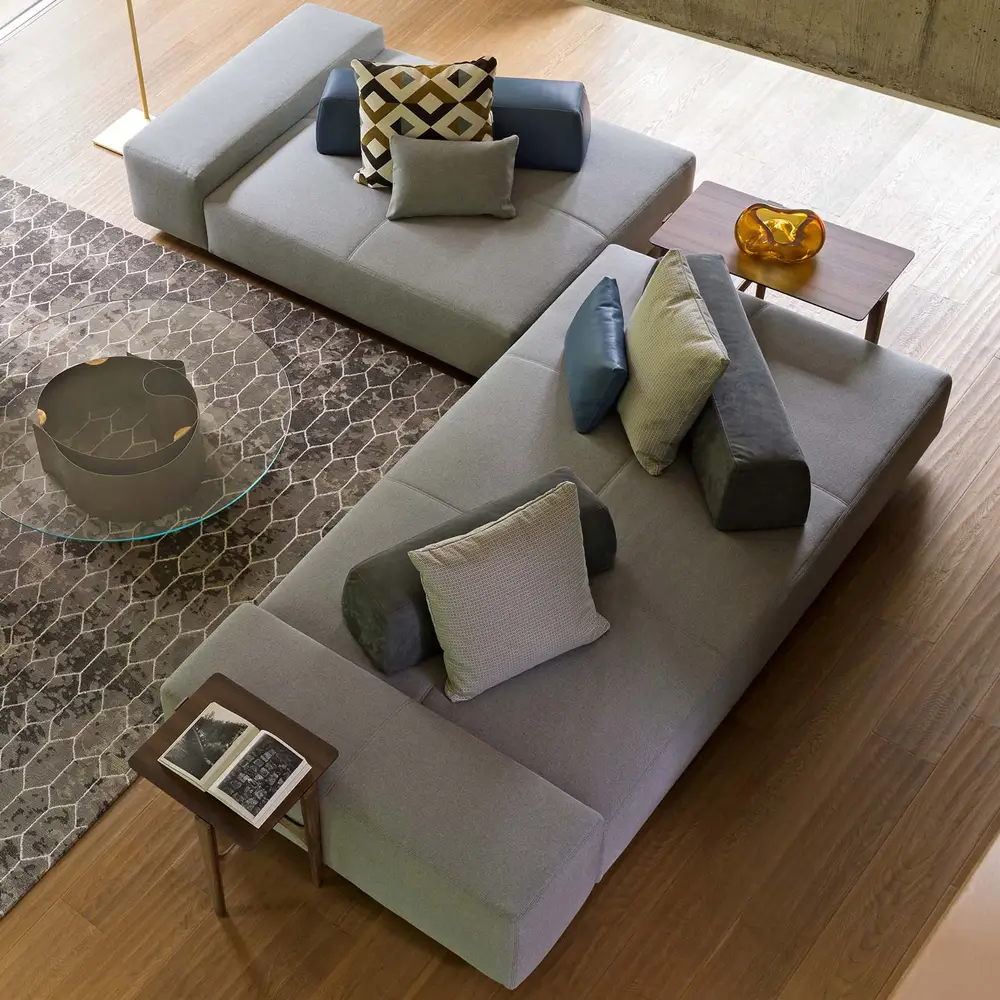
Of all the furniture in a home, the sofa is perhaps the most psychologically significant. It is where the household gathers — for conversation, for rest, for the particular kind of intimate proximity that family life depends on. It is where guests are received and where, at the end of the day, the private person behind the public one is finally allowed to exist without performance. The quality of this piece — its comfort, its material, its proportion, its capacity to hold a body in genuine repose — matters enormously.
We have seen, over many years at Melaaura, that replacing a poor or mediocre sofa with a genuinely excellent one is one of the single most transformative changes a household can make to its quality of daily life. The effect is immediate and it compounds. When the central gathering piece of a home is right — when it holds people with care and releases them rested — everything that happens in that room becomes slightly better. Conversations run longer. Rest is deeper. The space begins to function as a home rather than just a house.
Among the most emotionally resonant sofa choices we currently see in high end furniture Los Angeles projects is the olive green sofa — a color that carries extraordinary psychological warmth without the visual weight of darker tones, and that responds to California’s particular quality of natural light in ways that lift the entire room. The color itself has a calming, grounding quality that works in concert with the emotional function of the sofa as a piece: both the form and the color communicate the same thing, which is safety.
The Centre of the Room — Presence and Permission
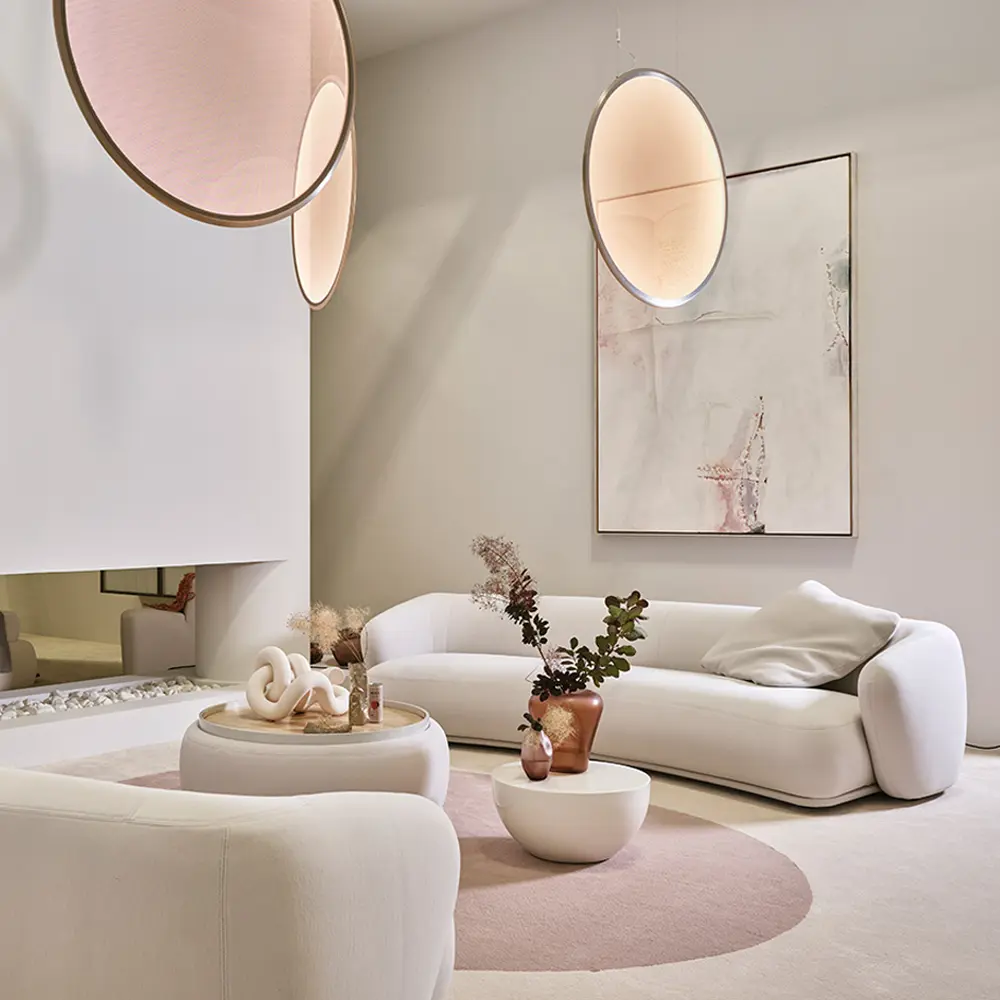
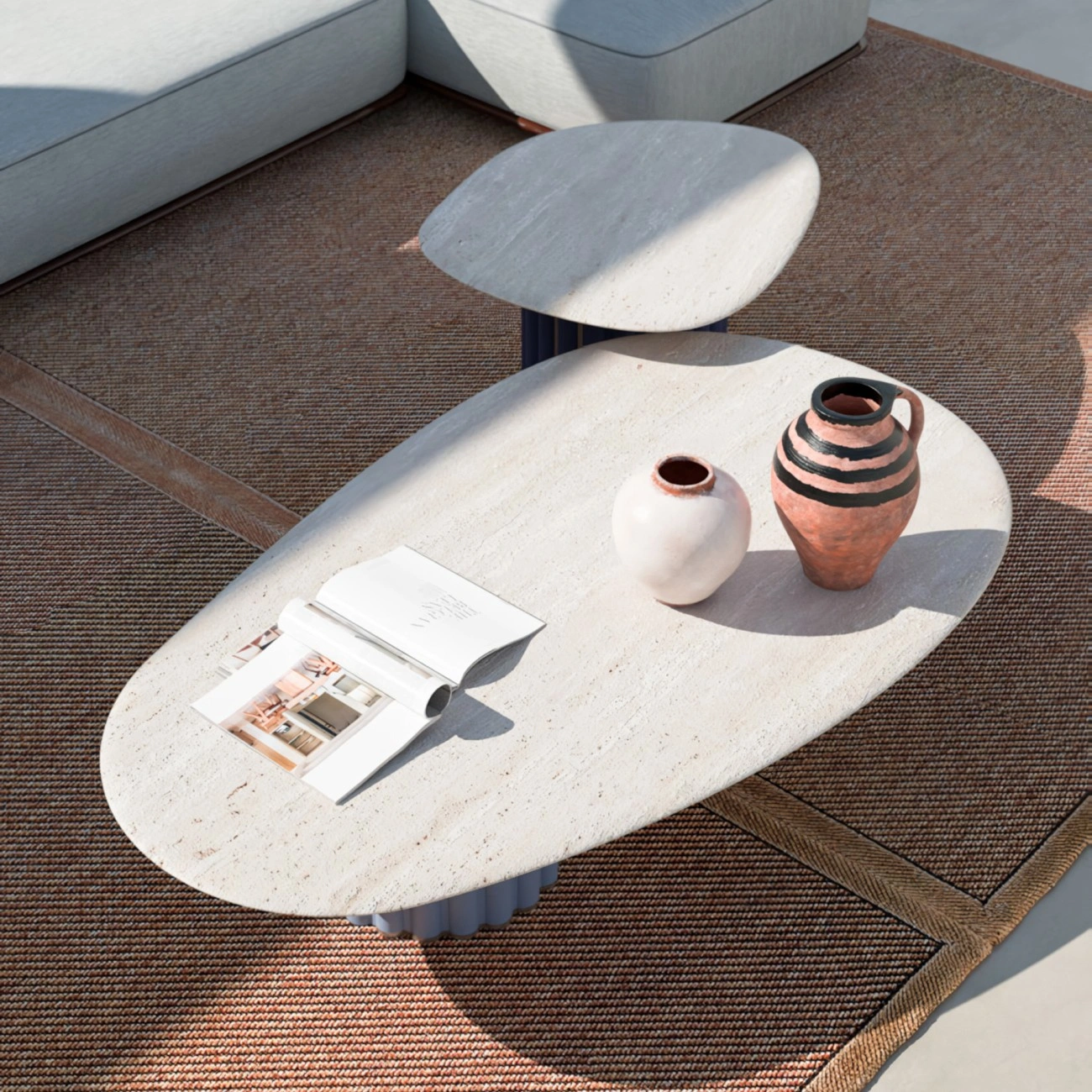
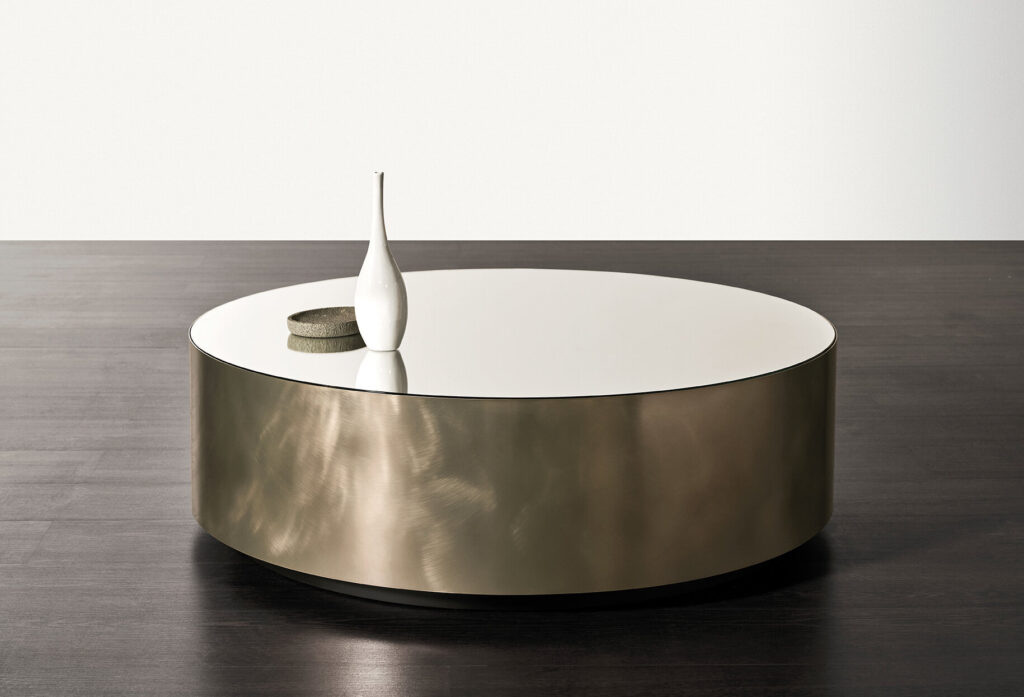
The ottoman cocktail table occupies a position in the living room that is unique among furniture pieces: it sits at the centre of the arrangement, low and present, functioning simultaneously as surface, seat extension, and visual anchor. Its psychological role is often underappreciated, but we have observed it clearly in the homes we furnish: a well-chosen, properly proportioned ottoman gives the room’s centre of gravity a physical form. It defines the gathering space with an authority that makes the people within it feel held rather than adrift.
An upholstered ottoman in a rich, considered material — a deep cognac leather, a warm bouclé in earthy tones, a performance velvet in a color with genuine depth — does something that a glass or timber cocktail table cannot: it softens the room’s centre. It communicates that this space is for people, not for display. It invites feet to rest, conversations to extend, the particular relaxation that comes from a room that does not demand performance of its occupants.
In luxury furniture LA projects, we increasingly recommend the upholstered ottoman as one of the first pieces to address in a living room brief — not because it is the most prominent, but because its psychological influence on the room’s atmosphere is disproportionate to its footprint. A room that has a genuinely beautiful, well-made ottoman at its centre simply feels better to be in. The effect is immediate and it is consistent across every home we have seen it in.
Experience the difference that genuinely excellent furniture makes. Visit Melaaura’s showroom at 154 S Robertson Blvd, West Hollywood — private consultations available.
The Primary Bedroom — Where Well-Being Begins and Ends
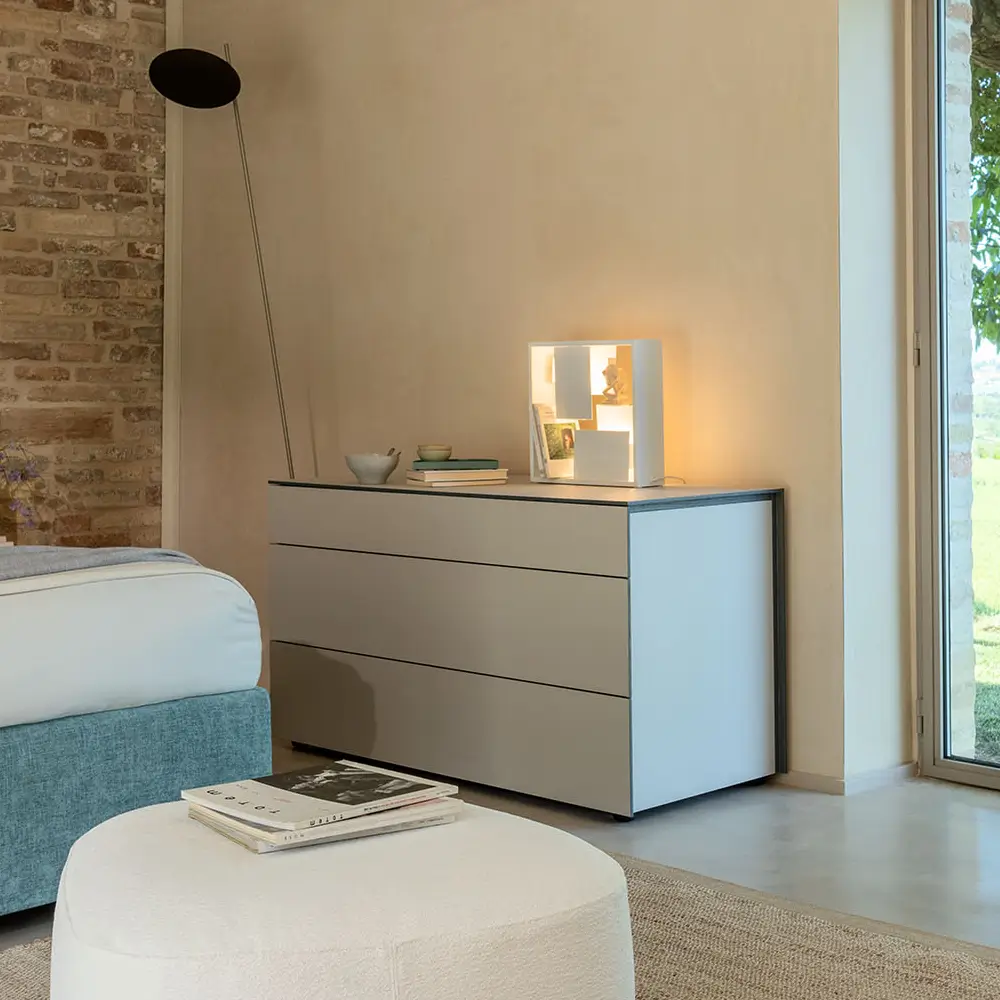
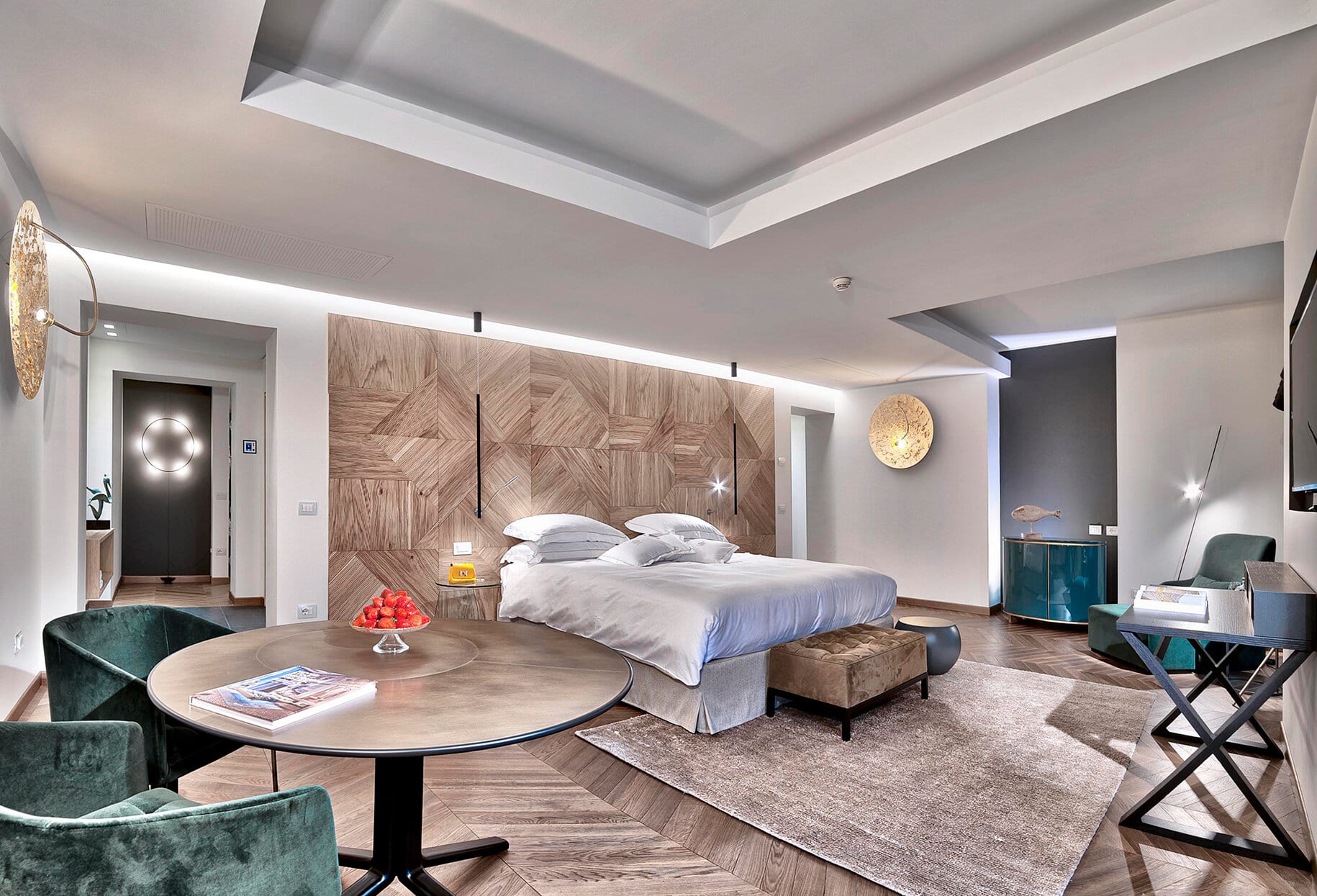
If there is one room in the home where the luxury furniture emotional wellbeing effect is most immediate, most measurable, and most consistently reported by the people who experience it, it is the primary bedroom. We spend a third of our lives in this room. The quality of the sleep that happens within it determines, to an extraordinary degree, the quality of everything that happens outside it — cognitive performance, emotional regulation, physical health, relational capacity. And the furniture in this room is the primary variable in whether it supports or undermines that sleep.
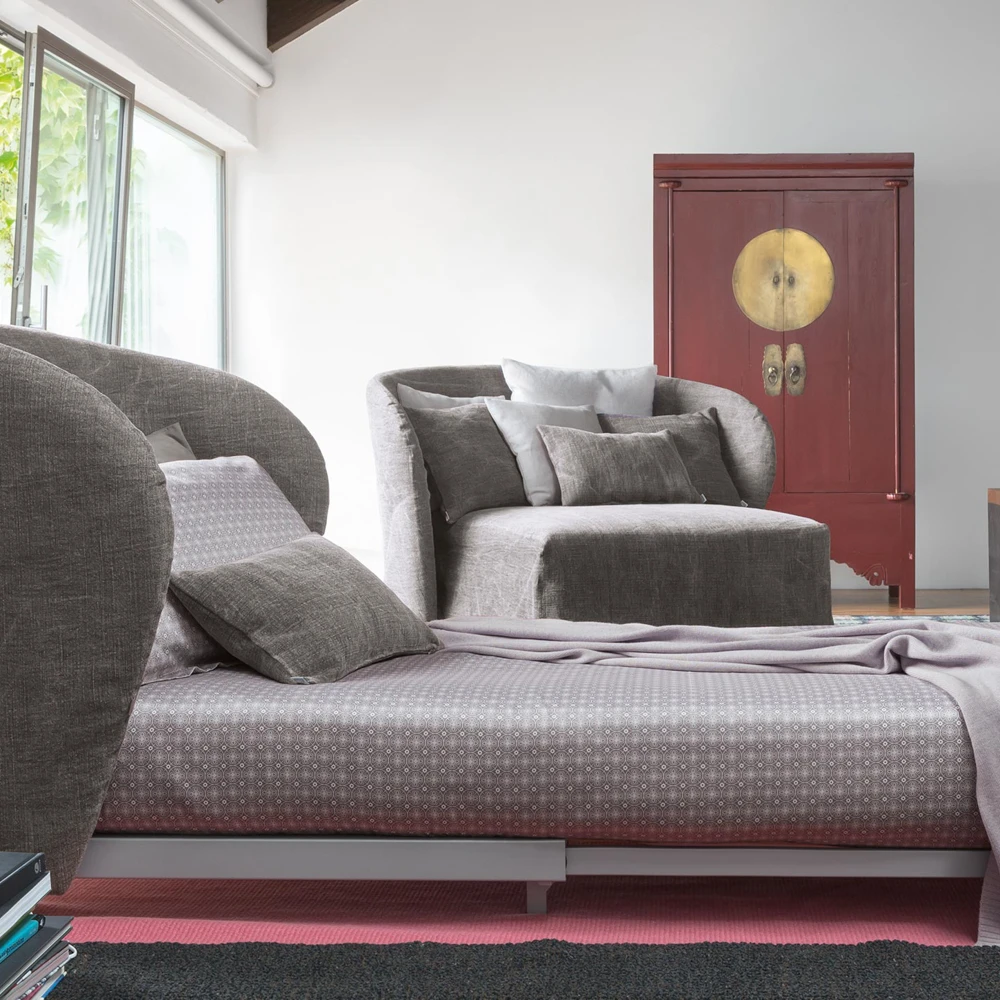
The low bed base — one of the signature design directions in contemporary Italian bedroom furniture, developed with particular sophistication by Flou — is psychologically significant in ways that go beyond aesthetics. A lower bed profile changes the visual weight of the room, reducing the sense of furniture mass and creating a more expansive, calmer spatial experience. It lowers the eye line, which has been shown to reduce stimulation and support the transition into sleep. And the horizontal emphasis of a low bed reinforces the psychological function of the room as a place of repose rather than activity.
The materials of the bed — the quality of the upholstered headboard, the texture of the base covering, the weight and softness of the mattress — all contribute to a sensory environment that either prepares the nervous system for rest or keeps it in a state of low-level alertness. Flou’s bedroom collections address every one of these variables with the same precision and care that characterises their entire design philosophy. The result is a piece of furniture that functions — in the most literal, physiological sense — as a therapeutic environment.
Is investing in a luxury primary bedroom the highest-impact furniture investment for well-being?
The evidence strongly suggests yes — for most households, the primary bedroom represents the highest-leverage furniture investment available in terms of direct psychological and physiological impact. The reason is straightforward: sleep quality is the single most significant variable in human cognitive and emotional functioning, and the bedroom environment — its furniture, materials, proportions, and sensory qualities — is the primary controllable influence on that sleep quality. A genuinely excellent bed, in the right material, at the right height, in a room that has been furnished with the quality of rest in mind, produces measurable improvements in sleep duration, sleep depth, and next-day emotional regulation. The compounding effect of this — better sleep, every night, for years — on quality of life is difficult to overstate. At Melaaura, when clients ask us where to begin a home furnishing project, we frequently recommend starting with the primary bedroom — not because it is the most visible room, but because it is the most impactful one.
Proportion, Scale, and the Geometry of Calm
One of the least discussed but most powerful dimensions of how furniture affects mood is the question of proportion. Furniture that is wrongly scaled for its room produces a specific and surprisingly intense psychological discomfort — a sense of spatial wrongness that most people cannot articulate but everyone feels. A sofa that is too large for its room crowds the space and produces mild anxiety. A dining table that is too small makes every meal feel provisional. A bed that sits too high creates a room that feels top-heavy and unsettled.
Italian furniture design addresses proportion with a rigour that is almost architectural in its seriousness. The Italian design tradition is rooted in Renaissance spatial thinking — a culture that developed the mathematics of human proportion and applied it to everything from cathedral interiors to domestic objects. The legacy of this tradition is visible in the way Italian furniture brands approach the relationship between a piece and the room it inhabits: as a spatial problem with a correct answer, arrived at through the application of considered design intelligence.
For Los Angeles high end furniture clients, this proportional intelligence is one of the most practically valuable qualities of the Italian pieces we carry at Melaaura. Los Angeles architecture is enormously varied — from the generous rooms of Bel Air estates to the carefully considered dimensions of Pacific Palisades contemporaries to the particular spatial logic of a Malibu oceanfront home. Italian furniture, designed with spatial intelligence at its core, adapts to this range with a flexibility and grace that more rigidly designed furniture traditions cannot match.
The Dining Room — Where Connection Is Made Physical
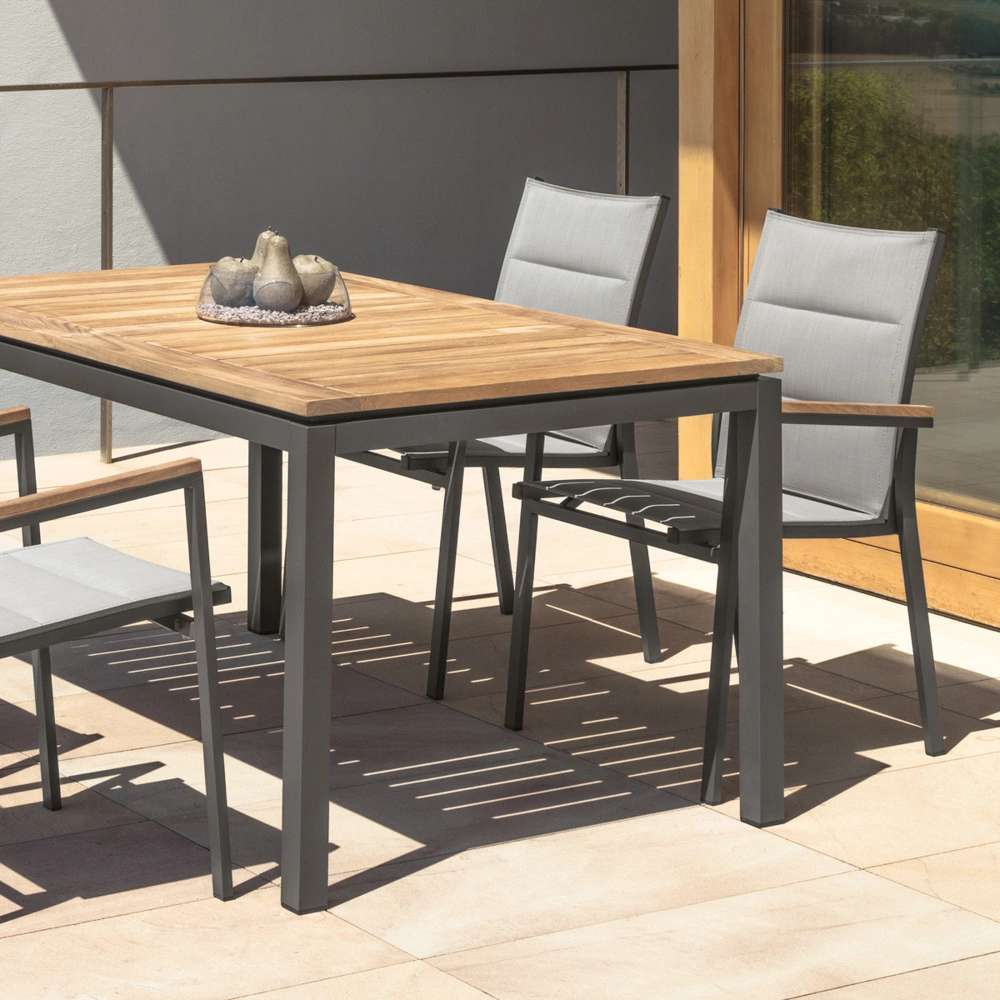
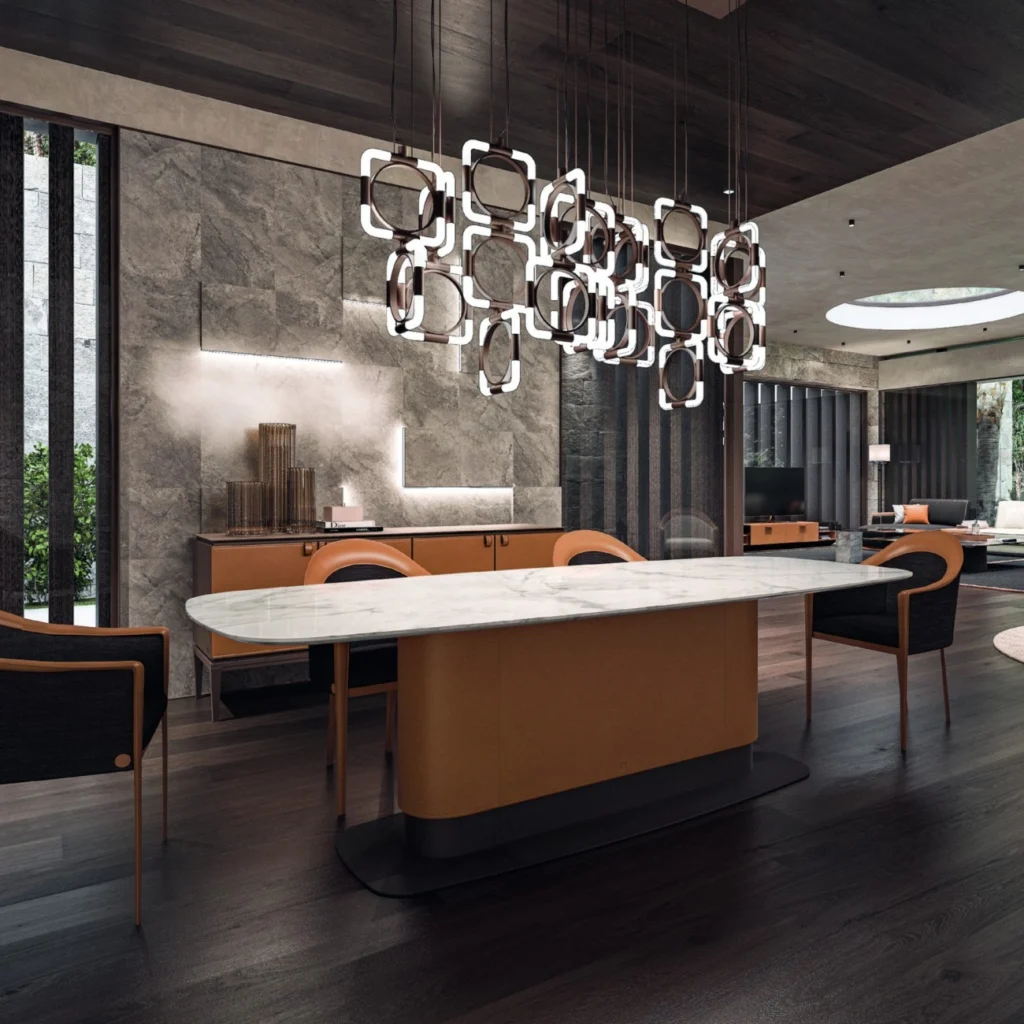
The dining room is the most social room in the home — the space where the household performs its most fundamental act of togetherness. The quality of this experience is shaped, more than most people consciously recognise, by the furniture that frames it. A dining table that is the right height, the right width, finished in a material that rewards touch and carries the marks of use with dignity — this table becomes the stage on which the most meaningful moments of family life are played out. Its quality is not a luxury. It is a contribution to the quality of those moments.
The finest dining furniture in our collections at Melaaura — solid stone and walnut tables from Meridiani and Bonaldo, dining chairs with seat depths and back angles calculated for extended comfortable use — are designed with the social function of the dining room as their primary brief. Not visual impact first, but human experience first. The visual impact is the consequence of that priority being correctly addressed. This is the design philosophy behind luxury furniture Los Angeles CA clients increasingly seek out: furniture that earns its beauty by performing its function with excellence.
The Art of the Considered Collection
One of the most significant contributors to the psychological experience of a well-furnished home is coherence — the sense that the pieces in a room belong to the same world, that they were chosen in relationship to each other rather than in isolation. A room of individually beautiful pieces that do not converse produces a specific kind of visual and emotional noise. A room of pieces that have been selected with their relationships in mind produces the opposite: a quietness that allows the room to function as the restorative environment it should be.
This is the art of luxury furniture La curation at its best — not filling a room with excellent individual pieces, but building a collection in which every piece contributes to a whole that is greater than its parts. At Melaaura, this is how we approach every project. We are not in the business of selling individual furniture items. We are in the business of helping clients build homes that work — emotionally, spatially, sensorially — for the people who live in them.
The Italian furniture brands we carry are selected in part because they share a design language that allows pieces from different collections to coexist gracefully. A Meridiani sofa and a Gervasoni armchair and a Flou bed can inhabit the same home without visual conflict because they share a common commitment to material honesty, considered proportion, and restrained formal intelligence. Building a home from this vocabulary produces exactly the coherence that psychological research identifies as one of the most powerful contributors to residential well-being.
“The home is the one environment over which you have complete creative authority. Furnishing it with genuine care is not an act of consumption. It is an act of self-determination.”
On Living Well — A Closing Thought
The connection between beautiful, well-made furniture and human well-being is not a contemporary discovery. It has been understood — intuitively, culturally, practically — for as long as people have been making homes. What is relatively new is the scientific vocabulary to describe the mechanisms: the cortisol research, the environmental psychology literature, the neuroscience of sensory experience. These give us a language for what our grandparents simply knew: that the quality of the objects that surround daily life matters, profoundly, to the quality of that life.
At Melaaura, we carry this understanding into every conversation we have with clients about their homes. We are not here to sell furniture. We are here to help people build environments in which they can live better — with more calm, more pleasure, more of the particular quality of rest and connection that a genuinely well-furnished home makes possible. The Italian furniture brands in our portfolio are selected because they share this intention — because they are made by people who understand that an object produced with care changes the life of the person who receives it.
If you are considering a furniture investment for your Los Angeles high end furniture project — whether it is a single bedroom, a complete estate, or anything between — we would love to talk. Not about specifications, not about delivery timelines, but about how you want to feel in your home. That conversation is where everything begins.
About Melaaura — Los Angeles’s premier destination for luxury indoor furniture, Italian furniture brands, and custom furniture design. Showroom: 154 S Robertson Blvd, West Hollywood, CA 90048. Visit melaaura.com to explore our collections or schedule a private consultation. Keywords: luxury furniture emotional wellbeing · psychology luxury interior design · how furniture affects mood · luxury interior design psychological benefits · Italian furniture quality of life · high end furniture Los Angeles · luxury furniture Los Angeles CA · luxury furniture LA · Los Angeles high end furniture