








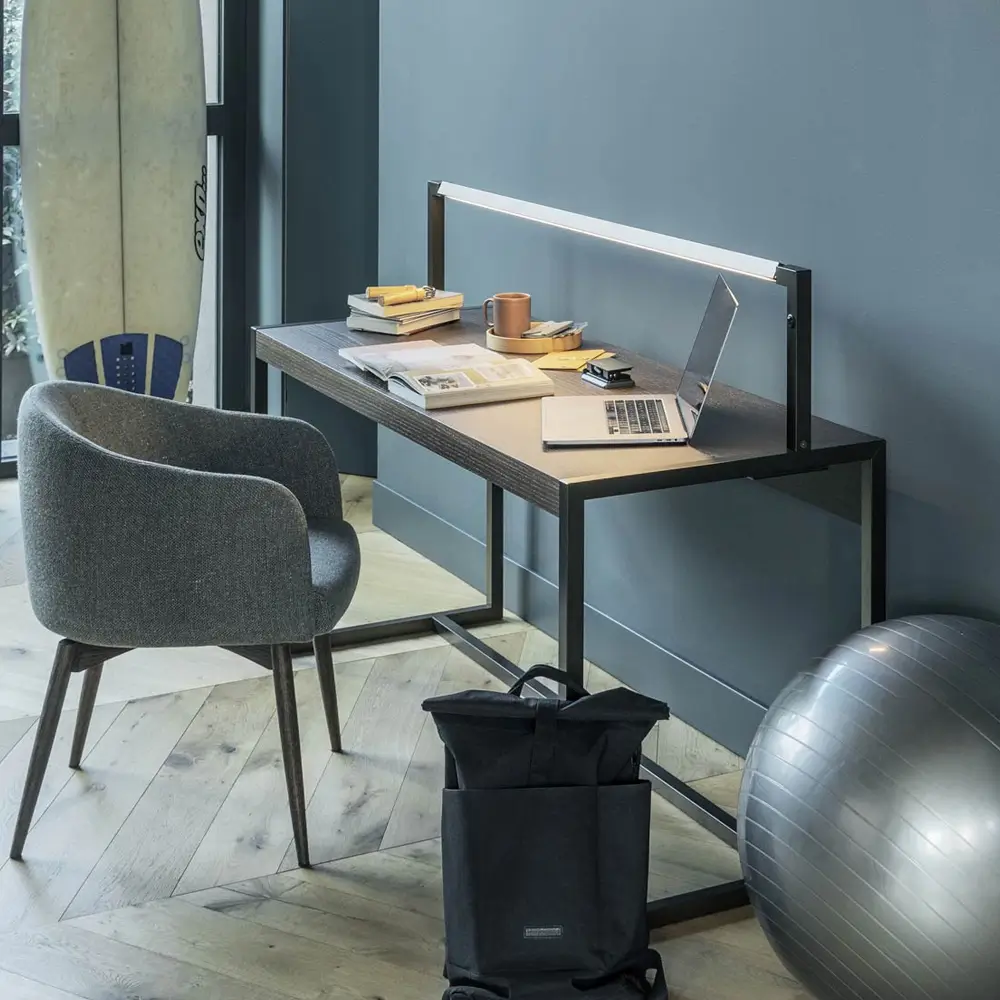






We have been taught to prize the unmarked. A sofa is “like new,” a table “in mint condition,” as though the highest praise for an object were that it had successfully resisted being lived with. It is a strange standard. The materials worth owning are precisely the ones that do not stay the way they arrived.
Patina is what happens when a good material meets a real life and keeps its dignity. It is the difference between something that wears out and something that wears in.
Leather that remembers
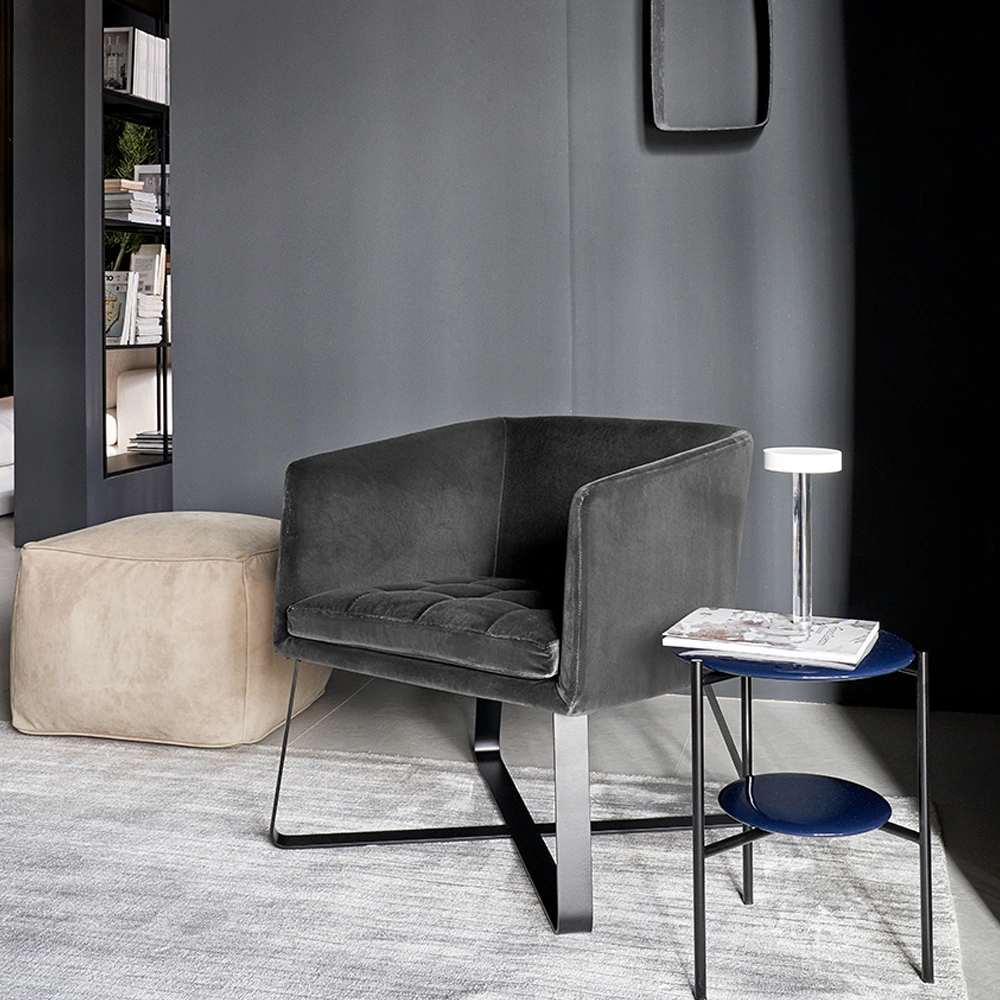
Full-grain leather begins a little stiff and faintly aloof. Give it a year. The seat you favour softens first, then deepens in colour where hands and sleeves pass over it, until the hide carries a faint map of how the piece is used. Pigmented, over-corrected leather cannot do this — it is sealed against the very life that would have improved it. Aniline and semi-aniline hides can, which is why they cost more and age better. You are paying for a surface that participates.
Stone with a memory of fire
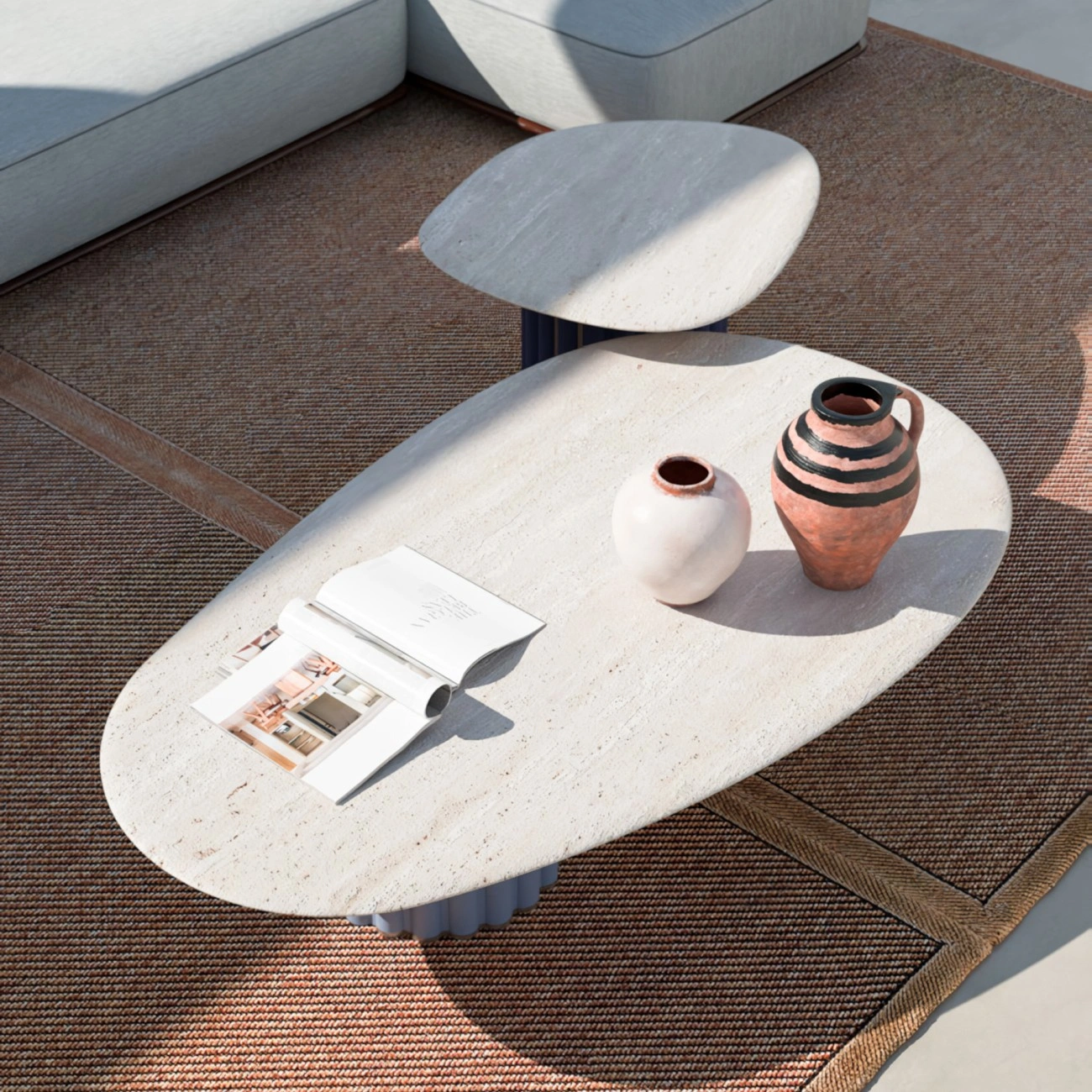
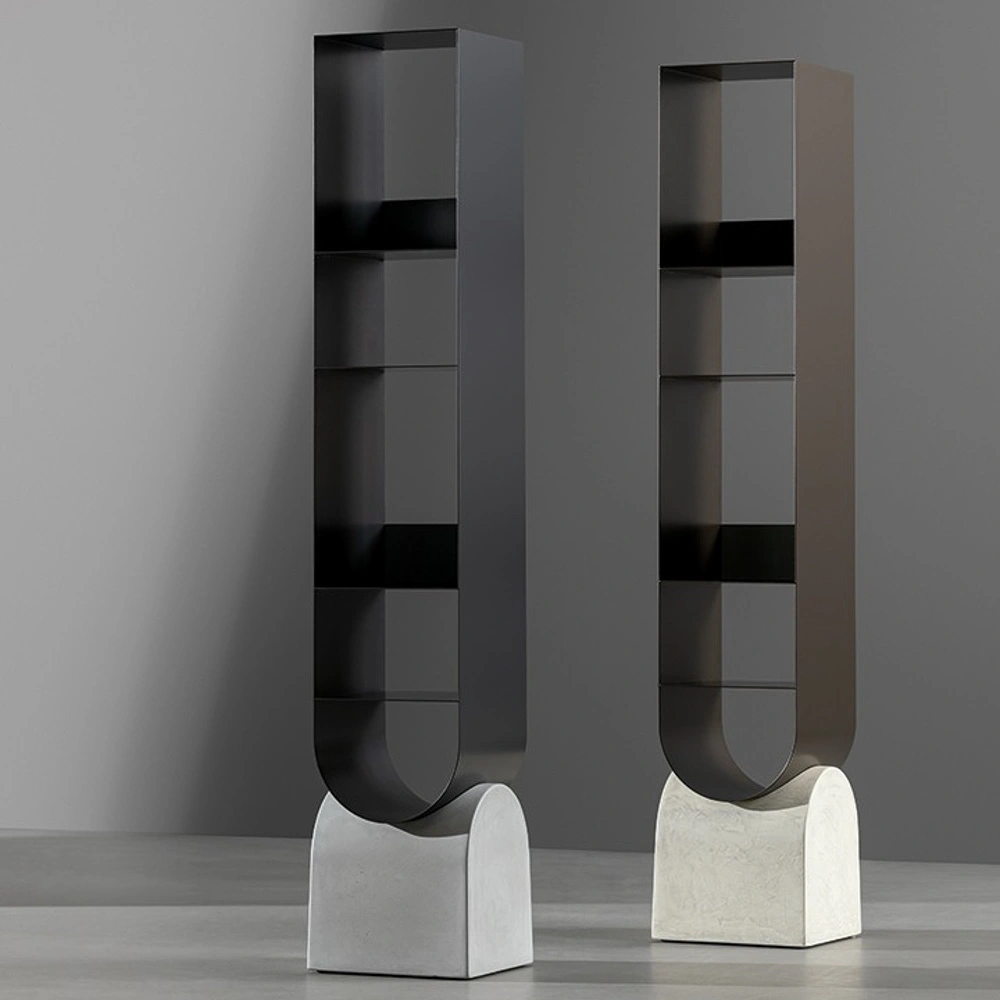
Natural stone is geological time made useful. Travertine keeps the small voids of the springs that formed it. Marble carries veining no factory could draw. And lava stone — pietra lavica drawn from the slopes of Etna, then glazed and fired — pairs the density of rock with a craqueléd enamel surface that catches the light differently across the day. These are not flawless materials, and that is the point. The faults are the provenance.
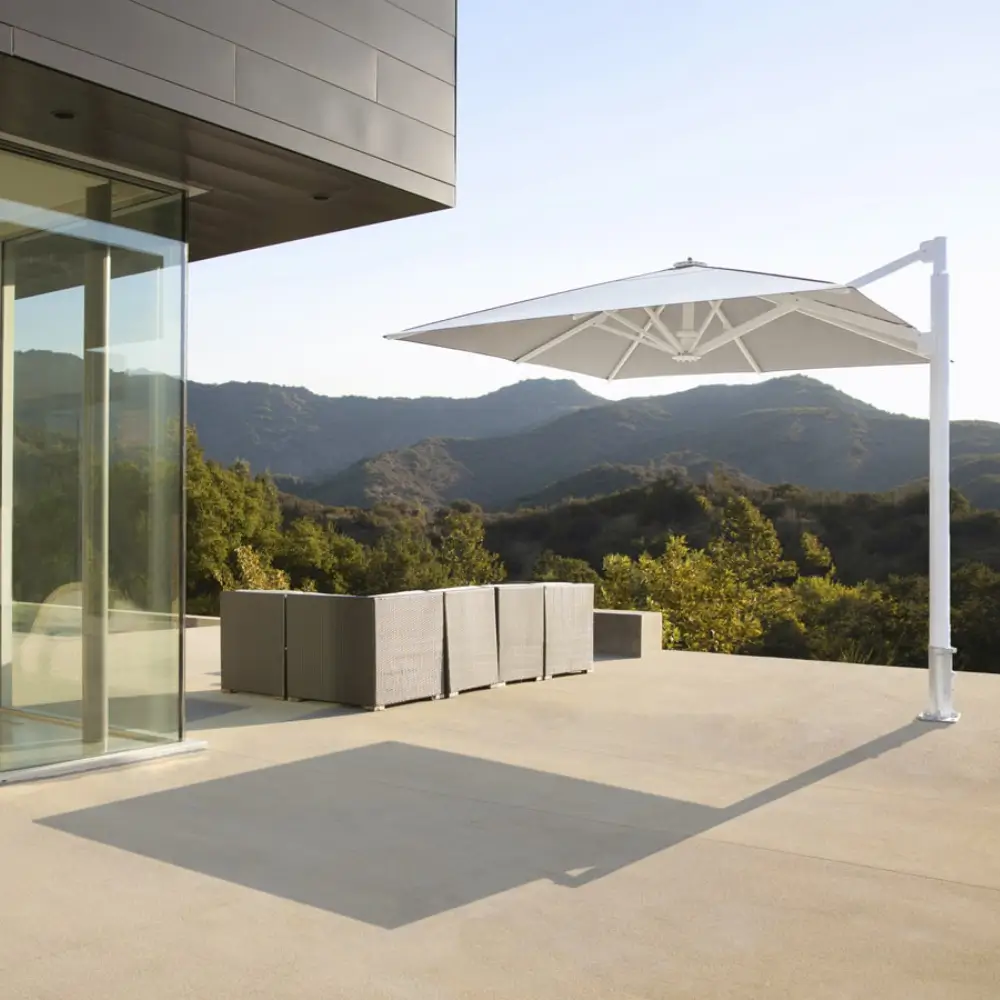
Stone also has the good manners to age slowly. A well-sealed marble top will outlast the room it sits in; a lava stone table shrugs off heat, frost and sun, which is why it moves so easily from a kitchen island to a terrace and back.
Wood, oil, and the hand
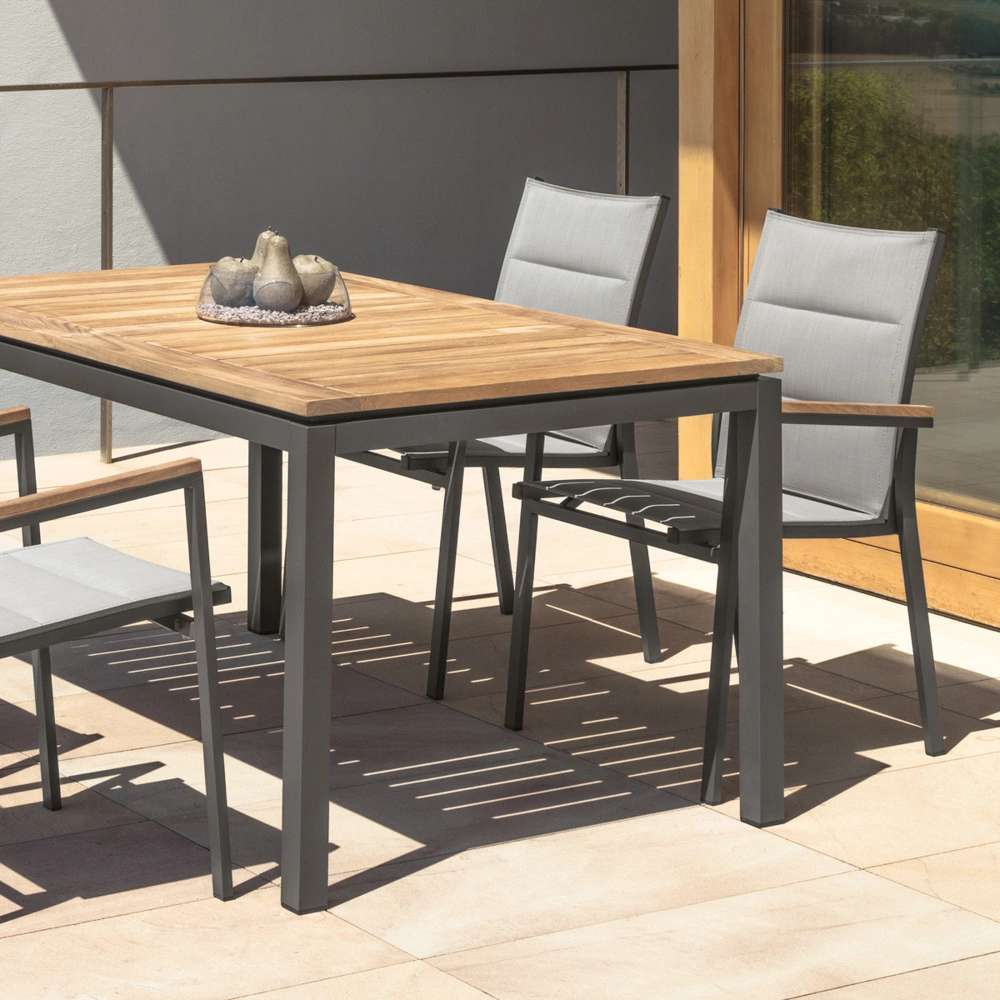
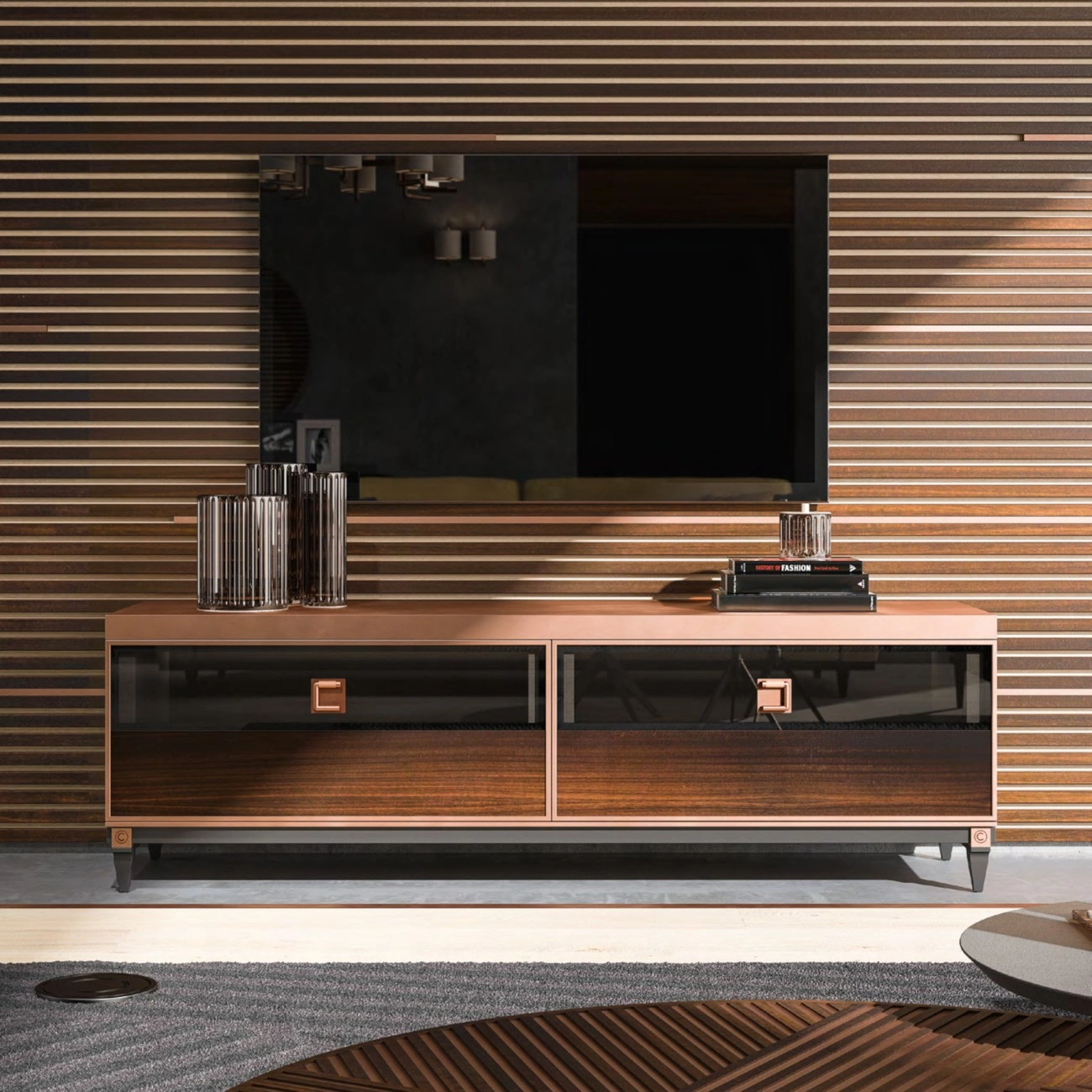
There are two ways to finish good timber. Lacquer freezes it under glass — bright on day one, and a small tragedy when it eventually scratches, because there is no honest way to repair a mirror. Oil does the opposite. It sinks in, leaves the grain open, and lets the wood darken and warm with handling. An oiled oak table can be sanded and re-oiled by hand for decades. It gets better at being itself.
Plastic looks identical on day one and day one thousand. Everything else has the decency to tell its age.
Linen, and the softening of light
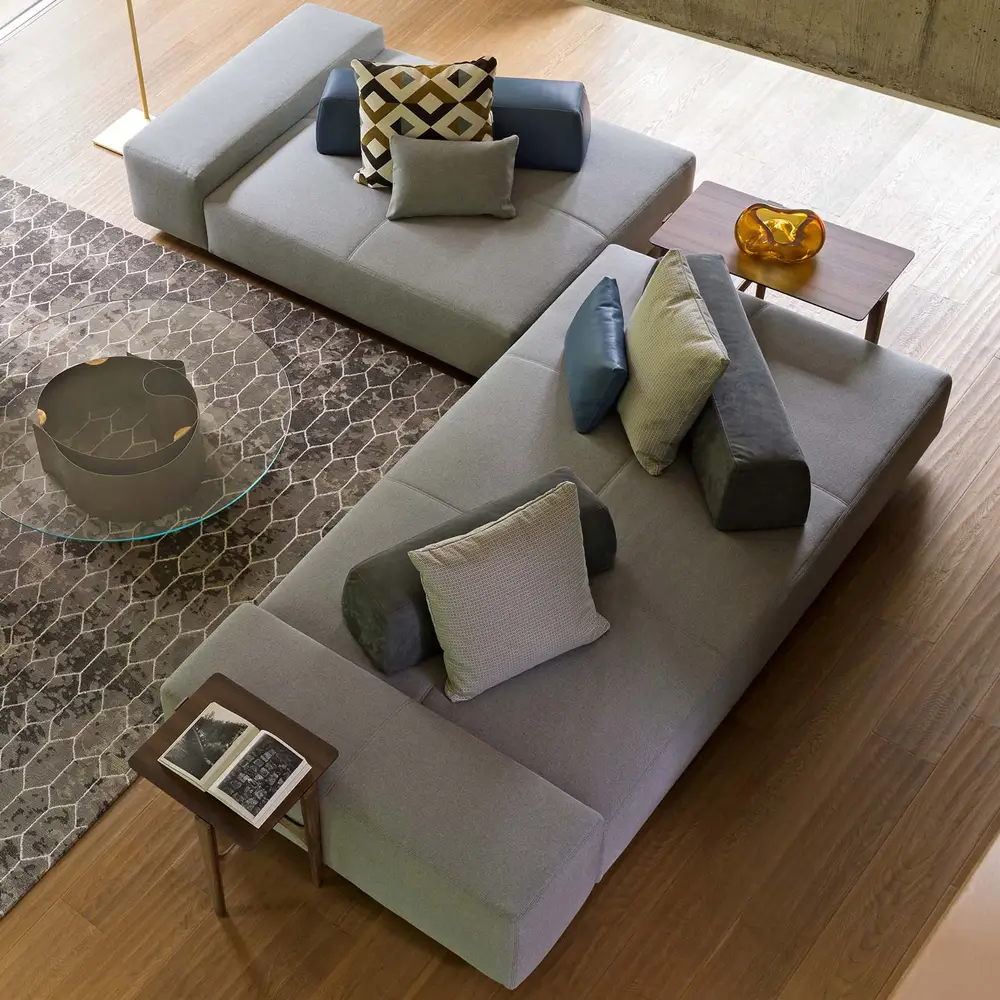
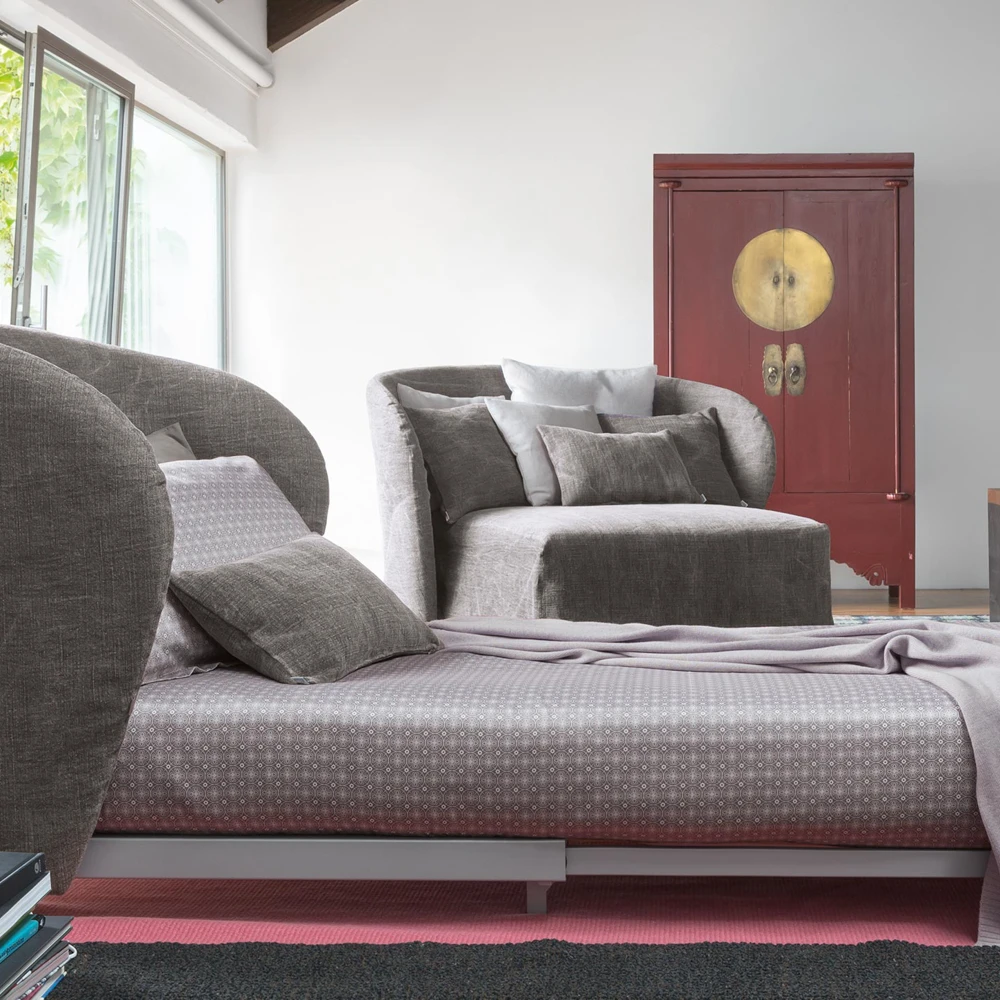
Linen wrinkles. People apologise for this as though it were a defect, when it is the whole character of the cloth. A linen-covered sofa diffuses light instead of bouncing it, and over time the weave relaxes into the easy, lived-in drape that decorators spend a fortune trying to fake. Buy it because it creases, not in spite of it.
Buying for the decade, not the afternoon
The practical lesson in all of this is patience at the point of purchase. A material that ages well asks more of you upfront — in cost, sometimes in care — and returns it slowly, in the way the piece looks a decade on. The cheap version photographs just as well the day it arrives. The difference shows up only later, which is exactly when it matters.
At our Los Angeles showroom we tend to steer people toward the materials that improve: full-grain leather, oiled wood, natural stone, honest cloth. Not because they are precious, but because they reward the years you will spend with them. The best compliment a piece of furniture can earn is not “it still looks new.” It is “it looks even better than I remember.”