












Glass has always been part of interiors, but handblown glass carries a presence unlike anything else. It’s delicate and decisive at the same time, luminous yet grounded. Unlike mass-produced glass, each piece bears its own history—the tiny bubbles trapped inside, slight asymmetry, subtle variations in thickness. Imperfection that somehow feels intentional.
In 2026 interiors, handblown glass is everywhere, quietly claiming attention. Vases, pendant lights, bowls, even occasional side tables—it’s not just decorative. It defines spaces. It reacts to light, movement, and touch in ways rigid, machined materials never could.
Light, Color, and Shadow
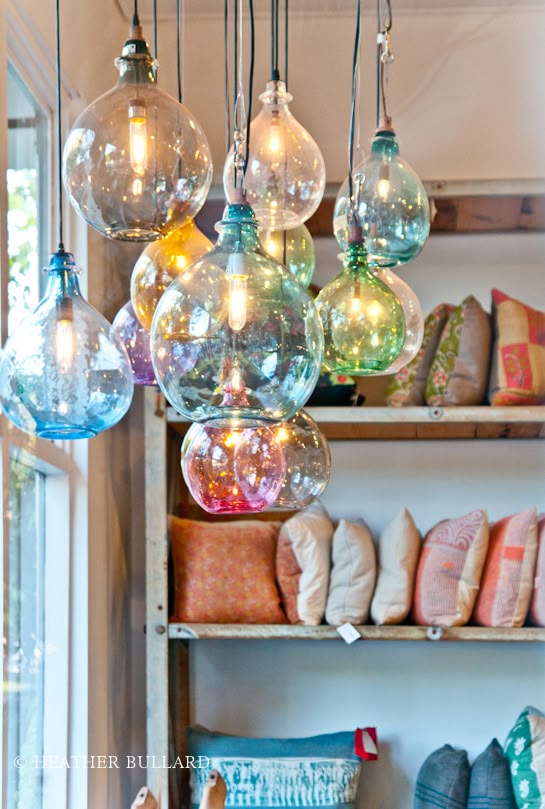
The first thing handblown glass does is play with light. Sunlight passes through it, shadows stretch and shift across walls, floors, tabletops. An amber pendant lamp makes a ceiling glow; a smoky gray vase casts a soft, subtle shadow across a console. The room feels alive, shifting as the hours go by.
Color is part of the story too. Deep emerald, sapphire, ruby, smoky neutrals—they all read differently depending on surrounding surfaces and lighting. Handblown glass doesn’t just sit there; it interacts with its environment. Each glance is slightly different.
Texture You Can Feel
Handblown glass isn’t perfectly smooth. The surface might ripple, swell, taper unexpectedly. Some pieces are glossy and slick; others dimpled, almost organic. That texture invites interaction. Even a casual touch becomes part of the experience.
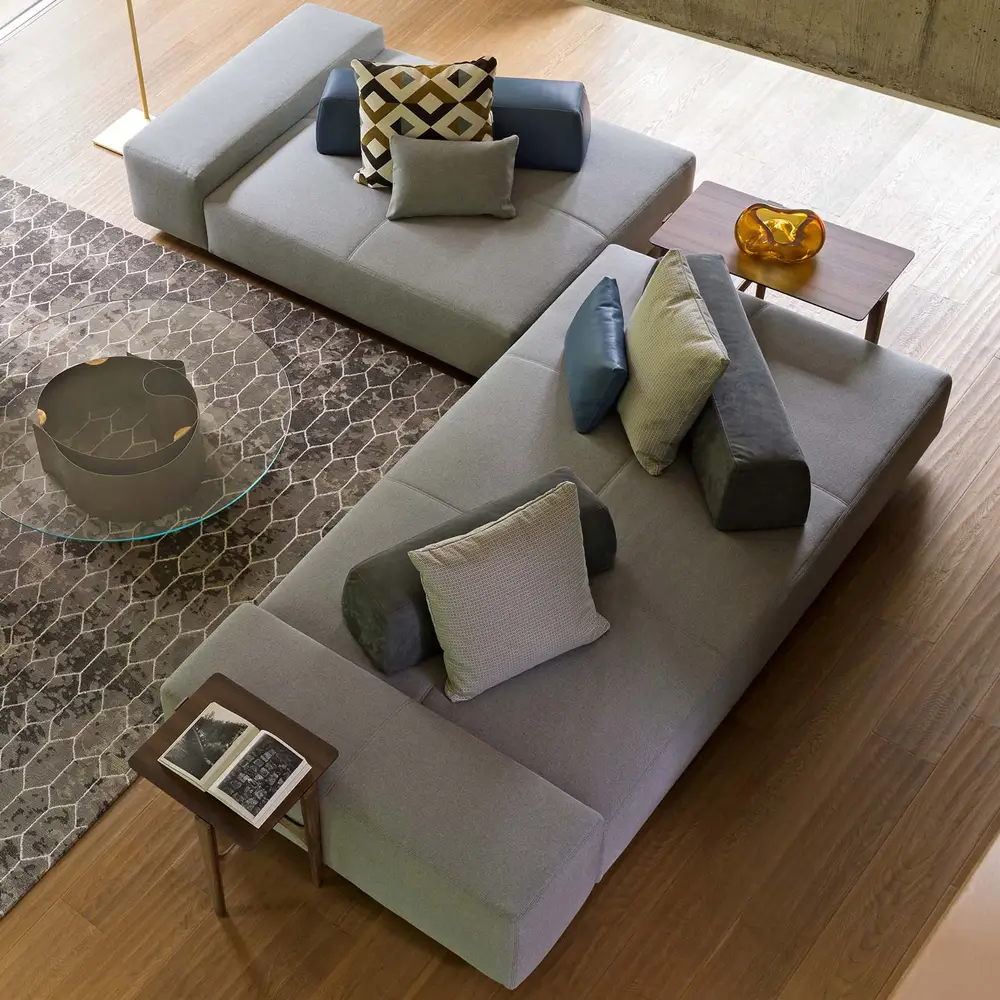
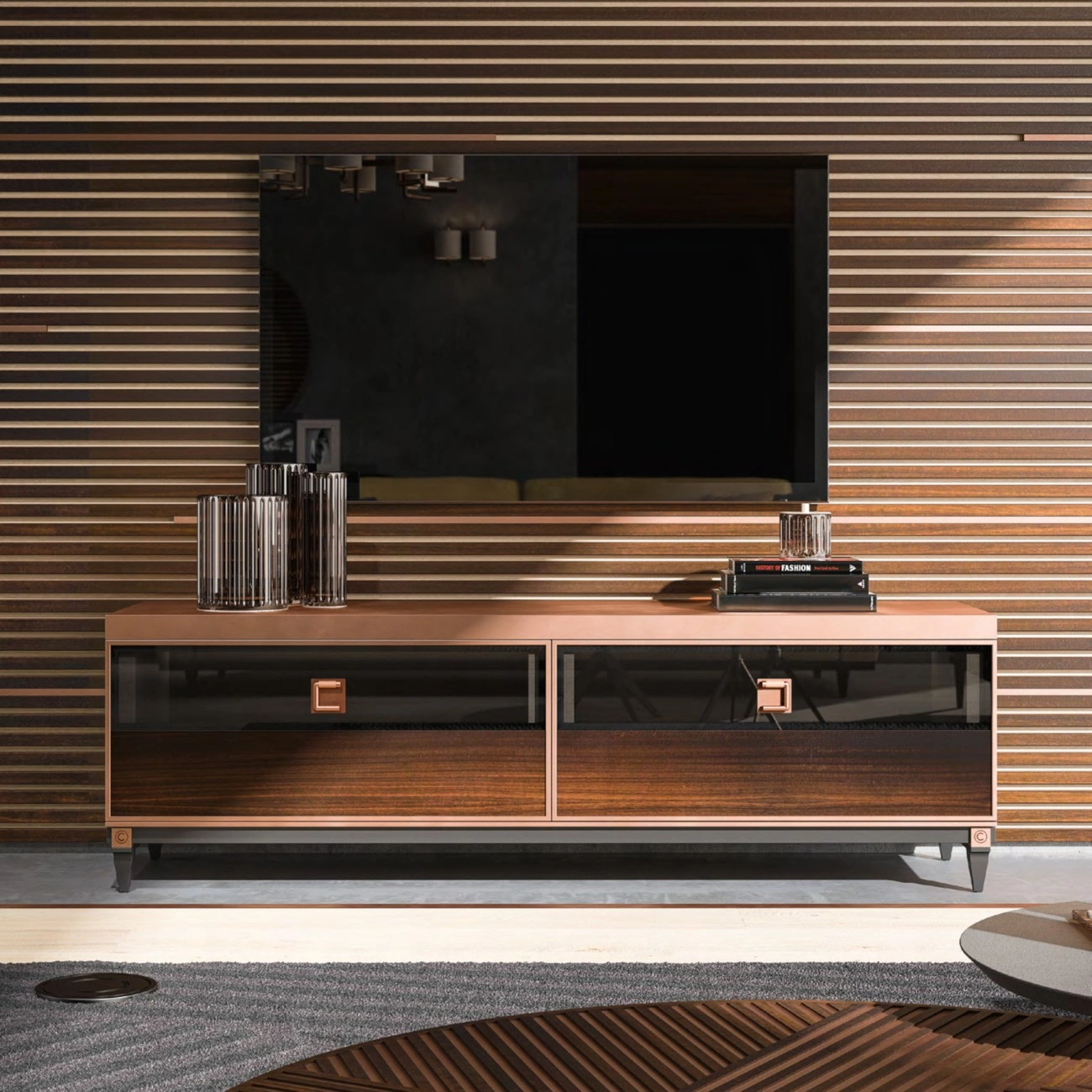
It pairs beautifully with other materials—wood, metal, textiles, lacquered surfaces. A smooth wooden sideboard with a cluster of handblown vases becomes more than furniture; it’s a display of texture and light. High-lacquered consoles reflect it, matte tables ground it. The surfaces talk to each other.
Imperfection as Character
What makes handblown glass special is its imperfection. Tiny air bubbles, slight asymmetry, uneven edges—they are evidence of human touch. Unlike perfectly molded or machine-pressed glass, these “flaws” give each piece personality.
The irregularity also makes it approachable. It’s artisanal but not precious. It works in modern, minimal interiors as easily as in layered, eclectic spaces. It encourages movement—pick it up, move it, place it somewhere else. Each interaction is slightly different.
Handmade Craft Meets Contemporary Interiors
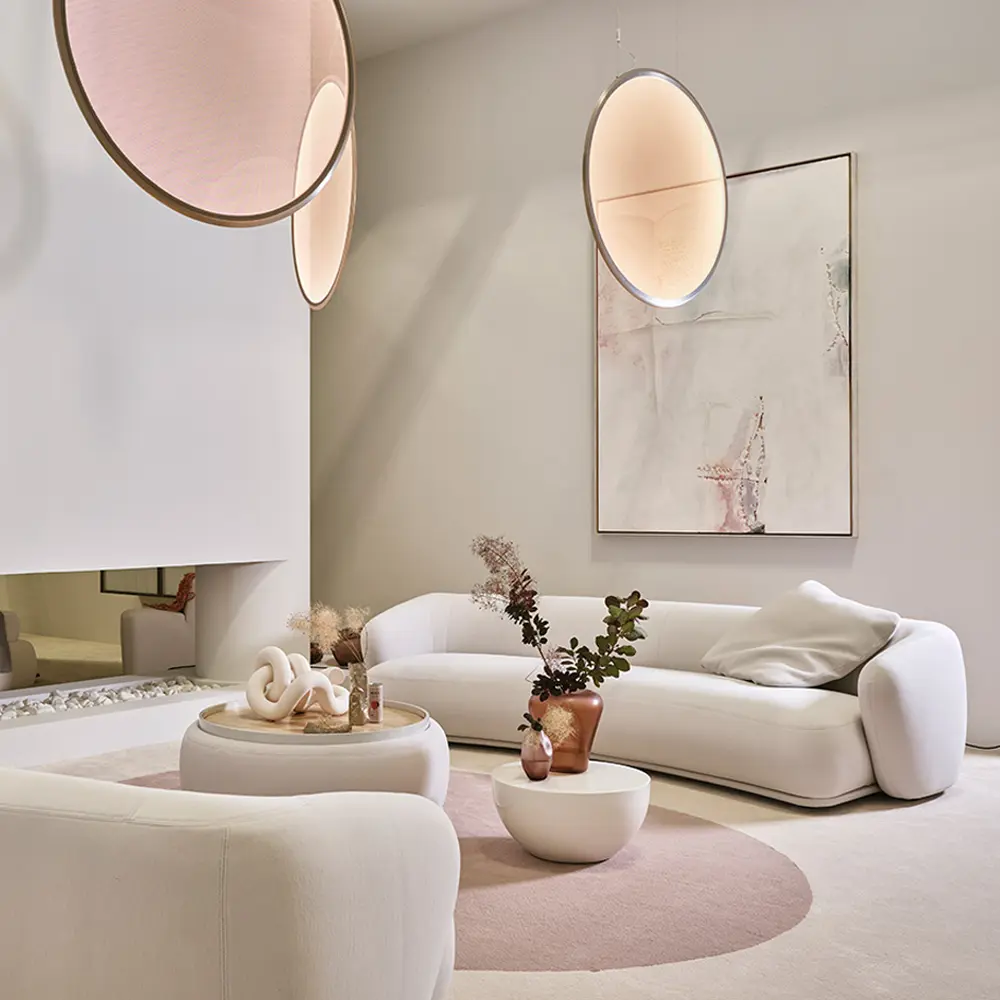
Handblown glass used to feel reserved, almost ceremonial. Now it’s integrated into everyday spaces. Pendant lights with blown globes hover above dining tables and kitchen islands. Small vases in smoky or jewel tones cluster casually on shelves and consoles. Bowls in amber, jade, or gray sit on tables, sculptural but still functional.
Custom furniture can enhance the effect. A console scaled to show off a set of vases, a shelf positioned for optimal light, a table designed to balance transparency—all amplify the impact. Interiors feel curated without being staged, layered without looking overthought.
Weightless Presence
Glass feels weightless, even in large pieces. A pendant in emerald blown glass dominates a space without making it feel heavy. A sculptural floor vase can appear monumental, yet its transparency keeps the room open.
This lightness works everywhere. Open-plan living, small apartments, cozy studies—it defines zones subtly, provides visual interest without obstructing sightlines. It’s presence without blocking, impact without density.
Color That Speaks
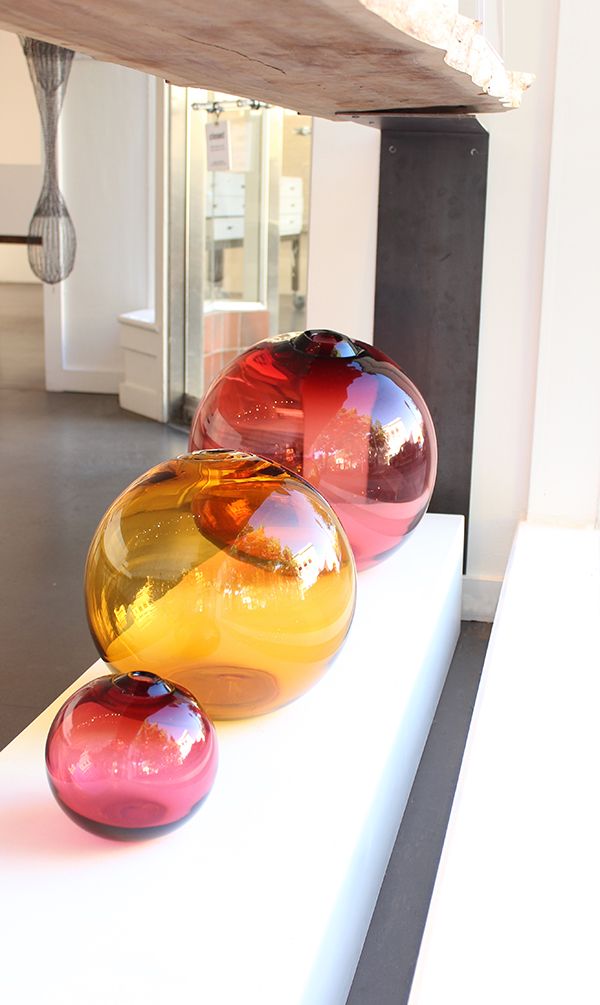
Jewel tones, smoky neutrals, muted pastels—handblown glass absorbs and manipulates color unlike other materials. Light travels through it, changes in intensity, shifts subtly across surfaces. A deep amber globe glows like molten honey. A smoky gray vase casts gentle, shifting shadows.
Pairing matters. Brass, walnut, oak, textured textiles—they highlight glass without competing. Reflection, absorption, layering—light becomes part of the composition. Matte surfaces ground it; reflective ones amplify it.
Function Meets Drama
Handblown glass is functional, but it’s also theatrical. Multi-globe pendants become room-defining elements. Large floor vases can hold flowers or stand alone as sculpture. Small bowls punctuate tables without clutter.
Function and visual impact coexist. These pieces invite notice but remain usable. Unlike mass-produced glass, they command attention without dominating.
Scale and Placement
Scale is critical. Oversized globes anchor a dining space. Smaller clusters introduce rhythm. One pendant overhead, three staggered globes—movement, flow, life. Proportion and placement matter as much as color or transparency.
Custom sizing allows interiors to integrate glass seamlessly. Designers tweak dimensions, thickness, and intensity so pieces complement their surroundings. Placement changes everything—light angles, shadow length, color depth.
Layering Materials
Glass thrives in layers. Wood, textiles, metals, lacquered surfaces—they contrast and complement. Clustered vases on a wooden table, a pendant above a textured rug, a small bowl on a high-lacquer console.
The interplay of transparency, reflection, and shadow animates interiors. The eye moves, light dances, touch is encouraged. Rooms feel alive, tactile, responsive.
Timeless but Contemporary
Handblown glass bridges eras. It feels historical, yet it’s contemporary. Artisanal, yet adaptable. Its resurgence in 2026 isn’t about nostalgia—it’s about tactility, human scale, and material honesty.
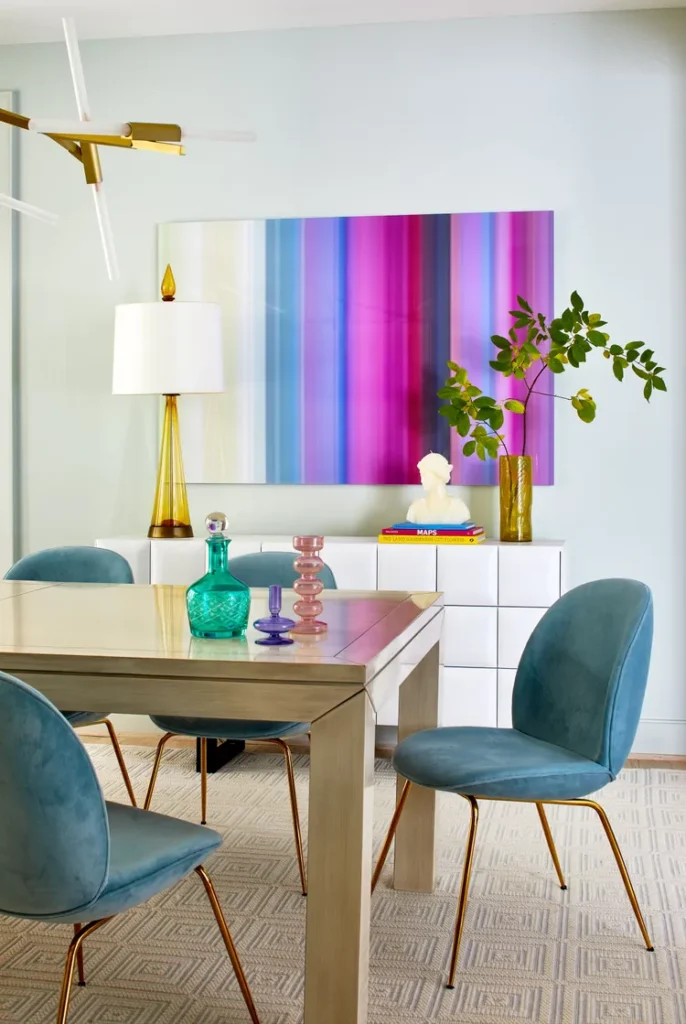
It pairs beautifully with custom furniture, sculptural pieces, and layered textures. A blown glass piece can coexist with mid-century minimalism, contemporary maximalism, or eclectic interiors. Its versatility is part of its appeal.
Handblown glass isn’t merely decorative. It defines space, responds to light, introduces texture, and encourages touch. It anchors, frames, illuminates, and punctuates. It’s functional and sculptural at once. Fragile, human, alive—handblown glass is the kind of material interiors have been waiting for in 2026.