
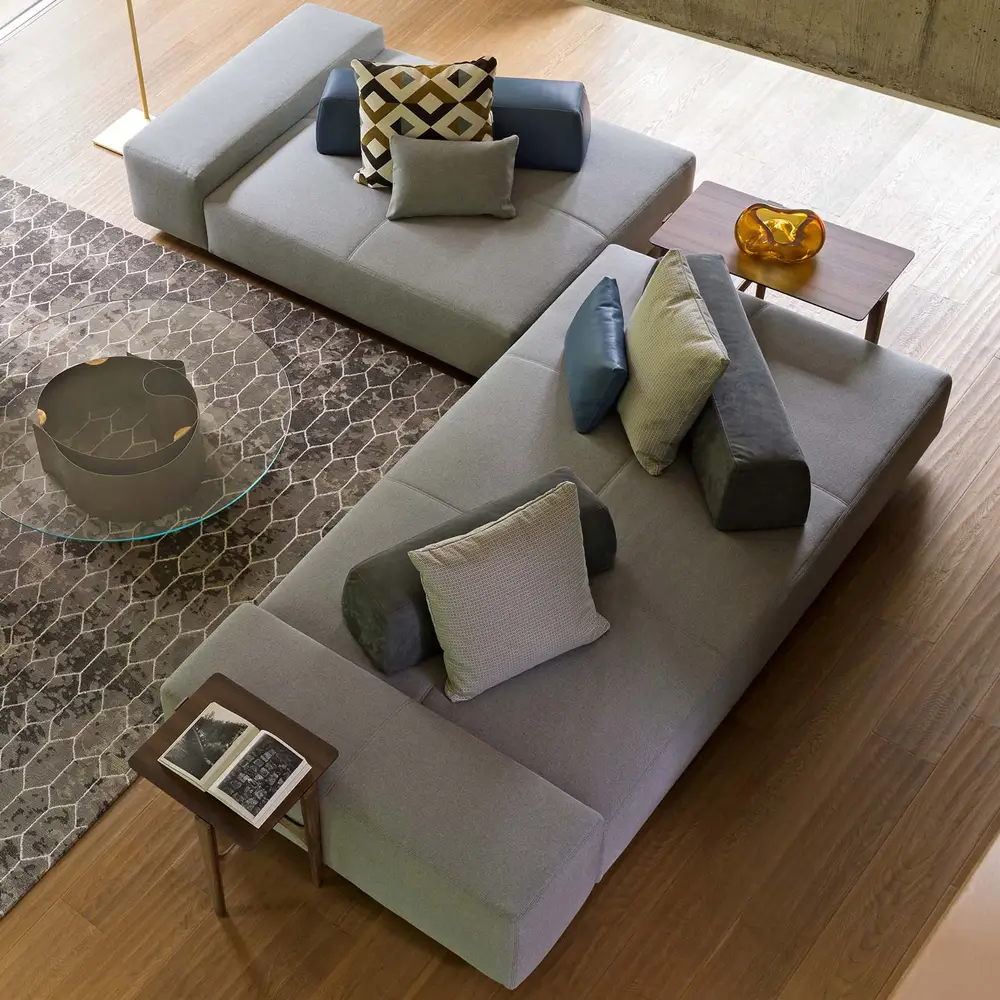
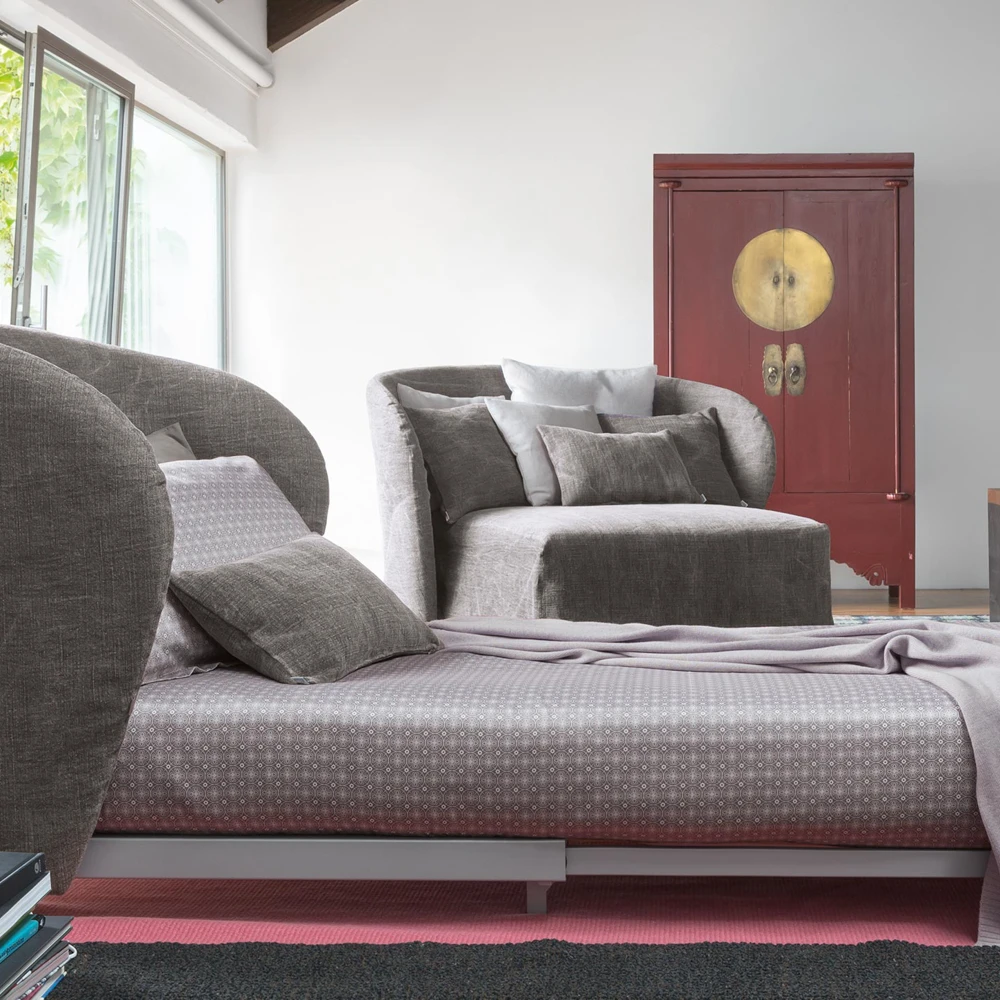
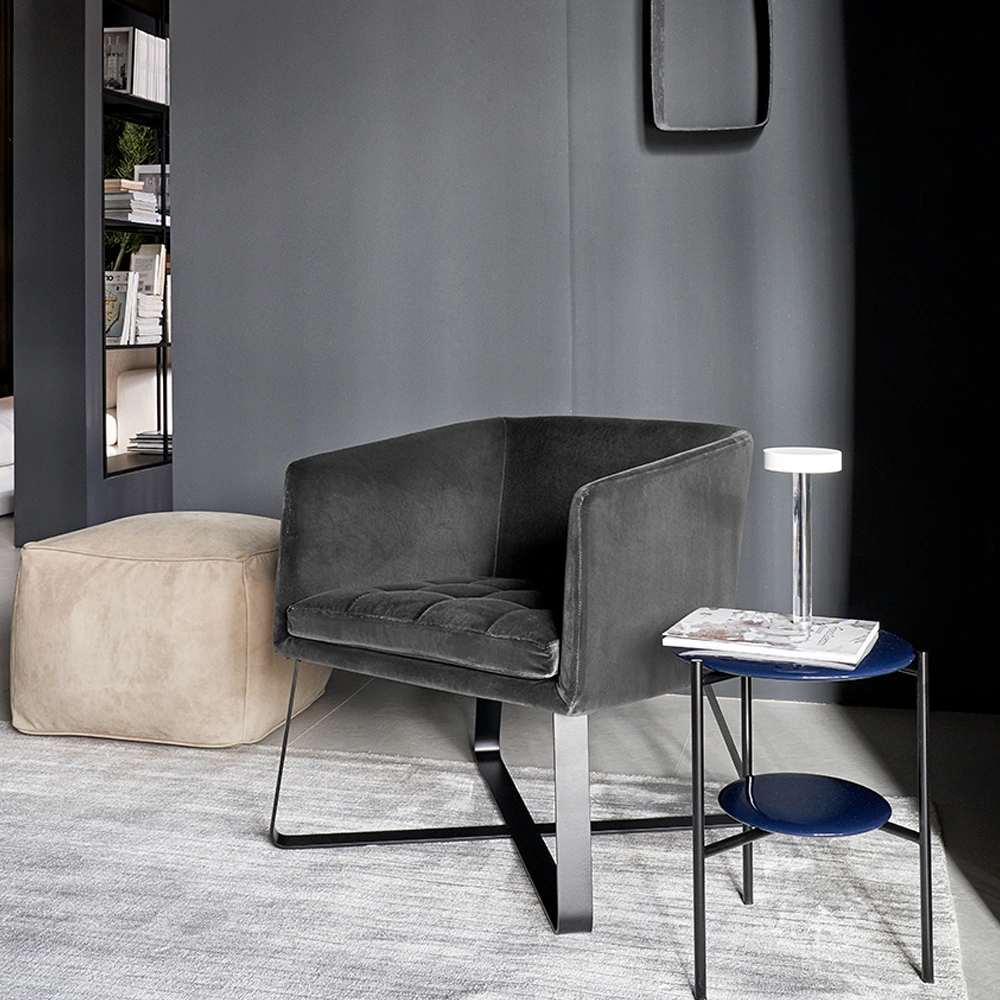


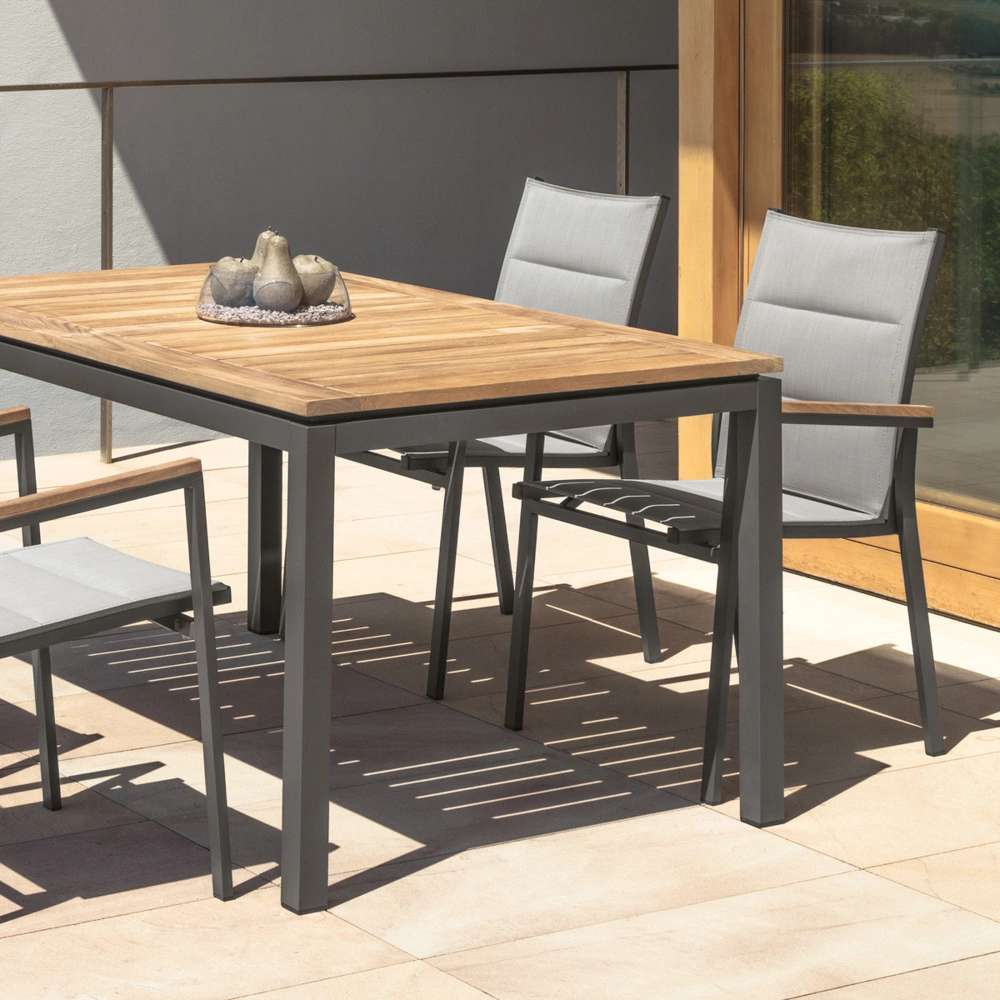


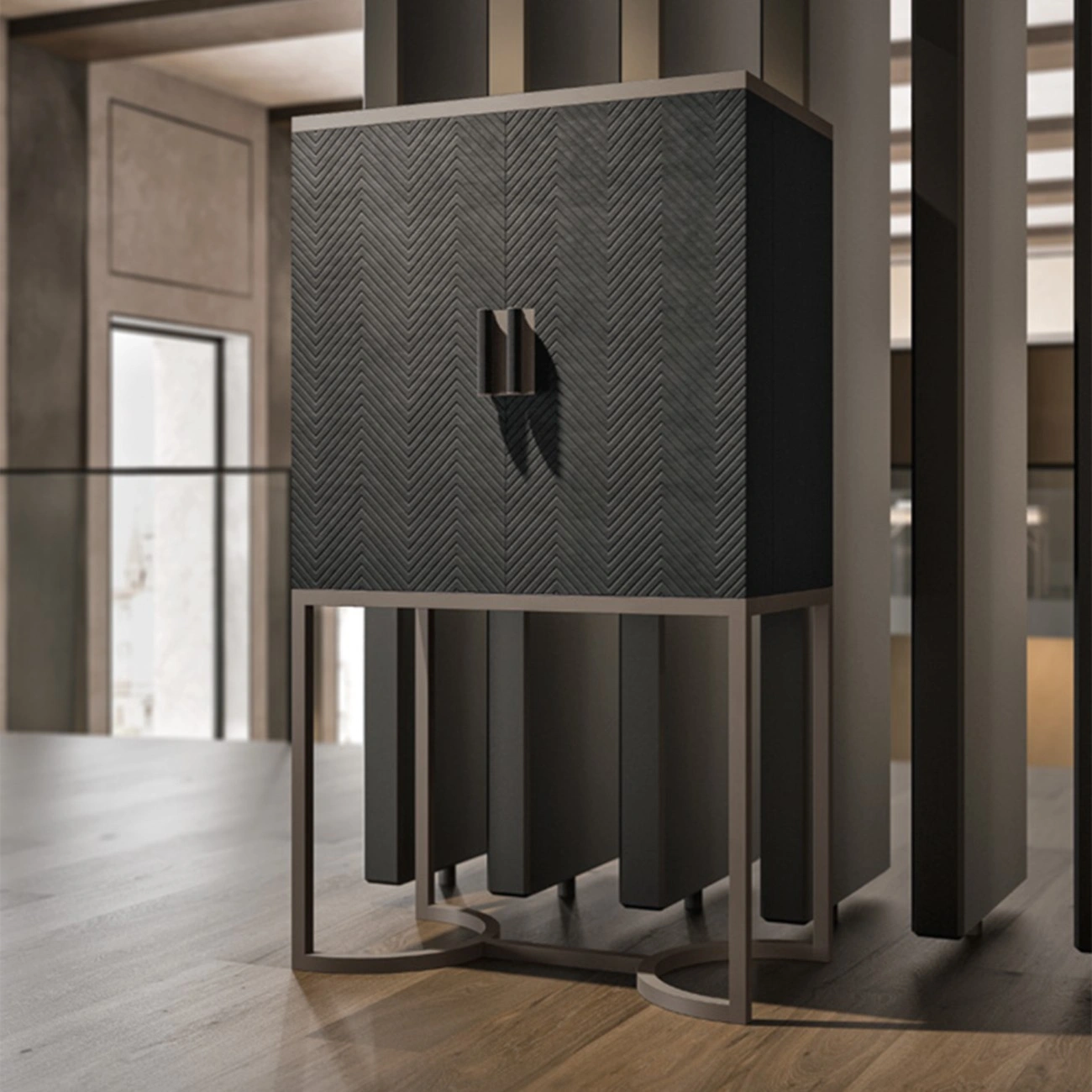

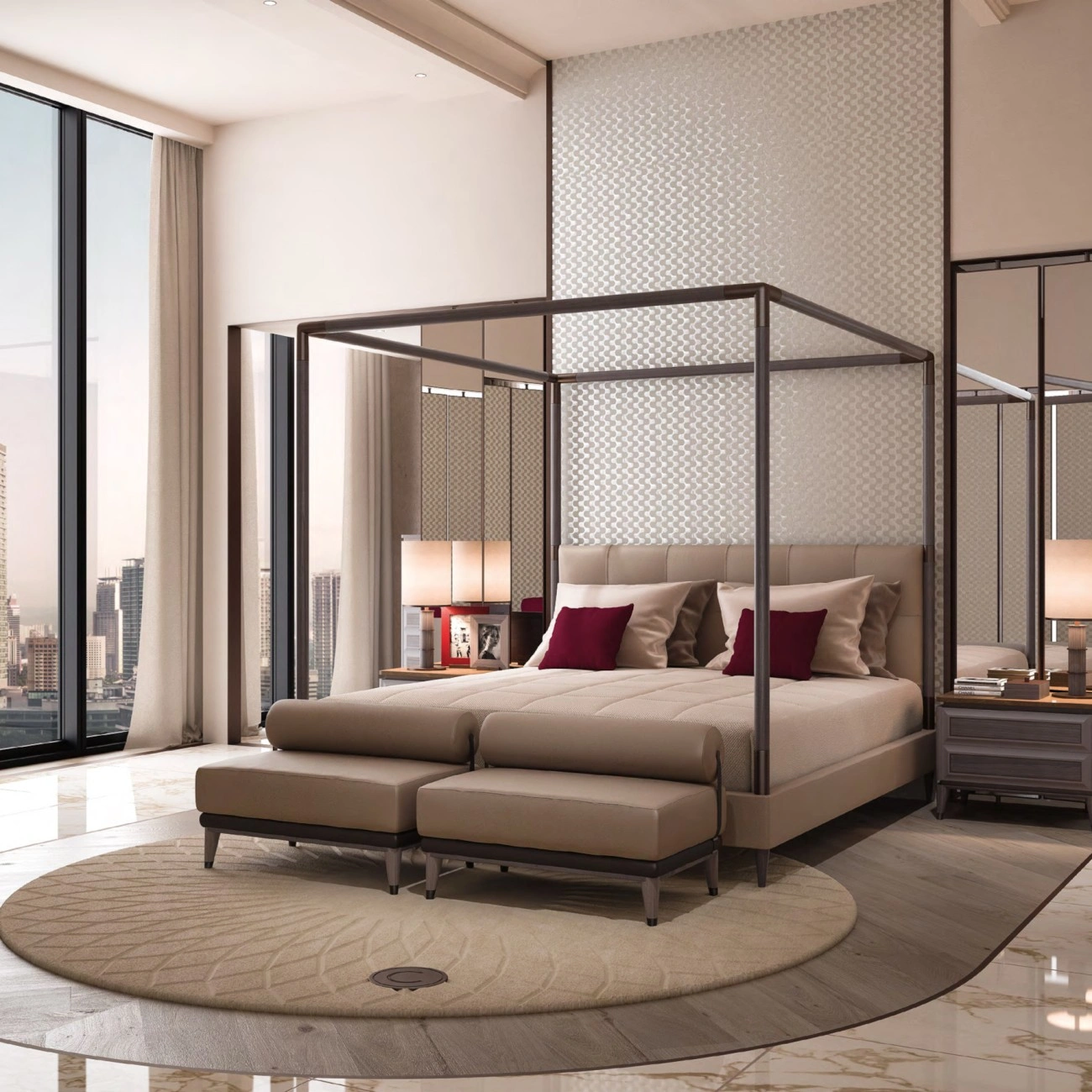
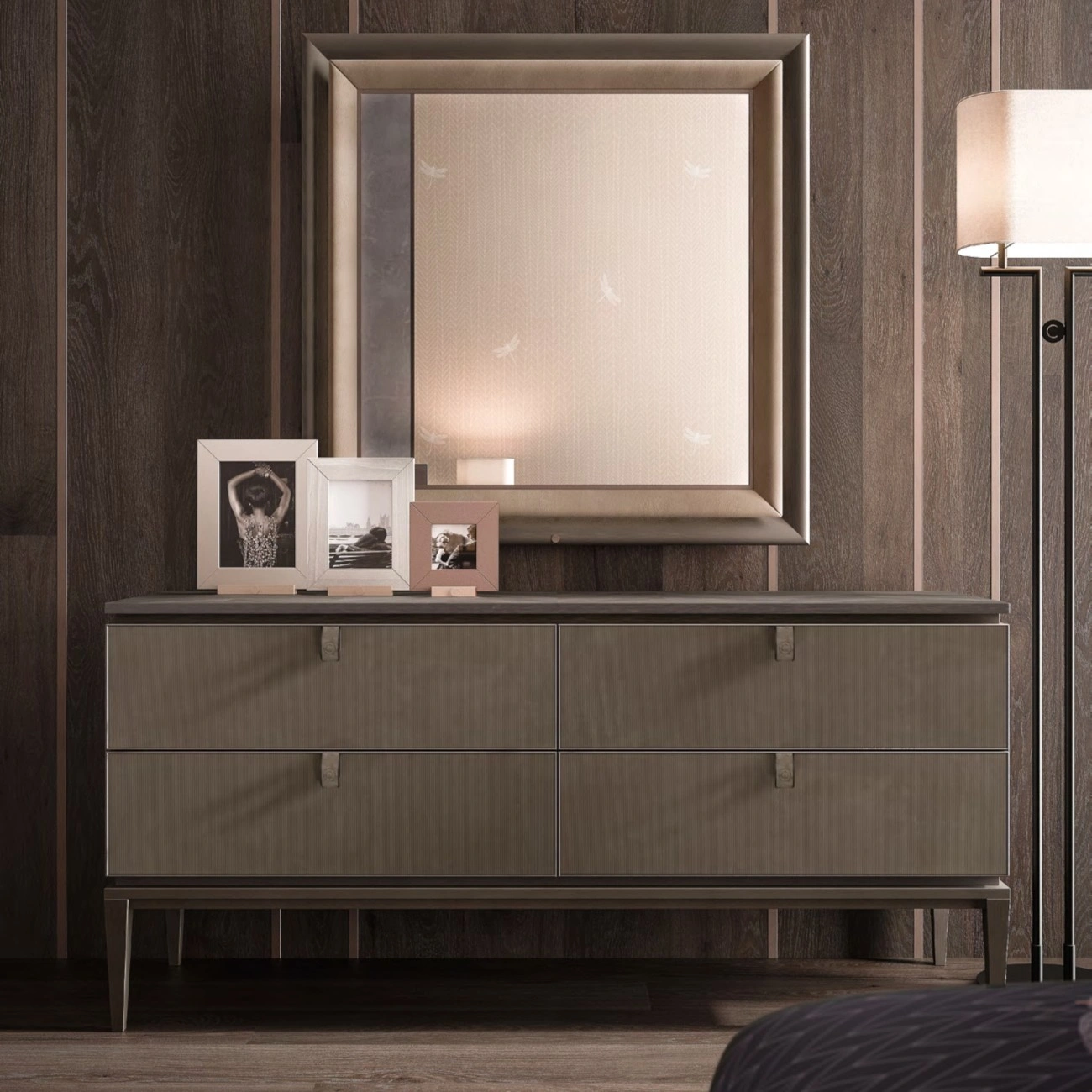

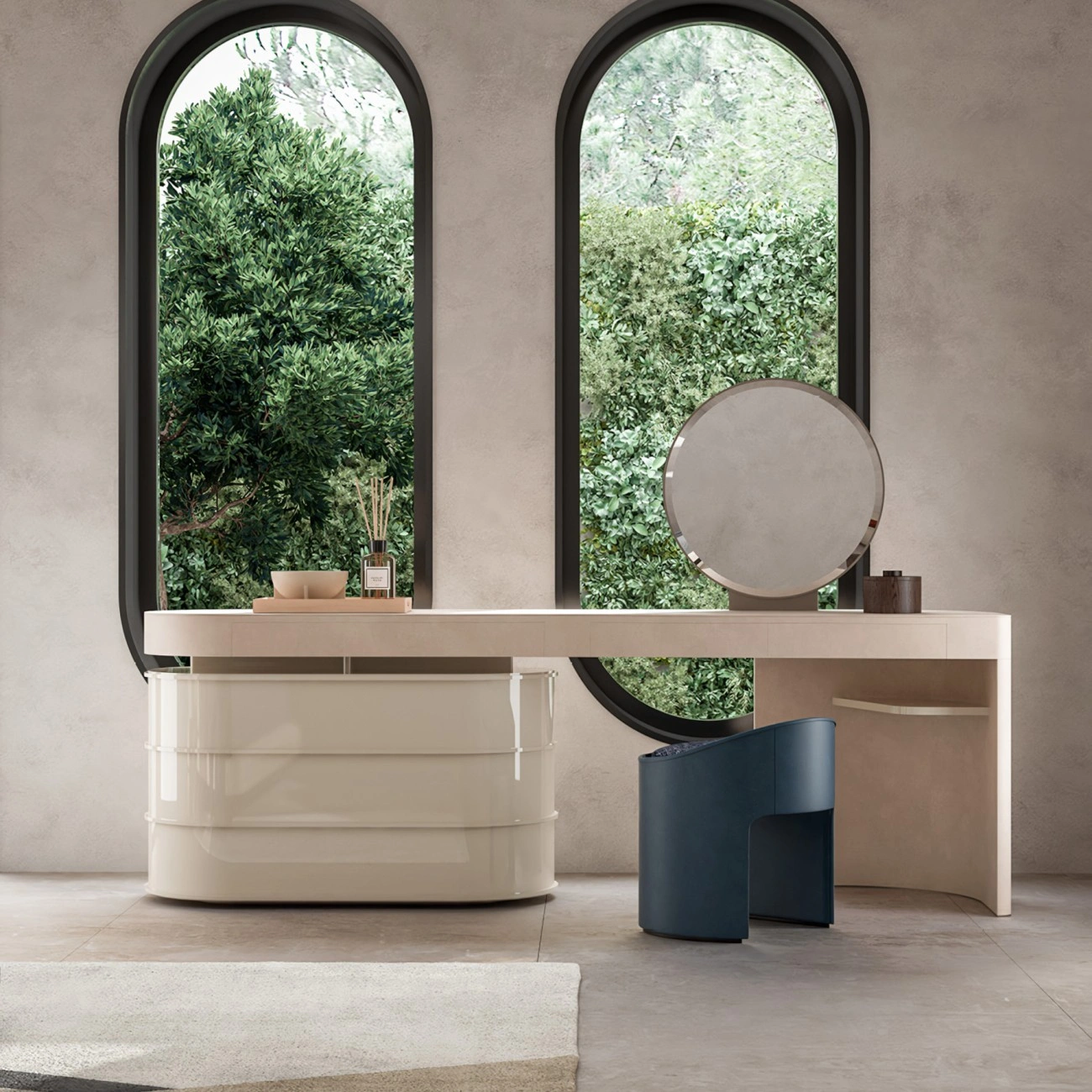
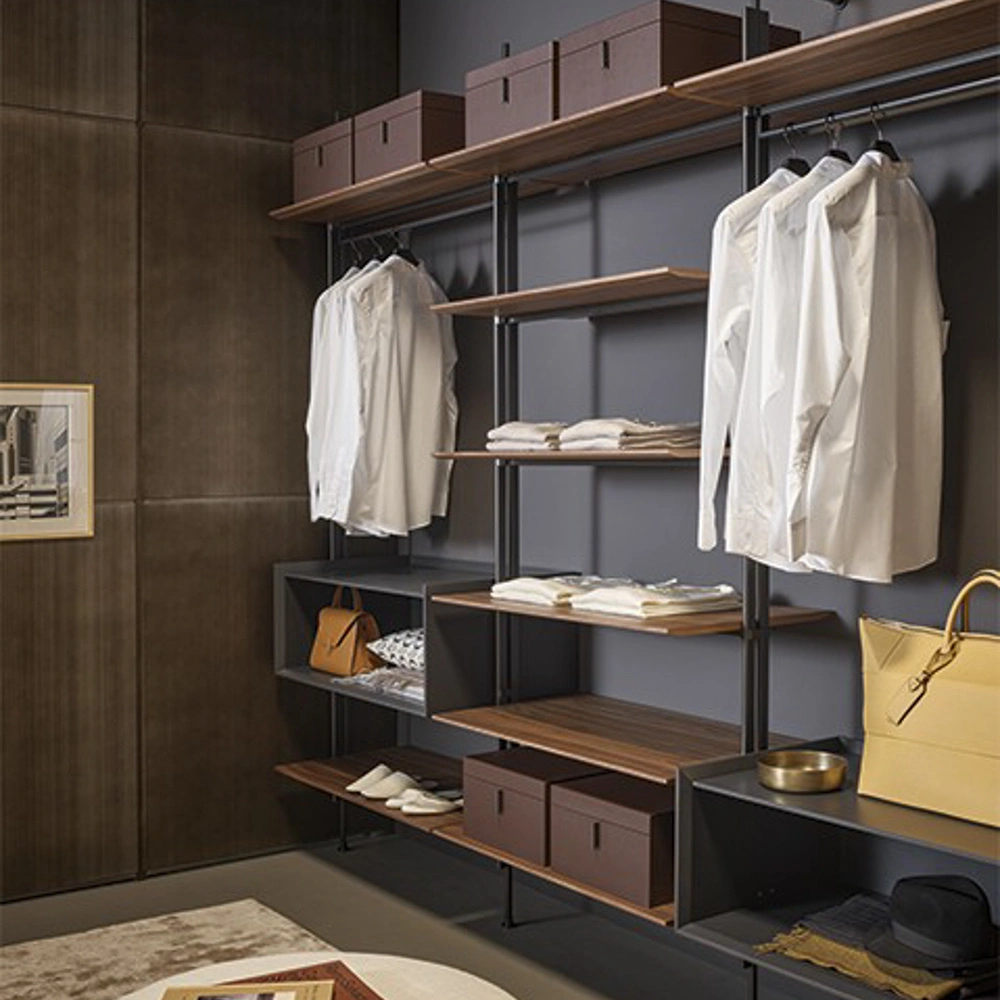
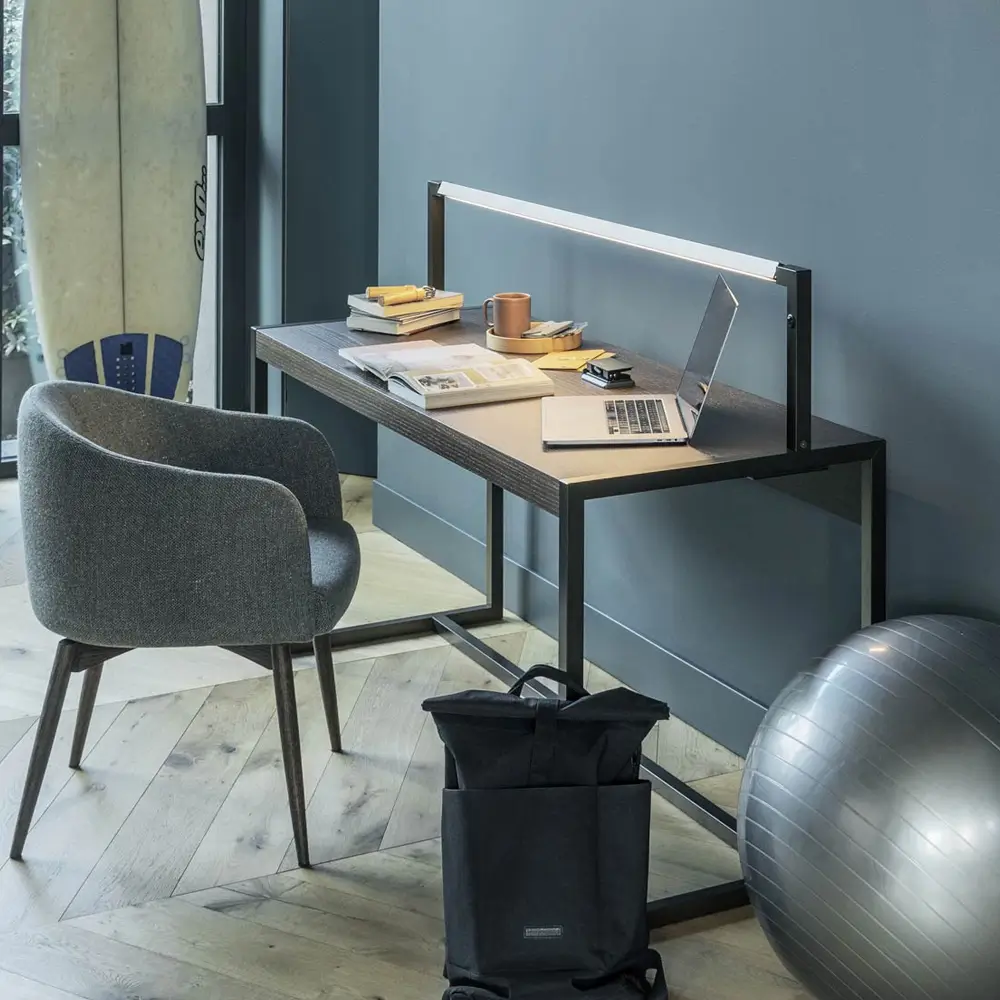


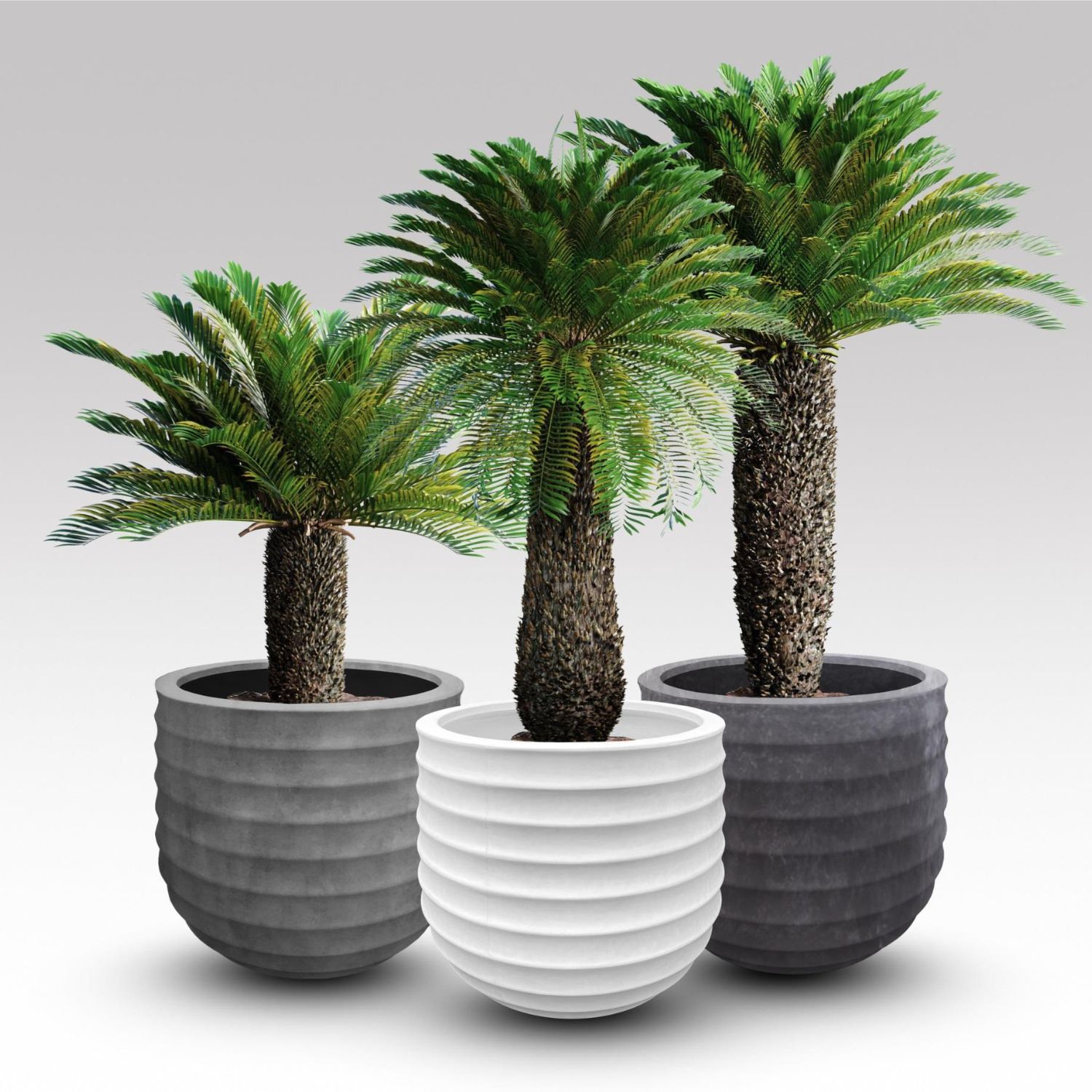


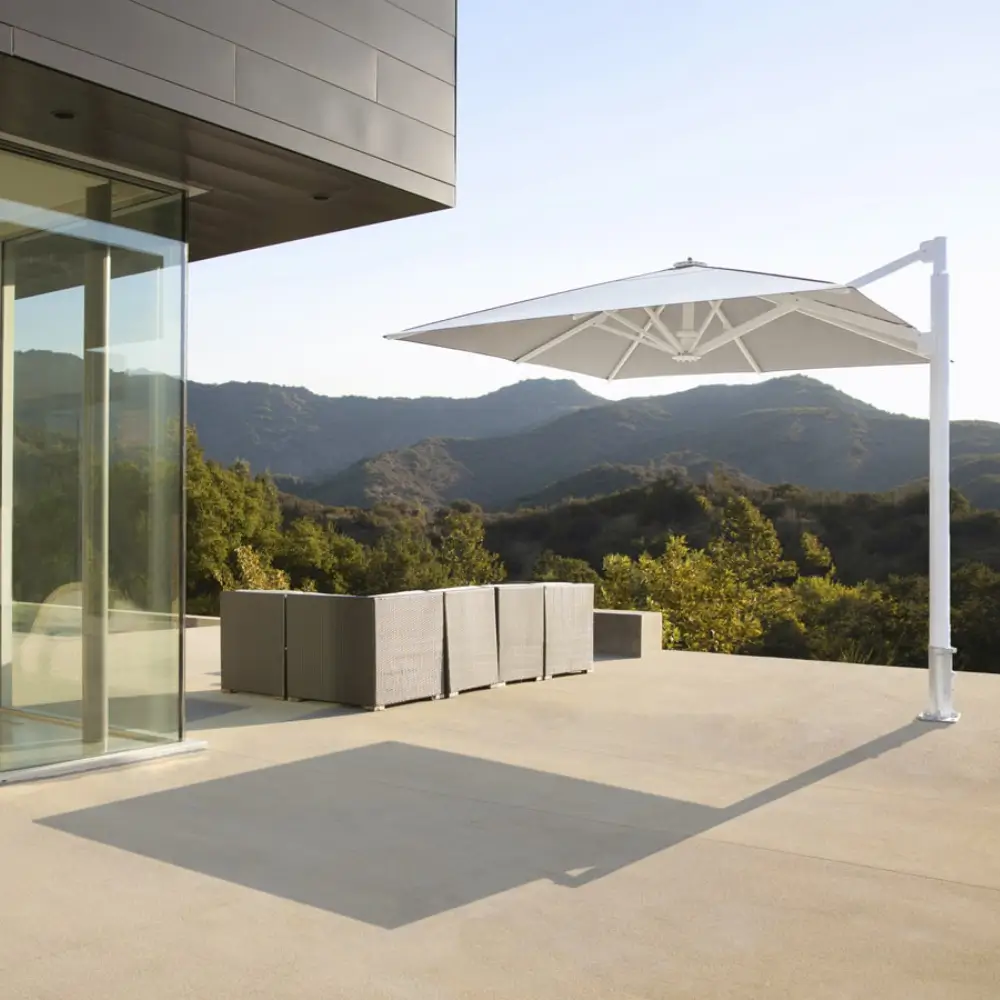


The cocoon interiors are everywhere now. Not metaphorically, not just in marketing speak, but in how spaces are shaped. Sofas sink into softness, armchairs wrap the sitter like a hug, alcoves bend inward just enough to make the body register shelter. The effect is subtle but undeniable. Even before touching anything, the body knows. There is a sense that nothing can intrude, that nothing will startle. After months, years, of living in unpredictable spaces, this matters. In a way, the cocoon doesn’t announce itself. It just exists, and somehow the brain relaxes—an approach you see in brands like Atmosphera that prioritize enveloping comfort in every design.
Material Empathy
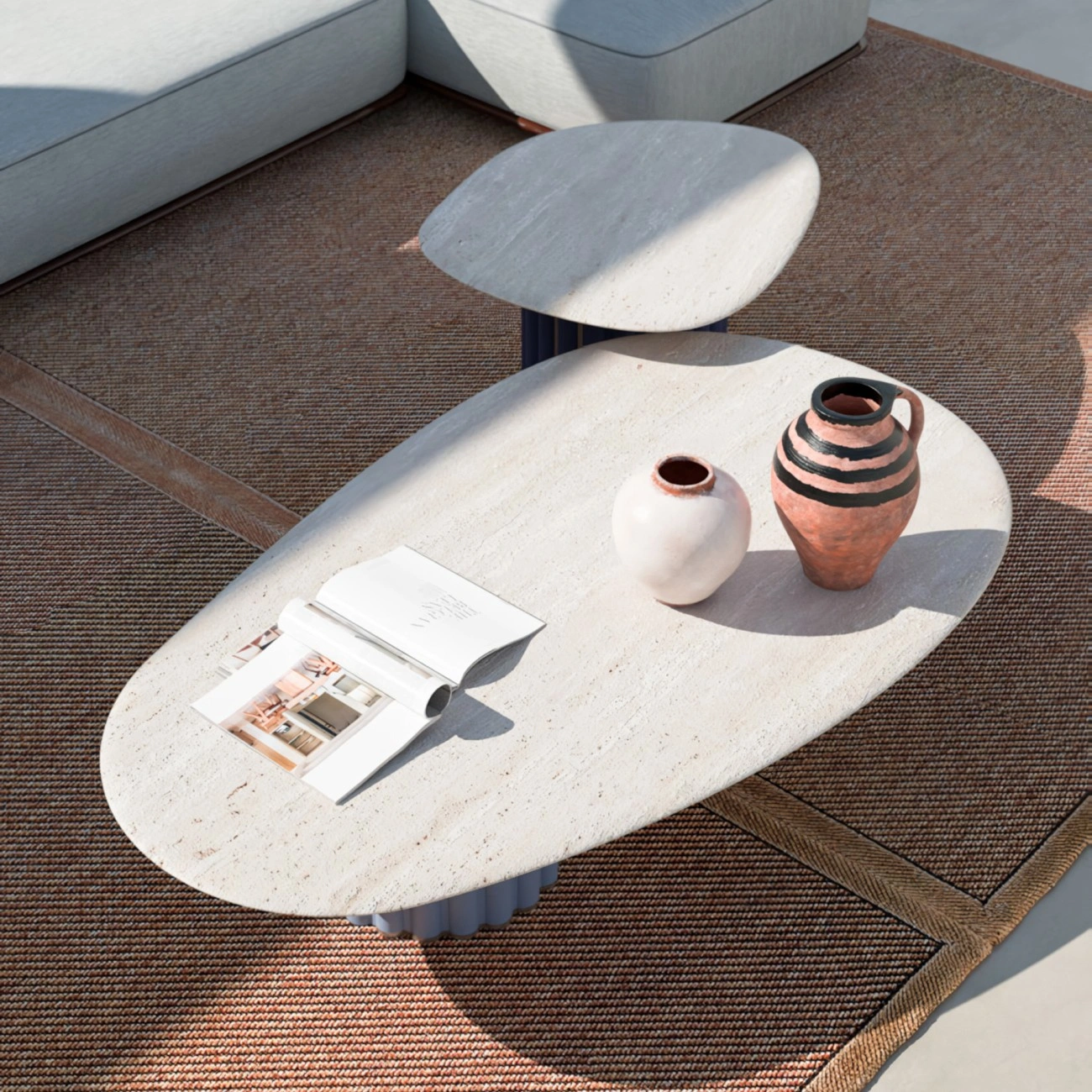
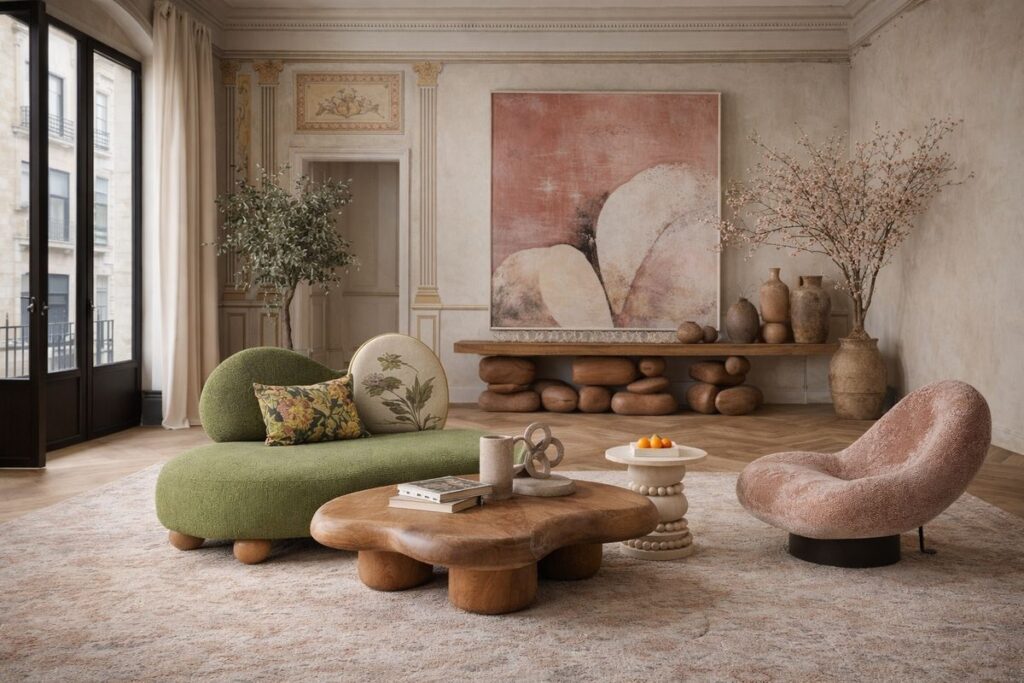
Materials carry weight beyond appearance. Bouclé, velvet, thick wool carpets — they invite touch before the mind has caught up. Hard surfaces exist, but softened. Rounded edges on tables, cabinetry that feels muted rather than lacquered, even plaster finishes that resist perfection. The psychology is layered. Sight, touch, a peripheral sense of pressure — all communicate safety. There’s a human factor here, something missing in the era of glass and steel. The cocoon insists on tactility. The body responds without argument.
Enclosed Proportions
Scale is everything in cocooning. Furniture grows in width and height to wrap the sitter. Chairs feel like partial enclaves. Sofas offer hidden nooks, corners to lean into. Rooms themselves shrink just a little, or at least appear to, through alcoves and lowered ceilings or subtle recesses. It is delicate work, though — too much enclosure tips into stifling. Cocoon design seems simple: it just follows instinct. Boundaries are comforting. The mind notices and stops calculating.
Color as Emotional Terrain
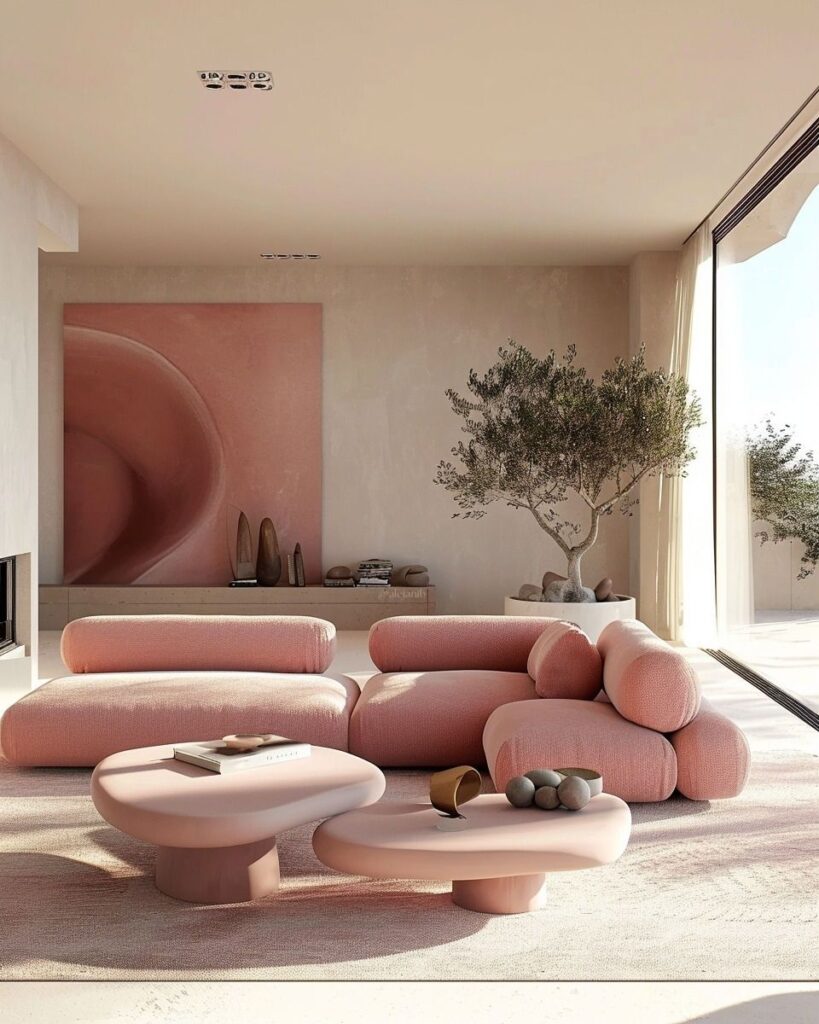
Color whispers here. Muted earth tones, warm grays, soft ochres, dusty rose, pale peach. They do not hit, they hover. Walls, furniture, floors — all echo each other. A soft visual pressure. Nothing is stark. Nothing snaps the eye out of calm. The palette works quietly in concert with tactile choices. It’s a language felt more than read.
Light That Hugs
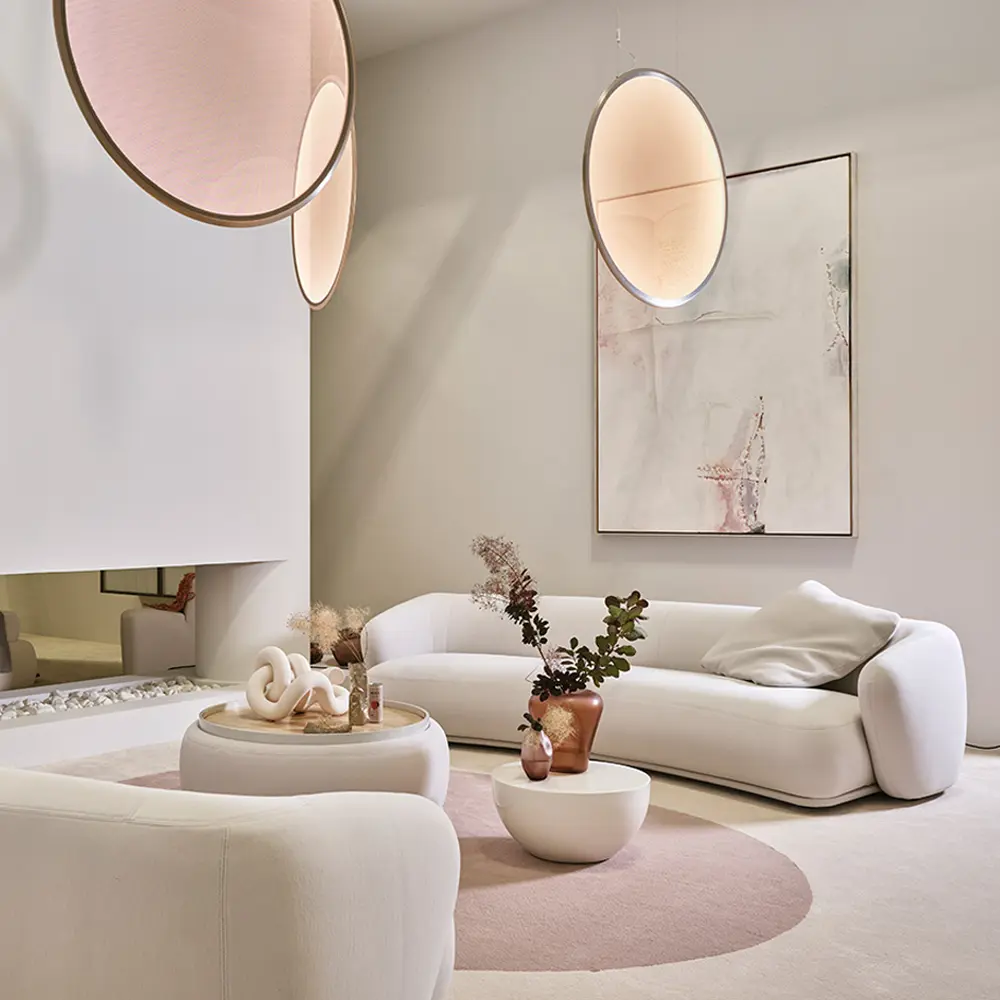
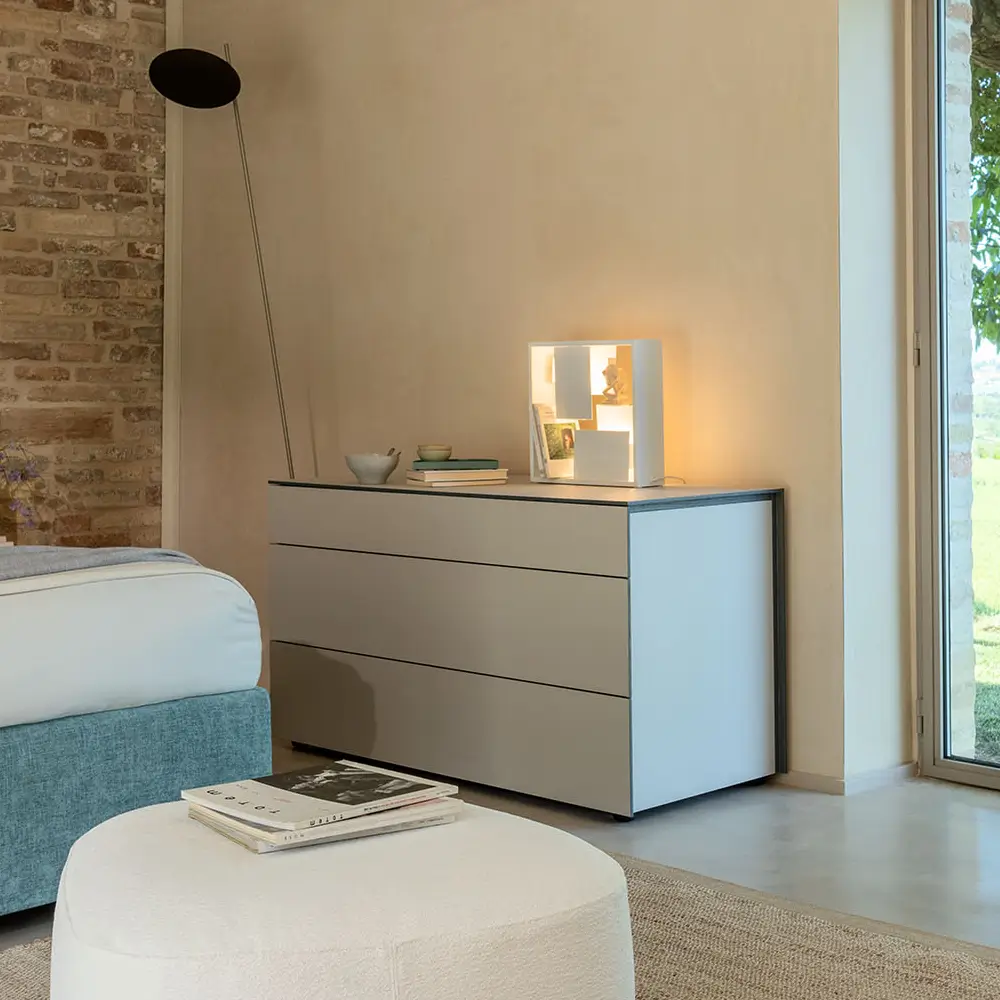
Lighting is subtle. Globes, diffused LEDs, opaque glass. Shadows are shallow. The cocoon avoids the harsh glare that used to define modern interiors. The room feels illuminated but not lit, if that makes sense. Eyes move without interruption. Overhead lights disappear into recesses. Pendants float in clusters, like gentle pods. Light presses softly against perception, the way fabric presses against skin.
Furniture as Persona
Cocoon furniture almost behaves. Sofas curve to invite, chairs anticipate privacy. Cushions sag in just the right places, armrests rise like they know where elbows belong. It’s not indulgence; it’s reassurance. The body registers this instinctively. Sitting, leaning, folding into these forms — it is confirmation that the space exists to protect, not just display.
The Domestic Turn
There is a reason the cocoon has surged. Open plans, terrazzo floors, steel minimalism — they no longer promise comfort. Homes are meant to be shelters again. Cocooning is not decoration, it is psychological infrastructure. Softness, tactility, privacy — all prioritized over formality or spectacle. The world outside remains uncertain, the space inside responds.
The Restlessness of Cocoon
Still, cocooning carries tension. It asks for stillness, and stillness can stagnate. Interiors hint at escape: a sliver of window, a reflective surface, a narrow passage. Otherwise the space risks suffocation. Designers balance intimacy with openness, enclosure with permeability. The cocoon is never complete; it thrives on suggestion.
Touch and Memory
Cocoon interiors often feel worn before they are. Textiles appear aged, wood matte, metals brushed. This is deliberate. Comfort thrives on familiarity. Contact reinforces memory: fingertips brush wool, sink into cushions, graze grain. Each touch is confirmation that the space belongs to the occupant, not just to a style guide. Cocooning is a dialogue, before thought, before consideration.
The Invisible Architecture
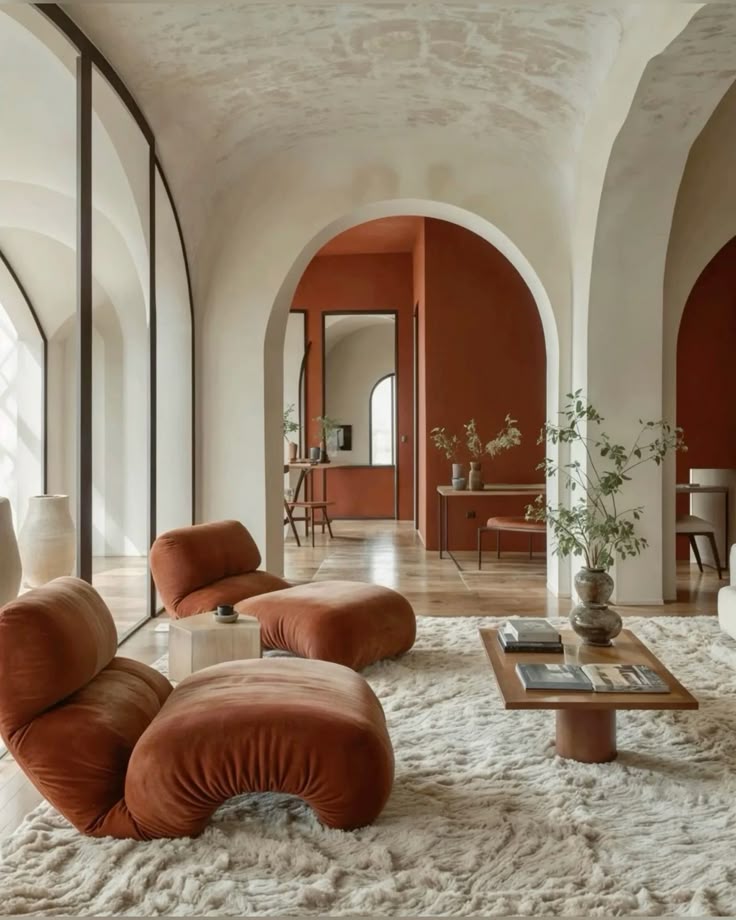
Perhaps the most interesting part is how invisible it is. Arches, alcoves, plush surfaces, diffused light — none shout. The room works on the nervous system without announcing itself. The occupant doesn’t think about safety. The body simply relaxes. This is architecture as empathy, scaled psychologically rather than geometrically.
Shaping Desire
There is a commercial dimension, of course. Cocooning sells reassurance, not just furniture. But it avoids kitsch. Oversized cushions or literal nests are absent. The suggestion is enough. Rounded chairs, layered textiles, soft light. The desire is felt rather than told. It is subtle, deliberate.
The Persistence of Cocoon
Bodies remember. Even as trends swing between maximalism and minimalism, cocoon interiors appeal to instinct. Shapes, textures, and light manipulate perception quietly, insistently. Humans seek spaces that comfort the way a hug does. Cocooning may evolve, colors may shift, furniture may exaggerate, but the principle remains: spaces can hold. Not just function. Hold.