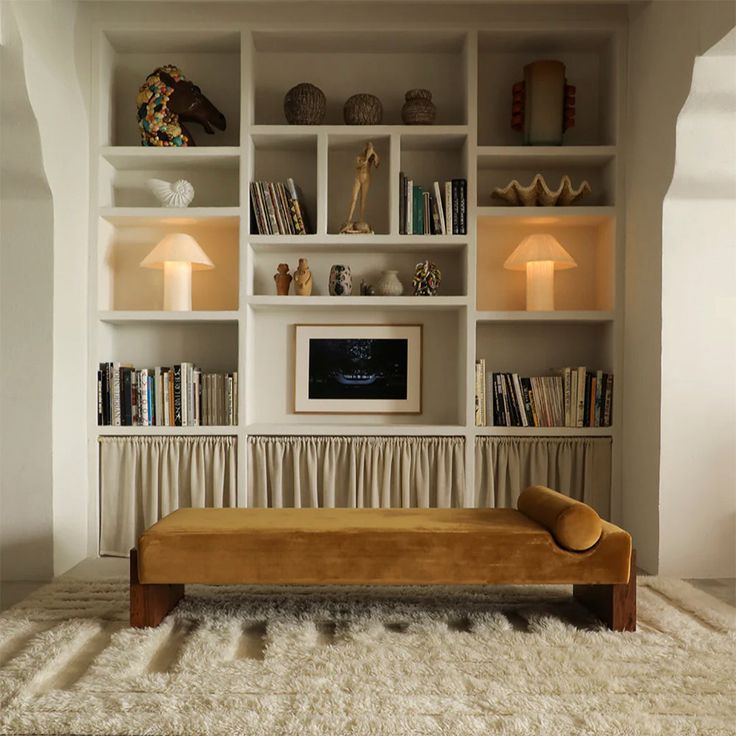
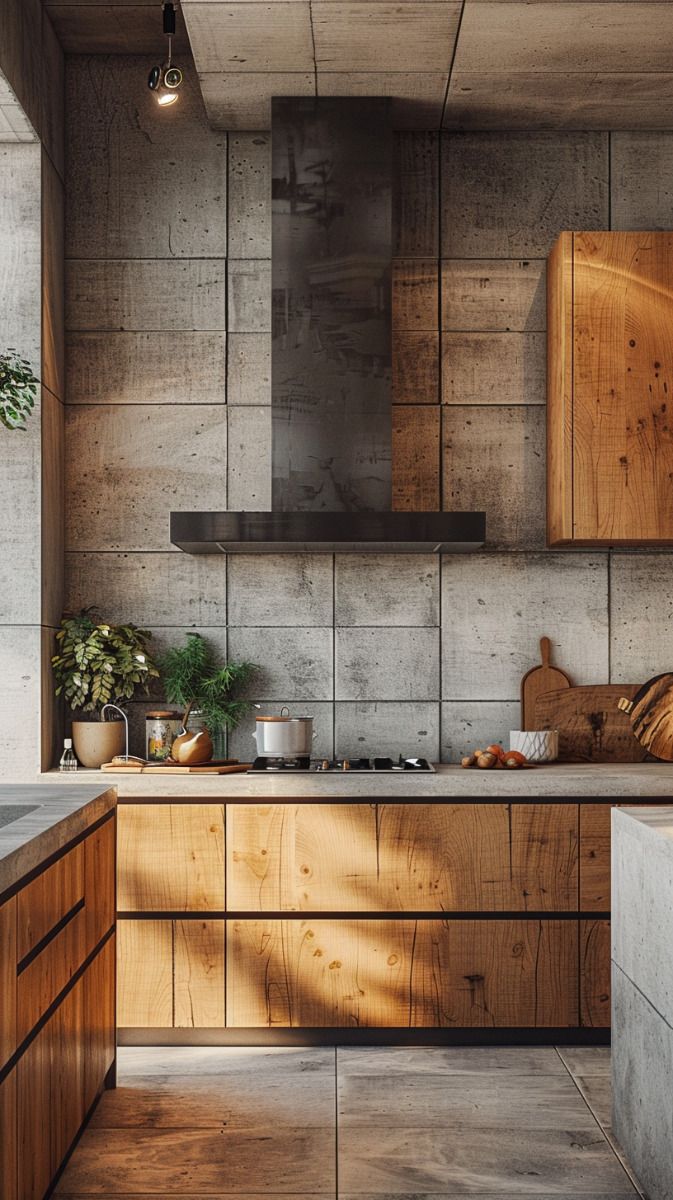
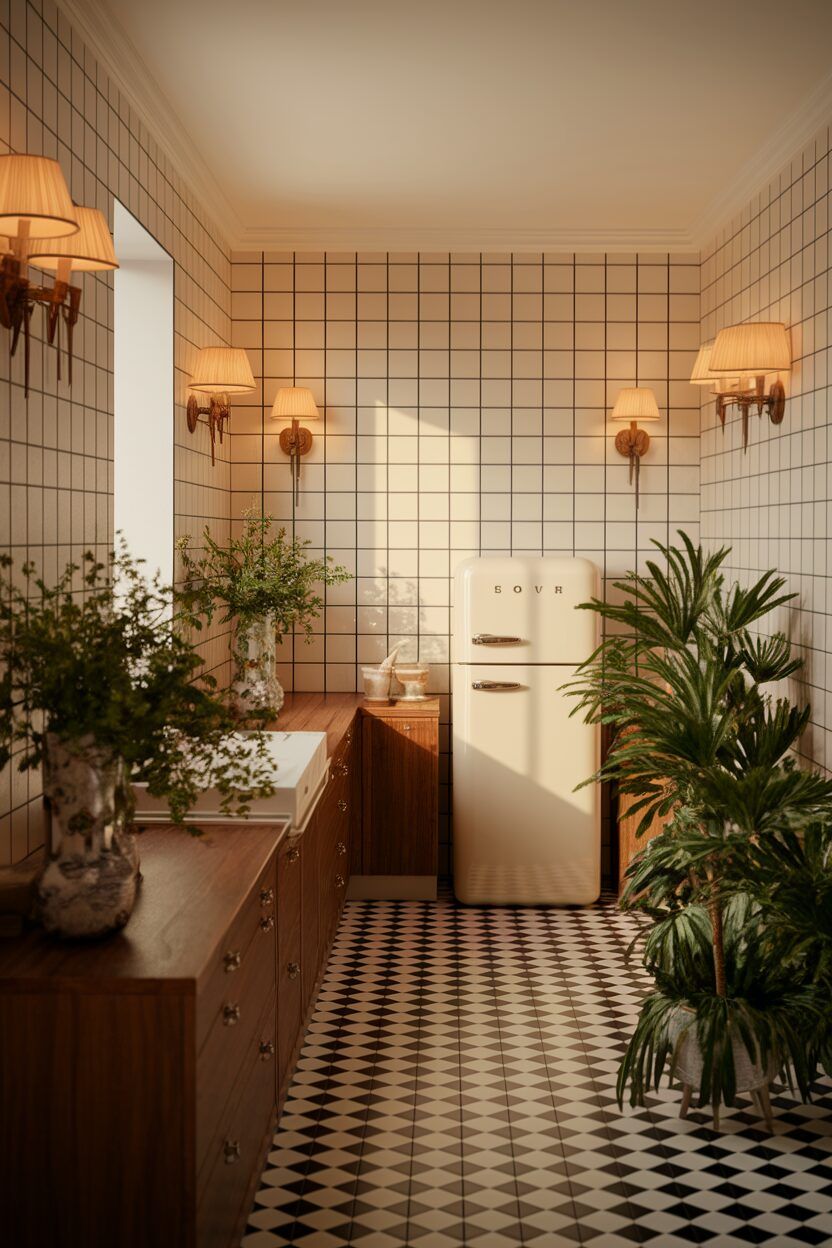
Straight lines used to rule interiors. Orthogonal grids, sharp edges, rectangular bays—everything tidy, predictable, reliable. Floors met walls at 90 degrees. Corners were corners. Ceilings hung flat like sheets of paper. There was a quiet reassurance in the straight line. And then curves started creeping back. Slowly. Almost imperceptibly at first. Now, in 2026 interiors and exteriors, curves are asserting themselves—not as decoration, but as a statement in their own right.
Curved architecture doesn’t demand attention. It insinuates. A hallway arcs around a central stair. A reception desk sweeps like a ribbon. A ceiling undulates instead of resting flat. They’re subtle rebellions against the tyranny of right angles. Movement feels guided. Sightlines feel choreographed. You don’t just inhabit the building; you move with it.
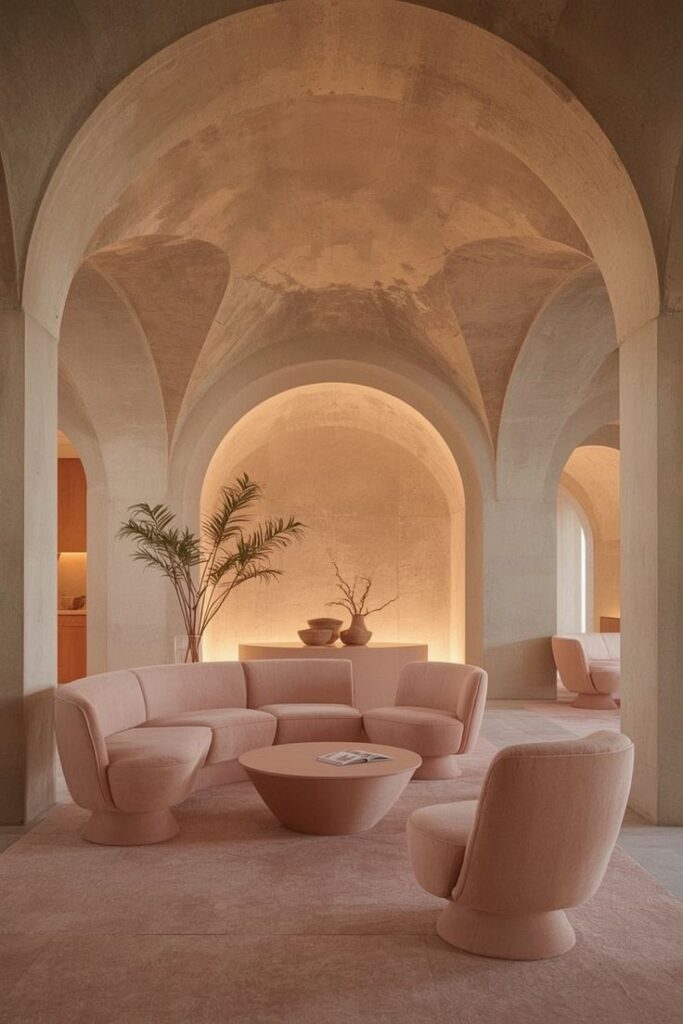
The Emotional Pull of Curves
Humans are drawn to curves. Objects in nature rarely make perfect squares. Rivers meander, hills crest, shells spiral. Curves feel alive. Walls that bend invite exploration. Ceilings that bow feel protective. Rounded desks or counters suggest touch, invitation, a little whimsy. In interiors dominated by glass, metal, and polished stone, curves introduce a soft, human note.
A curved wall is forgiving. It doesn’t corner you. A curved stair invites you to climb. Curves manipulate perception. Narrow corridors that arc feel wider. A swooping ceiling can make a room feel taller. Intimacy creeps in where right angles dominate.
Light and Shadow in Motion
Curves do amazing things to light. Light doesn’t just strike; it glides, bends, wraps around. Shadows stretch, compress, shimmer. Artificial or natural, light plays differently across curves.
Designers in 2026 are exploring this endlessly. Polished plaster catches soft light, gradients evolving through the day. Curved glass balustrades reflect unpredictably. Rounded ceilings, arched walls, undulating partitions—shadows shifting with movement. Spaces with curves don’t feel static; they feel alive.
Furniture Responds Differently
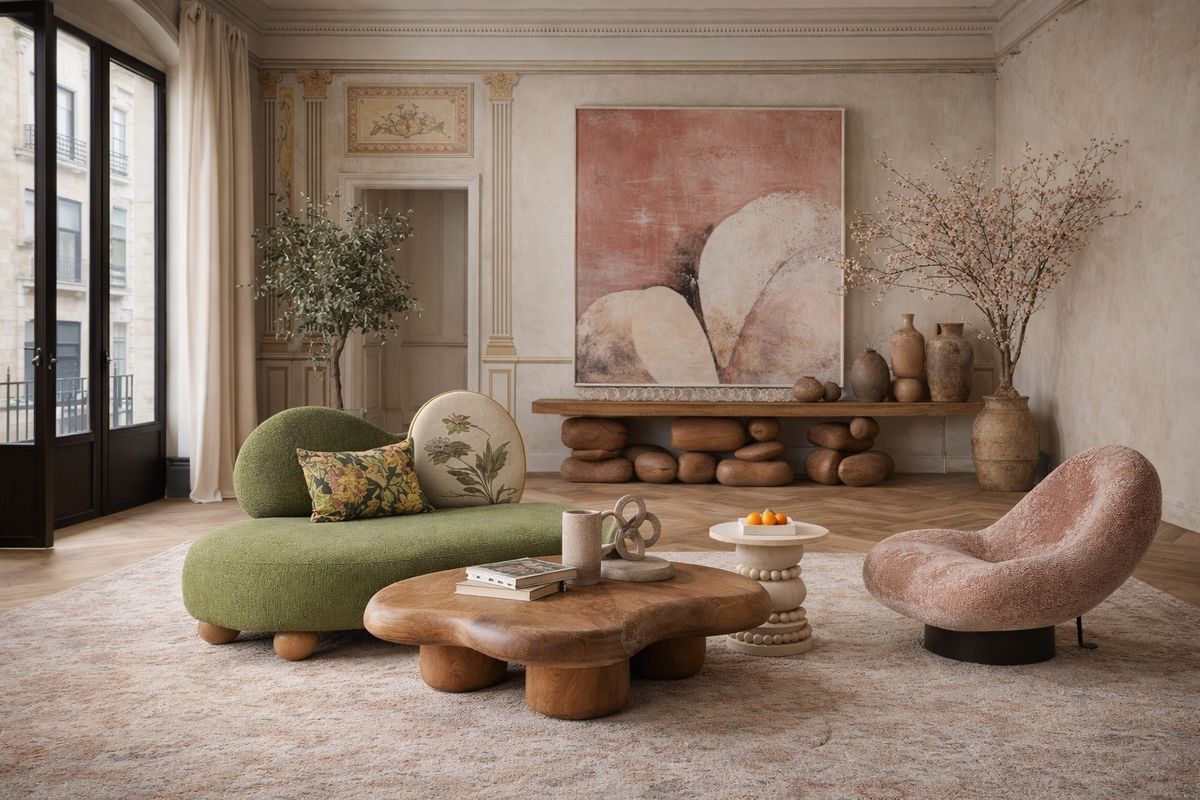
Curves change the rules for furniture. A sofa with a sweeping back fits differently along a bowing wall. A credenza echoing the curve reads as intentional. Custom furniture often follows these lines—a high-lacquered cabinet sculpted to a niche, a curved bench doubling as seating and sculpture.
Furniture stops being just “placed” in a room. It becomes part of the architecture. Alignment, silhouette, placement—all acknowledge the gentle rebellion of the wall. When it works, furniture reads like choreography, subtle dance, not assembly.
Curves in Public vs. Private Spaces
Public spaces love bold curves: museums, lobbies, galleries, civic buildings. Sweeping arcs, cylindrical columns, rounded staircases. They impress. Private interiors often favor subtler curves: rounded niches, bowing benches, soft archways.
Both approaches slow the body, slow the eye. Straight lines rush. Curves linger. A curved foyer makes you pause. A window bay encourages contemplation. A curving wall in a library suggests quiet movement, intimacy, human scale.
Materiality and Curvature
Curves aren’t neutral. They demand of materials. Wood bends, plaster flows, stone is cut in arcs. 2026 fabrication advances help. Engineered wood curves without splitting. Concrete sweeps in gentle forms. Glass bends without distortion. Even high-lacquered surfaces follow subtle curves, letting furniture echo architecture with reflective dialogue.
Finishing matters. Lacquer, plaster, wood grain—all emphasized along curves. Imperfections become part of the story, proof that someone shaped this intentionally.

Acoustic Benefits
Curved walls sound different. Flat, parallel walls echo. Curved walls scatter sound, making interiors feel warmer, quieter. Rounded ceilings diffuse. In open plans, this is crucial. Acoustics are no longer afterthoughts—they are design tools.
The Subtle Drama of Arches
Arches are simple but powerful. Ancient, yet contemporary. Not cathedral Romanesque, but soft arcs: doorways without doors, rounded windows, ceiling sweeps. They create flow, continuity, anticipation. Frame views. Guide movement. Directional, but not rigid.
The Psychological Effect
Curves comfort. No corners to bump into, no edges triggering instinctive caution. Rounded rooms feel protective. Curved hallways encourage measured pace. Subtle arcs in shelving or furniture affect perception subconsciously, making interiors feel generous without extra square footage.
Psychology, craft, material—all meet here. 2026 embraces it. Not nostalgia. Spatial intelligence.
Curves and Flexibility
Curves introduce flexibility. Rounded partitions separate zones without doors. Bowed walls delineate open plans. Circular furniture arrangements encourage gathering, conversation, communal use.
Custom furniture is often the answer: pieces that honor the curves, follow the flow. High-lacquered finishes or upholstered pieces echo architecture, reinforcing continuity.
Curves as Narrative
Curves tell stories. Movement, history, human scale. Unlike grids or orthogonal walls, they suggest narrative. Eyes travel, bodies adjust. Approaching an arched doorway invites anticipation. Rounding a concave wall surprises. Curves orchestrate experience.
They soften hierarchy. Curved lounges, rounded desks, circular ceiling details invite interaction differently than sharp corners.

Why Curved Architecture Matters in 2026
Curves are not decoration. They reflect evolving priorities. Interiors crave experience, not predictability. Spaces that engage sight, touch, movement, sound. Curves deliver without ornamentation. Modern, human-centered, bold but not brash.
And curves scale. Public or private. Monumental or intimate. They invite play, experimentation, craftsmanship. Moments of pause and reflection in a world of grids and screens.
Moving With the Space
Curved architecture asks you to move differently. Walking, seeing, interacting. Furniture, flooring, lighting all respond. Custom furniture follows arcs, high-lacquered finishes echo them.
Curves show architecture isn’t static. It can bend, sweep, flow. Sensual, protective, playful all at once. Interiors become experiences, not containers. Straight lines are easy. Curves are deliberate. And in 2026, that deliberation feels exactly right.