













Almost everything else now arrives the same day. A made-to-order sofa takes ten or twelve weeks, sometimes more, and the wait is not a flaw in the system — it is the system working as intended. You are not standing in a queue. You are waiting for something to be made, for you, by someone, on purpose.
What you are actually waiting for
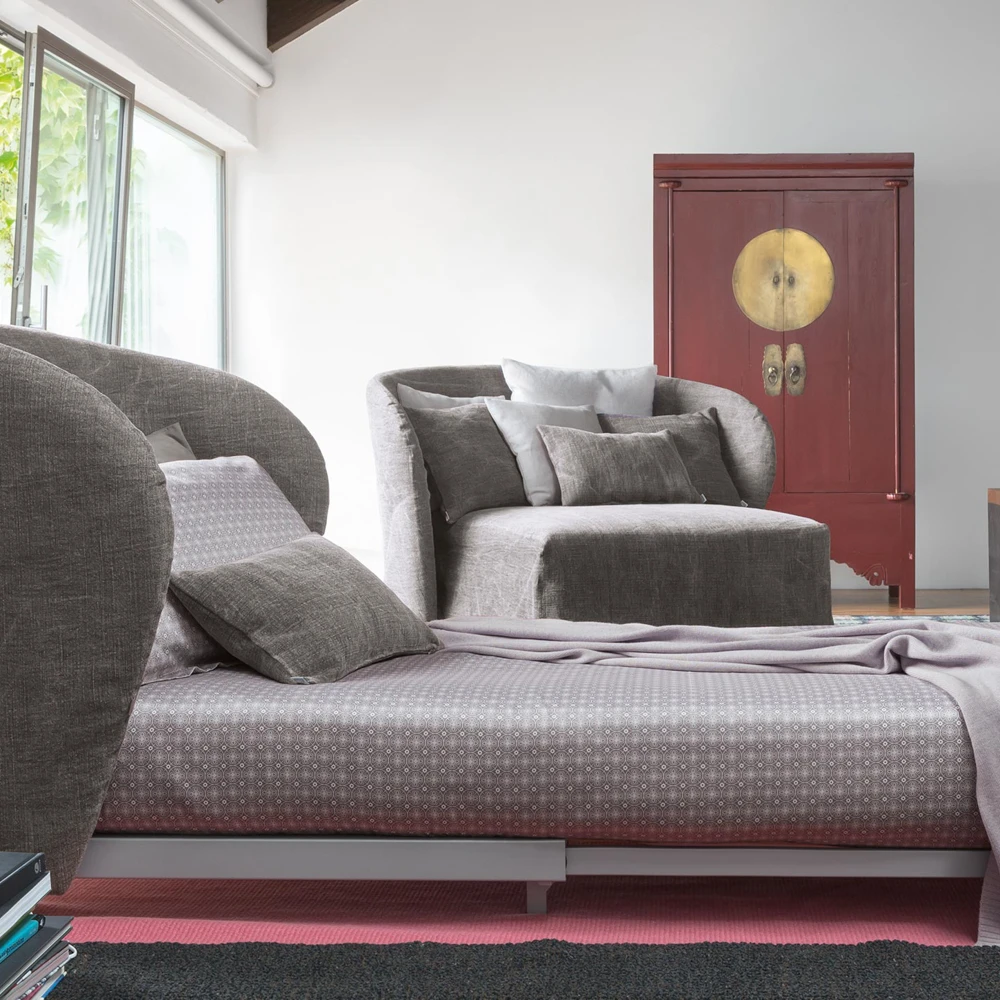
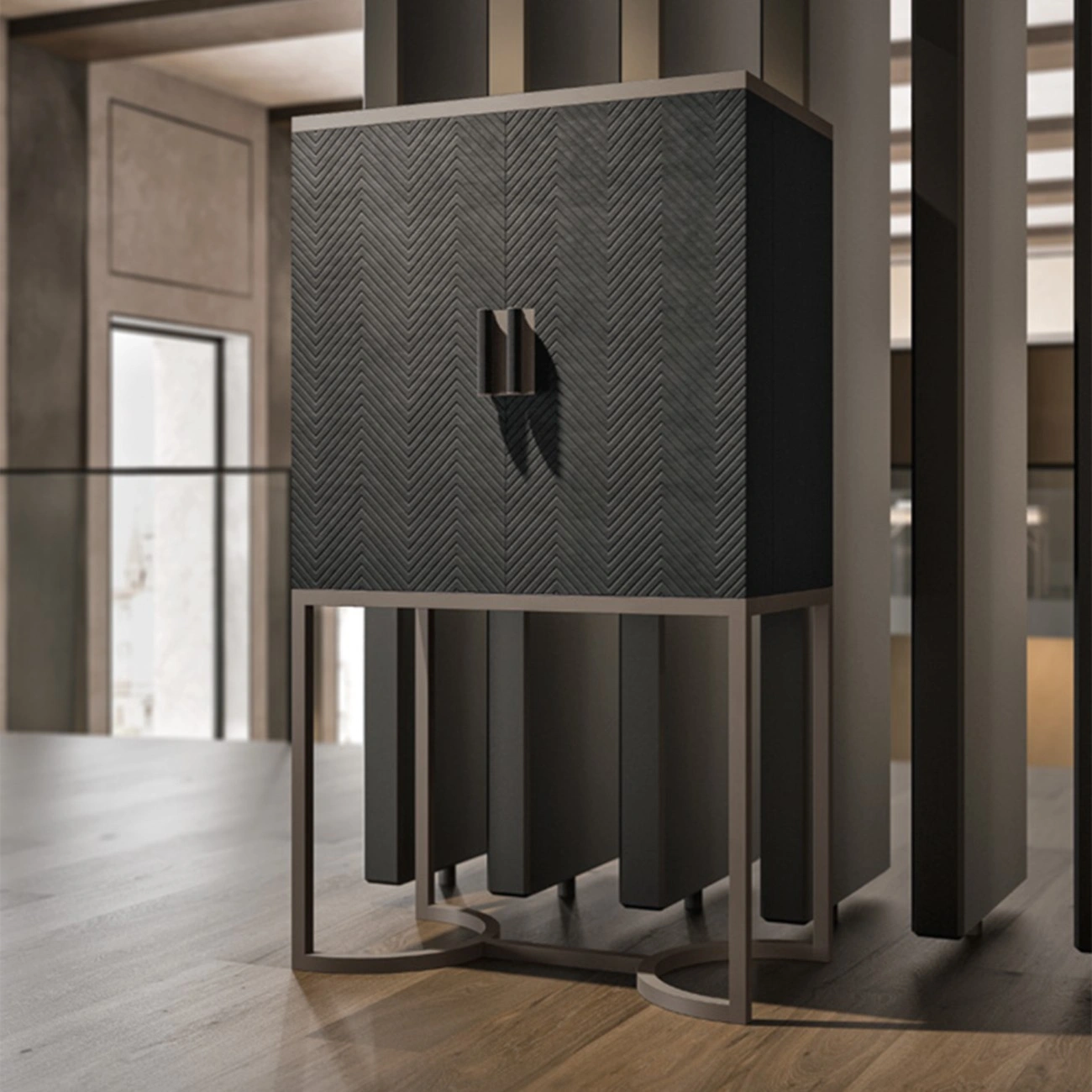
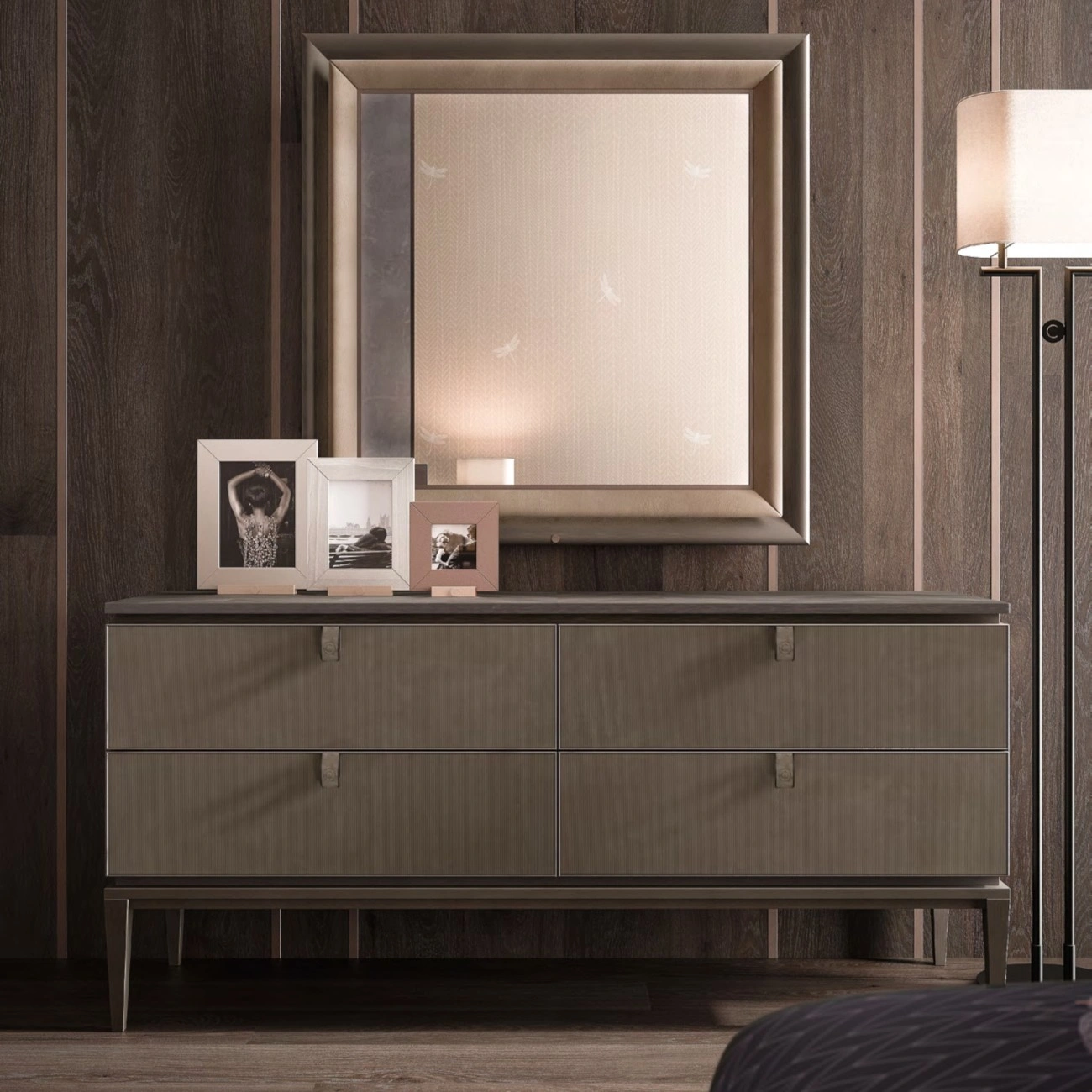
The lead time on a fine piece is not idle. It is a frame being built and left to settle, foam and feather being layered for a particular firmness, a hide being chosen and cut so the best of the grain falls where you will sit. With cabinetry it is veneer matched across drawer fronts so the figure runs unbroken, then finished by hand. None of this is fast, and none of it should be.
What you are really buying, during those weeks, is the absence of compromise. The piece does not have to suit a warehouse forecast. It has to suit you.
The conversation comes first
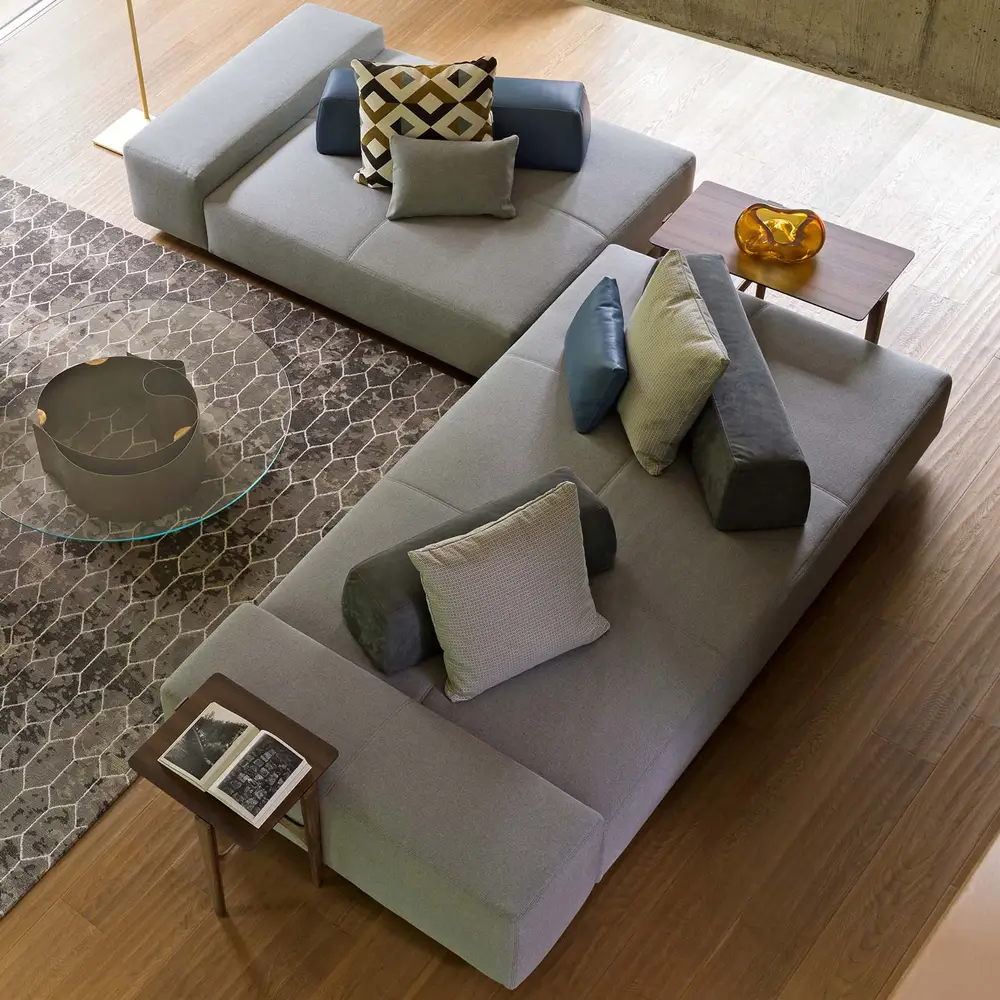
Made-to-order begins with choices, and the choices are the pleasure of it. Which length. Which depth — the few centimetres that decide whether a sofa is for sitting upright with company or sinking into on a Sunday. Which leg, which finish, which of forty fabrics, and how that fabric will behave in a room facing west into the afternoon. A good showroom slows this part down on purpose. The questions feel small. The results do not.
Off-the-shelf asks which of these will you accept. Made-to-order asks what would you like.
Why it costs what it costs
There is no warehouse of finished pieces waiting to be marked down, because nothing is made until it is ordered. That single fact explains most of the price. You are paying for labour and materials rather than for inventory and guesswork — and for the quiet luxury of a piece that exists in your configuration and nobody else’s.
It is also why pricing on these pieces is usually given on request rather than printed on a tag. The figure depends on the choices, and the choices are yours to make. Tell us the size, the finish and the fabric, and we will tell you the number.
The reward, and the patience it asks
When the piece finally arrives, something has changed in how you regard it. You remember choosing the leather. You watched it take shape, in your mind at least, over the weeks. It fits the room because it was measured for the room. That is a different relationship than the one you have with an object carried out of a store the same afternoon — and it tends to last about as long as the furniture does, which is to say a very long time.
If you have never bought this way, the wait is the part to make peace with first. Order the thing properly, give it the weeks it needs, and let it be made well. You will forget the lead time within a day of its arrival. You will not forget that you chose every part of it.