






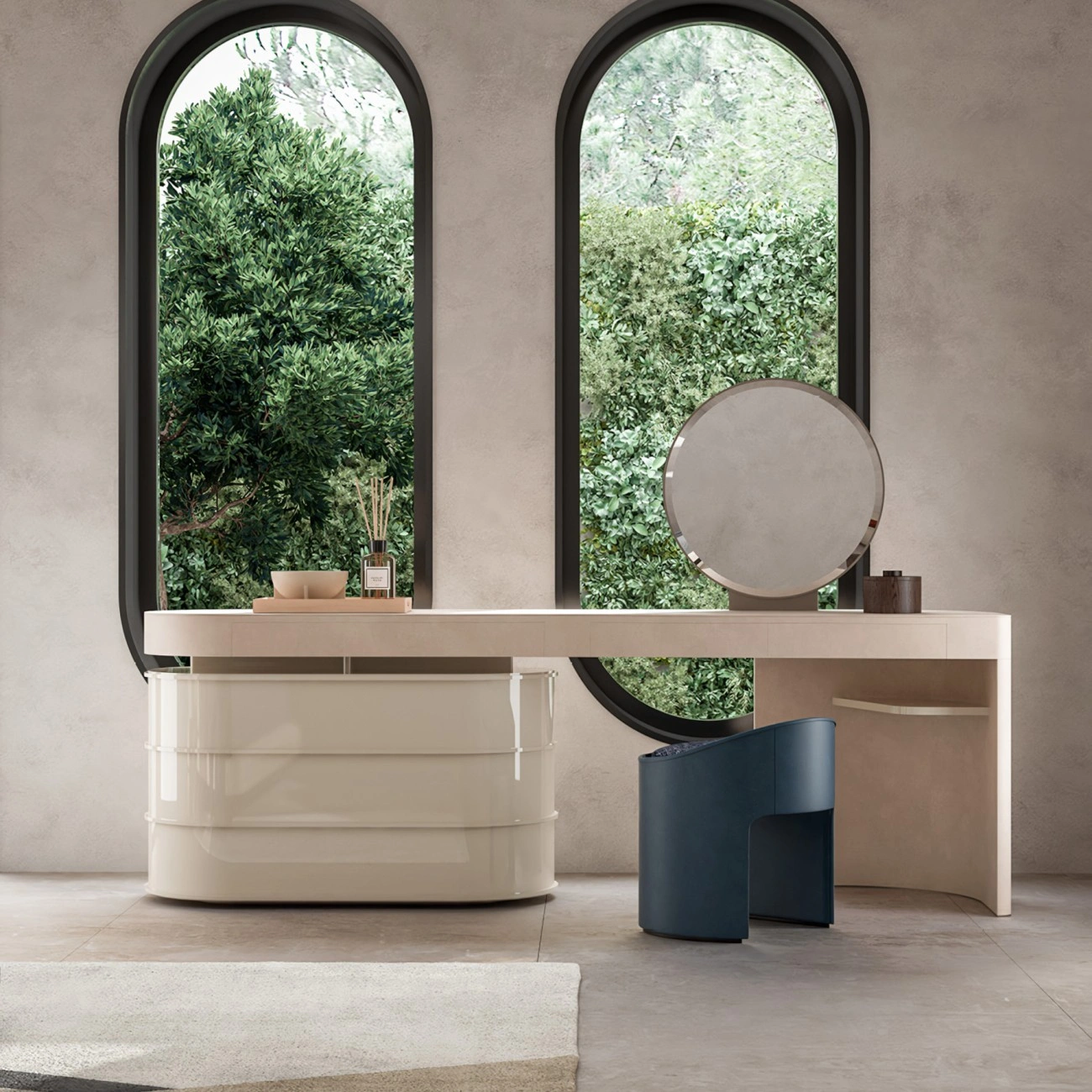
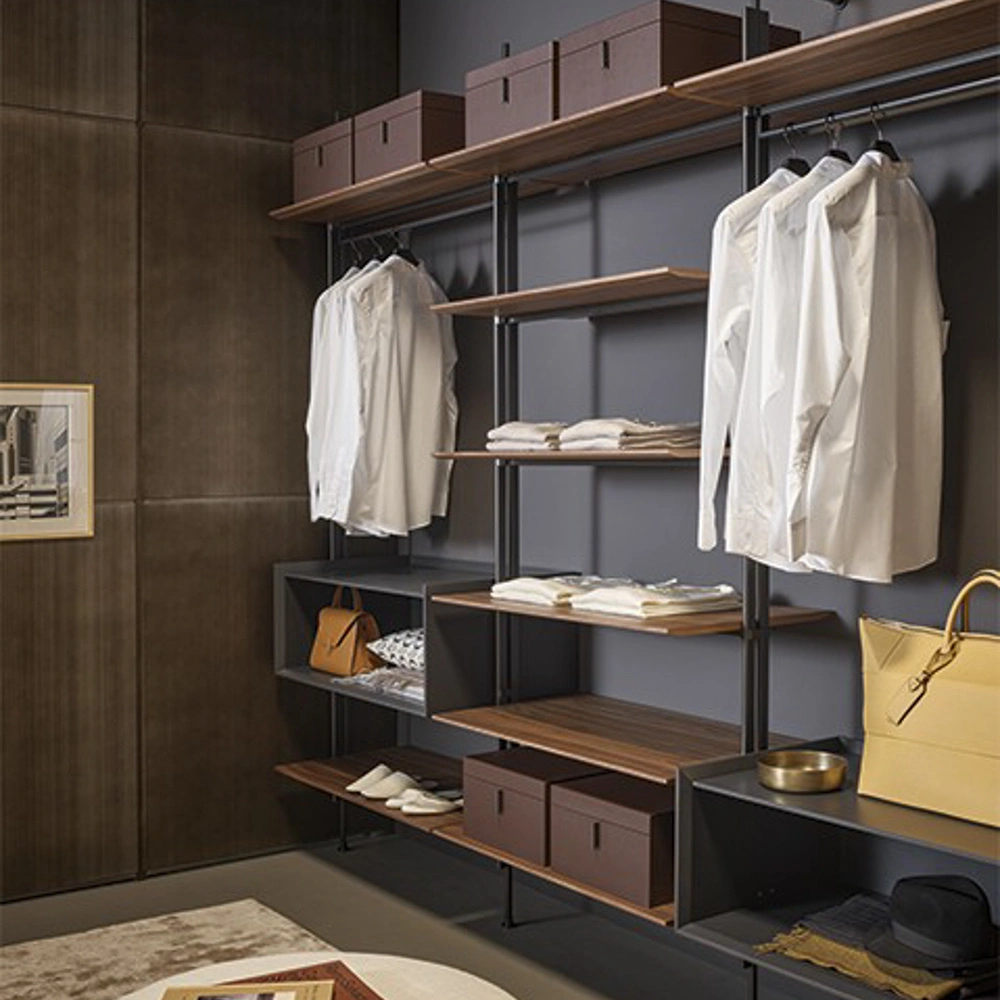
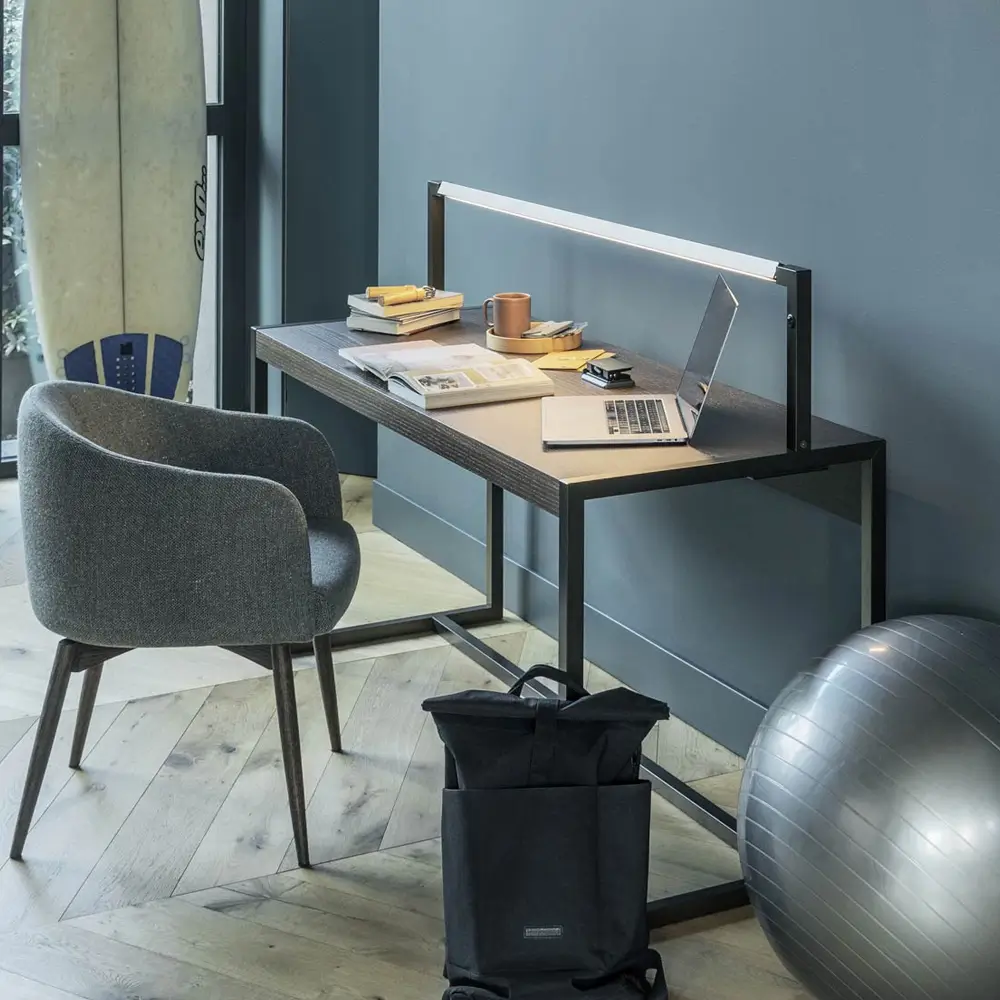






Step into one of these apartments and the first thing noticed isn’t a color or a piece of furniture. It’s the atmosphere. A kind of softened quiet. Edges blur. Light diffuses. Nothing competes for attention, yet nothing feels sparse. The space feels considered, almost tuned.
Design studios in Copenhagen and Melbourne have been refining this approach for years now, but lately it has crystallized into something recognizable: the Soft Luxe apartment trend. The phrase sounds like it was born in a branding meeting, but the interiors themselves resist that kind of gloss. They are minimal without being strict, luxurious without being ostentatious. A recalibration, really.
Minimalism once meant subtraction. Strip it back. White walls. Hard lines. Cold marble. The Soft Luxe apartment keeps the discipline but removes the severity. Curves replace corners. Materials warm up. Light is treated less like illumination and more like texture.
The Curve as Comfort
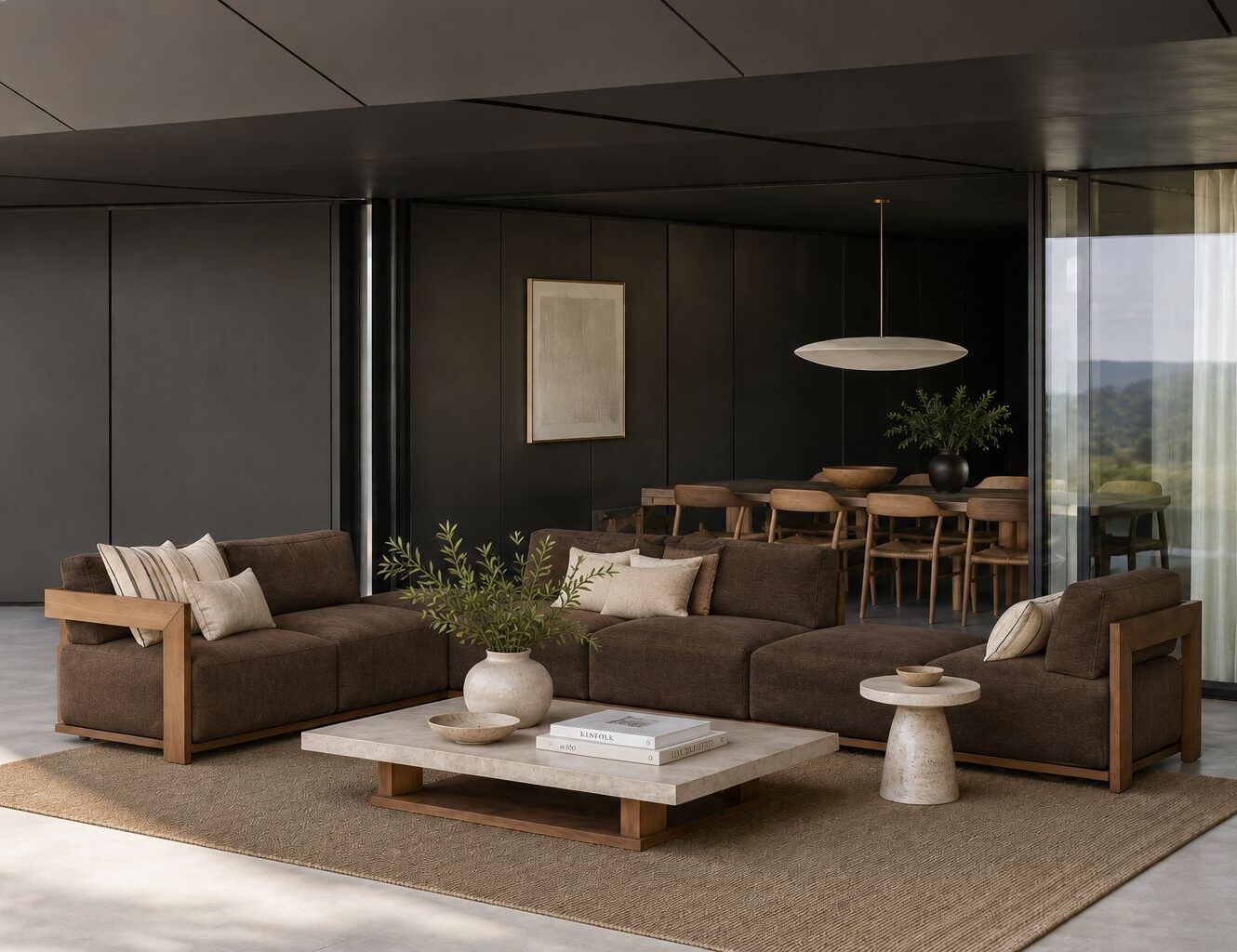
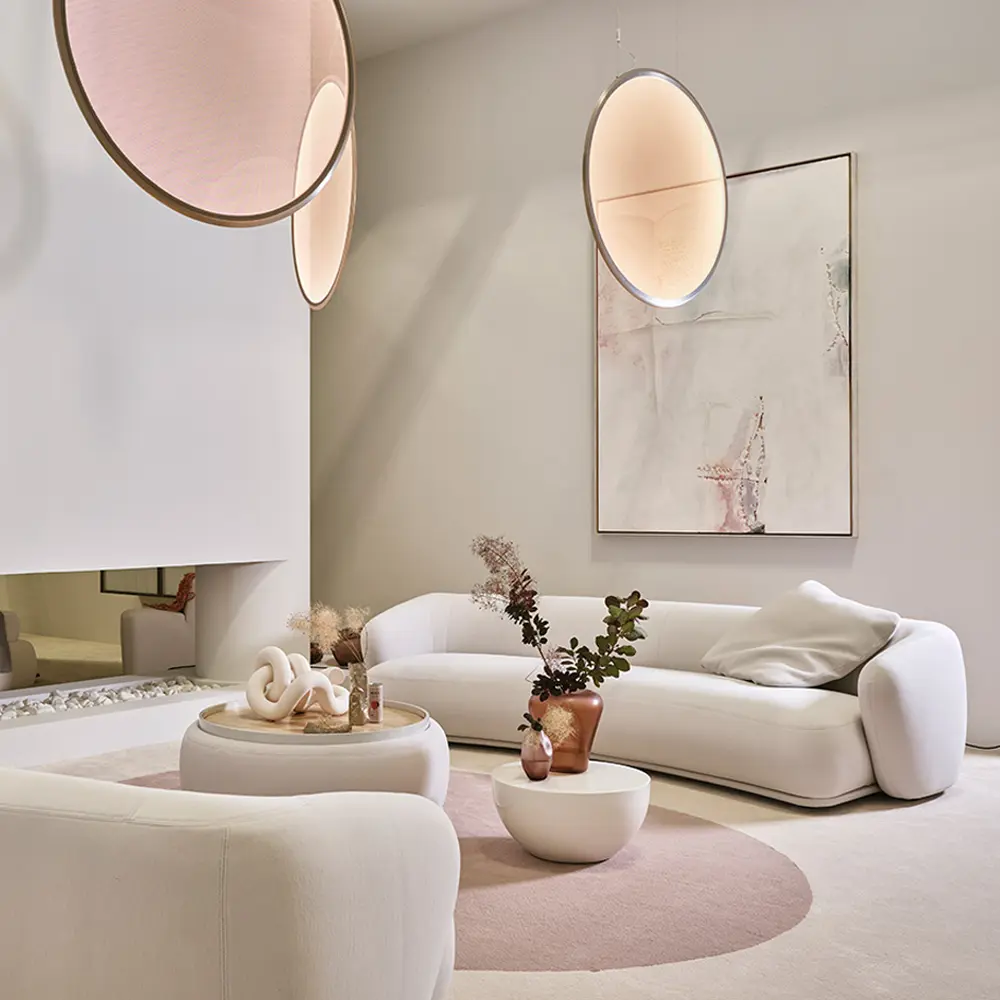
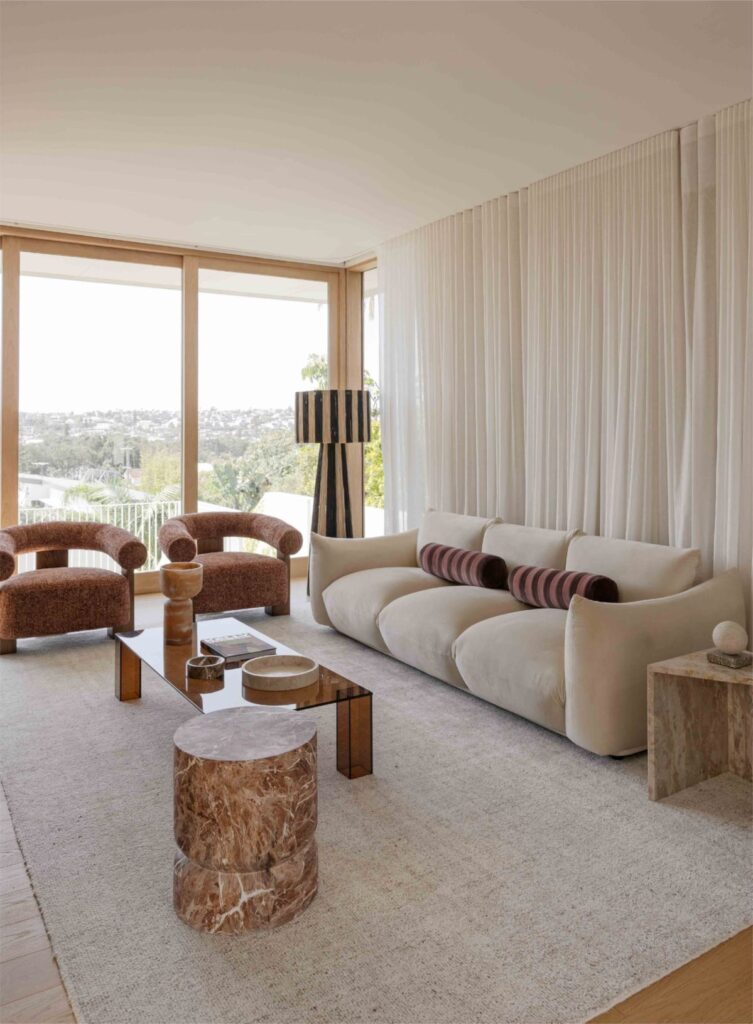
The curved beige sofa has become something of a signature in soft luxe apartment trend. Not sculptural in an aggressive way. Not trying to be a conversation piece. Just gently rounded, upholstered in heavy woven fabric, often anchored by a brushed brass frame that glints almost imperceptibly at floor level.
There’s a reason for the curve. Sharp geometry creates visual tension; it keeps the eye alert. Curves release it. They slow down movement across the room. They suggest conversation rather than confrontation. The brass frame could have been matte black or chrome—more predictable choices—but brushed brass introduces warmth without spectacle. It reflects light softly, not like a mirror but like a memory of one.
Luxury here is structural, not decorative. It’s embedded in the joinery, the stitching, the way the sofa sits slightly lower than expected, encouraging a deeper exhale.
Linen, Light, and the Refusal of Glare
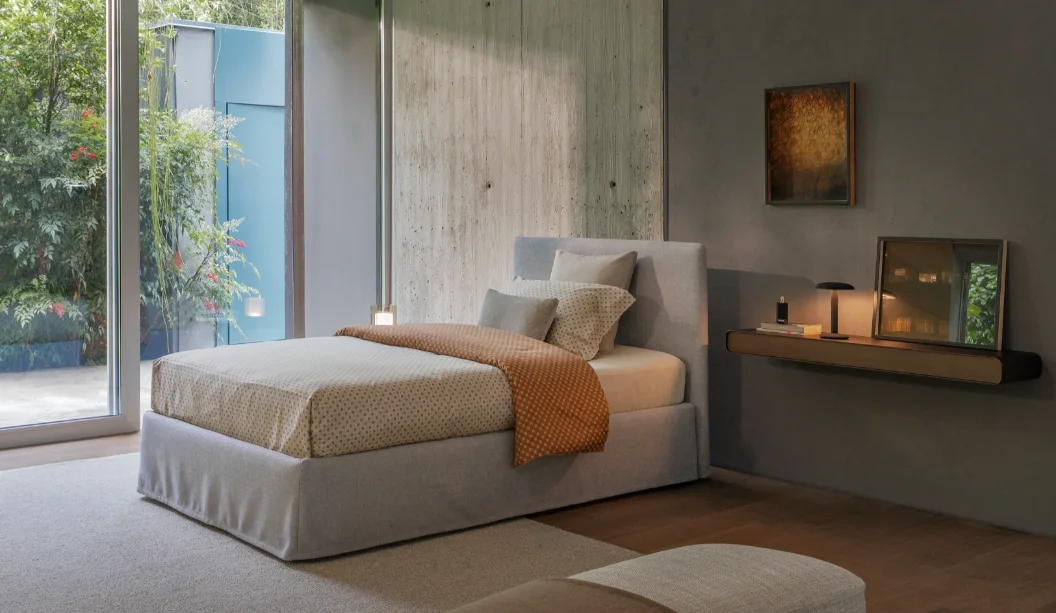
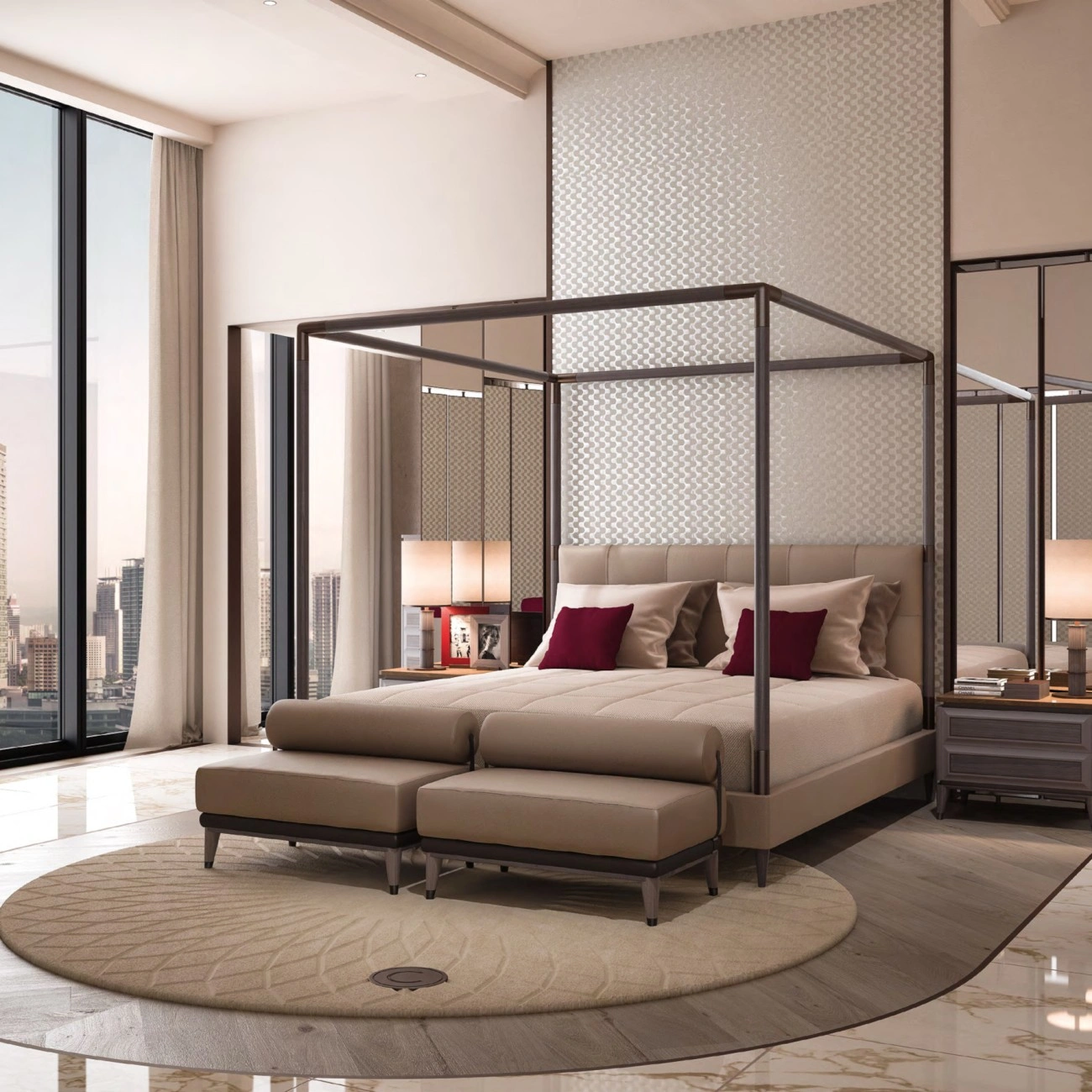
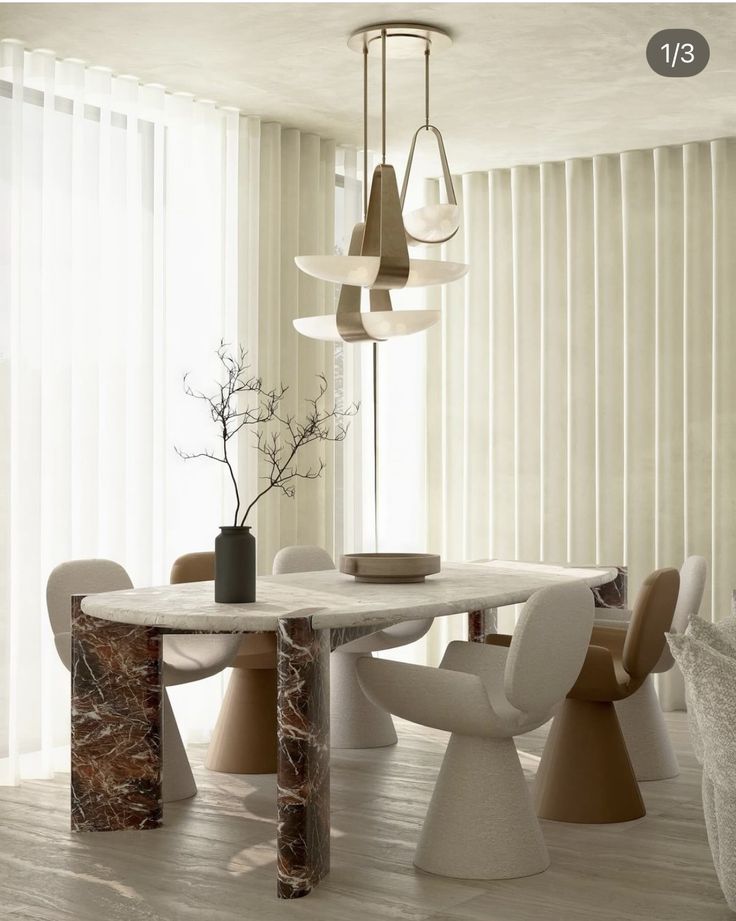
Large linen drapes filter daylight into something almost edible. Not sheer enough to disappear, not heavy enough to dominate. They hang from ceiling tracks, often wall-to-wall, creating a sense of expanded height. When drawn, they don’t block the world entirely. They temper it.
There’s an understanding in these apartments that glare is a kind of violence. Hard sunlight bouncing off polished stone, high-gloss cabinetry, or lacquered surfaces keeps the body alert in ways it doesn’t need to be. Linen diffuses. It softens contrast. It introduces movement when windows are cracked open.
Light becomes atmospheric rather than functional. And that distinction matters.
Minimalism once prized clarity through exposure. Soft Luxe prioritizes clarity through comfort. There’s a difference.
Oak as Anchor
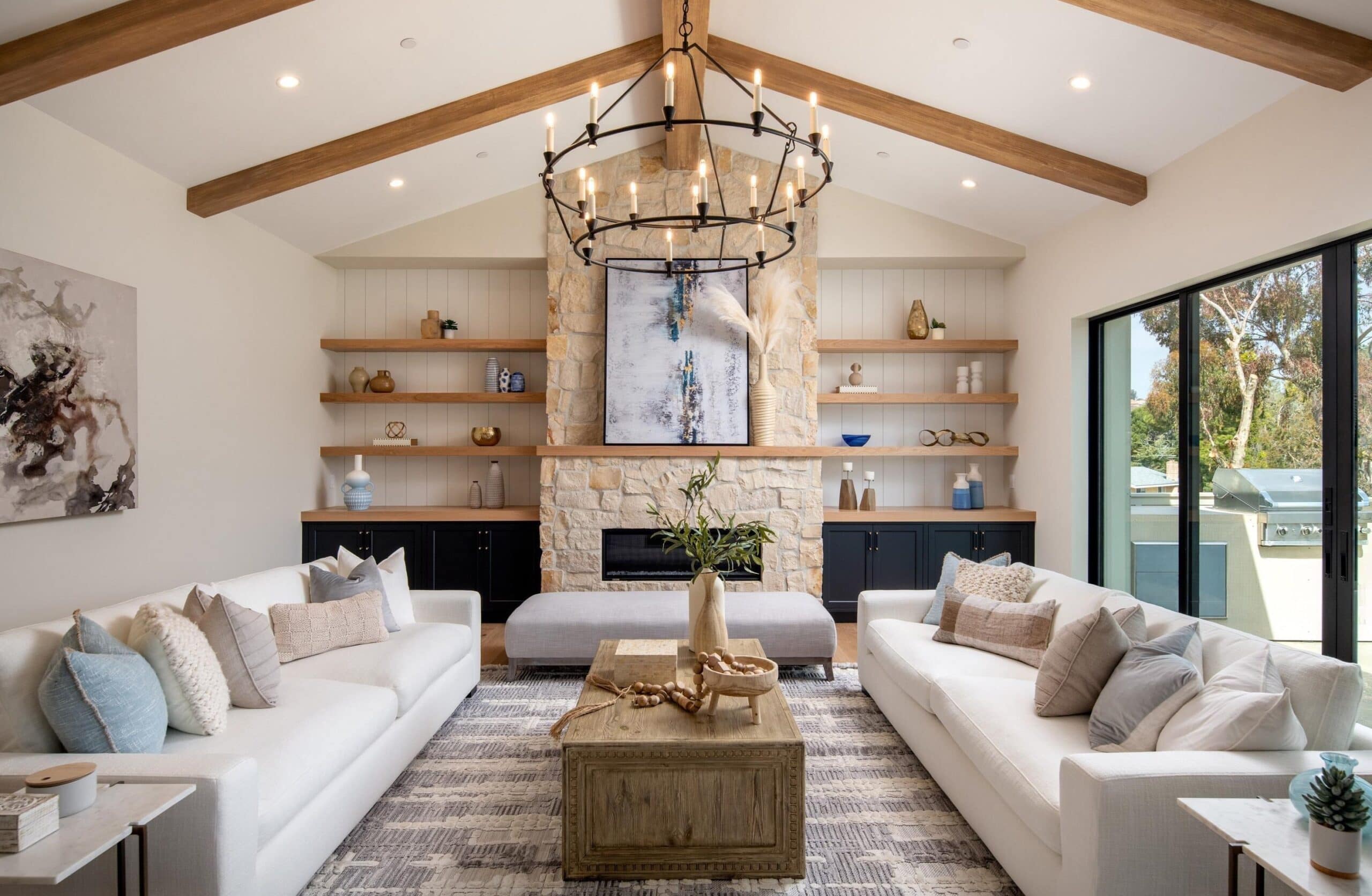
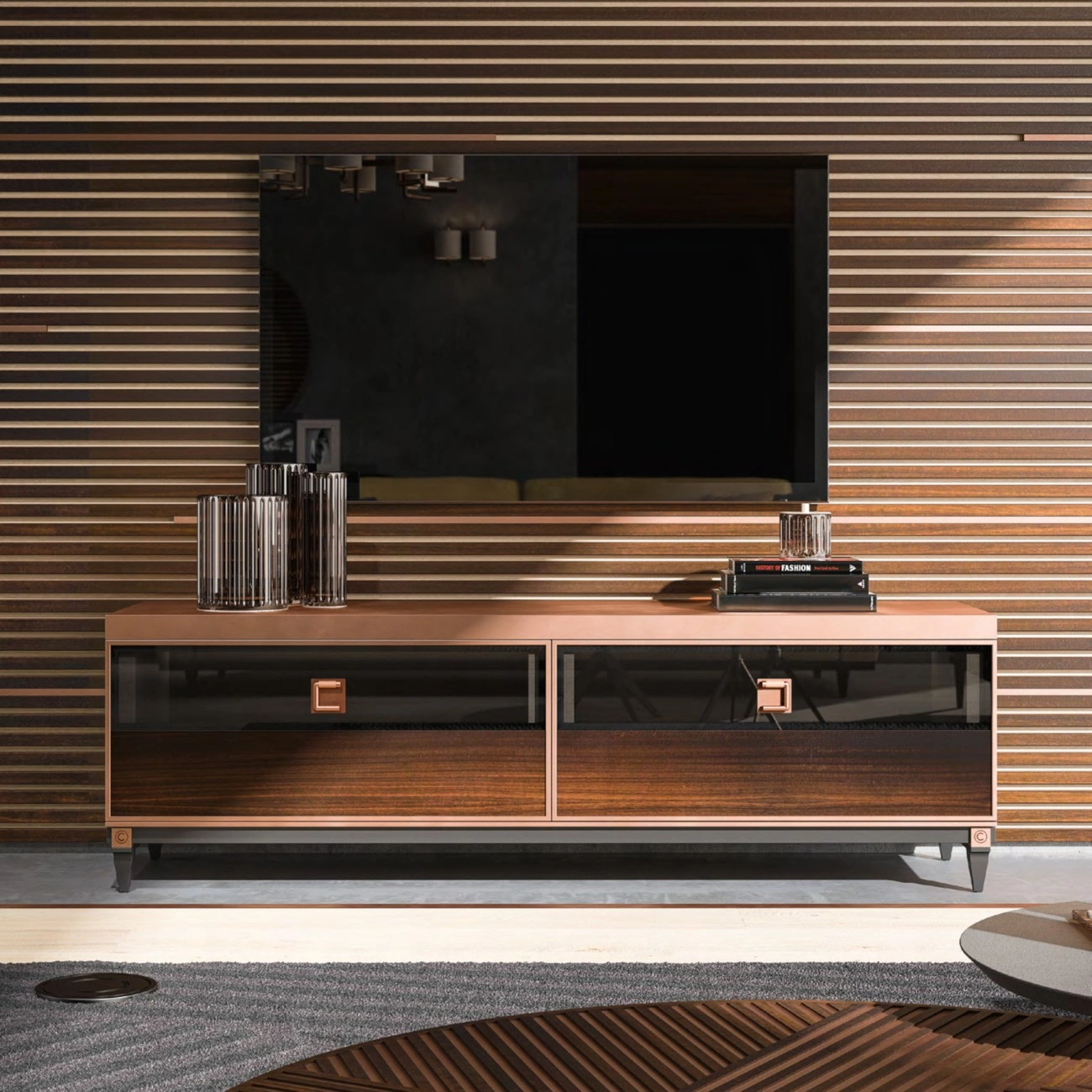
Custom oak shelving appears in nearly every iteration of this trend. Not mass-produced units bolted to drywall, but integrated shelving that feels architectural. Floor-to-ceiling, flush, sometimes wrapping corners. The oak is rarely stained dark. It leans natural, matte, quietly textured.
Integrated lighting is the quiet flex. Thin LED strips concealed within shelves, casting a low glow that highlights objects without spotlighting them. No harsh downlights. No dramatic beams. Just a steady wash of warmth.
Oak is doing more than providing storage. It grounds the apartment. It absorbs sound. It tempers the cooler tones of plaster or stone. It offers grain—a reminder that nature is not perfectly smooth, even when the room appears to be.
And there’s something about built-in shelving that communicates permanence. It says this apartment is not a temporary arrangement of furniture but a considered environment. Luxury, here, is the decision to commit.
Sculptural Ceramics as Statement
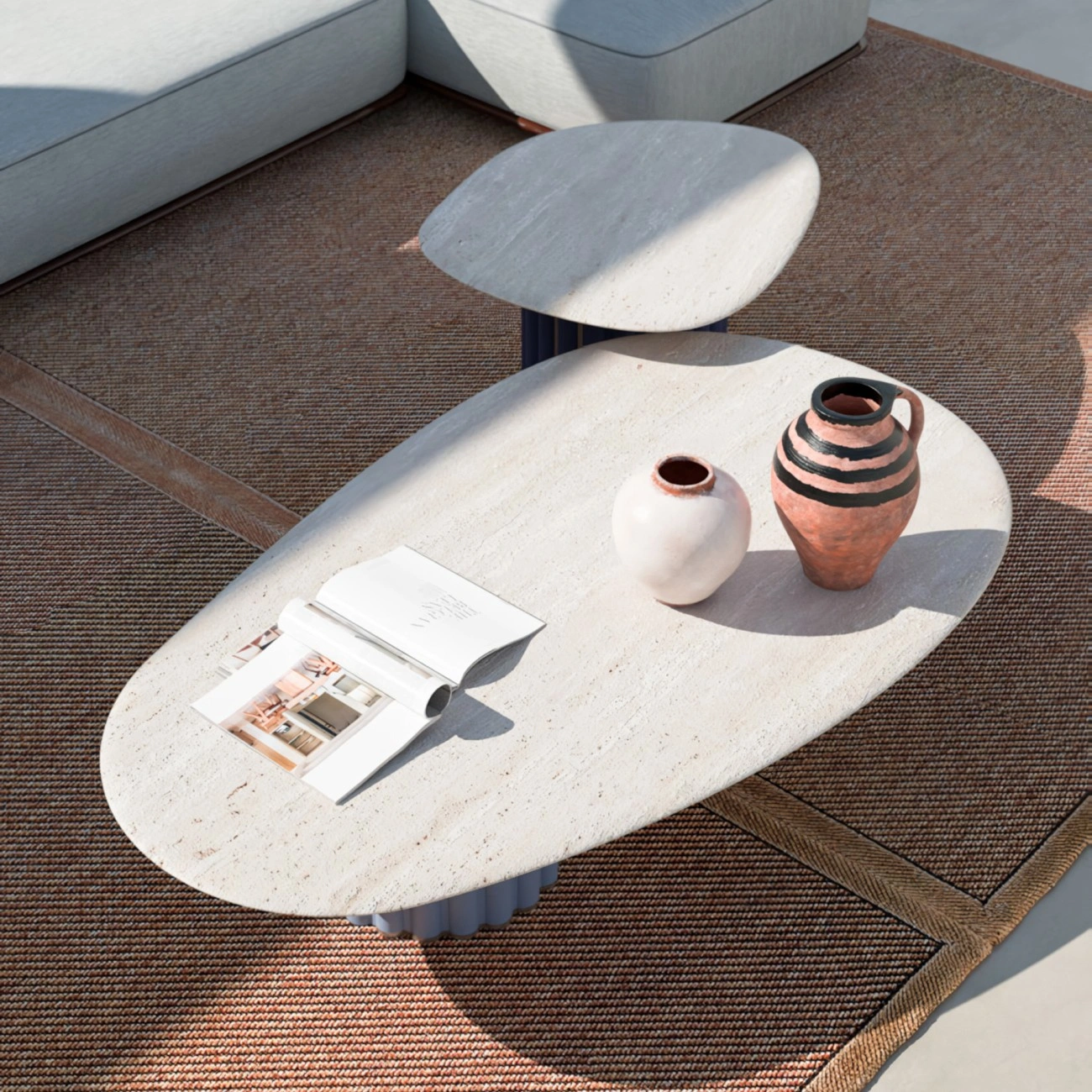
Decor is minimal, but not absent. Sculptural ceramics often serve as the primary visual punctuation. Not crowded clusters of objects. One or two pieces, perhaps asymmetrical, perhaps textured, placed deliberately on oak shelving or low tables.
The ceramics are usually matte, off-white, clay-toned, or subtly glazed. They catch light in uneven ways. They invite touch. They carry a sense of the hand even when produced in small batches rather than singularly.
There’s restraint in allowing ceramics to do most of the decorative work. No excess art layering. No overstyled trays. The object stands alone. It doesn’t need company to justify its presence.
In these apartments, the decor doesn’t compete with architecture. It converses with it.

Quiet Luxury as Psychological Design
The phrase “quiet luxury” has been used to exhaustion in fashion, but in interiors it has more weight. The Soft Luxe apartment isn’t about signaling wealth. It’s about lowering stimulation.
Mental clarity is not achieved through emptiness alone. The stark white minimalism of a decade ago often felt pristine but cold, almost clinical. Soft Luxe recognizes that the nervous system responds to texture, temperature, and light.
Curves soften posture. Linen reduces glare. Oak absorbs sound. Integrated lighting eliminates visual clutter from exposed fixtures. None of this is accidental.
Wellness in interiors used to mean adding plants and diffusers. Now it’s embedded in material choice and proportion. There’s an understanding that stress accumulates in subtle ways: harsh light, sharp corners, overly saturated color. Remove those, and the room shifts.
It doesn’t announce its effect. It just feels easier to sit in.
The Discipline Behind the Softness
What makes Soft Luxe interesting is that it isn’t casual. It requires discipline. Beige can go wrong quickly—too flat, too lifeless, too safe. Brass can veer into cliché. Linen can feel coastal rather than urban.
Studios in Copenhagen and Melbourne are careful about proportion. The sofa is curved, but not bulbous. The brass is brushed, not polished. The linen is heavy enough to hold shape. Oak shelving aligns precisely with ceiling lines.
This is not softness through excess; it’s softness through calibration.
And there’s a confidence in that restraint. The apartments don’t rely on loud art or dramatic color to establish identity. Identity is embedded in the way materials meet. In the shadow line between shelf and wall. In the thickness of a curtain hem.
“Luxury is when it’s not loud — it’s when every detail feels right.” The phrase circulates often in conversations around these spaces. It sounds simple. It isn’t.
Minimalism, Grown Up
It’s tempting to see Soft Luxe as just another evolution of minimalism. In some ways, it is. But it feels more mature. Less concerned with purity, more concerned with livability.
The white box has been replaced by a beige envelope. But beige, in this context, isn’t a default. It’s layered. Warm plaster against cooler upholstery. Oak against stone. Brass glinting quietly at the edges.
There’s subtle complexity here. A refusal to let minimalism calcify into rigidity.
What stands out most is the absence of anxiety. The apartment isn’t trying to prove anything. It’s not aggressively modern. It’s not nostalgically vintage. It exists somewhere in between.
Why It Matters
The appeal of the Soft Luxe apartment isn’t purely aesthetic. It aligns neatly with a broader cultural shift toward wellness-driven living. Work has blurred into home life. Screens are constant. Noise—visual and auditory—rarely stops.
Interiors are compensating.
By lowering contrast, softening materials, and reducing decorative clutter, these apartments create an environment that supports decompression. They aren’t empty. They aren’t extravagant. They are measured.
There’s also something sustainable in the restraint. Fewer objects. Higher quality. Built-ins instead of disposable shelving. Materials that age rather than degrade. The luxury is in durability, in the idea that the space won’t need reinvention every three years.
And perhaps that’s the quietest luxury of all: not having to update constantly.
The Risk of Repetition
Of course, there is a risk. Once beige curves and brass frames proliferate across developer showrooms, Soft Luxe could tip into formula. What feels nuanced in a carefully designed Copenhagen apartment can feel generic in mass production.
The difference will remain in detail. In material quality. In restraint. When the curves become exaggerated, when the brass becomes flashy, when the ceramics multiply into clutter, the spell breaks.
Soft Luxe works because it resists overstatement. The moment it becomes loud, it stops being itself.
A Calmer Standard
These apartments suggest a recalibrated definition of aspiration. Not bigger. Not brighter. Not bolder. Just calmer. More precise.
The curved sofa invites you to sit. The linen drapes temper the afternoon light. Oak shelving glows softly at night. A single ceramic form catches shadow.
Nothing insists on attention. Everything supports presence.
Luxury, here, isn’t about spectacle. It’s about alignment. When the materials feel right, when the light feels right, when the proportions feel right, the room stops demanding and starts holding.
And that shift—from display to containment, from noise to nuance—may be the most telling design move of all.