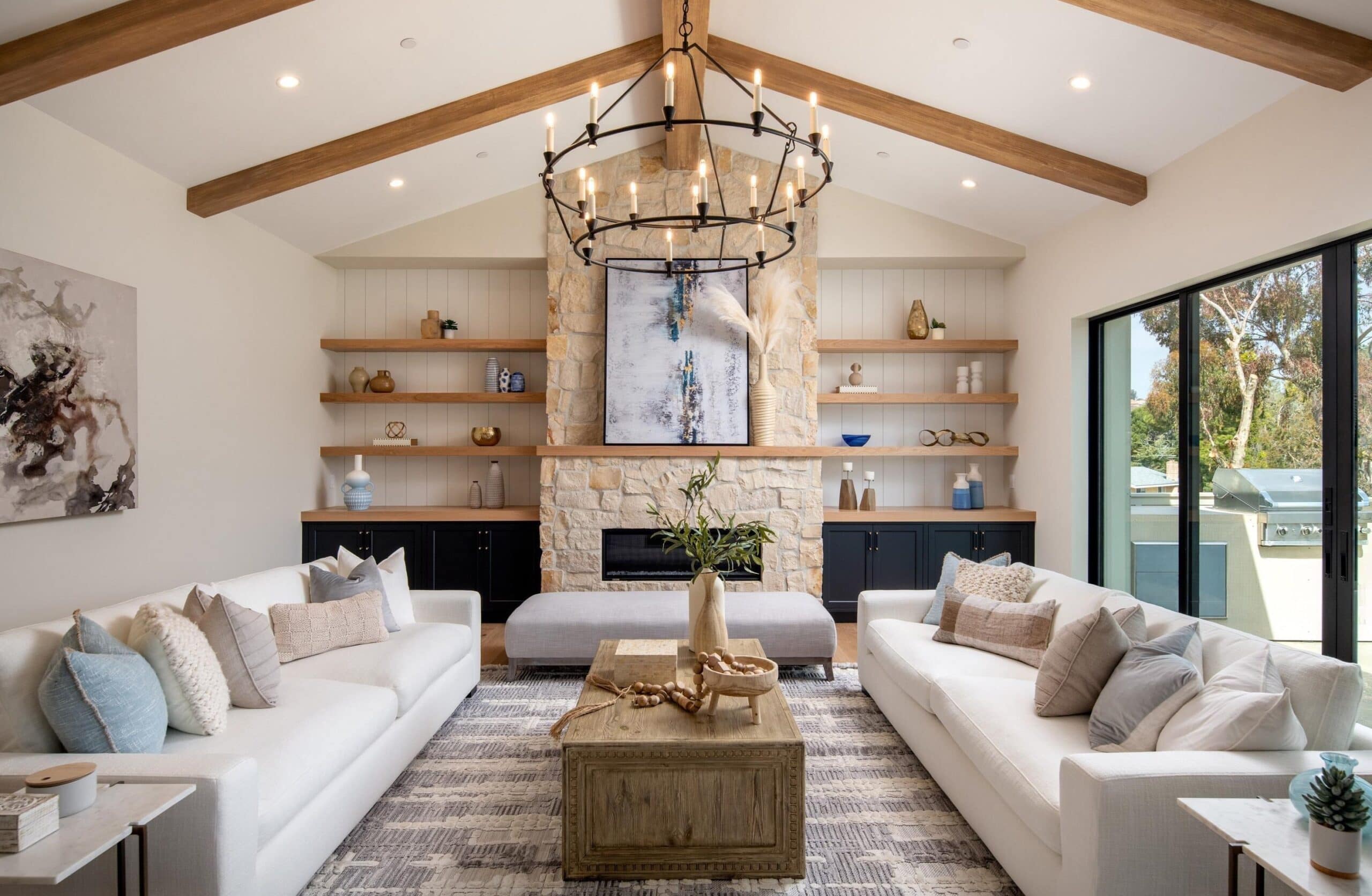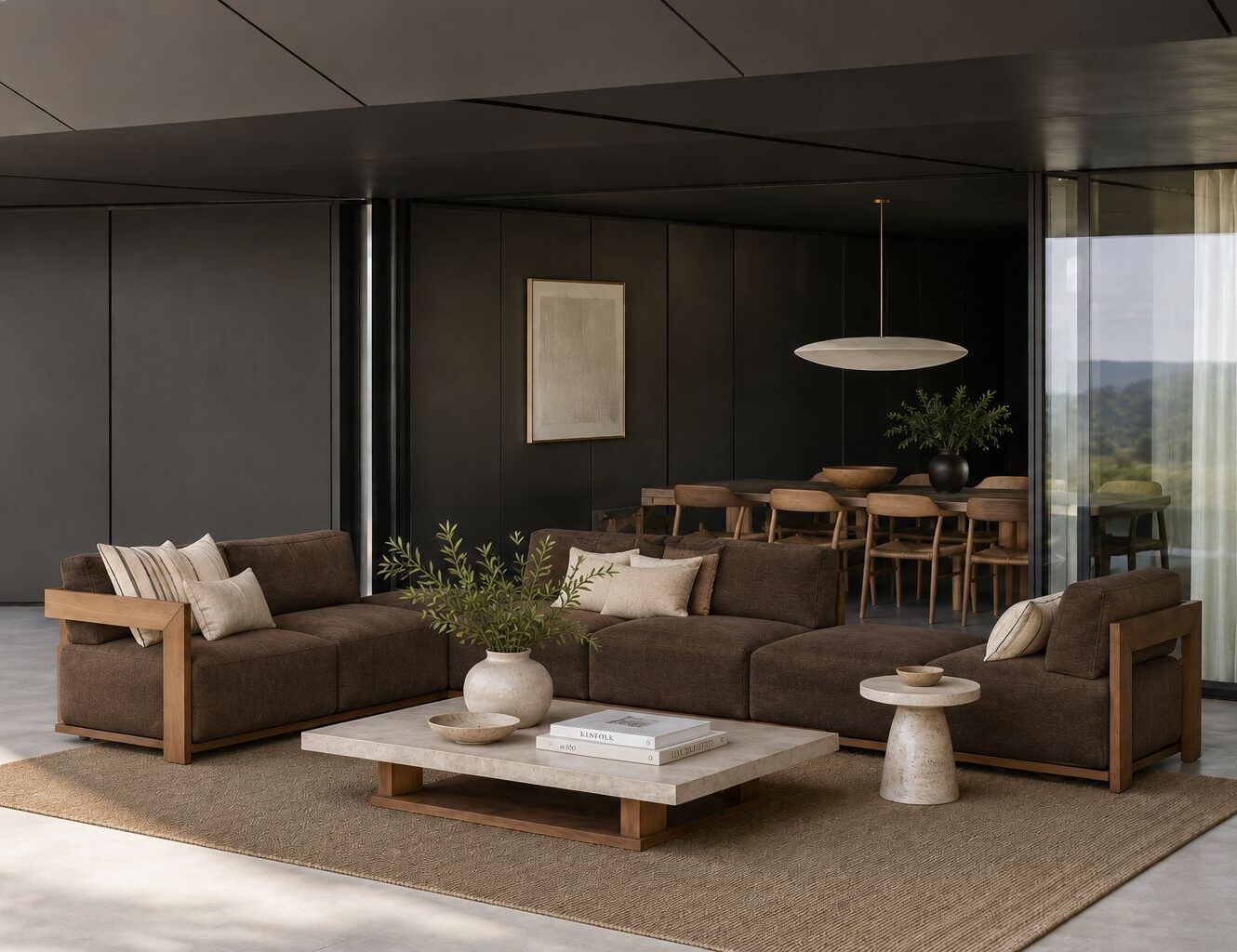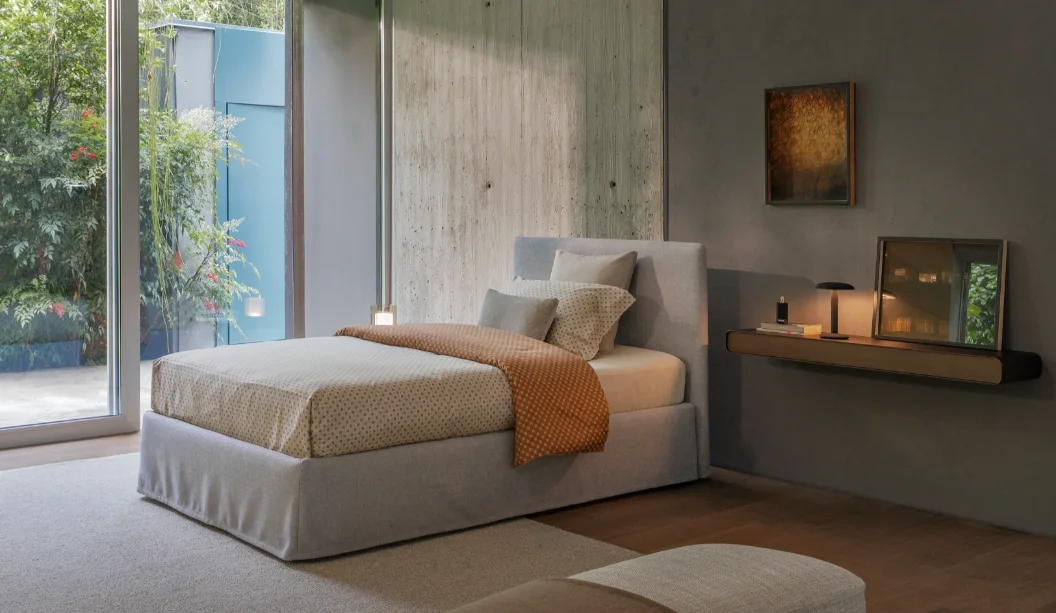

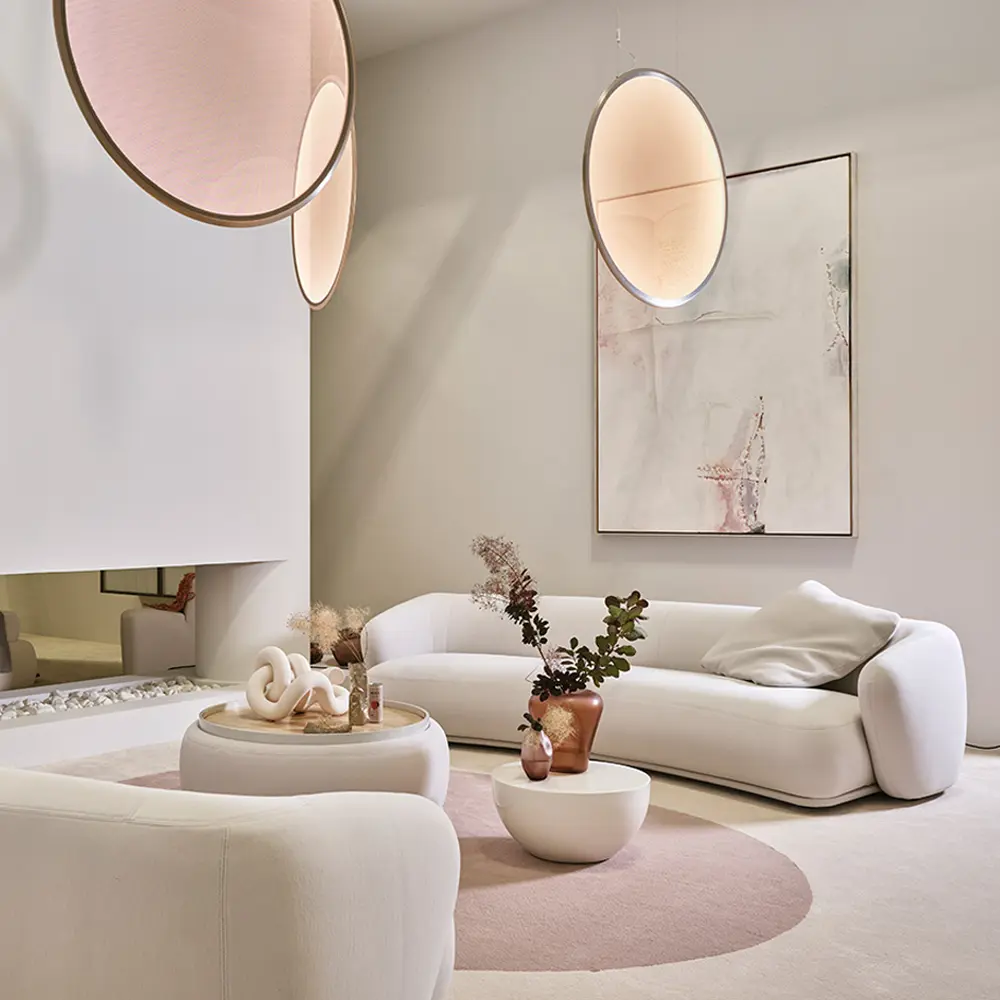
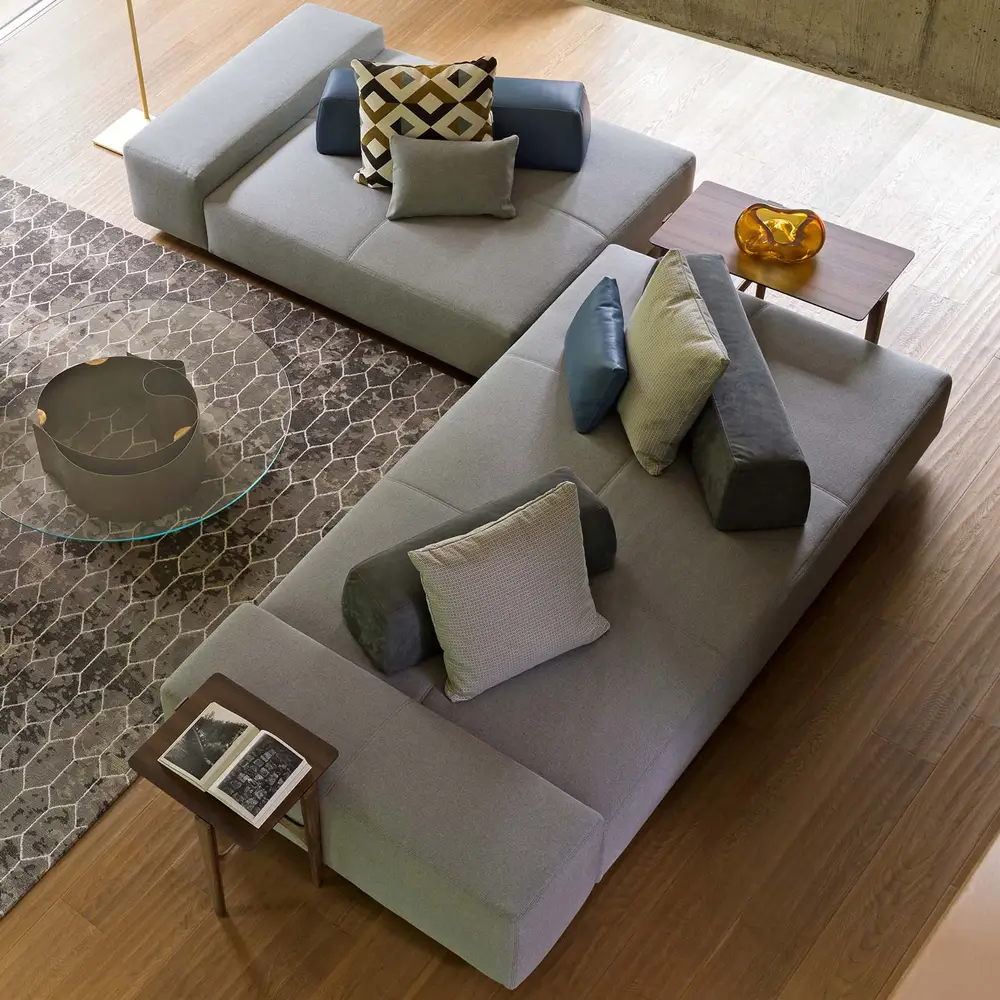
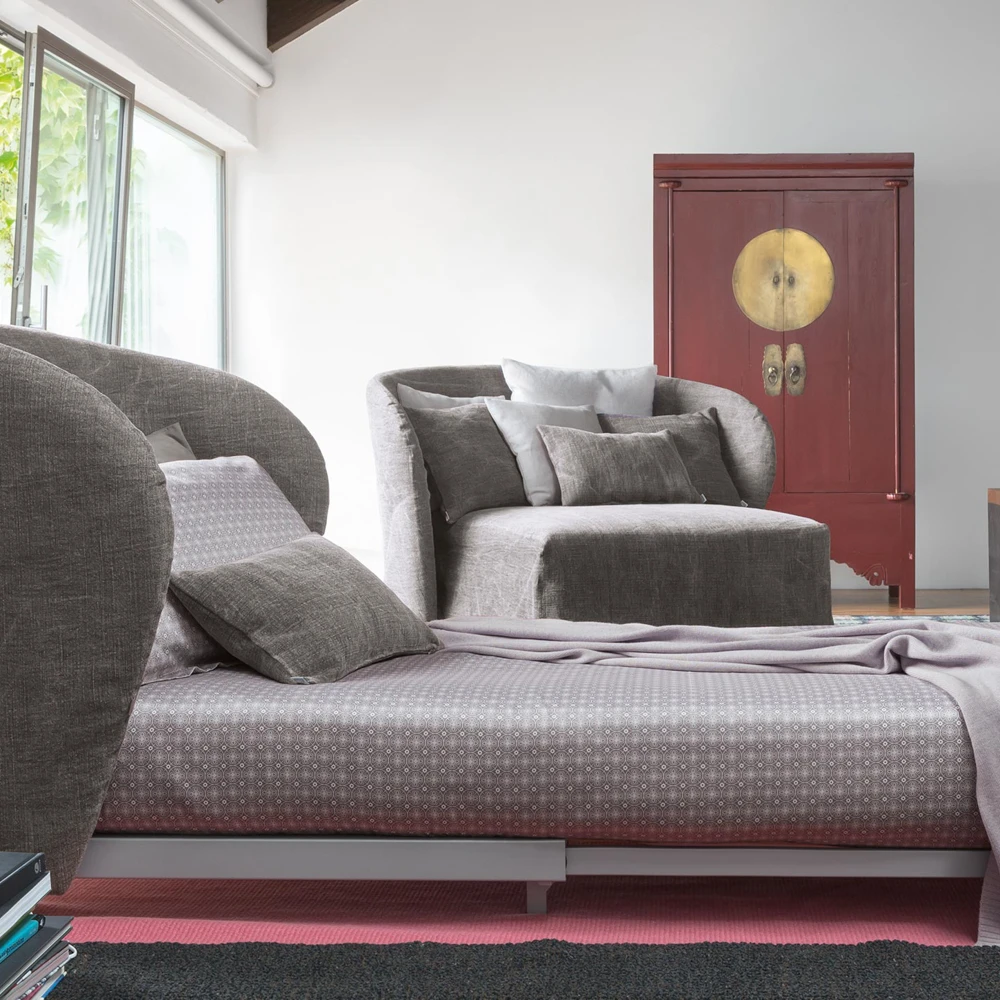
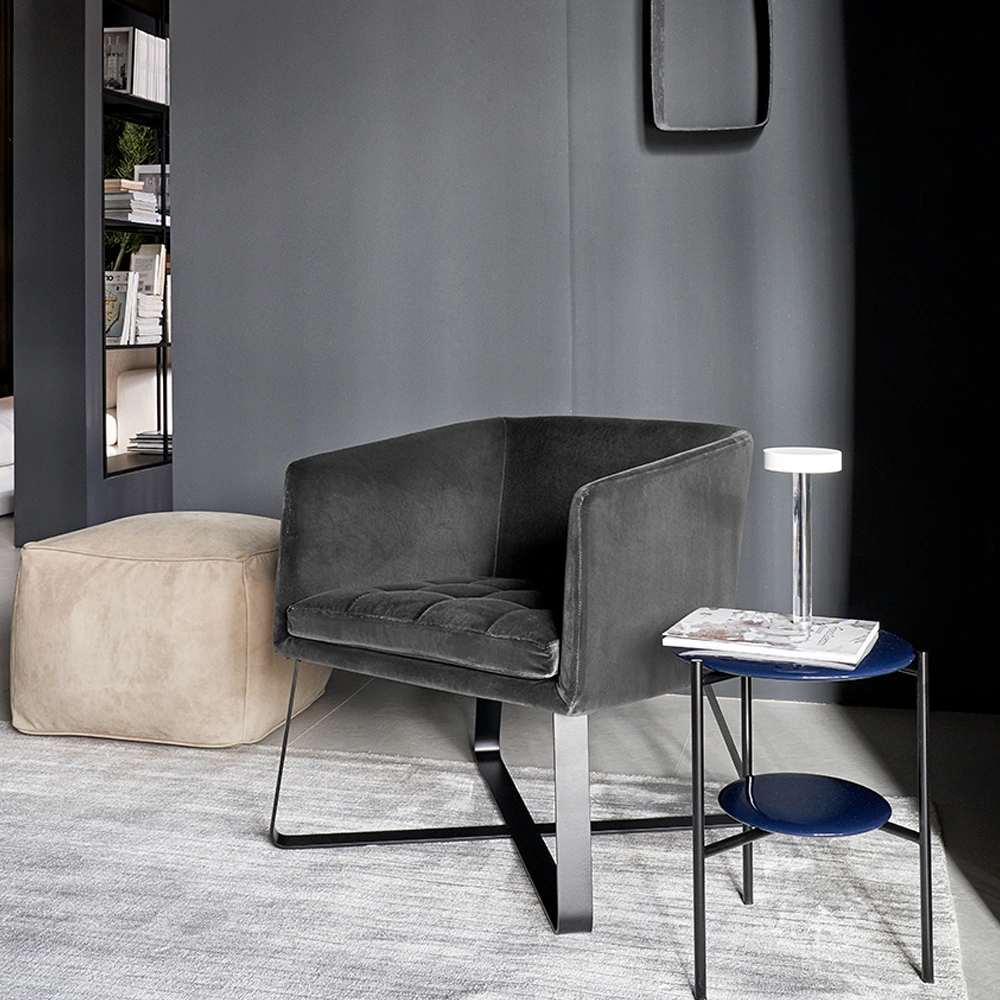


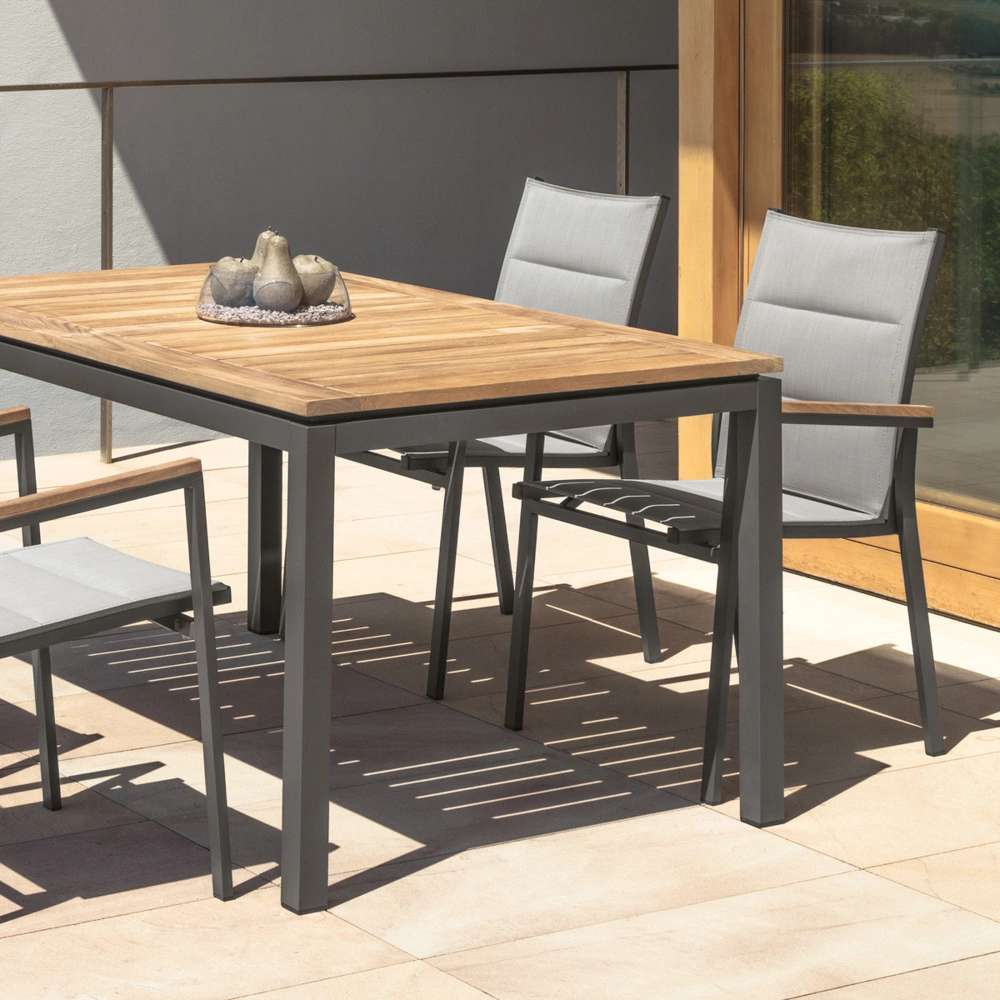
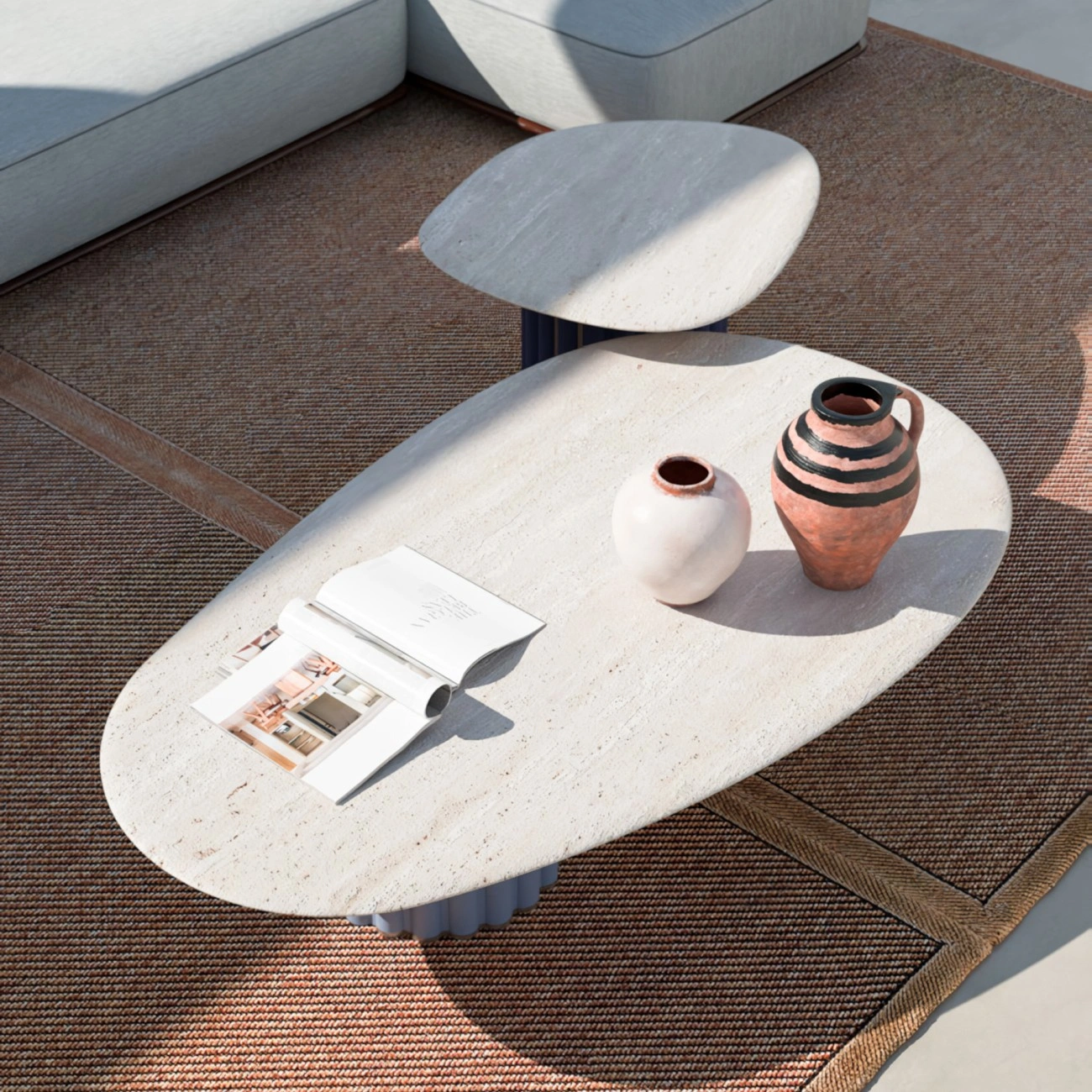


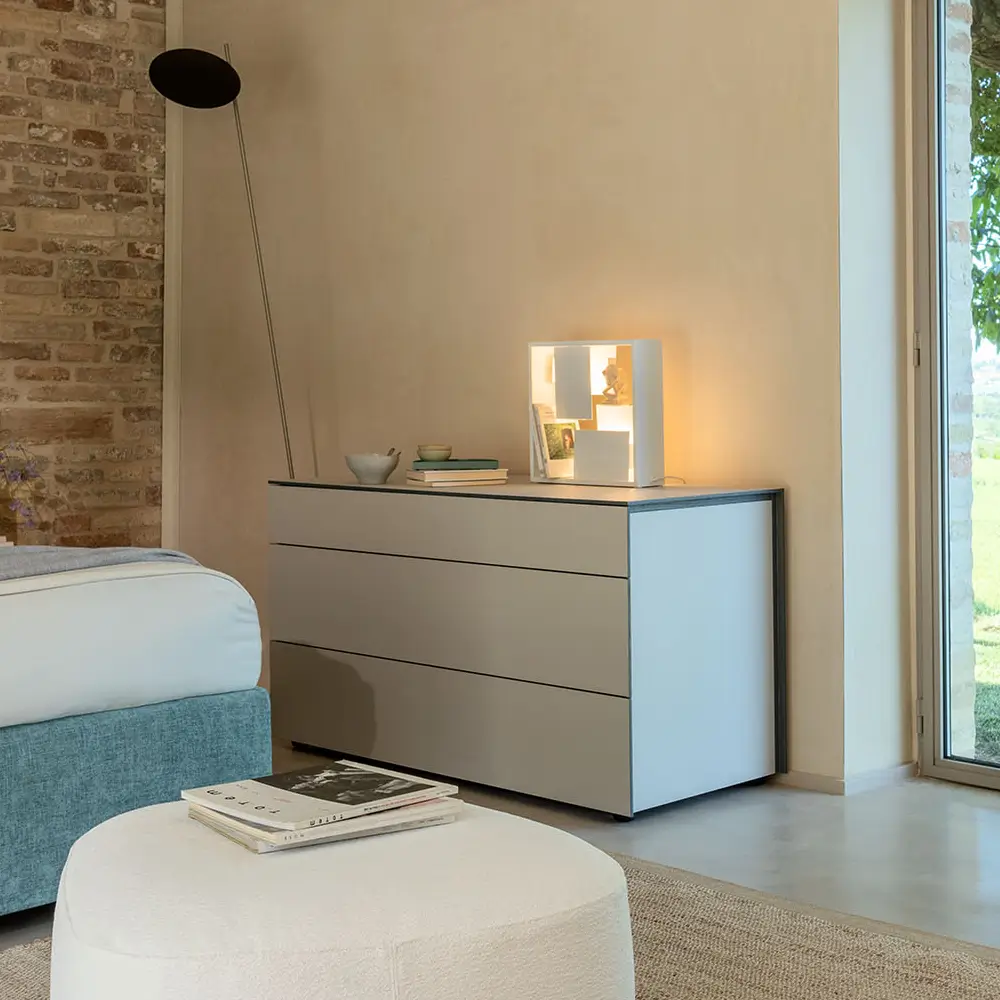
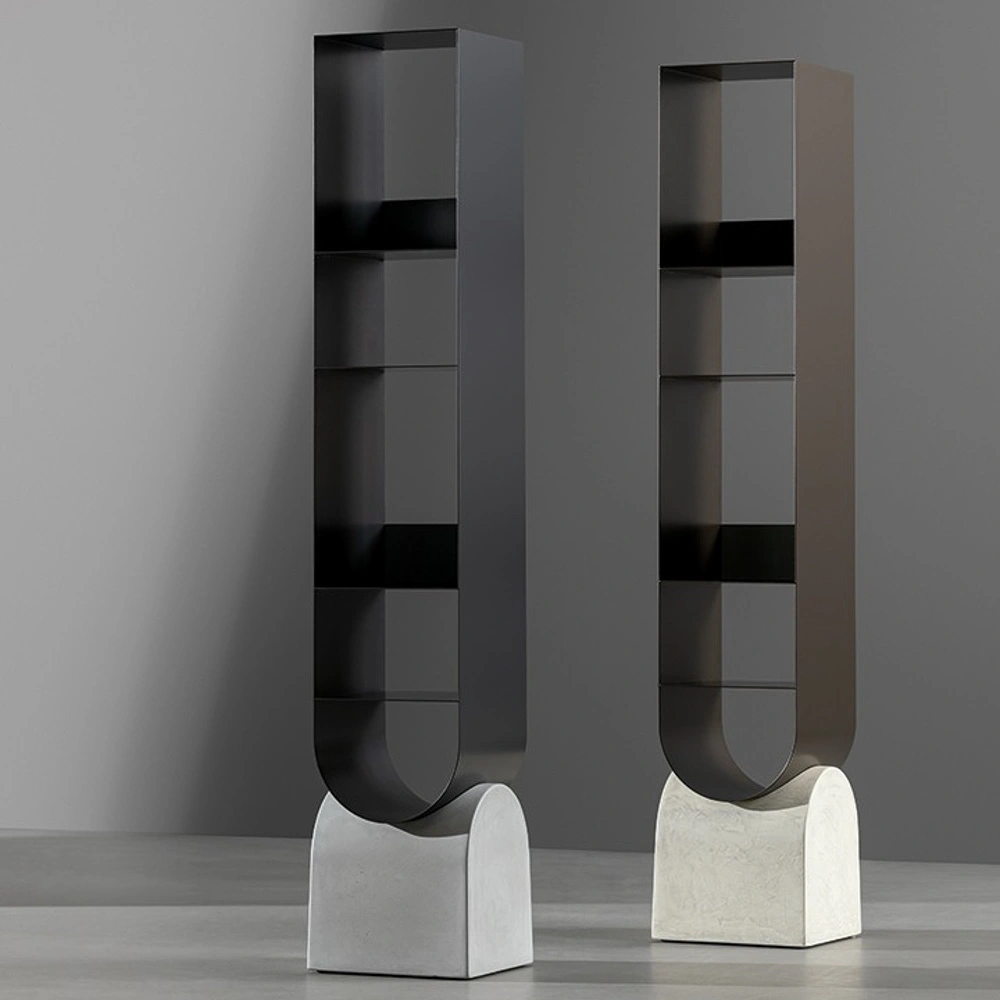
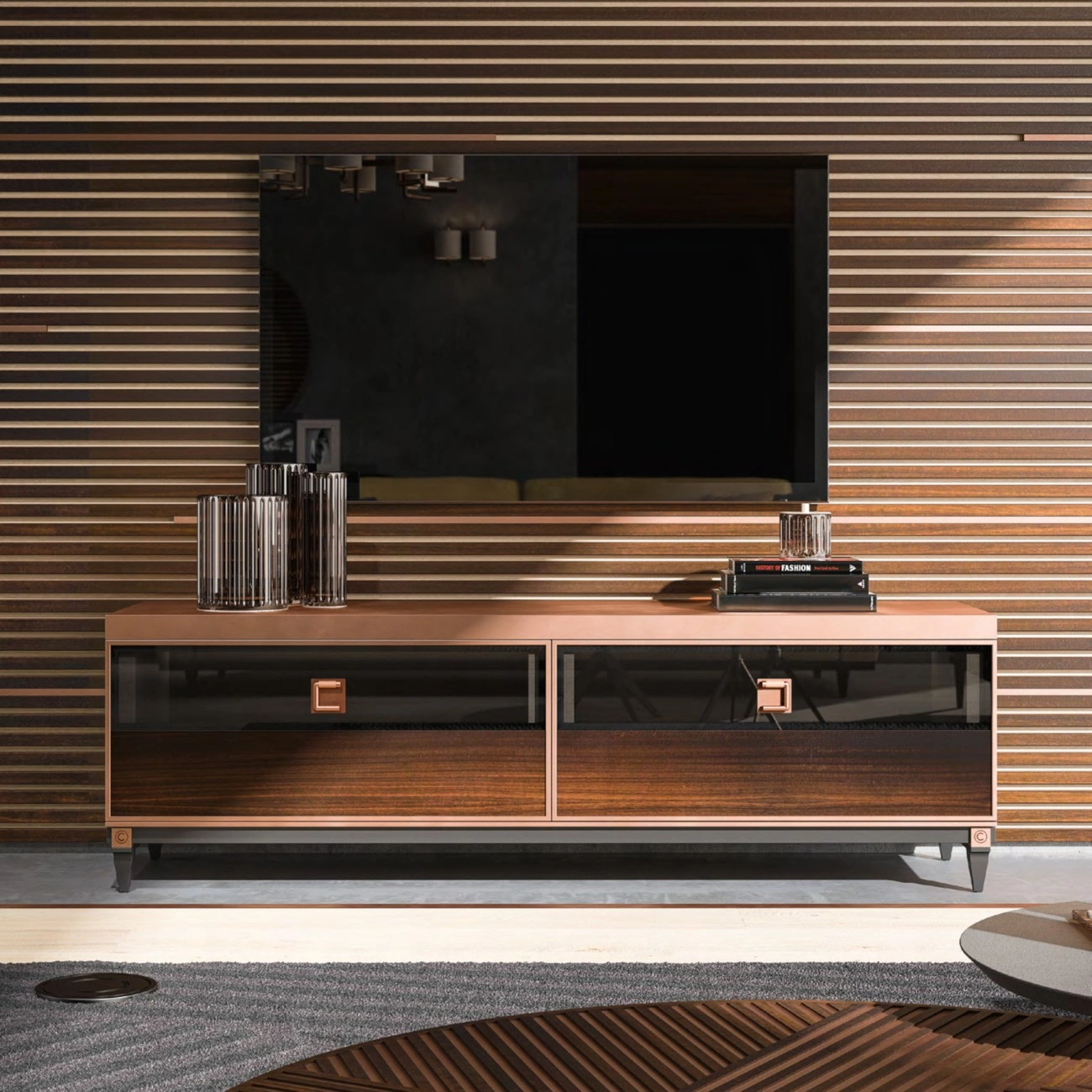
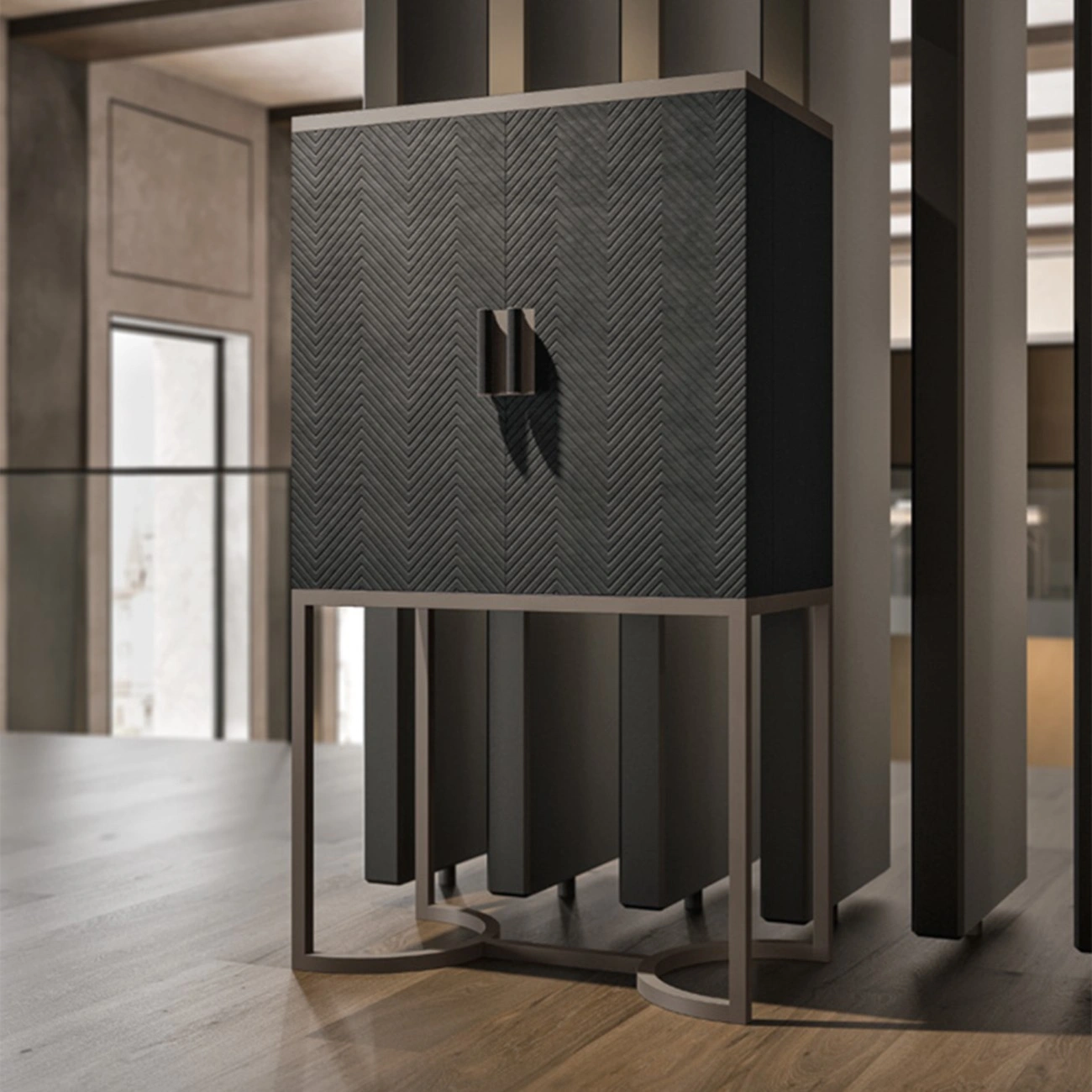

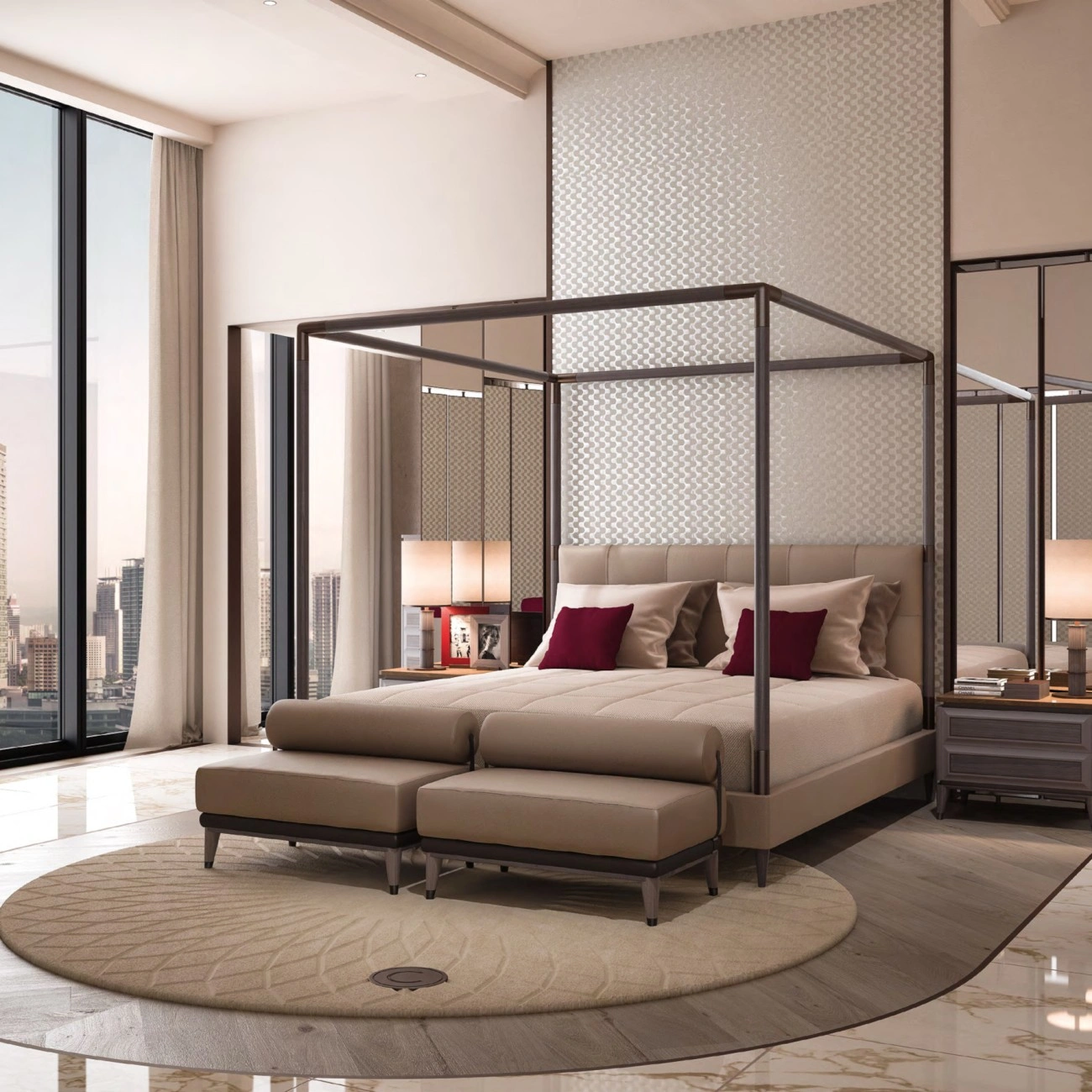
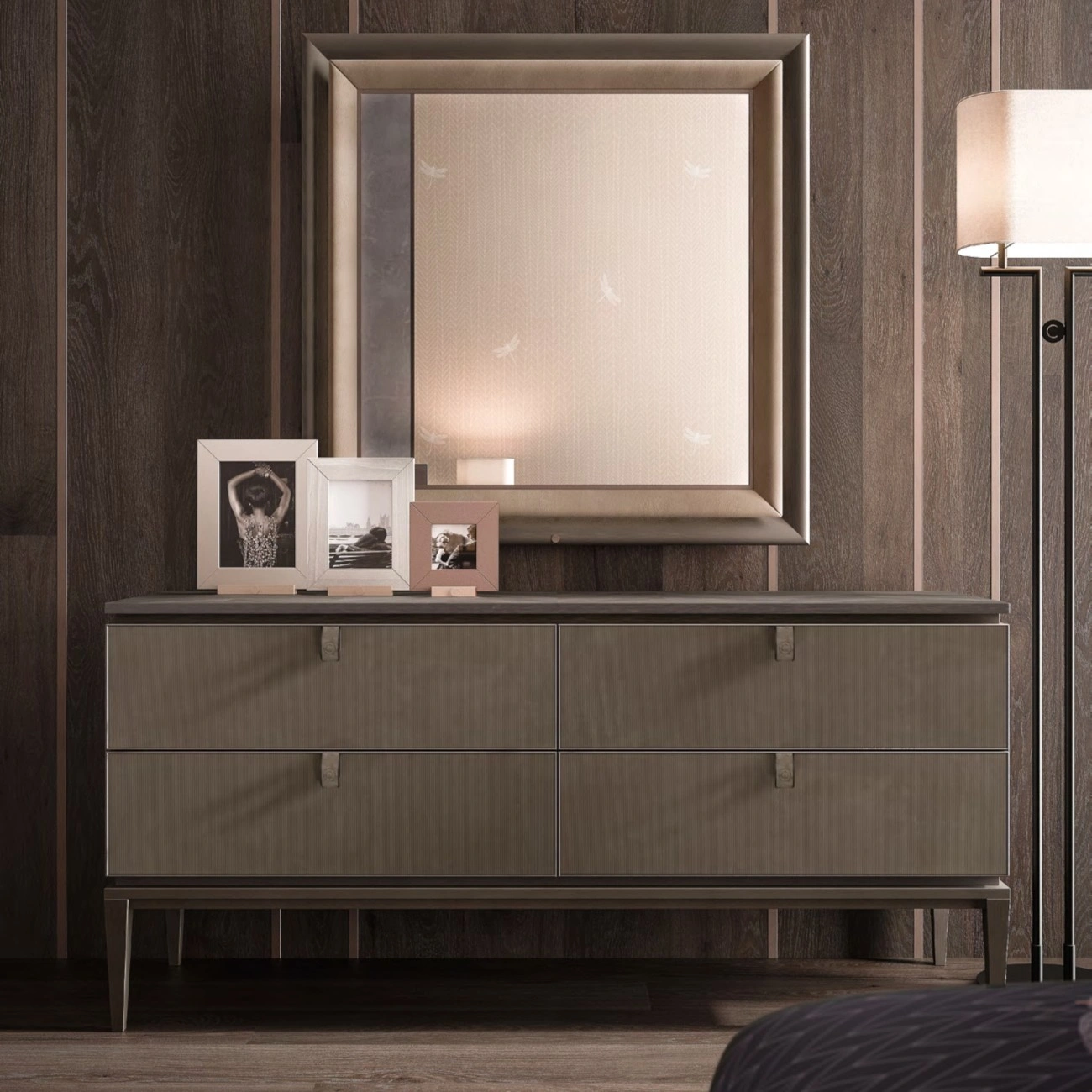

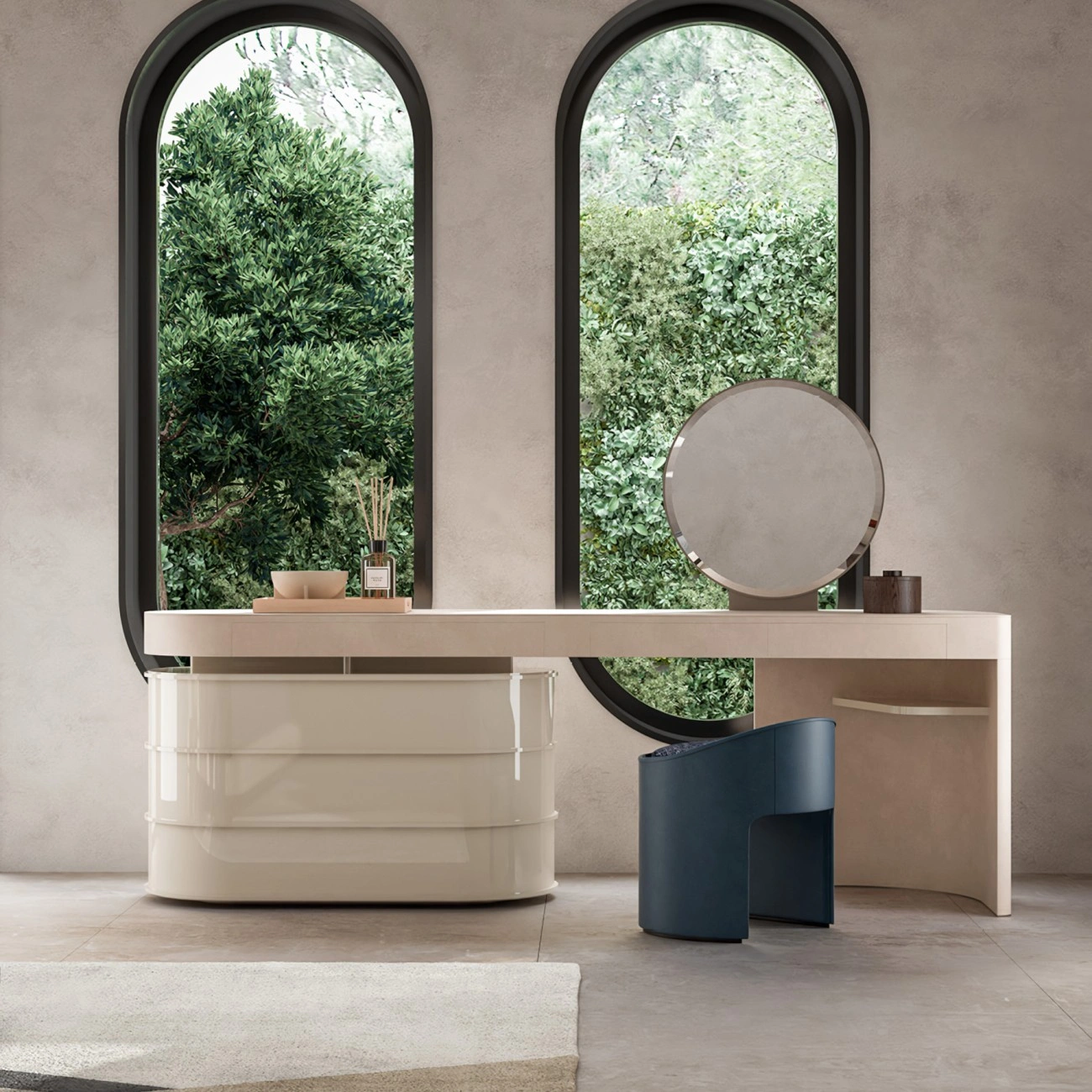
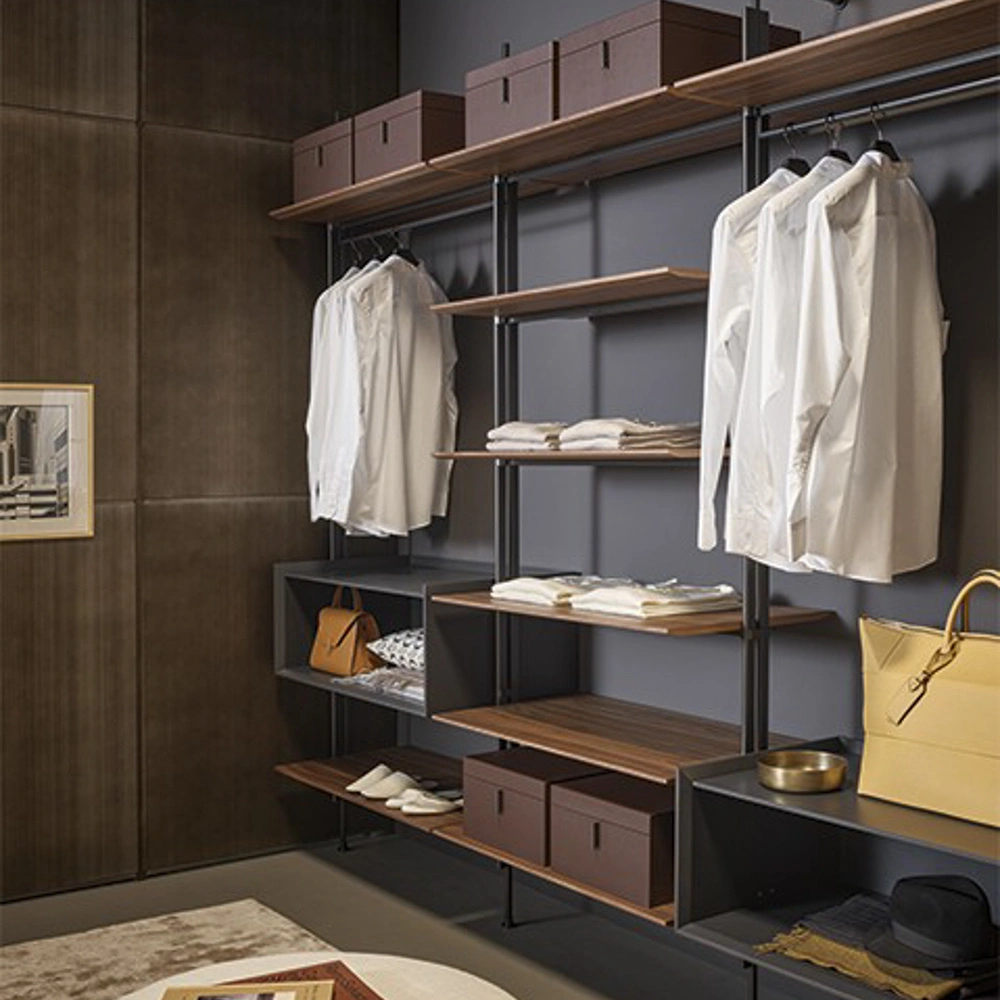
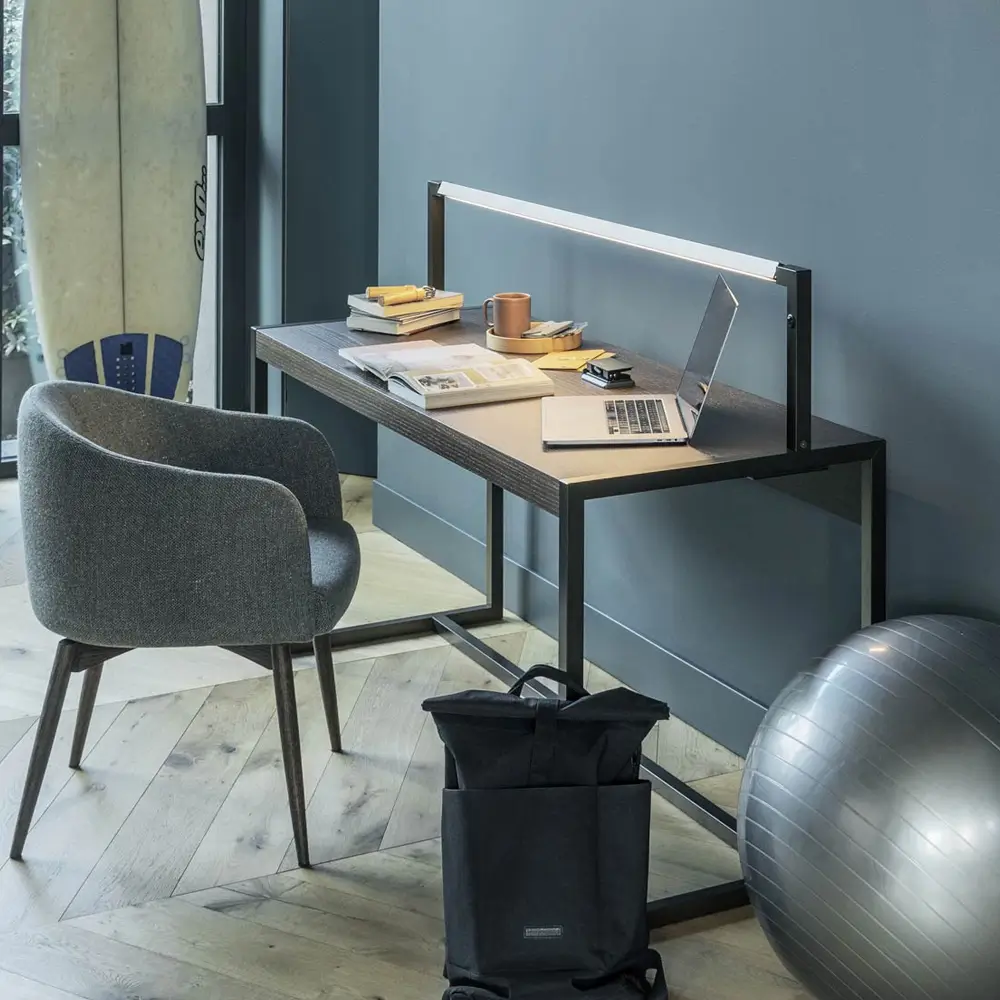






For a long time, interiors were mostly about vision. Clean lines, curated color palettes, dramatic angles. Walls, floors, furniture—they were designed to look right first, feel second. To photograph well, to impress at a glance. By 2027, that has shifted. Touch has become central. Tactility isn’t an afterthought anymore. It’s the heart of design in 2027 interiors trend. Surfaces are meant to be felt, fabrics chosen for hand as much as sight, textures layered to invite exploration. Comfort and emotional depth are created not by what you see, but by what you can feel.
This isn’t about indulgence. It’s psychological, sensory, even emotional. Modern interiors recognize that people inhabit spaces physically. That touch communicates as much as color or proportion. Soft fabrics, organic textures, multi-layered materials, custom high-end furniture, —they’re rewriting the rules.

Linen: Simple, Timeless, Tactile
Natural linen is everywhere. Light, breathable, and timeless, it dominates curtains, upholstery, bedding. You run a hand along its surface and notice subtle irregularities, the tiny weave variations, the whisper of fiber. Linen invites interaction without demanding it.
Designers lean into this quietly. Neutral sofas, linen cushions, drapery that filters light gently. Nothing flashy, nothing loud. Just tactile, approachable, calm. Linen doesn’t compete with the room—it anchors it.
Texture as Emotional Tool
Tactility carries emotion. Rough wood under your hand suggests stability. A wool throw feels comforting. Smooth stone feels grounding. Interiors in 2027 are layered so that texture itself communicates. Walls, floors, furniture, even door handles—they all invite touch.
This layering isn’t chaotic. It’s orchestrated. Textured rugs on smooth floors. Linen cushions over soft sofas. Matte walls against polished surfaces. The interplay of hard and soft, rough and smooth, warm and cool. It encourages subtle engagement. You don’t just live in the space, you inhabit it physically.
Organic Materials Step Up
Stone, wood, cork, woven fibers—they’ve always been around. But now they’re central. Selected for imperfection, for hand-finished qualities, for that little variance that rewards attention. A dining table isn’t just a surface. It’s something you run your hand along. Furniture doors may reveal beveled edges or grain variations. Every touch matters.
It’s more than feel. It’s intimacy. It invites inhabitants to slow down, to notice, to connect.
Layering for Comfort
Layering is key. Rugs, throws, cushions, furniture, curtains—they build sensory complexity. A reading corner might combine a textured rug, linen cushion, and soft upholstery. A kitchen island pairs smooth stone with a slightly rough timber countertop. The touch guides how spaces are used, defines zones emotionally without walls.
Minimalist spaces, in particular, benefit. Visual restraint can feel cold, but tactility softens it. Textures provide warmth and invitation. Spaces feel curated yet lived-in, restrained yet alive.

Comfort Beyond Look
Touch changes perception of comfort. A room may look minimal, almost austere. Yet soft linen cushions, warm wool throws, smooth and textured surfaces make it feel welcoming. Minimal visual language doesn’t mean minimal sensory experience. Sometimes, the less you see, the more you feel.
In 2027 interiors, comfort is multi-sensory. A sofa is not just for sitting. It’s for touching, sinking into, interacting with. The space communicates subtly that it’s meant to be inhabited, not just looked at.
Tactility and Wellness
Touch affects wellness. Running a hand over smooth stone, brushing against soft linen, feeling texture underfoot—it calms, it grounds, it soothes. Interiors in 2027 deliberately incorporate this. The home itself becomes restorative.
Even small touches matter. A linen curtain. A wool rug. Wood grain under your fingers. These interactions aren’t just incidental—they influence mood, presence, and mindfulness.
Subtlety Wins
Tactility doesn’t need to be overt. Small irregularities, subtle weave differences, soft nubs in wool—these make the space feel alive without overwhelming it. Too much texture can be chaotic. The designers of 2027 know this. The tactile elements are quiet invitations, not loud proclamations.
Storytelling Through Touch
Materials tell stories. Linen whispers of craft and patience. Wood evokes history, sustainability. Woven fibers hint at traditions. Touch anchors memory. It gives interiors a narrative quality beyond aesthetics. Guests may not consciously register the fabric, the rug, the grain—but they feel it. The space is richer, warmer, and somehow more alive.
Balancing Minimalism and Tactility
Modern interiors often lean minimal, clean, restrained. Tactile materials soften austerity. A sleek sofa gains warmth with linen cushions. Smooth floors are balanced with textured rugs. Soft upholstery counters glass or metal.
Balance matters. Tactility enhances architecture without undermining simplicity. Spaces feel inviting, layered, alive under touch, not messy or cluttered.
Linen and Friends
Linen isn’t alone. Cotton blends, silk-like wools, textured velvets—they all layer with linen to create depth. Curtains, upholstery, throws—they combine for sensory richness. Touch guides perception of comfort and luxury more than sight alone.
Practical, Durable, Human
Tactile design isn’t indulgent. Fabrics are breathable, easy to clean, durable. Surfaces tolerate daily use while rewarding touch. Homes feel lived-in and resilient. Touch bridges practical durability with sensory pleasure.
Emotional Resonance
Tactile interiors change behavior. People linger, interact, notice textures. Even small gestures—running fingers over a cushion, brushing linen curtains—make the space feel cared for. Interiors communicate warmth and presence.
The emotional depth of a room is measured by what it feels like under hand, not just by what it looks like.
Memory and Material
Texture creates memory. Linen curtains, soft upholstery, tactile timber—they linger in memory. Homes feel familiar, comforting, engaging. People return to tactile interiors differently than to purely visual ones. Touch makes the space intimate.

Strategic Layering
Layering textures is deliberate. Rough and smooth, soft and hard, matte and polished—they guide engagement and interaction. Rugs define seating zones. Cushions invite touch. Timber and stone contrast for sensory complexity. Touch becomes part of the rhythm of living.
Living With Touch
Daily life in tactile interiors is subtly richer. Linen drapes, wool throws, textured wood surfaces—they invite attention and interaction. Homes feel alive, grounded, comfortable. Spaces communicate care, warmth, and presence.
In 2027, interiors aren’t just visual statements. They’re lived experiences. Touch is central. Linen cushions, soft fabrics, and layered textures remind occupants that homes exist for the body as well as the eye. Spaces invite inhabitation, interaction, and quiet emotional connection.
Tactility is not a trend. It’s a foundation. The power of touch has arrived, and it’s quietly reshaping how people feel in their homes.
Room by room, the picture sharpens: see how these directions play out in the bedroom trends for 2027 and the dining room trends for 2027.