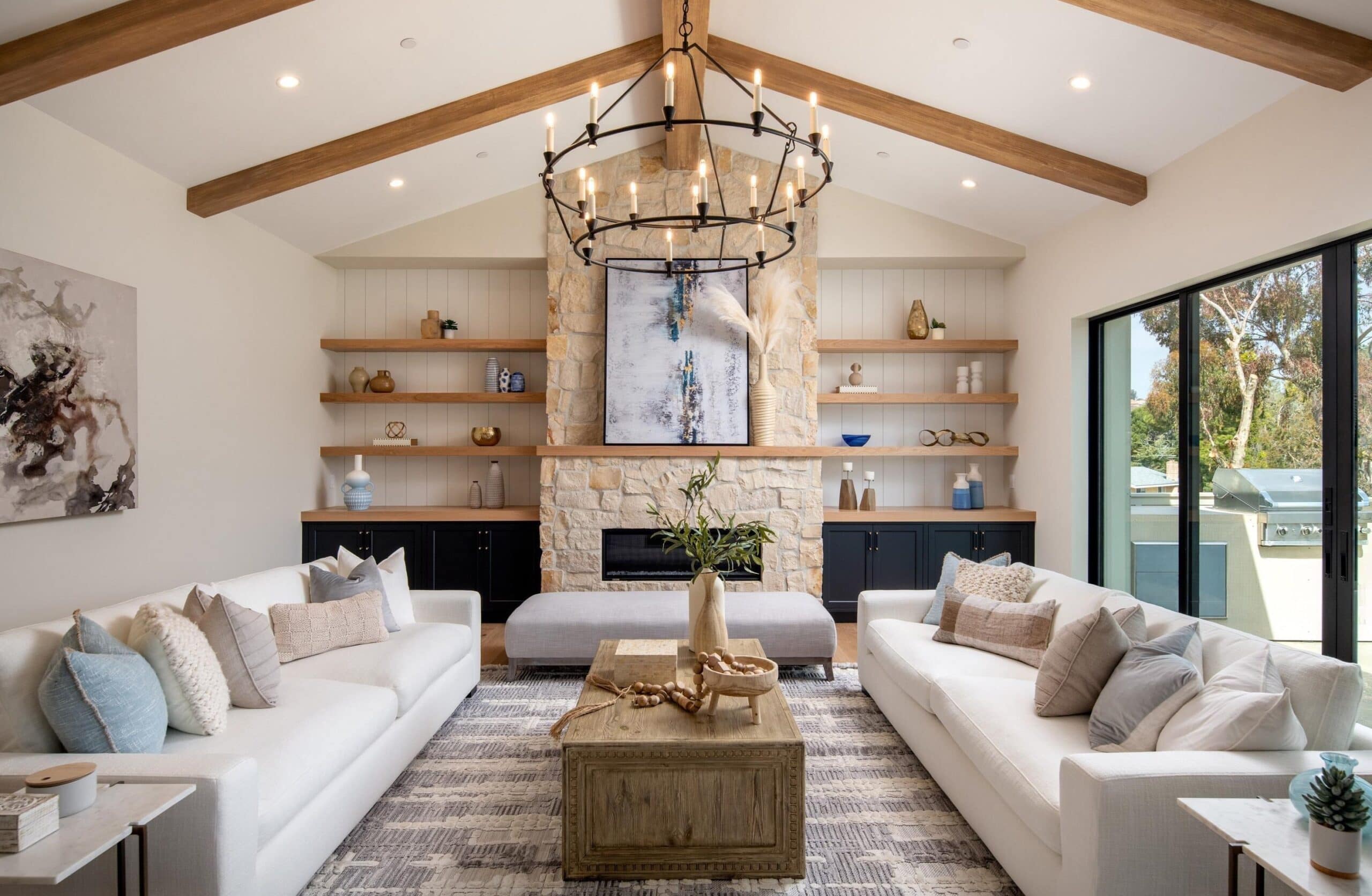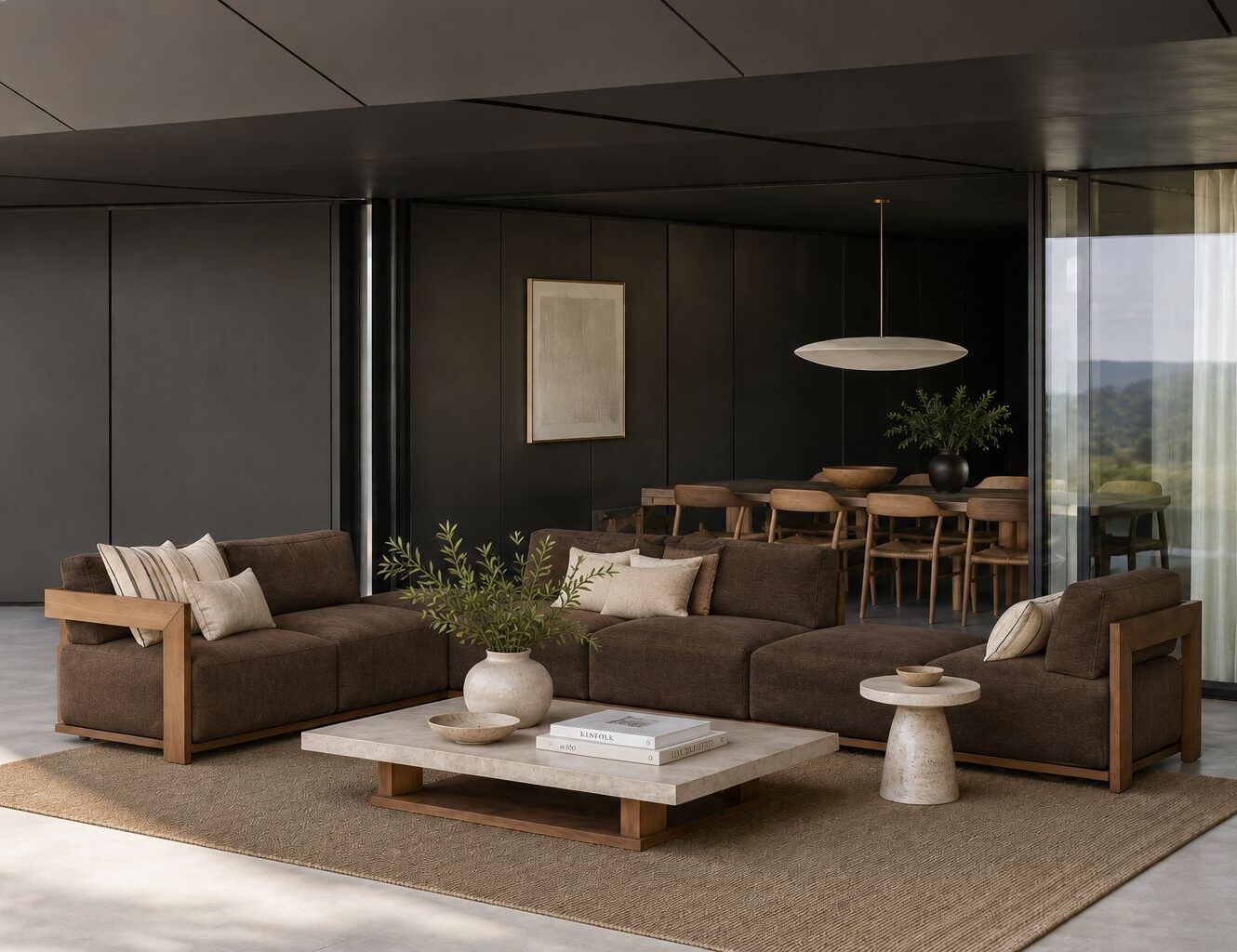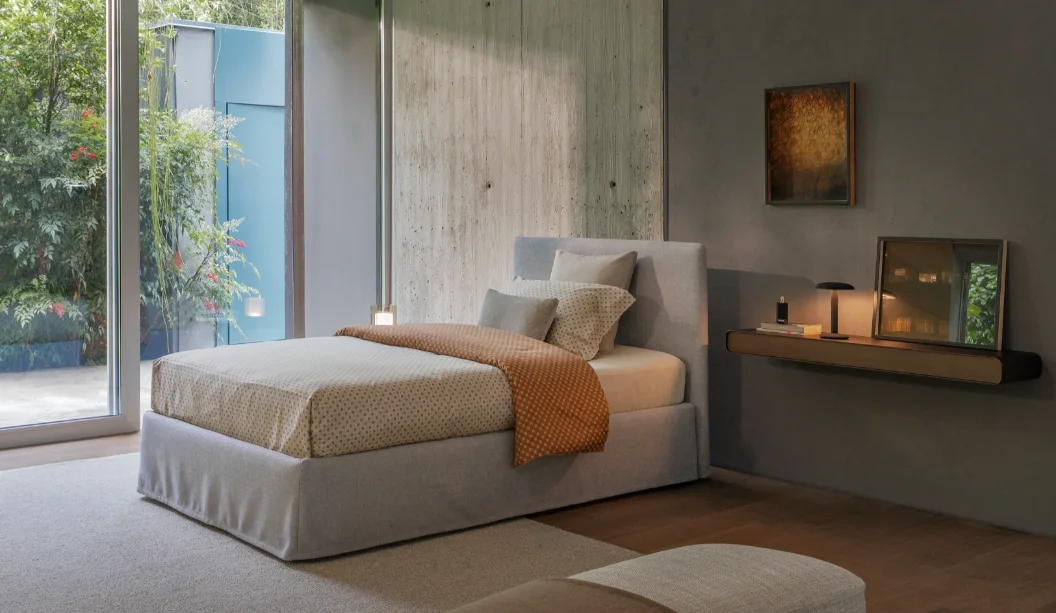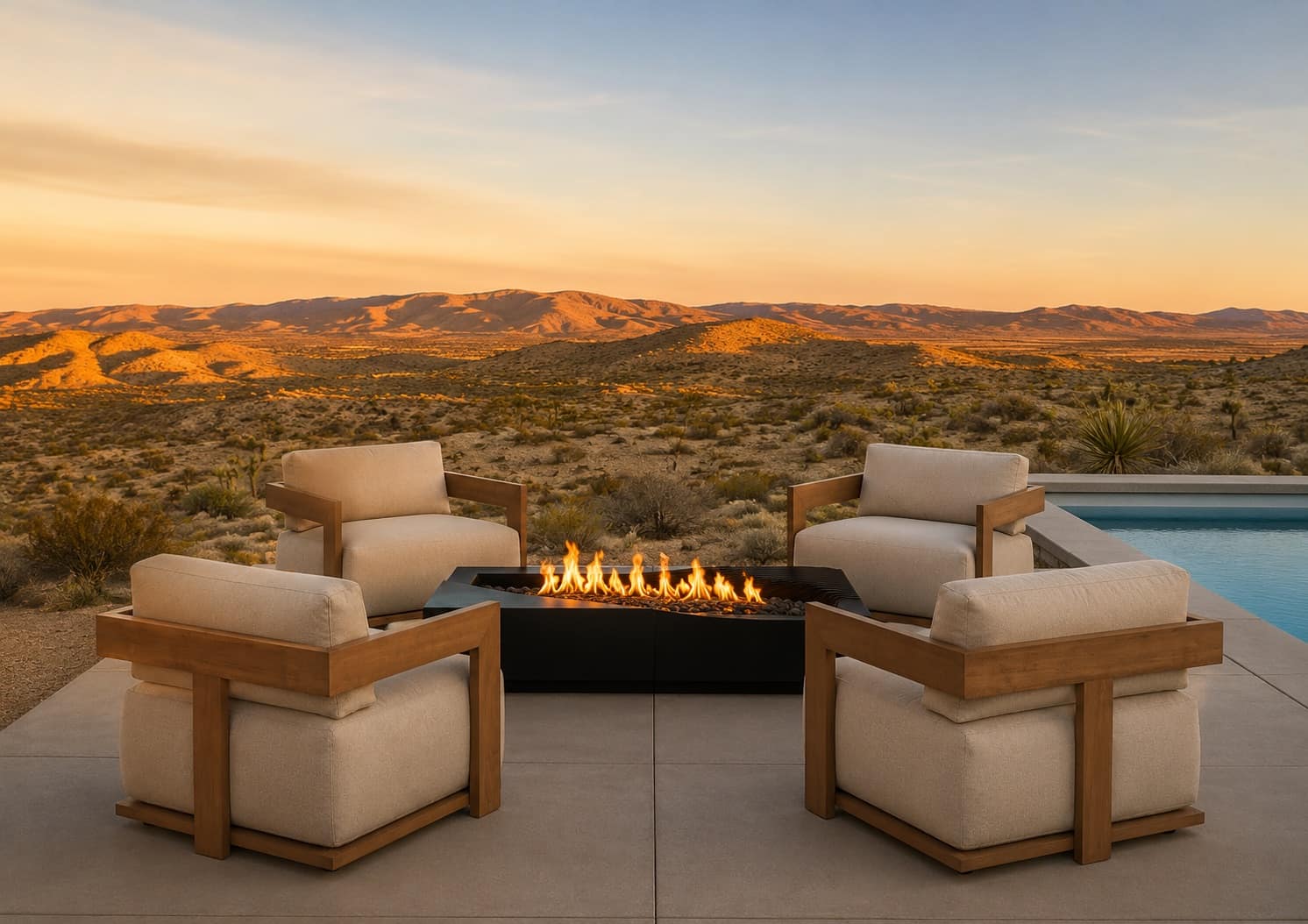

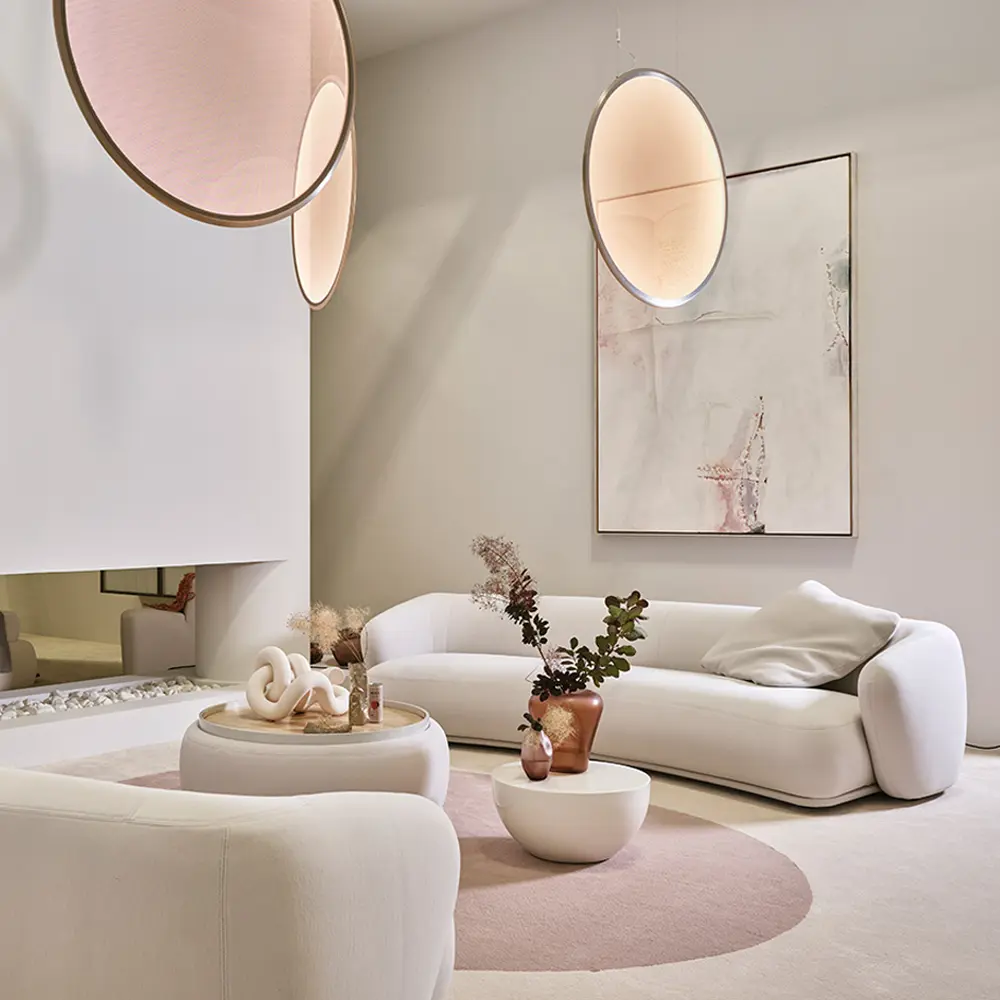
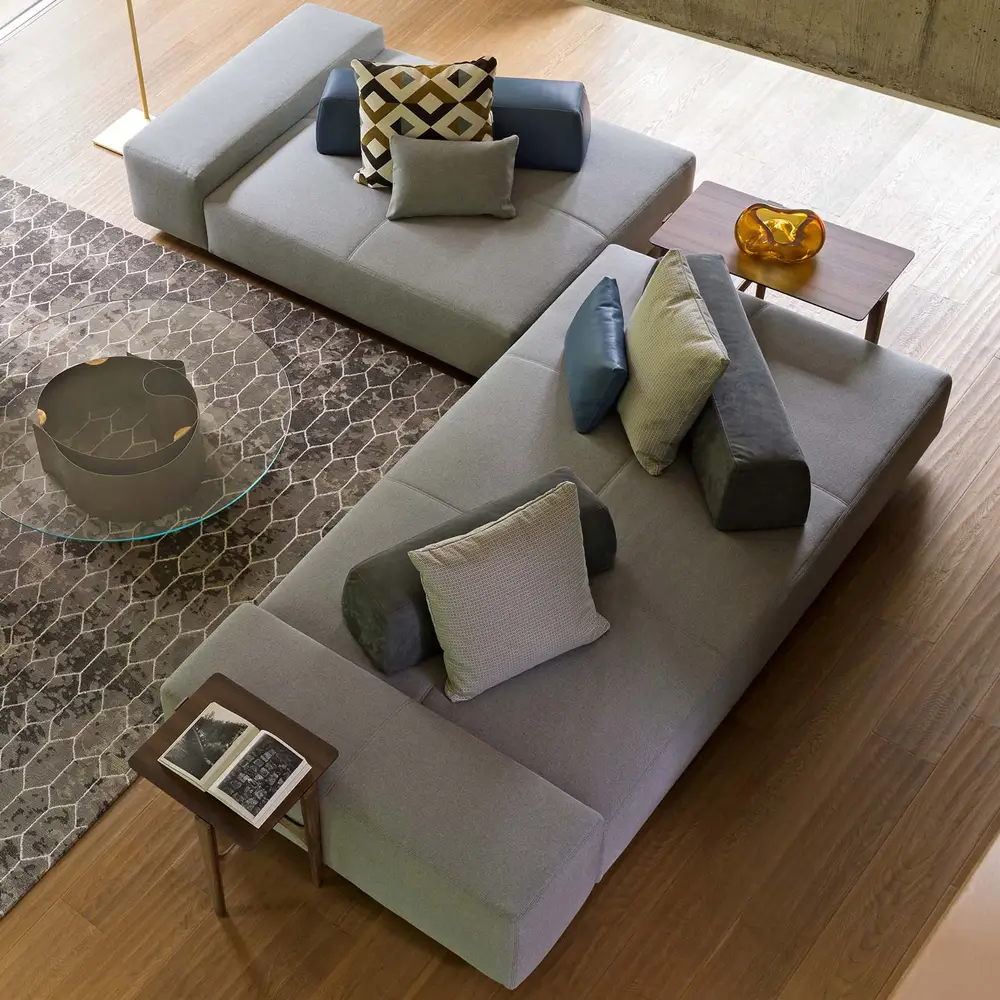
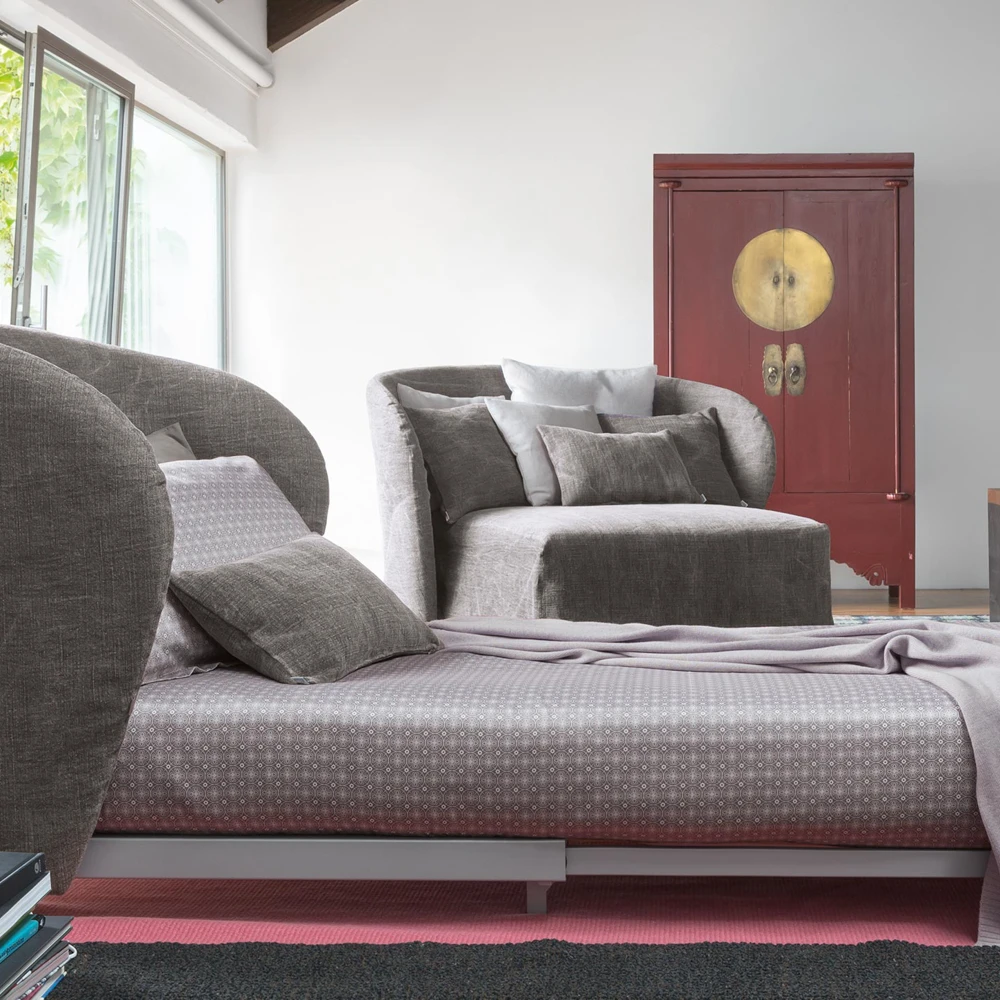
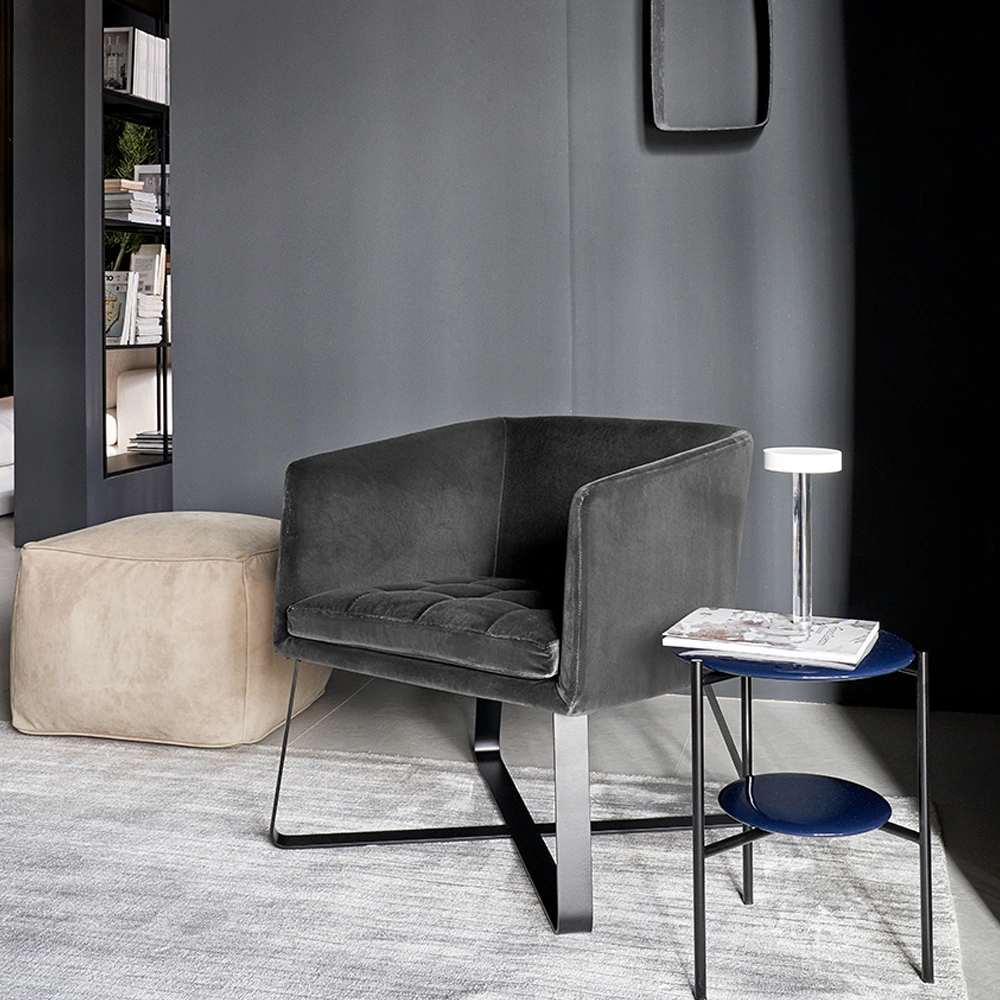




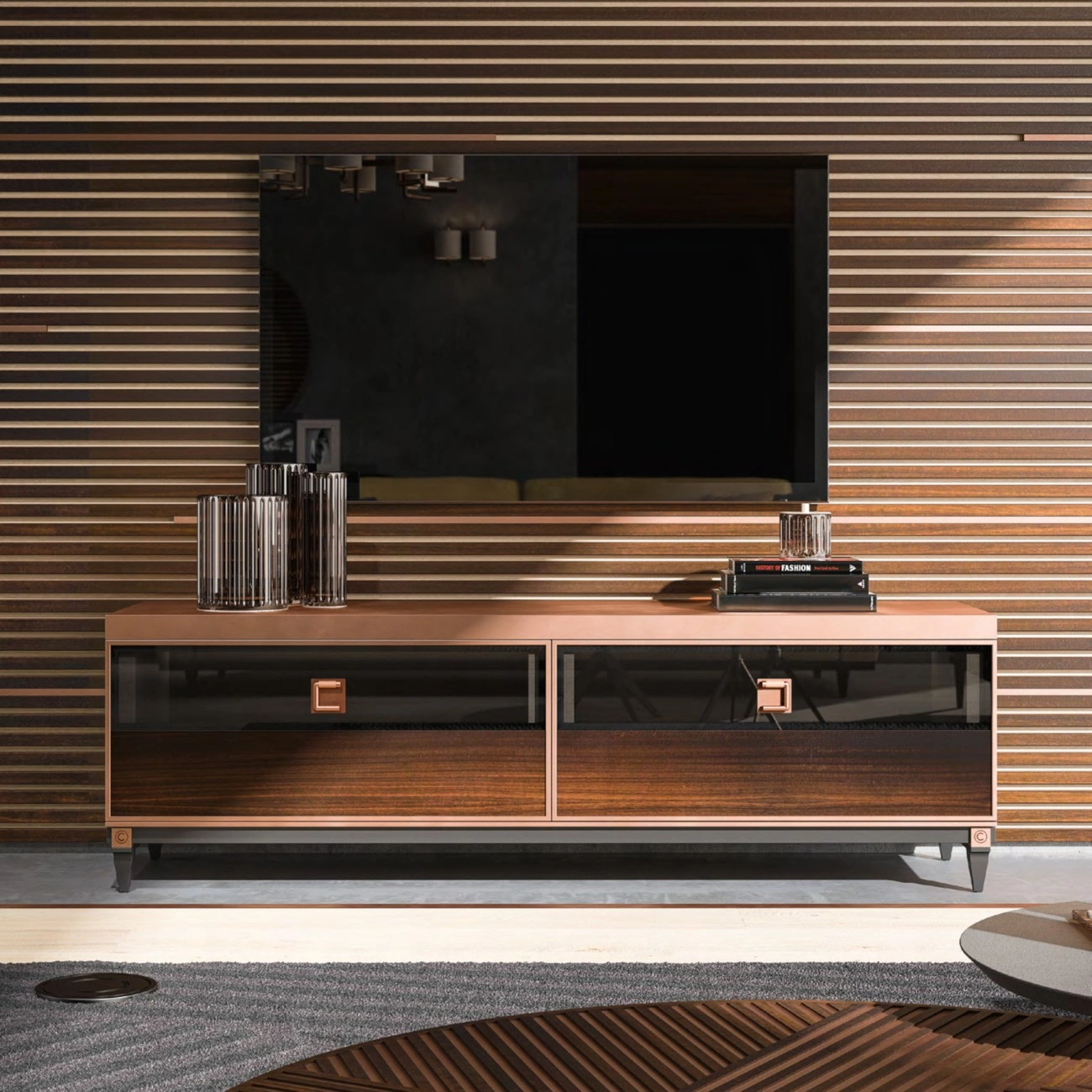
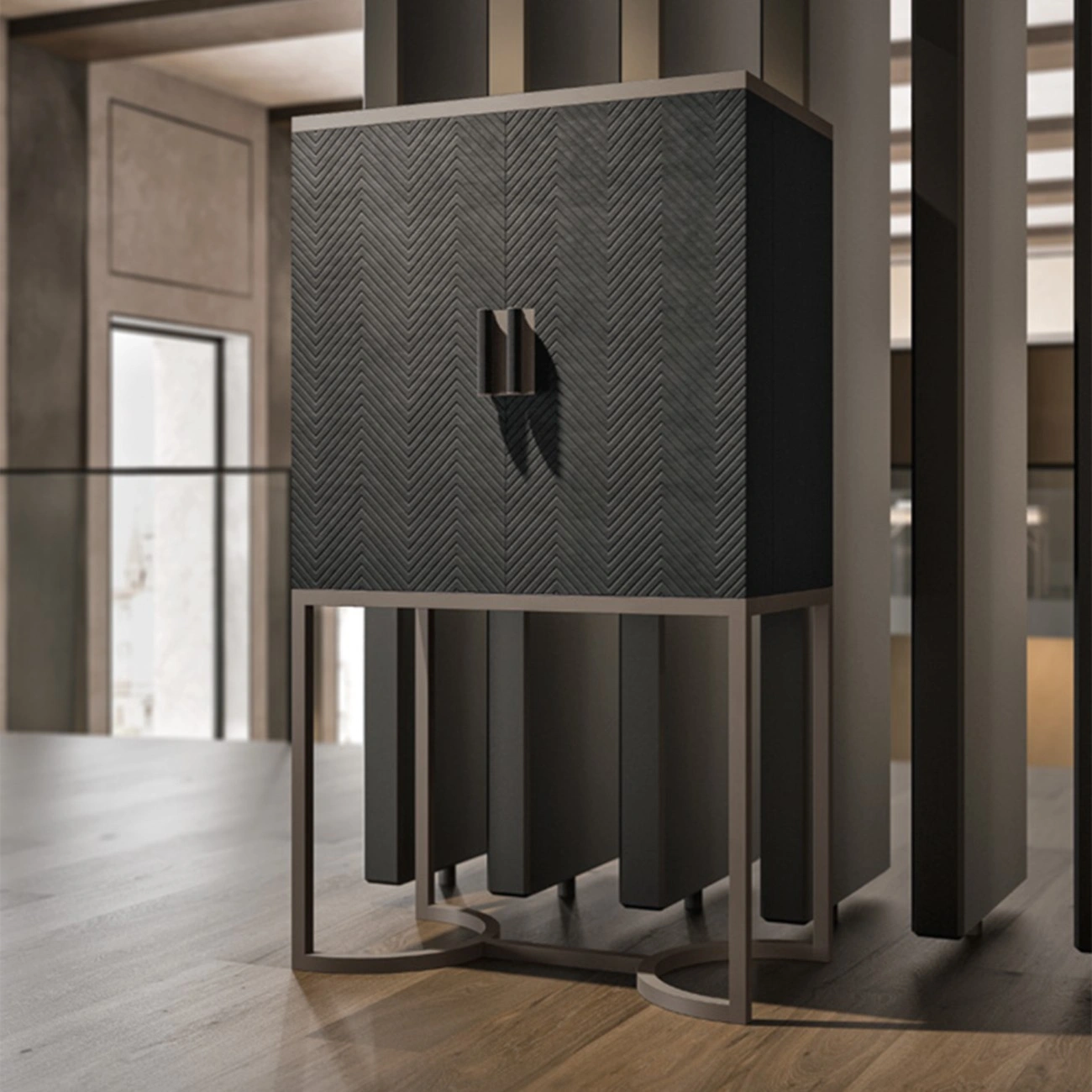

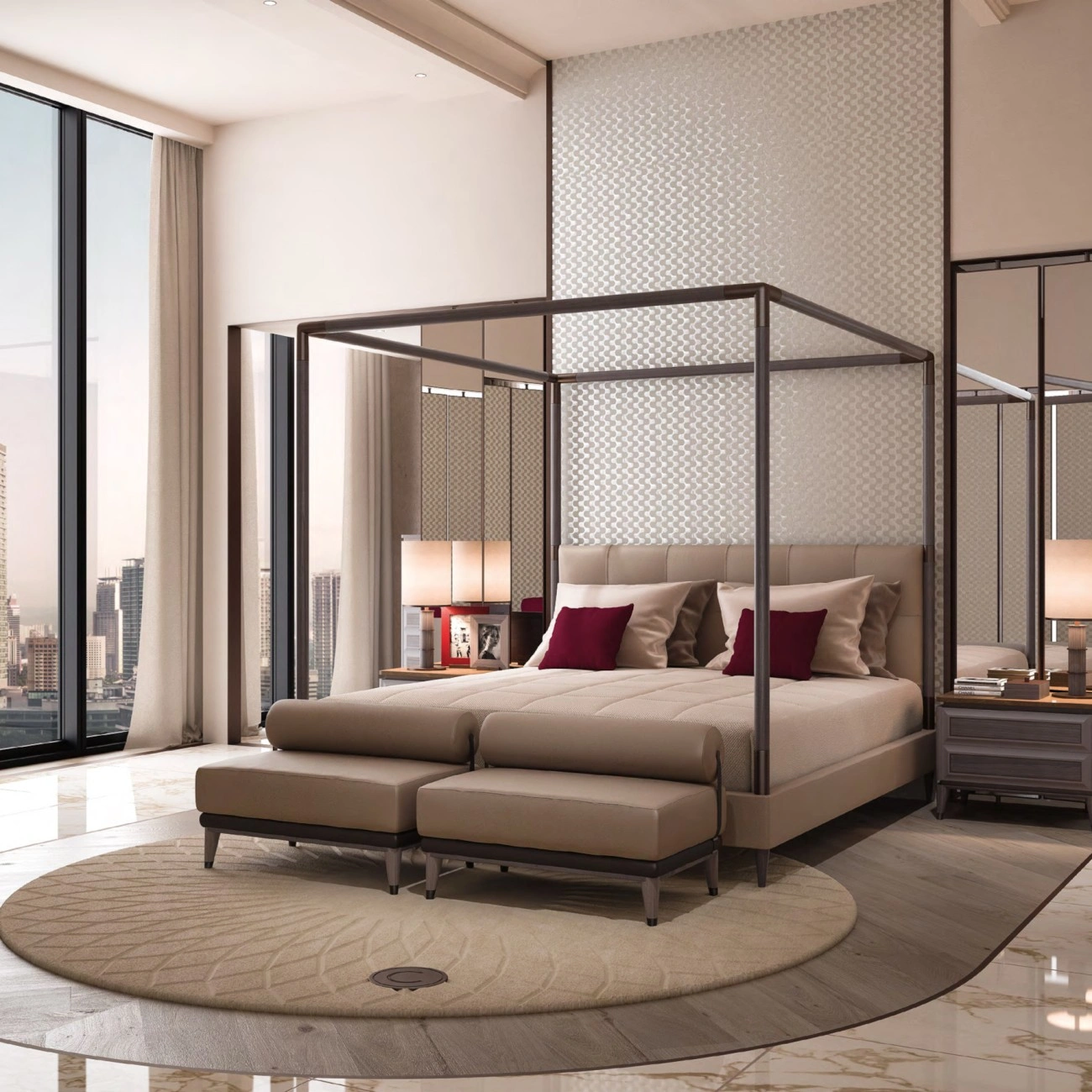
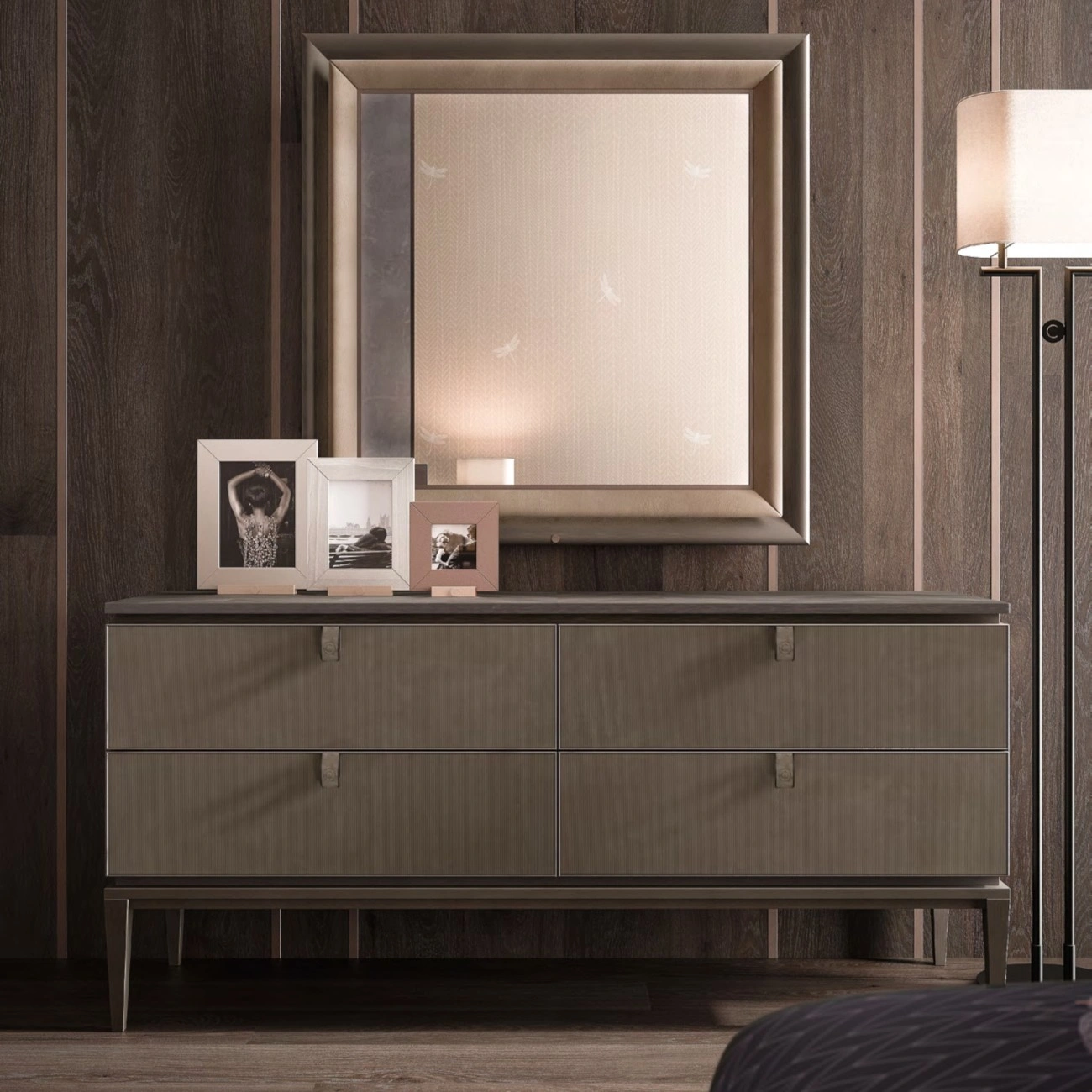





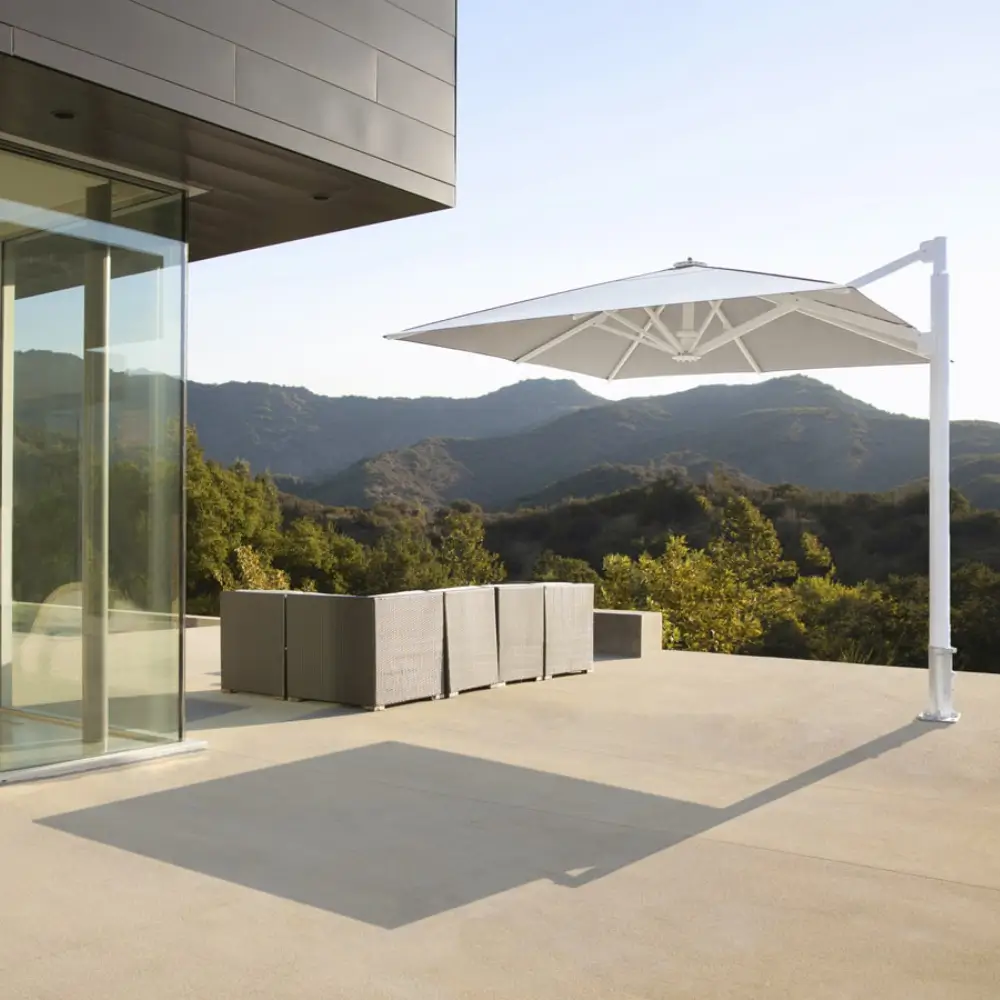


Minimalism has long carried a dual identity: on one hand, an aspirational aesthetic, clean and serene; on the other, a sometimes impractical dream, beautiful to look at but difficult to inhabit. By 2027, minimalism has grown up. It’s no longer about bare surfaces or empty corners; it’s about function driving form, about minimalism interiors that support real daily routines without drawing attention to themselves.
The modern minimalist home doesn’t demand sacrifice. It accommodates work, leisure, cooking, and cleaning with quiet intelligence. Storage, seating, surfaces—all are integrated in ways that anticipate use. The minimalism of 2027 is deliberate, precise, and human-centered.
Hidden Storage as Design Strategy
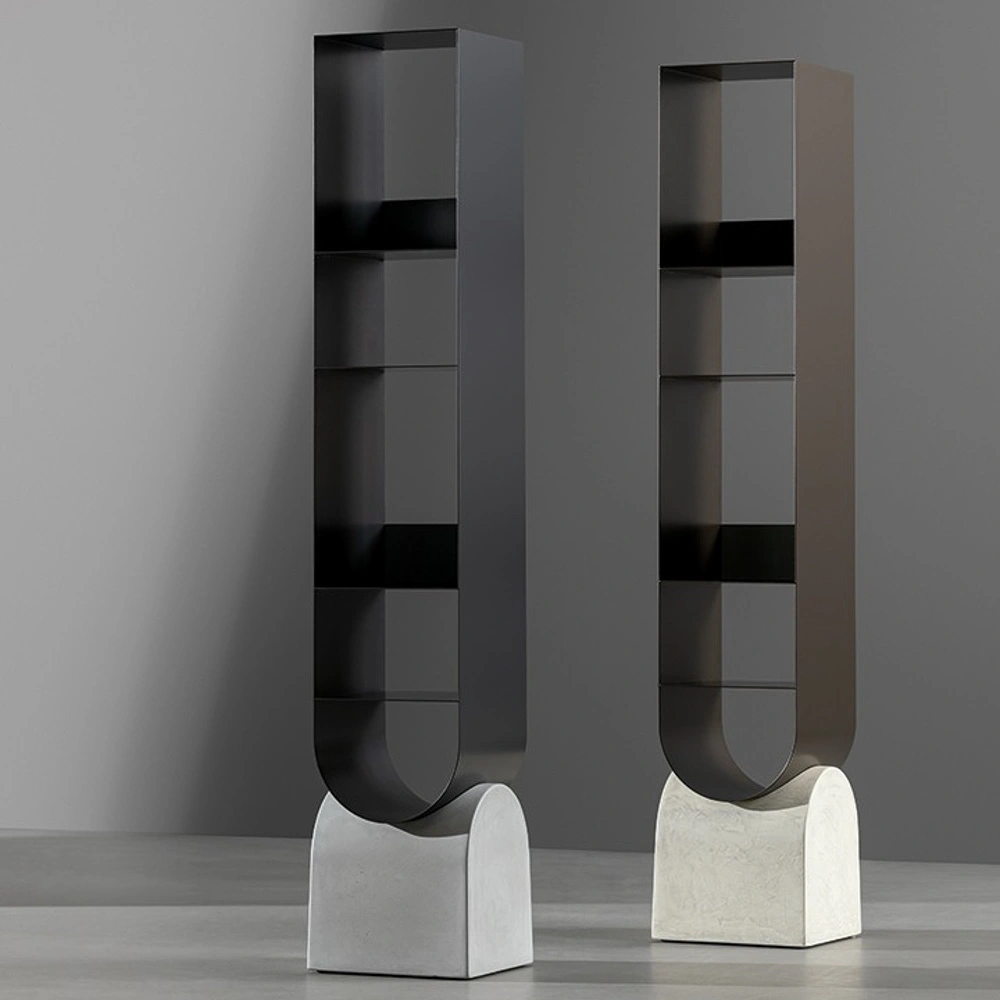
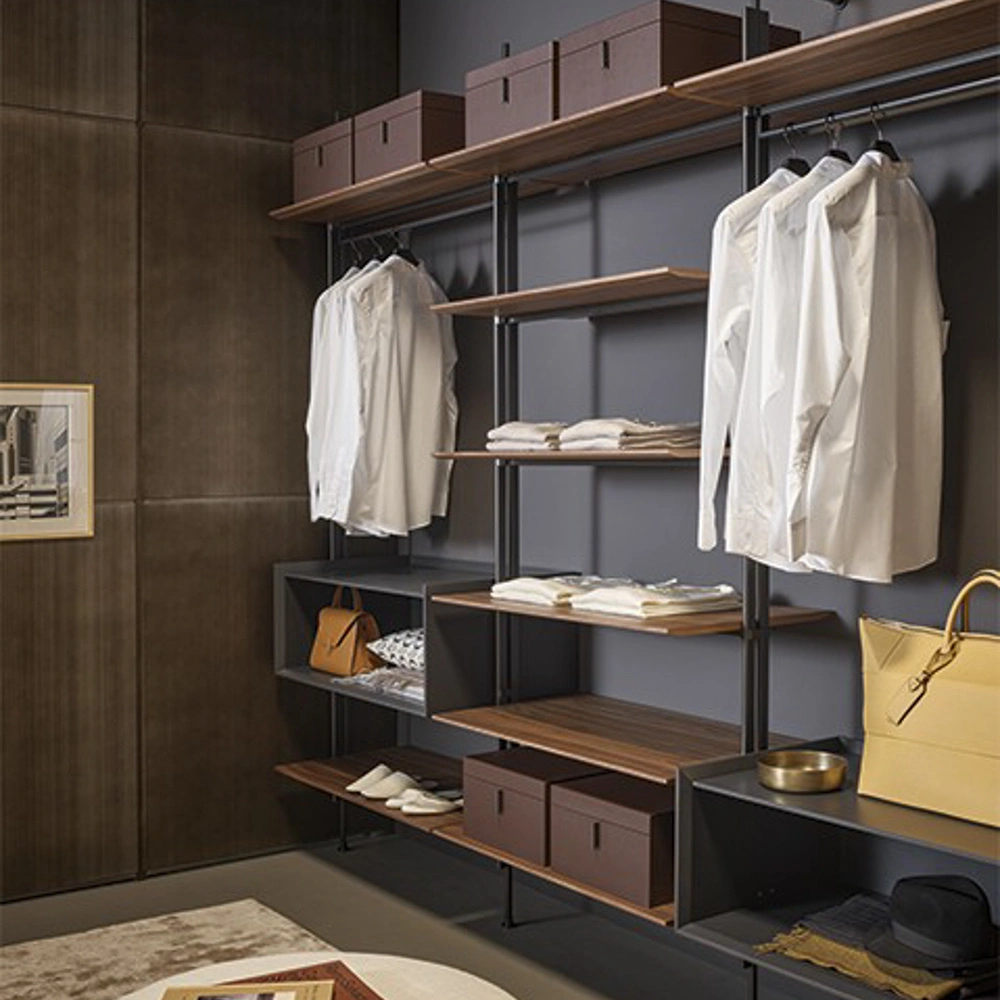
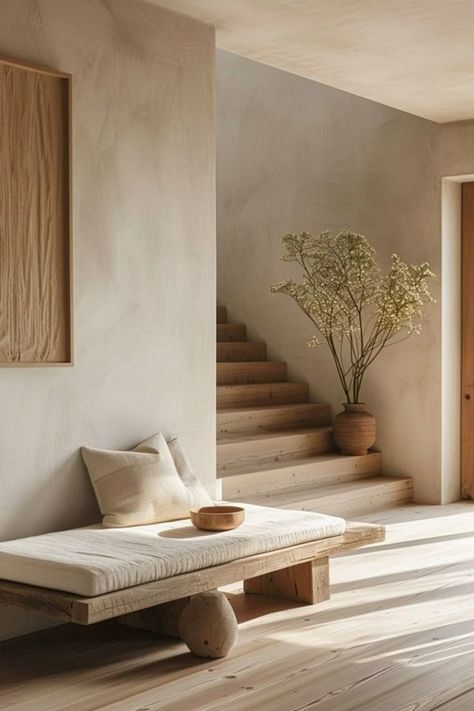
Perhaps the most defining element is hidden storage integrated into architecture. Drawers disappear into cabinetry. Pantries blend seamlessly behind panels. Shelving folds into walls. What was once clutter becomes invisible, yet accessible.
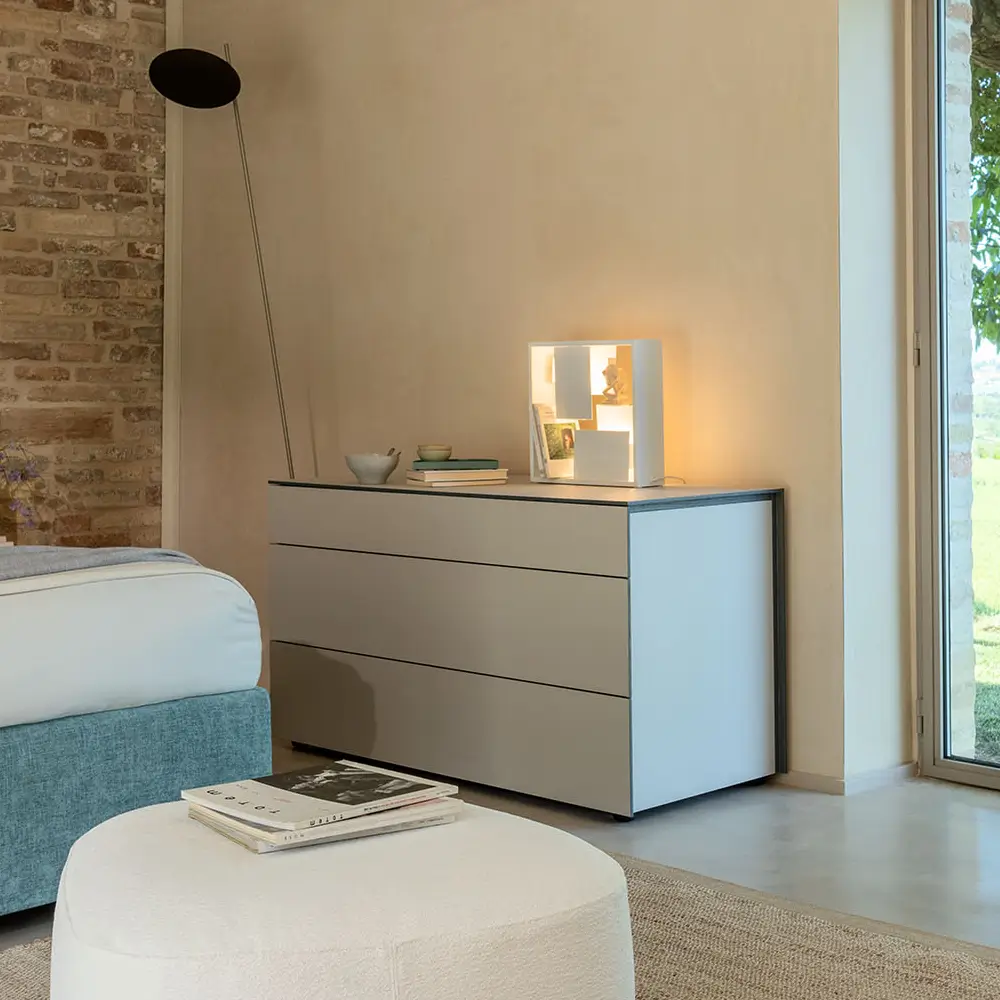
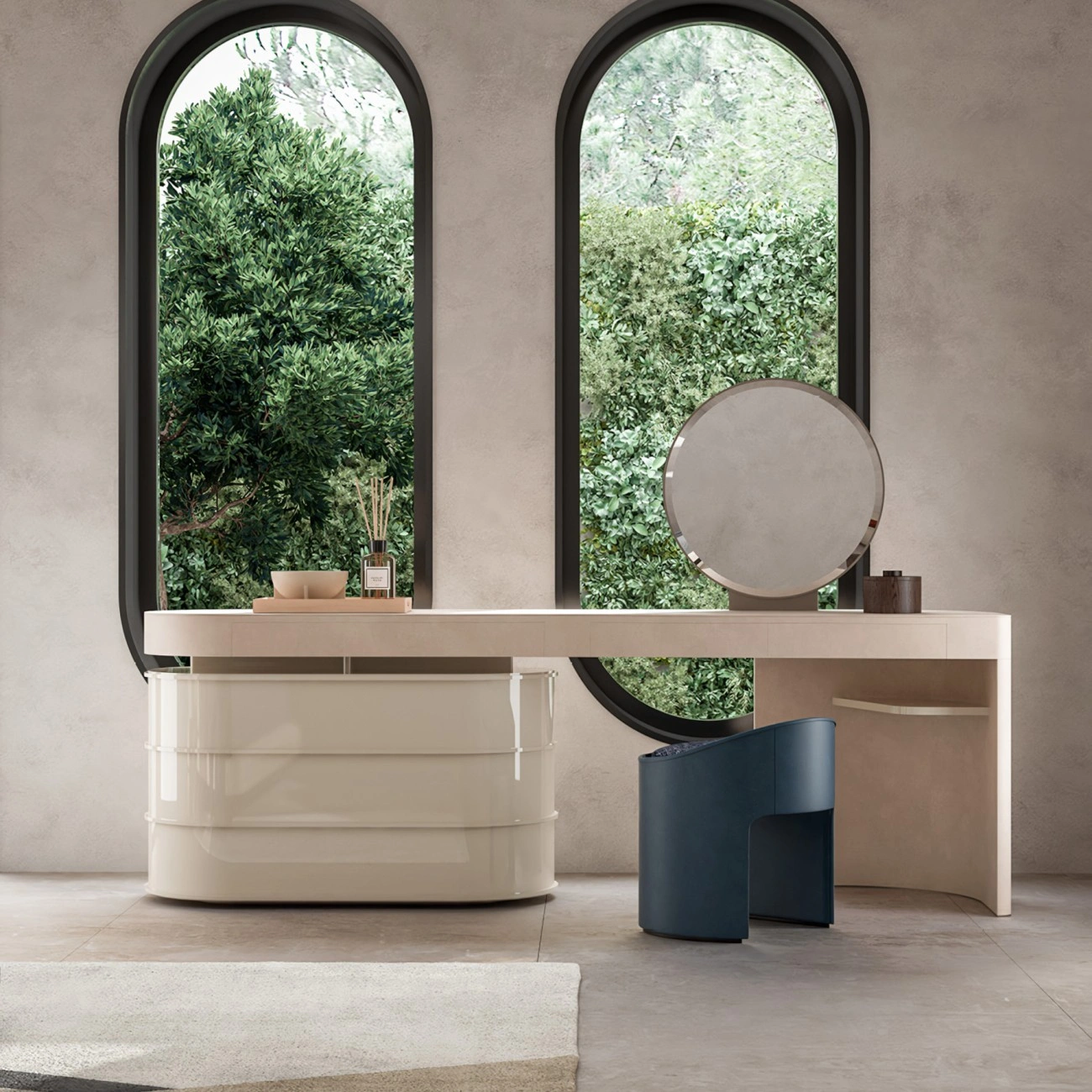
The genius is subtle. A bedroom dresser may be flush with the wall, lacking handles, yet opens smoothly to reveal compartments for clothing, electronics, and personal items. A living room bench may lift to reveal storage beneath seating cushions. Minimalism thrives not by emptying space, but by intelligently concealing function.
This approach doesn’t just preserve aesthetics; it supports daily life. Things are accessible when needed, invisible when not. The result is a calm minimalism interiors, uncluttered environment that adapts to the ebb and flow of human routines.
Easy-to-Maintain Surfaces
Surfaces have shifted in focus too. Glossy marble or delicate untreated wood looks elegant but can frustrate daily use. Minimalism in 2027 values surfaces that survive coffee spills, fingerprints, and daily wear without labor-intensive upkeep.
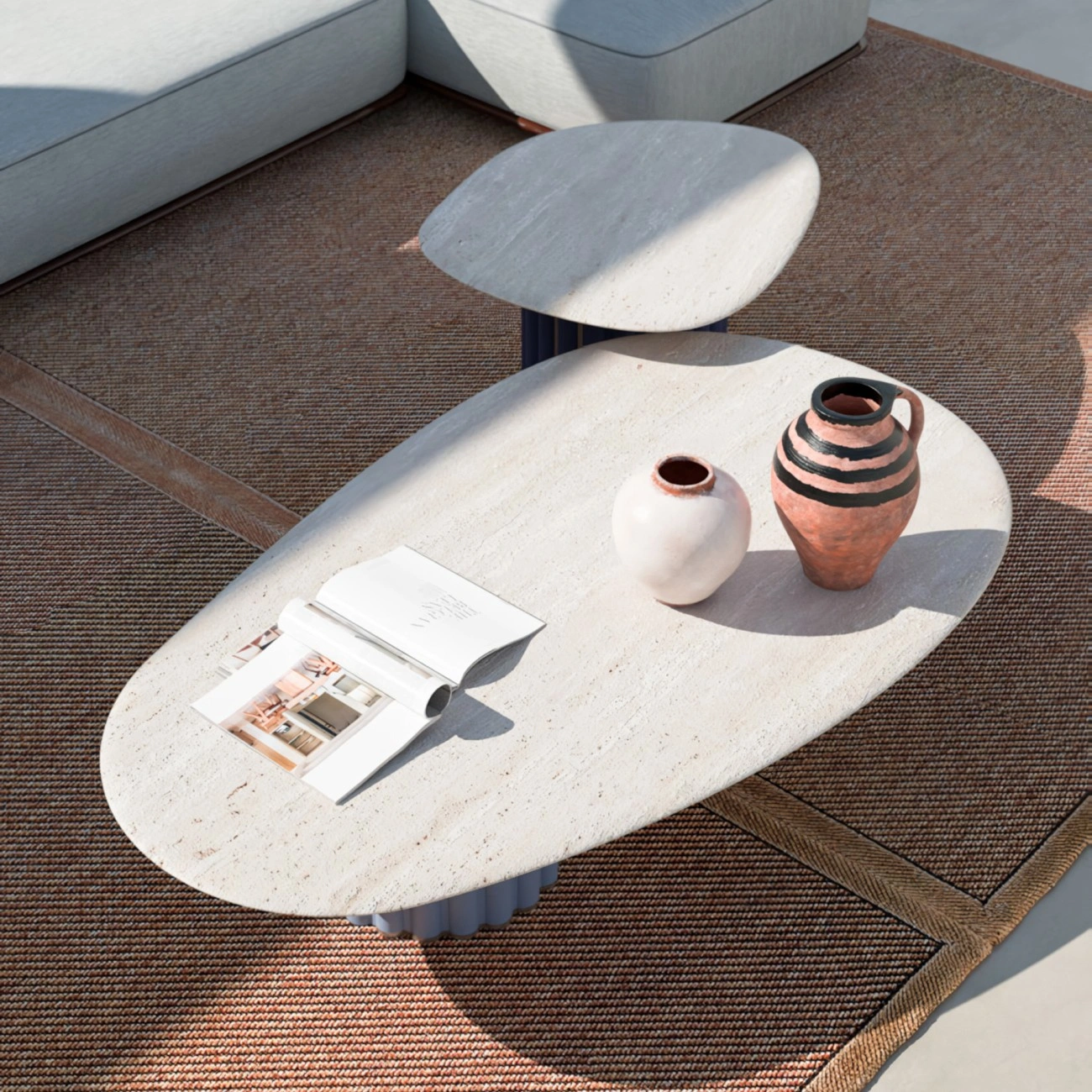
Engineered stone, sealed woods, textured laminates, and matte finishes dominate. Kitchens, dining areas, and workspaces are designed for interaction rather than pristine display. The beauty is subtle: a countertop may be muted, but its tactile quality is refined; a floor may show slight texture, helping grip and reducing maintenance headaches. Minimalism is practical, not ornamental.
Flexible Layouts That Evolve
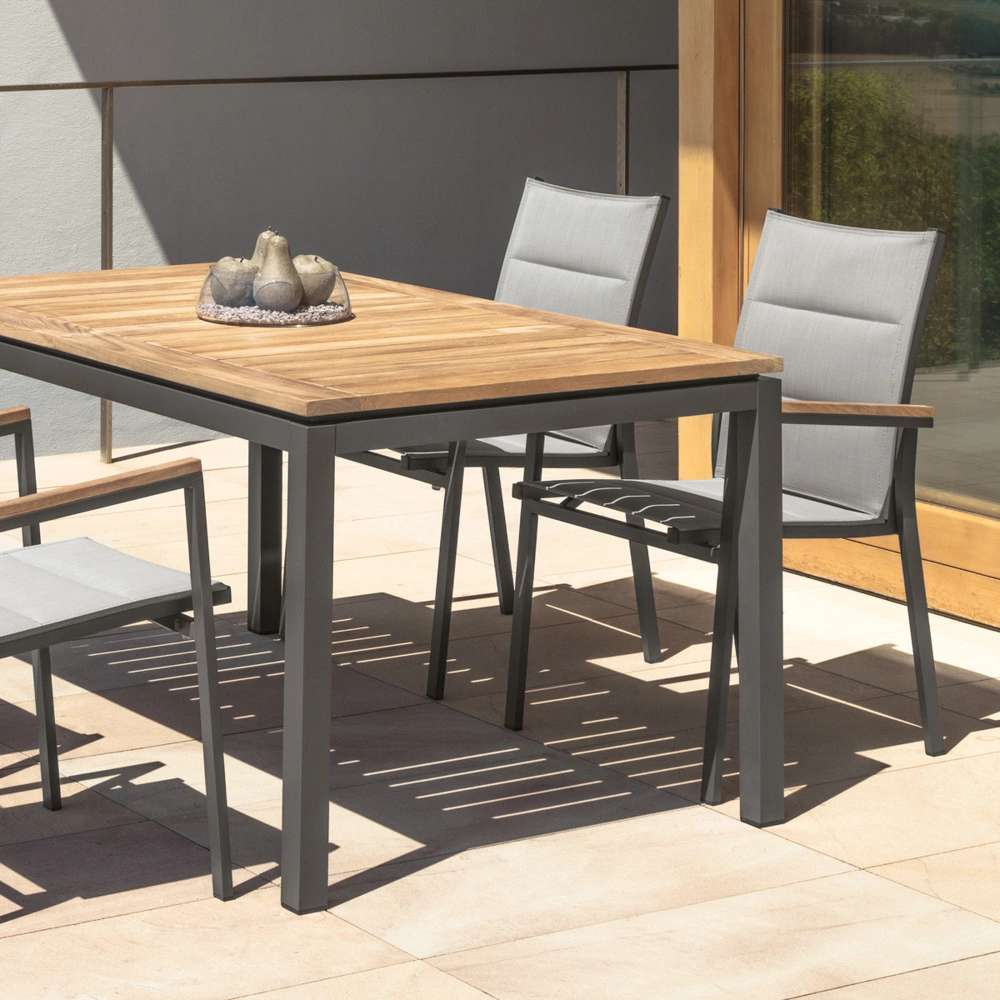
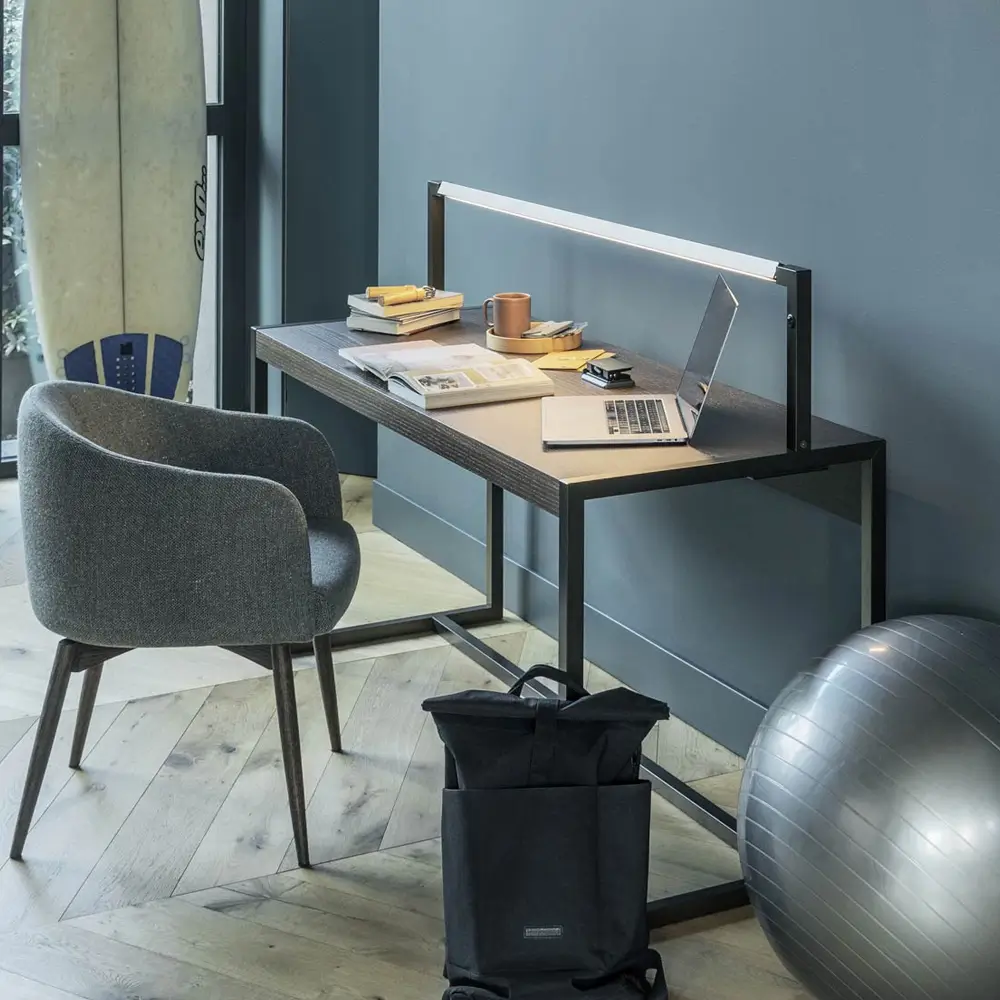
The third hallmark is flexibility. Spaces are designed to evolve over time. Furniture isn’t permanently fixed. Modular seating, movable screens, and multipurpose tables allow a room to shift from work to leisure, from dining to play.
Open-plan interiors often employ hidden cues—light, floor texture, or ceiling variation—to suggest zones, yet these zones remain adaptable. Minimalist interiors now consider life in motion. Work-from-home, visiting guests, or sudden lifestyle changes are accommodated without reconstruction. The minimalism here is fluid, responsive, and forgiving.
Function as a Design Compass
Across all interventions, function is the compass. Minimalism is no longer a show of restraint but a toolkit for living. Every drawer, panel, surface, and fixture is planned for use. It supports the routines of real people: making breakfast, folding laundry, hosting friends, reading on a weekend afternoon.
Designers ask: what will this surface experience? How will storage interact with daily flow? How does light hit workspaces at different times of day? Minimalism is evaluated not on Instagram-ready aesthetics but on lived experience.
Invisible Detailing
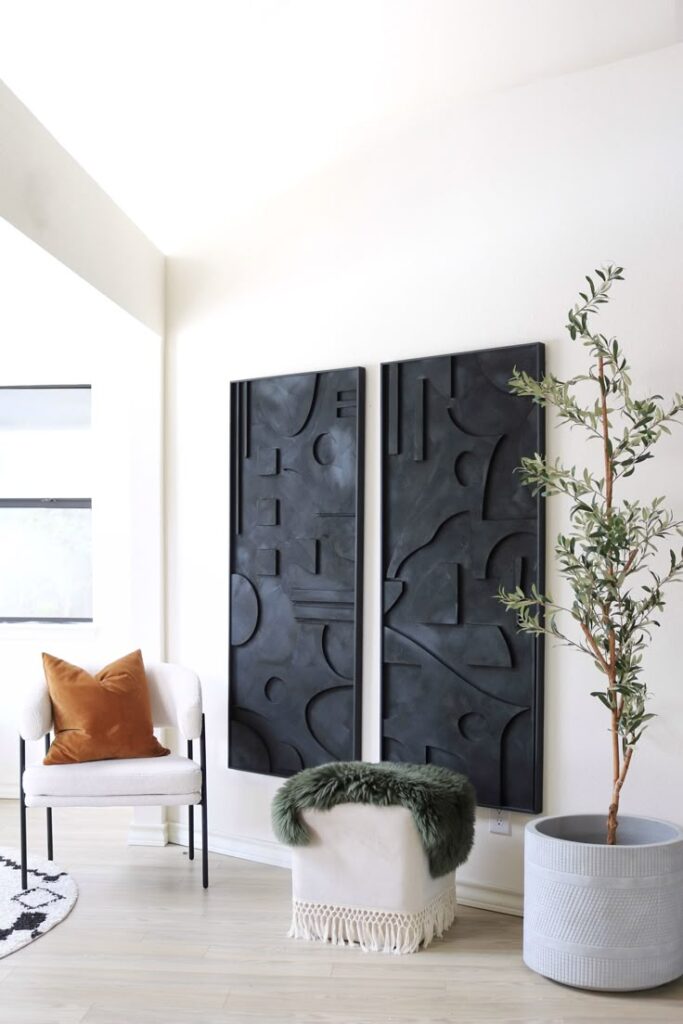
One of the most compelling aspects is the invisibility of design solutions. Handles are recessed, seams concealed, panels flush. What looks effortless masks complex thought. The hidden drawer beneath a bench, the pop-up outlet from a counter, the fold-away seating—all require engineering but remain visually quiet.
This invisibility preserves calm. The space feels light, uncluttered, and intentional. Yet the interior functions seamlessly, supporting everyday life without shouting for attention.
Comfort Within Minimalism
Minimalist interiors of the past were sometimes austere. By 2027, comfort is integrated. Seating is ergonomic, textiles soft yet simple, lighting layered for both activity and mood. Minimalism is not about avoidance of material pleasure—it’s about curation, leaving only what enhances daily experience.
Rugs, cushions, and chairs are chosen for feel as much as look. Materials are easy to clean and durable. Minimalism has grown pragmatic: it accommodates movement, use, and relaxation while maintaining its restrained visual language.
Time as a Factor
Minimalism now incorporates temporal awareness. Surfaces, layouts, and storage solutions respond to routines over the course of the day. Kitchen counters may have integrated cutting boards or prep zones that slide out when needed. Living areas subtly shift function as the sun moves or the day unfolds.
This dynamic consideration makes spaces liveable, rather than static tableaux. Minimalism designed for living recognizes that homes are used, touched, and changed constantly. The design is patient, adaptable, and enduring.
Blurring Aesthetics and Function
Minimalist interiors of 2027 blur the line between beauty and practicality. Clean lines and muted palettes are not the point—they are consequences of functional clarity. A countertop’s edge, a cabinet door, or a seating bench follows logic and human use. Aesthetic appeal arises naturally from coherence and purpose.
The result is calm but layered. Rooms feel intentional without feeling staged. Light, material, and spatial arrangement all reinforce usability while remaining visually coherent.
Social Considerations
Minimalism also accommodates interaction. Open-plan kitchens or living areas host meals, play, work, and conversation. Furniture arrangements are flexible, allowing gathering or solitude. Storage hides clutter during guests’ visits, preserving the minimalist mood without interfering with daily life.
Even small interventions—pull-out seating, integrated shelves, multi-use surfaces—enhance shared routines. Minimalism is not isolation; it’s spatial intelligence, supporting human activity with subtlety.
Emotional Impact
Living in a space where function drives form alters perception. Calm arises naturally from uncluttered surfaces. Ease of access reduces stress. Predictable, intuitive storage and layout allows routines to unfold without friction.
Minimalism designed for daily life is comforting because it aligns with human behavior. Interiors become partners, not obstacles. Daily tasks feel smoother. Spaces feel lighter, cleaner, more forgiving.
Material Choices
Materials are integral to this evolution. Hardwoods, engineered stones, durable textiles, and easy-clean finishes dominate. These surfaces respect wear, absorb use gracefully, and maintain visual harmony. Minimalism is no longer fragile. It endures life’s realities.
Even slight texture or tonal variation is considered. A surface may be uniform but not sterile, echoing human interaction. Interiors remain visually restrained yet tactile, alive without clutter.
The Balance of Minimalism
The 2027 minimalist home balances restraint with richness. Hidden storage, flexible layouts, and durable surfaces coexist with warmth, tactility, and adaptability. Spaces are simple yet complex in their support of daily life.
Minimalism no longer punishes usage or hides function. It embraces human routines, blending elegance with practicality. Spaces feel open but purposeful. Calm but dynamic.
Future Directions
By 2027, minimalism is fully integrated with lifestyle. It anticipates movement, usage, and change. Interiors are functional first, beautiful second—or rather, beauty arises naturally from logic.
The trend emphasizes living over showing, utility over display. Interiors are engineered, considered, and responsive. Minimalism is no longer aspirational in the abstract—it is crafted for the lived experience.
Living with Minimalism
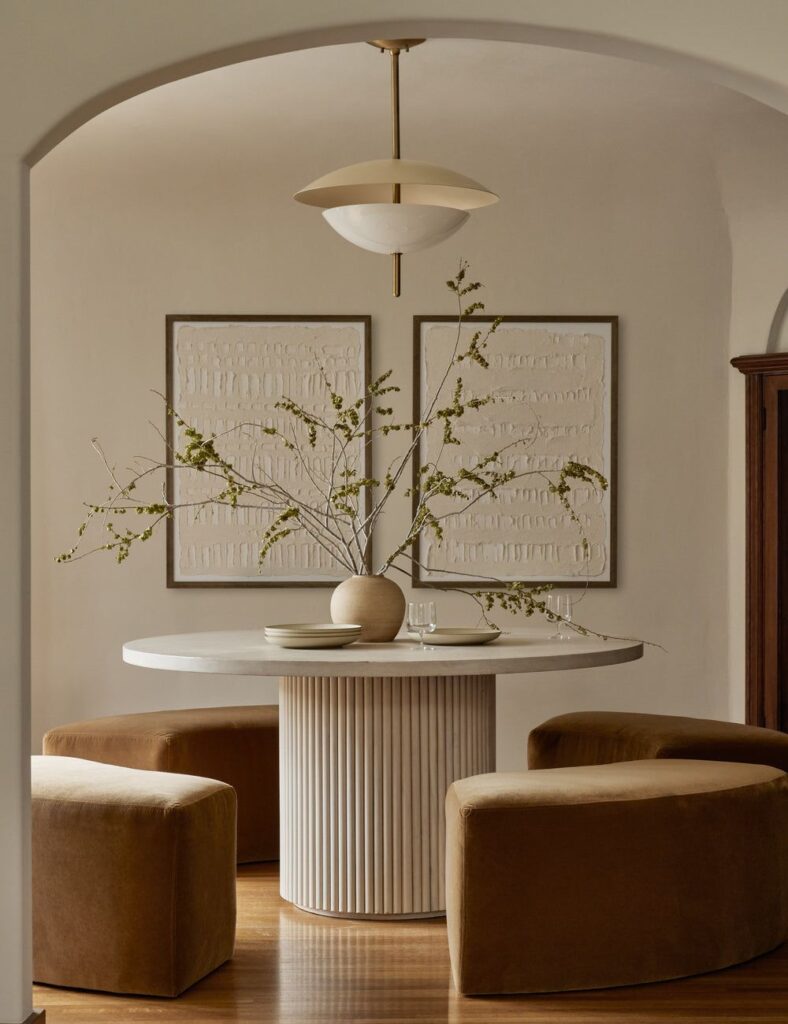
Daily life in a minimalist home feels effortless. Storage is hidden but accessible. Surfaces tolerate use. Spaces flex to accommodate changing routines. Minimalism no longer demands restraint; it supports freedom.
Design for real routines, rather than static images, becomes the baseline. Interiors are calm, coherent, adaptable, and above all, livable. Minimalism, in 2027, has learned to be human.