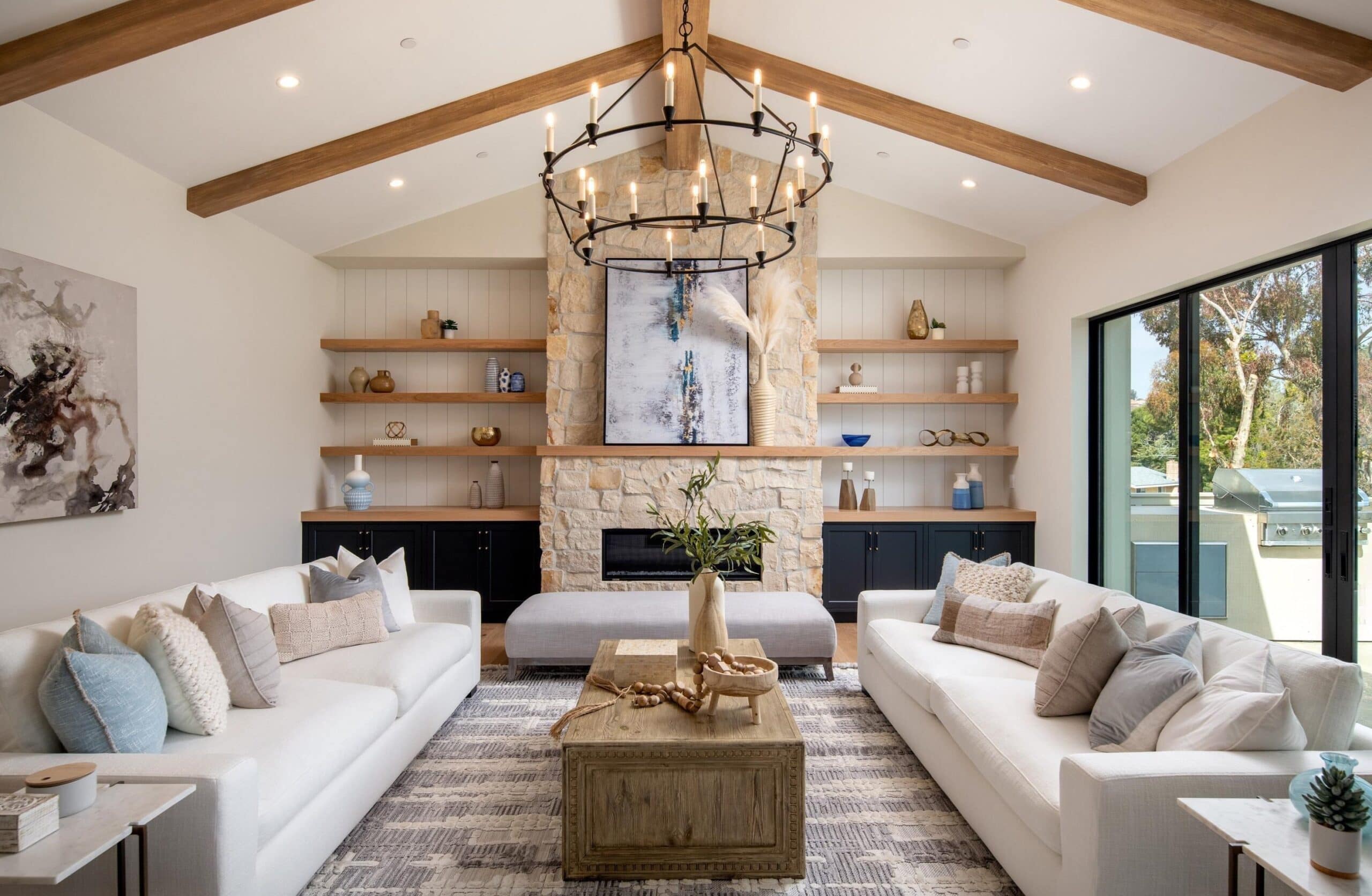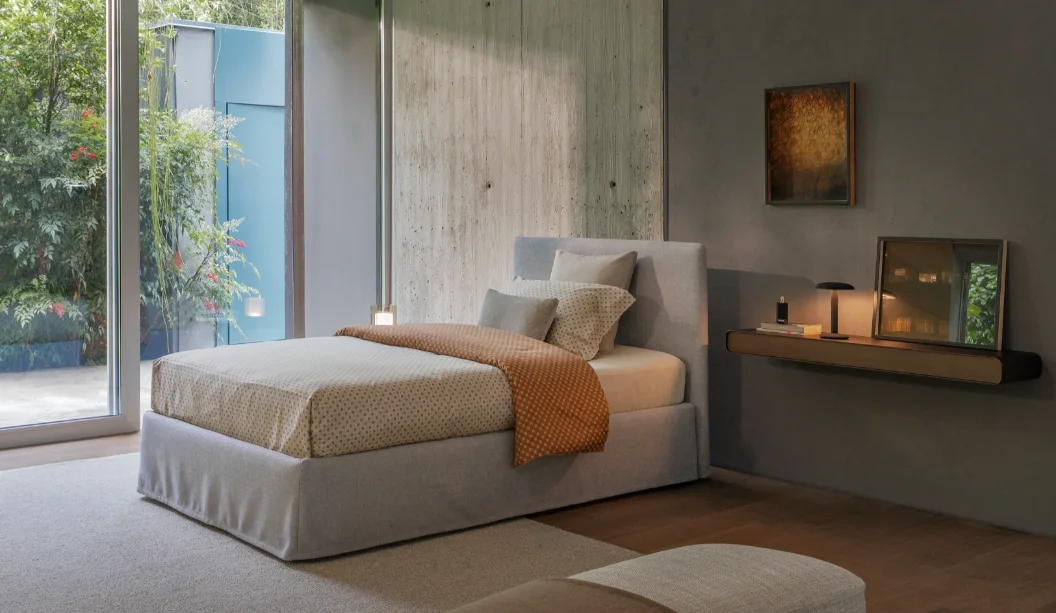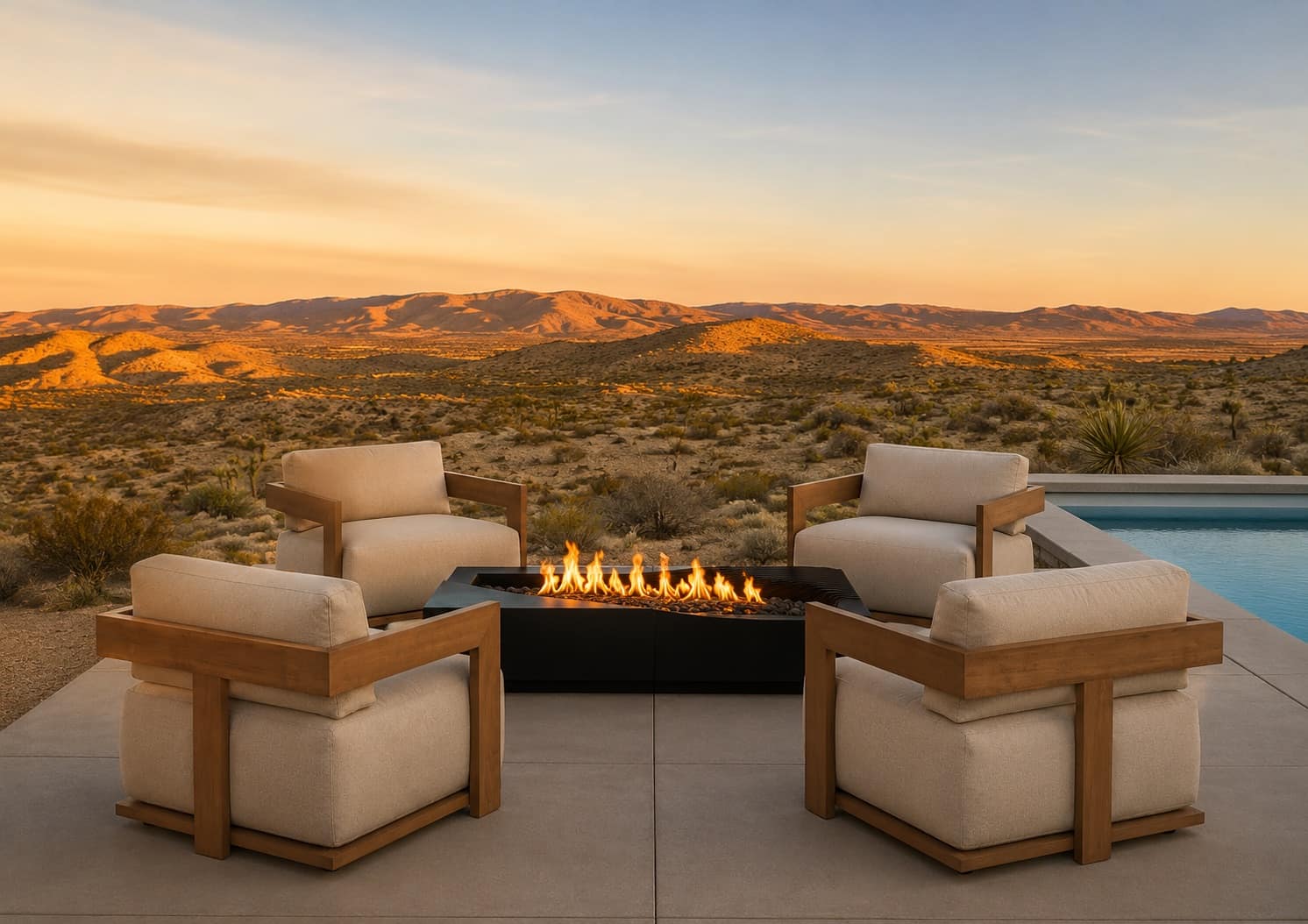



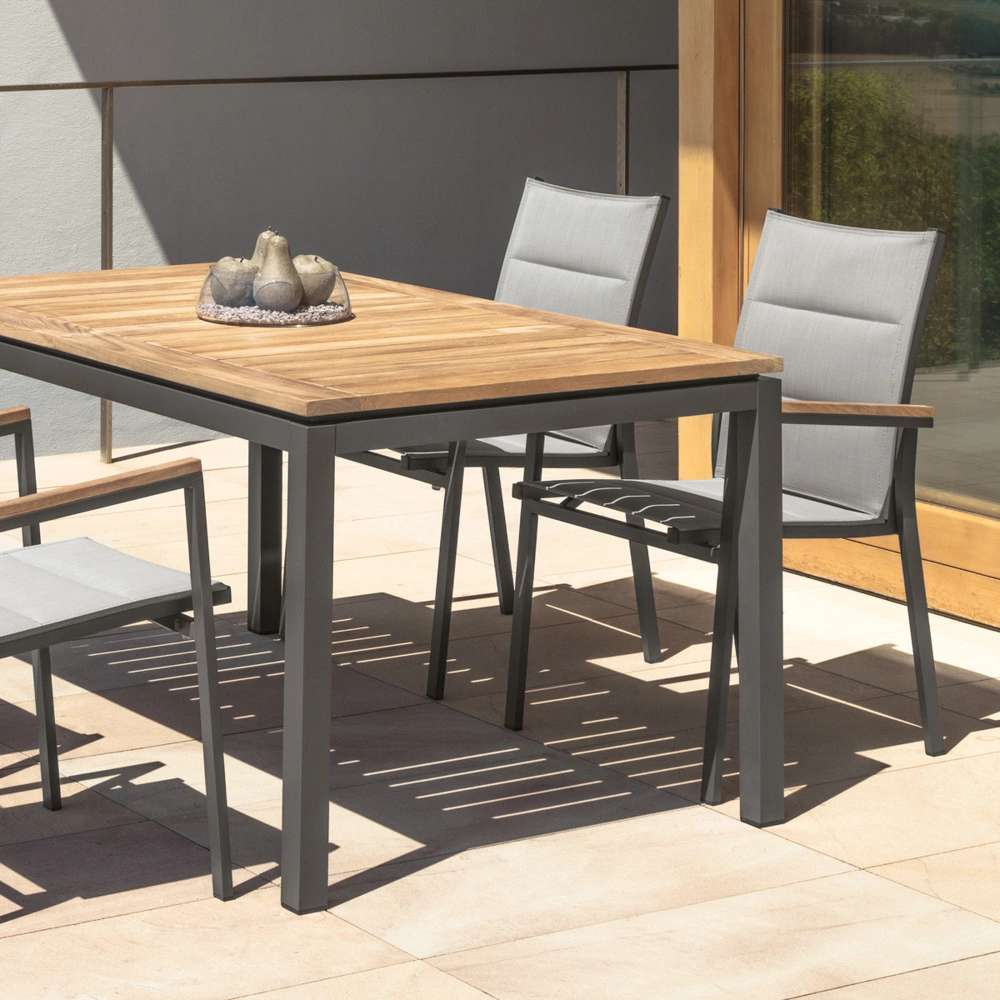


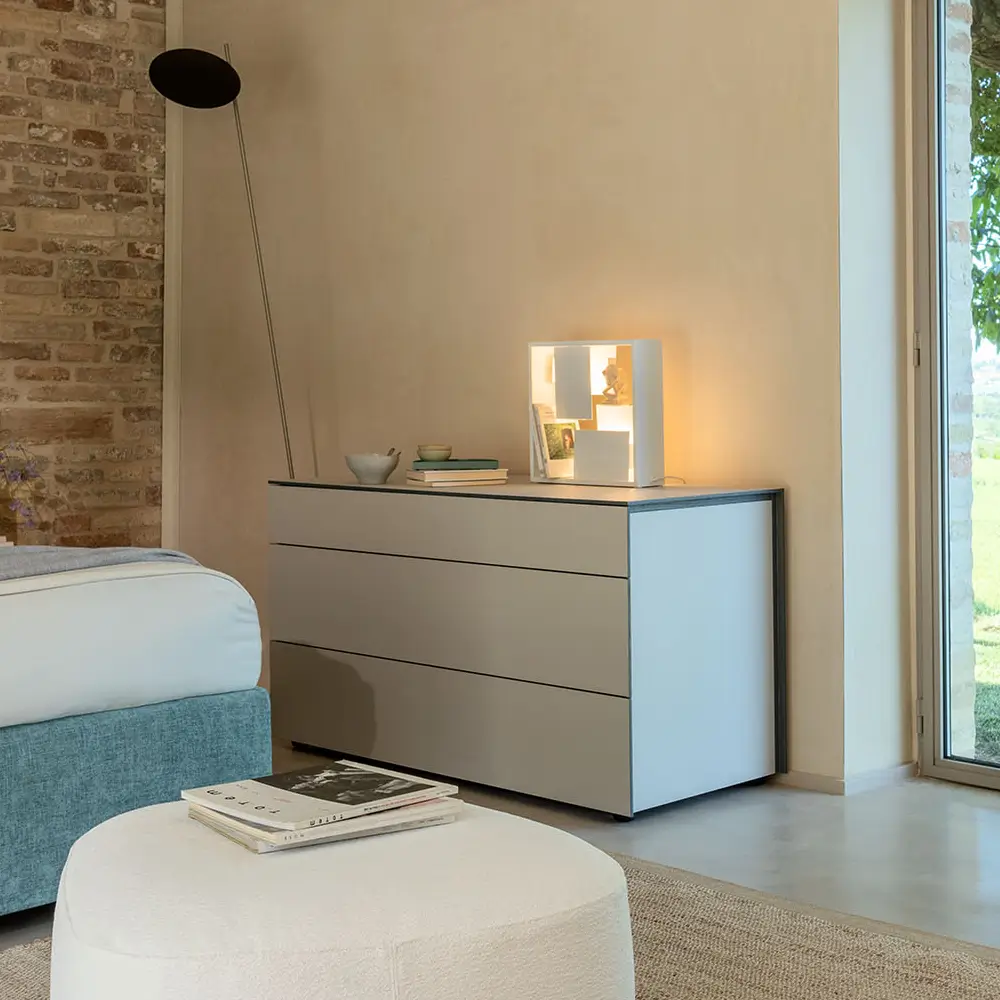
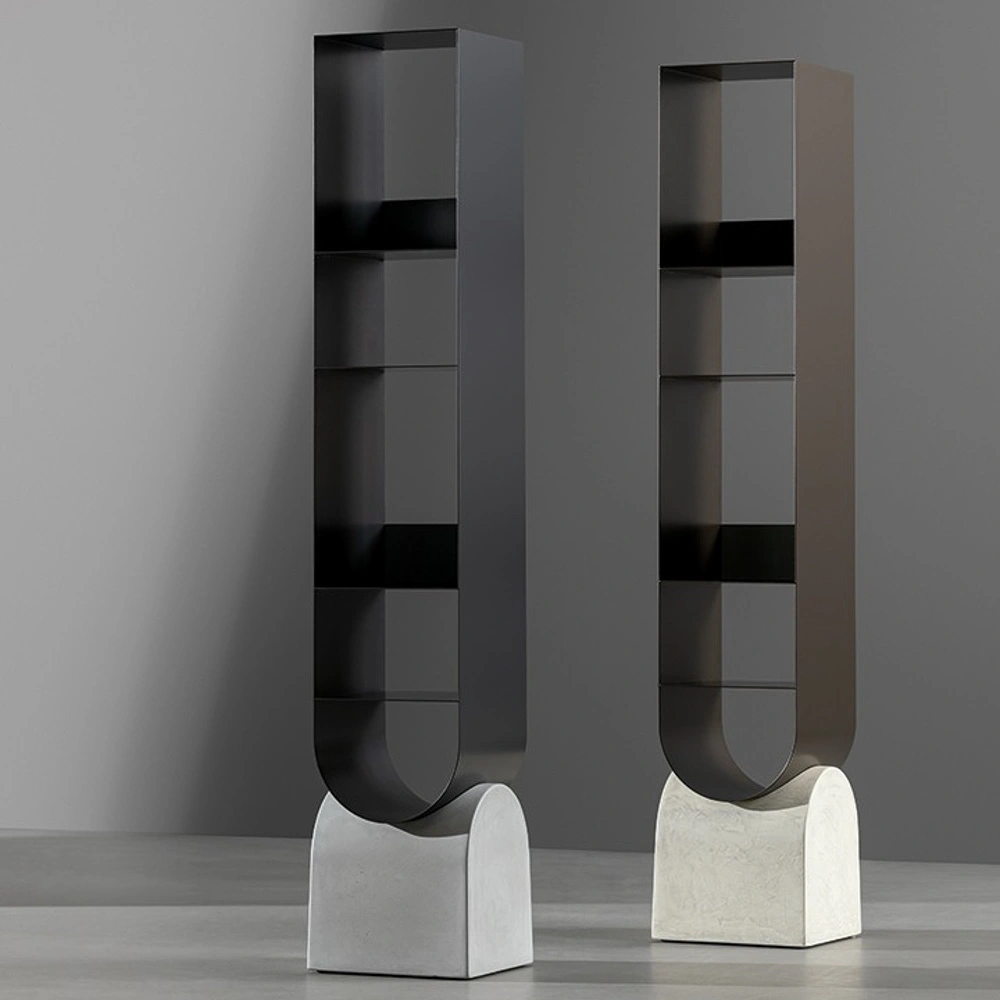
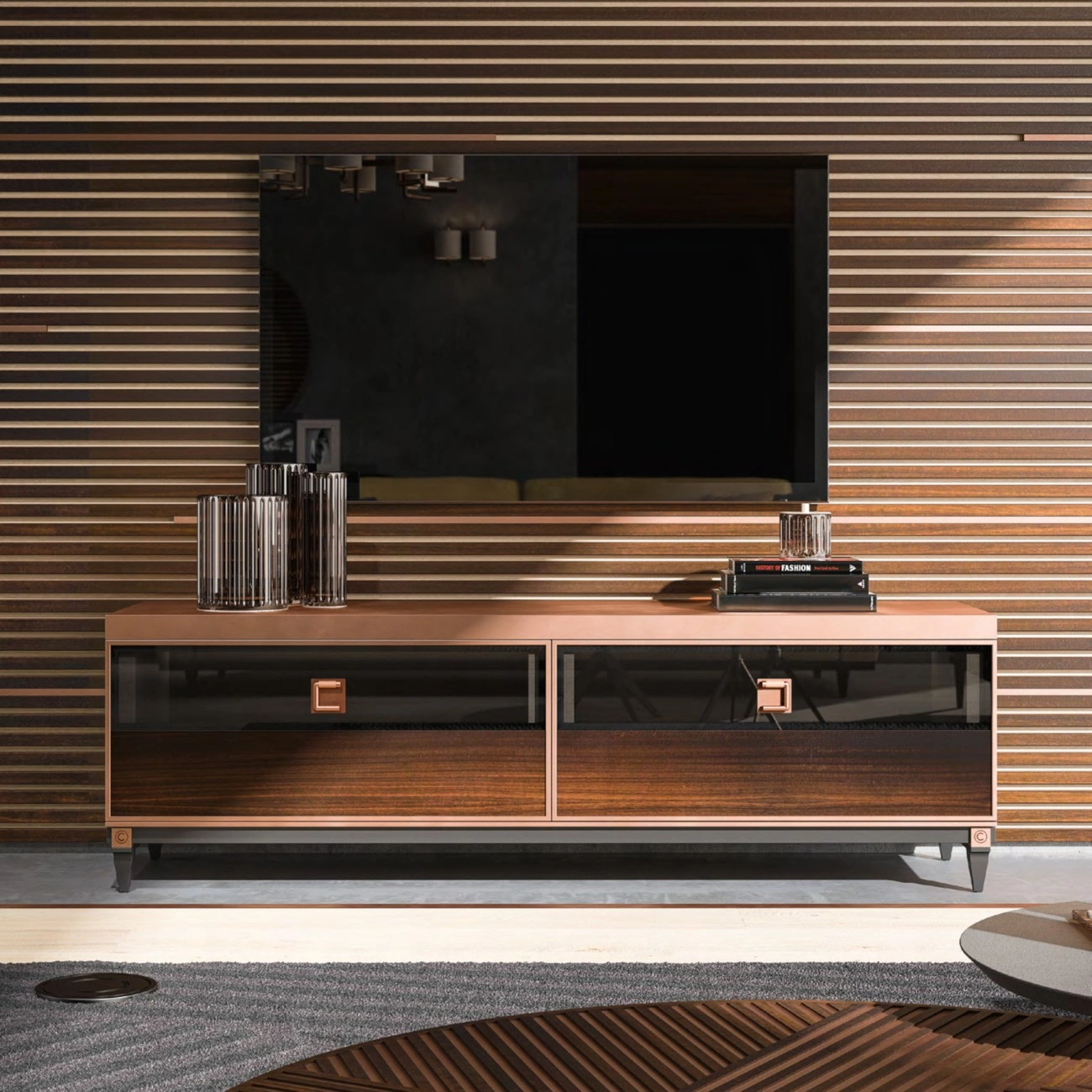
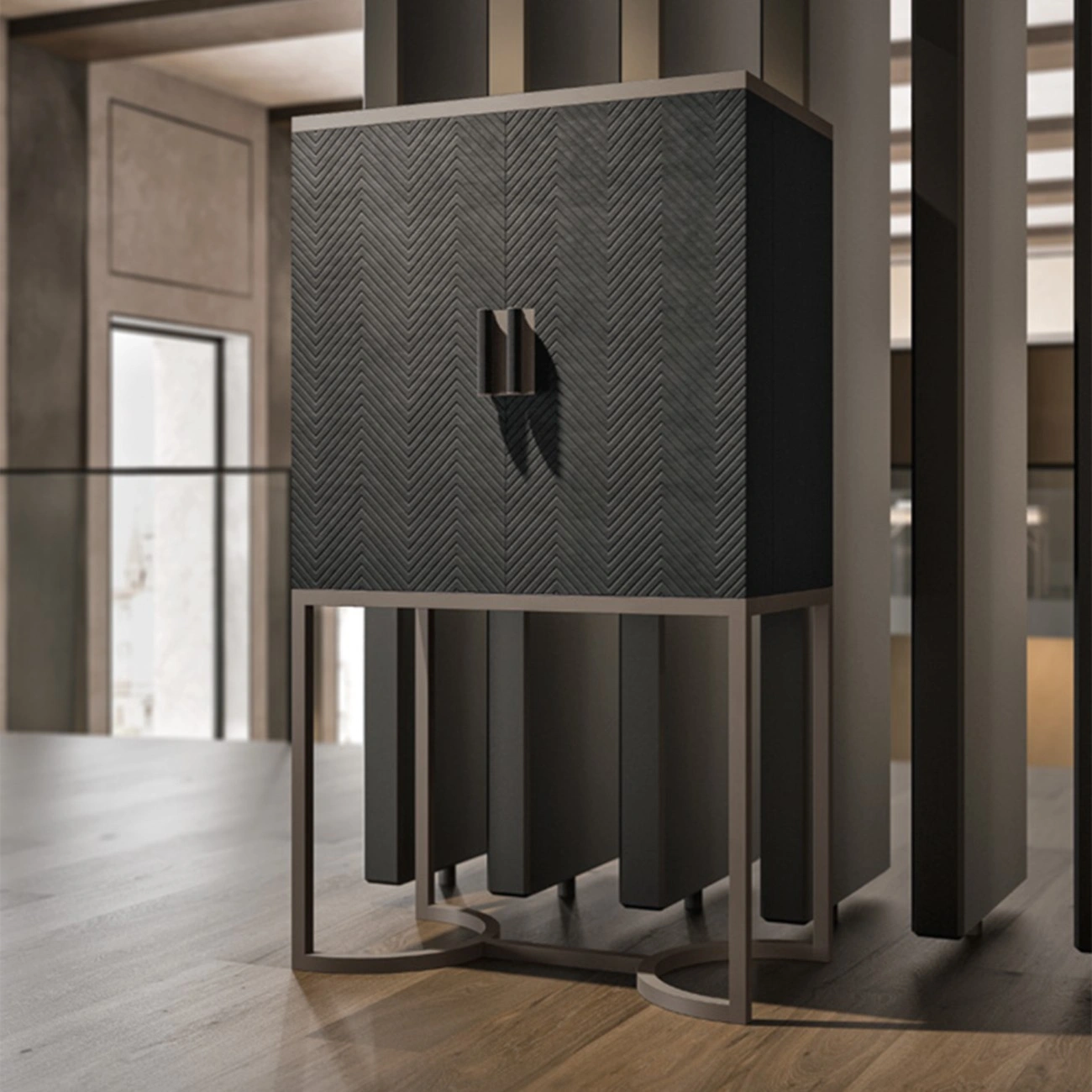

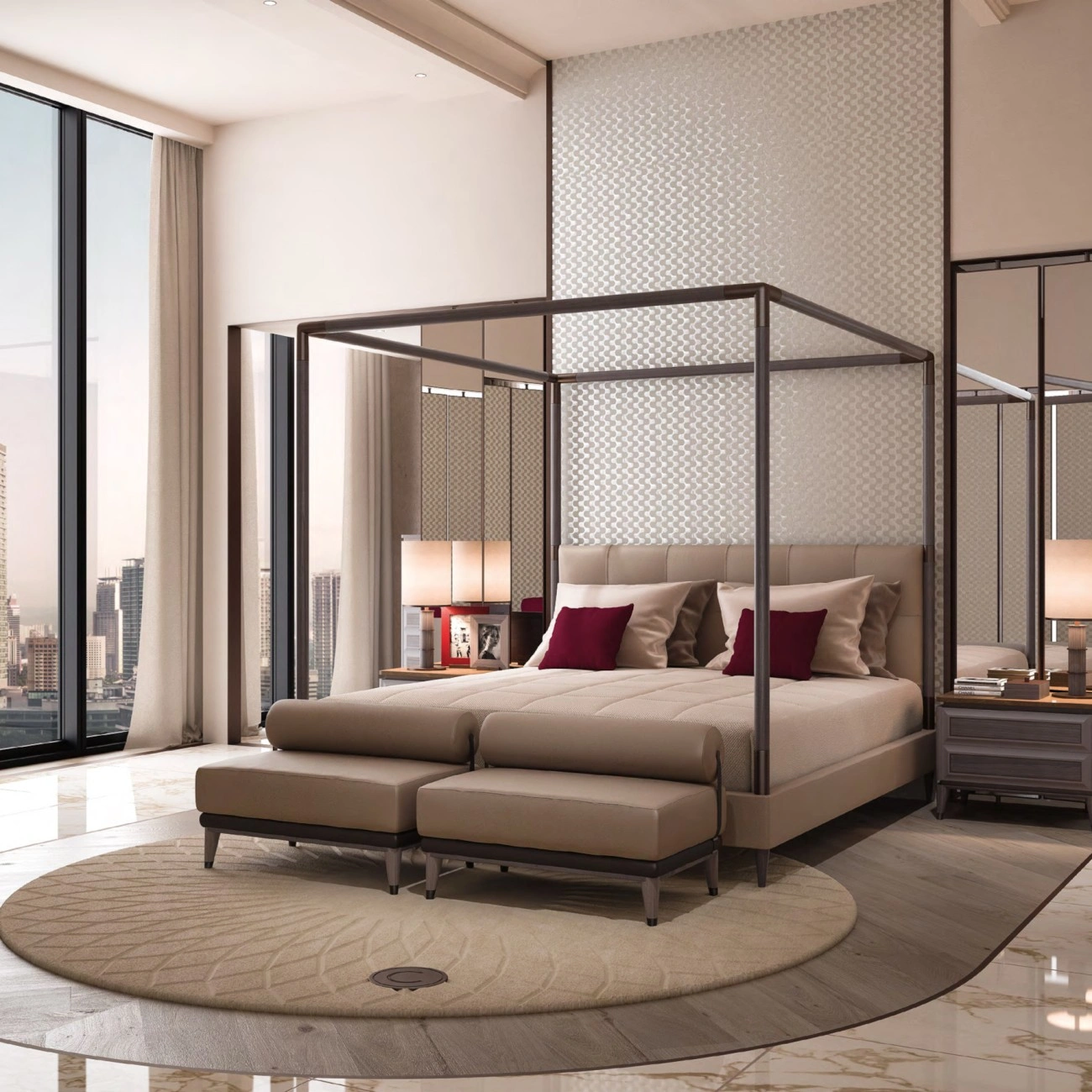
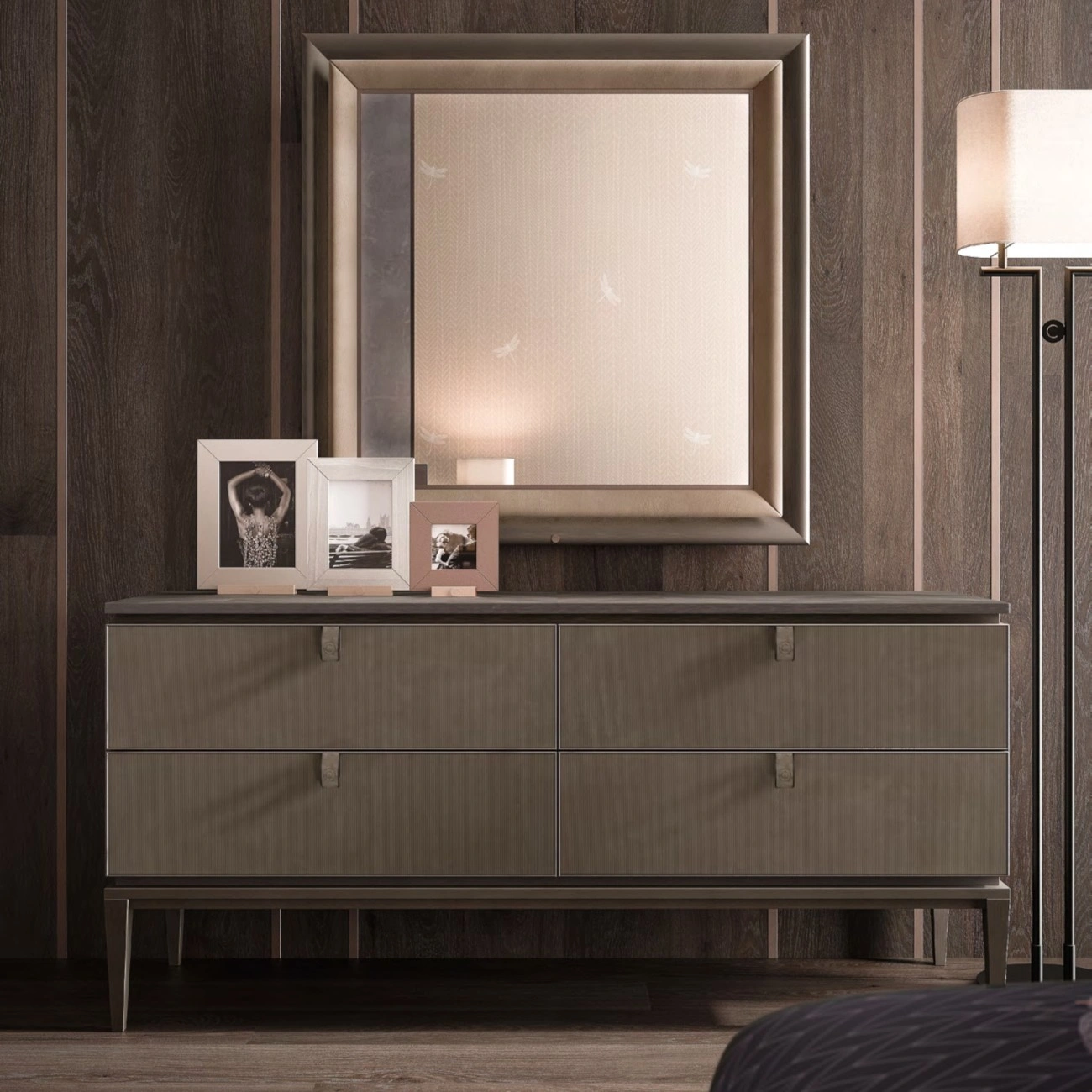







For a long while, interiors chased light. Whites, creams, soft greys, washed-out neutrals everywhere. Floors, walls, furniture—everything pale, airy, floating. Brown existed, sure, but quietly. A leather chair in the corner. A walnut table somewhere. Background tones, never the star.
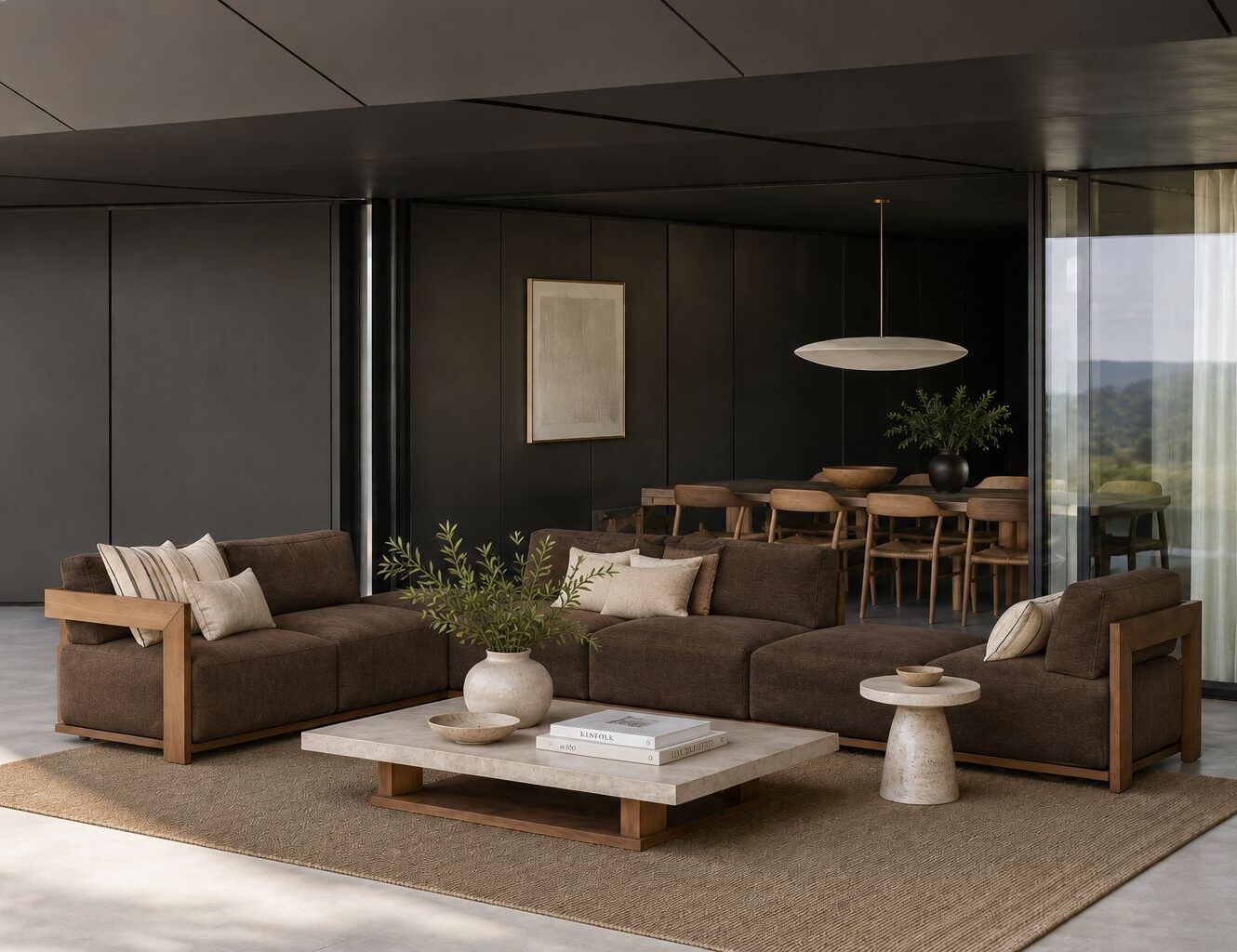
Now brown tones are back. Deep, rich, unapologetic. Chocolate, caramel, clay, warm wood, sometimes burnt sienna, sometimes nearly black. Everywhere. Walls, sofas, floors, textiles. Not timid. Not safe. And it changes a room immediately. Everything feels grounded. Rooms stop floating in a haze of pale neutrals. The eye finds somewhere to rest, finally.

Weight Without Being Heavy
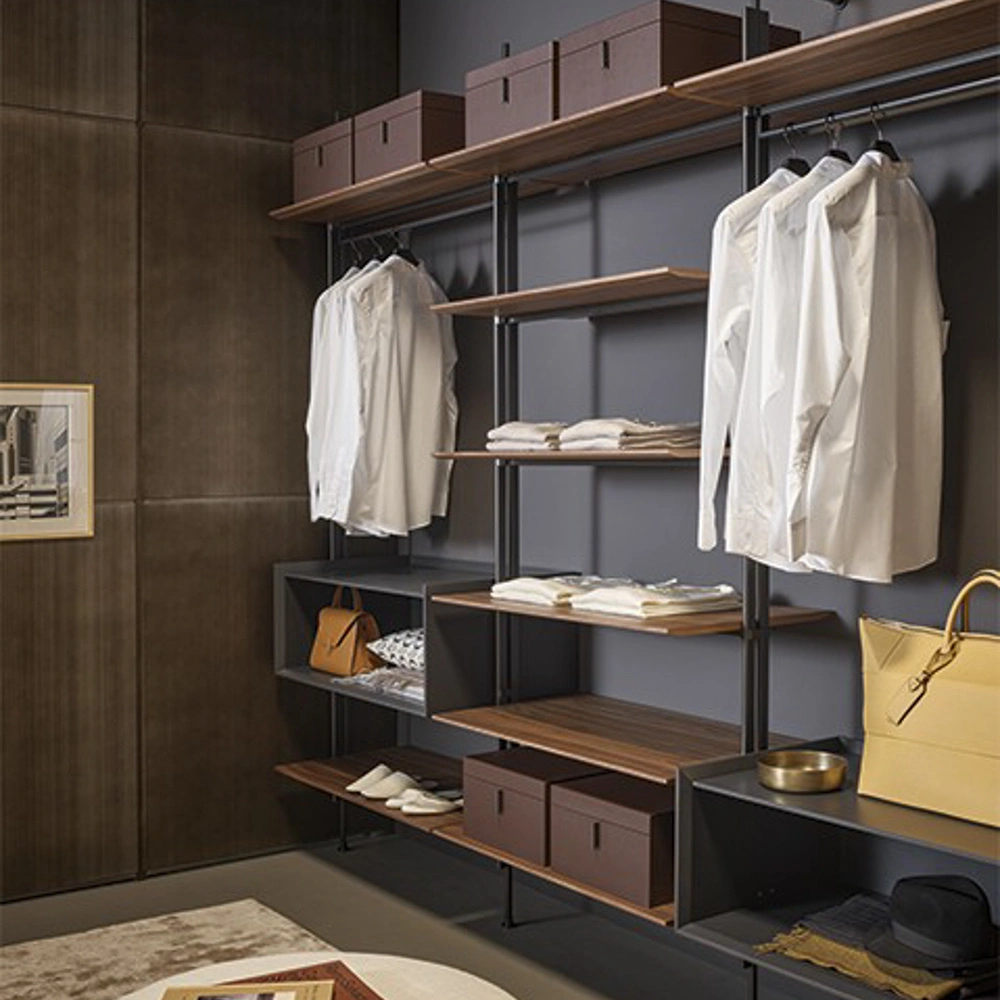
Brown carries weight without feeling oppressive. A deep brown sofa in the center of a living room doesn’t just provide seating; it sets tone. It anchors. Gives presence. Light walls still exist, but they’re framed now, contained. A clay-toned wall with a walnut sideboard suddenly reads like intention, not coincidence.
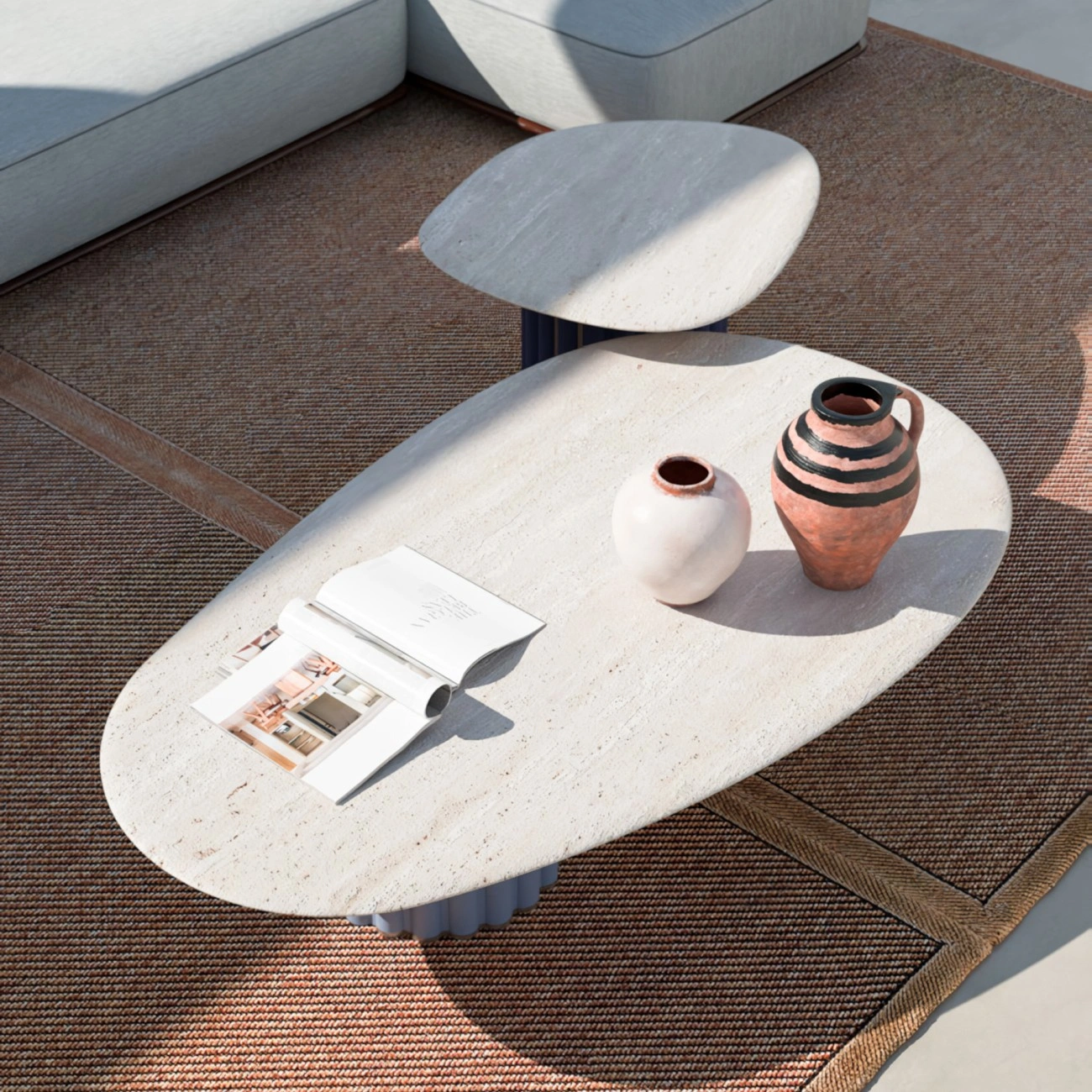
The trick isn’t about matching everything. Brown tones thrive on layering. Wood, leather, textiles, ceramics, even stone. Each layer adds warmth, depth, texture. A caramel bouclé armchair, a dark bamboo furniture, terracotta pottery on the shelf. Nothing precise, nothing symmetrical, just visual conversation.
Texture First
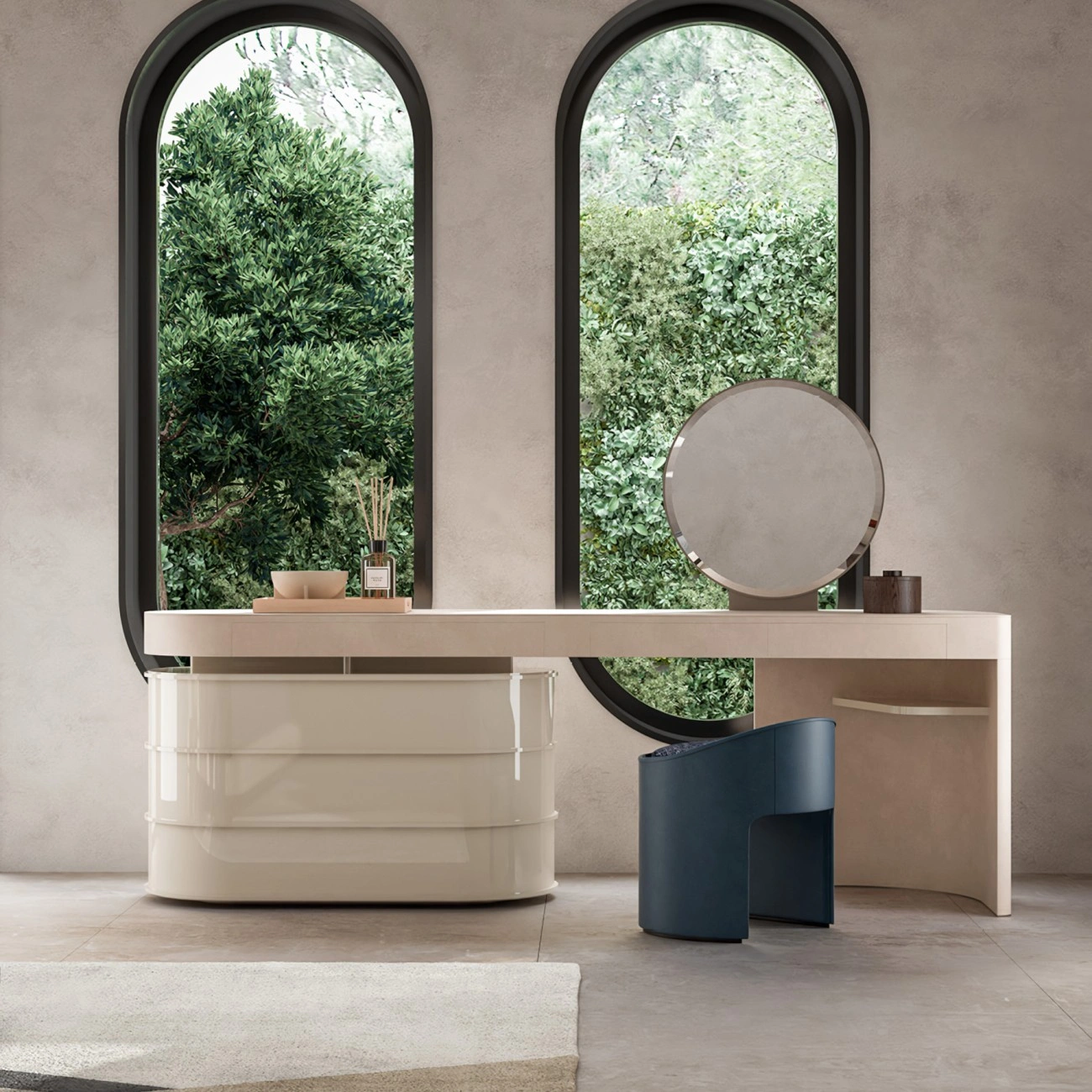
What makes brown compelling now isn’t just the hue. It’s the way it works with material. Bouclé, velvet, leather, wood grain, rough ceramics—they all read differently. The eye moves across surfaces, noticing edges, creases, imperfections. A polished, high-lacquered chocolate console reflects light, a tactile rug absorbs it. Brown works with touch as much as sight.
This is where custom furniture matters. Proportions can be tweaked. Finishes chosen for patina over time. Surfaces that age with life. A sofa in caramel leather that softens naturally, a walnut table that darkens with years, a terracotta stool that absorbs shadows differently depending on light. The effect is casual, but it’s deliberate casual.
Contrasts That Work
Brown is surprisingly versatile. It pairs with almost everything. Brass accents pop against dark chocolate. Muted greys soften caramel tones. Deep greens feel natural next to walnut or leather. Even black hardware doesn’t feel harsh.
The key is restraint. Let brown dominate some areas and support in others. A single statement sofa, a rug in a warm tone, a couple of wooden furniture pieces. Enough to anchor, not enough to overwhelm. Graphic rugs, sculptural furniture, high-lacquered surfaces—they all feel richer when brown is involved.

History in Hue
Brown carries history. A walnut credenza evokes mid-century modern lines. Leather armchairs suggest libraries or studies. Terracotta pots hint at handcraft. Even when pieces are contemporary, brown adds context, grounding.
It’s not nostalgia for nostalgia’s sake. It’s about connecting space to human experience. A 1970s wood-panel wall might pair with a modern metal coffee table. Brown mediates. It lets eras converse rather than compete.
Warmth Without Cliché
The old clichés are avoided by layering, scale, and texture. No orange shag carpets, no monotone teak walls, no uniform brown everywhere. Instead, textured bouclé, soft leathers, warm wood grains. Each element counts. Oversaturation is avoided. Intentional layering keeps it modern, grounded, comfortable.
Custom furniture is ideal here. A chair, table, or sideboard scaled just right. Finishes that deepen over time. Materials that patinate gracefully. The room feels curated but still lived-in.

Open Spaces, Anchored
Brown works beautifully in open-plan interiors. A sofa or console defines a living area without screens. A rug in clay or chocolate suggests a reading corner. Walnut shelving organizes circulation.
Small apartments benefit too. One brown armchair, a console, or a coffee table is enough. Rooms gain weight without being cluttered. Brown becomes functional, not just decorative.
Light and Shadow
Brown responds to light differently than pale neutrals. Morning sunlight warms chocolate tones. Evening lamps soften caramel shades. Reflective surfaces like high-lacquered furniture amplify light, while matte textiles absorb it, adding depth. The result is dynamic, alive, changing subtly through the day.
A Palette for 2026
Browns in interiors today are confident. They work with sculptural furniture, tactile textiles, graphic rugs, and high-lacquered pieces. They bring grounding, warmth, and narrative without feeling heavy-handed. They let rooms feel human, lived-in, tactile, and intentional.
Browns aren’t timid anymore. They are central, expressive, versatile. They define zones, mediate between textures and eras, and introduce warmth without fuss. In a world of white walls and pale floors, brown reminds interiors that color, texture, and material truth matter.
The revival is quiet but powerful. Rooms feel anchored, thoughtful, and ready to age gracefully. Browns are back, not as background notes, but as leaders.