There’s a desert in the home now—but not the harsh, barren kind. Think sand-colored walls, sun-bleached textiles, warm wood tones, and a quiet kind of energy that feels both grounded and expressive. Desert Boho is emerging as one of the major interior trends for 2027, a response to the craving for connection—to nature, to craft, to slower, more tactile living. It doesn’t shout. It whispers. In layered textures, in soft earth tones, in light that changes across the day.
This isn’t the chaotic, maximalist boho of ten years ago. Gone are walls covered in macramé, piled rugs, and every surface cluttered with trinkets. Desert Boho is curated restraint. Earthy palettes, natural materials, handmade objects, and a sense of space that encourages breathing. It’s boho distilled. Grounded, deliberate, and calm.
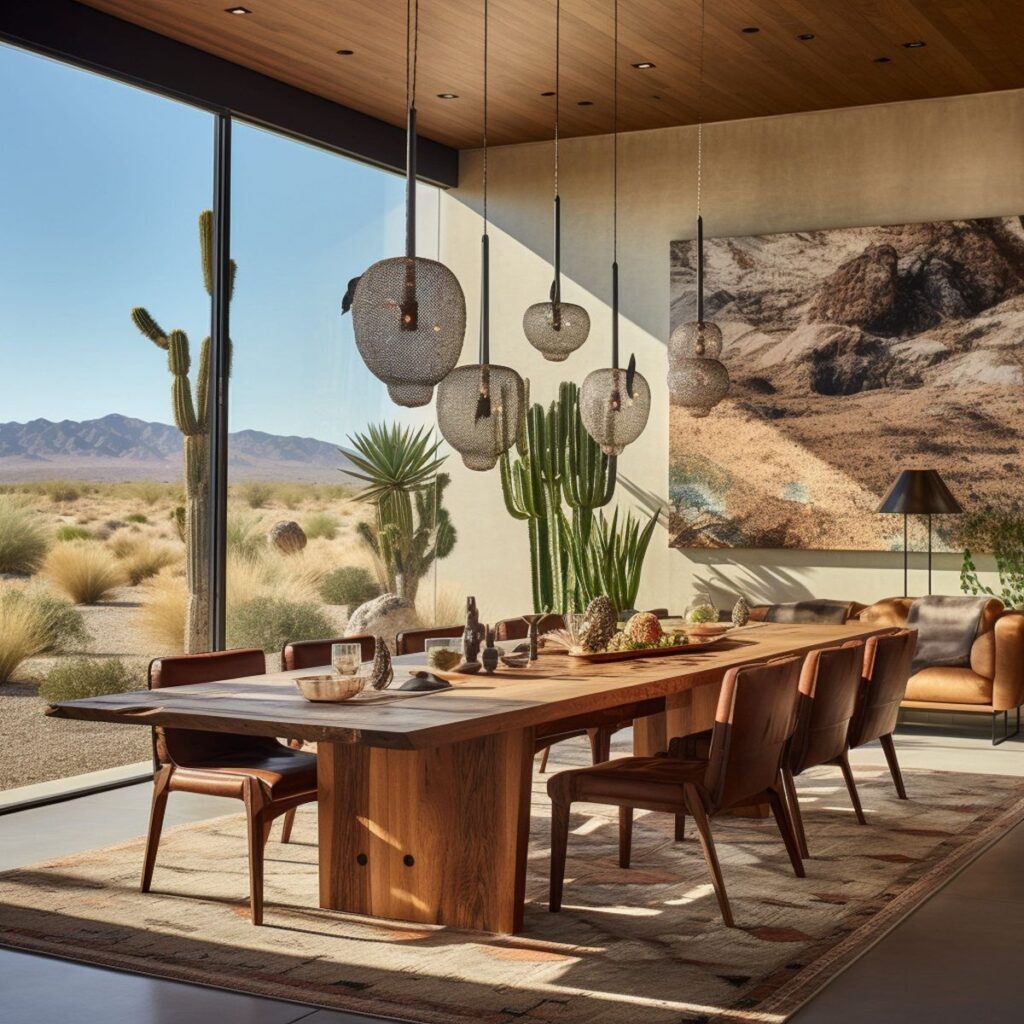
Sand, Sun, and Earth
The palette begins with color—or its absence. Warm sands, clay, taupe, soft beige dominate. Sun-faded terracotta, muted rust, and hints of desert green punctuate the space. Accents exist, but subtly: a cobalt vase, a faded indigo pillow, a clay-toned throw. Color whispers. It doesn’t shout. And that’s why spaces feel grounded, not chaotic.
The palette is calm, but not flat. There’s warmth. A room can feel both minimal and enveloping at the same time. That’s the trick.
Texture Everywhere
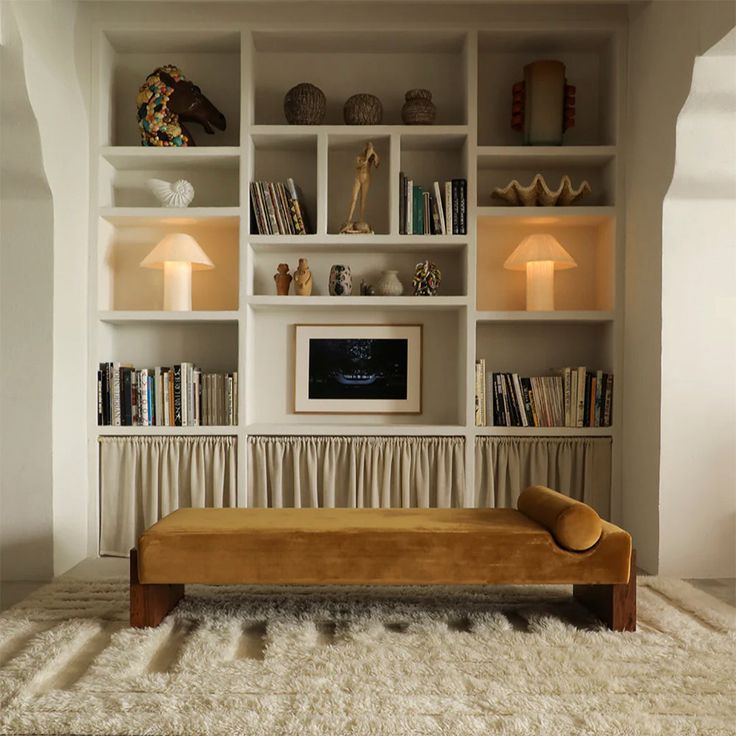
Texture defines Desert Boho. Linen drapes that ripple when a door opens. Woven rugs with frayed edges. Clay pots, carved stools, leather-bound books. Surfaces aren’t perfect, and they don’t need to be.
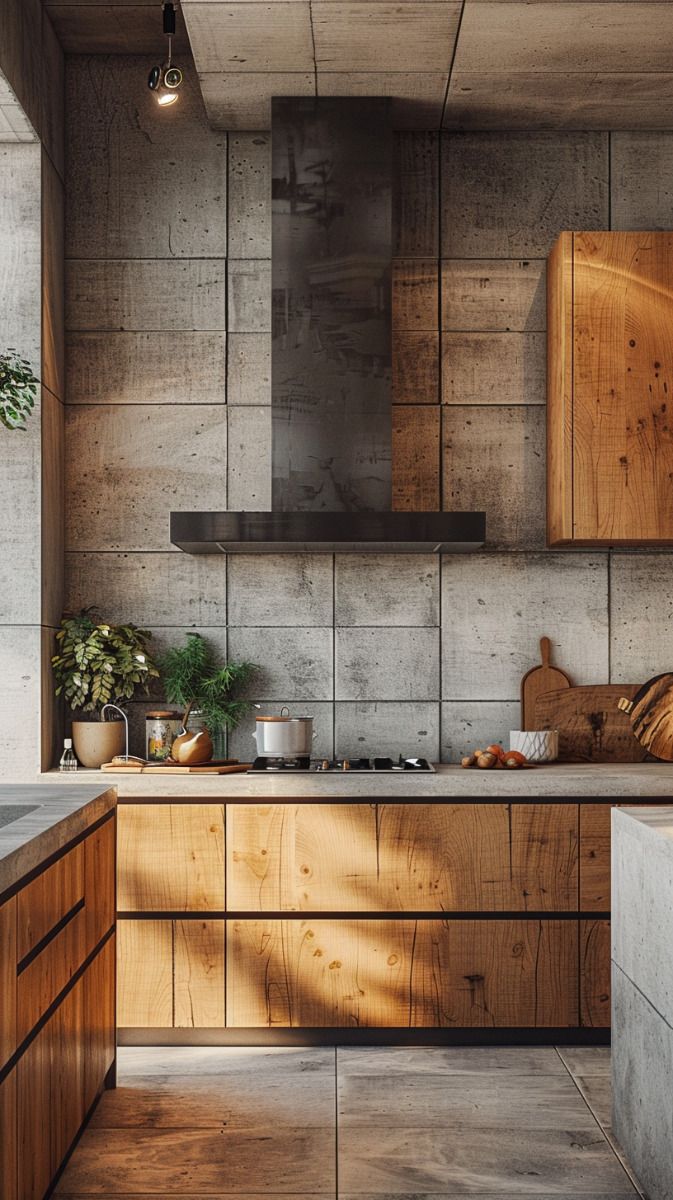
Plaster walls ripple slightly. Stone or timber floors have variation. Wood, rattan, clay, leather—every material has a story. You notice it when you touch it. That’s part of the appeal. Texture becomes decoration. Minimal items, maximal experience.
Furniture That Feels Human
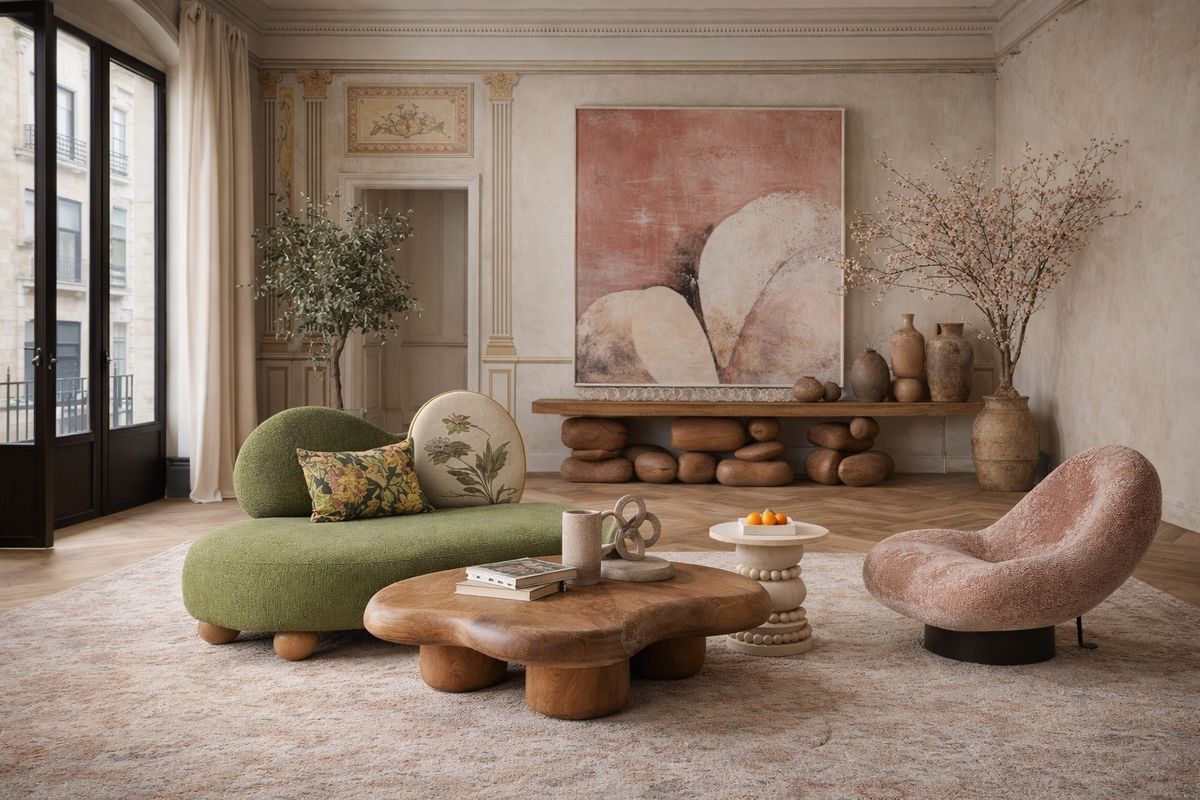
Furniture sits low, wide, inviting. Sofas are enveloping, linen or soft leather. Coffee tables solid, sometimes with live edges that echo desert landscapes.
Objects often double up: a carved stool becomes a side table, a woven ottoman serves as seating or footrest. Comfort isn’t sacrificed for style, but the room still reads as intentional. Informal, yes, but purposeful.
Light As Part of Design
Lighting is layered. Daylight first, filtered through sheer curtains. Night brings soft pendants or woven shades casting gentle shadows. No glare, nothing harsh.
Light becomes part of the composition. Shadows highlight textures, edges, imperfections in plaster and textiles. It’s subtle. Not dramatic. The space feels alive. Changes throughout the day, the way the desert itself shifts under the sun.
Handmade and Human
Craft is present but not excessive. Macramé, pottery, woven baskets, carved wood appear sparingly. Functional and aesthetic.
There’s an ethic here. Artisanship valued. Pieces imperfect. Patinated. Human-made. A simple clay vase on a shelf isn’t filler—it’s a story, a memory, a presence. Not everything needs to scream for attention.
Patterns, But Lightly
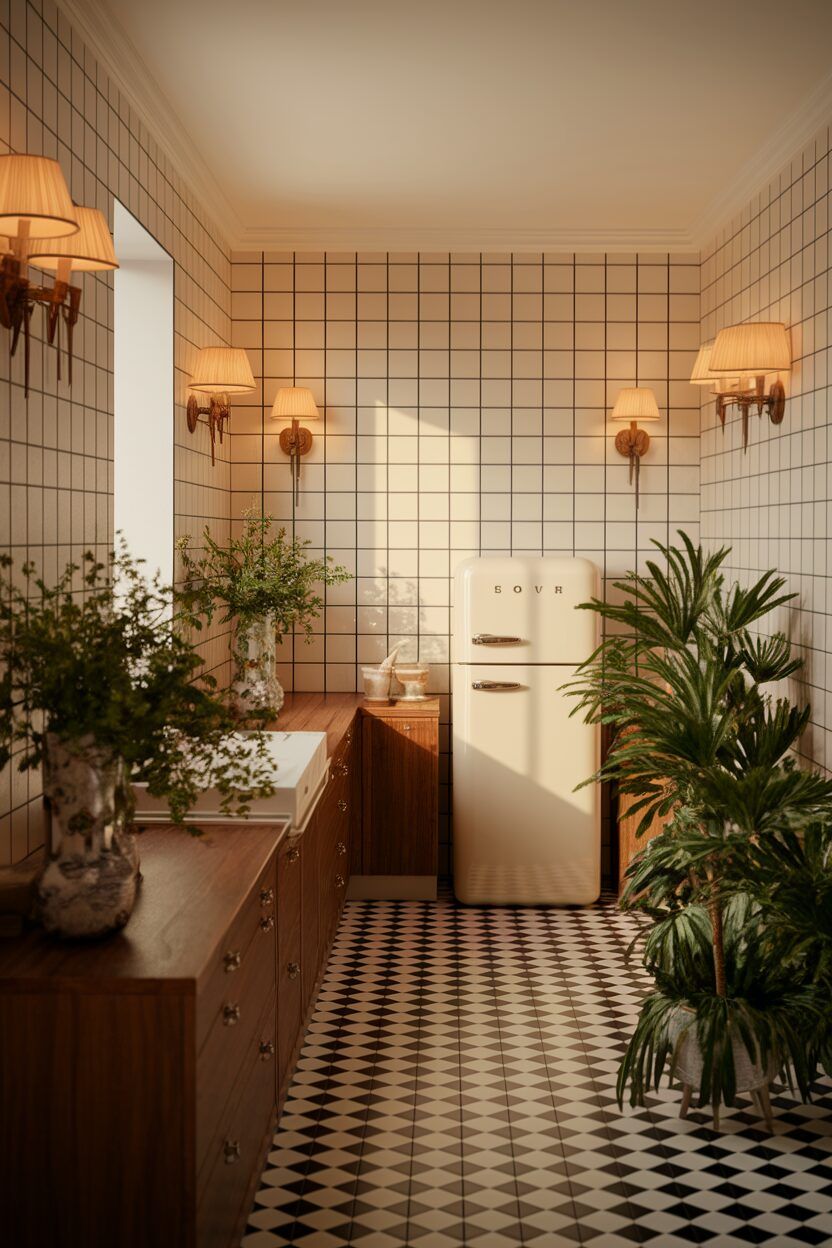
Patterns exist—but restrained. A geometric rug, a tile backsplash, a textured pillow. Muted, earthy, desert-inspired: ochres, rust, soft browns. They punctuate space, give the eye something to wander, but they never overwhelm.
This is what keeps Desert Boho from feeling like costume. It breathes. Layers, not clutter.
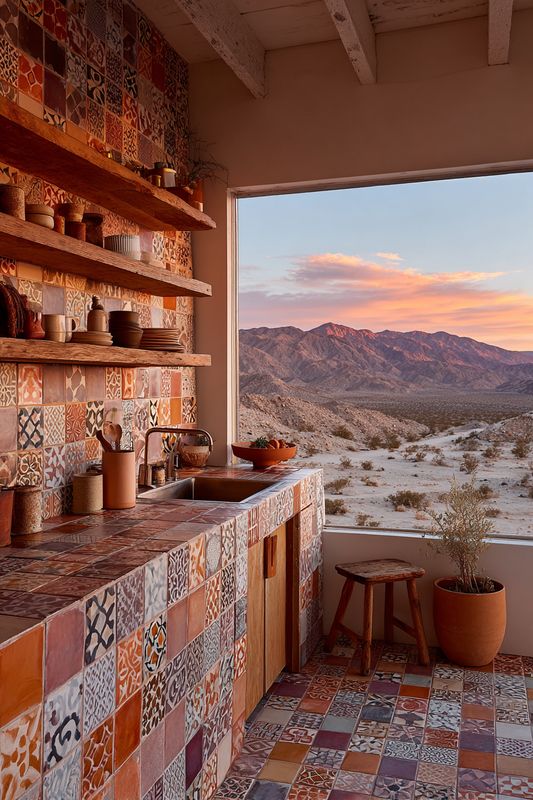
Blurring Indoors and Out
The desert isn’t confined to four walls. Sliding doors, terraces, balconies extend living space. Stone and timber floors continue outdoors when possible. Olive trees, succulents, dried grasses bring nature in.
The connection grounds the interior. Light, air, texture reduce stress. Spaces feel expansive but intimate, curated but alive.
Global References
Desert Boho is inherently global. North Africa, Southwest US, Morocco, Mediterranean coasts—all influence it. But always filtered. A Moroccan lantern, Navajo-inspired rug, clay vase reminiscent of Andalusian patios—nothing literal, nothing overdone.
It’s layered, curated, harmonious. Craft, geography, heritage respected without appropriation.
Why It Works
Desert Boho offers refuge. After years of overstimulation—screens, feeds, noise—these interiors slow the body, calm the mind. They prioritize experience over display.
Light, tactile surfaces, grounded furniture, plants—they support wellness. A room that feels alive without demanding attention reduces cognitive load. Quiet luxury. Unspoken.
Watch the Pitfalls
Of course, it can go wrong. Too many macramé walls, piles of rugs, “desert-inspired” knickknacks—suddenly it’s costume.
Desert Boho works through proportion, restraint, material quality. Small, deliberate choices beat flashy statements. Oversaturation kills calm. The room stops being a refuge, becomes just a theme.
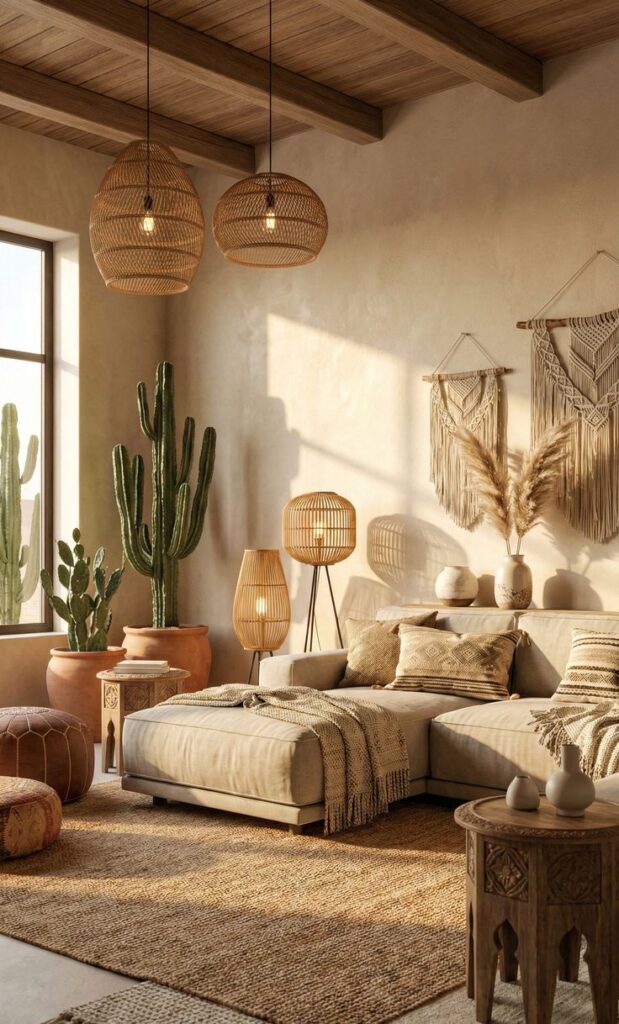
Timelessness
It works because it’s adaptable. Neutral, tactile materials age well. Furniture is flexible. Objects can rotate, swap, or layer in without derailing cohesion.
Curved plaster walls, sand-colored linens, textured rugs, layered light—they form a quiet skeleton. Handcrafted objects, plants, subtle patterns—bring life. The desert lives in the room, quietly. Grounded. Intentional. Attuned to mood, light, rhythm.
Luxury here isn’t loud. It’s alignment. Everything feels right. Subtlety becomes enduring influence.