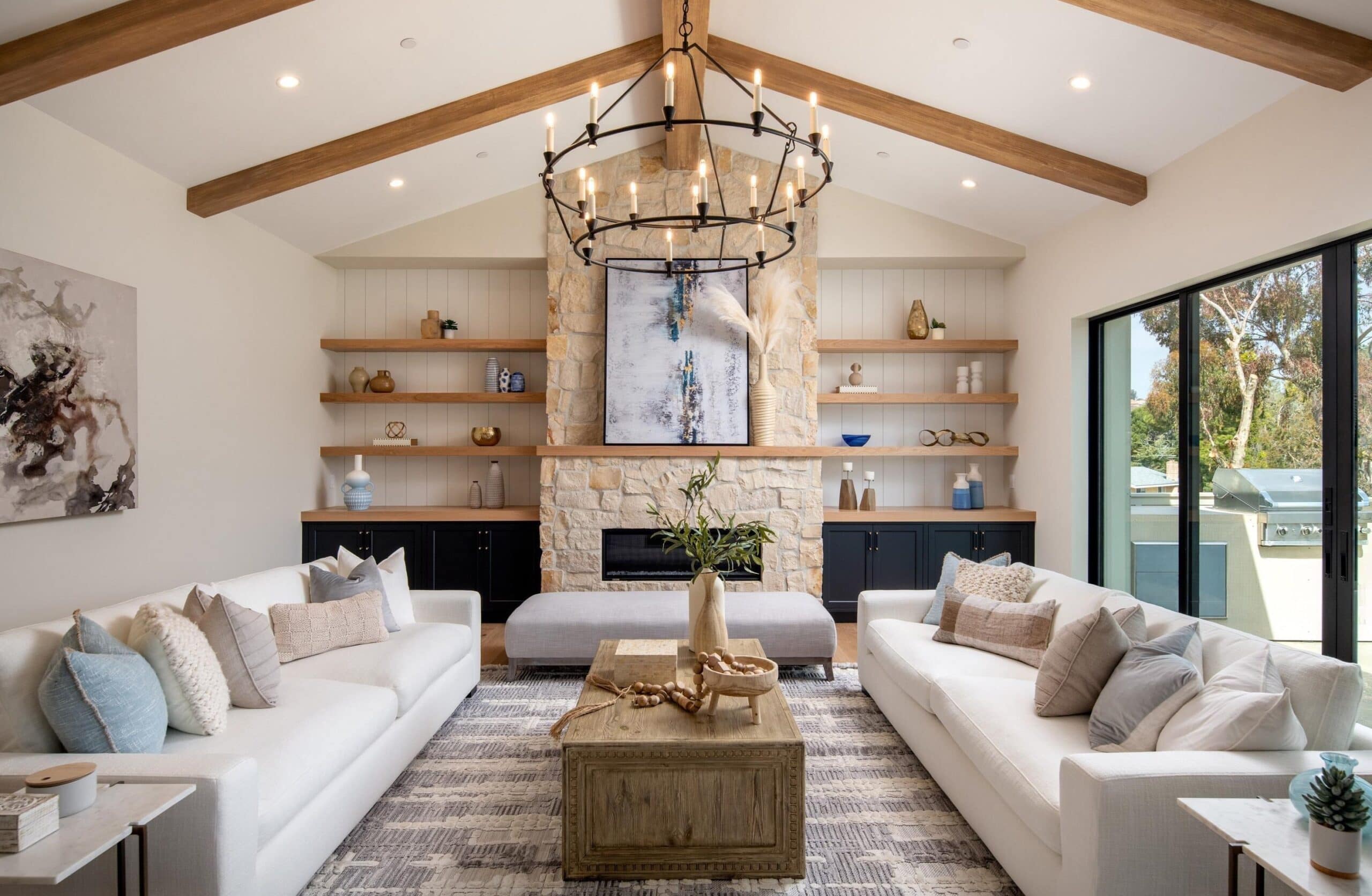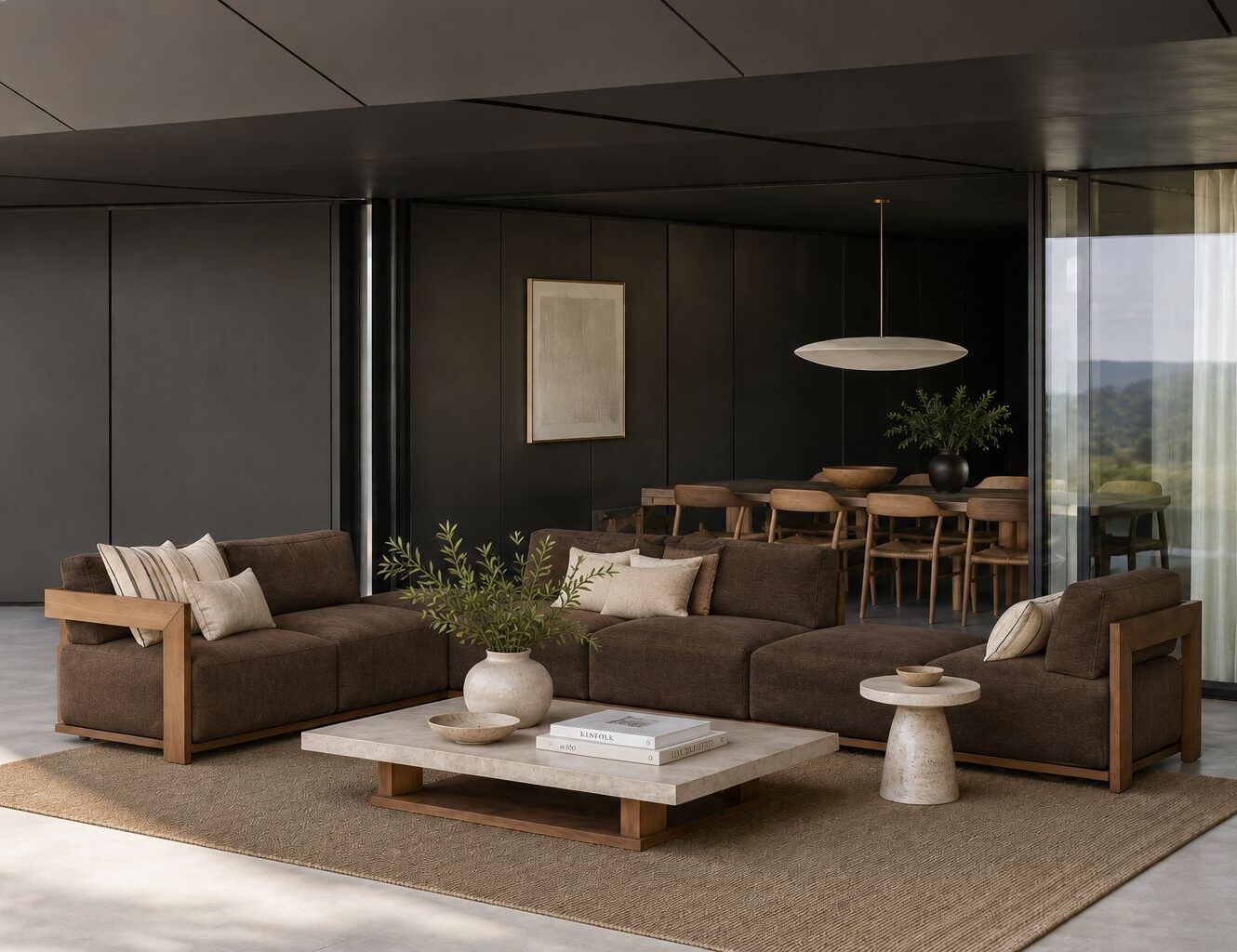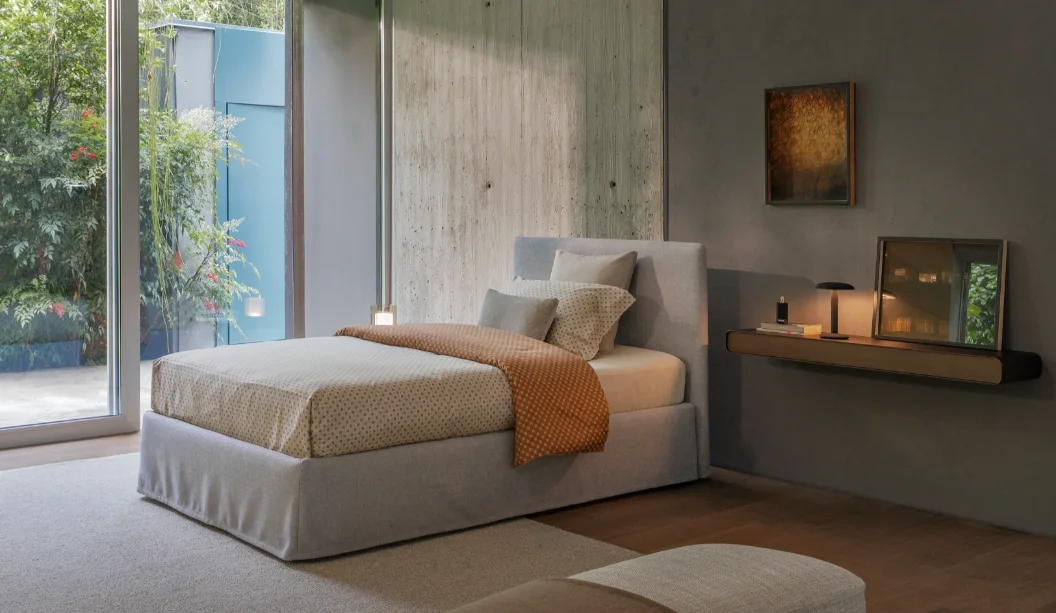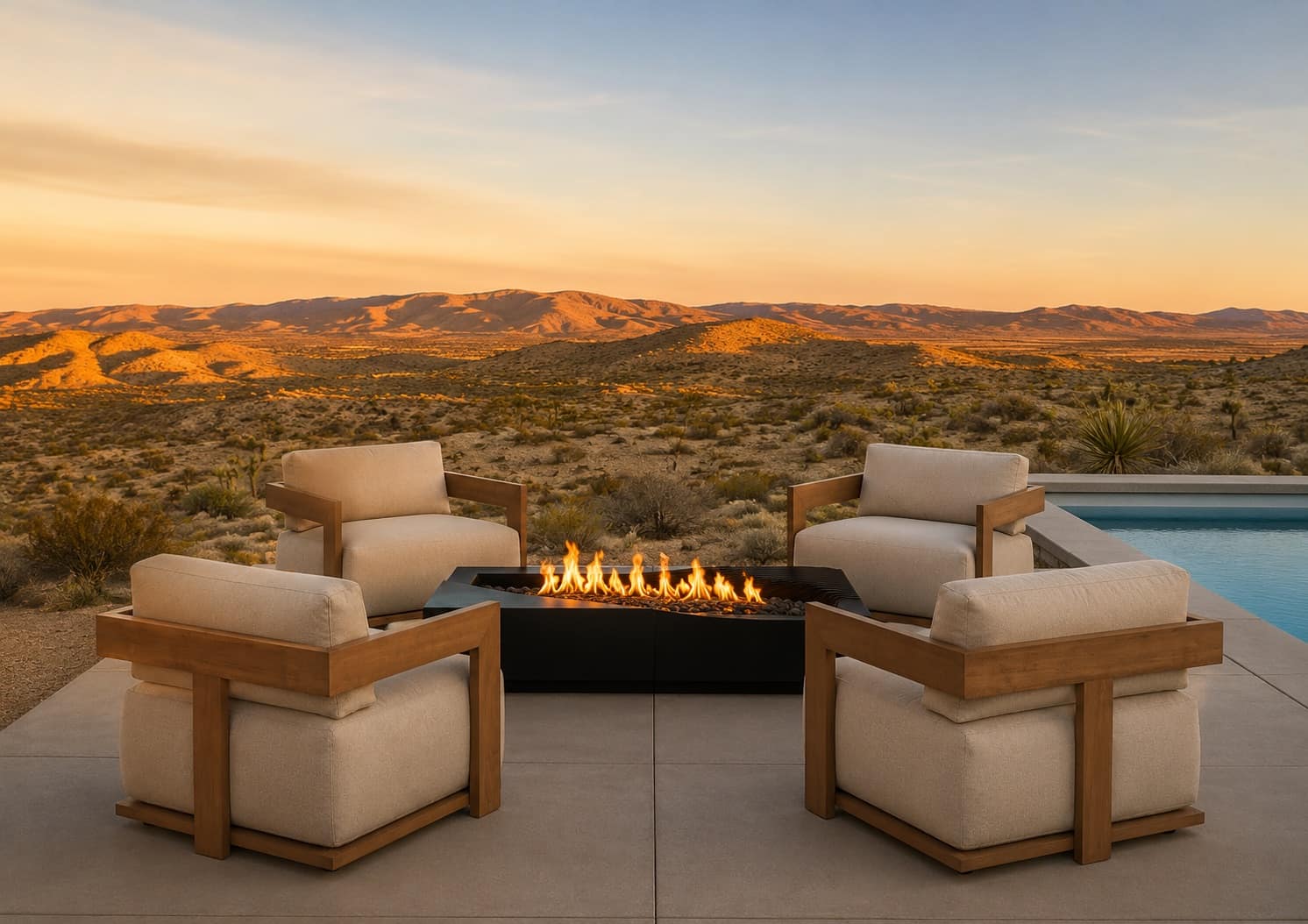





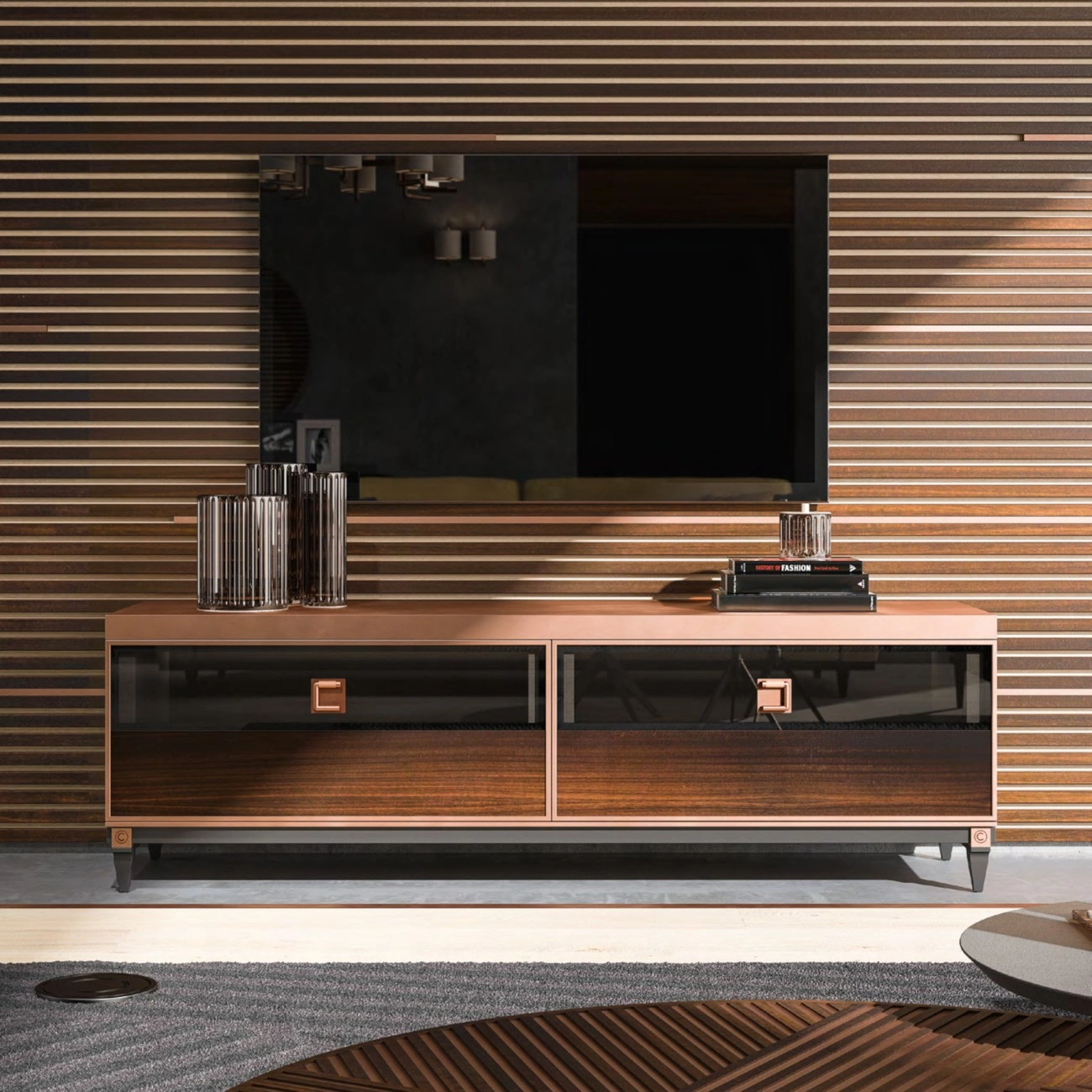
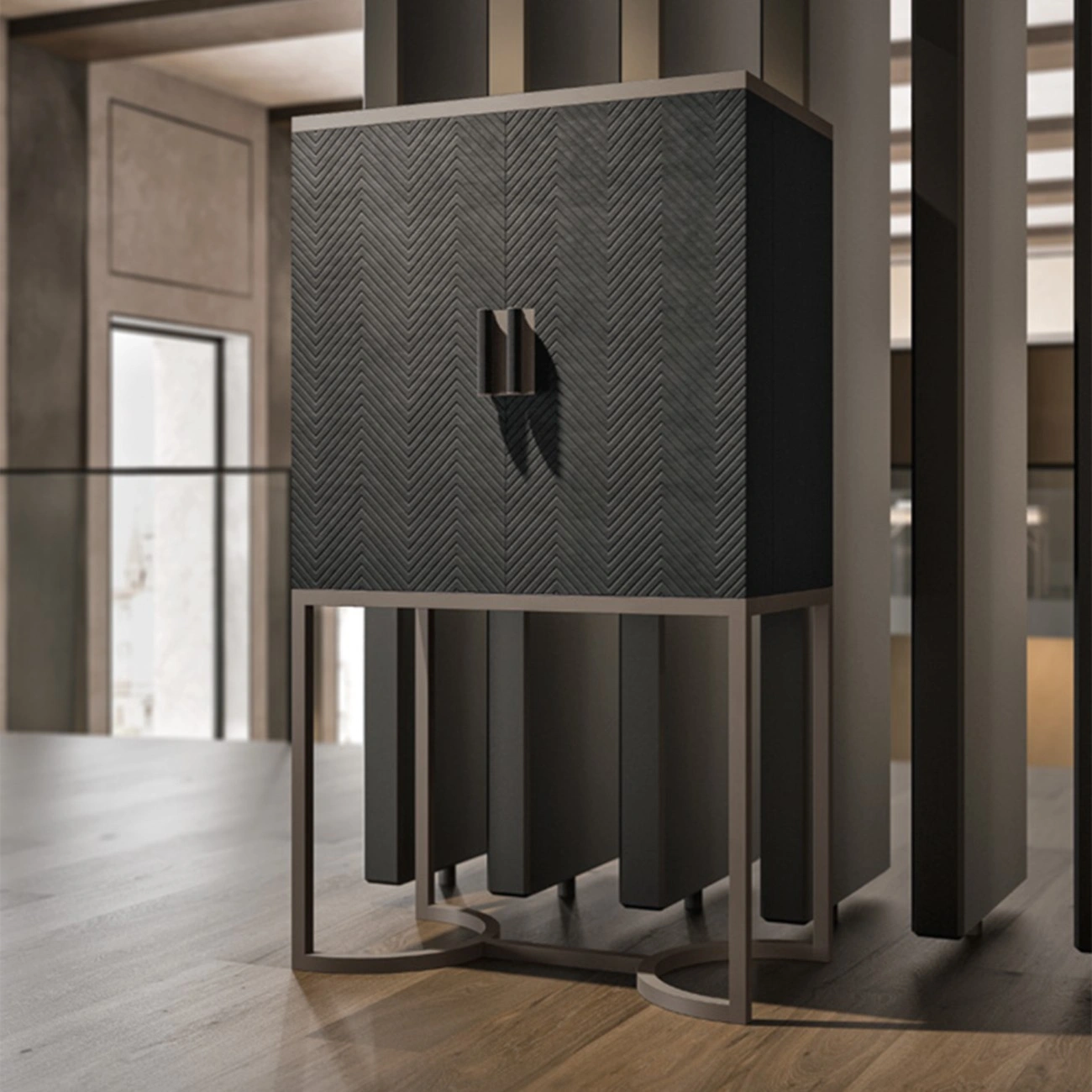

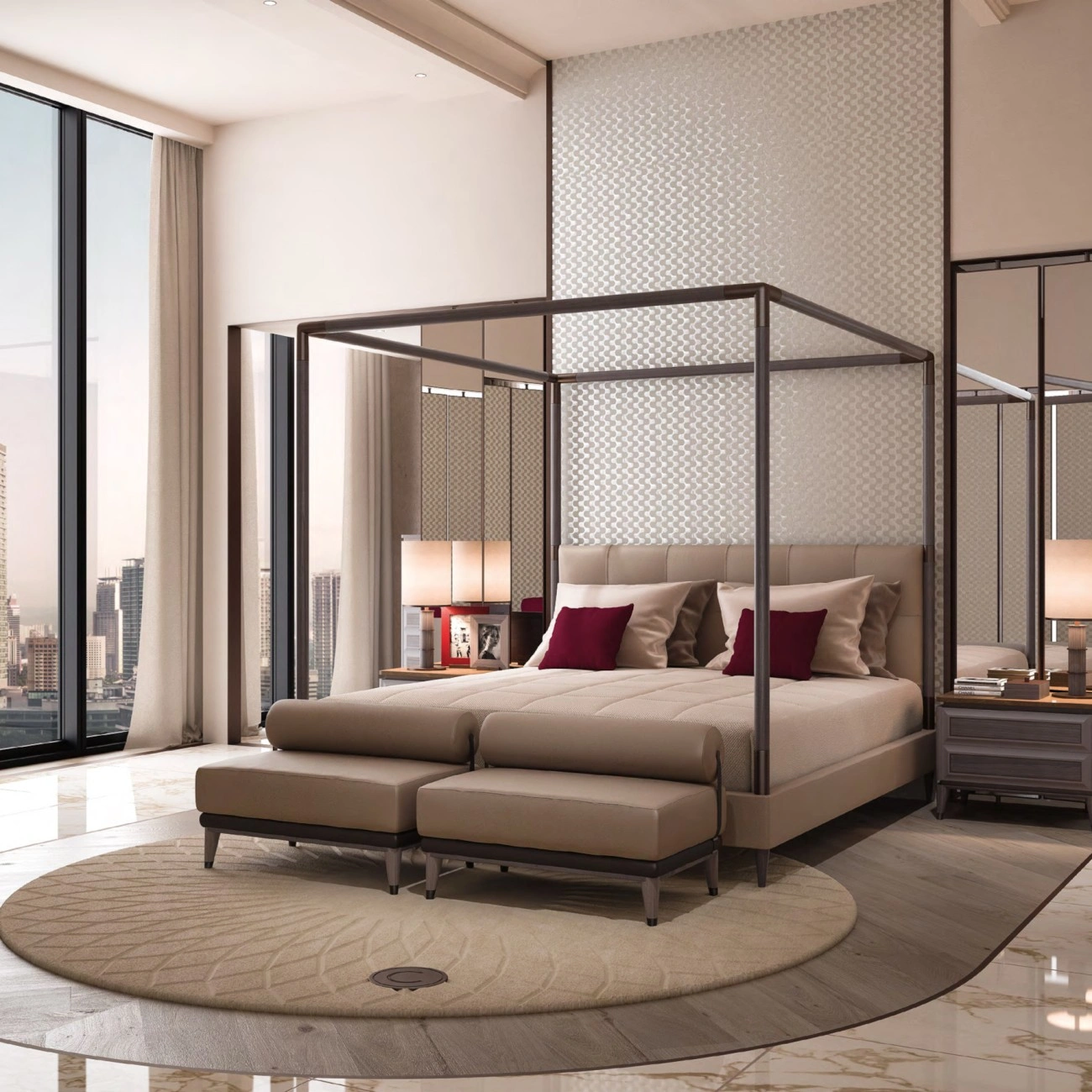
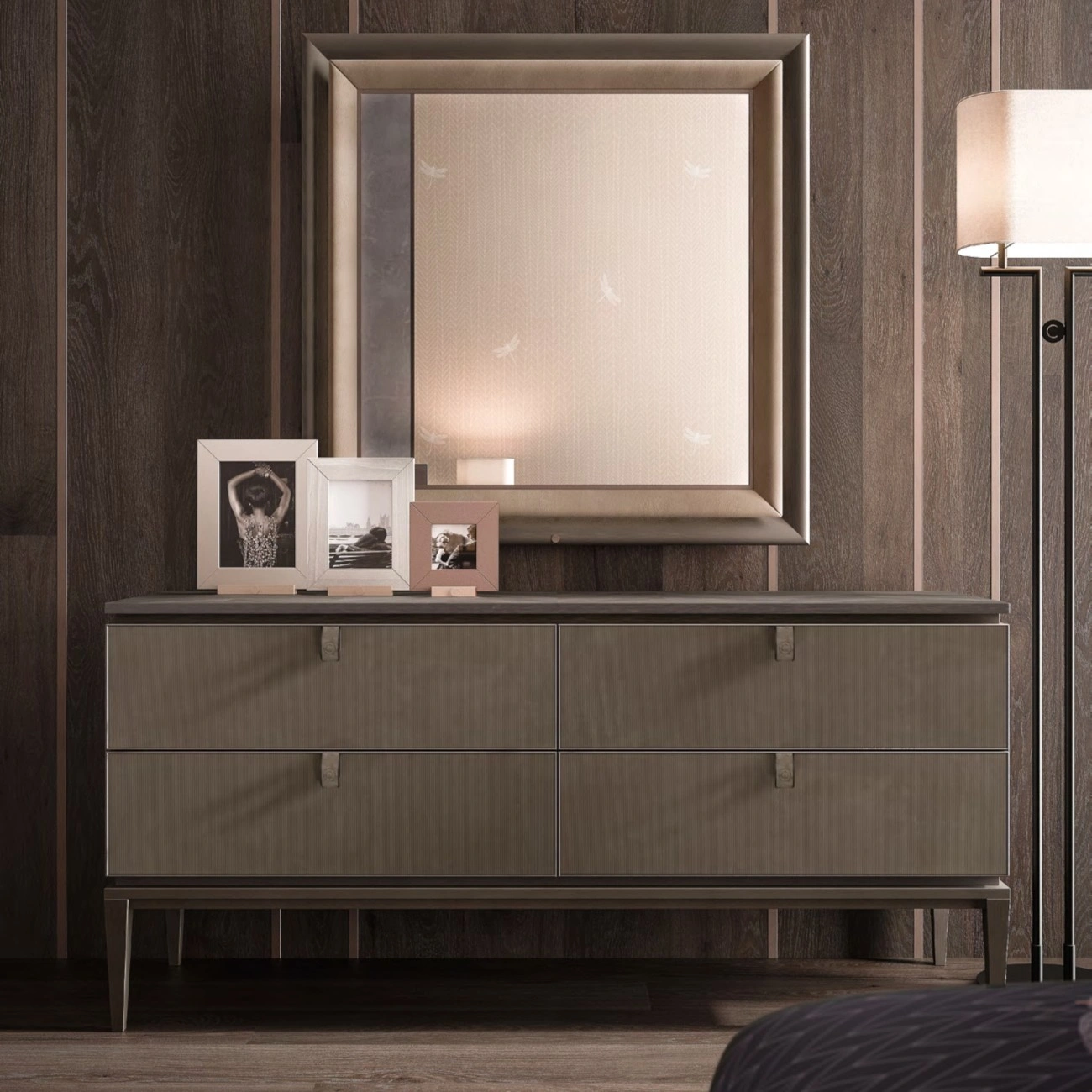

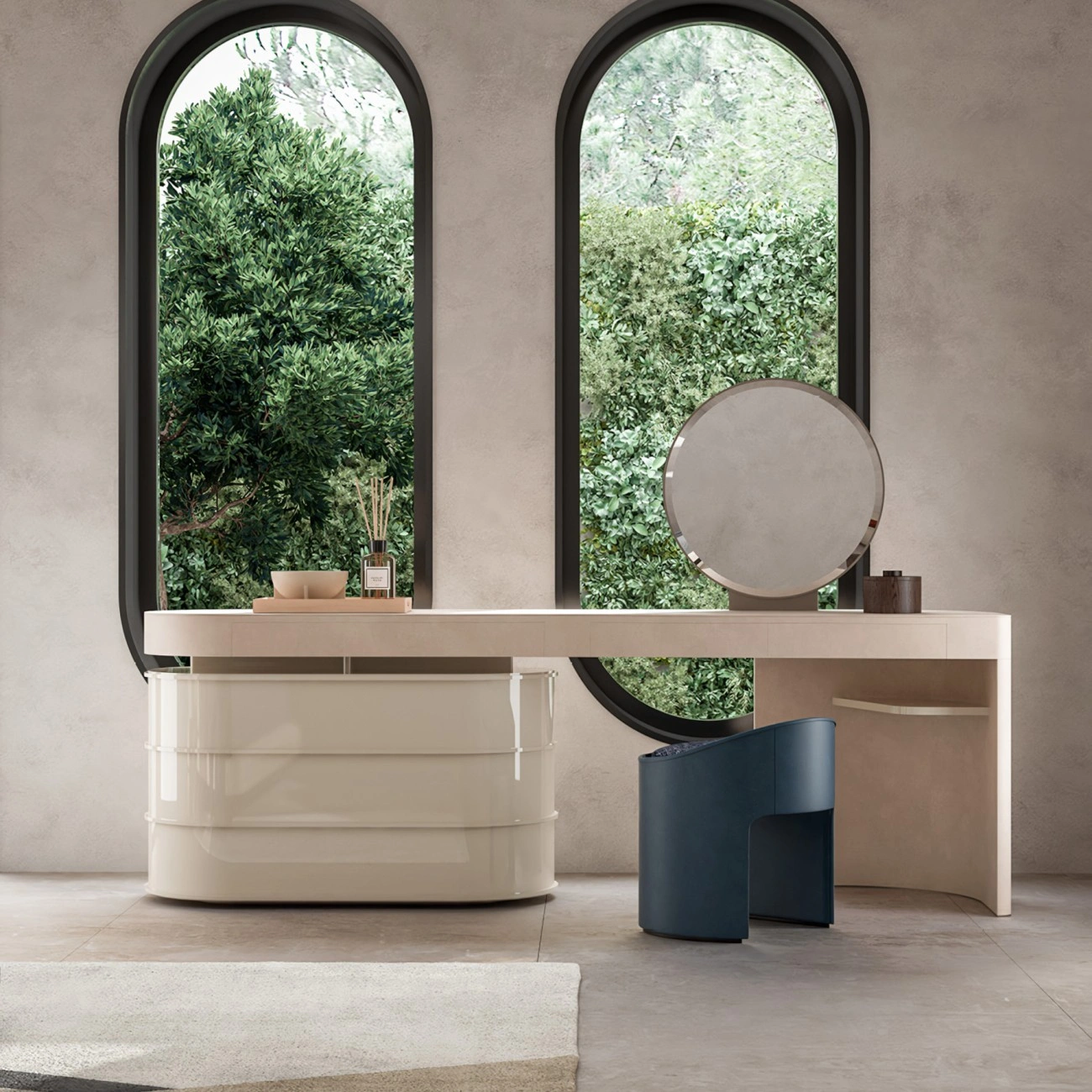
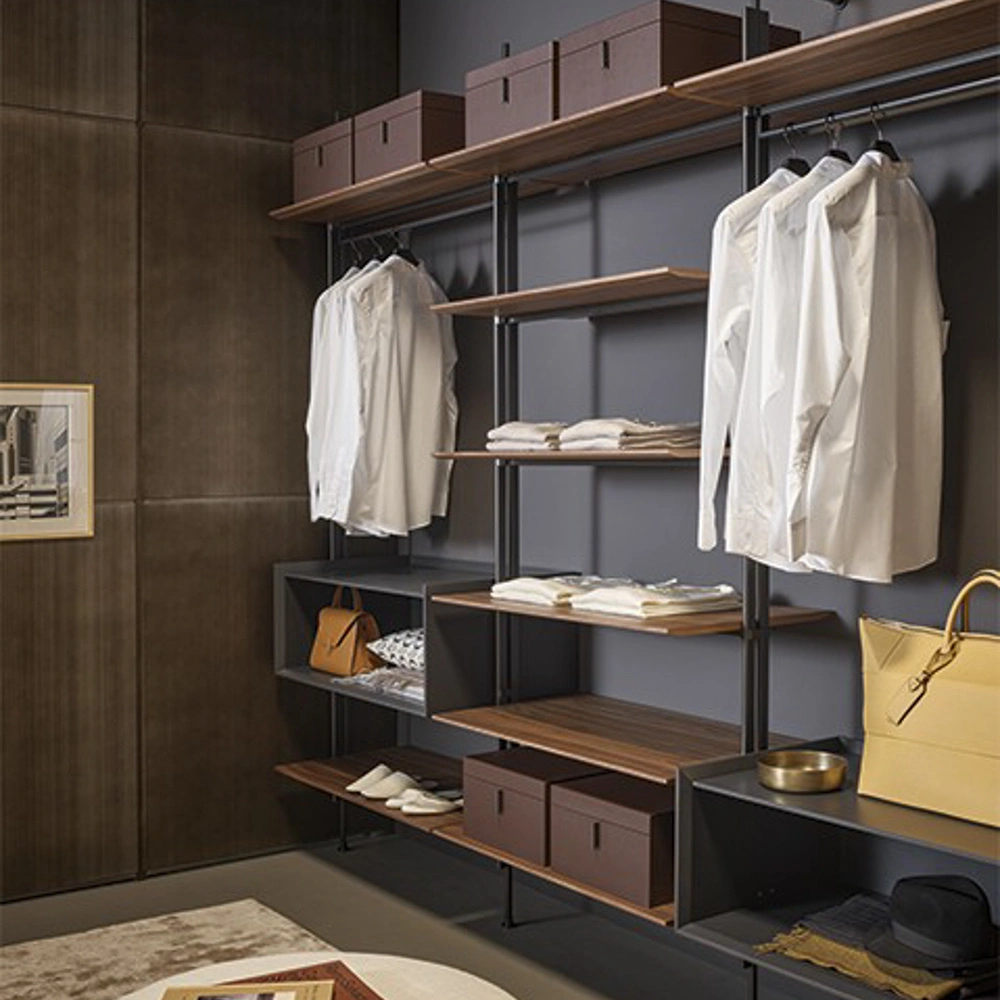
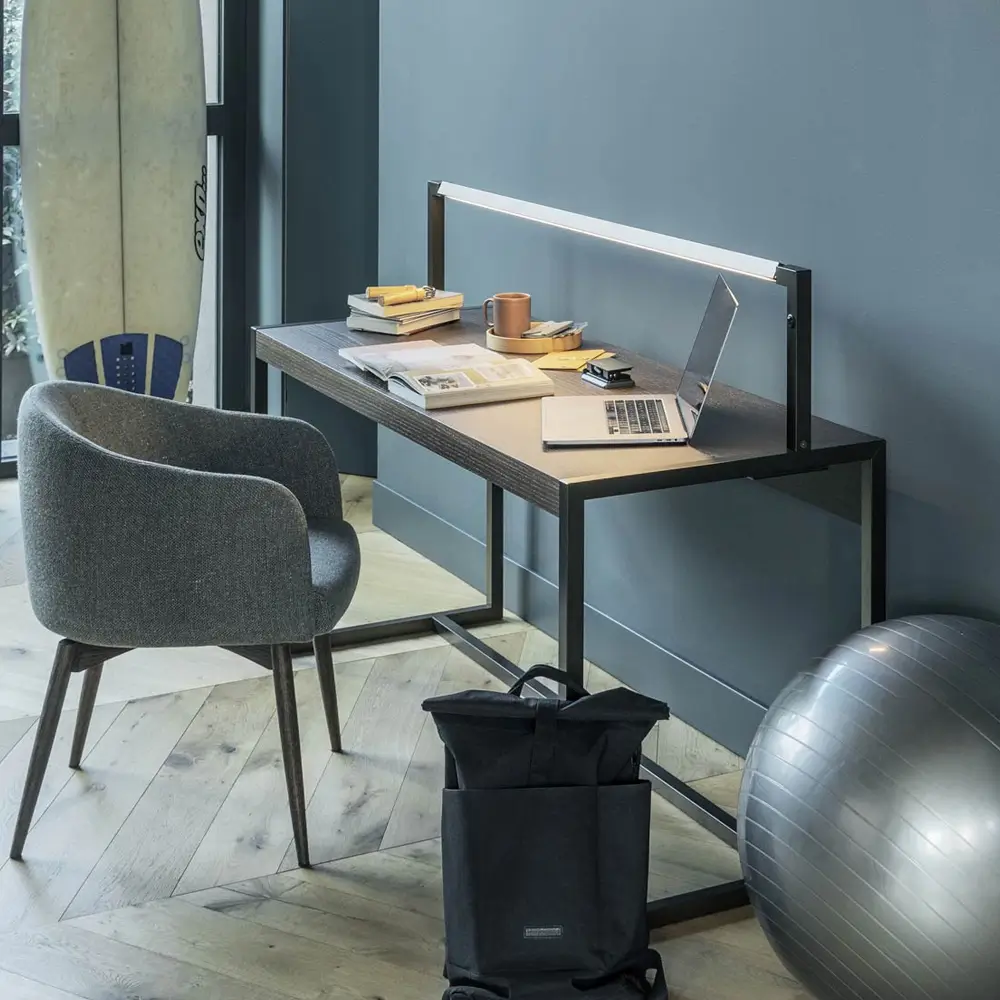




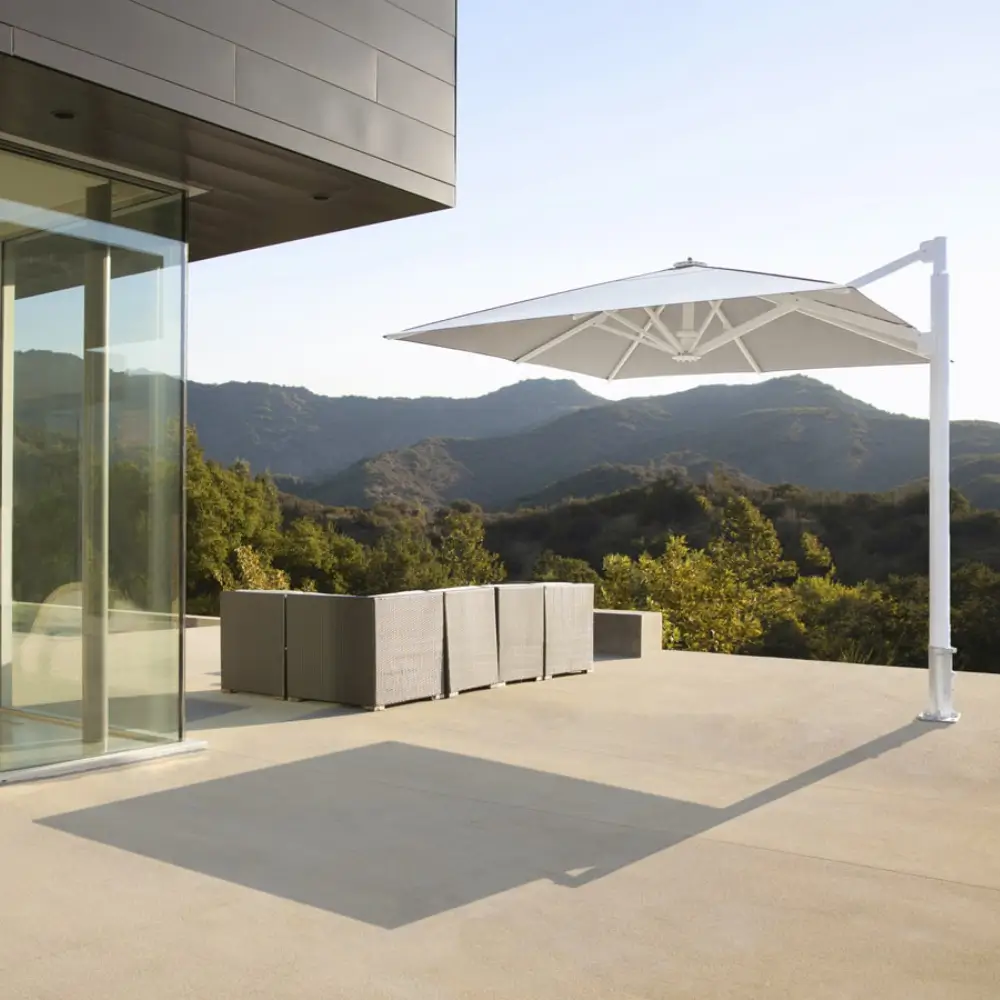


Design is rarely linear. It folds, twists, sometimes loops back on itself. The current vintage revival trend makes this literal. Vintage and retro influences are coming back — not as museum pieces, not as faithful copies. They are reinterpreted, filtered through today’s sensibilities. The 1970s, mid-century modern, even hints of Art Deco are surfacing. But it’s not nostalgia for its own sake. Color palettes, forms, materials are borrowed, softened, scaled. The past is acknowledged but not chained.
Retro used to be ironic, playful, almost costume-y. Avocado green kitchens or bold geometric wallpaper — you could laugh and decorate at the same time. Now the revival is quieter, almost reverential. Shapes are familiar but tweaked for modern life. Fabrics feel real, tactile. Metals are warm, wood is brushed. It’s less about nostalgia, more about presence.
Texture as Story
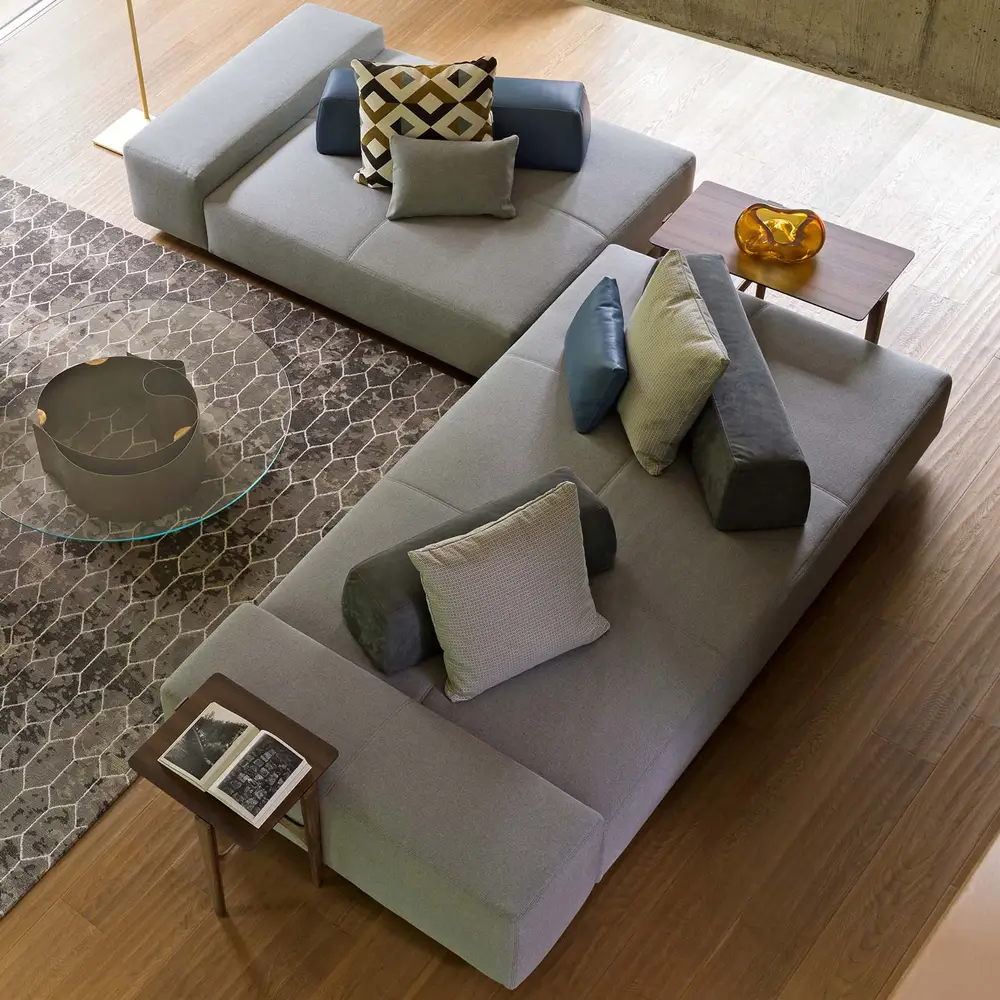
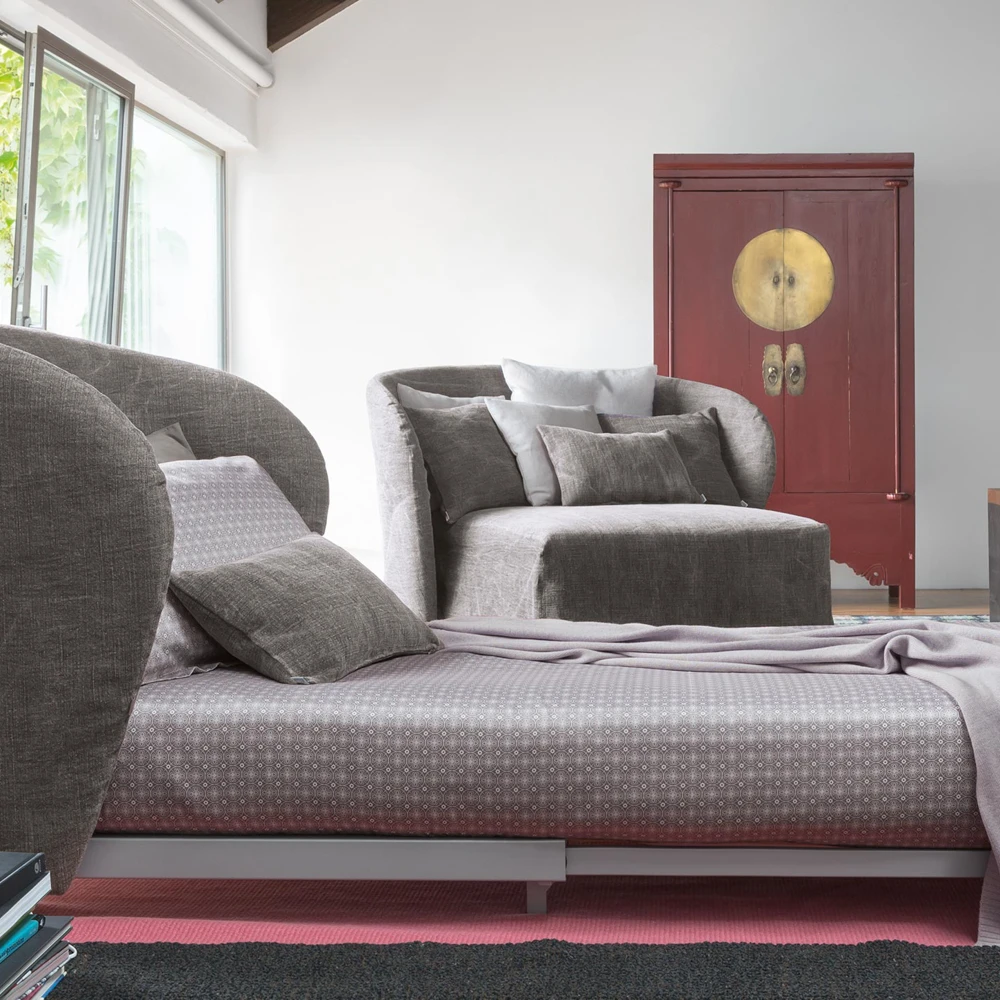
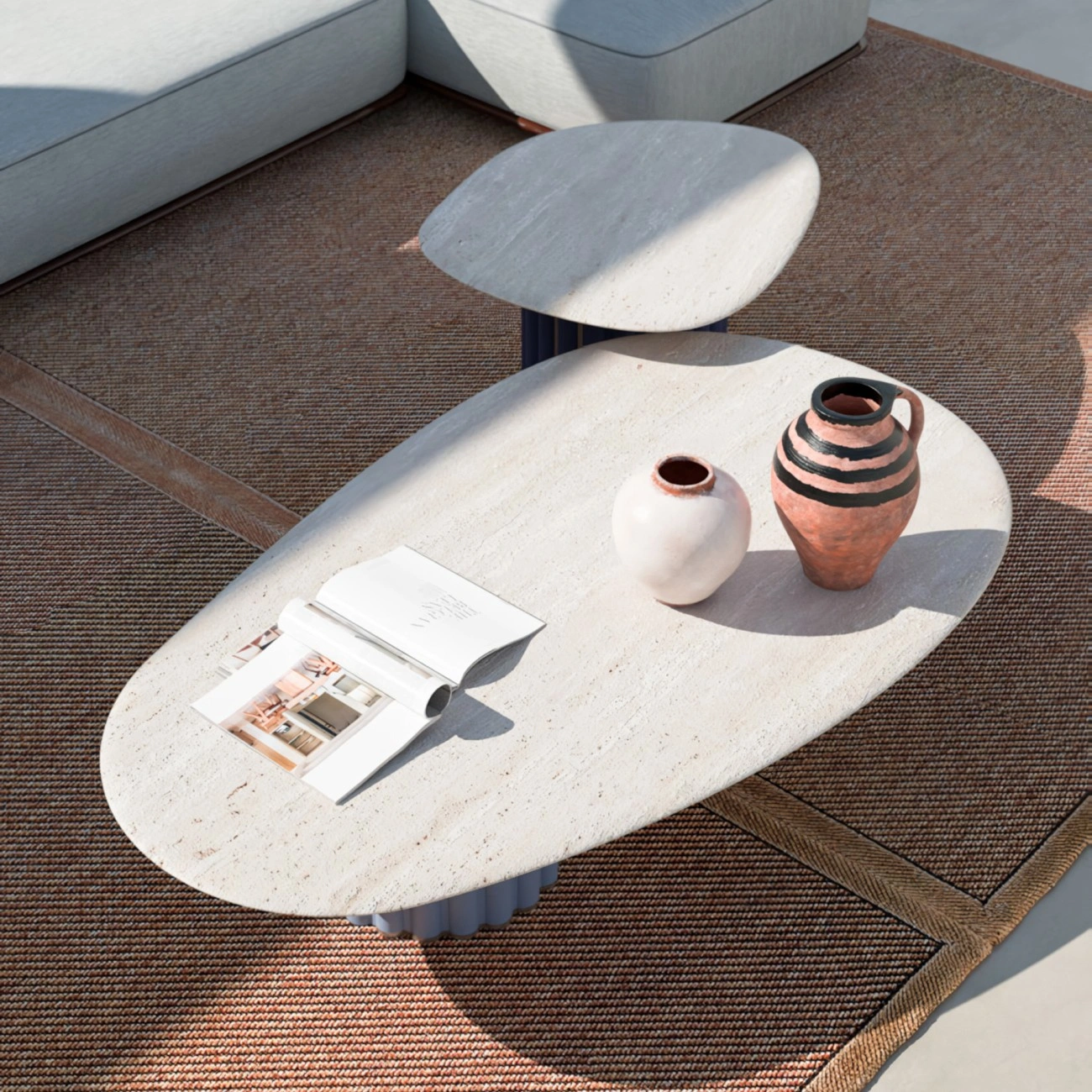
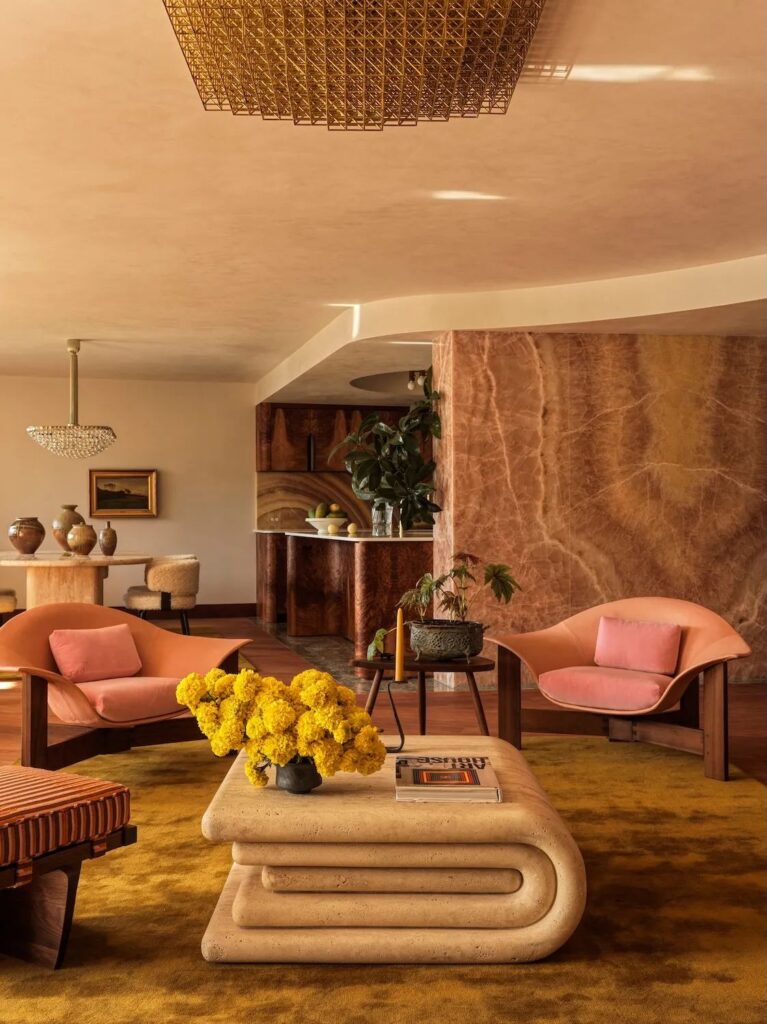
Texture anchors this vintage revival. Wool tweeds, velvet, boucle, linen — all appear, but treated differently. Durable, sustainable, but still soft under fingertips. There’s something in the way a fabric resists or yields. Hard surfaces exist, yes, but softened: rounded table edges, matte wood, plaster that isn’t perfect. It’s subtle, but you notice. The body notices. This is not decoration; it’s emotional information. Touch tells a story.
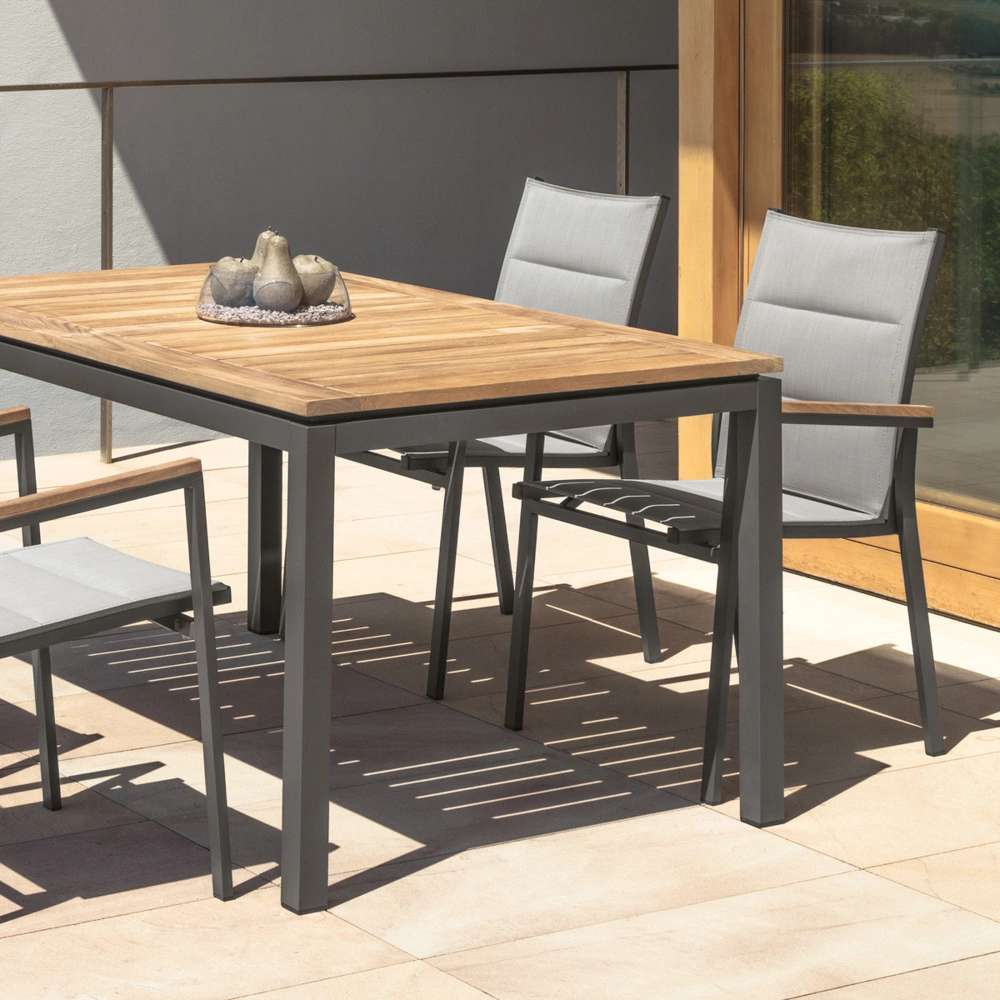
Wood works the same way. Teak chairs, oak tables — not copied exactly. Grain, joinery, finish — all interpreted. Reclaimed wood appears next to new pieces. Dents, soft edges, slight color variations — these aren’t flaws, they are proof of lineage. Furniture communicates history, but gently, not like a museum exhibit. The interiors reward attention.
Color as Memory
Colors nod to the past but never shout. Burnt orange, mustard yellow, olive green — used with restraint. Soft neutrals or muted metals offset them. Pastels are reconsidered. Walls may wear powder blue or peach, giving retro accents room to exist. Nostalgia is suggested without kitsch. It’s a careful balance.
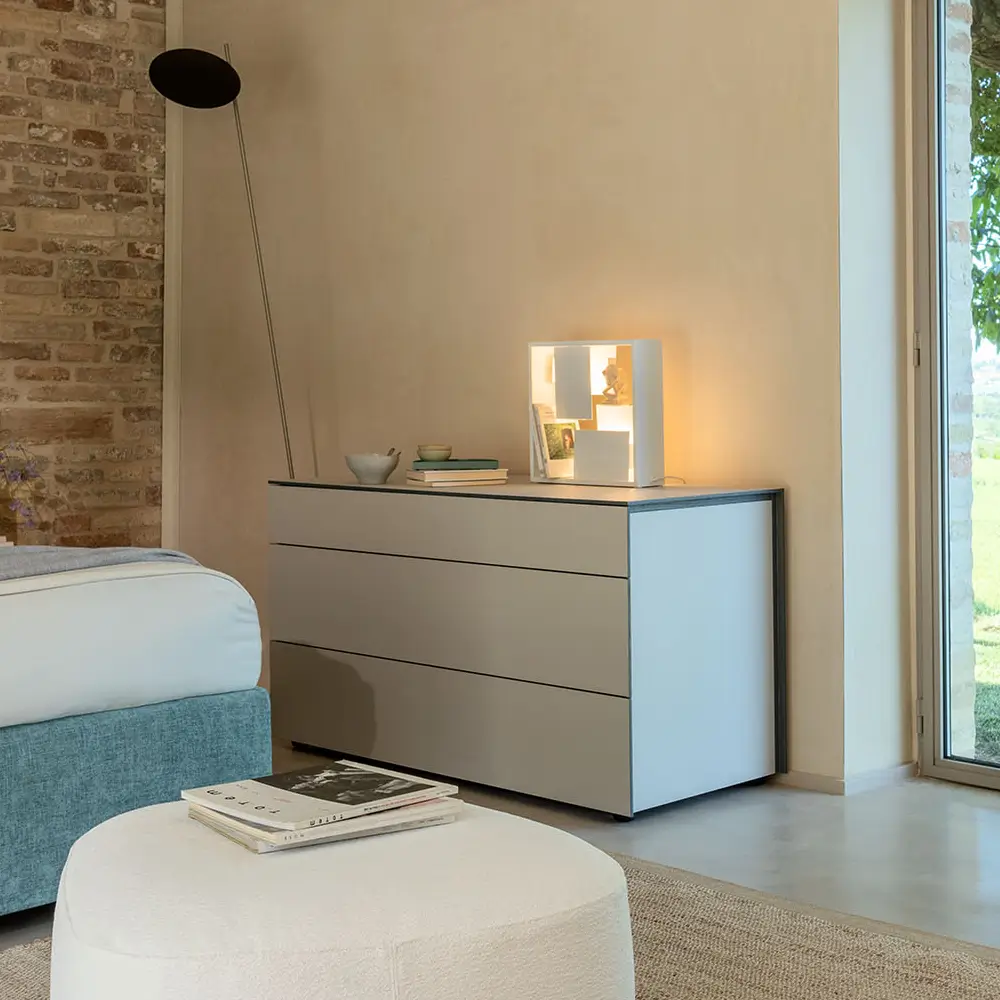
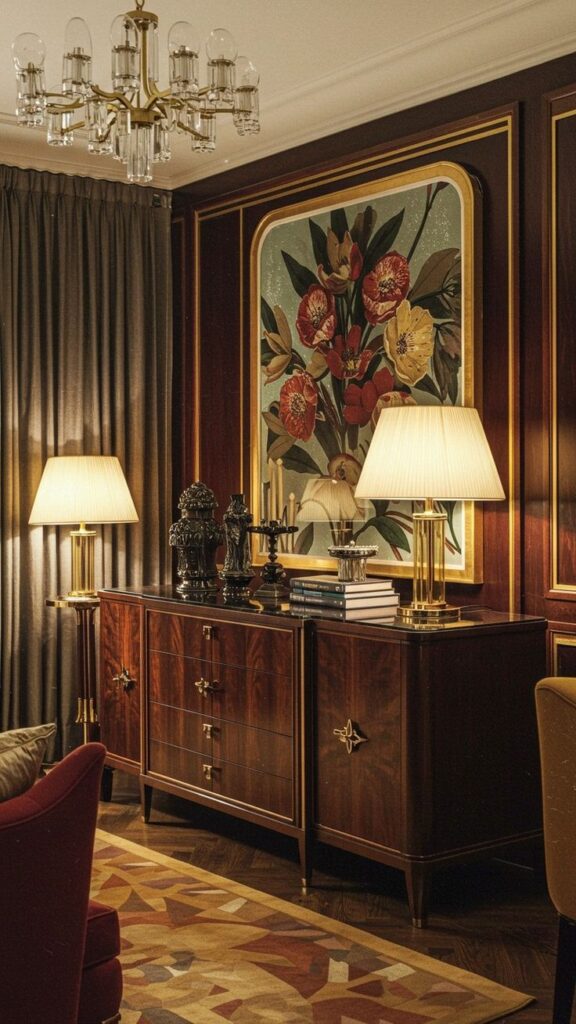
Even hardware and fixtures matter. Drawer pulls, light switches, brass finishes — all echo retro shapes, but updated. Satin brass instead of polished, matte black instead of chrome. It’s subtle, cumulative. The room feels layered in history without being literal.
Shape Reinterpreted
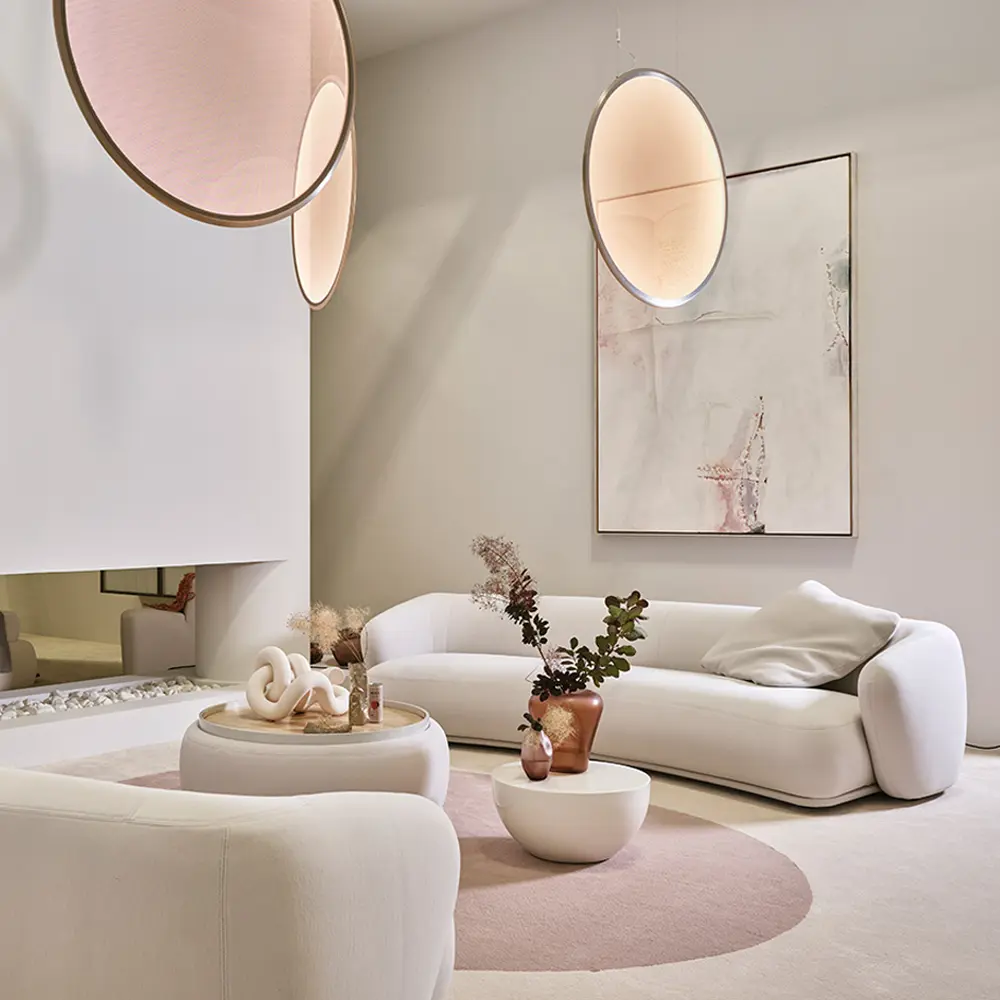
Shapes are borrowed, but not slavishly. Lounge chairs are lower, sofas deeper. Geometric patterns of the 60s are softened; 70s curves accentuated but contained. Designers respect the original but adjust for comfort, ergonomics, modern scale. Lighting works the same way: globe pendants, arc floor lamps — classic silhouettes in unexpected materials. Frosted or opaline shades instead of clear, matte metal instead of shiny. Retro, yes. Costume-y? No.
Craftsmanship and Authenticity
Craftsmanship drives the trend. Mass production is resisted when possible. Small-batch, artisanal, human-made details dominate. Stitching, hand-finished wood, brushed metal — proof of care. Authenticity is not marketing; it’s design strategy. Imperfect finishes, slight asymmetry, tactile variation — all read as credibility. Digital renderings can’t replicate it. Spaces feel grounded, lived-in, even before occupancy.
Functionality Meets Familiarity
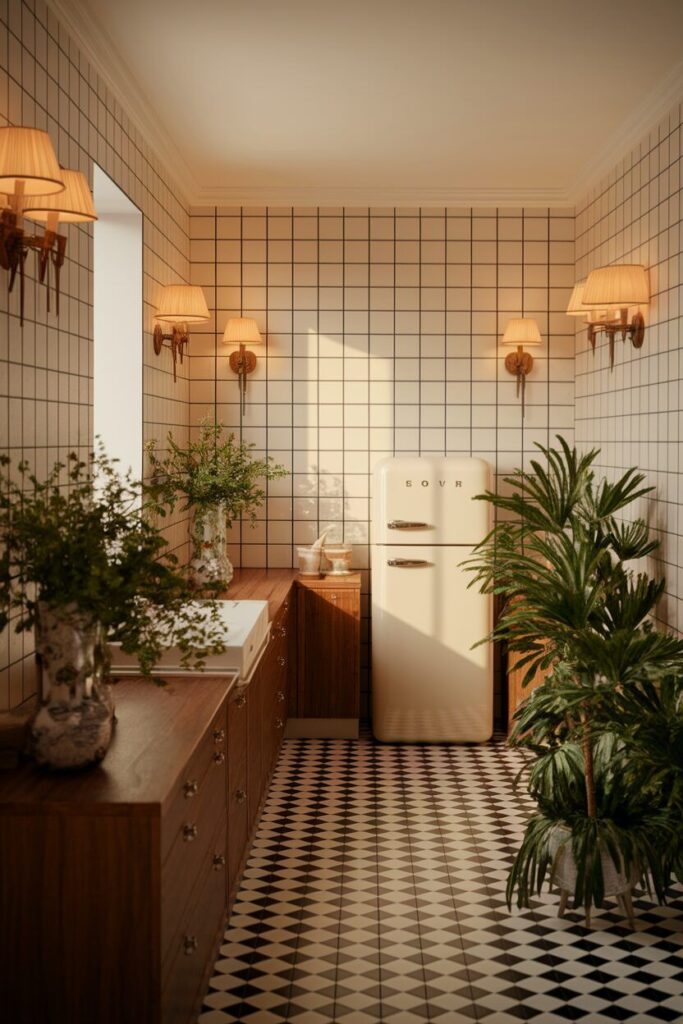
Nostalgia can be impractical. Not here. Retro shapes are updated for contemporary use. Storage integrates seamlessly. Seating accommodates modern lounging. Kitchens nod to the 50s or 60s with checkerboard tiles or handleless cabinets, but appliances fit. The past informs function without constraining it. Interiors are usable first, aesthetic second — or maybe the two are inseparable.
The Psychology of Nostalgia
This trend resonates because it comforts. Interiors evoke more than style; they evoke security. Reinterpreted vintage signals stability. Mid-century sofas are emotional anchors. Wood grains, brass accents, familiar shapes — all suggest someone once cared enough to make things to last. That matters now, more than ever. Colors, forms, materials — they trigger memory, but curated memory. Optimistic, selective, restrained.
Contrasts That Matter
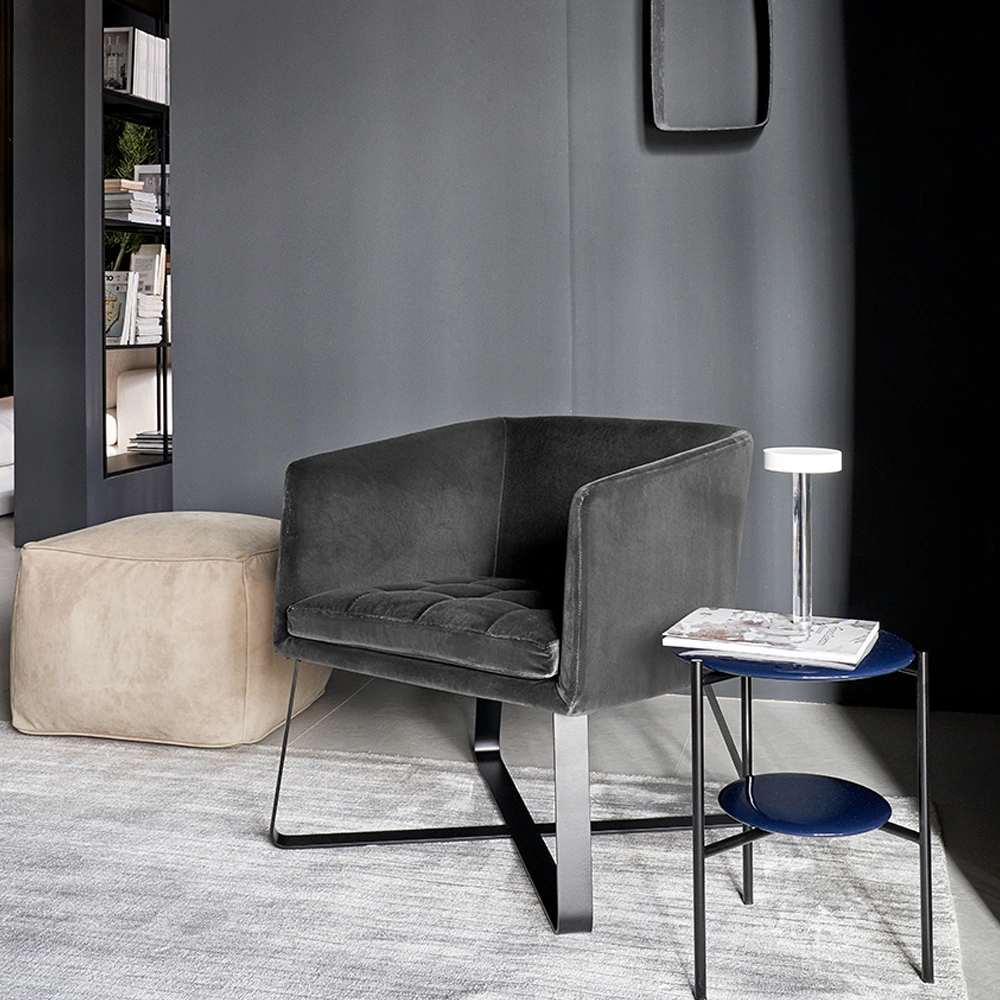
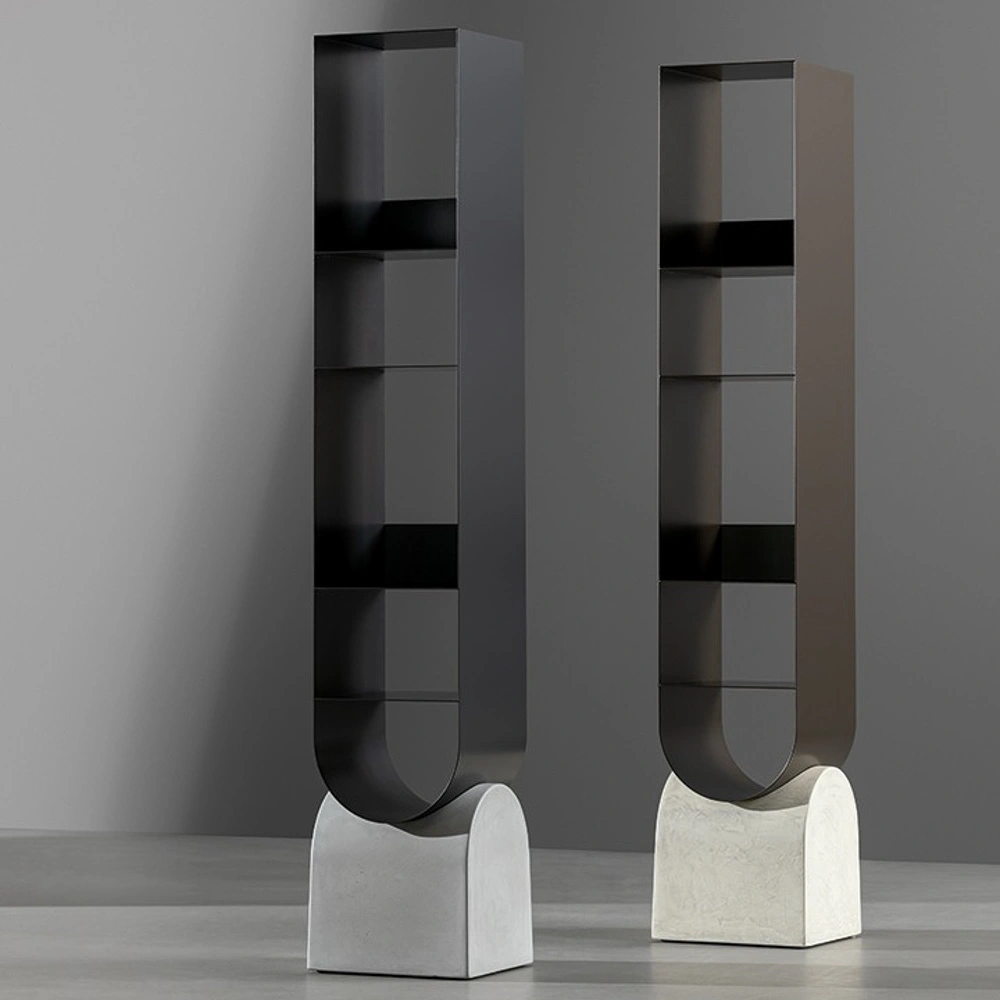
Modernity is never ignored. Concrete floors, minimalist shelving, white walls — all give retro pieces room. Contrast amplifies, rather than competes. It’s not seamless blending; it’s deliberate tension. Even screens are softened: framed in wood, hidden behind cabinets. Analog surfaces take precedence over ephemeral digital ones. Interiors feel permanent, grounded, sensory.
Small Details, Big Effect
Small elements carry weight. A drawer pull, an upholstery pattern, a hinge — tiny cues anchor the room in time. One chair doesn’t make retro. Many small gestures together create story, atmosphere. The observer senses intentionality without being able to list reasons. It’s immersive, subtle, cumulative.
The Environmental Impulse
Sustainability intersects naturally. Reuse, restoration, reinterpretation reduce waste. Vintage furniture, refinished or reupholstered, is central. Materials are chosen for longevity, durability, tactile interest, not trend-chasing. Interiors feel responsible without being preachy. Craft, nostalgia, environmental awareness coexist quietly.
Living in the Past, Present, and Future
This revival is temporal. The past is reference, the present mediates function, the future implied in durability. Interiors inhabit multiple times at once. They are asynchronous, grounded but alive. Not anachronistic. Not static. Spaces feel layered, comfortable, aspirational.
Imperfect Perfection
The revival embraces imperfection. Cracks in finishes, warping wood, patina on metals — not defects, proof of life. Interiors feel human, layered, emotionally resonant. Not pristine, not sterile. The past is respected but reshaped. Timeless without standing still.
The interiors of 2027 do not ask for nostalgia alone. They demand attention. They reward curiosity. History is present, but flexible. Objects are reimagined, spaces interpreted. The past informs the present, but the room always belongs to now.