












2027 interiors are embracing a curious mix of tradition and technology. One of the most talked-about developments isn’t a new finish or a futuristic material. It’s what some are calling “embroidery on wood”—a trend that blends craftsmanship with precision machinery, creating surfaces that are tactile, intricate, and almost alive.
At first glance, it can feel unexpected. Wood is a material we think of as solid, permanent, heavy. Yet designers and manufacturers are now treating it like fabric, carving patterns so fine and delicate that timber begins to resemble a woven textile. The effect is subtle but captivating. Oak panels, walnut countertops, even shelving units take on an almost decorative quality, as if someone has stitched texture into their very grain.

CNC Routing Meets Craft
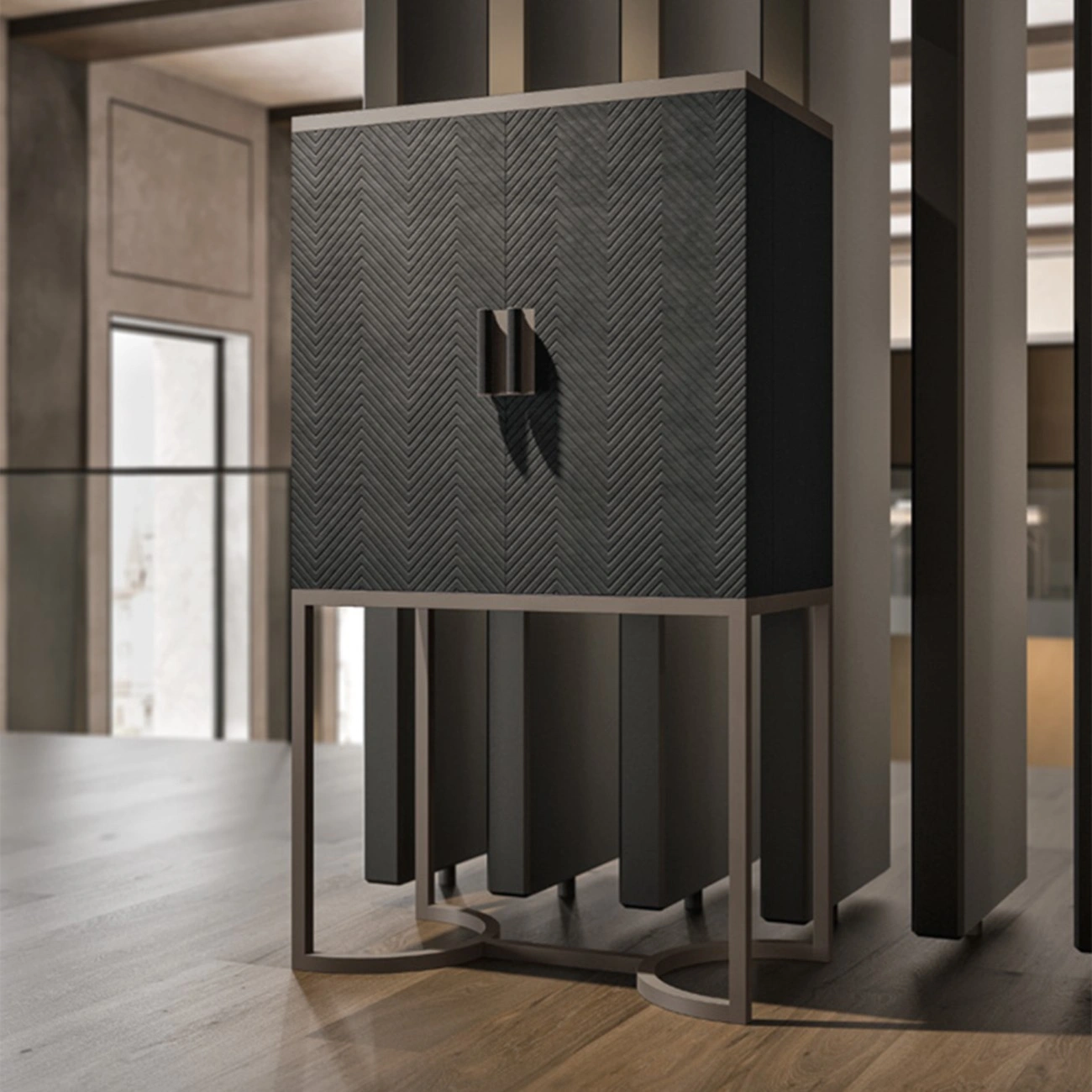
The key to this innovation is CNC routing. Precision tools cut thread-like channels into wood surfaces for custom furniture, producing patterns that are both structural and decorative. These aren’t random grooves. They are carefully designed, almost embroidery-like, echoing the precision of handcraft but executed at a scale and consistency impossible by hand alone.
What’s remarkable is how this bridges two worlds. Traditional craft—the patience, care, and tactile engagement of carving or weaving—meets modern manufacturing, with its precision, repeatability, and technical complexity. Interiors start to feel like living spaces and art galleries simultaneously. Walls, cabinetry, even furniture become canvases for these intricate wood patterns.
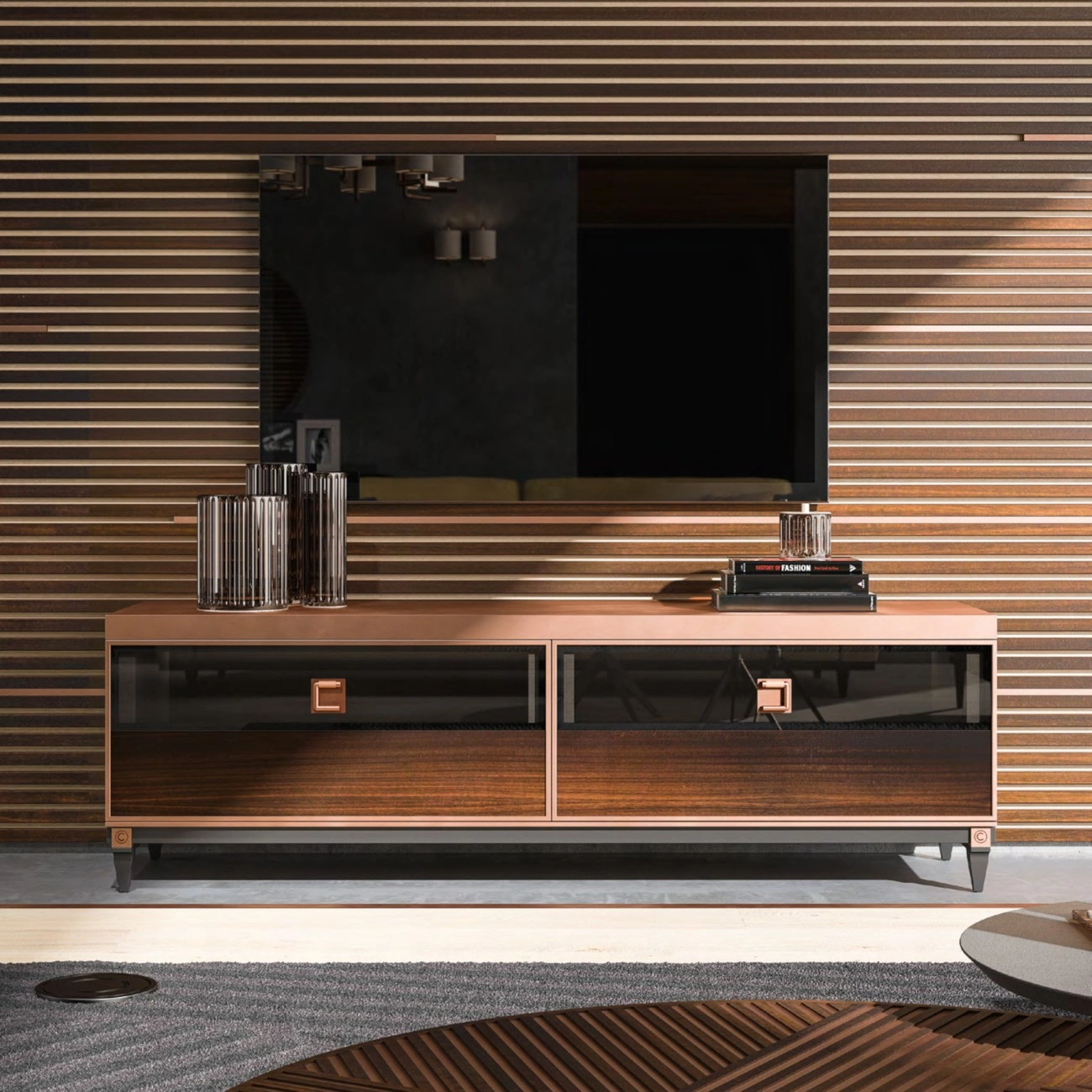
The effect is not flashy. It’s quietly luxurious. The panels cast subtle shadows, interact with light, and invite touch. Walk past an embroidered wooden wall and you notice how the channels play with reflection, creating a depth that changes throughout the day.
The Tactile Revolution
Wood embroidery is part of a broader trend: tactility has taken center stage in 2027 interiors. Surfaces aren’t just visual; they’re meant to be felt. Natural textures are being reinterpreted in unexpected ways. Recycled cork, for instance, can be carved to mimic the rippling surface of water. Plaster walls may be etched to resemble tree bark or stone, creating subtle shadows and a physicality that engages the hand as much as the eye.
These materials emphasize touch, layering, and sensory experience. You interact with a space differently when surfaces are textured—your body notices, even if your mind doesn’t. The embroidered timber walls, tactile cork panels, and etched plaster are part of a language of engagement, asking the inhabitant to slow down, reach out, feel, and inhabit fully.
Why Embroidery on Wood Matters
There’s a subtle psychological effect in these surfaces. Interiors feel warmer, more human, and alive. The precise channels in wood recall handwork, even though the machine did most of the labor. The brain recognizes the detail, the tactility, the subtle irregularities, and it registers comfort and sophistication simultaneously.
Unlike decorative veneers or printed patterns, embroidered wood communicates depth. It isn’t flat. It isn’t just about appearance. Light interacts with the channels differently depending on angle and time of day. Shadows move. Depth shifts. Every glance reveals something new, every touch tells a story.
Materials and Applications
The most common woods for this treatment are oak and walnut—dense, stable, and visually rich. Oak provides warmth and a neutral palette, while walnut introduces deeper chocolate tones and more dramatic grain. Panels can be applied to walls, used in furniture, or even fashioned as room dividers.
Designers are increasingly experimenting with scale. Some pieces feature tiny, delicate thread-like channels, almost lace-like. Others use larger, geometric patterns, creating rhythm across broad surfaces. Combined with lighting, the results are dynamic and sculptural.
But it’s not only timber. Cork, plaster, and even composites are treated similarly. Recycled cork carved into water-like ripples introduces subtle motion. Plaster walls etched like bark create intimacy. Surfaces that were once passive become active participants in the experience of space.

Layering Tactile Surfaces
A hallmark of 2027 interiors is layering textures. Embroidered wood panels might sit beside cork partitions, plaster walls, or natural textiles. The effect is cumulative: depth, tactility, visual interest. Spaces invite exploration, not just observation.
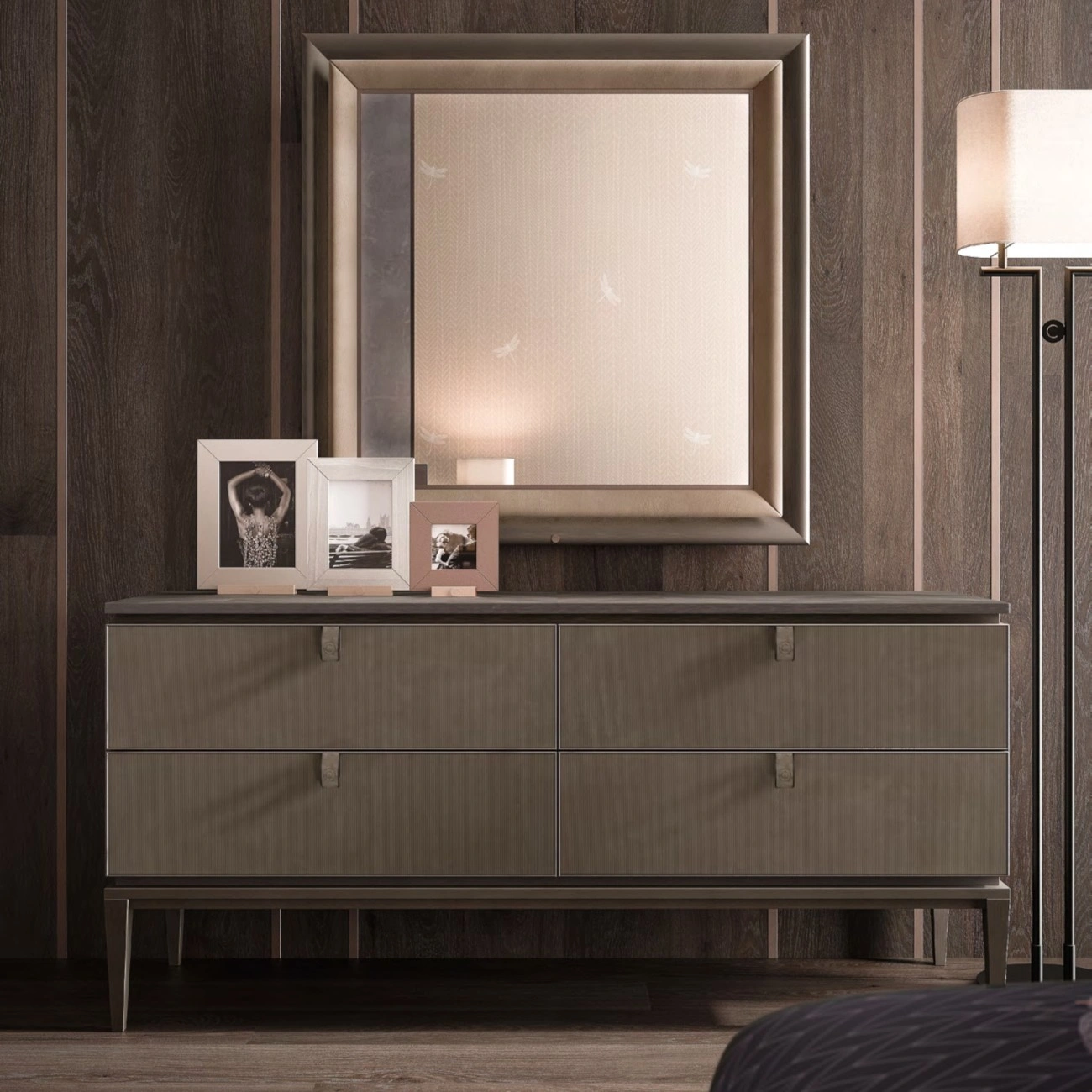
Furniture participates too. Cabinet doors may carry embroidered surfaces. Dining tables might be etched subtly along the perimeter. Even flooring can feature inlaid patterns that mimic embroidery at a larger scale. The interior becomes a dialogue of textures and materials, each surface responding to light, touch, and movement.
Light, Shadow, and Perception
Embroidery on wood and tactile surfaces play beautifully with light. The CNC-cut channels catch illumination, creating shadows that subtly change throughout the day. Unlike a printed or painted pattern, the depth is perceptible. This interplay of light and shadow adds dimension without relying on color or ornamentation.
Architects and interior designers are increasingly pairing these surfaces with natural light sources. A carved oak wall near a window becomes kinetic, the sunlight revealing detail only at certain hours. Artificial light behaves similarly—warm downlighting enhances grooves, while directional lamps highlight depth. Interiors feel dynamic, responsive, alive.
A Modern Craft Ethic
The trend signals something broader. 2027 interiors aren’t just about high-tech convenience—they value the human story embedded in materials. CNC routing doesn’t erase craft; it amplifies it. The machine executes with precision, but the design, intent, and tactile quality remain human.
This approach bridges sustainability, authenticity, and innovation. Woods are responsibly sourced. Recycled cork gets new life. Plaster finishes rely on natural pigments. The result is interiors that are environmentally aware, visually compelling, and sensorially rich.
Emotional and Experiential Impact
Walking into a room with embroidered wood panels or tactile cork is different from a standard interior. The space feels considered, deliberate. You notice imperfection in perfection. You want to touch. You pause. You inhabit it fully.
These materials also foster calm and focus. Complex patterns that aren’t visually overwhelming create a subtle rhythm. Tactile walls or panels encourage presence rather than distraction. Interiors are not just observed—they are experienced.
Practical Considerations
Embroidered wood panels are surprisingly versatile. While initially appearing delicate, they’re surprisingly durable. Hardwoods like oak and walnut tolerate daily wear. CNC routing ensures consistency, so large installations are seamless.
Maintenance is mostly simple. Light dusting preserves the surface. Natural oils or finishes enhance grain and protect channels. The effect remains tactile, authentic, and long-lasting.
Cork and plaster applications are equally practical. Cork panels are resilient, sound-absorbing, and easy to maintain. Plaster surfaces allow for subtle repairs and finishes, keeping texture consistent over time. Designers can mix and match these materials without fear of overcomplicating maintenance.
Interiors That Invite Interaction
What makes this trend exciting is that it redefines interaction with space. Interiors are no longer passive. Tactile surfaces, embroidered wood, and carved cork ask for engagement. You notice, you touch, you move differently. The home is alive under your hand.
In open-plan living, these surfaces help define zones subtly. A carved oak panel might separate dining from lounge without a wall. Tactile partitions create privacy without visually cutting the space off. Texture itself becomes architecture.
Future Directions
“Embroidery on wood” is part of a larger movement towards material innovation that values tactility, craft, and technology. Expect more experimentation: multilayered carvings, mixed materials, even light-infused channels that react to touch or illumination.
The trend speaks to a broader design philosophy. Homes of 2027 aren’t just about visual impact—they are sensorial, interactive, and emotionally resonant. Materials tell stories, surfaces invite exploration, and interiors become living experiences.

Living With Embroidered Surfaces
Daily life in these interiors is subtly different. A hand brushing along a walnut panel, a fingertip tracing a cork ripple, the shadow shift on carved plaster—these small interactions create connection. Homes feel richer, more personal, and undeniably human.
By merging traditional craft with modern technology, embroidered wood surfaces and tactile finishes redefine luxury. It’s not about excess or novelty. It’s about interaction, presence, and sensory depth. Spaces are lived in, touched, and experienced fully.