













For years, smart home designs announced themselves loudly. Screens everywhere. Devices blinking, listening, waiting. Technology wanted to be noticed, interacted with, praised. By 2027, that posture has softened. Technology no longer performs. It recedes. It becomes part of the interior’s logic, not its headline.
The most advanced homes now feel quieter than their predecessors. Not emptier—quieter. Tech has shifted from command-based to responsive, from reactive to anticipatory. Interiors don’t ask occupants what they want every five minutes. They learn. They remember. They adjust. The success of smart design in 2027 lies not in what it can do, but in how little it asks in return.
Homes That Read the Room
AI-powered personalization has changed the relationship between inhabitant and space in smart home design. Rooms no longer operate on preset scenes labeled “Relax” or “Focus.” Those were blunt instruments. The new systems are subtler. They read patterns—sleep quality, movement, light exposure, even micro-behaviors that suggest stress or fatigue.
Wake-up routines are no longer alarms. A room brightens gradually, temperature shifts slightly, air quality adjusts, scent disperses faintly. Nothing dramatic. The body registers the change before the mind does. The space eases its occupant into wakefulness instead of demanding attention.
This isn’t about novelty. It’s about reducing friction. When the environment responds correctly, there’s less need to correct it.
Adaptive Lighting as Baseline
Lighting has become the backbone of smart interiors. Adaptive lighting systems now sync seamlessly with circadian rhythms, shifting color temperature and intensity throughout the day. Morning light is crisp without being harsh. Afternoon light supports focus without glare. Evening light warms and dims almost imperceptibly.
What’s changed is precision. Early circadian systems were obvious. You noticed the shift. In 2027, lighting changes are subtle enough to feel natural. The room behaves like daylight would—if daylight were perfectly calibrated and always available.
Lighting no longer just illuminates surfaces. It regulates mood, energy, and rest. And because it’s automated intelligently, occupants stop thinking about it altogether. Which is the point.
Furniture That Pays Attention
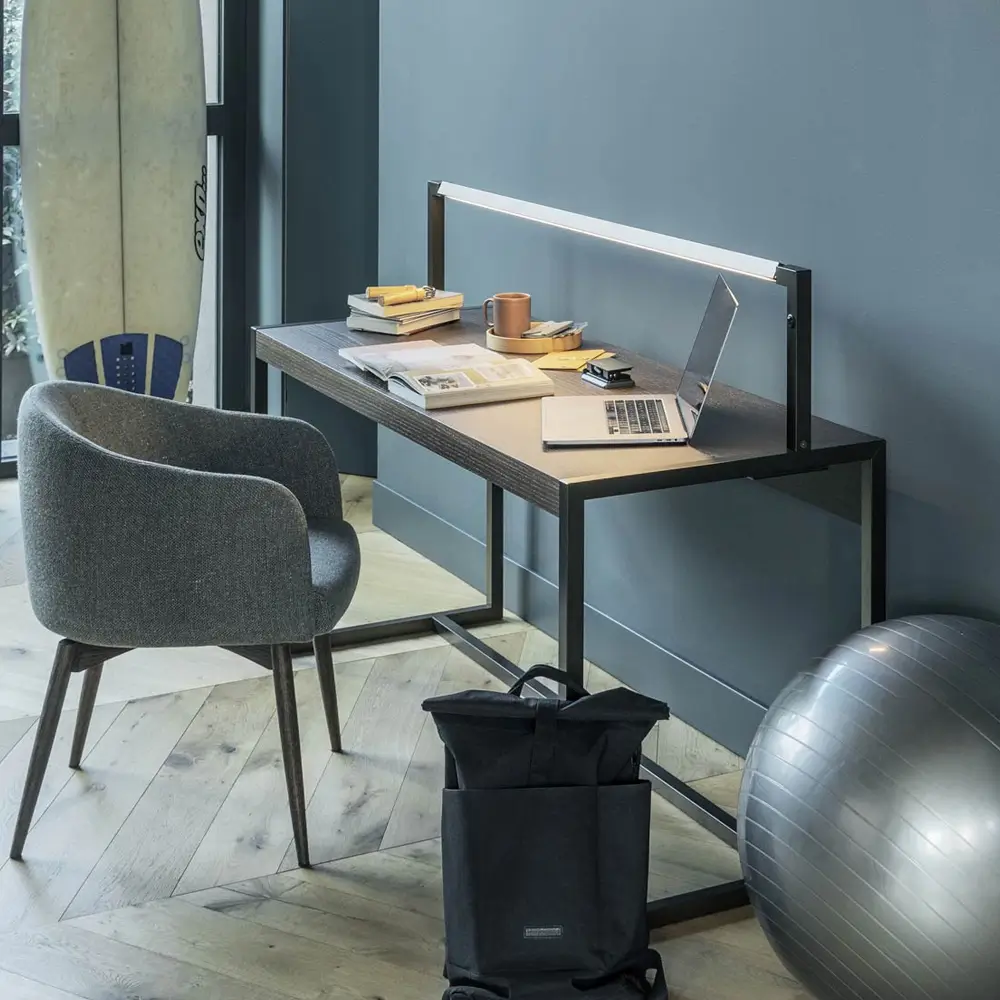
Smart furniture sounds gimmicky until it isn’t. Desks that adjust height based on posture aren’t flashy. They’re corrective. A chair subtly shifts support when weight distribution changes. A table adjusts height without announcing it.
These objects don’t ask permission. They don’t beep. They don’t notify. They simply respond. The result is physical comfort without constant self-monitoring. Over time, posture improves not because someone tried harder, but because the environment stopped allowing bad habits to settle in.
This kind of intelligence aligns with how interiors are now expected to behave: quietly supportive, never demanding attention.

Mood Mapping Without Drama
Mood mapping systems were once dismissed as speculative or invasive. In practice, they’ve become understated. AI doesn’t need to know exactly how someone feels. It only needs to recognize patterns: restlessness, stillness, agitation, lethargy.
Based on these cues, the environment makes small suggestions. Lighting warms slightly. Music shifts tone. Silence deepens. Or activity increases gently. There’s no announcement that the system thinks someone is stressed. There’s just relief.
The most effective mood mapping systems don’t try to fix emotion. They balance it. They create conditions that allow the occupant to recalibrate naturally.
Invisible Technology as Design Ethic
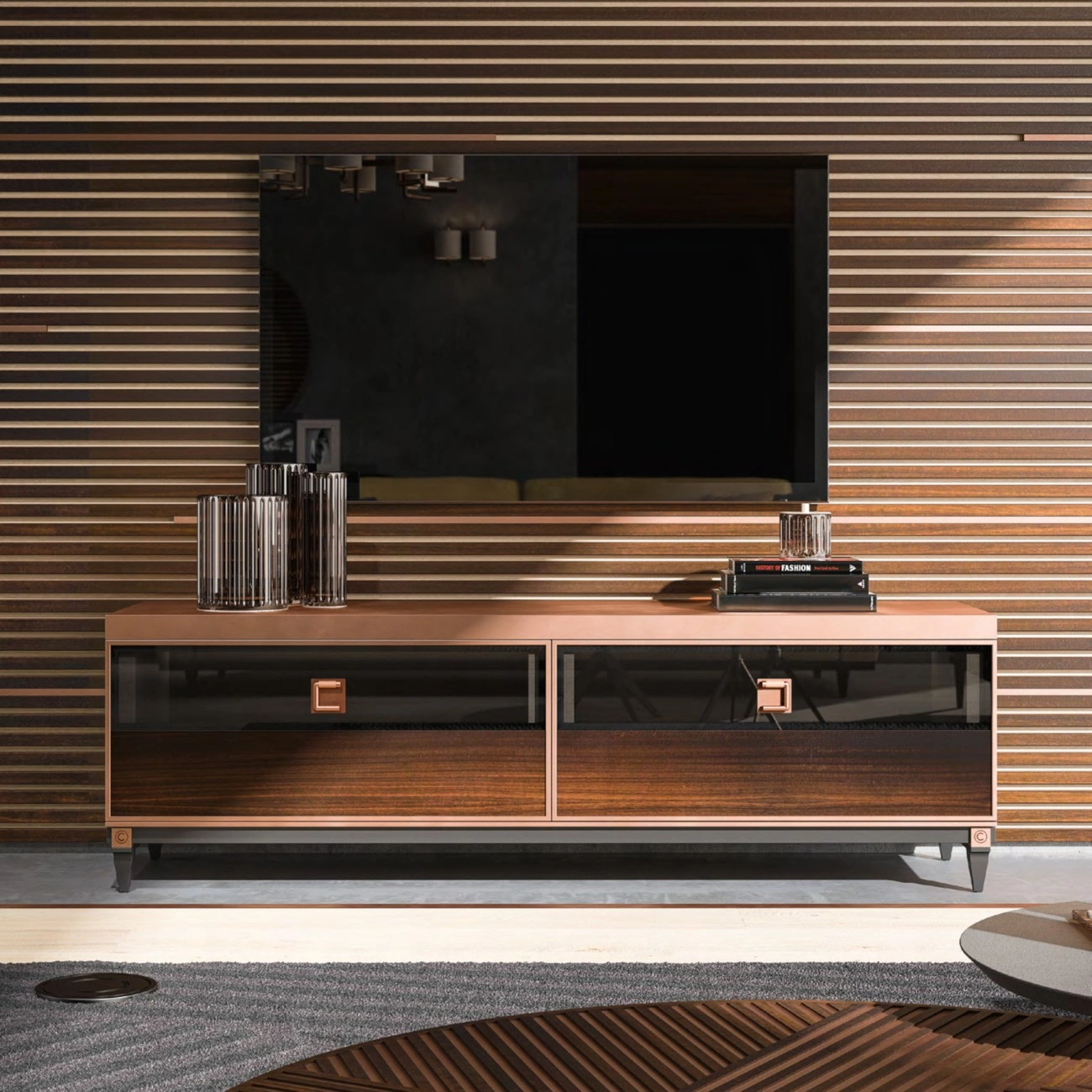
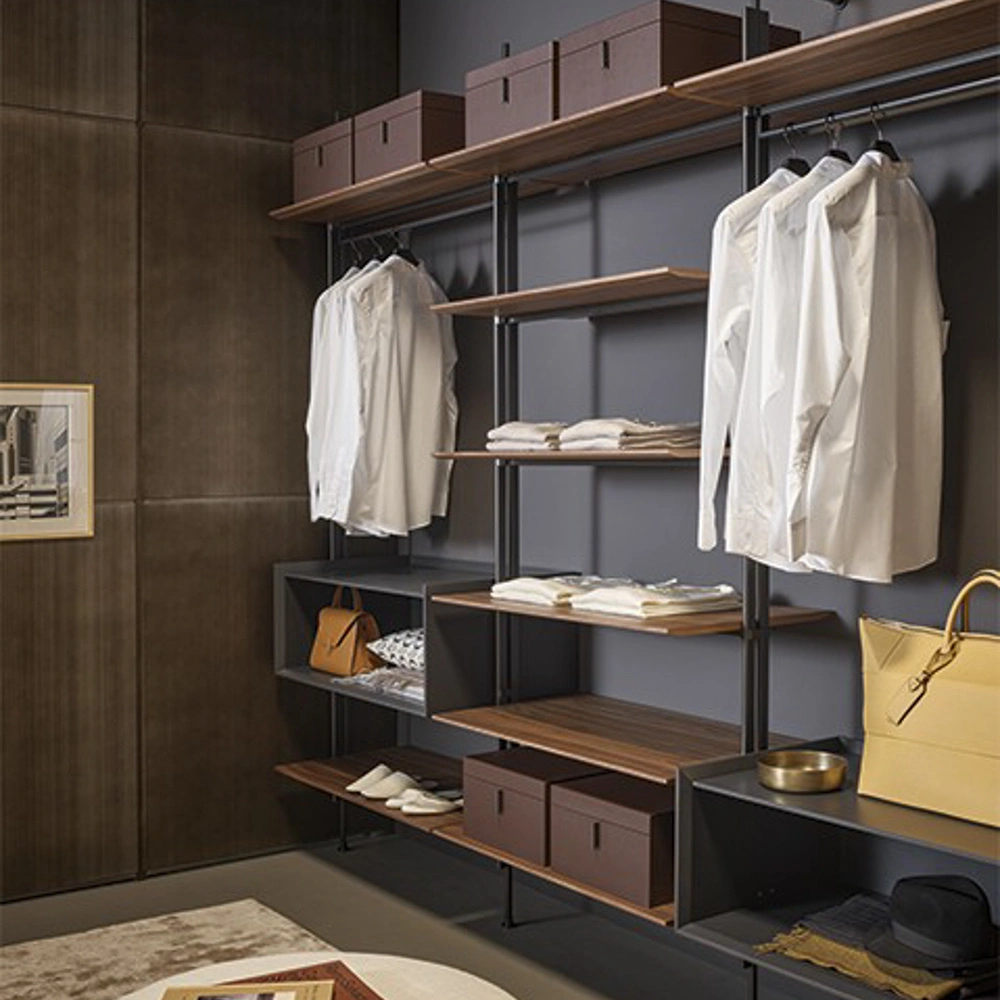
Perhaps the most telling shift is how technology looks—or rather, how it doesn’t. Screens disappear into mirrors. Speakers hide within walls. Charging surfaces are embedded into tables, desks, and countertops.
This invisibility isn’t about minimalism for its own sake. It’s about preserving spatial calm. Visual clutter competes with cognitive focus. The less tech announces itself, the more room there is for architecture, material, light, and human presence.
In 2027 interiors, technology exists in service of space, not in competition with it.
Architecture That Anticipates
Smart homes now work at an architectural level, not just through devices. Sensors are embedded during construction. Systems are integrated into walls, ceilings, and floors. Retrofitting still happens, but the most seamless experiences come from homes designed with intelligence from the start.
Temperature zones adjust automatically based on occupancy patterns. Air circulation responds to use, not schedules. Windows tint subtly in response to light and heat. These systems don’t require daily input. They operate in the background, constantly adjusting.
The house becomes less like a machine and more like a responsive organism.
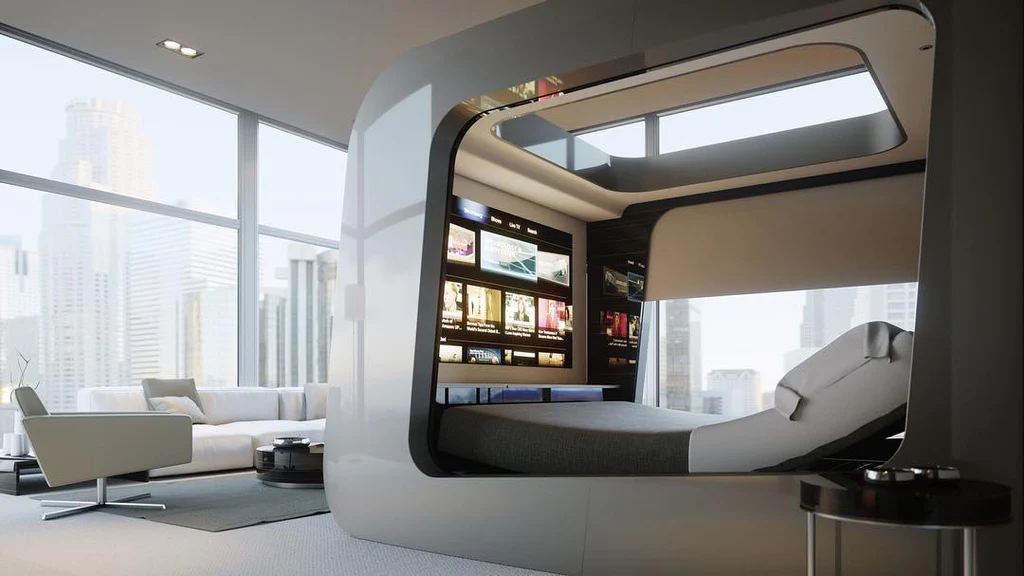
Control Without Control
One of the paradoxes of advanced smart homes is that they offer less manual control. Not because control is removed, but because it’s rarely needed. Interfaces exist, but they fade into the background.
Occupants can override systems when necessary. But most of the time, they don’t. The environment gets it right often enough that intervention feels unnecessary. This is where earlier smart homes failed: they demanded constant correction.
In 2027, good smart design means not having to think about it.
Emotional Impact of Seamless Tech
Living in an environment that responds correctly has emotional consequences. Stress decreases. Decision fatigue lessens. Small frictions—too bright, too cold, too loud—disappear. The mind has more bandwidth for things that matter.
This isn’t indulgence. It’s support. As homes absorb more roles—office, gym, retreat, social space—the need for environments that regulate themselves becomes obvious.
Technology becomes a form of care.
Privacy as Design Consideration
With increased intelligence comes increased responsibility. Smart homes in 2027 are designed with privacy as a core principle, not an afterthought. Data stays local. Systems prioritize pattern recognition over surveillance.
Designers collaborate with technologists to ensure that intelligence doesn’t come at the cost of comfort or trust. Invisible tech must also be discreet ethically. A home should feel safe not just physically, but psychologically.
The Aesthetic Consequence
Interestingly, smarter homes often look simpler. When technology disappears, materials take center stage. Light, texture, proportion matter more. Architecture regains authority.
The best tech-integrated interiors don’t look futuristic. They look calm. Timeless, even. Innovation is felt, not seen.
Living With an Intuitive Interior
Daily life in a truly smart home feels smoother. Mornings unfold without friction. Workspaces support focus automatically. Evenings settle naturally. There’s less negotiation with the environment, fewer adjustments, fewer interruptions.
Technology fades into habit. And then into invisibility. Which is when it finally works.
Not a Gadget, a System
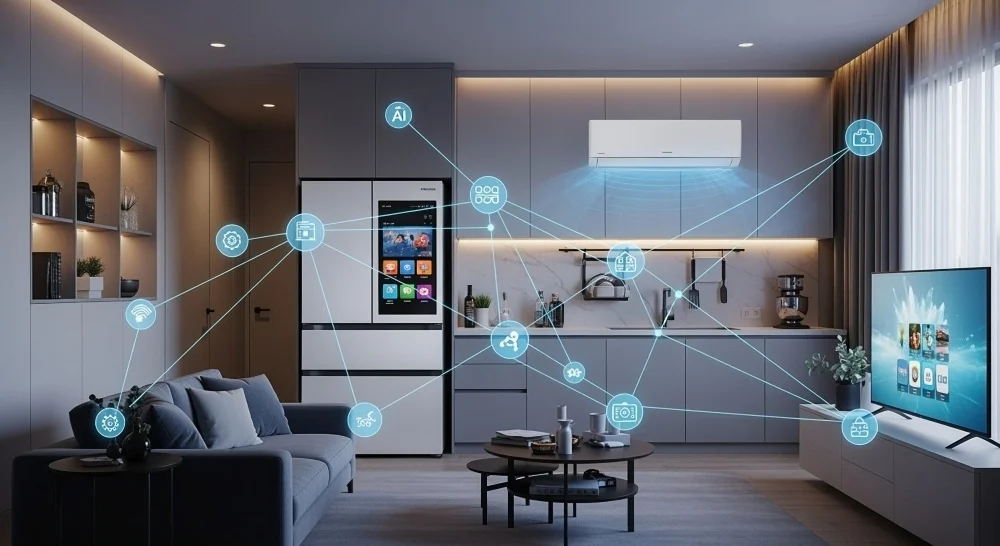
By 2027, smart homes are no longer collections of devices. They are ecosystems. Lighting, furniture, climate, sound, and surfaces communicate with one another. Decisions are made holistically, not in isolation.
This systemic thinking changes design priorities. Integration matters more than features. Coherence matters more than capability.
The End of Smart as a Selling Point
Perhaps the most telling sign of maturity is this: smart technology is no longer marketed aggressively. It’s assumed. Like plumbing. Like electricity.
Homes don’t advertise intelligence. They demonstrate it quietly, through comfort, adaptability, and ease.
When Design and Technology Agree
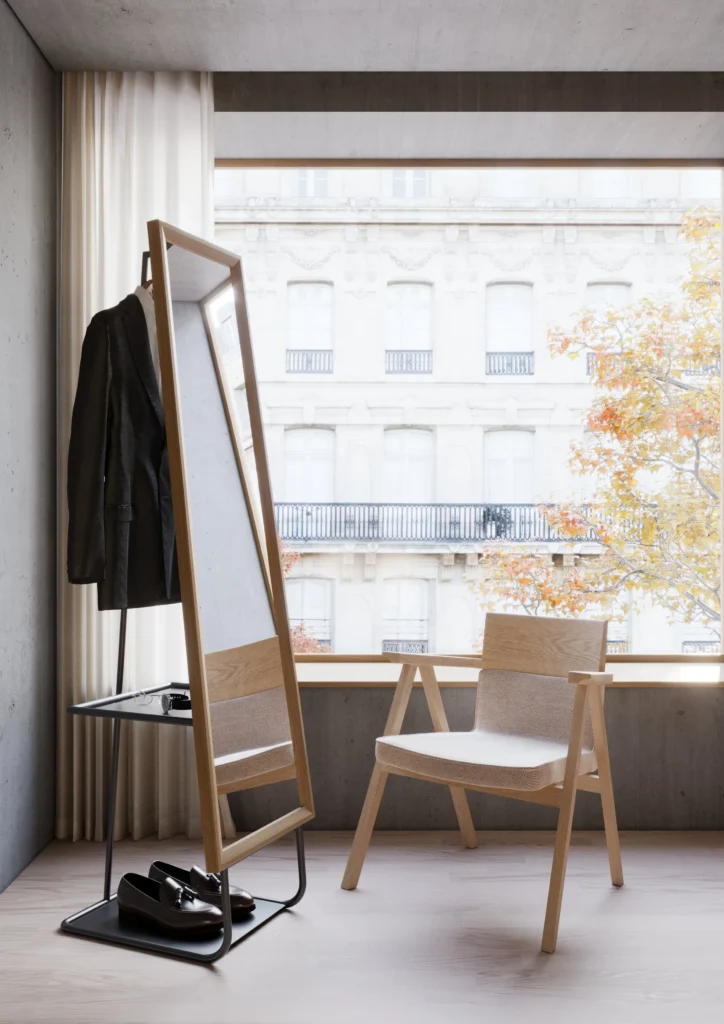
The real shift of 2027 isn’t technological. It’s philosophical. Design and technology have stopped competing for attention. They agree now. They work together toward the same goal: reducing friction, supporting wellbeing, and making daily life feel lighter.
Technology doesn’t dominate interiors anymore. It listens. It adapts. It disappears.
And when a home finally stops asking to be noticed, it starts doing what it was always meant to do—support living, without getting in the way.