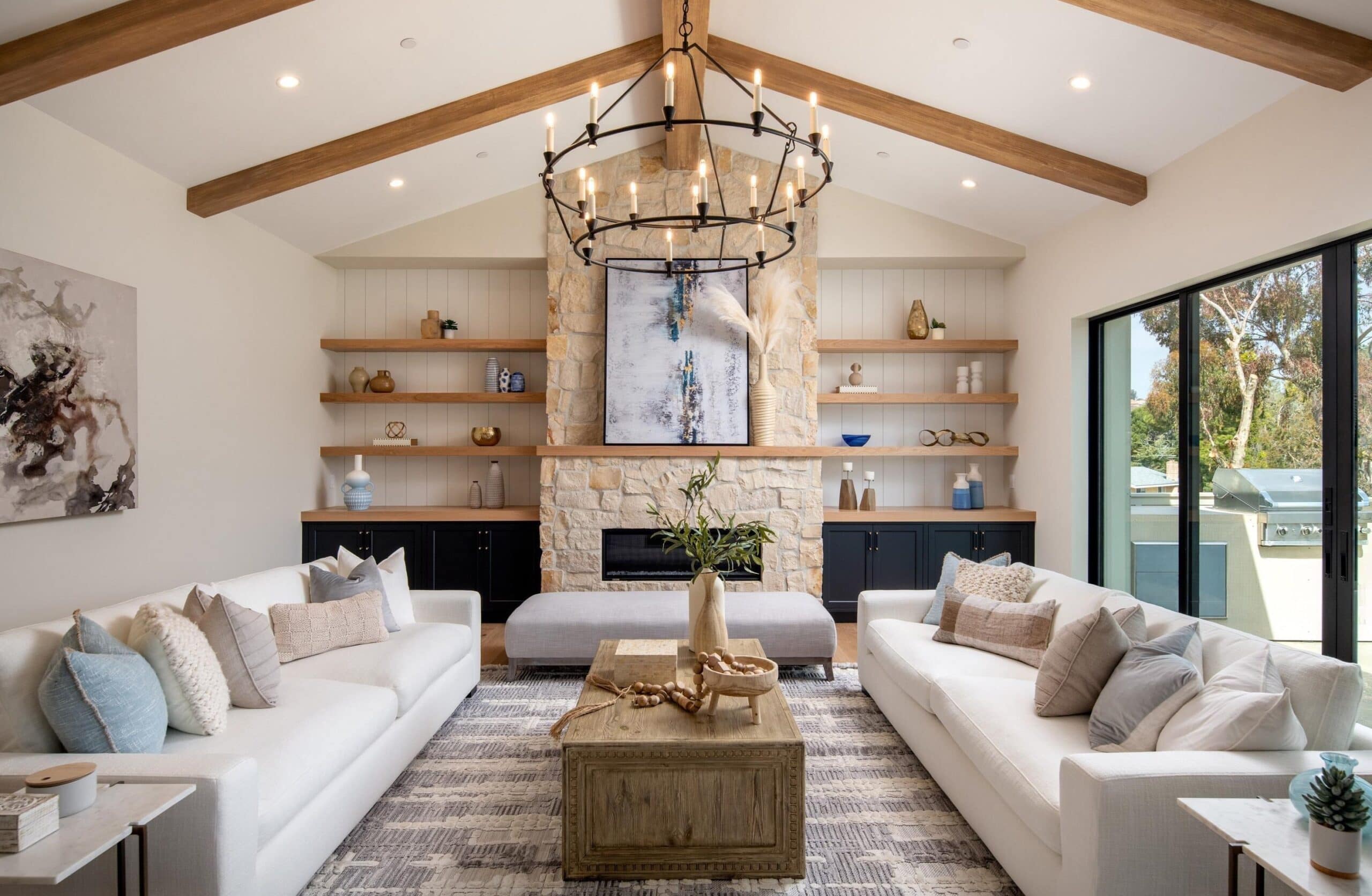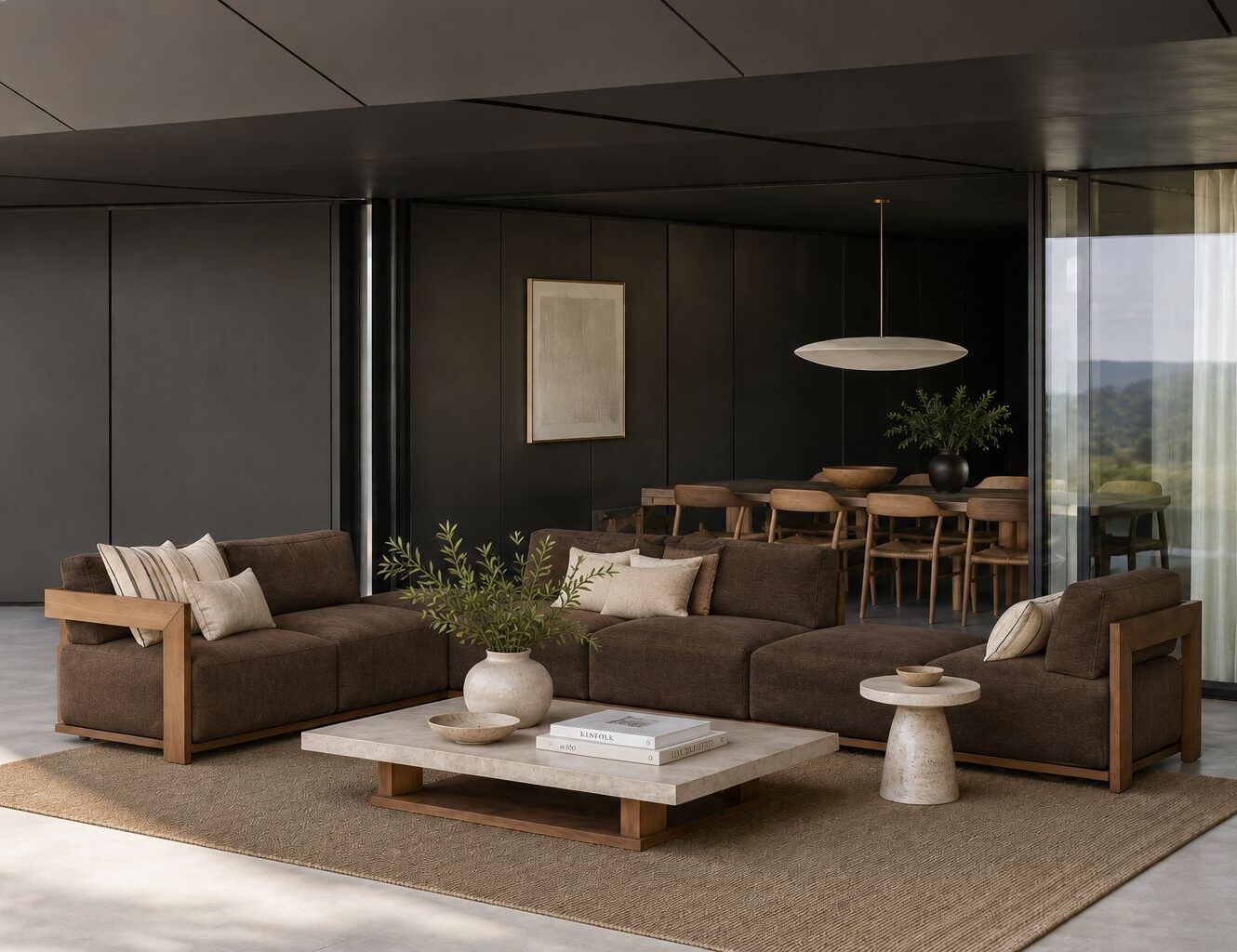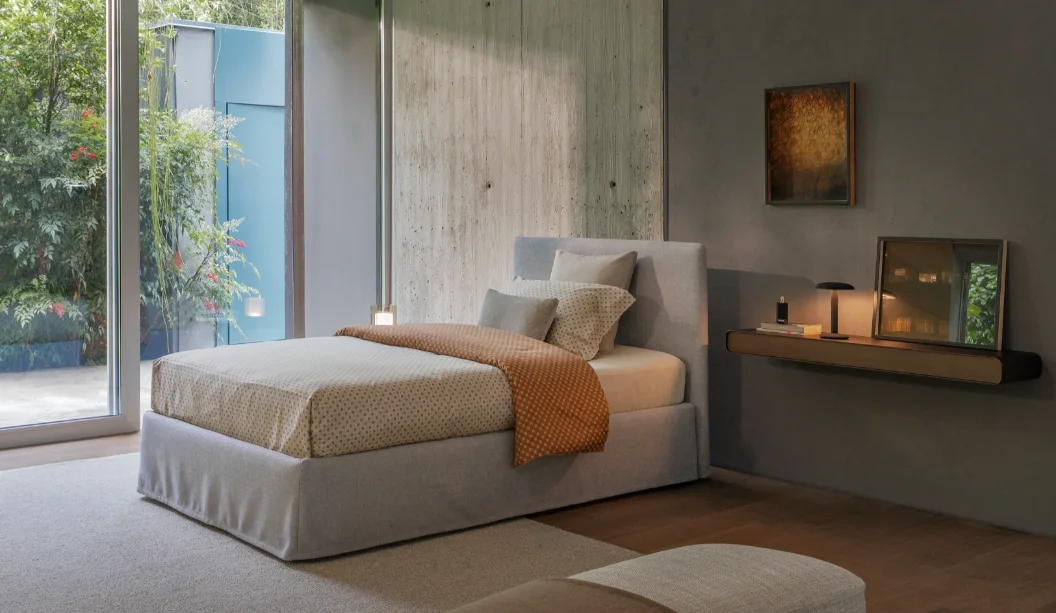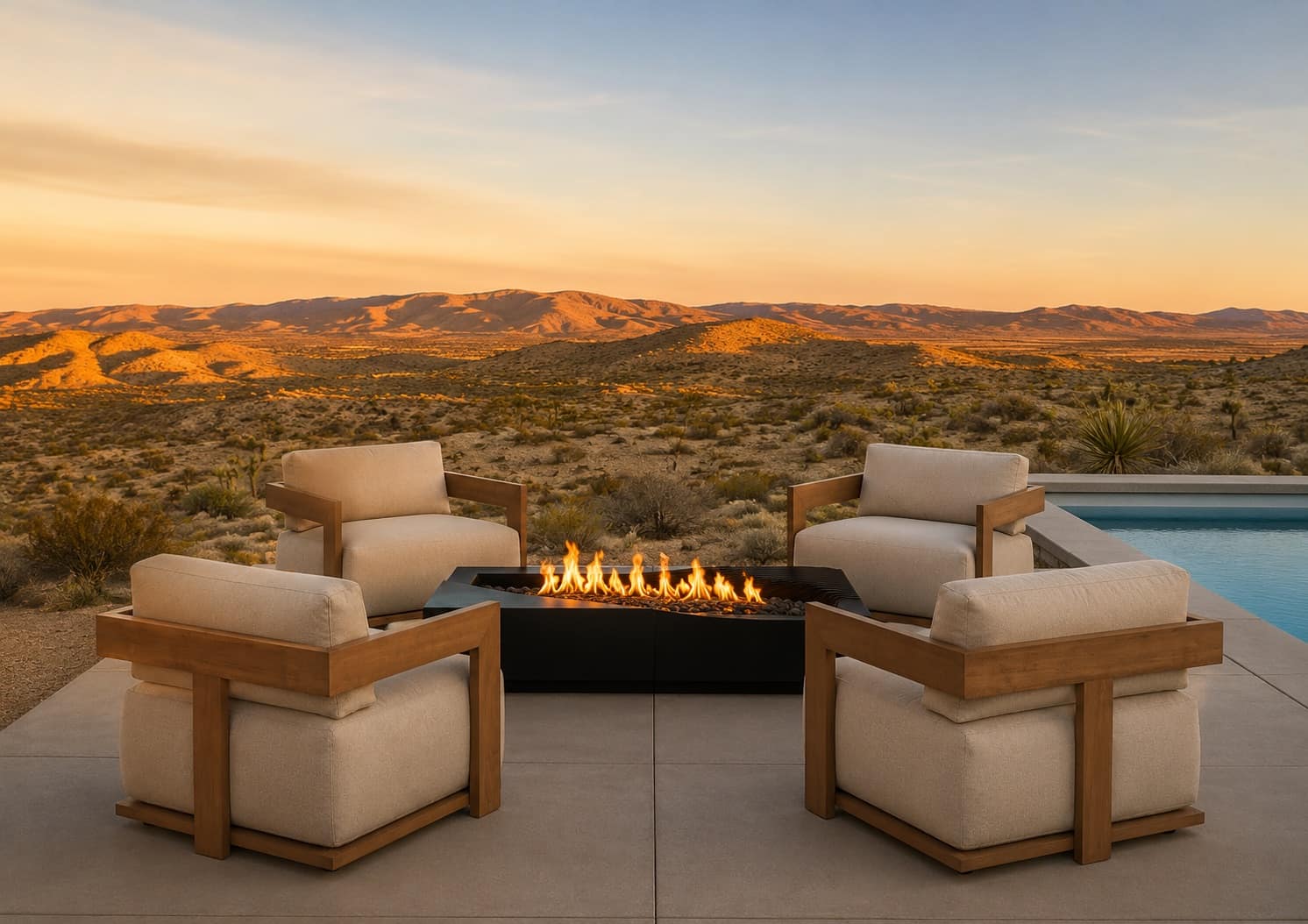

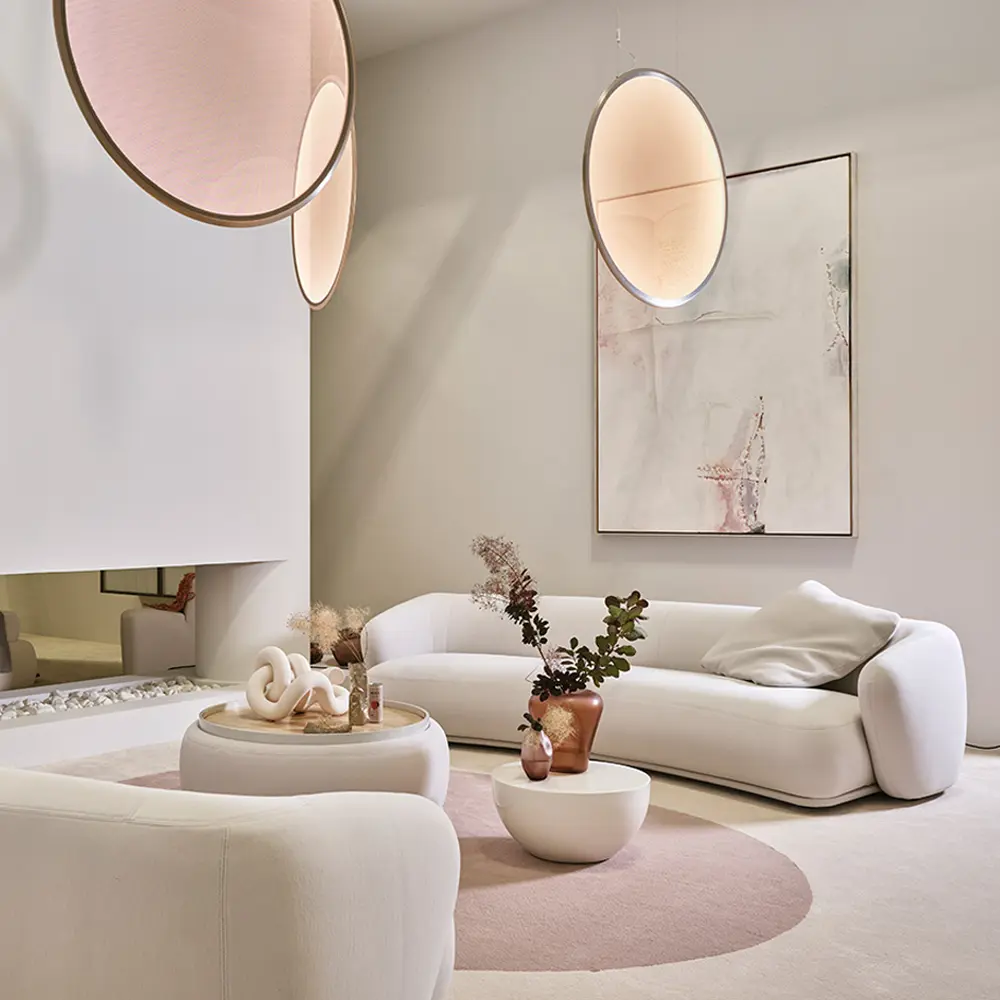
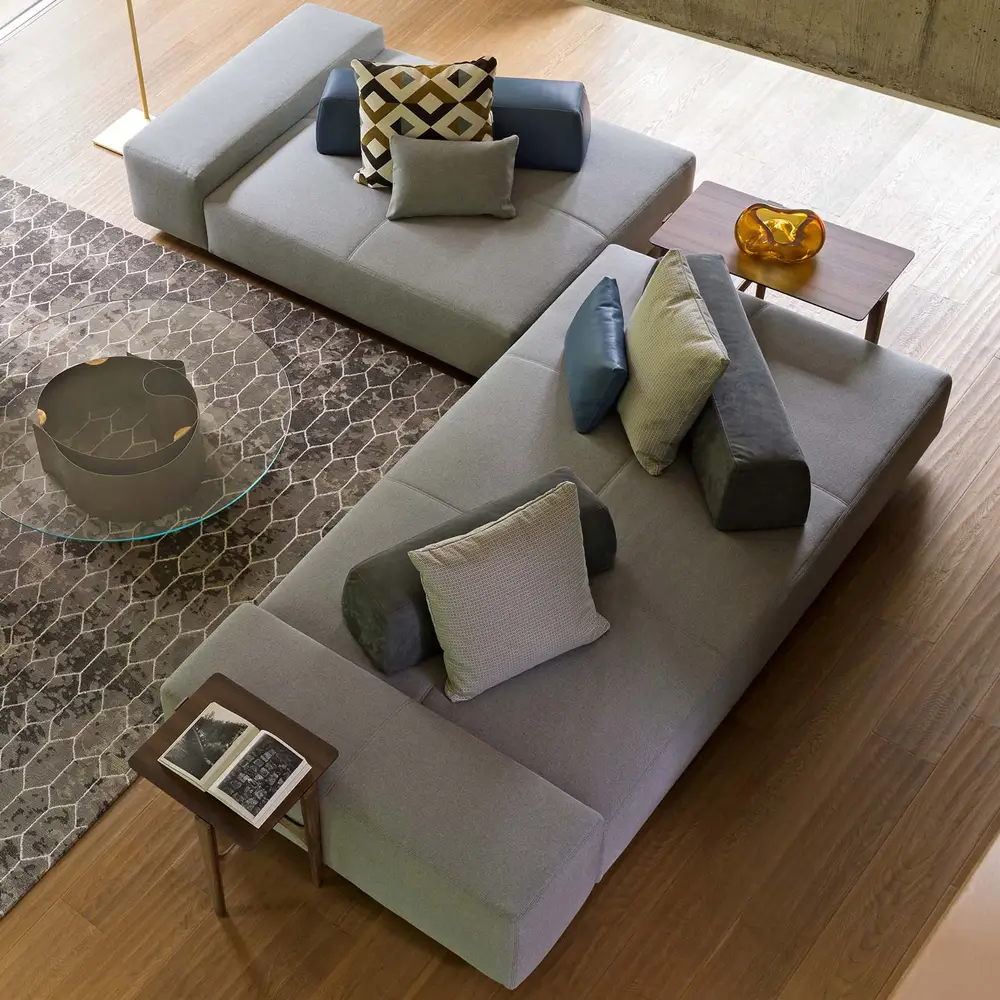
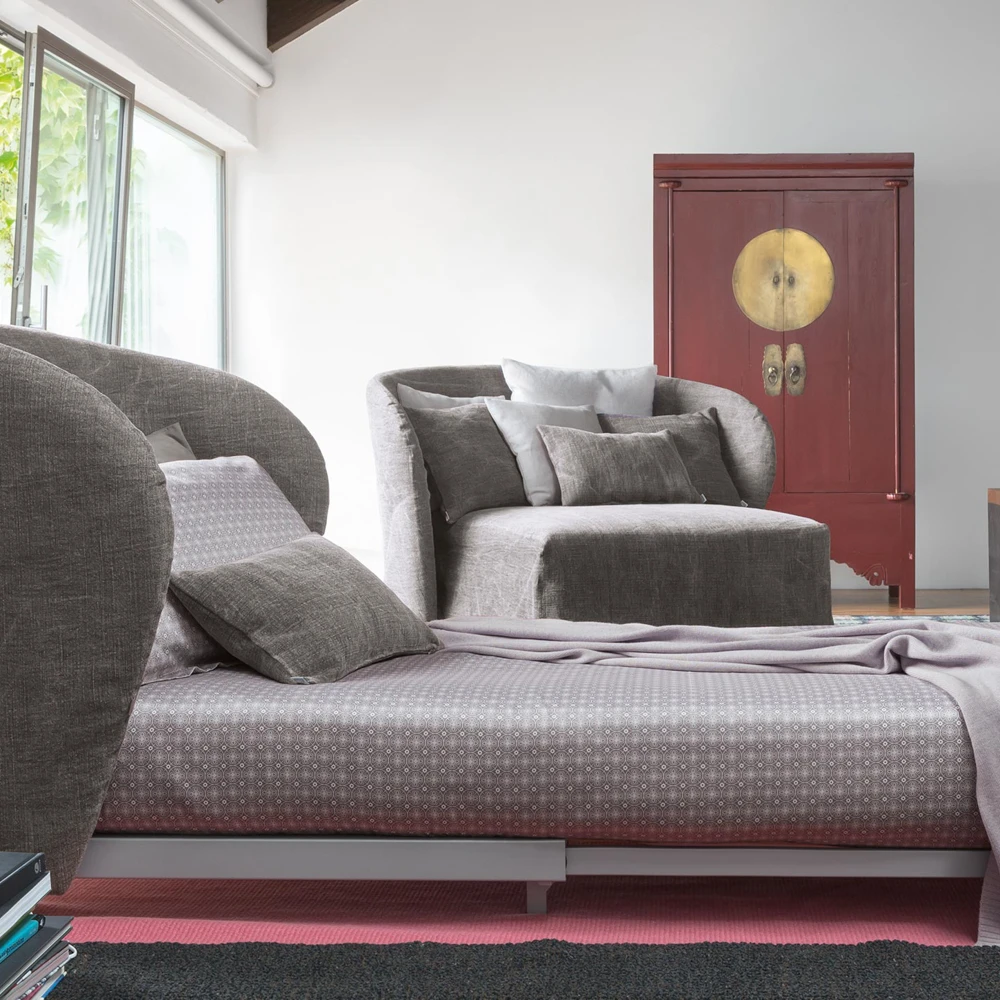
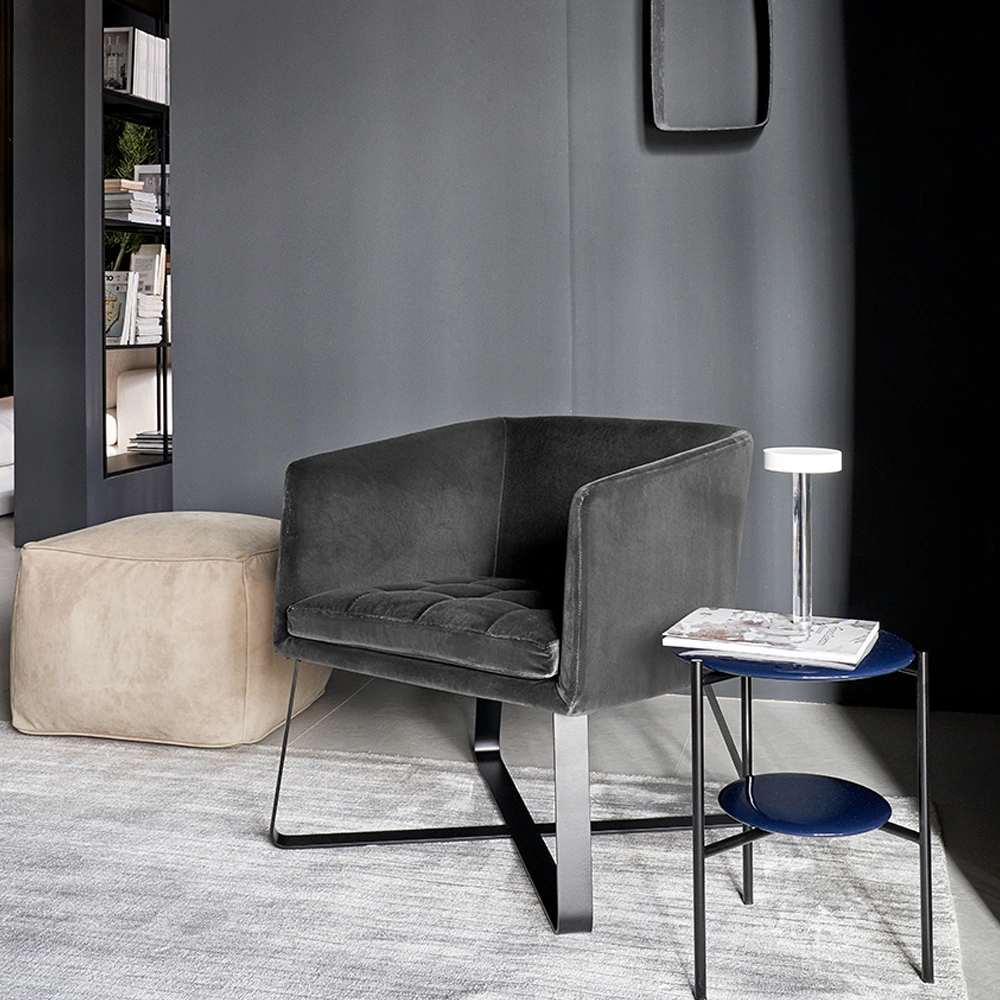




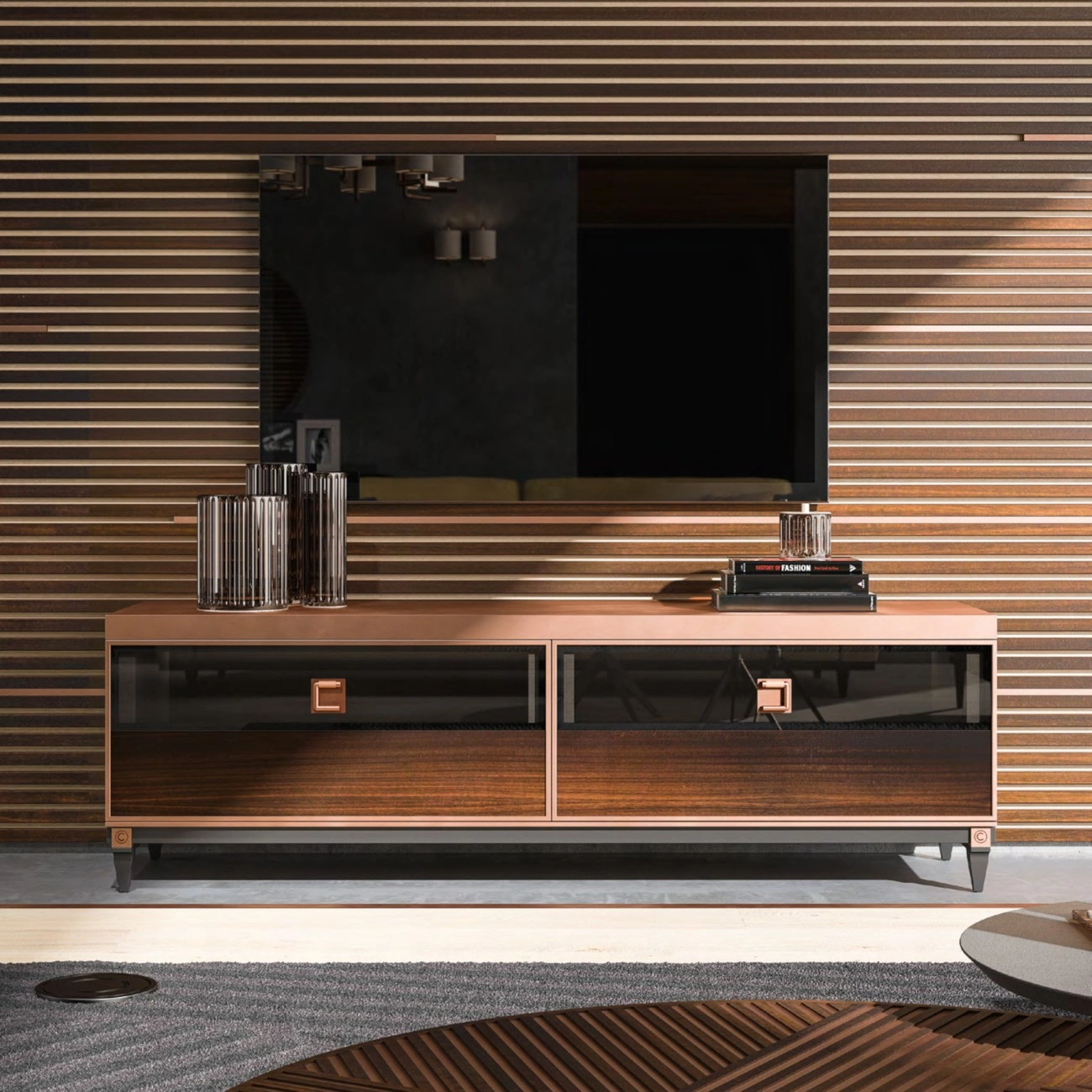
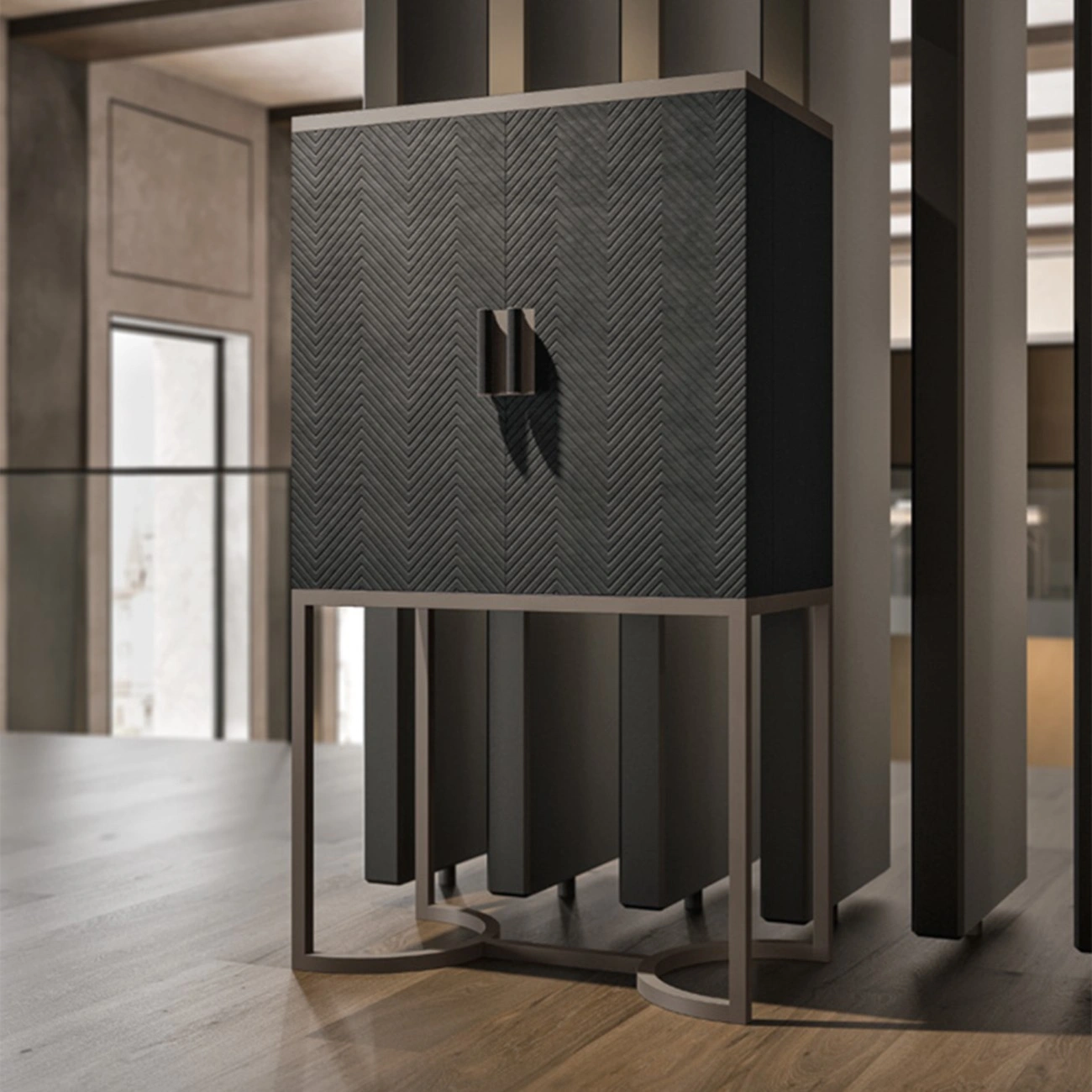

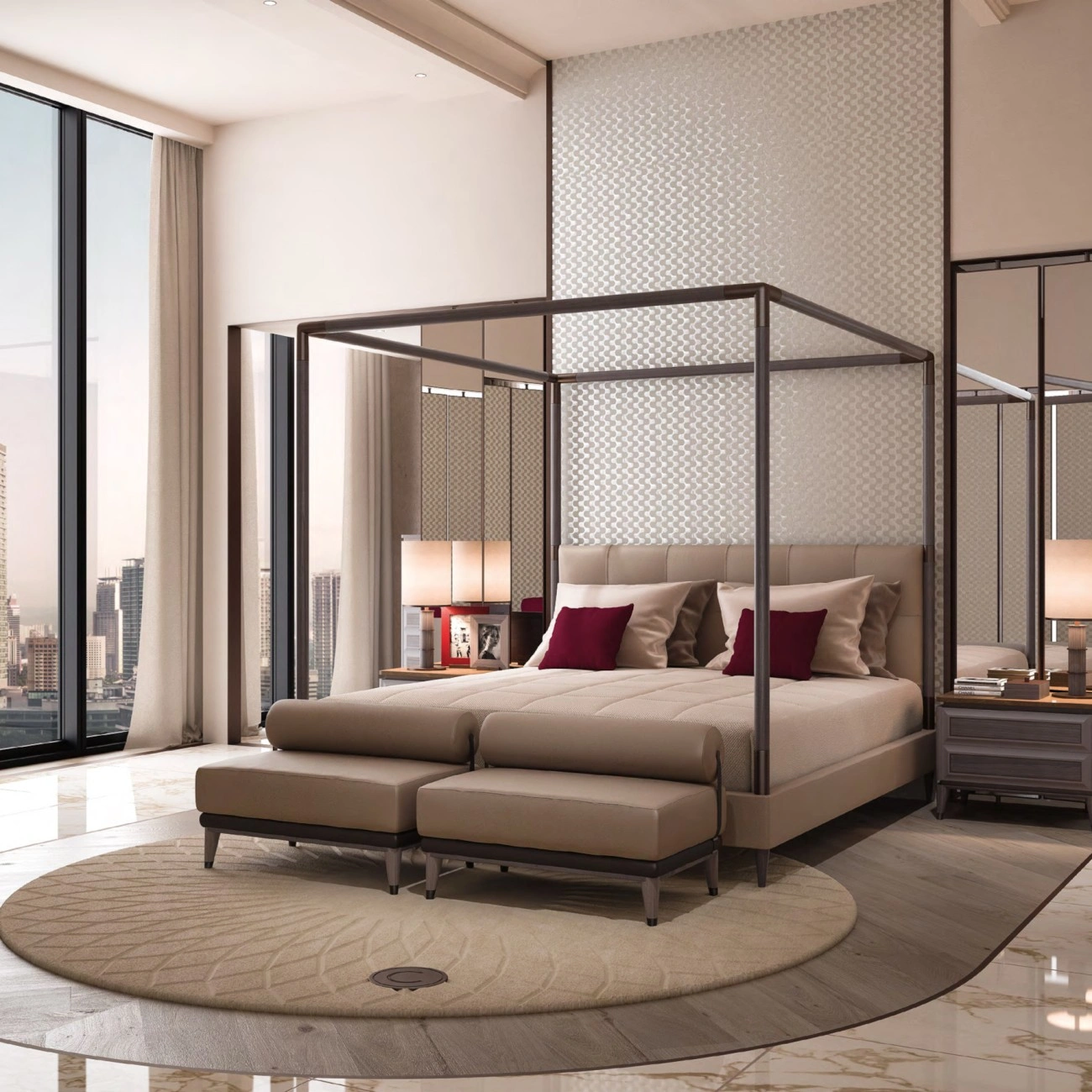
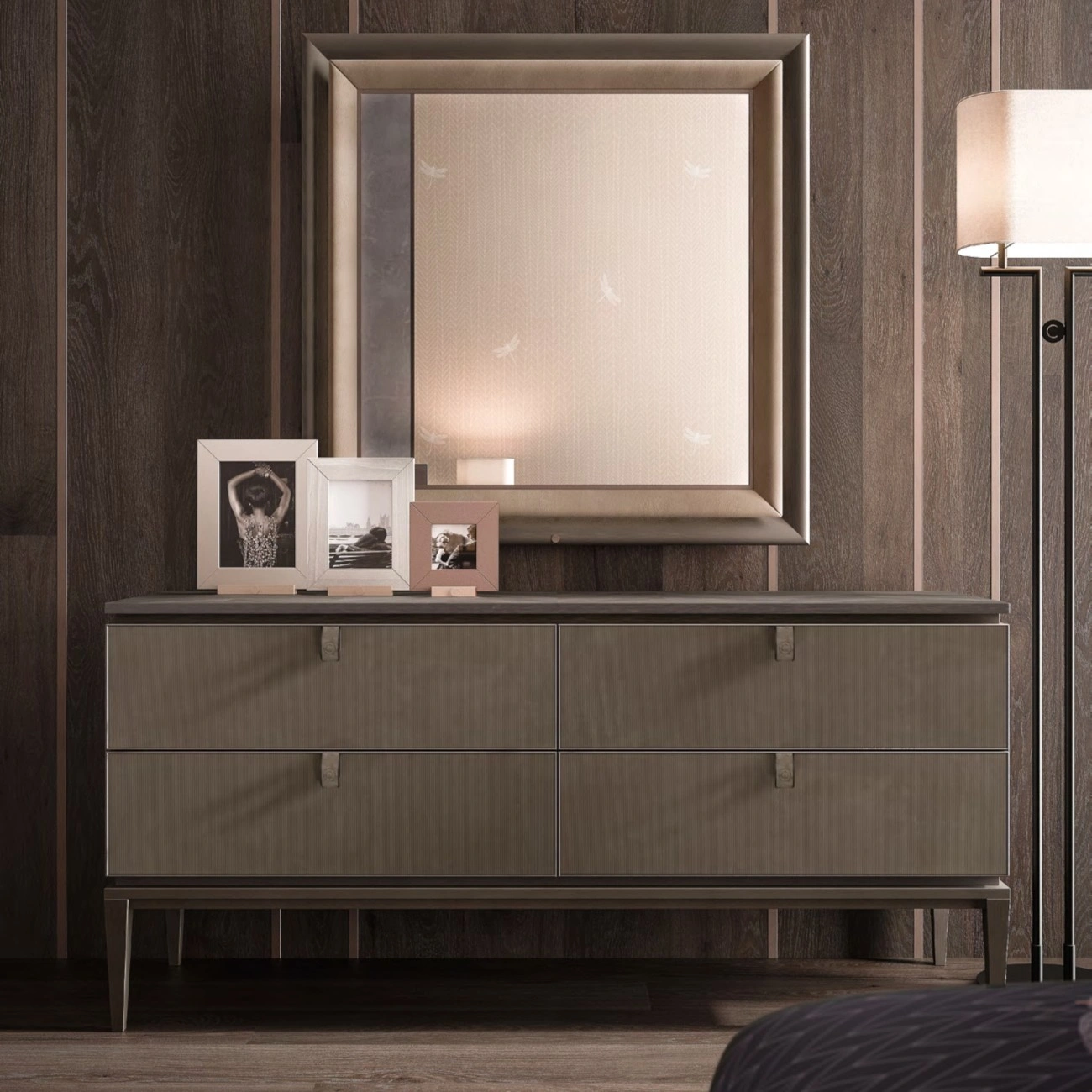

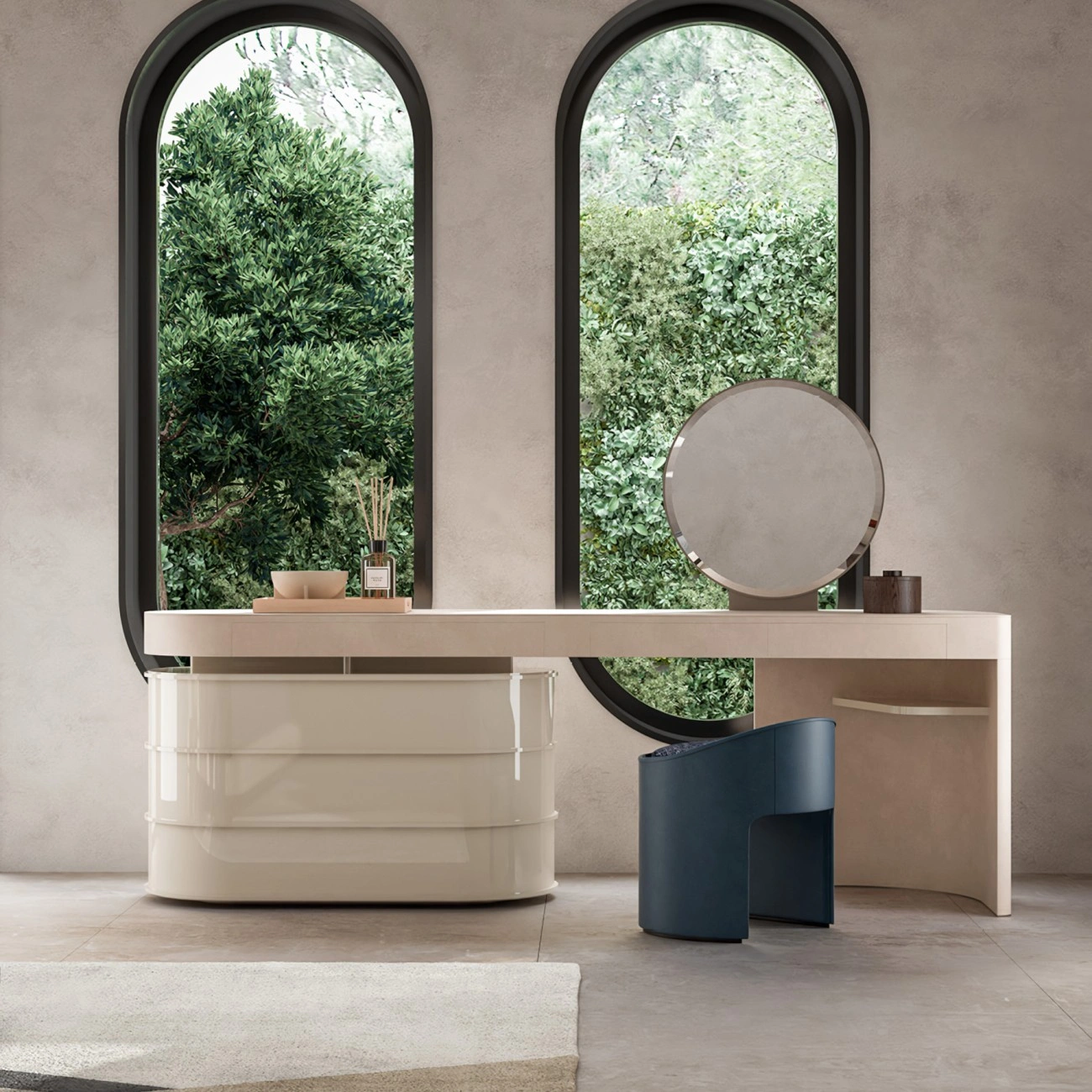
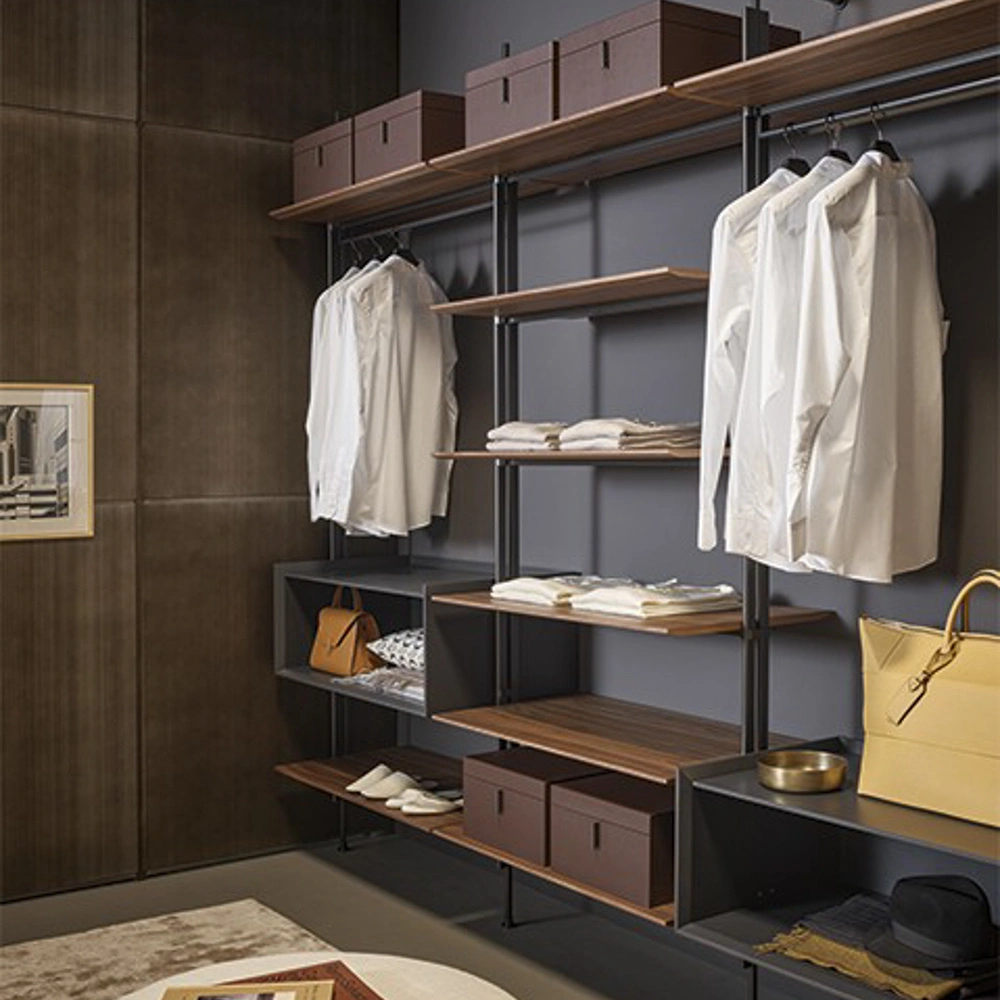
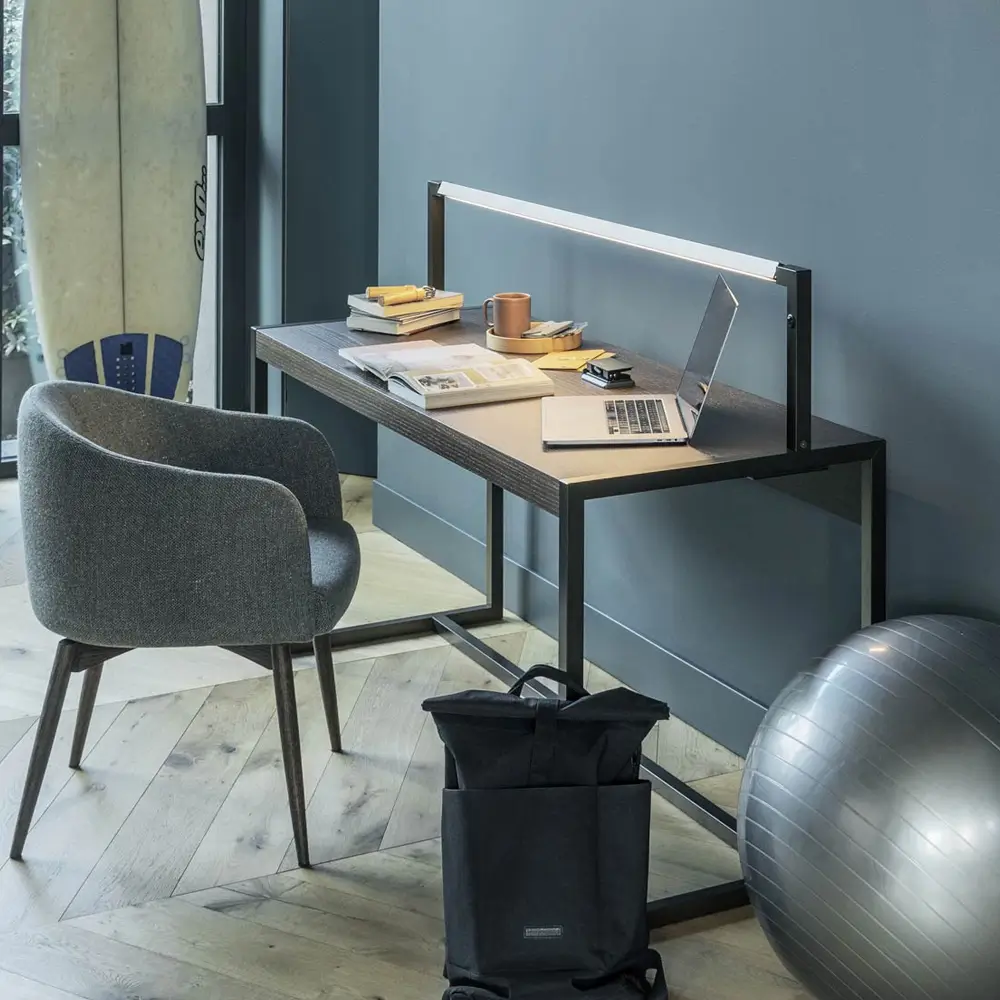







Wellness-driven interiors have long flirted with decoration. A monstera in the corner. A diffuser humming vaguely of lavender. A motivational print over the sofa. Useful, maybe. But limited. By 2027, wellness is not decoration anymore. It’s infrastructure. Interiors are measured by how they perform for the body and mind, not just how they photograph. Walls, floors, ceilings, furniture—they all participate. Not passive. Active.
Comfort is no longer only aesthetic. Designers look at sensory load, emotional flow, materiality. Carpets aren’t just for pattern or color—they absorb sound. Lighting does more than highlight a painting—it aligns with circadian rhythms. Finishes? Every varnish, every adhesive, every paint. They get scrutinized, because interiors are ecosystems we live in constantly.

Sound That Supports the Mind
Acoustic-softening surfaces are subtle but transformative. Open-plan homes exposed the problem: footsteps echo. Conversations collide. Concentration fractures. A textured wall panel. A ceiling baffle. A dense rug. Small interventions, big difference.
It’s not silence. Not always. But control. Spaces that manage unwanted noise let people focus, rest, inhabit a home without constant stimulation. Living rooms double as workspaces. Bathrooms feel like retreats in wellness-driven interiors, not echo chambers. Acoustic treatment is the quiet backbone of mental clarity, especially as hybrid work blurs home and office.
Lighting for Life
Circadian lighting is no longer experimental. It’s expected. Light affects sleep, mood, alertness. Designers automate color and intensity shifts that track daylight. Morning light energizes. Evening light warms.
This subtly changes interiors. Kitchens feel invigorating in the morning. Living rooms slip into evening calm. Bedrooms support melatonin production: blinds filter glare, lights dim gradually, finishes reflect softly. Spaces unfold across hours and seasons. Wellness design is temporal as much as spatial.
Material Choices as Mindful Decisions
Low-toxicity finishes and adhesives have moved from “nice to have” to non-negotiable. Interiors are judged on what they do to human physiology. Paints free of VOCs. Natural adhesives. Minimal fumes. Surfaces matter invisibly.
This extends beyond floors and walls. Upholstery, cabinetry, wallcoverings—all considered through chemical transparency. Wellness-driven spaces don’t trade one harm for another. Materials are intentional, visible or not.
Comfort Beyond Ergonomics
Physical comfort goes beyond ergonomic chairs. It’s in scale, proportion, spatial flow. Pathways uncluttered. Circulation intuitive. Furniture supports posture without looking clinical. Home offices accommodate hours without strain. Lounge chairs positioned near windows for physical rest and mental reprieve.
Thermal comfort is integrated too. Radiant floors, heating/cooling zones, airflow strategies. Not for control’s sake, but for subtle alignment with human physiology. Responsive, not sterile.
Sensory Balance as Strategy
Wellness engages multiple senses. Acoustic surfaces, circadian lighting, low-toxicity finishes converge with tactile textures, subtle smells, visual composition. Rough wood, soft textiles, smooth stone, reflective glass. Subtle scents, minimal but deliberate. Colour schemes chosen for stress reduction and mood support. Not just decoration, but regulation.
Wellness is logic, not theme. It guides every spatial choice.
Hybrid Work and Wellness
Pandemic-era home offices exposed gaps between space and mental wellbeing. Dining tables as desks, couches as chairs. Bedrooms doubling as Zoom studios. Strain obvious. Dedicated wellness-oriented spaces are no longer optional.
By 2027, wellness overlaps with hybrid work. Acoustic privacy, circadian lighting, non-toxic finishes—essential, not luxury. Home offices become ecosystems: walls buffer sound, light shifts naturally, finishes support clean air. Spaces perform for health as much as productivity.

Invisible Infrastructure
Much of wellness design is invisible. Noise absorption, circadian lighting, low-VOC materials. Quiet impact, cumulative. Guests may notice only calm or comfort. Designers think like biologists, not decorators. Surfaces, light, materials—they’re agents. Interiors actively shape behavior.
Beyond Wellness as Lifestyle
Wellness isn’t about yoga corners or Himalayan lamps. It’s about performance: cognitive clarity, emotional stability, physical comfort. Homes must support rest, work, socializing, solitude—all at once.
2027 interiors treat wellness as foundational, not aspirational. Acoustic-softening surfaces, circadian lighting, low-toxicity finishes: embedded in architecture and furniture. Shaping experience quietly.
Ethics, Care, and Design
Wellness implies ethics. Material transparency, air quality, cognitive ergonomics. Non-optional. Designers are responsible for health and comfort, for anticipating human responses. Interiors become dialogues between body and space. Beauty is no longer enough.
Living in a Wellness Interior
Wellness interiors feel different, even understated. Living rooms calm because noise is absorbed, light shifts naturally, finishes gentle. Kitchens, offices, bedrooms function without friction. Body moves naturally. Mind rests naturally. Interventions small, impact cumulative. A quiet revolution: interiors as active participants in wellbeing.
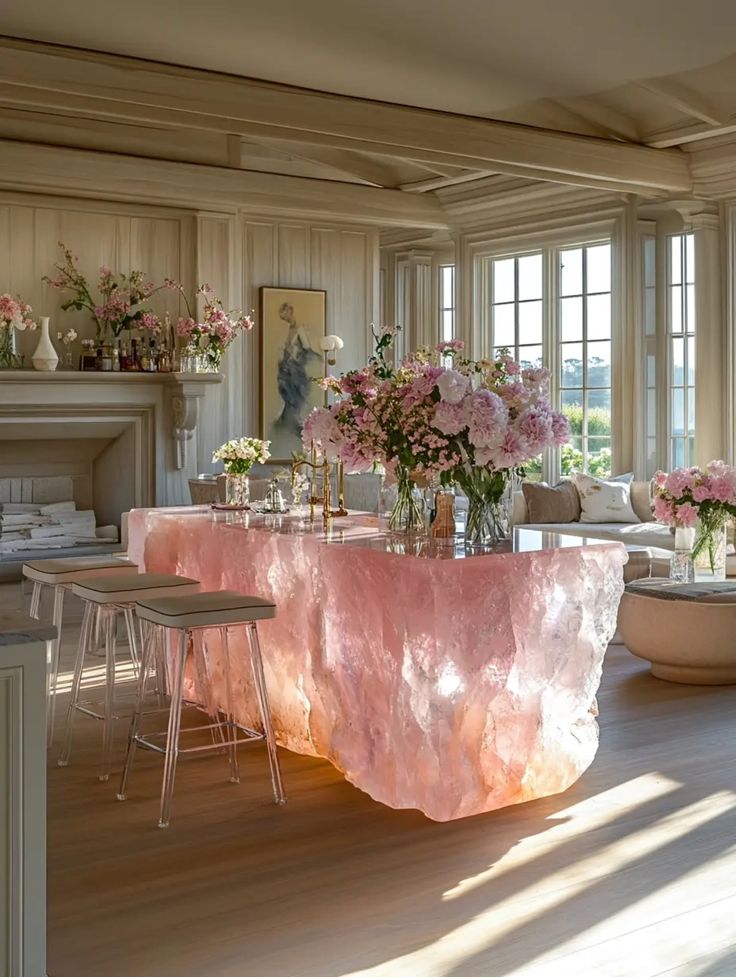
The Future is Functional
By 2027, wellness is foundational. Interiors judged aesthetically, yes, but increasingly by contribution to mental clarity, comfort, sensory balance. Acoustic surfaces, circadian lighting, non-toxic finishes are infrastructure. Embedded in the very fabric of rooms. Subtle, precise, and essential.
Spaces are beautiful, functional, aligned with wellbeing. And that’s the new baseline. Not luxury. Not trend. Necessity.