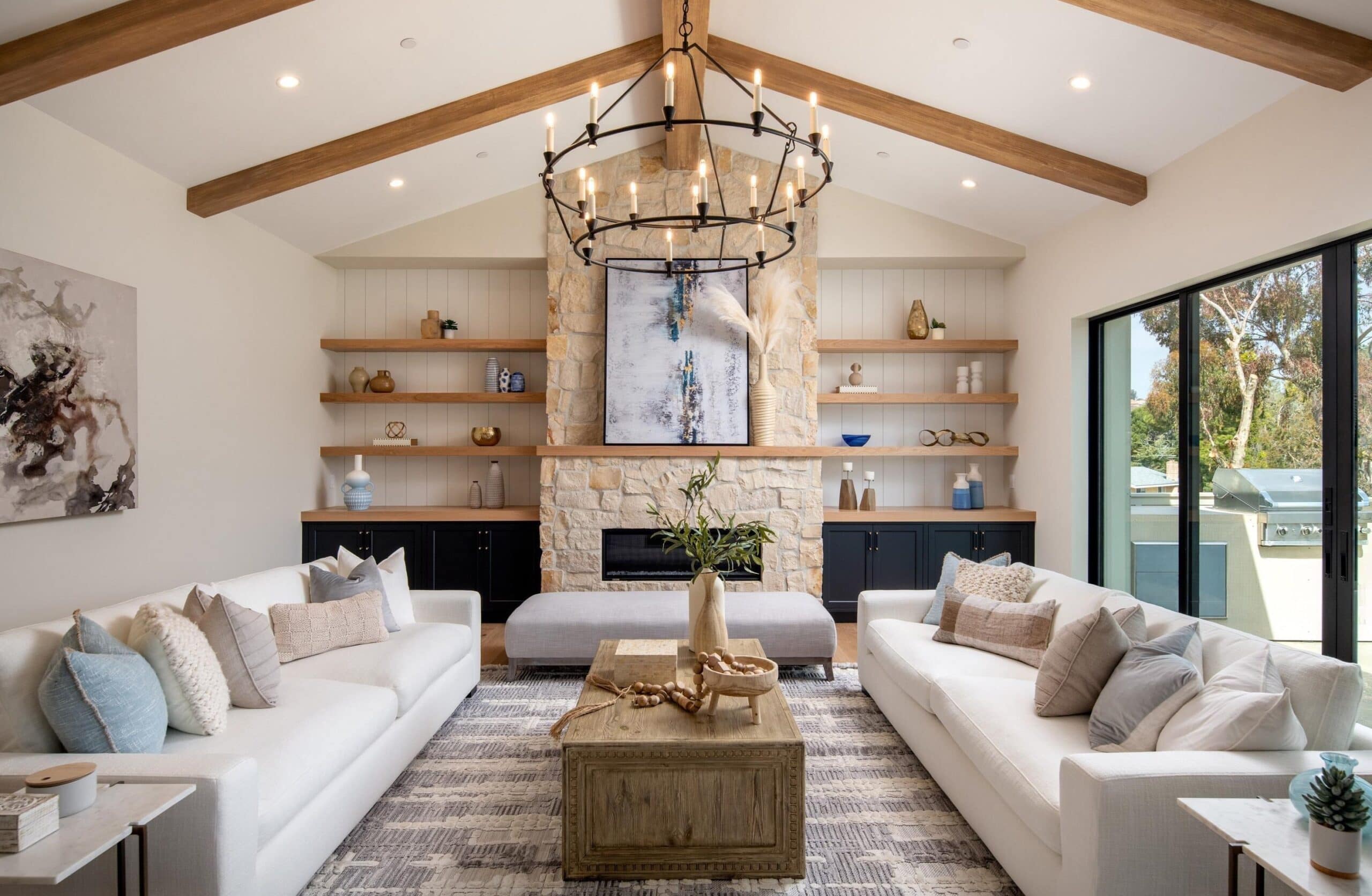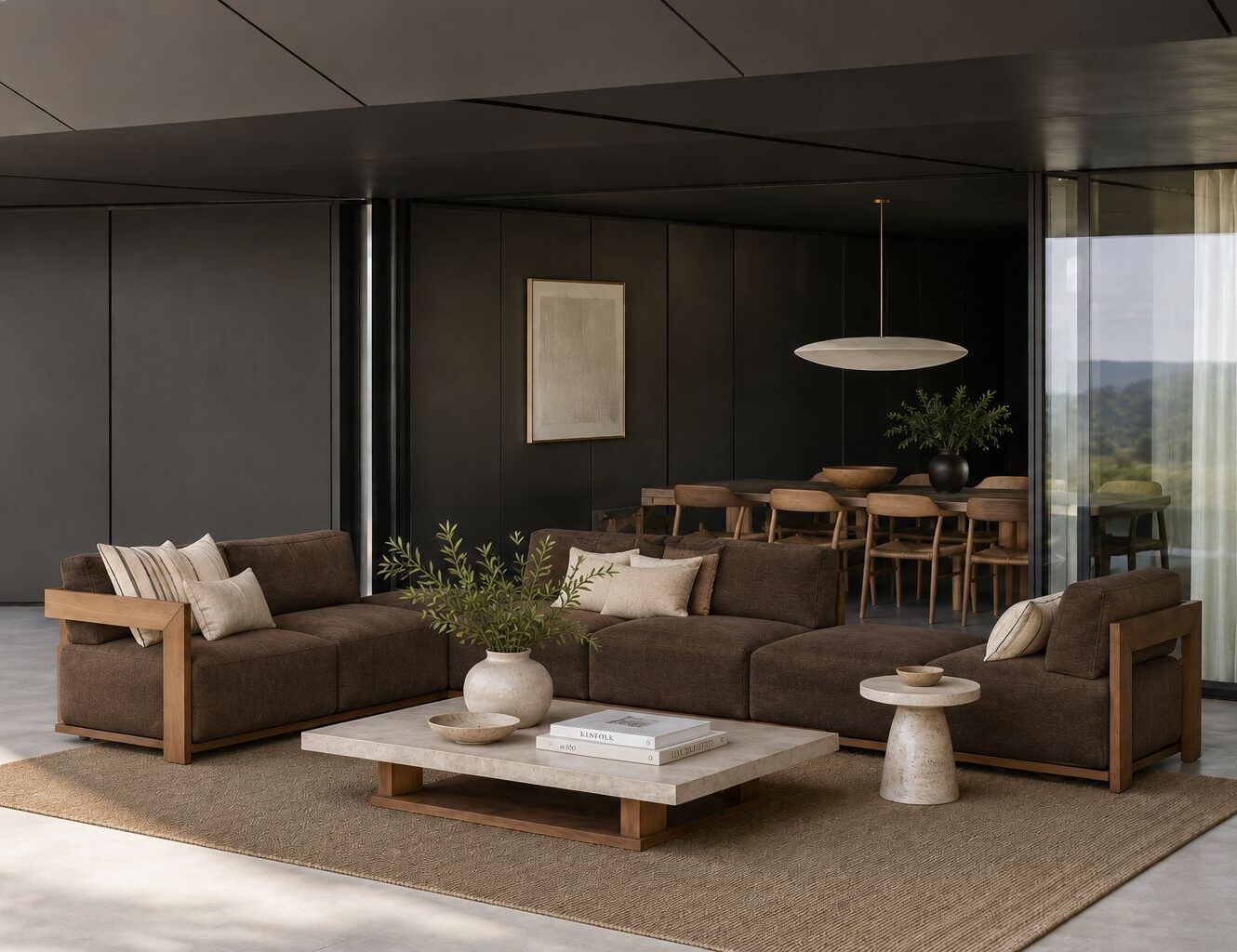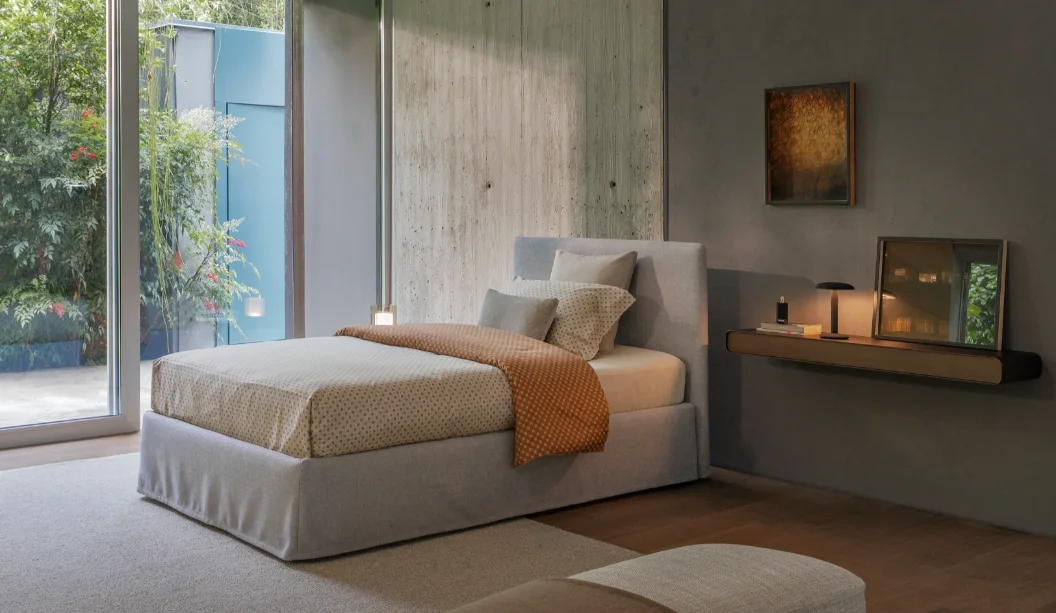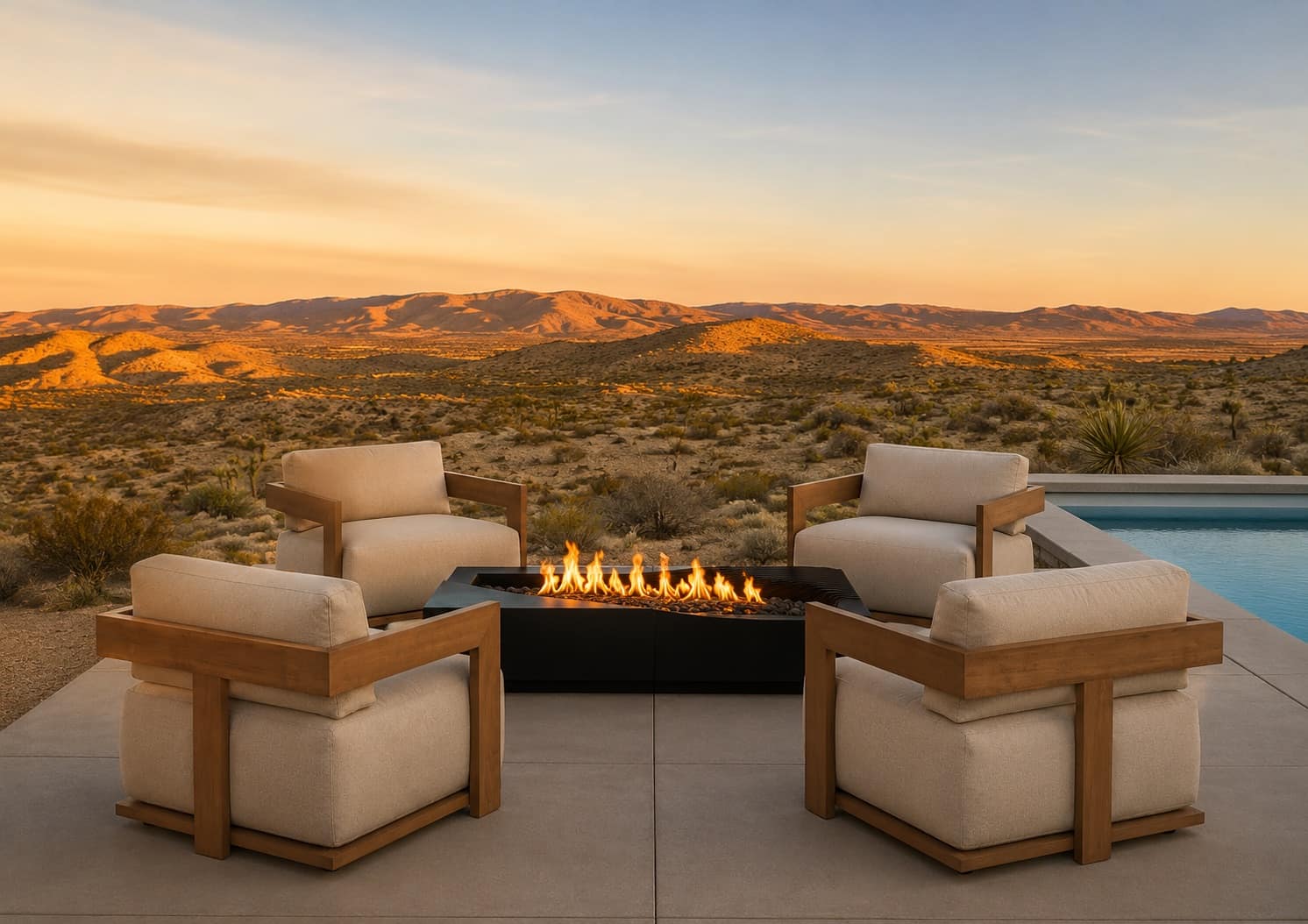

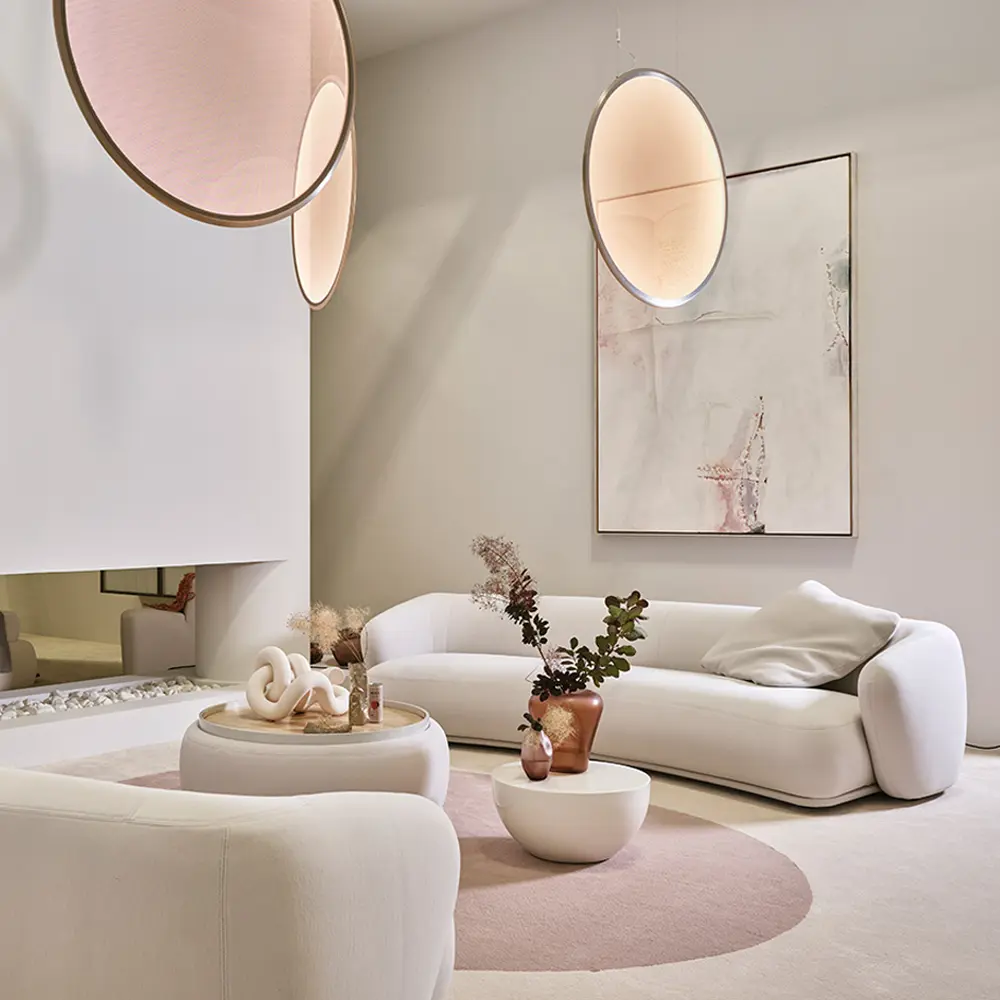
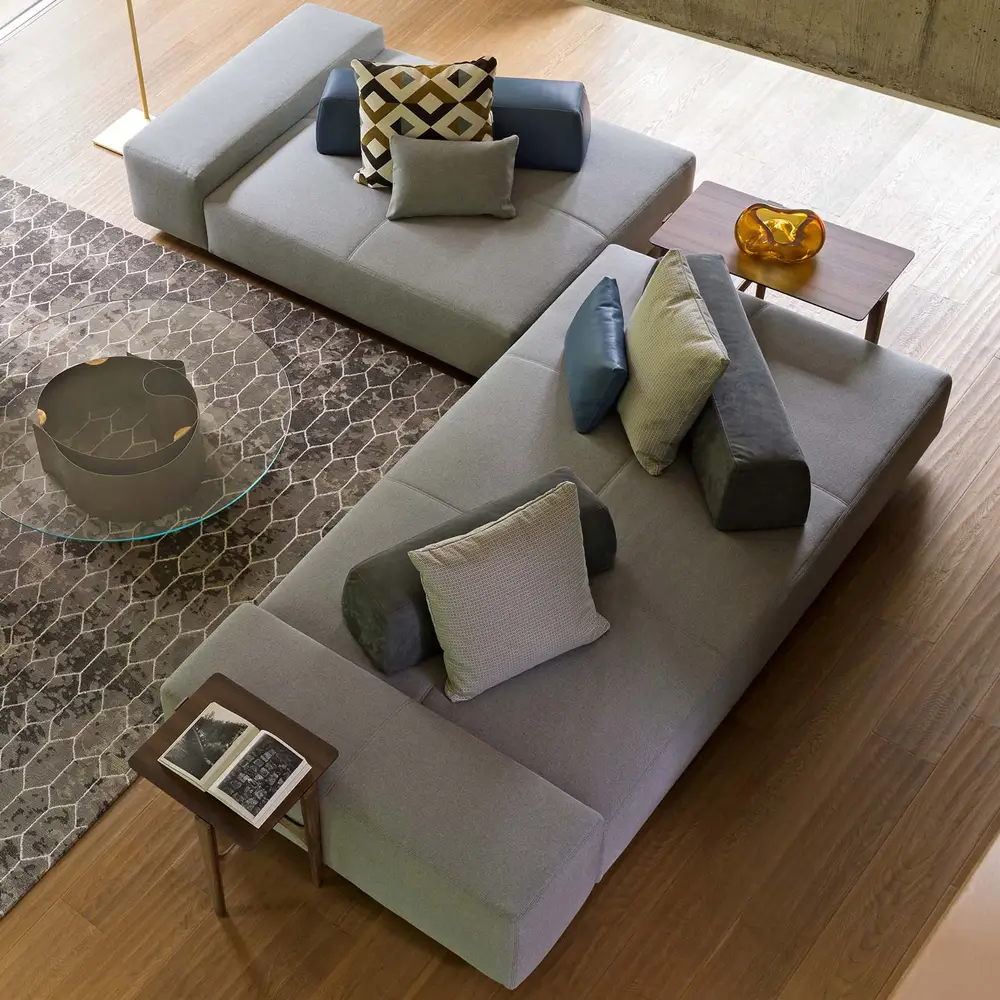
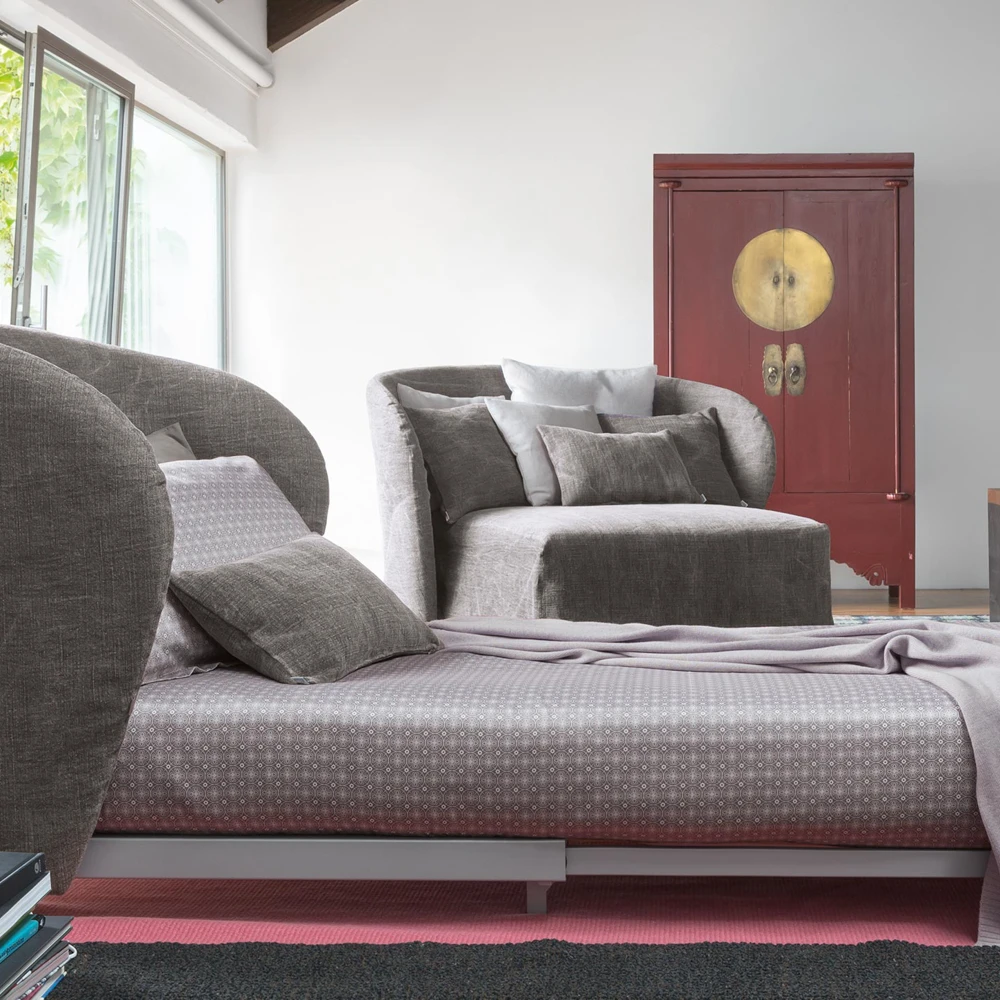
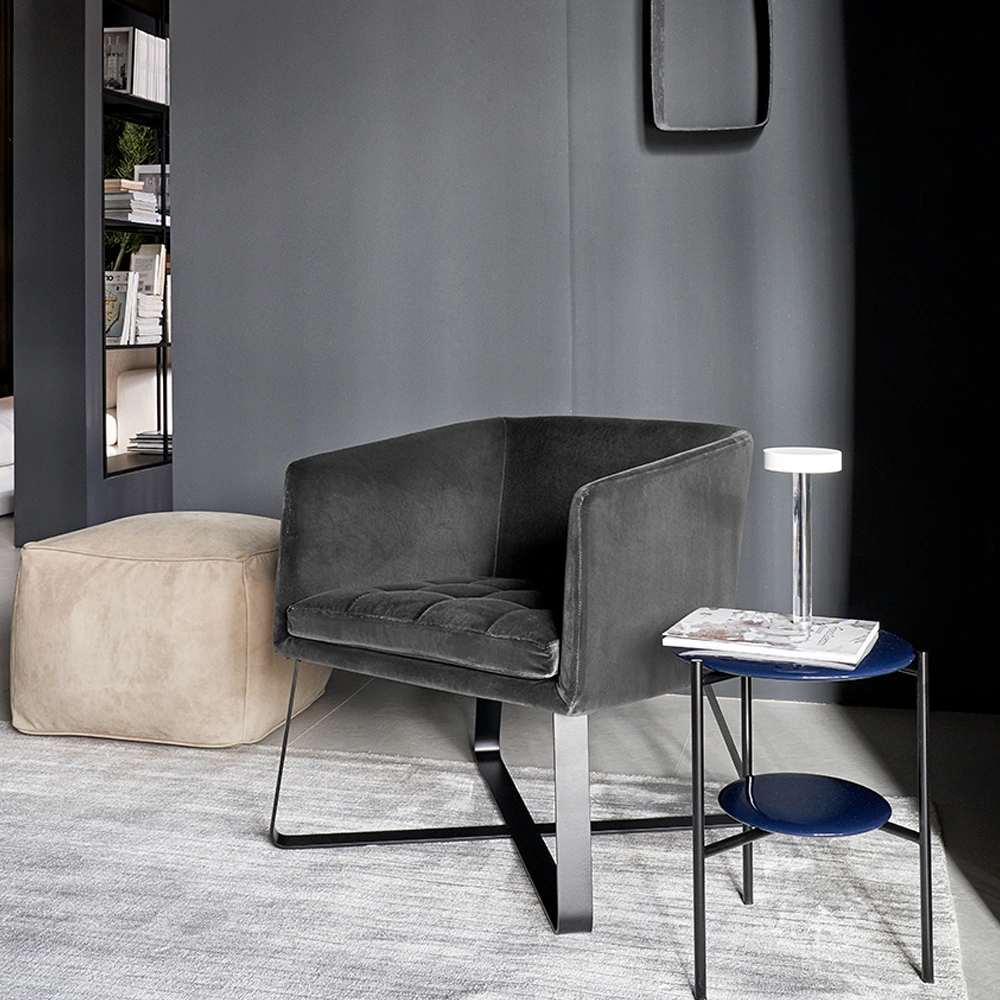


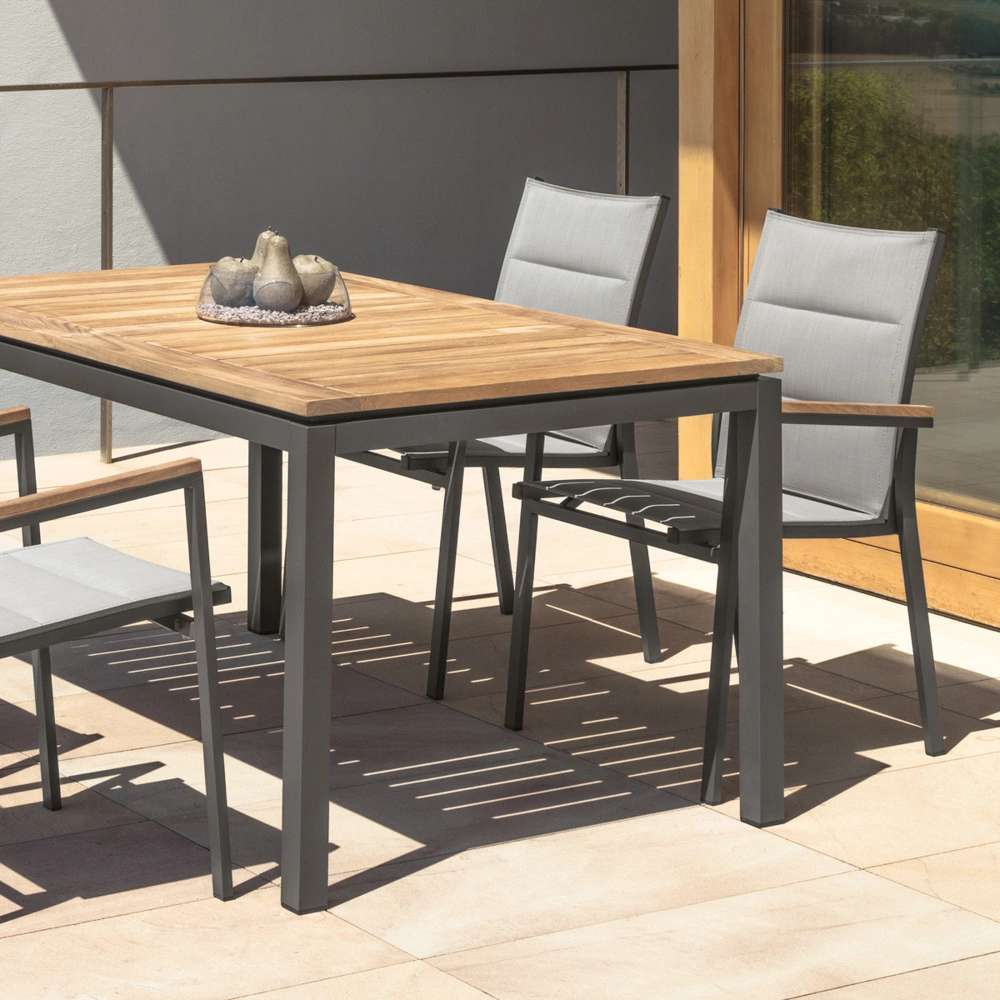
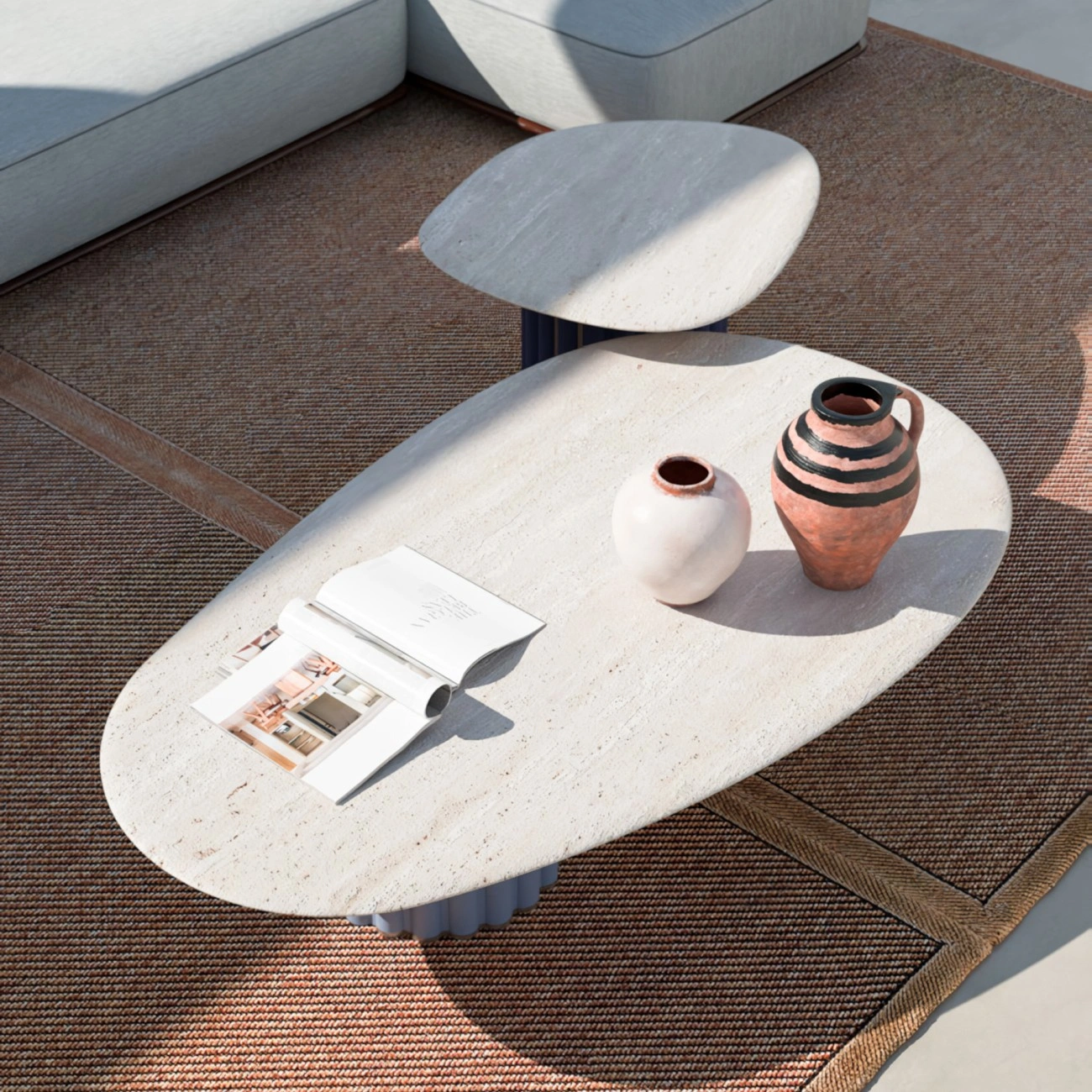


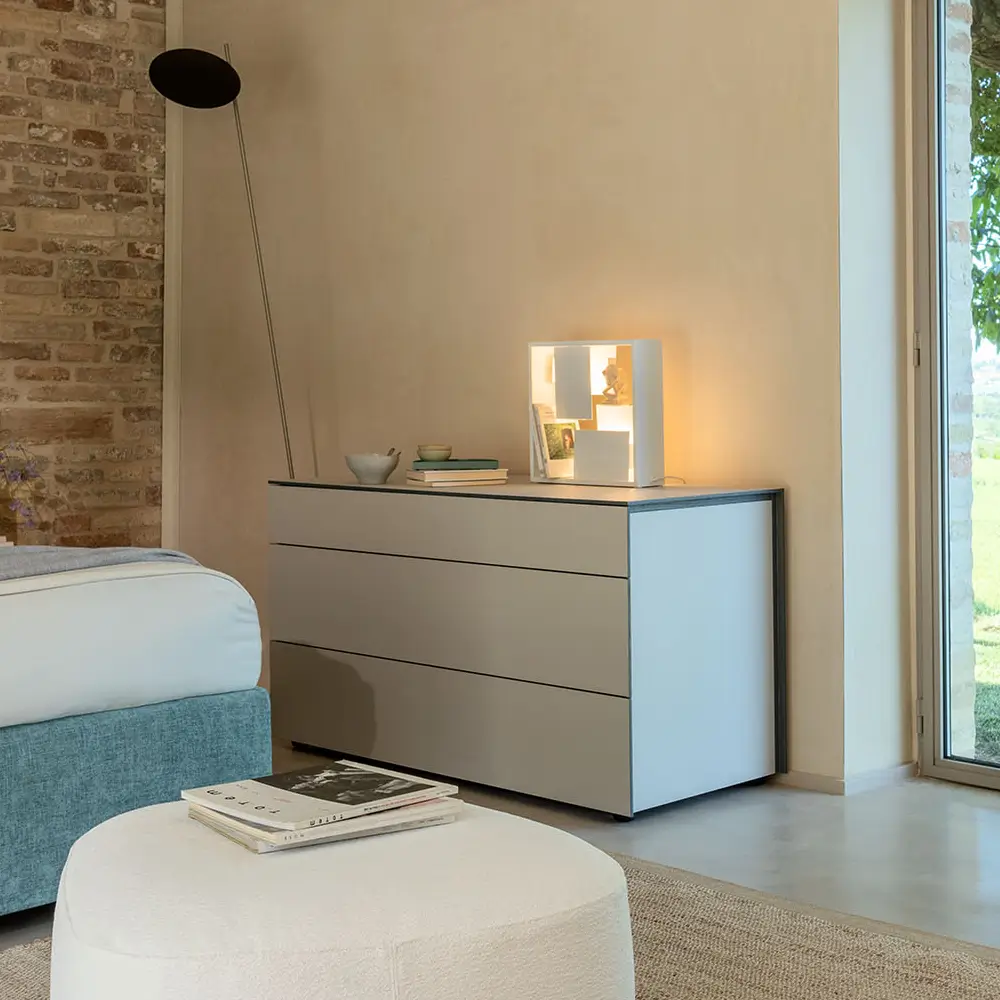
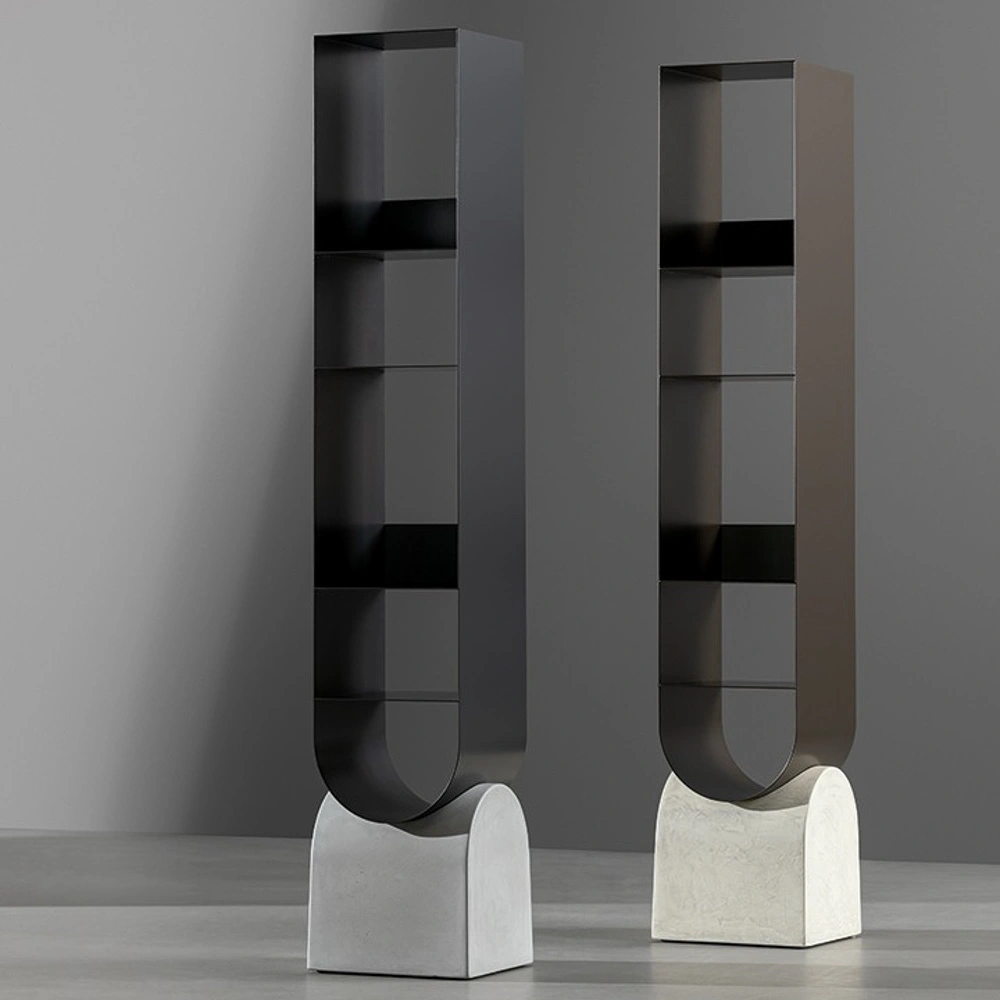
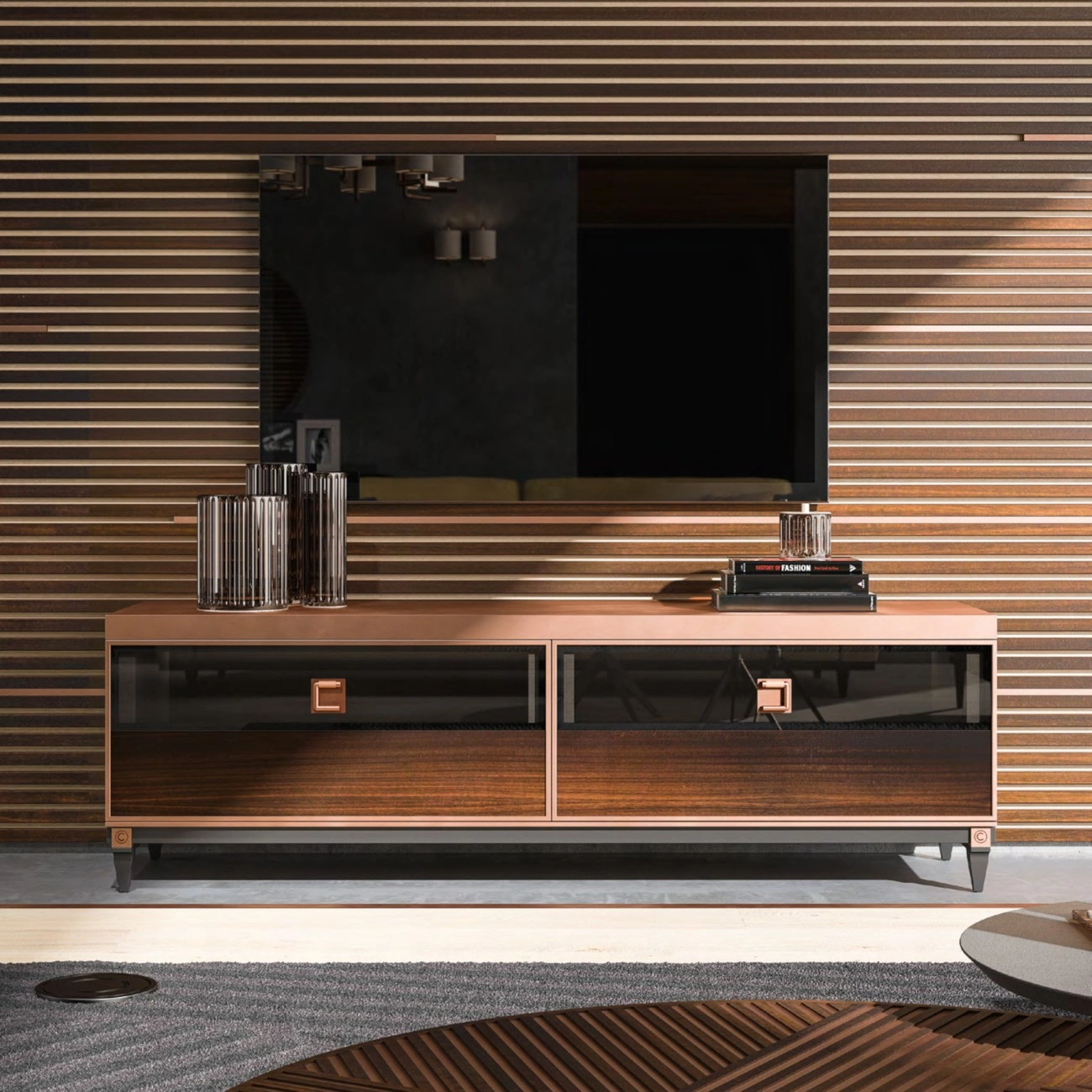
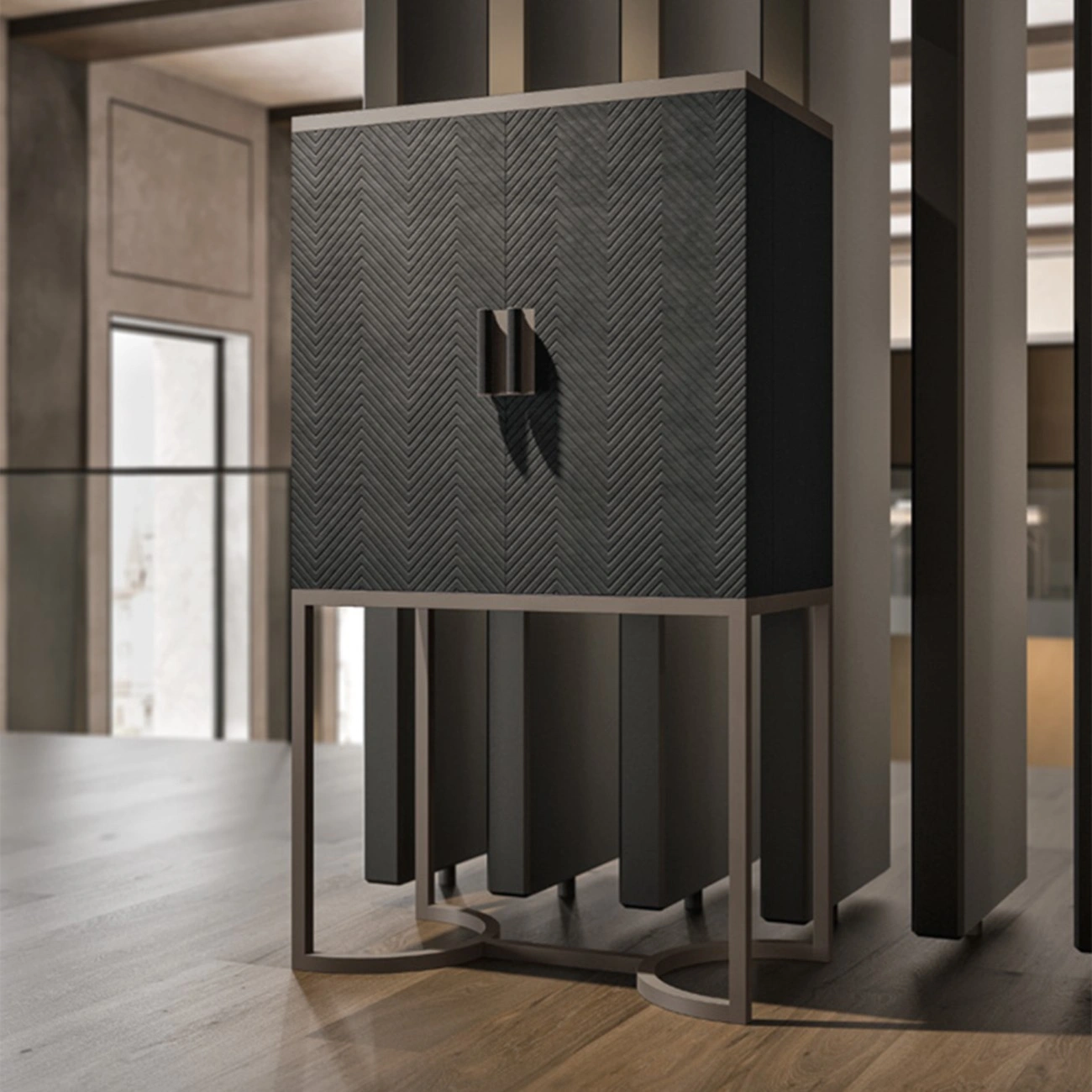

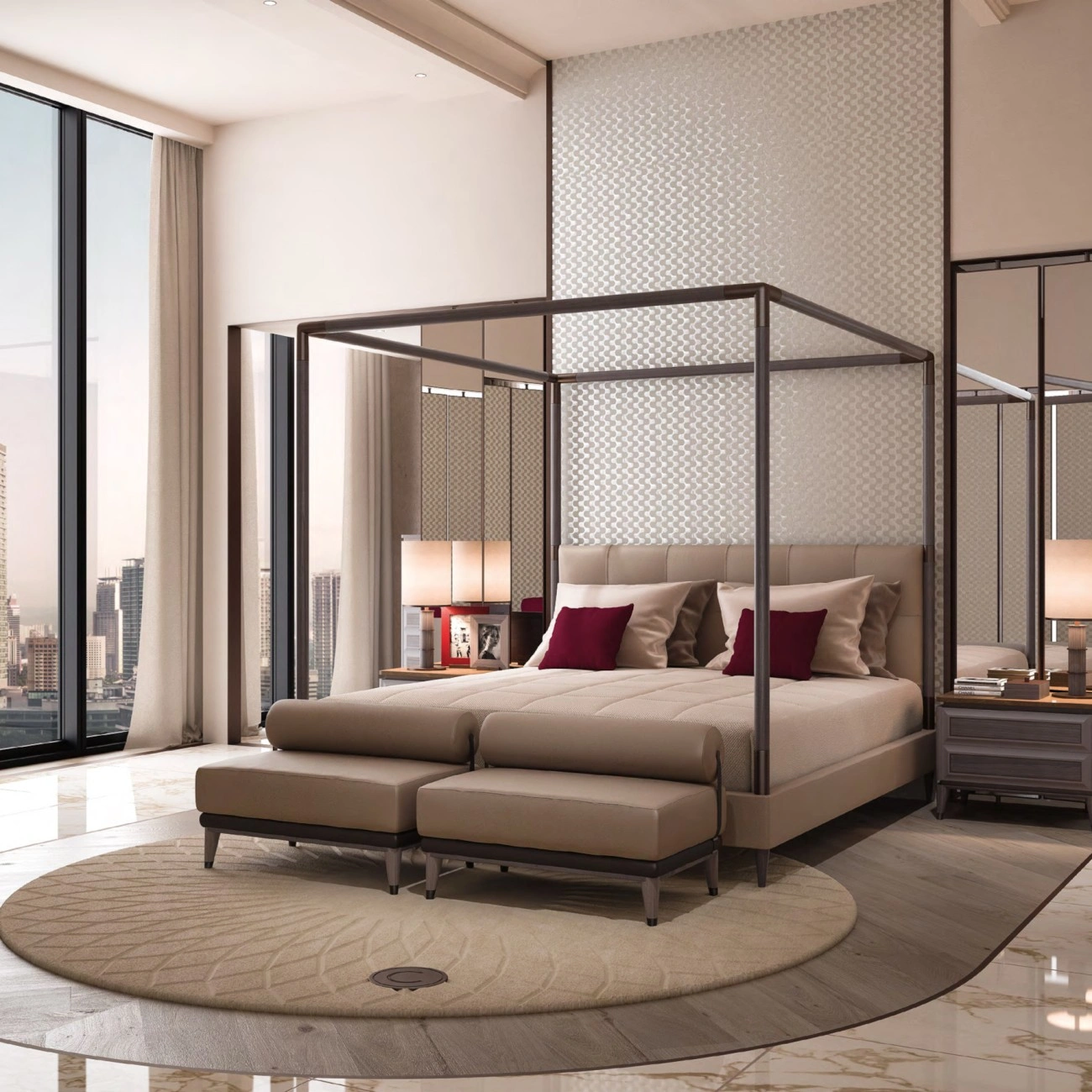
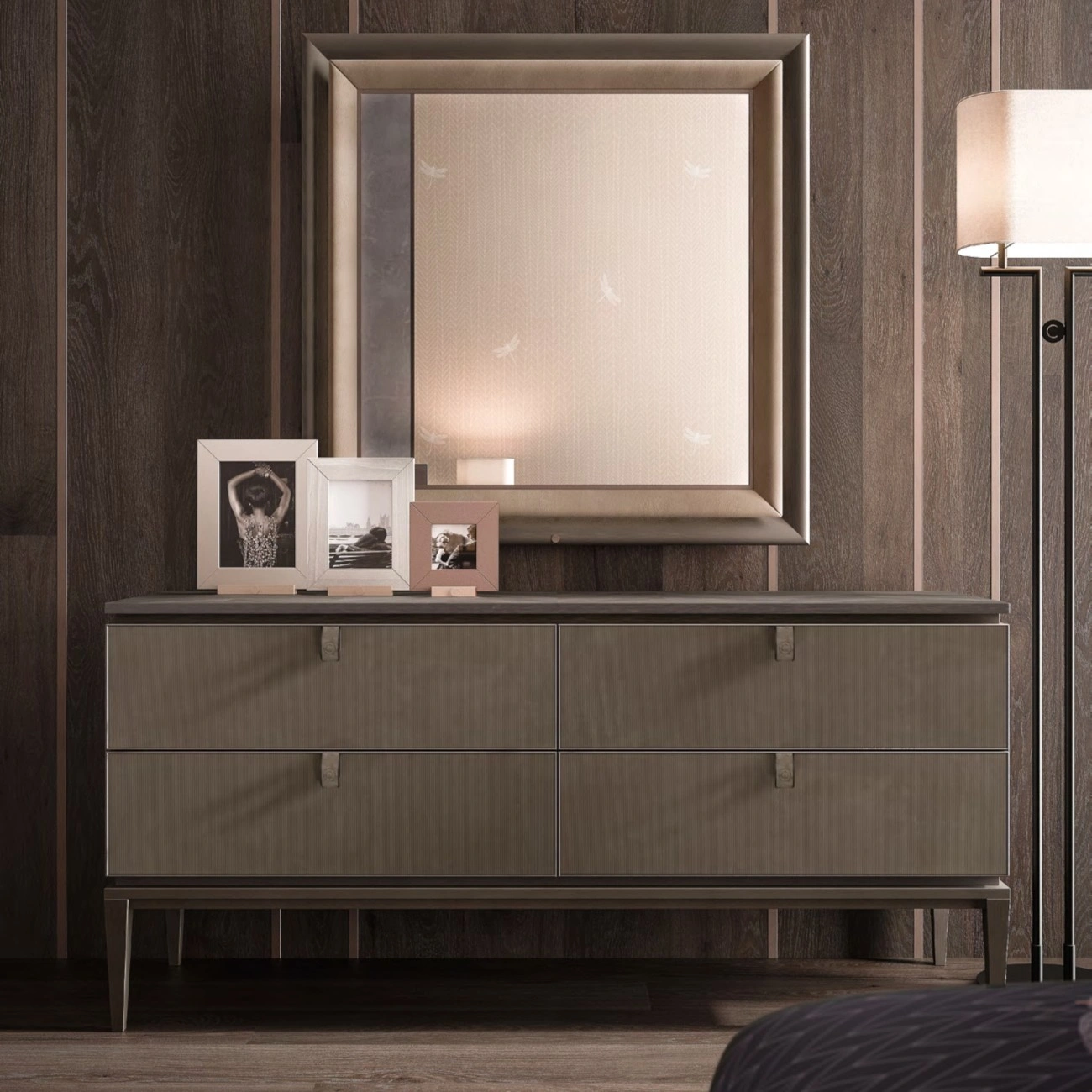







There was a period when newness was the goal. Furniture arrived pristine. Finishes were sealed, surfaces protected, wear treated as failure. Scratches were flaws. Oxidation was something to reverse. Interiors aspired to permanence by resisting time. That attitude has softened. Rich patina has re-entered the conversation, not as a nostalgic gesture, but as a corrective. Time is no longer the enemy. It is part of the design.
Patina is not decoration. It is evidence. It forms slowly, unevenly, often unpredictably. It cannot be rushed convincingly, even when designers try. That resistance is exactly why it matters now. In interiors increasingly shaped by digital tools and rapid production cycles, surfaces that show age, use, and material truth feel grounding. They bring weight to rooms that might otherwise feel too smooth, too resolved.
Time as a Design Material
Patina is time made visible. On wood, it darkens edges and softens grain. On metal, it blooms into oxidation, warmth, depth. Leather creases, stone dulls, finishes thin. None of this happens evenly. High-touch areas age differently than protected ones. Light affects surfaces inconsistently. Use leaves traces.
These traces introduce complexity that cannot be drawn or specified. A patinated table does not read as one color or tone; it shifts depending on where the eye lands. Corners carry history. Centers retain restraint. This variation adds visual depth without adding objects. The surface itself becomes layered.
In contemporary interiors, this depth is doing important work. It counterbalances minimal architecture, neutral palettes, and clean-lined furniture. Where walls and floors are restrained, patina becomes the texture that keeps spaces from flattening.
The Return of Materials That Age Well
Not all materials age gracefully. Patina favors honesty. Solid wood, real metal, natural stone, thick leather—materials with substance. Veneers and coatings struggle here. They either wear through too quickly or resist change entirely, aging poorly by staying static.
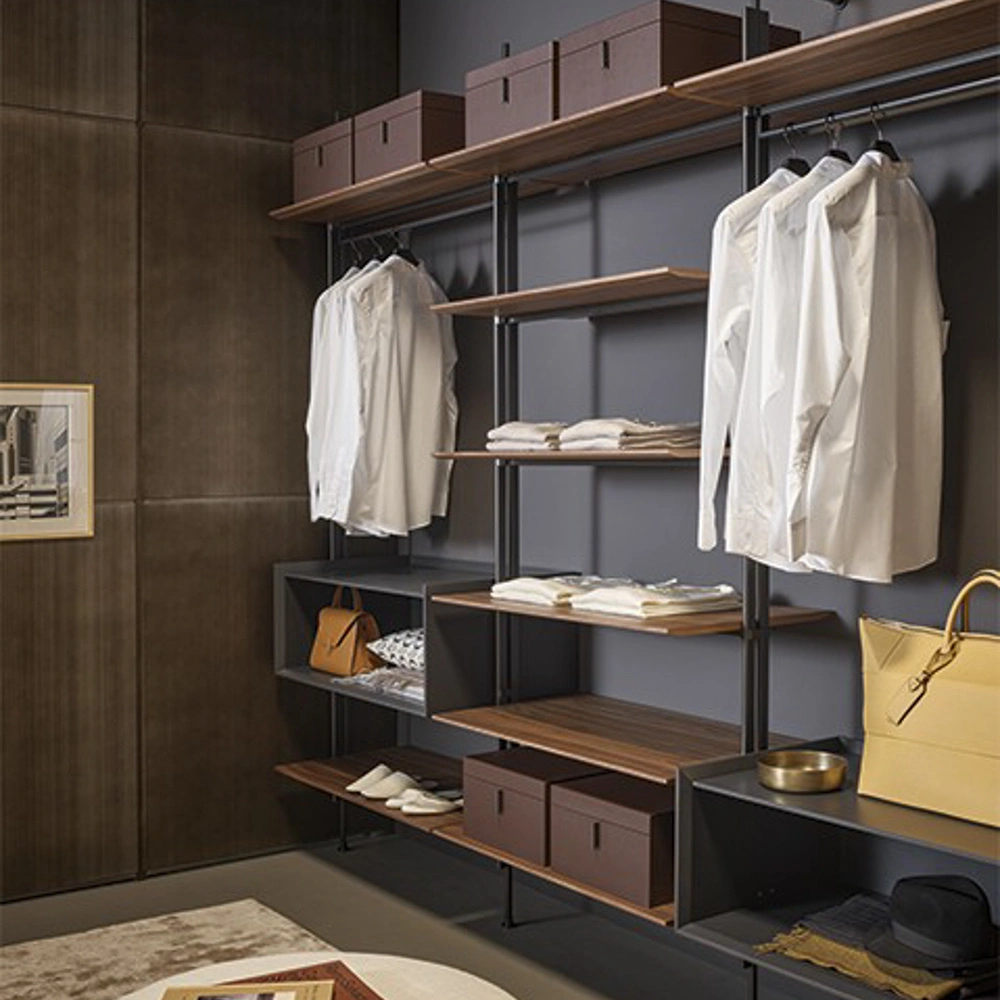
Designers leaning into patina trends are choosing materials that can accept time without apology. Bronze that darkens rather than shines. Oak that deepens rather than fades. Leather that wrinkles instead of cracking. These choices signal confidence. They assume longevity. They assume the object will be lived with, not replaced.
Furniture made with this mindset behaves differently in a room. It does not demand protection. It tolerates use. Over time, it integrates into daily life rather than hovering above it.
Patina as Counterpoint to Perfection
Modern interiors are often highly controlled. Sightlines are intentional. Palettes are edited. Objects are placed with care. Patina disrupts that control just enough. It introduces irregularity without chaos.
A room with one heavily patinated piece feels more believable than a room where everything is flawless. The eye relaxes. The space feels less staged. Patina reassures occupants that the room can absorb life rather than repel it.
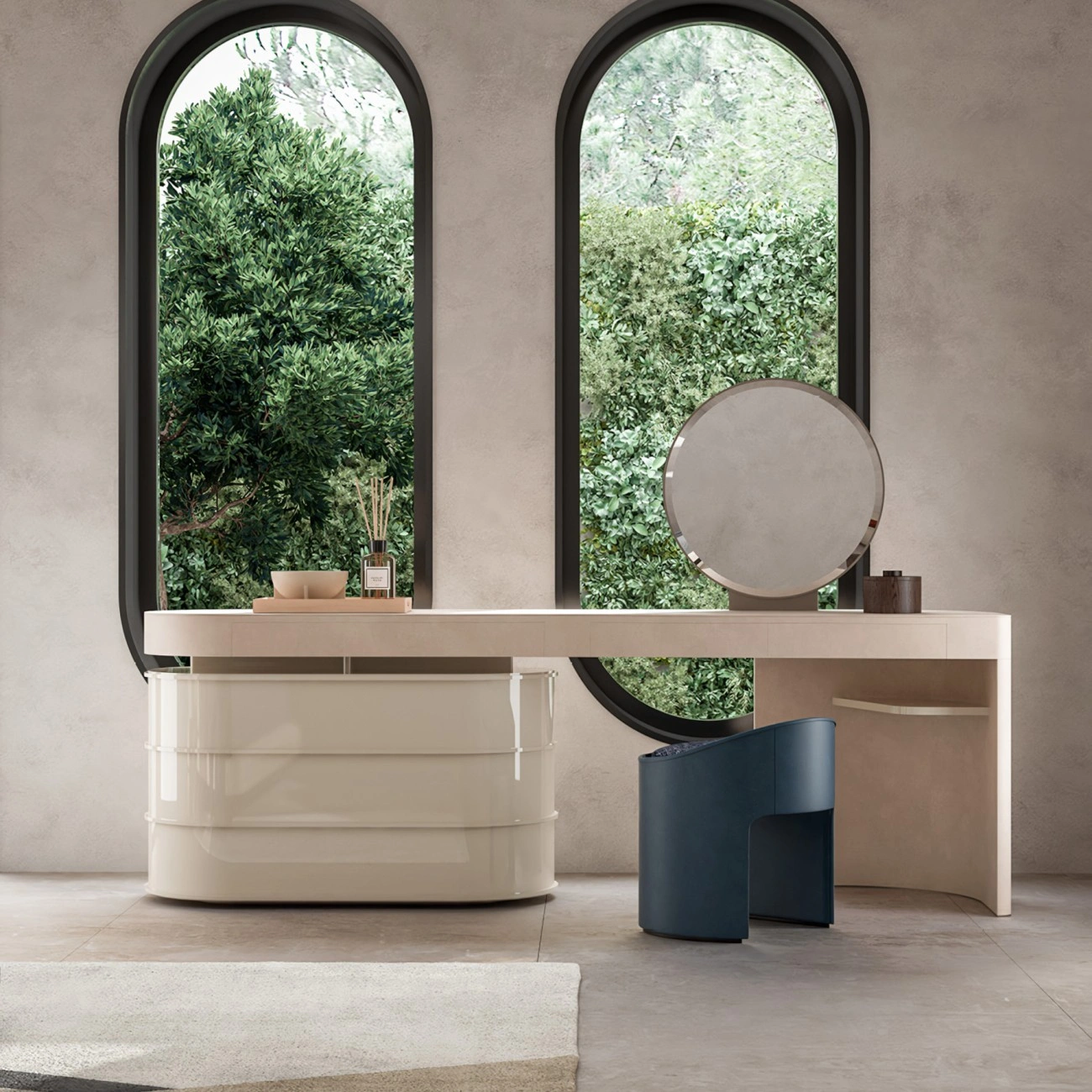
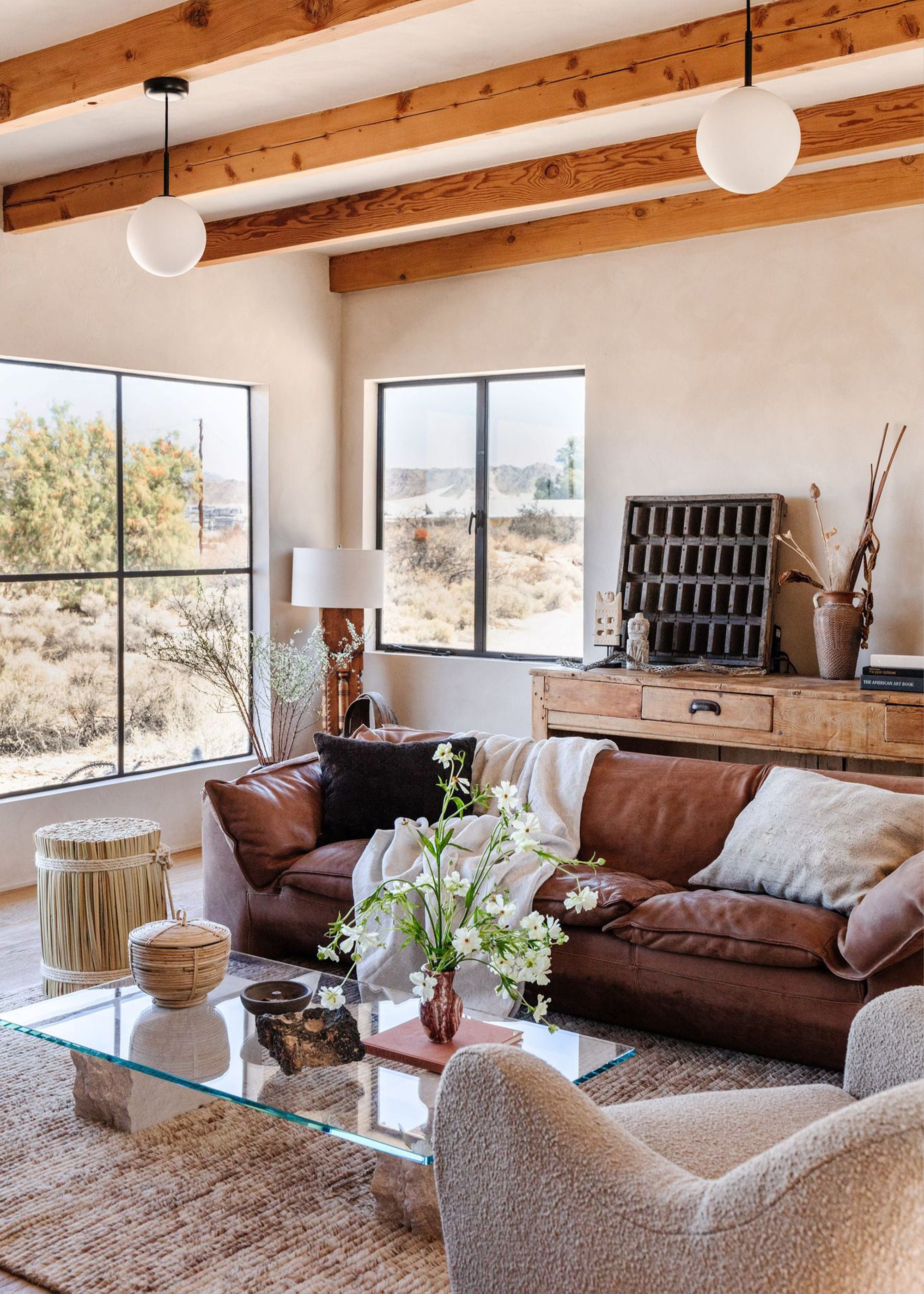
This is particularly evident when patinated surfaces are paired with contemporary forms. A sculptural chair finished in aged leather. A minimalist table in oxidized metal. The contrast sharpens both elements. The form feels current. The surface feels grounded.
Furniture That Carries Memory
Rich patina gives furniture narrative weight. A cabinet with worn edges suggests years of use, even when newly made. A dining table with softened corners implies gatherings, repetition, routine. These associations are powerful, even when imagined.
This does not mean interiors become sentimental. Patina does not require antiques. Many contemporary pieces are designed specifically to age, not to mimic the past. The difference is subtle but important. The goal is not to look old, but to look capable of becoming old.
In this sense, patina aligns with a broader cultural shift toward longevity. Objects are chosen not just for how they arrive, but for how they will evolve. Furniture becomes something to grow with, not something to replace when trends change.
Metal, Wood, Leather: Different Languages of Wear
Each material carries patina differently. Wood absorbs it. Metal reacts to it. Leather records it.
Wood patina is quiet. Grain becomes more pronounced. Color deepens where hands rest. Edges soften. It feels organic, gradual, almost invisible until contrasted with something new.
Metal patina is more dramatic. Oxidation creates color shifts—greens, browns, blacks—that feel chemical and alive. Brass, bronze, and steel develop surfaces that reflect light unevenly, breaking up glare and adding depth.
Leather patina is intimate. Creases map the body. Oils from skin darken surfaces. The material becomes personal quickly, shaped by posture, habit, and movement.
In contemporary interiors, mixing these languages of wear creates richness without excess. A room might contain all three, each aging at its own pace, creating a layered timeline within the space.
Patina in New Homes
One of the most interesting aspects of the patina trend is its presence in new construction. These are not historic homes preserving original finishes. These are newly built spaces choosing to introduce age from the beginning.
This choice changes how new homes feel. Instead of waiting years for character to develop, they begin with surfaces that already resist sterility. Patinated finishes soften the transition into daily life. The home feels settled sooner.
This does not mean everything is distressed. The best examples are restrained. One or two surfaces carry the patina. The rest remain quiet. Balance matters. Too much aging becomes theatrical. Too little feels token.
The Discipline of Restraint
Patina works best when it is allowed to speak clearly. Overusing it dulls its impact. A room filled entirely with aged surfaces feels heavy, even forced. The most compelling interiors treat patina as punctuation rather than language.
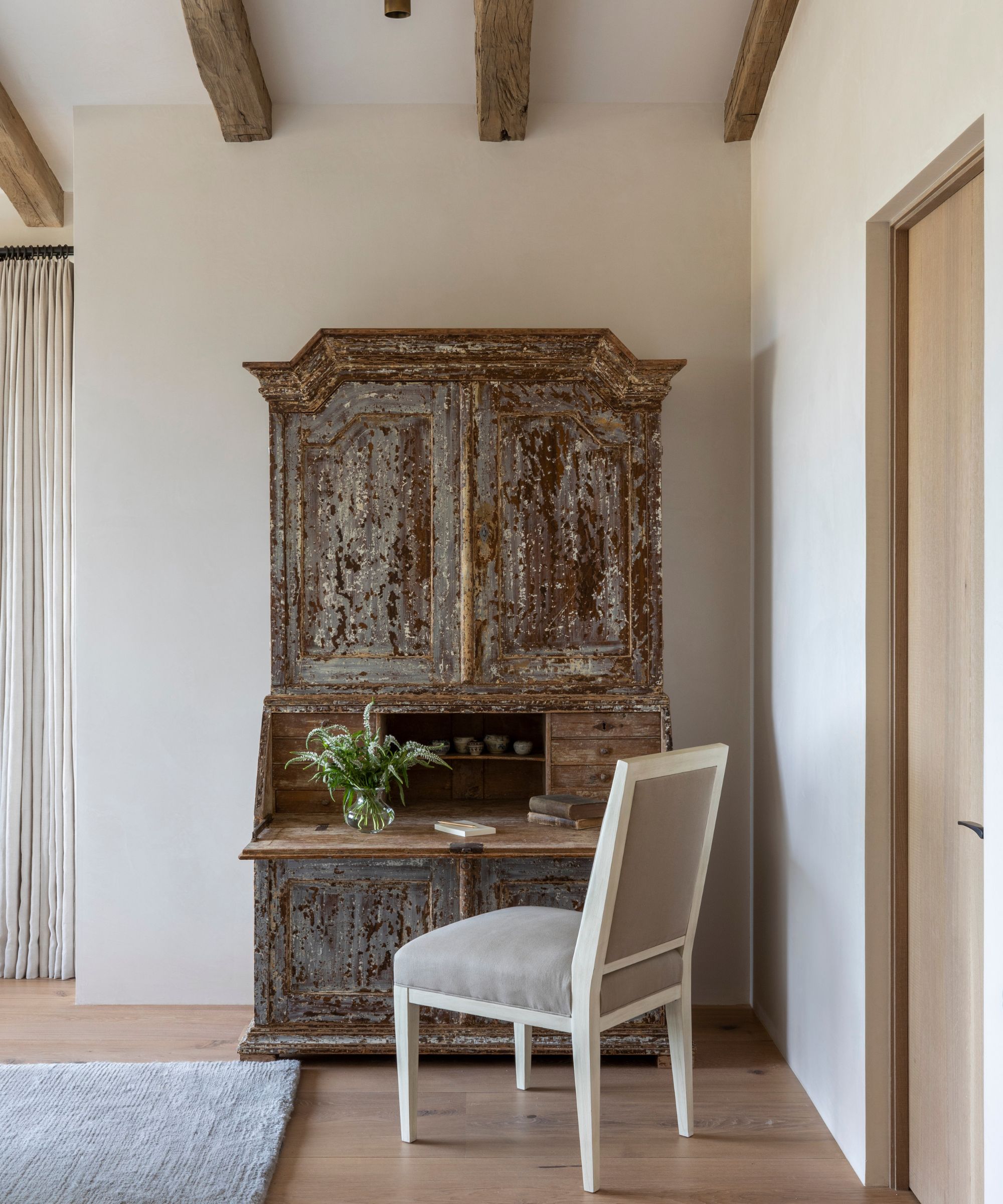
A single patinated cabinet in an otherwise clean room can do more work than an entire collection of aged objects. It provides contrast. It establishes tone. It invites the eye to rest.
This restraint aligns with contemporary sensibilities. Richness is not about accumulation. It is about specificity. Choosing where to allow time to show, and where to let surfaces remain neutral.
Living With Imperfection
Patina requires a certain mindset. It asks for tolerance. Scratches are no longer emergencies. Wear is not failure. The object evolves, and the owner accepts that evolution.
This acceptance changes behavior. Spaces become more relaxed. Furniture is used more freely. There is less anxiety around preservation. Ironically, this often results in better care, not worse. Objects are respected because they are understood as lasting.
Patina also resists trend fatigue. As interiors shift, aged surfaces continue to belong. They adapt. They absorb new contexts. They feel intentional in rooms that change around them.

A Surface That Keeps Time
Rich patina trends are not about looking backward. They are about acknowledging duration. They recognize that interiors exist across years, not photos. That furniture lives with people, not just beside them.
In contemporary spaces that can sometimes feel abstract or overly refined, patina introduces friction. It slows things down. It adds gravity. It reminds rooms that time is passing, and that this passing can be beautiful.
Surfaces darken. Edges soften. Marks accumulate. The room does not lose value. It gains it.