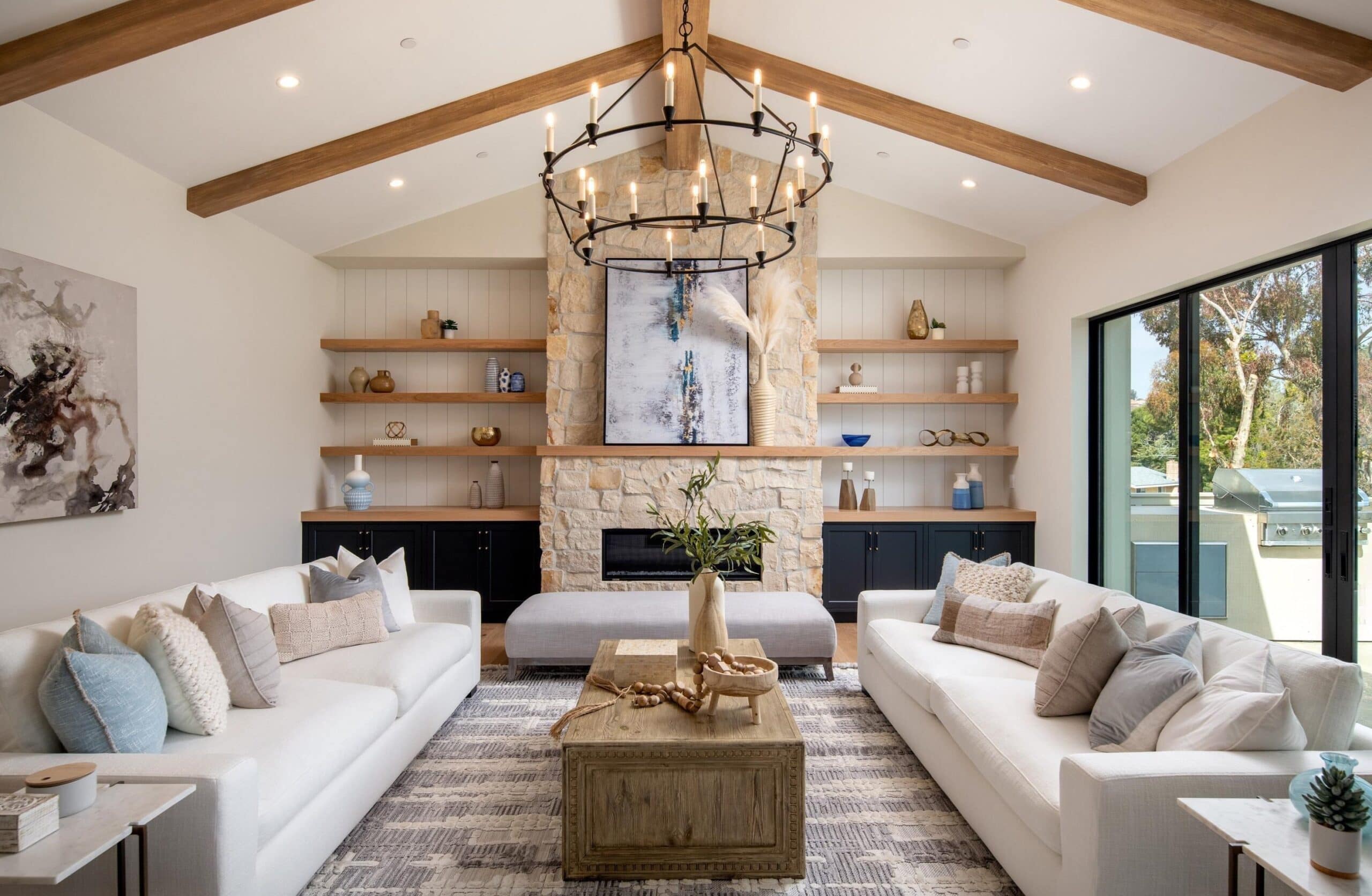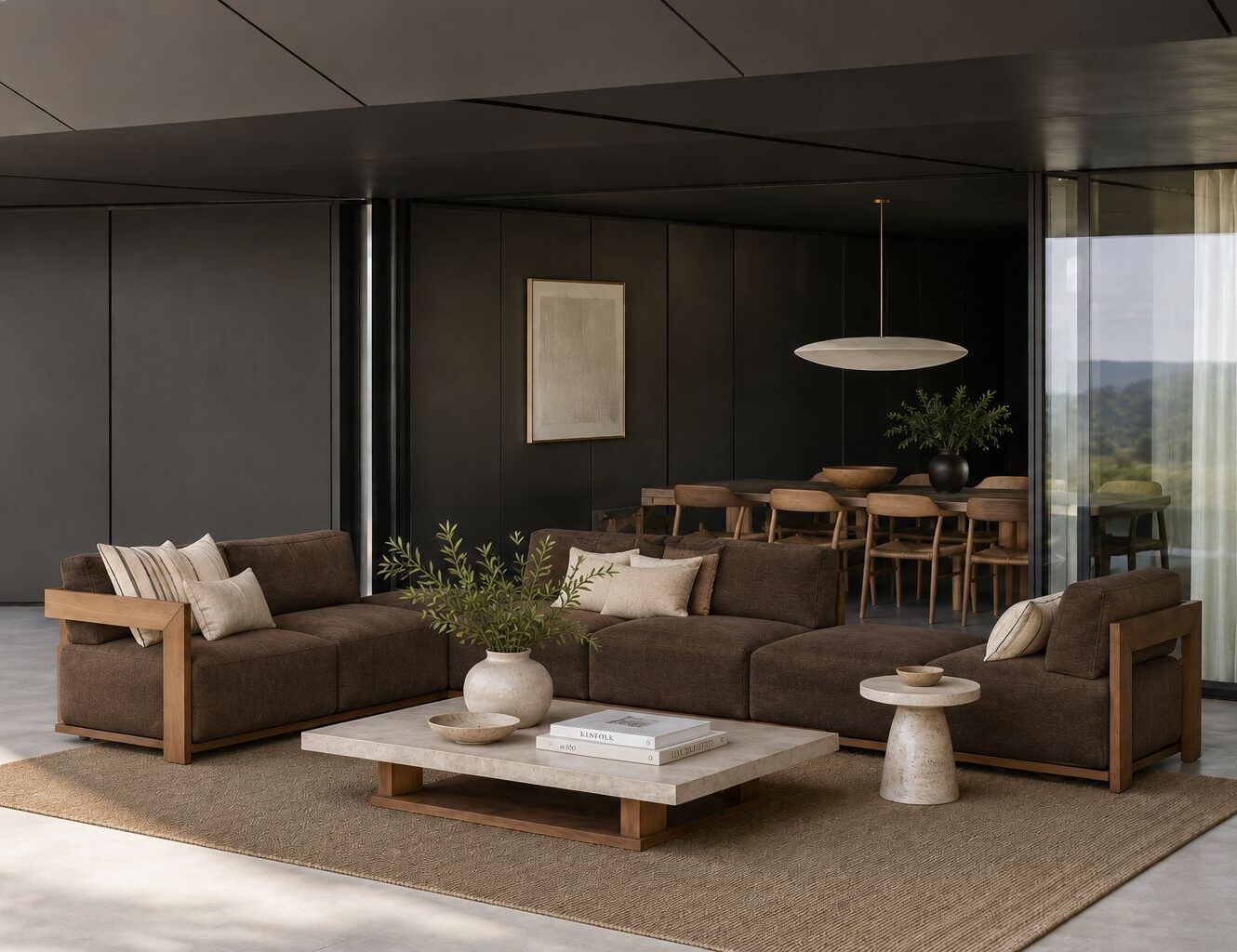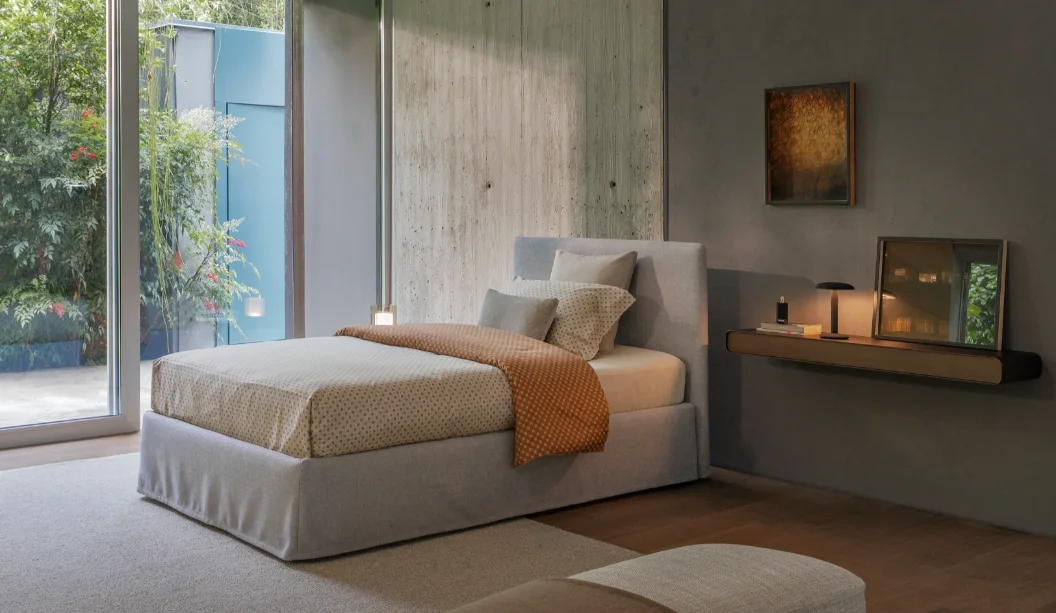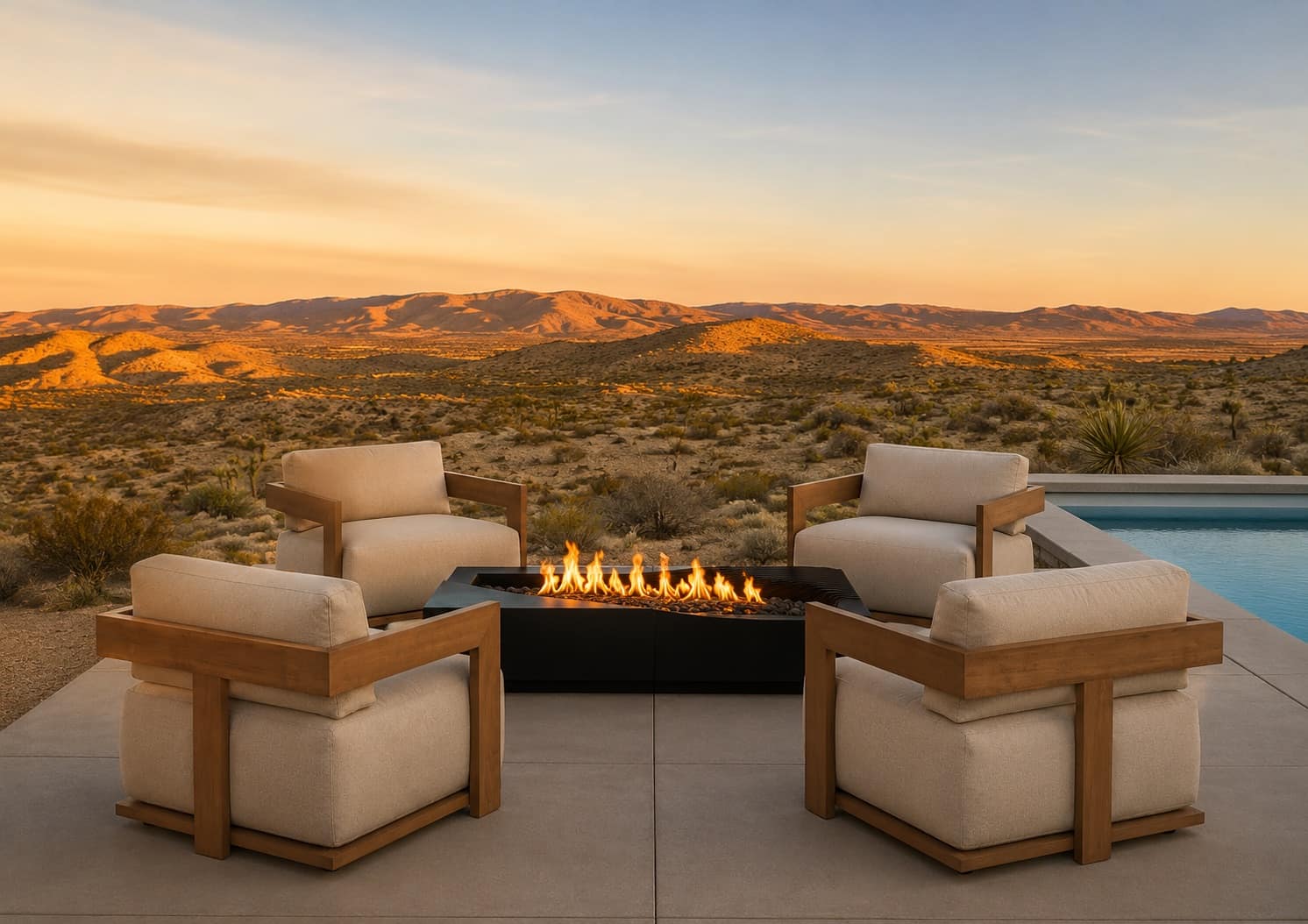

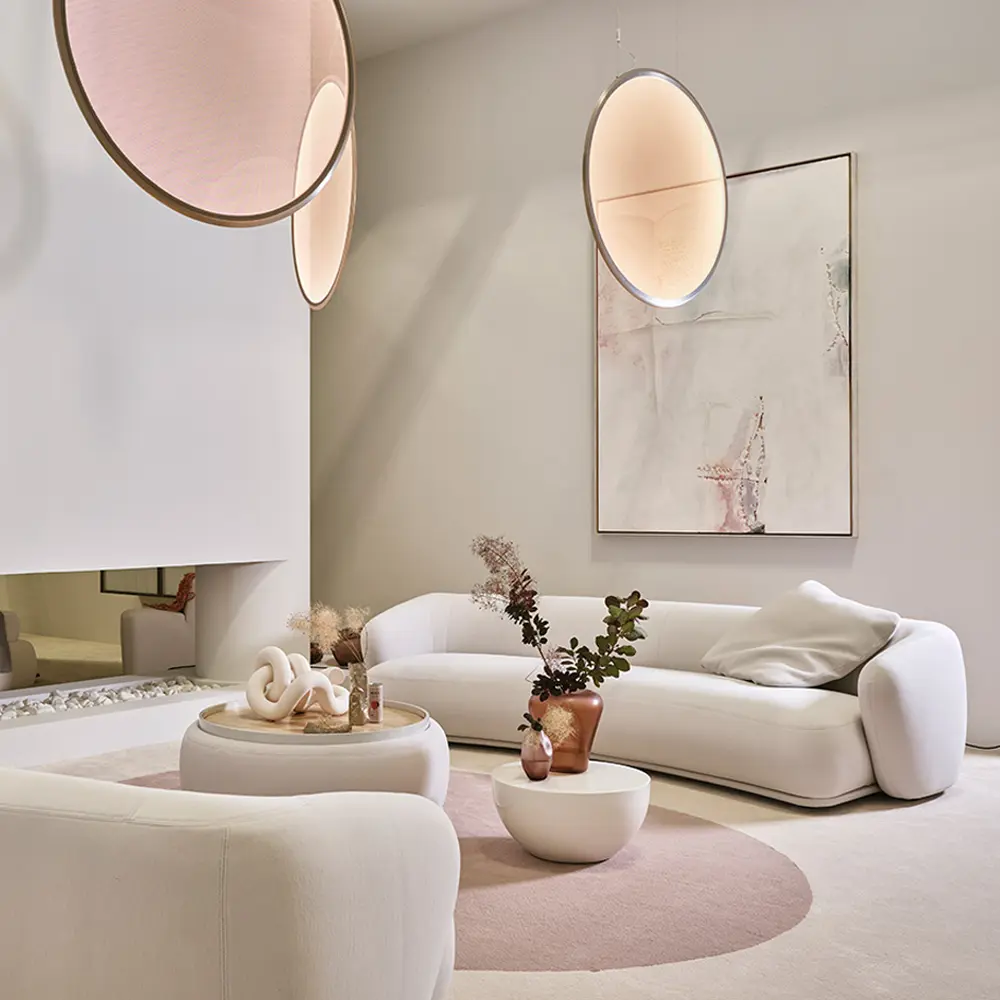


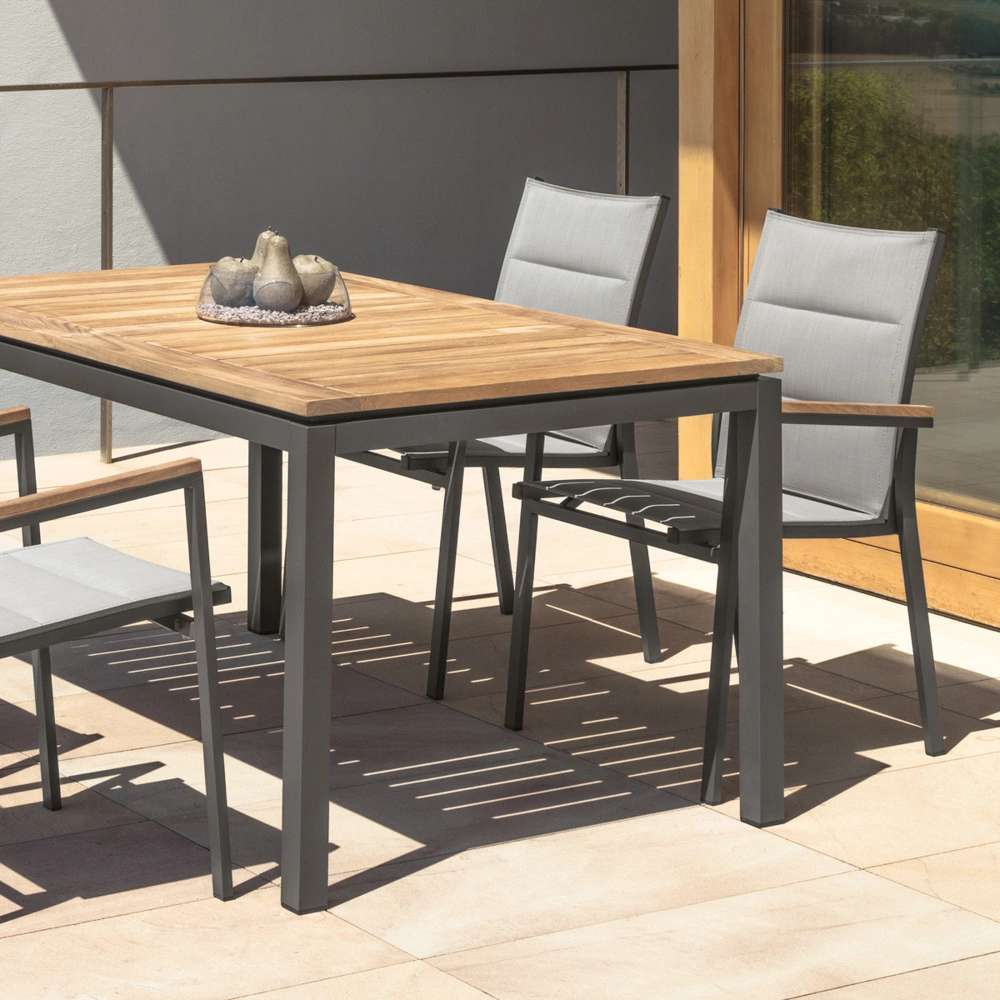
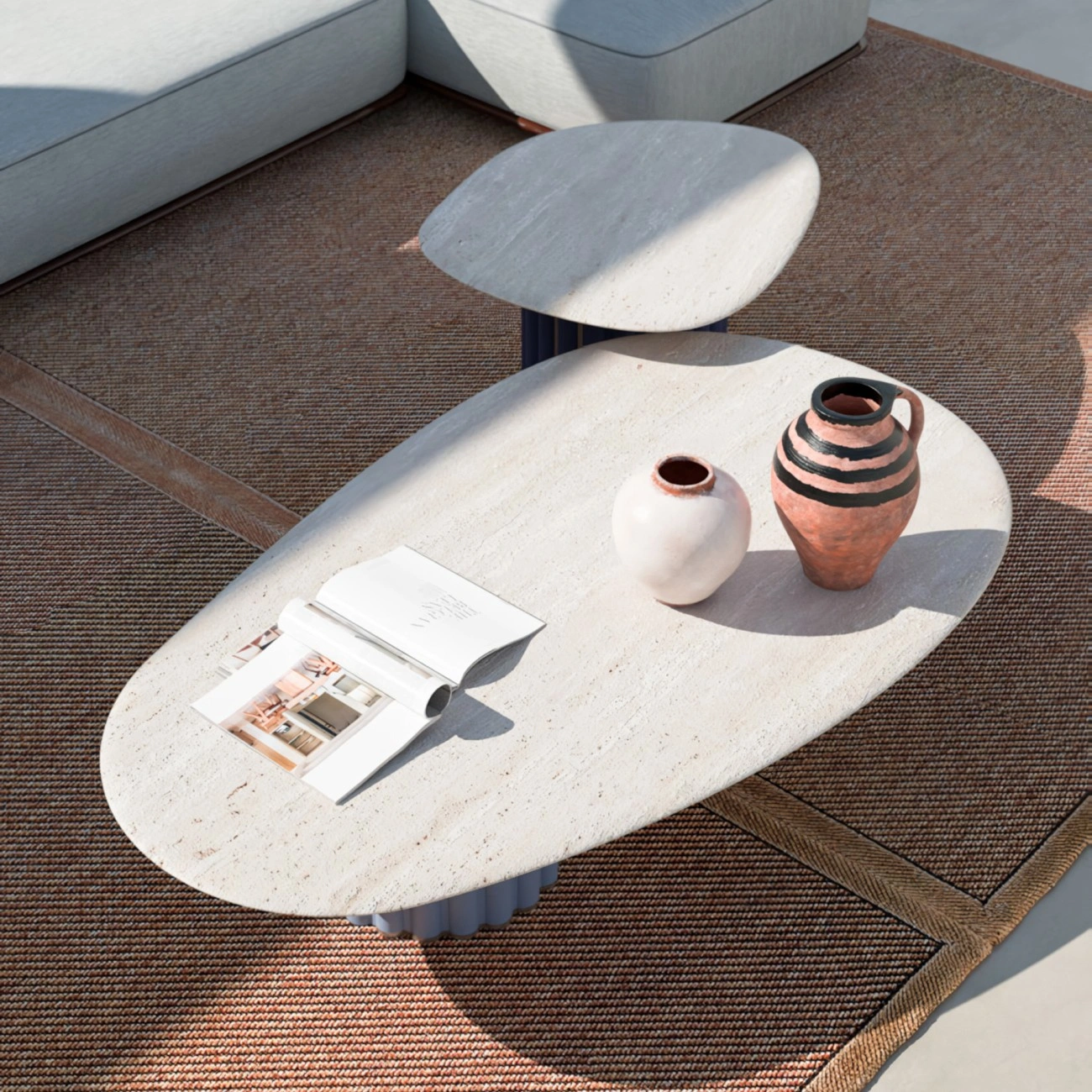


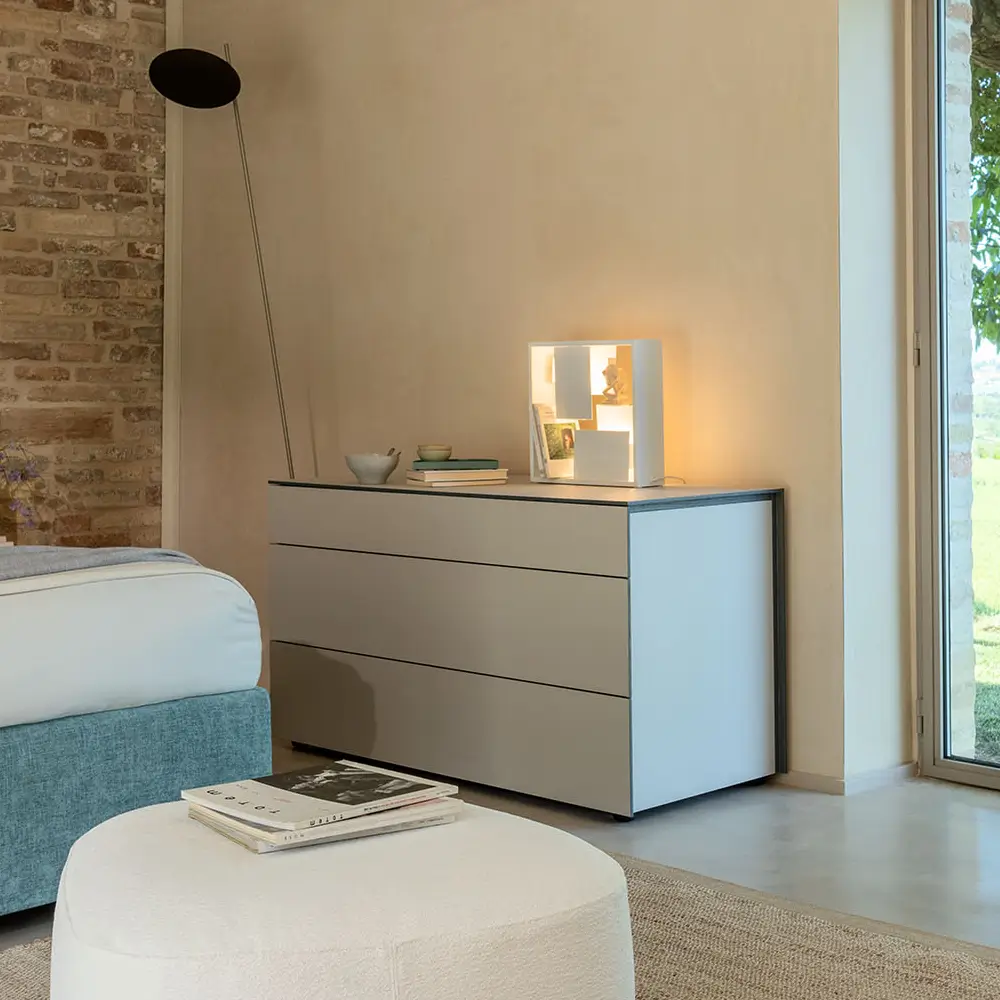








Furniture used to be rigid. Hard edges dominated living rooms. Tables and coffee tables were rectangles with corners sharp enough to nick a shin. Seating was squared off, angular, unyielding. It was functional, tidy, predictable. Safe. And in a way, comforting. But in 2026 interiors, that certainty is quietly shifting. Soft cocktail ottomans—round, pillowy, tactile—are taking center stage. They replace edges with curves, rectangles with ellipses, and formality with comfort, without surrendering style.
Cocktail ottomans aren’t new. They’ve been around for decades, quietly performing double duty as tables, extra seating, or footrests. But now the emphasis is different. It’s less about function and more about how the piece interacts with the room, with light, with people. It’s about experience rather than rules.

The Power of the Curve
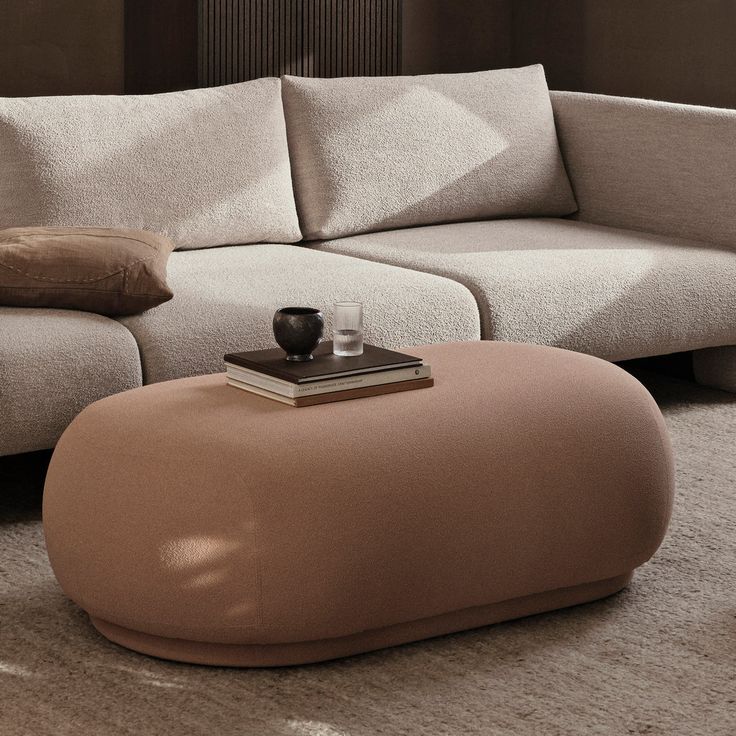
There’s something about a curve especially in custom indoor furniture that draws the eye. Inviting. Approachable. Rounded ottomans interrupt linear grids in a living room, breaking the tyranny of rectangles and rigid lines. They create flow. A circular ottoman between a sofa and a lounge chair anchors conversation without sharp barriers.
Soft cocktail ottomans create tension—but the good kind. They suggest movement, flexibility, warmth. They force the room to slow down, to negotiate a softer perimeter. You can bump into them, lean on them, walk around them without worry. They literally change how the room feels underfoot, in hand, and in sight.
Tactile Design Matters
In 2026 interiors, furniture isn’t just seen—it’s touched. Soft ottomans are tactile experiences. Plush upholstery, subtle textures, gentle padding—they invite contact. Compare that to the old-school rigid coffee table. Hard corners repel touch. Even the most beautifully finished wood or lacquered surface creates a psychological barrier: “keep your distance.”
A soft cocktail ottoman welcomes it. Velvet, boucle, leather, woven fabric—these materials allow interiors to feel approachable. Custom furniture allows for personalization, colors, patterns, and even scale, so a single ottoman can read as both art and utility.
Spatial Fluidity
Soft ottomans redefine circulation. Rectangular tables set boundaries; they enforce pathways. A round or oval ottoman encourages improvisation. Guests pull it closer. Chairs pivot around it. It’s a focal point without dictating the layout.
No hard corners make the room surprisingly liberating. Families navigate living rooms without constant awareness of edges. Children benefit, naturally. Even in formal interiors, a soft ottoman softens geometry without diluting elegance.
Versatility Meets Style
Soft cocktail ottomans do double—or triple—duty. Coffee table, side table, extra seating, footrest. A tray atop a plush ottoman transforms it into a surface for drinks or books. Unlike traditional tables, the shape accommodates flexibility without looking makeshift.
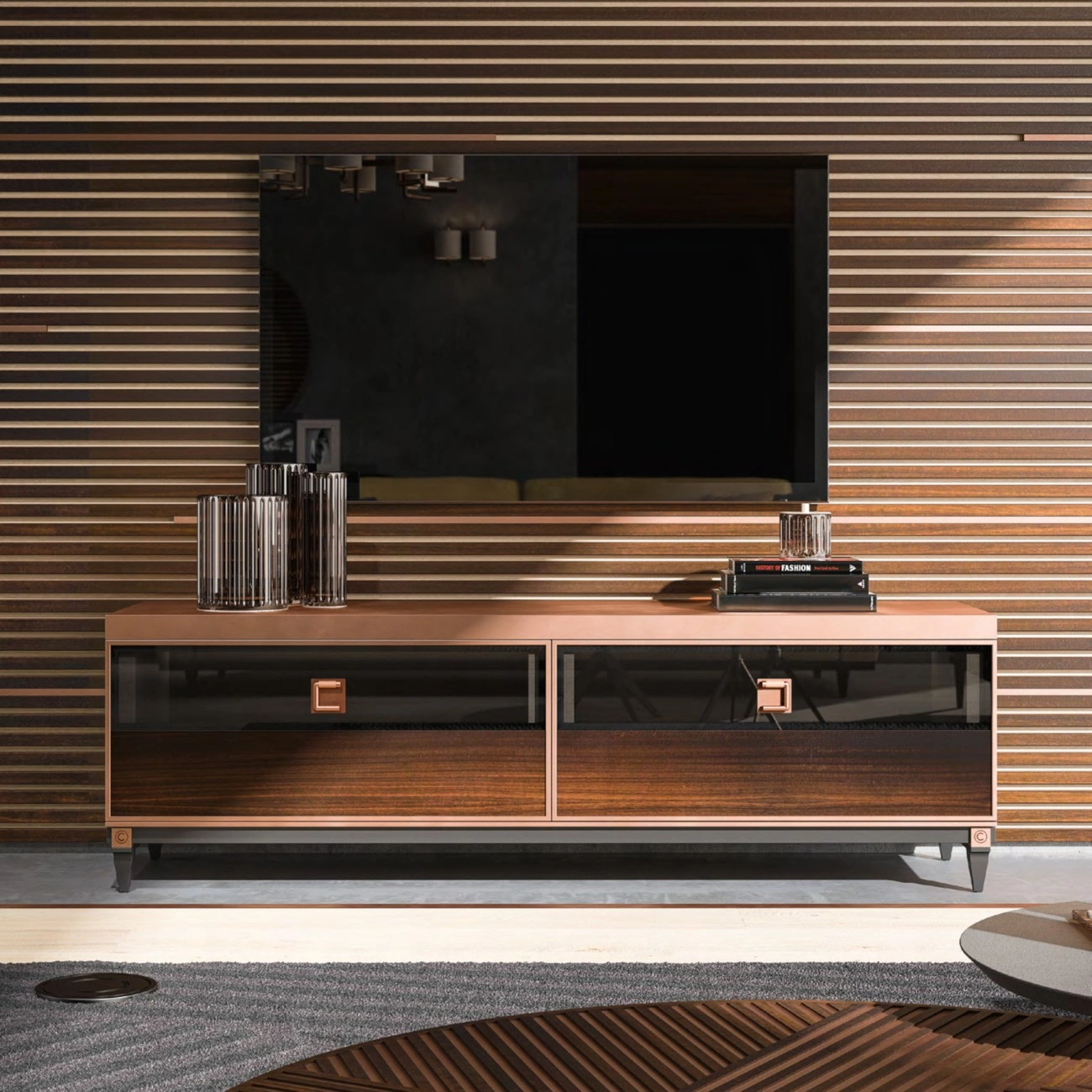
Designers in 2026 use ottomans to punctuate spaces. A high-lacquered console opposite a soft, rounded ottoman creates contrast between shine and texture. A circular ottoman can balance angular sofas. Bold colors anchor neutral seating arrangements. The soft form introduces rhythm where sharp rectangles once dominated.
Scale and Proportion
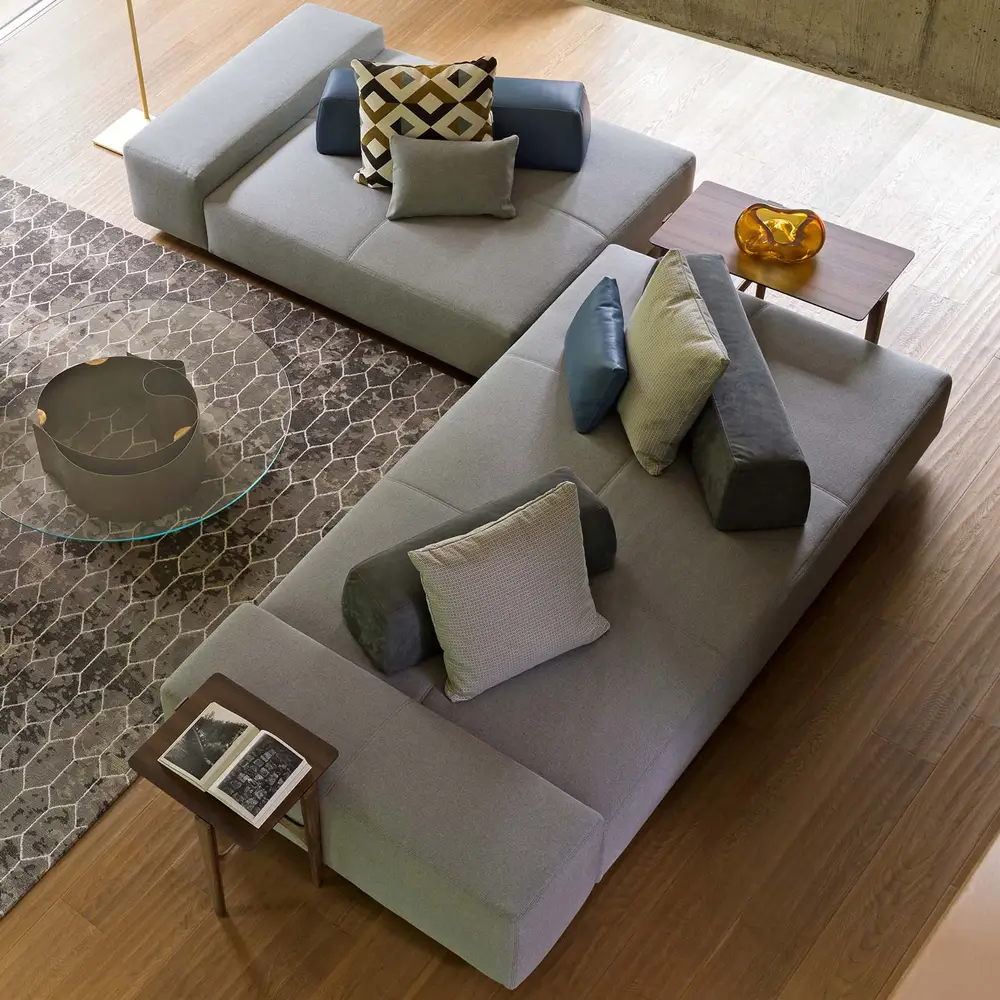
Choosing the right scale is key. Oversized ottomans feel like furniture islands. Too small, they disappear. Proportional pieces anchor conversation while maintaining openness. Round shapes allow for easy grouping, often paired with modular sofas or L-shaped arrangements.
Ottomans can even mirror architectural elements: a curved wall, a rounded niche. Custom ottomans allow designers to echo these curves precisely, reinforcing harmony between architecture and furniture.
Color and Texture in Focus
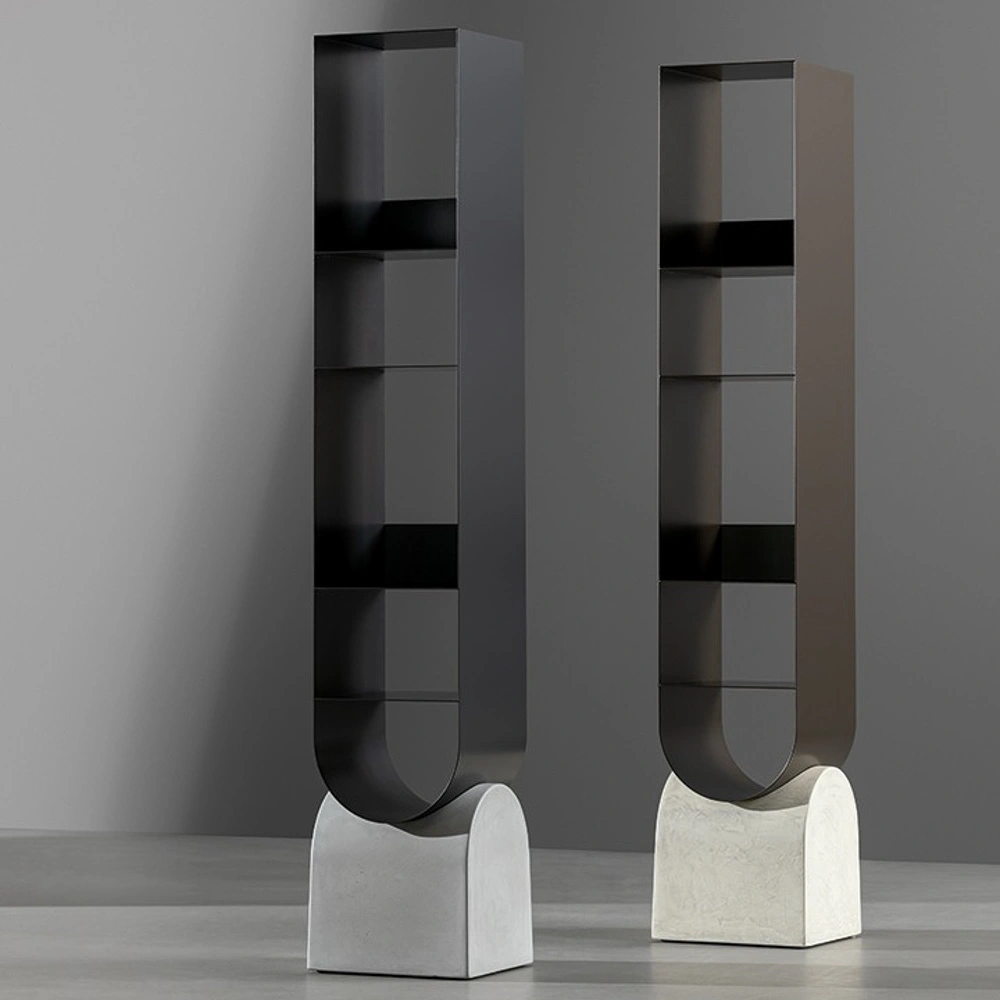
Soft ottomans provide opportunities for experimentation. Jewel tones, muted pastels, textured fabrics, subtle patterns—they catch the eye in ways traditional tables can’t. High-lacquered cabinets or linear shelving feel less stark when paired with tactile, rounded ottomans.
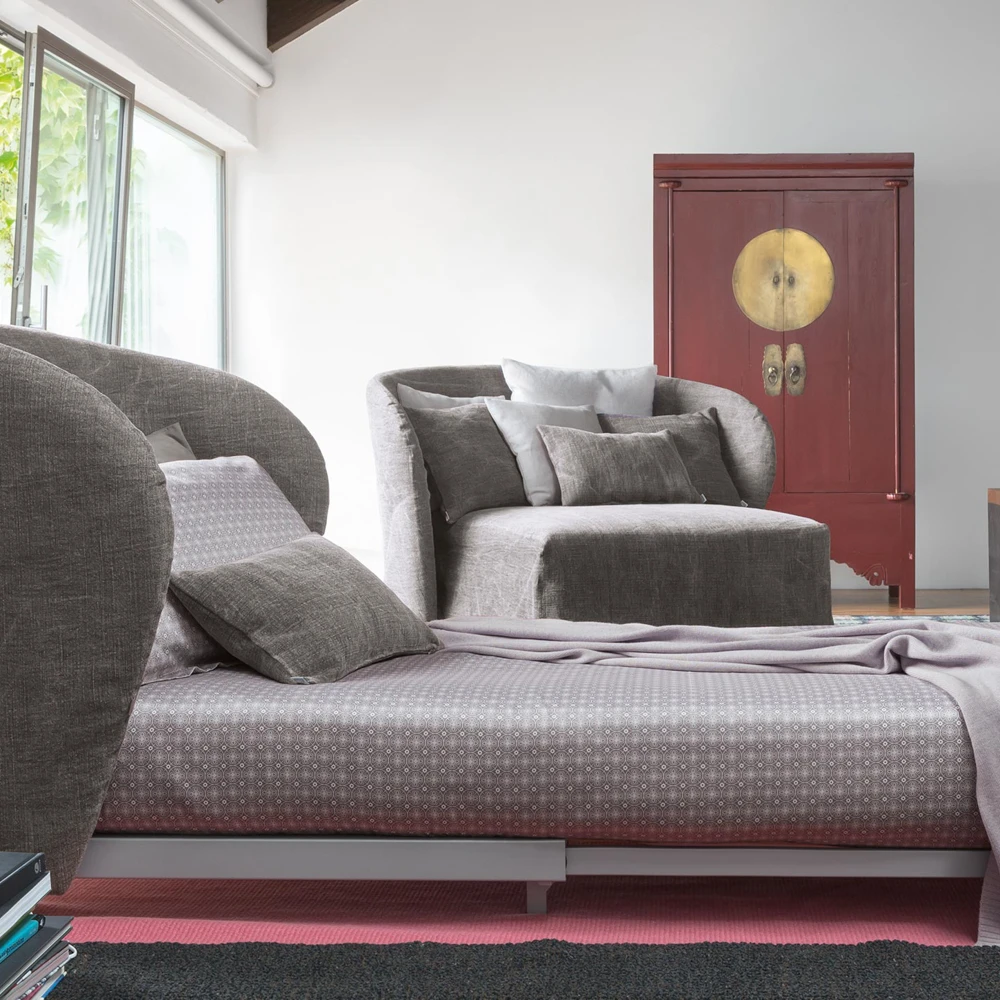
Fabric choice signals tone. Velvet suggests opulence. Boucle feels casual, warm. Leather feels durable. Patterns add personality without overwhelming. Soft ottomans bridge furniture and room, linking palettes and finishes subtly but deliberately.
The Human Element
It’s easy to underestimate the psychological effect of softened edges. Hard corners create distance. Rounded ottomans invite approach, touch, interaction. They feel friendly. Domestic. And in a world of curated, minimal interiors, this little rebellion—softness in a sea of rectilinear order—feels like relief.
2026 interiors emphasize human-centered design. Furniture is made for living, not just viewing. Round ottomans embody this: functional and human-friendly simultaneously.
Playing With Contrast
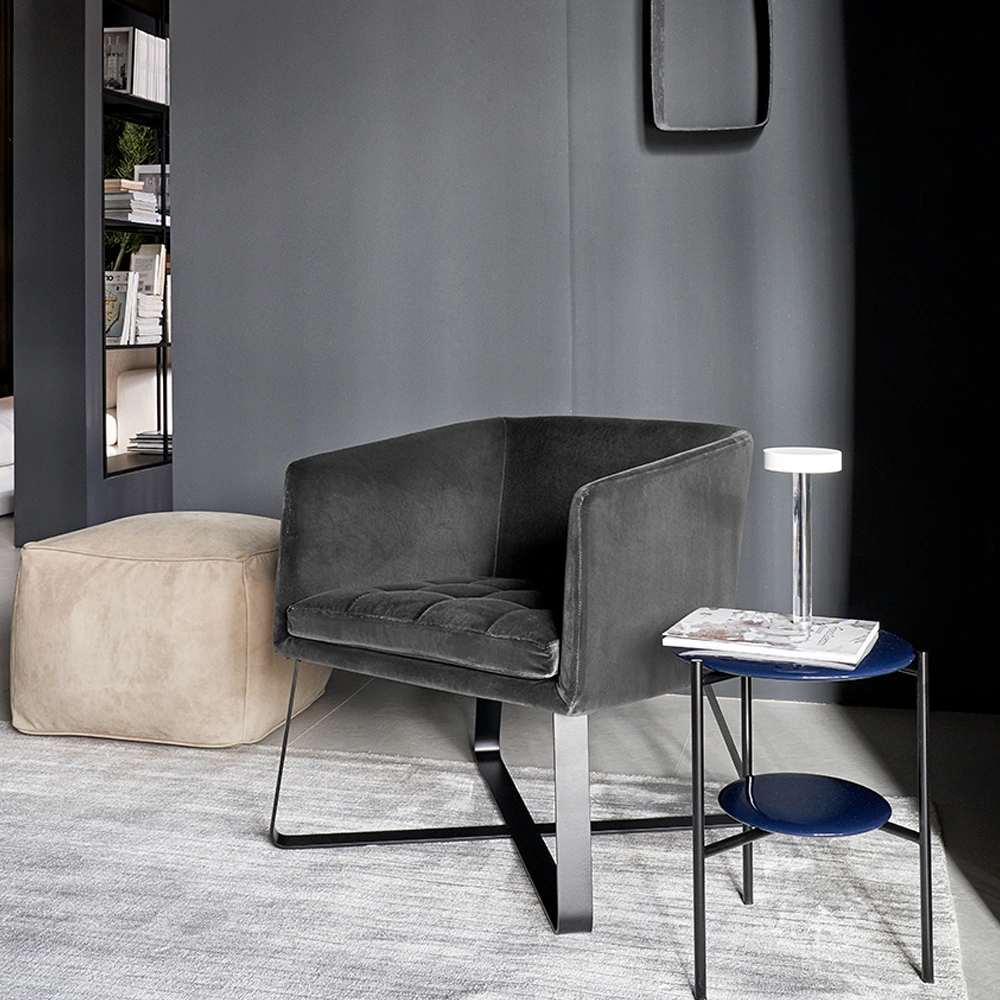
The most interesting interiors pair soft and hard deliberately. High-lacquered consoles, angular sofas, sharp-edged shelving softened by a round ottoman in the center. Velvet or textured surfaces contrast with polished finishes. The tension creates dynamic spaces.
Soft ottomans are less intimidating. Guests sit anywhere. Children climb. Decorative trays function without fear of edges. Furniture negotiates behavior rather than dictating it.

Customization and Personalization
Custom furniture is central to this trend. Bespoke ottomans can match architectural curves, echo nearby furniture, or introduce a color pop. Size, height, proportion, fabric choices—all tailored. Storage can even be integrated into the soft form.
Designers increasingly treat ottomans as connective tissue of a room—functional, sculptural, and human-friendly simultaneously.
Beyond the Living Room
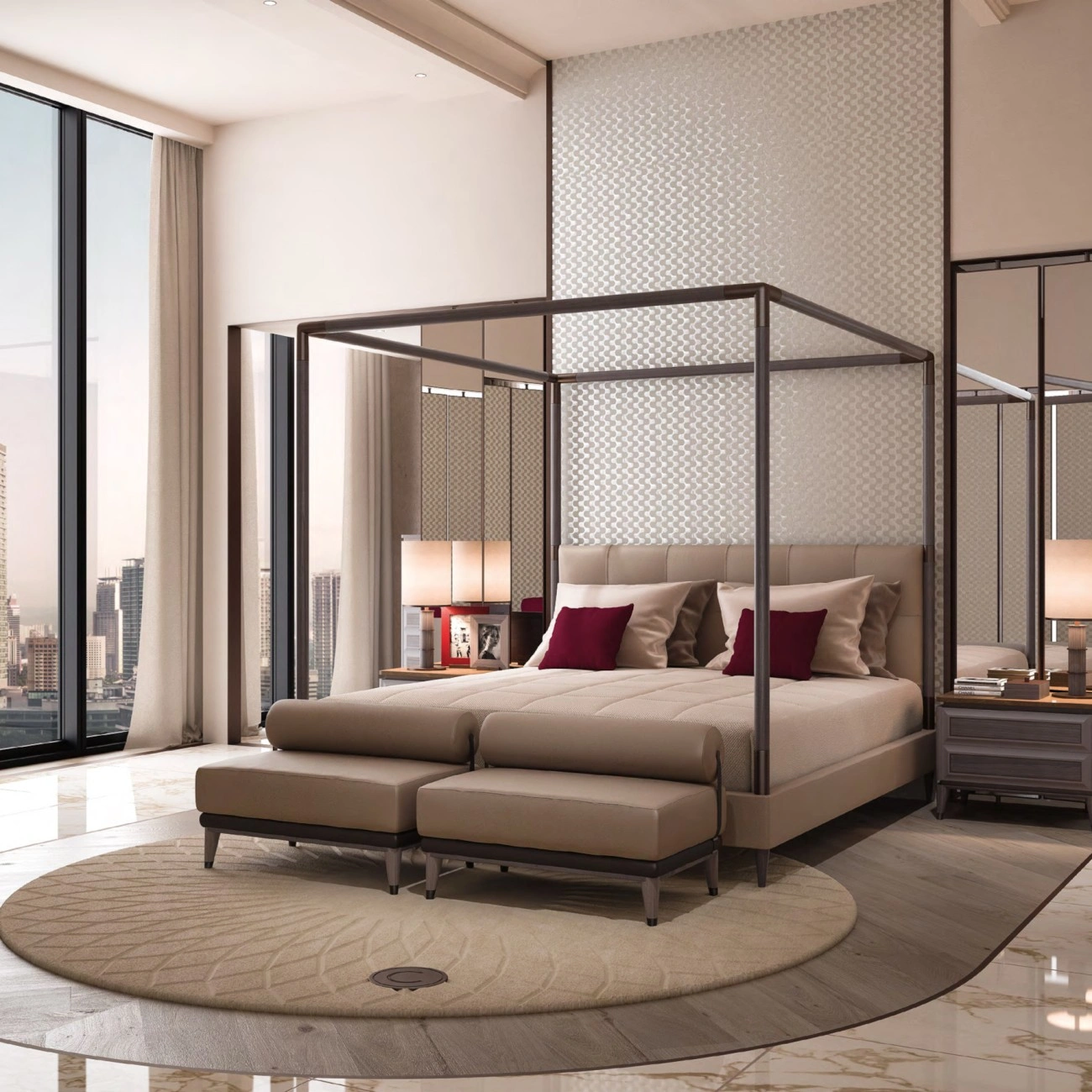
Cocktail ottomans aren’t confined to living areas. Bedrooms, dens, lounges, even office spaces benefit. Rounded benches at the foot of a bed replace sharp chests. Curved ottomans in reading nooks invite lingering. Commercial interiors benefit too; soft furniture mitigates rigid tables, desks, counters, making spaces approachable.
Why This Trend Matters in 2026
The shift from hard corners to soft forms reflects broader interior philosophy. Minimalism, grids, rectilinear order dominated for decades. Now, interiors favor responsiveness—spaces that react to human presence.
Soft cocktail ottomans embody this. Approachable, versatile, flexible. They encourage touch, circulation, and interaction. They integrate with custom furniture, architectural cues, and layered interiors seamlessly.
A Simple Rebellion
In the end, soft ottomans over hard corners are a small rebellion. Subtle, tactile, human-centered. Curves replace edges. Tactility replaces untouchable. Soft invites interaction, reflection, presence.
Rooms feel warmer. Spaces feel flexible. Interiors become responsive, not rigid. Soft cocktail ottomans—round, plush, unapologetically tactile—are no longer accessories. They are anchors, connectors, and the heartbeat of contemporary interiors in 2026.