












Floors have spent a long time behaving. Wood was supposed to look like wood. Concrete stayed gray. Stone stayed stone. Even rugs, for all their pattern, were treated as removable, polite interruptions rather than statements. The ground plane was neutral territory—supportive, stable, intentionally forgettable.
That agreement is breaking.
Painted flooring is quietly returning, not as a DIY novelty or a cottage affectation, but as a deliberate design move. In 2026, the floor is no longer just the thing everything else sits on. It’s becoming a surface with agency. Color. Pattern. Intention.
And once you notice it, you see it everywhere.

The Rebellion Starts Underfoot
There’s something subversive about painted flooring. Walls are fair game. Ceilings, lately, too. But floors? Floors are supposed to be durable, practical, neutral. Painting them feels like breaking a rule you didn’t realize you’d agreed to.
That’s precisely the appeal.
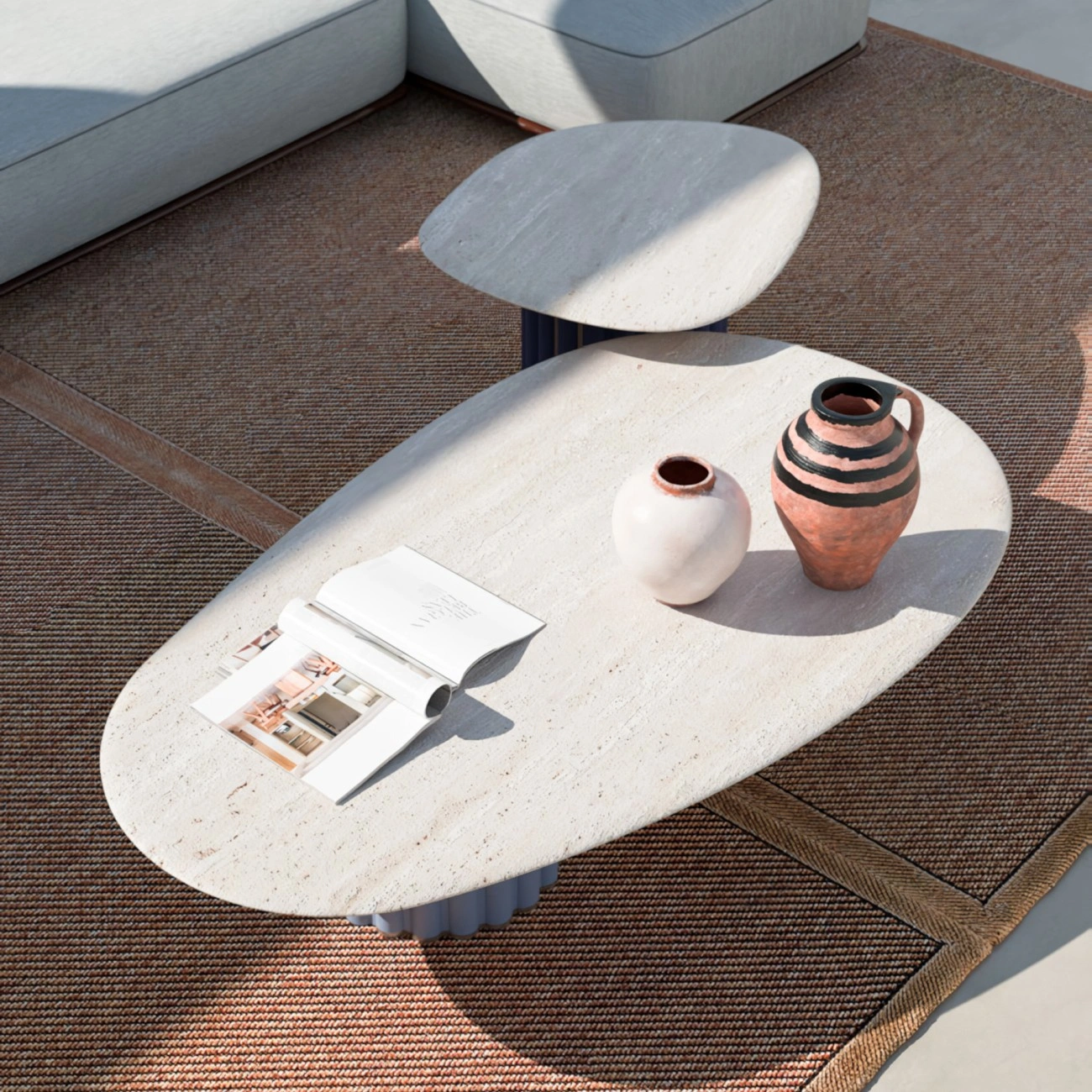
Designers are treating floors less like infrastructure and more like canvas. Wide-plank wood washed in matte pigment. Concrete painted in earthy reds, chalky blues, tobacco browns. Checkerboards that feel graphic rather than nostalgic. Soft, uneven color that shows brush marks, roller lines, wear.
The floor stops pretending to be invisible. It becomes part of the conversation.
Color That Grounds Instead of Floats
What’s interesting is how restrained the color choices often are. This isn’t about neon or spectacle. Painted floors in 2026 tend to live in muted territory—clay, moss, charcoal, faded black, dusty ochre. Colors with weight.
These hues don’t lift the room; they anchor it. A painted floor pulls the eye down, settles the space. Furniture feels more deliberate against it. Walls feel calmer by comparison. The room gains gravity.
It’s the opposite of the white floor reflex that dominated minimal interiors for years. Instead of expanding the space visually, painted floors define it. They give the room an edge, a boundary, a sense of decision.
Texture Over Perfection
Perfect floors are exhausting. Seamless concrete, flawless hardwood, factory-finished planks—they photograph beautifully and live poorly. Painted floors, by contrast, age immediately. Scuffs show. Wear appears. The surface records use.
That’s not a flaw. It’s the point.
The best painted floors aren’t glossy or pristine. They’re matte, chalky, slightly uneven. You see brush strokes, roller overlap, subtle shifts in density. Over time, traffic paths emerge. Corners soften. Color thins where chairs scrape and footsteps repeat.
The floor becomes a document of living.

Pattern Without Decoration
Painted floors are also reviving pattern in a way that doesn’t feel ornamental. Stripes, grids, borders, checks—not as nostalgia, but as structure.
A border painted just inside the perimeter of a room subtly reframes the space. A central block of color anchors furniture. A checkerboard in two closely related tones feels architectural rather than playful.
Unlike rugs, these patterns don’t float. They’re embedded. They define zones without adding objects. They clarify the room instead of cluttering it.
And they can be ruthless. Once it’s painted, it’s painted. No rolling it up when tastes change.
Furniture Reads Differently
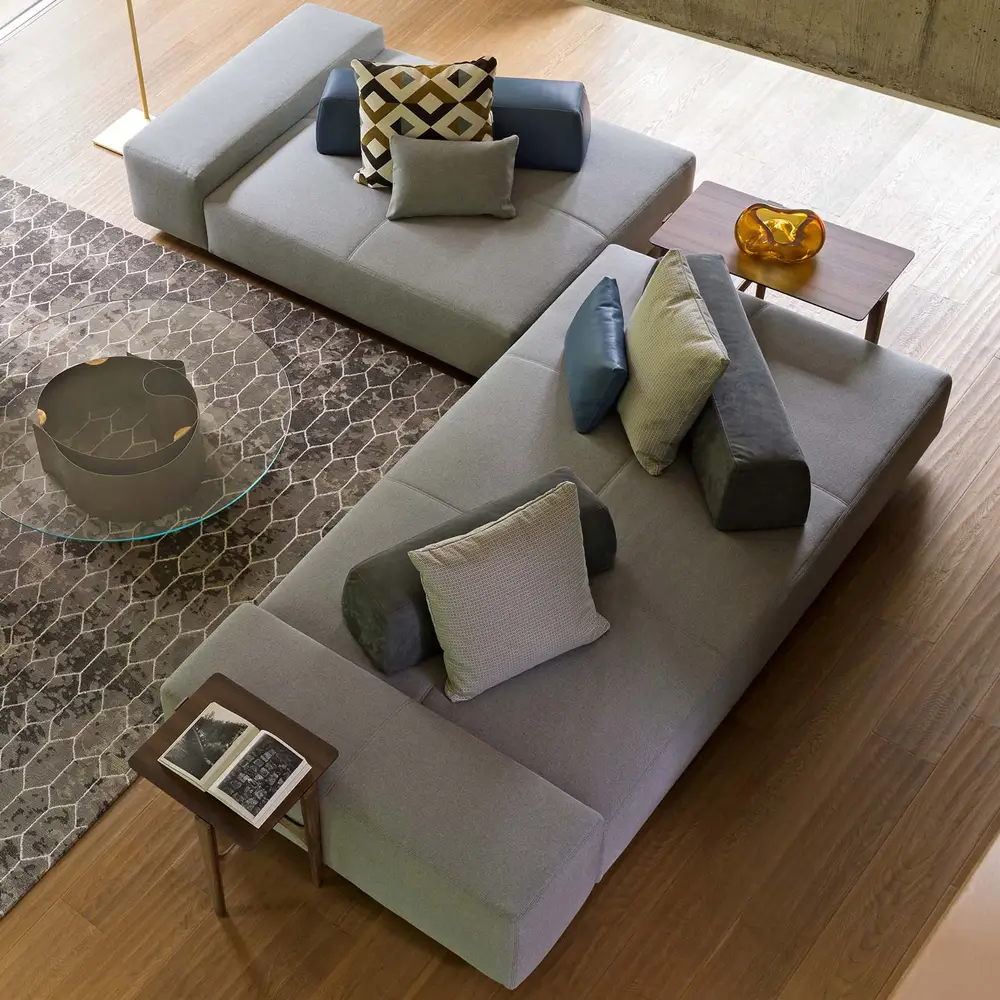
Painted floors fundamentally change how furniture behaves. A walnut table on a natural wood floor blends in. On a painted surface, it asserts itself. Contrast sharpens. Edges matter more. Silhouettes become legible.
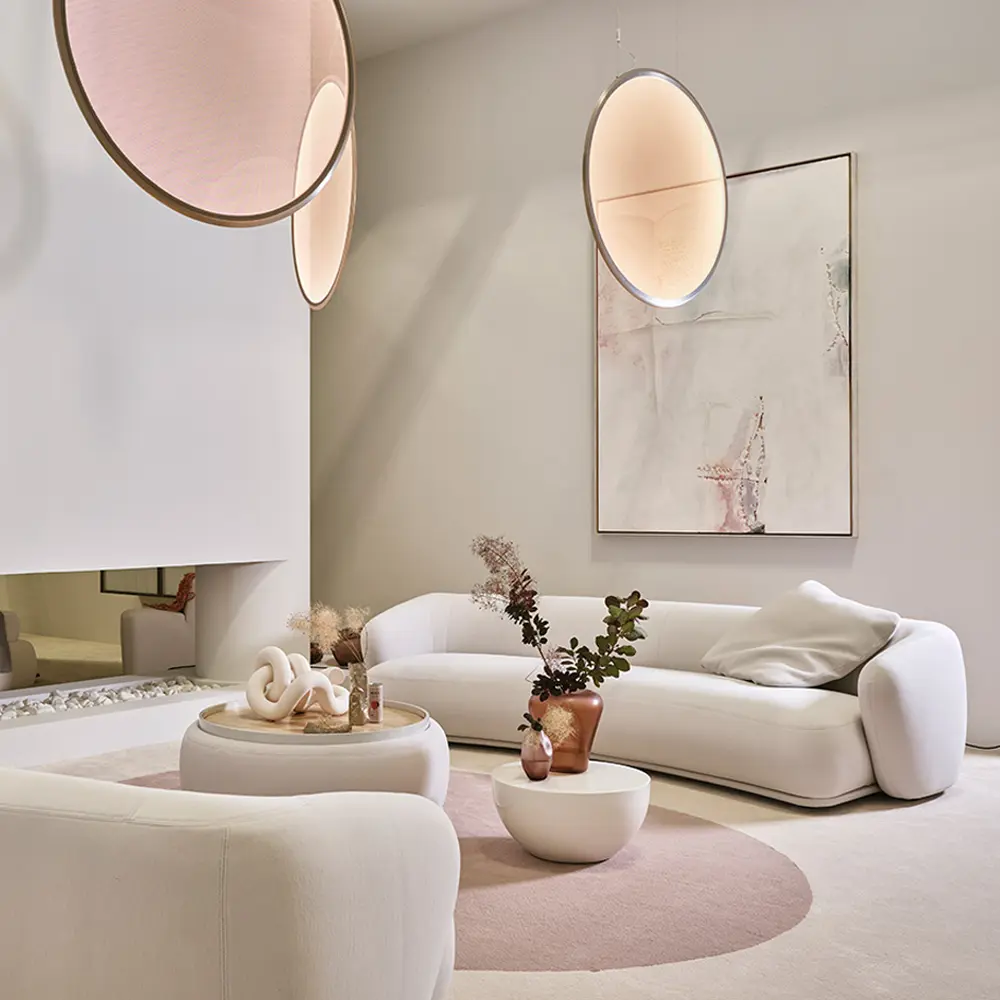
Upholstery benefits too. A neutral sofa on a deep-colored floor suddenly feels intentional, even luxurious. Bright textiles feel grounded instead of loud. Metal legs pop. Shadows read cleaner.
The floor stops competing with furniture finishes and starts supporting them.
A History We Pretended to Forget
Painted floors aren’t new. They’ve existed for centuries—checkerboard stone patterns, painted planks in rural homes, utilitarian coatings in workshops and studios. What’s new is the confidence with which they’re being used again.
For a long time, painted floors were treated as something to fix. A placeholder until you could afford “real” flooring. That hierarchy is dissolving. In 2026, paint isn’t a compromise. It’s a choice.
And a revealing one.
The Psychology of Commitment
There’s something psychologically different about painting a floor versus painting a wall. Walls feel temporary. Floors feel permanent, even when they’re not. Choosing to paint one suggests certainty.
This is why painted floors often show up in spaces with strong point of view. Studios. Creative offices. Residences that don’t aspire to resale neutrality. Places where the interior reflects the person rather than the market.
A painted floor announces authorship.
When the Floor Becomes the Quietest Statement
The most effective painted floors aren’t shouting. They’re steady. A single, confident color across an entire level. No pattern, no flourish. Just pigment and material.
In these spaces, the floor becomes a calm field against which everything else plays out. Light shifts across it throughout the day. Furniture casts clean shadows. The room feels settled.
It’s a reminder that boldness doesn’t require complexity. Sometimes it’s just a decision made without apology.

Wear as Design Partner
Unlike rugs or finishes designed to hide damage, painted floors invite it. Chips and scratches don’t ruin the surface; they add information. They reveal layers. They tell you how the room is used.
Designers are leaning into this, choosing paints and finishes that patinate rather than peel. Surfaces that thin instead of flake. Floors that soften instead of degrade.
The result feels honest. The room doesn’t freeze at completion; it evolves.
Where This Lands in 2026
Painted flooring is emerging not as a universal solution, but as a marker of intent. It shows up in projects that value character over perfection, authorship over neutrality, experience over polish.
It’s especially resonant now, as interiors pull away from hyper-minimalism and rediscover texture, color, and risk. Painting the floor is a way to assert control over the space without adding objects, without consuming resources, without pretending permanence is achievable.
It’s economical, expressive, and quietly radical.
Not for Everyone, and That’s Healthy
Painted floors will never be default. They shouldn’t be. They demand comfort with wear, with change, with visible time. They resist staging. They resist mass appeal.
But that’s exactly why they matter.
They reintroduce personality to the most overlooked surface in the room. They turn the ground into something felt, not ignored. They remind us that design doesn’t have to start at eye level.
Sometimes it starts where your feet hit first.
Painted flooring doesn’t ask for attention. It just takes responsibility. It holds the room together, carries color, absorbs time. In 2026, that feels like a quiet but decisive shift—away from perfection, toward presence.
And once the floor stops pretending to be neutral, the rest of the room has to tell the truth too.