




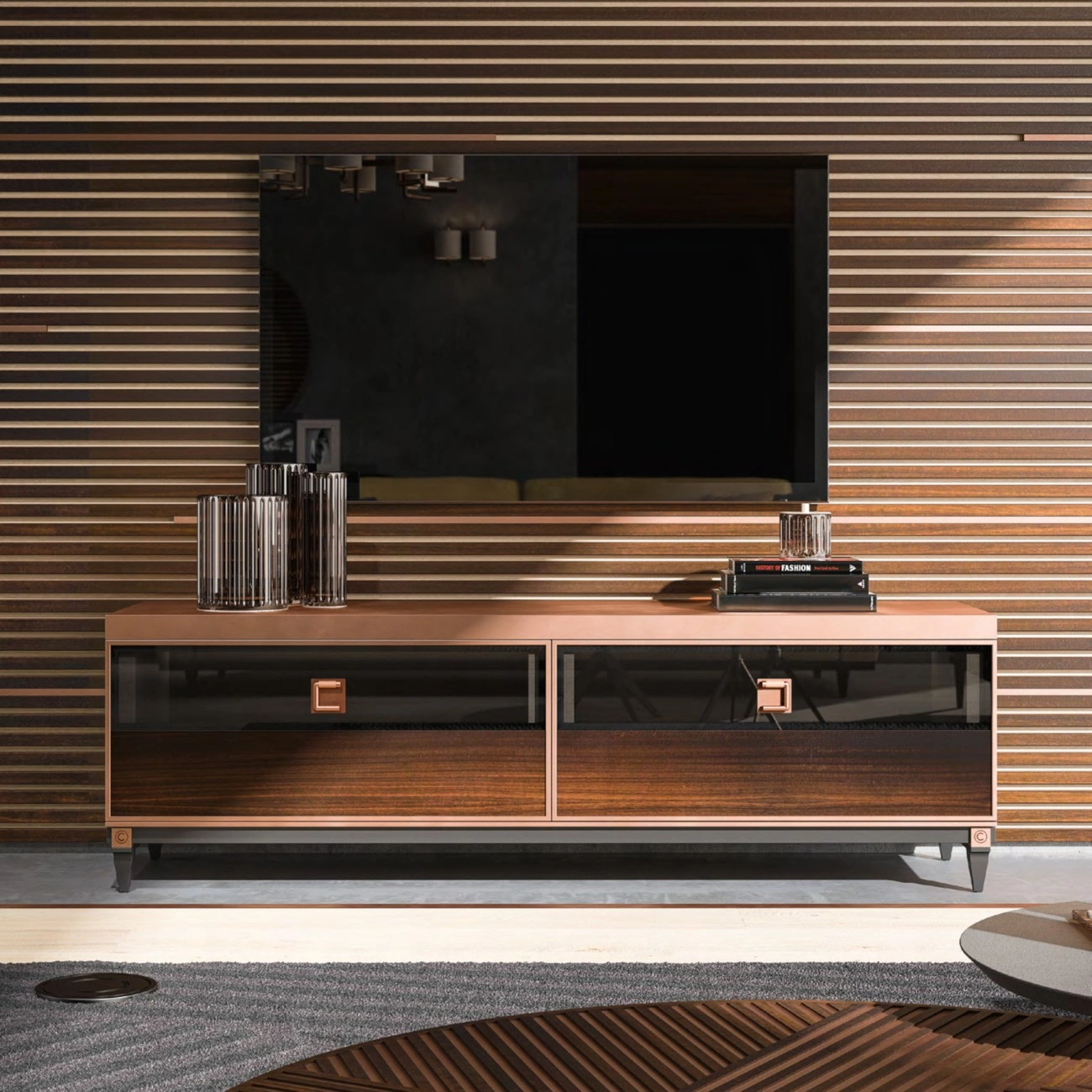
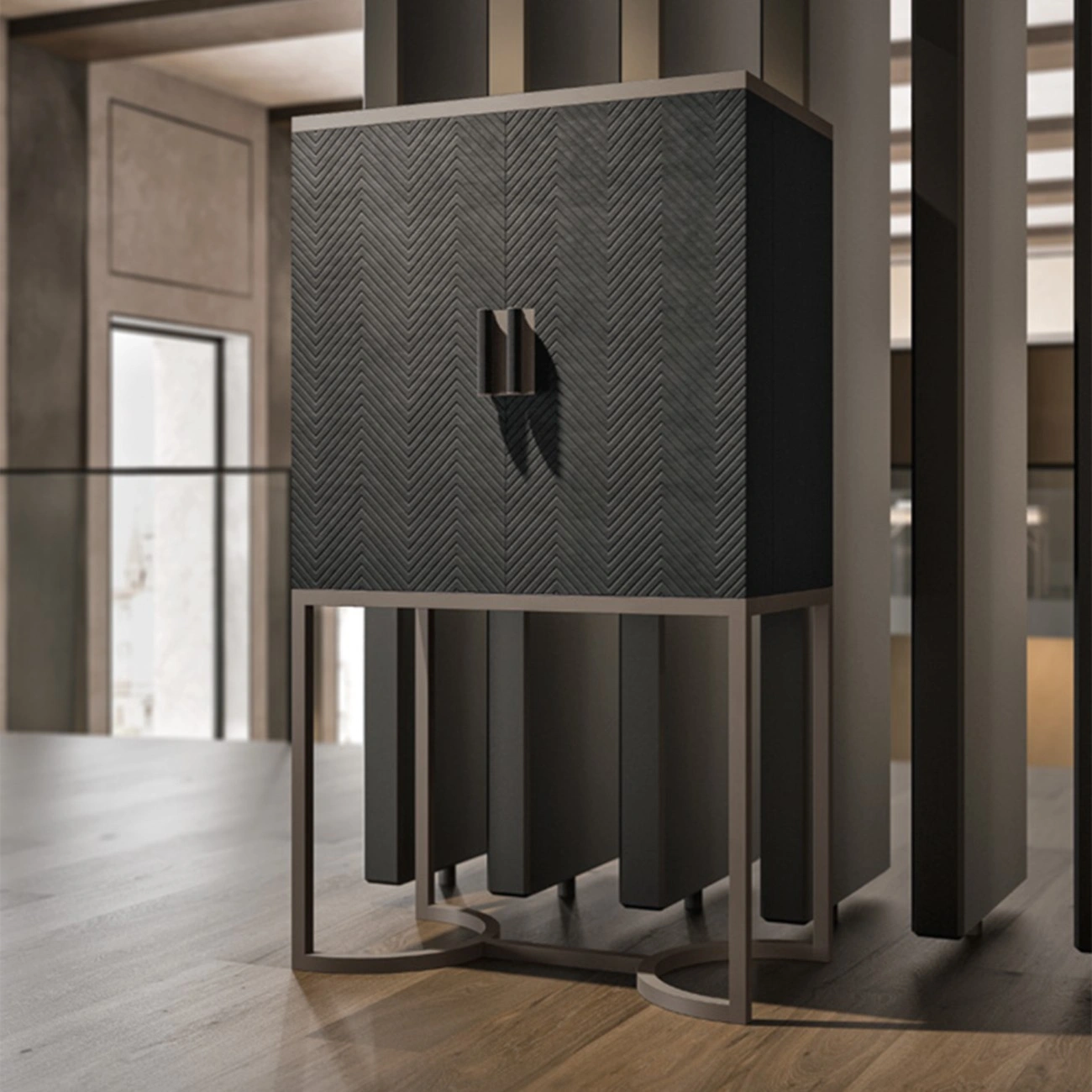

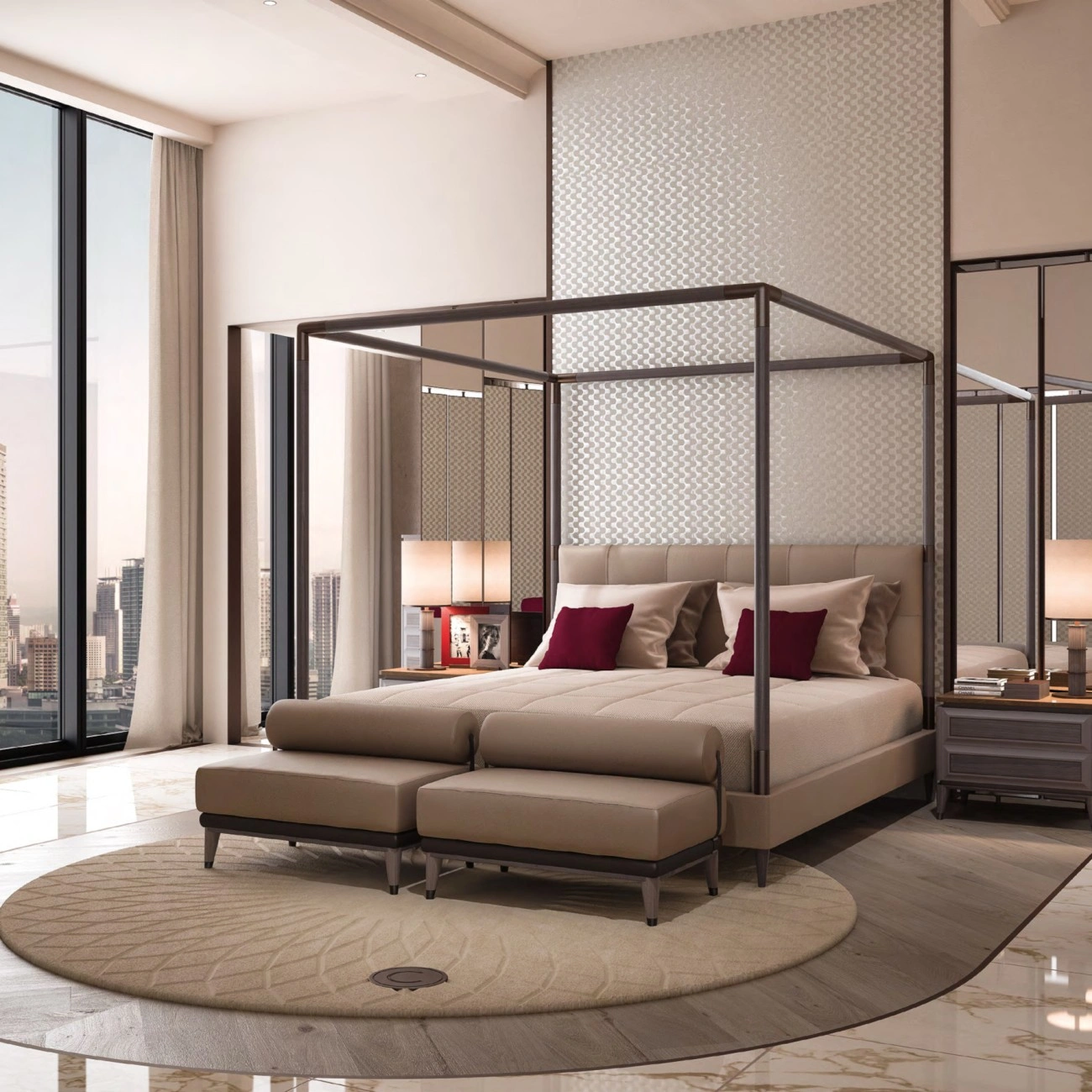
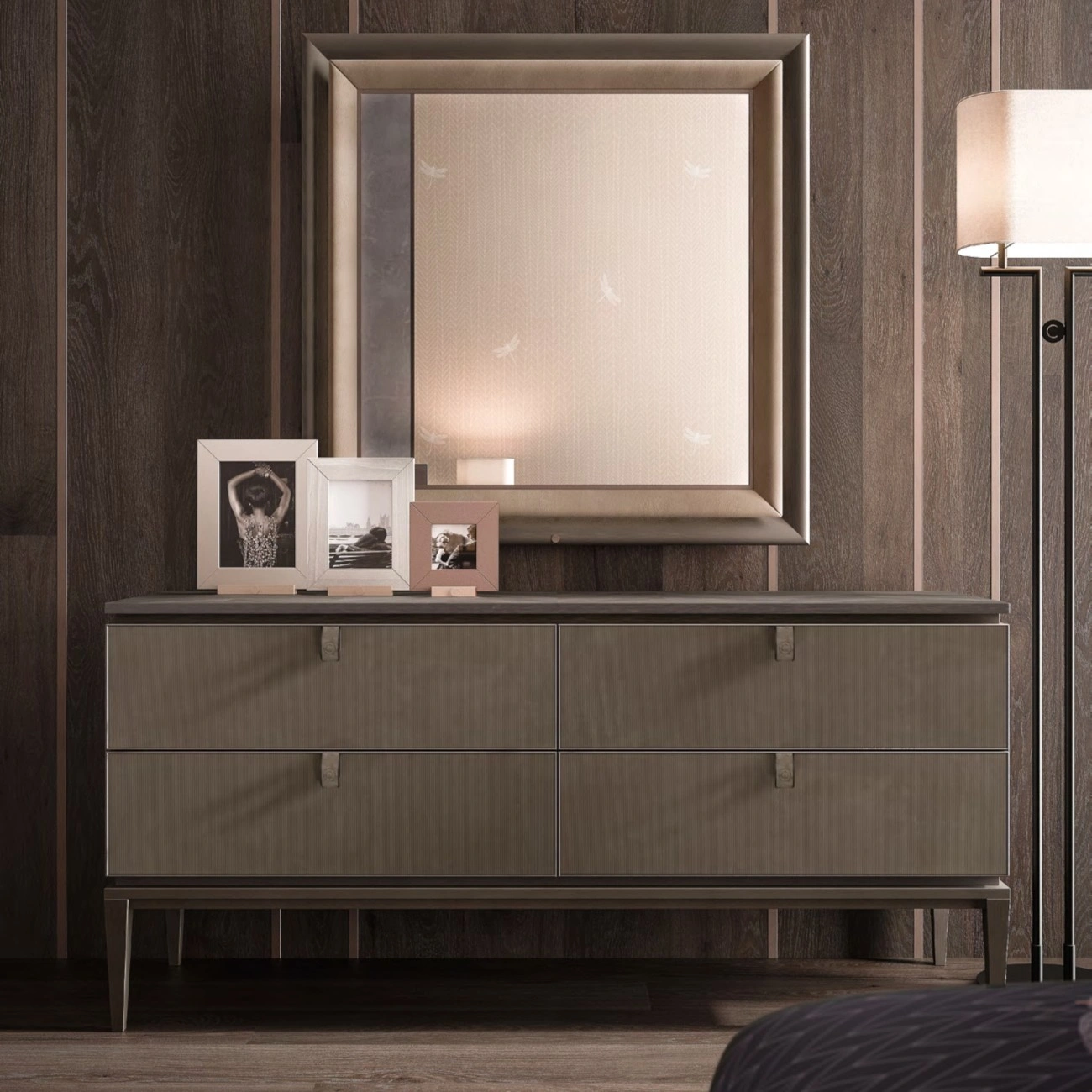







It’s remarkable how something as humble as moss — that low-lying green you barely notice on a forest floor — is quietly gaining traction in the interiors world. Not as a houseplant, not as a groundcover, but as décor in its own right. Moss panels. Moss accents. Even moss-inspired details in furniture and architectural installations. What once felt like a cottagecore flourish has slowly crept into mainstream design and, by 2026, moss-covered decor has become something that designers and architects mention unselfconsciously alongside materials like wood and stone.
That shift isn’t random. On one level, it’s biophilic design — bringing nature indoors. But moss isn’t competing with plants, or even greenery; it’s offering a texture, a color, an idea of ground rather than leaf. Architectural installations now use preserved moss to add uneven texture and organic complexity to flat surfaces — walls, ceilings, even screens and furniture accents that read like living sculpture.

Why Moss, Why Now
There’s an irony here: moss is one of the simplest, least flashy organisms. It thrives in the shadows, on stones and logs, without the showy bloom of flowers or the gloss of tropical foliage. And yet, in an era of polished minimalism and digital renderings that dominate magazines and mood boards, moss brings something tactile back into focus. It’s texture that isn’t manufactured, a pattern that isn’t drawn but grown.
Part of it comes from the wider color and material trends designers are championing for 2026. Earthy vibrancy is forecast to define the year’s palettes — rich, grounded hues like mossy green, deep terracotta, and oceanic blues are all on the table. Moss green isn’t just a shade; it’s a sensory cue, a reminder of forest floors and aged stone, of places that have formed slowly over time. Moss-covered decor pairs effortlessly with wood, stone, and natural textiles, making moss and related greens a comfortable fit within “nature first” interiors.
The Texture That Furniture Forgets
Furniture and décor have long borrowed natural motifs — rattan furniture, driftwood, stone tops — but moss brings a different kind of surface. It’s soft yet visually dense, uneven yet cohesive. That texture is something you don’t see in polished surfaces or textiles; it tells the eye that the surface is closer to nature, not imitation.
Designers are integrating preserved moss into hospitality projects, feature walls, and even bespoke furniture elements. Moss inlays or panels on a bench or sideboard add a layer of sensory complexity that wood or metal can’t achieve on its own. In architectural interiors, moss walls are used to soften acoustics, break up large volumes of plaster or gypsum, and introduce a visual litter of color that’s grounded and calm.
It’s telling that designers call these installations “living architecture,” even when the moss is preserved rather than growing. The surfaces look alive, like they are breathing quietly beneath light and shadow.
Moss Beyond Walls
“Moss décor” doesn’t mean slapping green panels on every flat surface. In retail and hospitality spaces, designers are creating moss installations that feel sculptural — rounded forms that echo natural boulders or hummocks, moss-lined niches that feel tactile and mysterious. Custom furniture pieces clad in preserved moss — benches, partitions, even tabletops — are cropping up in galleries and lobbies.
In some projects, moss-covered benches or display elements are paired with rich materials like onyx or exotic wood, so the contrast between slick, polished surfaces and soft, uneven moss becomes part of the spatial narrative. It’s a design language that simultaneously celebrates nature and craftsmanship, and it feels fearless without being gimmicky.

Moss and Sensory Calm
There’s a deeper reason moss resonates in interiors: it quiets the visual field. Unlike plants with leaves or flowers that compete for attention, moss creates a uniform, low-contrast surface that is visually soothing. This doesn’t mean dull — far from it — but there’s a grounding quality that feels intentional. Designers talk about spaces that feel “restful but rich,” and moss helps deliver that.
Preserved moss in interior applications also offers acoustic benefits. Its texture absorbs sound more effectively than hard surfaces, making it useful in open-plan offices, lobbies, and lounges where echoes can erode comfort. Whether in a commercial or residential setting, moss panels or accents contribute to a sense of calm that’s difficult to achieve with conventional materials.
Furniture and Functional Nature
There’s still an edge to this trend, because moss does something that most materials can’t: it blurs the line between décor and ecosystem. A moss panel on a wall reads like art. A moss-lined planter feels like landscape in miniature. A bench with moss elements feels untethered from green cushions or fabrics — it’s more literal than upholstery, more tactile than a rug or woven textile.
Designers are even talking about hybrid pieces — furniture that incorporates moss as a surface detail alongside wood, stone, or metal. A custom bench with moss fillets in the legs isn’t about novelty; it’s about presence. It anchors you to the moment, and in doing so, it changes how you inhabit the space.
It’s worth noting that what looks like a “living wall” or green surface often isn’t moss growing in soil. Most installations use preserved moss — natural moss that has been treated so it retains color and texture without watering or light. This means moss décor can be maintenance-free while still offering the sensory and emotional impact of greenery.
Design That Remembers Its Roots
Part of why moss works in 2026 design is that it doesn’t pretend to be something it’s not. It doesn’t mimic leaf shapes in plastic. It isn’t trying to be floral or botanical wallpaper. Moss is texture, patience, and density. It carries echoes of forest floors — places visual culture rarely privileged — and brings that into interiors without kitsch.
There’s a tendency in interiors to create sanitized versions of nature: plants in identical pots, synthetic grasses, or generic greenery. Moss avoids that problem because even when preserved, its surface is irregular. It’s honest about its origin; it doesn’t try to look like anything else.
That honesty resonates because design in 2026 seems more interested in substance than spectacle. Spaces are quieter, warmer, more tactile, and less self-consciously curated. Moss décor fits because it feels authentic, not staged.
A Material of Contrasts
Moss is soft but dense. Organic but controlled. Green but not glossy. This makes it a surprisingly rich partner for other materials. Pair moss with brass for a contrast between warmth and cool, or with dark stone for a weighty, grounded look. Set moss panels beside wood — the contrast between the uneven moss surface and planed wood is dramatic in a way that doesn’t try too hard.
You see this play between material and texture in spaces that feel intentional rather than themed. Moss décor doesn’t need bright accessories to justify itself. It doesn’t shout; it asserts.

Beyond Aesthetic — Why It Matters
There’s a temptation to dismiss moss décor as just another design fad. But what’s happening feels deeper than that. In an era dominated by screens and streamlined surfaces, designers and inhabitants alike are yearning for something tactile, something that speaks to our physical senses as well as our visual ones. Moss does that. It invites touch — not necessarily literal, but perceptual. It invites you to acknowledge texture, depth, irregularity.
In 2026, that feels meaningful. We’re living in an age of digital perfection and ubiquitous screens; interiors that remind us of entropy — the forest floor, the mossy stone — feel like antidotes. They remind us that materials have histories, textures have time, and spaces can be more than surfaces.
The Moss Path Forward
Expect moss to evolve from an accent to a staple in biophilic design. Not everywhere, not for everyone, but in enough projects that its presence will feel familiar rather than novelty. Moss panels that once were relegated to spas and wellness centers are now anchors in lounges, galleries, and upscale residences. Designers are embedding it in furniture pieces in ways that feel thoughtful rather than gimmicky.
It’s unlikely moss will ever replace wood or stone as primary materials. But as a complement — a surface, a texture, a sentiment — it’s carving out its own place. For 2026, moss covered décor isn’t flourish; it’s statement.