


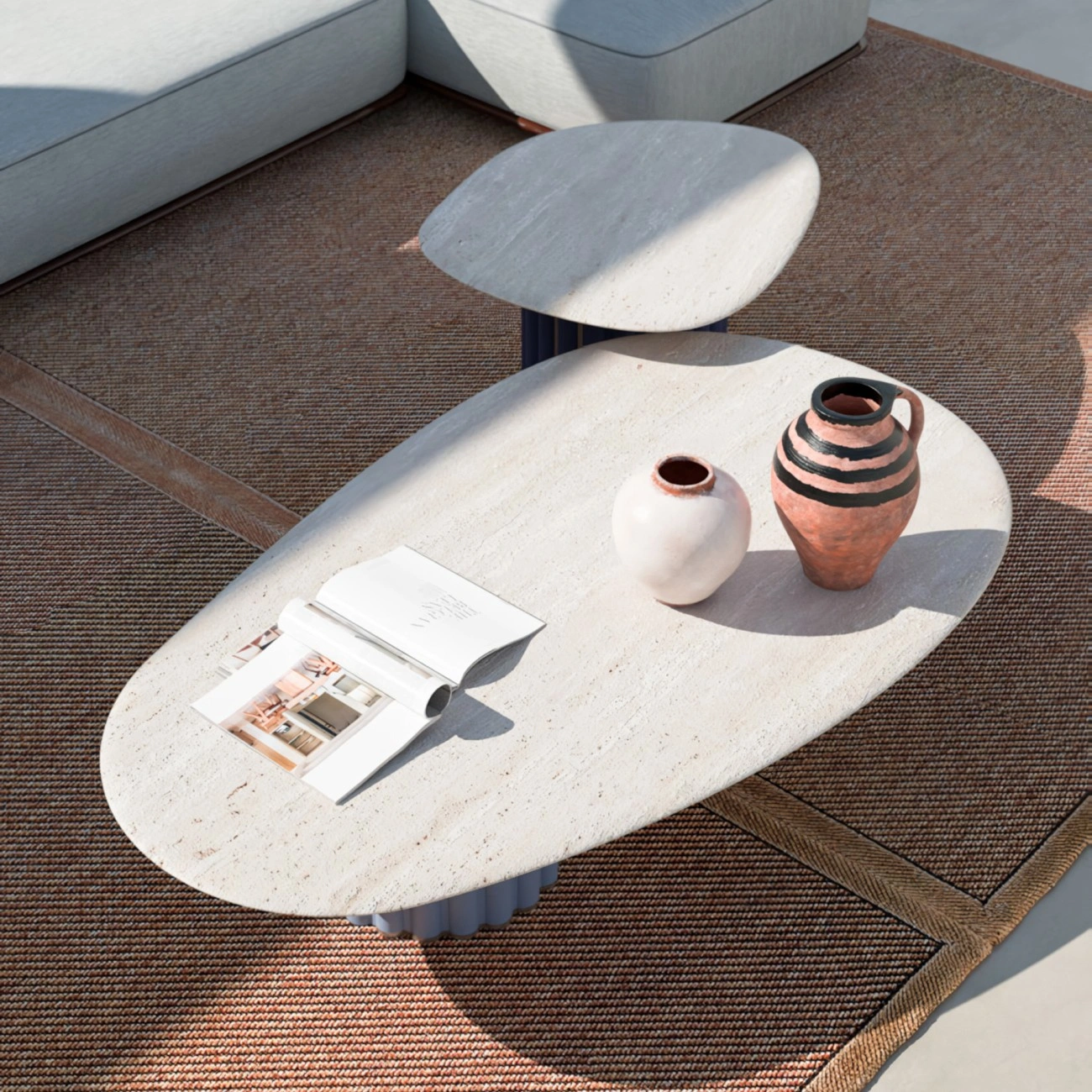


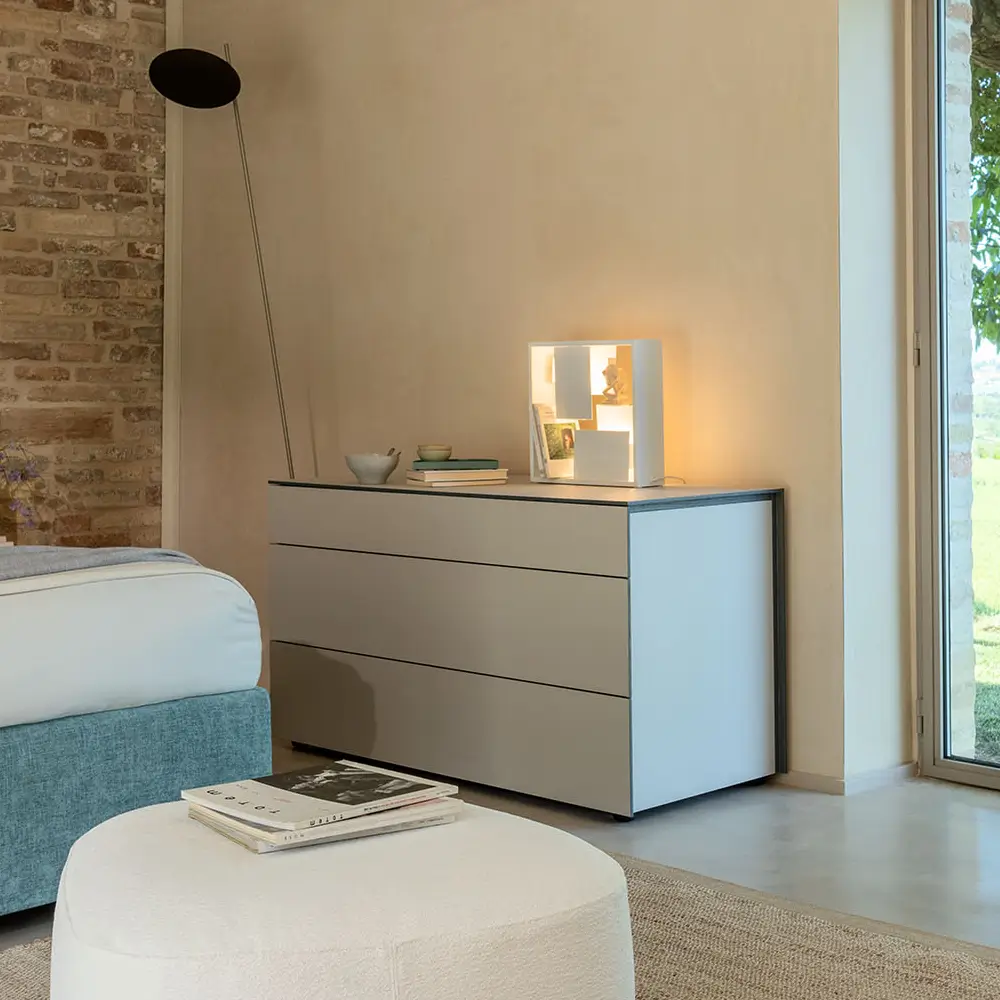
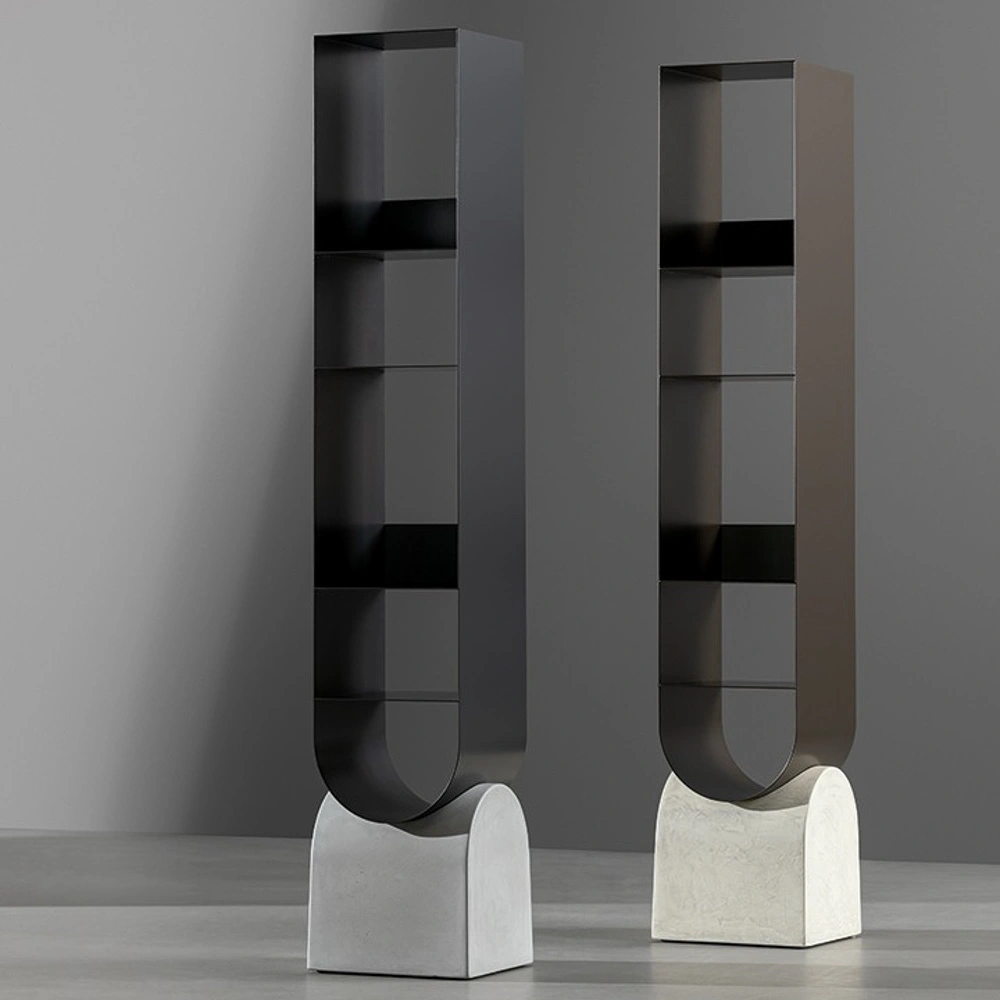
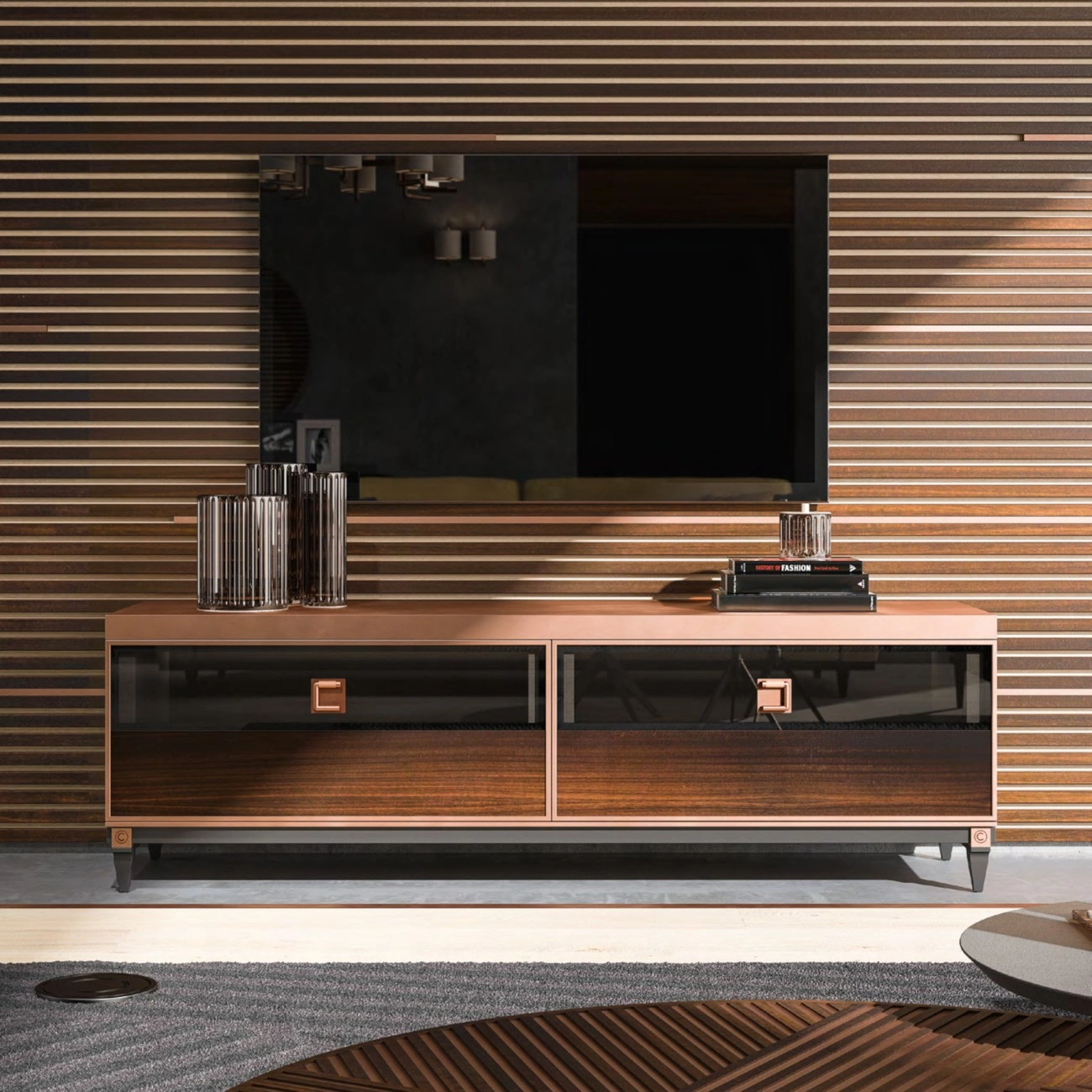
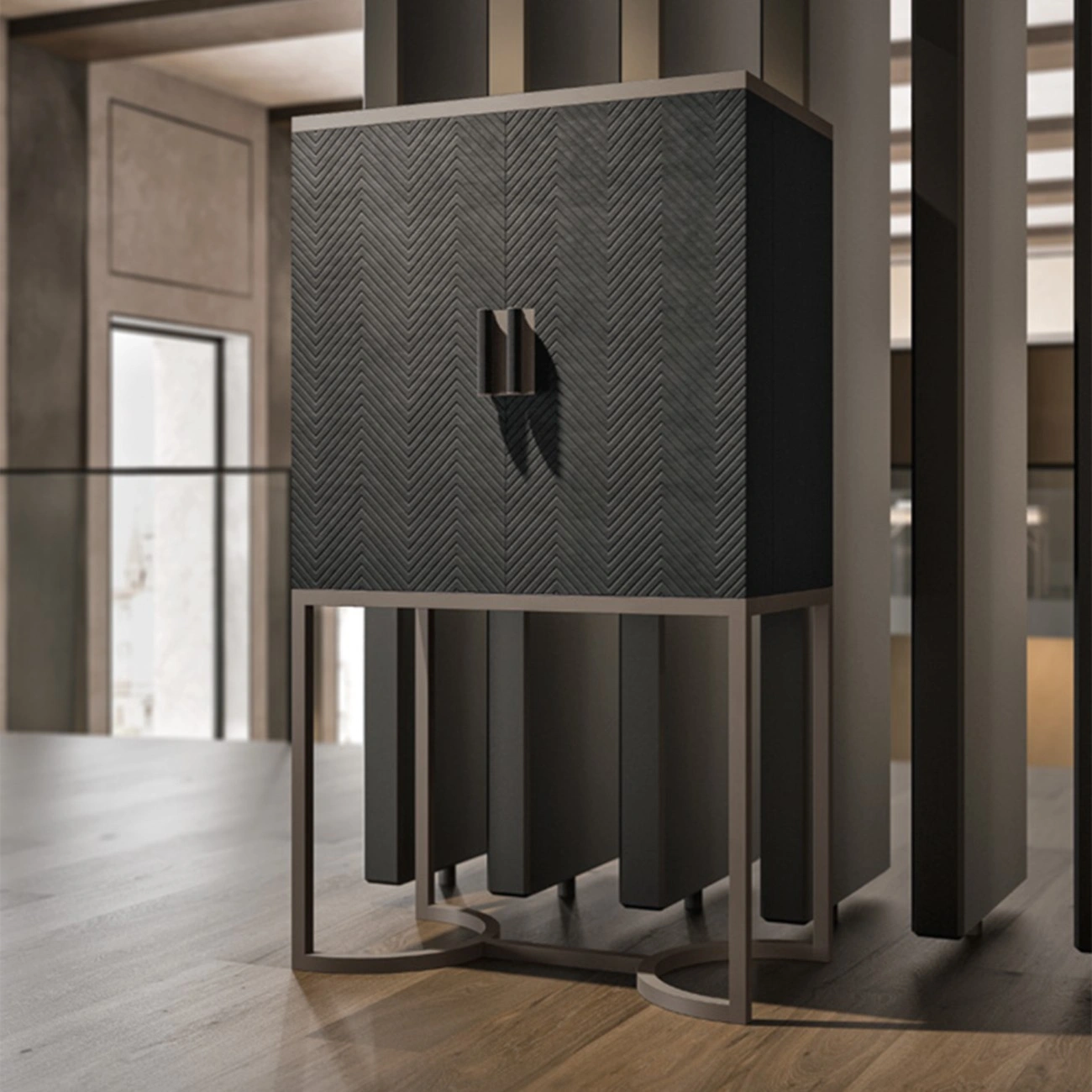

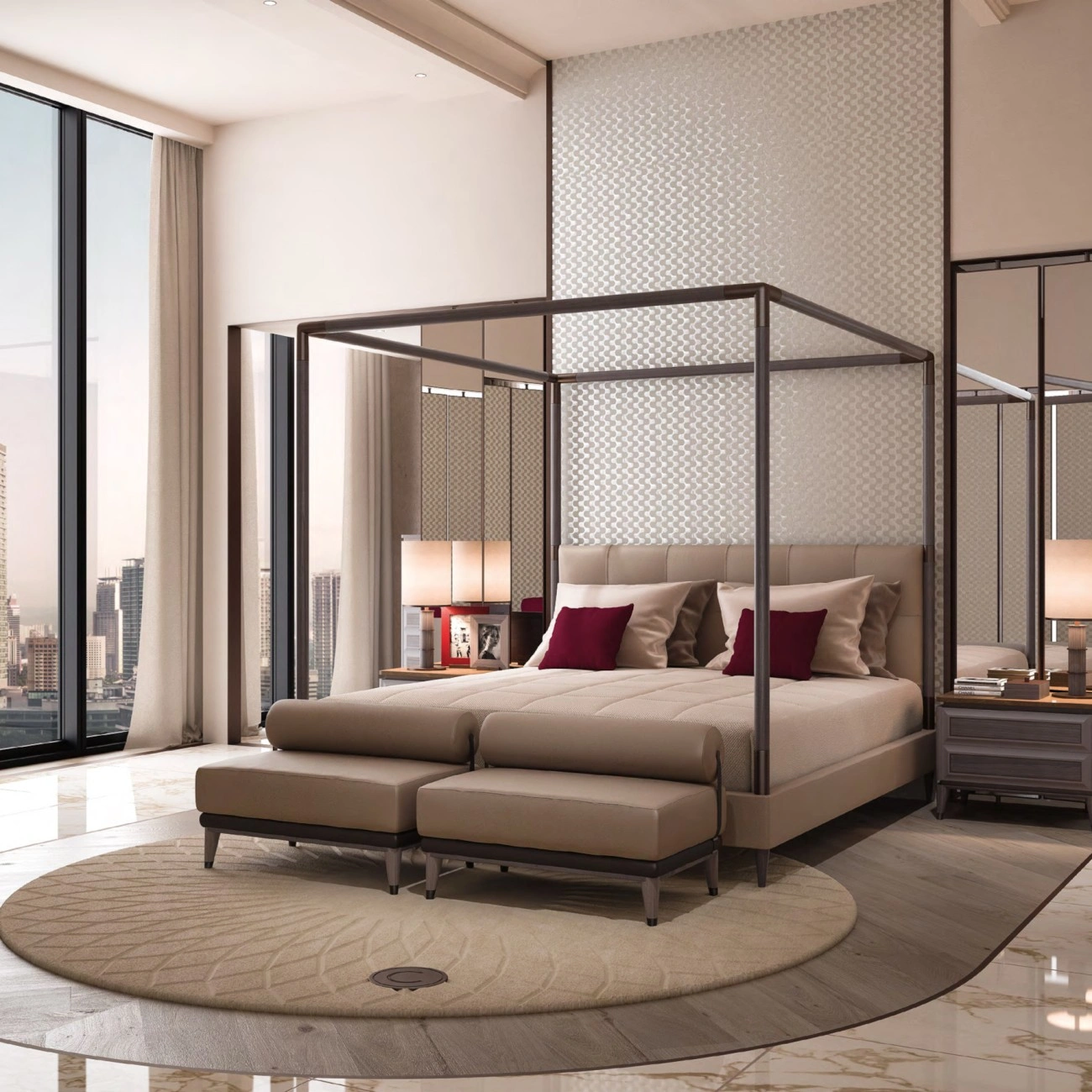
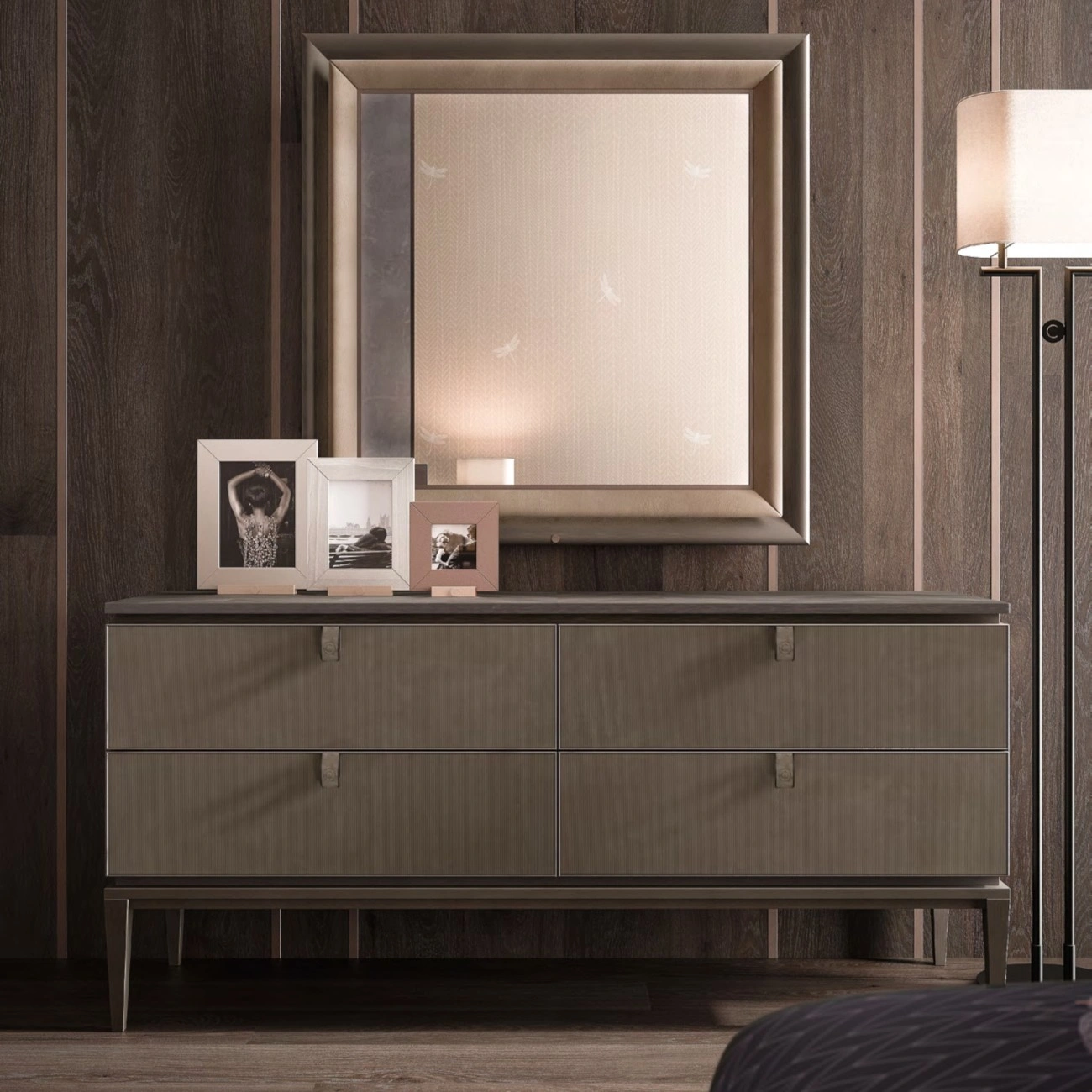

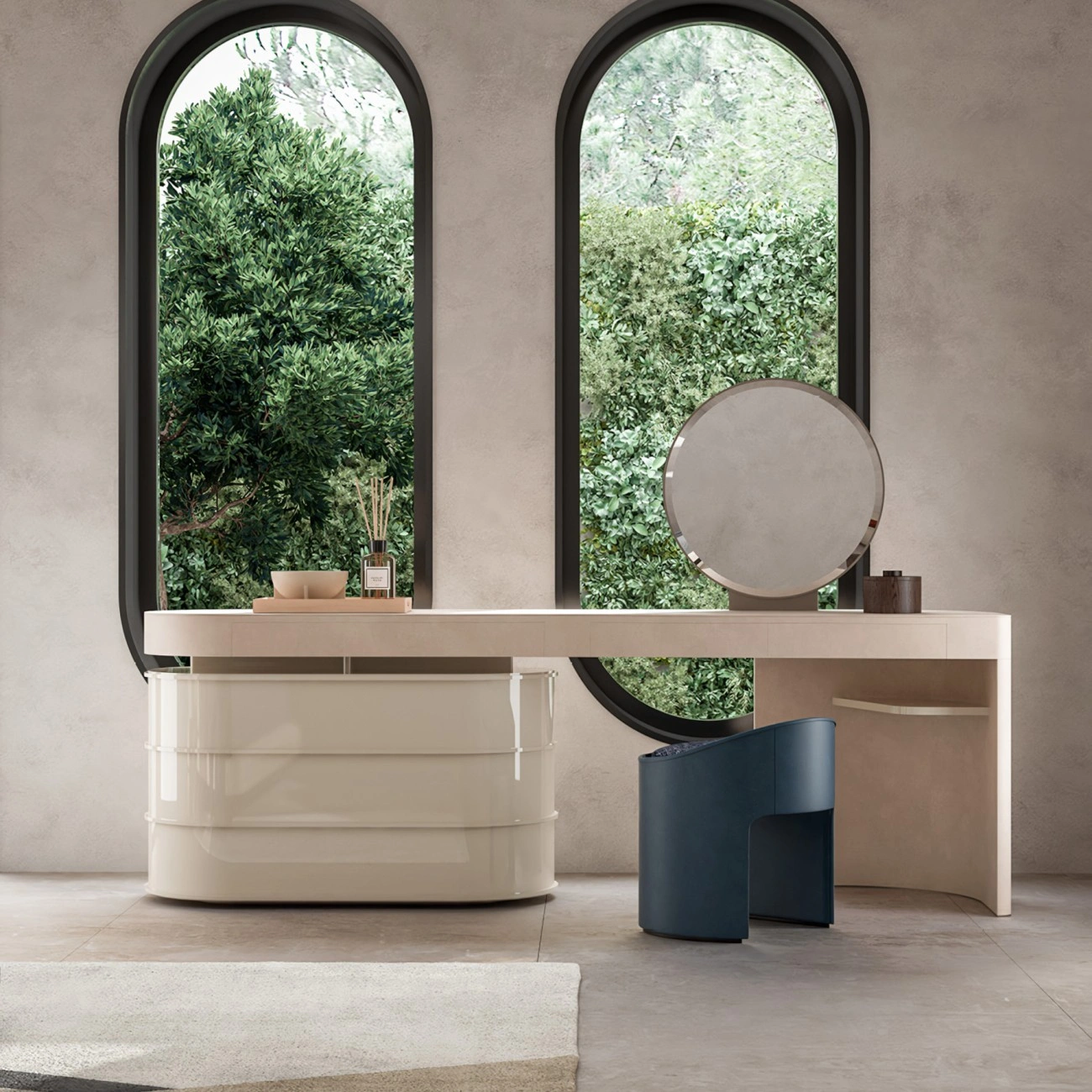






Step into any furniture fair this year, and the first thing that hits is wood with rhythm. Panels, legs, edges, drawer fronts—all fluted and reeded wood. Straight grooves, precise channels, repeating ridges. Suddenly, wood isn’t just wood. It has personality. Even in a minimalist custom indoor interior, it feels alive. You see it and the eye starts moving along the lines almost before you notice.
There’s history here, of course. Fluting recalls classical columns, old neoclassical cabinets, even mid-century furniture. Reeded edges have always suggested refinement. But now designers are doing it differently—sharper lines, subtler scales, contemporary proportions. A walnut console with fluted sides doesn’t feel like a revival, it feels inevitable. Like it belongs there.

Rhythm and Light
Fluted and reeded wood are about rhythm. Light catches grooves differently depending on angle, time of day, how you move past it. A reeded table leg glimmers in the morning sun, recedes in shadow by evening. A fluted drawer front gives the eye a path, something to follow without really thinking.
Long flutes make things feel taller. Narrow, tight reeds feel refined. Sometimes you notice it before you even know what you’re noticing. The detail communicates craft, sophistication, without needing an explanation.
Craft, Imperfection, and Humanity
It looks simple, but it’s not. Machine-milled fluting is perfect, predictable. But the best pieces? Slight variations. Depth, spacing, grain. Human. Tactile. Reeded panels often repeat patterns—legs, aprons, drawers—but the subtle differences make the piece feel warm. Real.
Balance is everything. Too much pattern and the room feels noisy. Just the right touch—drawer fronts, table legs, dresser panels—gives presence. Gravity. Elegance. Something that reads calm, but alive.
Scale and Placement
Scale changes everything. Narrow grooves on a nightstand feel intimate. Broad channels on a credenza feel monumental but still light. Designers play with this: wide flutes on edges, subtle reeding across drawers. Your eye traces it. Shadows shift. Lines guide movement.
Placement matters too. A fluted sideboard along a pale wall reads different than the same piece under a window. Light, perspective, adjacent materials—all make the detail matter. Reeded legs might echo a fluted dresser nearby, tying the room together quietly.

Interaction With Materials
Fluting and reeding shine when paired. Wood alone is tactile, approachable. Add metal and the lines sparkle. Glass mirrors them. Leather, textiles, even stone: contrast, rhythm, resonance.
One piece at a fair stuck out: walnut cabinet, fluted sides, reeded drawer fronts, brass inlay following the same vertical rhythm. The metal caught light differently but echoed the wood. The piece felt alive, responsive, human.
Furniture That Breathes
These details don’t make furniture untouchable. Slide your hand over a fluted dresser, feel the groove. Lean on a reeded chair leg. Texture invites engagement.
Fluted and reeded furniture breathes. The detail isn’t just decoration—it defines presence. Tables, cabinets, dressers assert themselves but invite touch, observation, curiosity. Craft, story, intention, all in one.
Historical Resonance
Yes, these details have history. Neoclassical cabinets, 18th-century tables, mid-century sideboards. But today it’s not a copy. Designers abstract, scale differently, interpret. Narrow flutes, unexpected proportions, subtly reeded edges.
It feels contemporary. A fluted walnut console isn’t in a museum. It’s in an apartment, next to leather or beneath a modern pendant. Reeded legs nod to the past but don’t scream it.
Light, Shadow, and Presence
Fluting and reeding are about light. Vertical channels fragment it. Afternoon sun turns a fluted panel into shifting shadows. Reeded edges catch reflection differently depending on angle. The room moves even when furniture doesn’t.
Even in darker interiors, the lines assert themselves. Matte surfaces absorb, polished channels reflect. Pieces become performative—present in light, shadow, perception.

Small Interventions, Big Effect
Not everything needs fluting from top to bottom. Drawer fronts, table legs, edge banding—small interventions can redefine a room. Shadows, lines, tactile rhythm, cohesion. Placement and proportion decide if it sings or just decorates.
In custom indoor interiors, subtlety wins. Fluted cabinets beside smooth upholstery. Reeded legs under marble tops. A panel here, a banding there, echoes the pattern elsewhere. Layers, rhythm, presence.
Emotional Resonance
Why does this feel alive now? Fluting and reeding connect touch and sight. Eye and hand move together. Interiors feel curated, lived-in. Spaces feel human. Real.
In a world of flat, minimal surfaces, rhythm in wood feels like a small rebellion. It slows perception. Rewards observation. Encourages presence.
Fluted and reeded wood is quiet but powerful. Lines, channels, grooves bring cadence, tactility, and story. They carry history without nostalgia, craft without fuss. They make furniture structural, visual, performative.
It’s a reminder: subtlety and repetition can be as striking as bold color or dramatic scale. Furniture that engages, invites touch, plays with light and shadow—that’s what keeps interiors alive, intimate, human.