
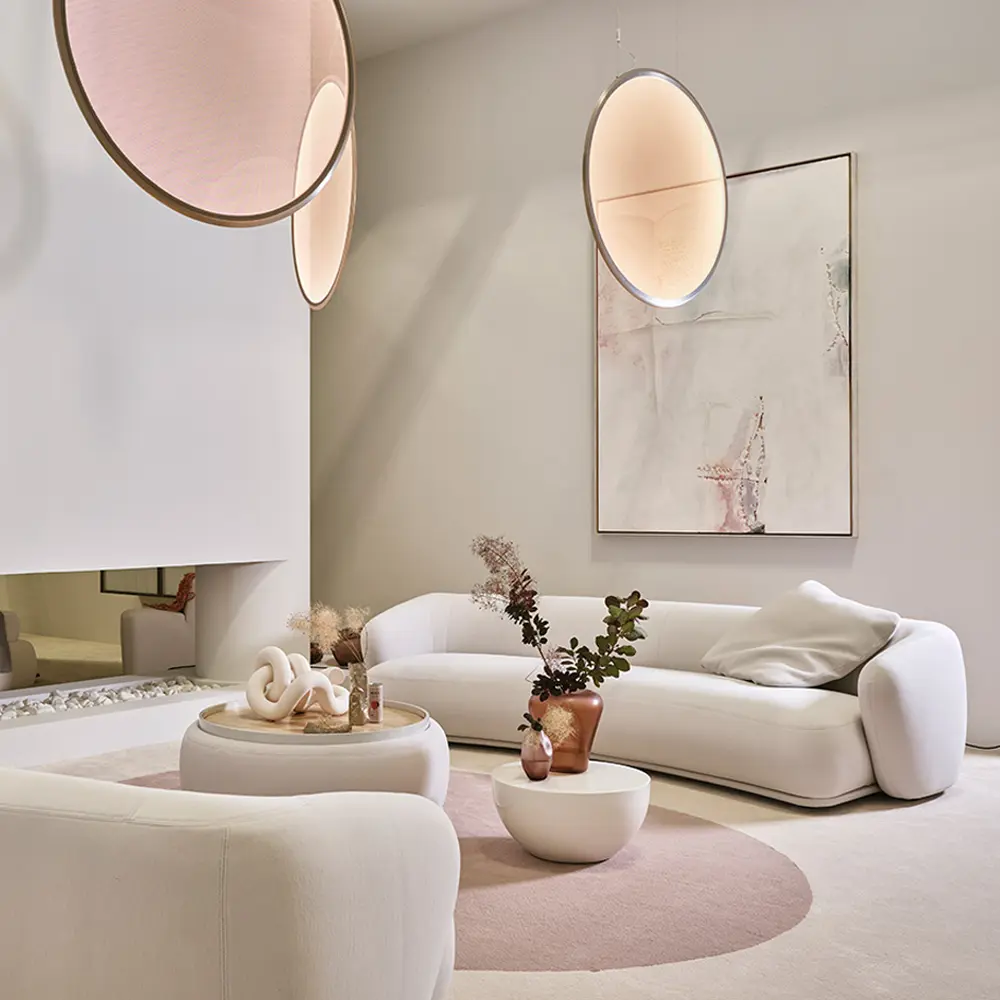




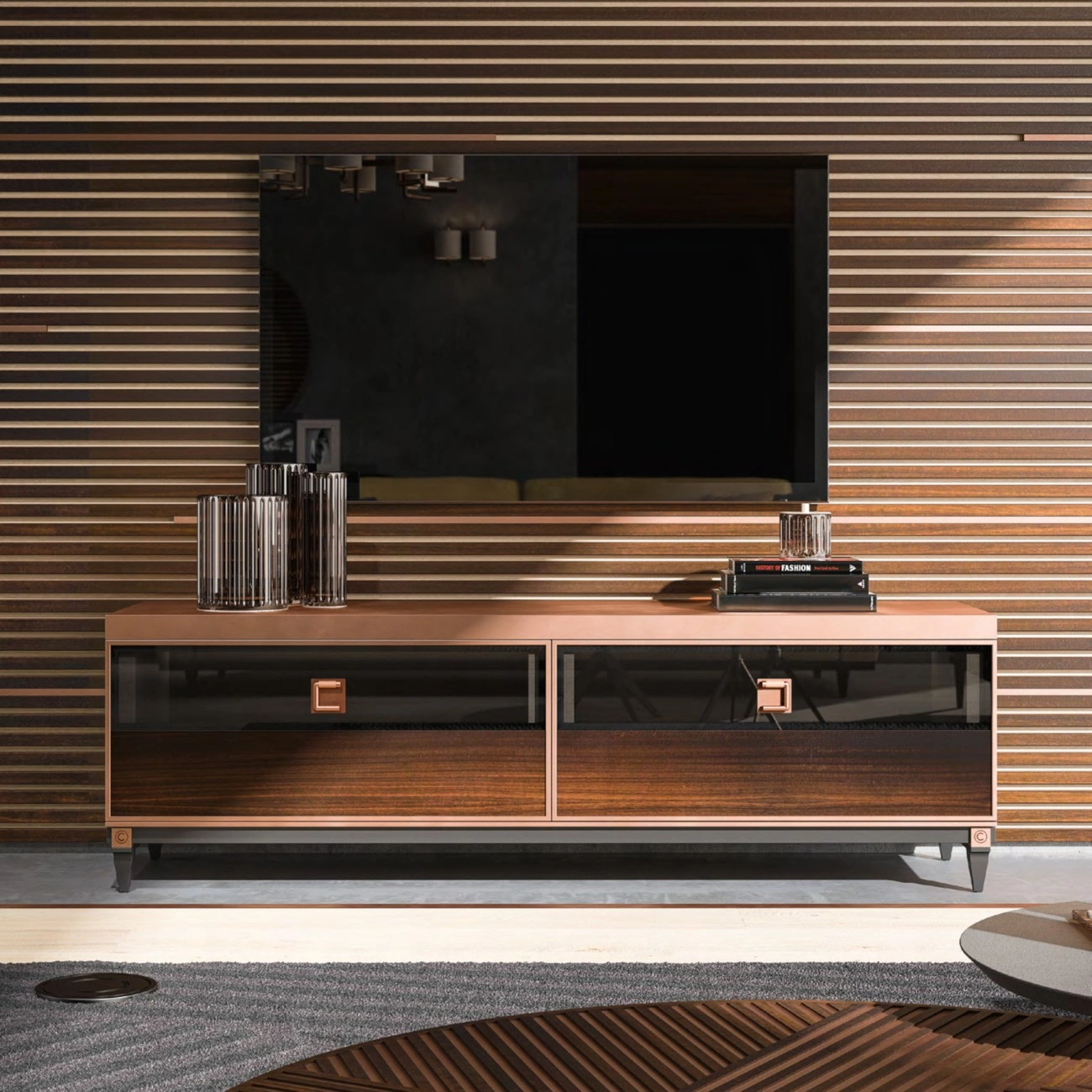
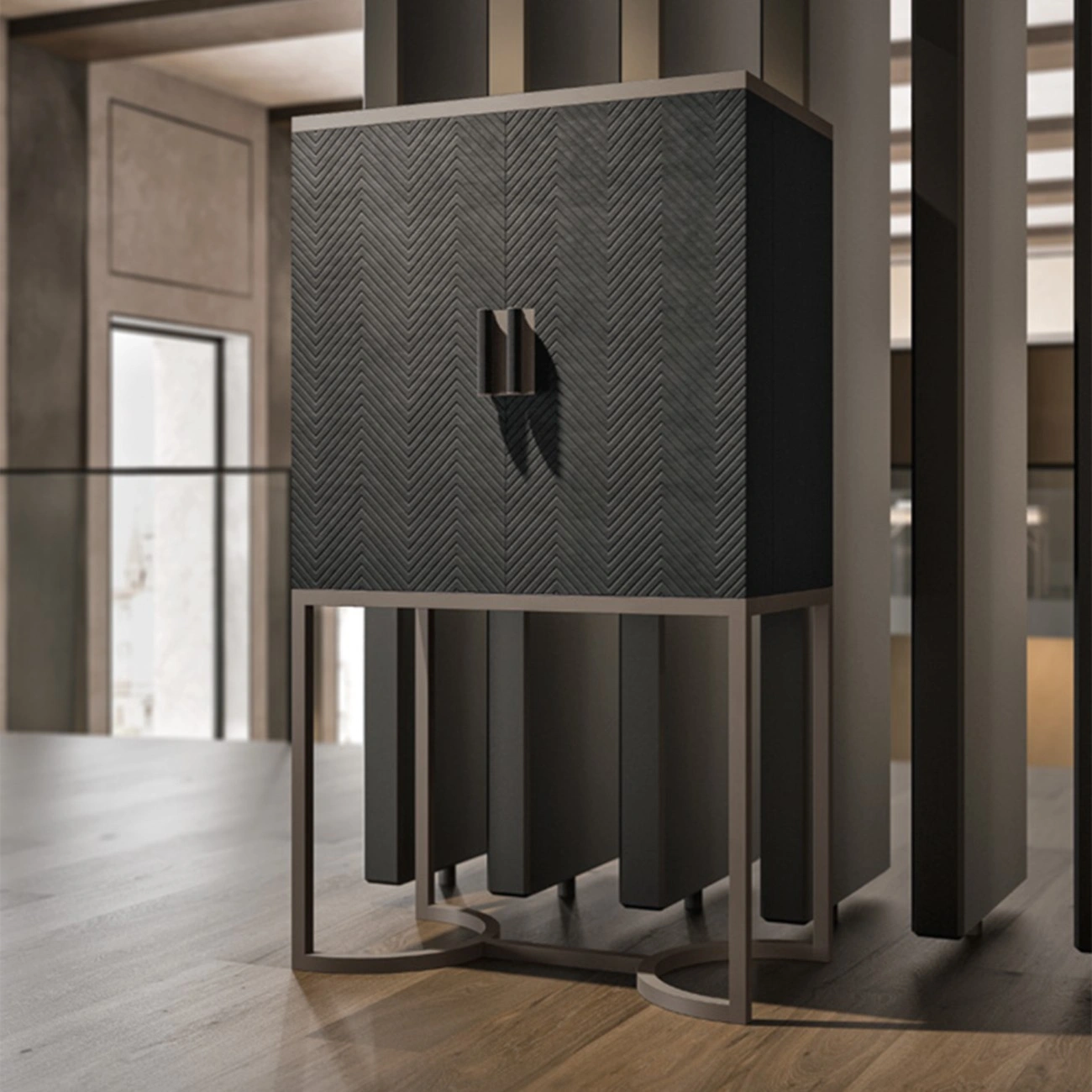

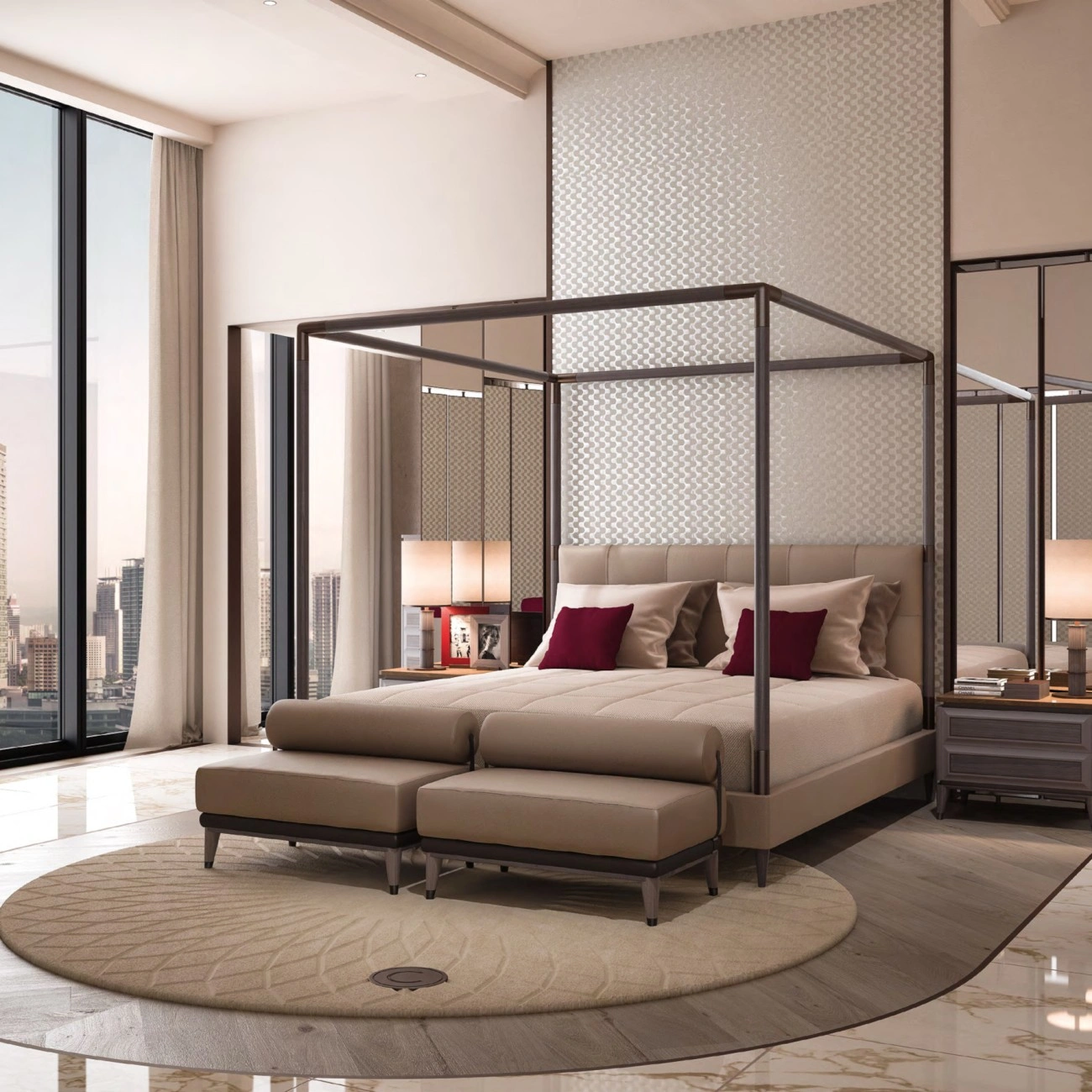
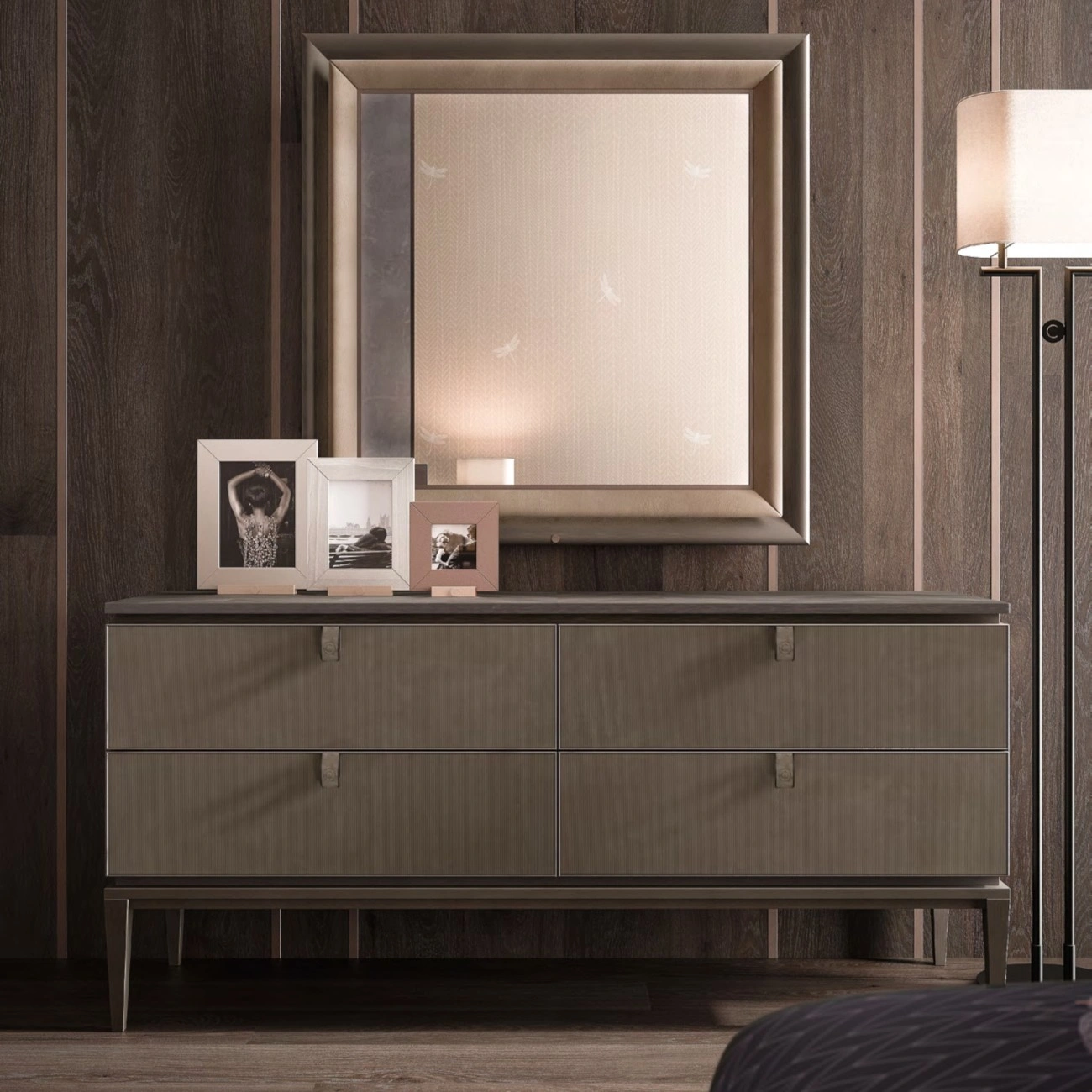







Mauve was never really gone. It just retreated, hiding behind the brash purples and hot pinks of past decades, waiting for a moment when restraint mattered more than drama. That moment seems to have arrived. Today’s mauve home color is quieter, deeper, more deliberate. It isn’t a punchy, neon memory of the ’80s—it’s grounded, poised, and surprisingly versatile. Designers are treating it like a neutral with personality, a shade that can recede or stand up depending on its company.
Andrea Schumacher calls it a “full-fledged comeback—part nostalgia, part modern sophistication.” That description feels about right. Mauve now wears discipline like tailored clothing. It doesn’t shout, but it shapes space. A living room washed in dusty mauve suddenly has depth, a sense of quiet drama. Walls and fabrics alike gain complexity. The eye rests but doesn’t get bored. It’s a color that lets furniture, finishes, and light do their thing without losing coherence.
A Color That Balances
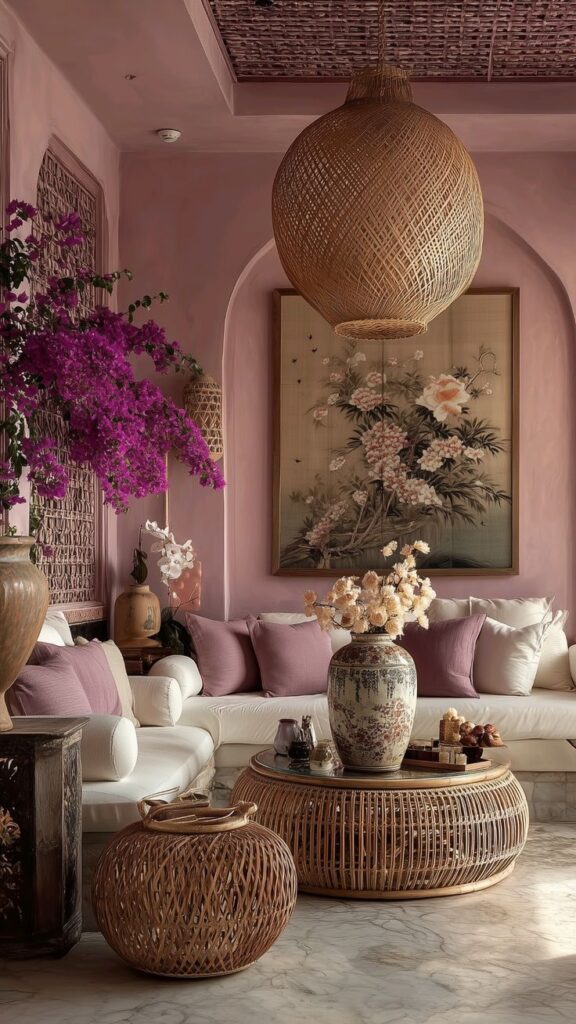
Mauve’s appeal is in its balance. Warm but not cloying. Muted but not dull. Against raw wood or bamboo furniture, it softens grain. Against brushed brass, it amplifies elegance. On upholstery or rugs, it catches light and shadow in ways that change subtly over the day. It has presence, but it isn’t heavy. It’s a chameleon. One shade can look completely different depending on its surroundings.
The trick, designers say, is layering. Mauve alone can feel flat. Add a plum cushion here, a blush throw there, dusty pink ceramics, and suddenly the room has rhythm. It feels curated, intentional. Modern relevance comes not from nostalgia but from depth and restraint.
Mauve as a Neutral
Calling it a “neutral with personality” isn’t exaggeration. Neutrals usually support objects without claiming attention—white, beige, gray. Mauve home color does the opposite, subtly. It holds space, anchors surfaces, and creates mood without shouting. A mauve wall can disappear in the periphery but still shape how a room feels. Light bounces differently off it than beige or gray, giving warmth and softness. And it plays nicely with other colors—jewel tones, soft greens, even black—without feeling out of place.
This is why it’s gaining traction. Interiors want sophistication without austerity. Mauve bridges the gap. Measured but expressive, quiet but confident. The room’s furniture, lighting, and art can breathe, yet you can tell someone actually considered the walls.
Pairings That Work
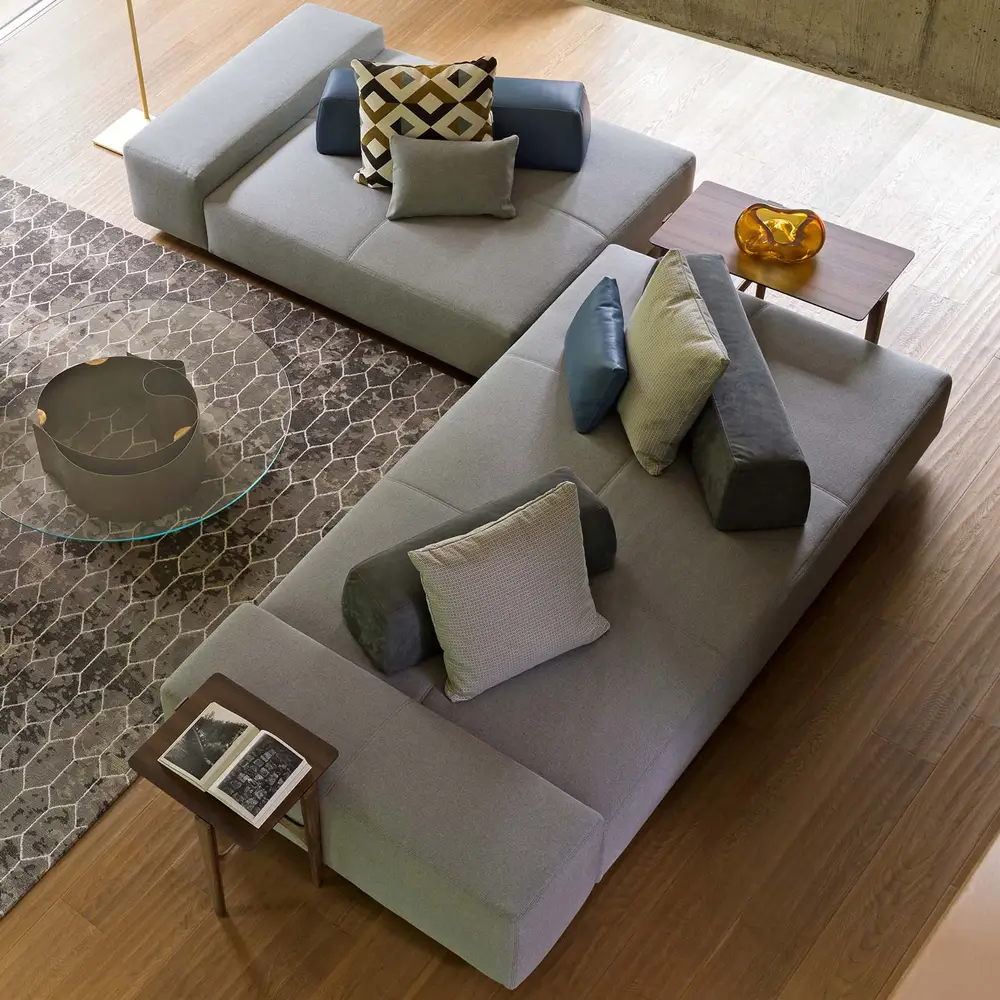
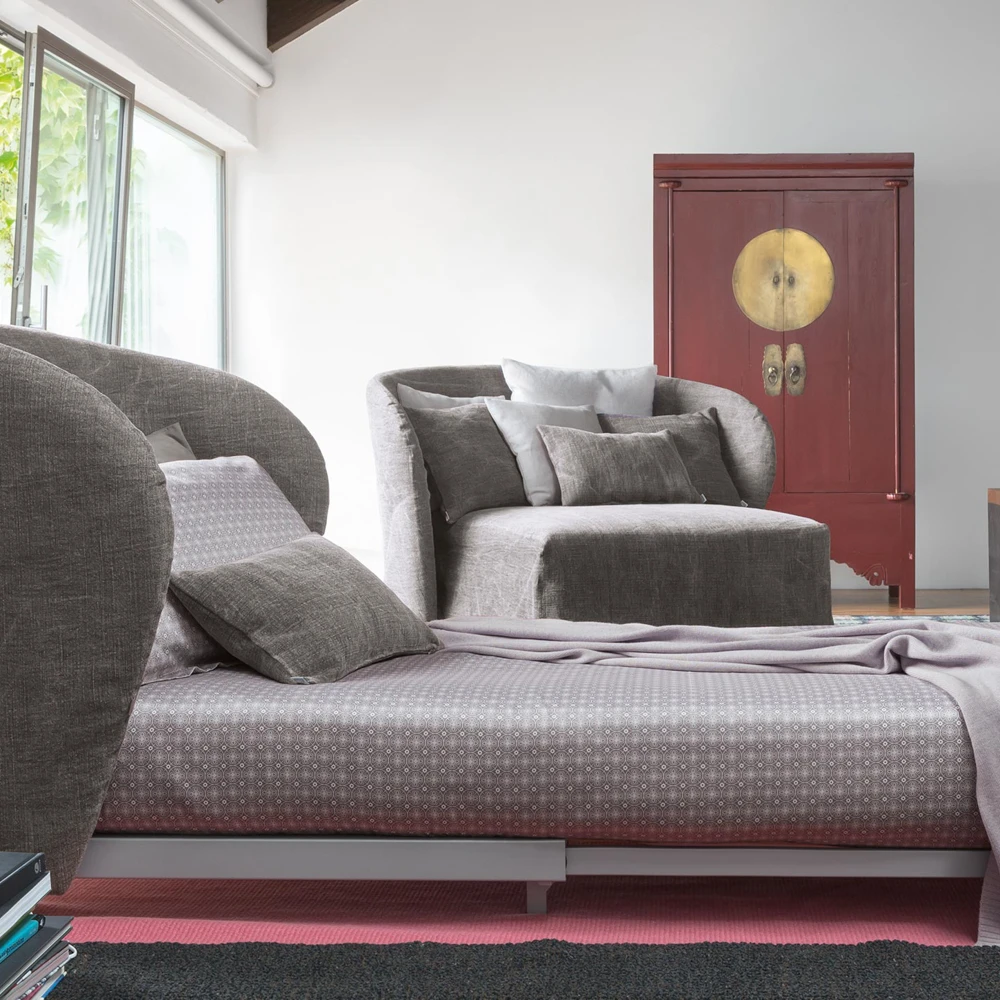
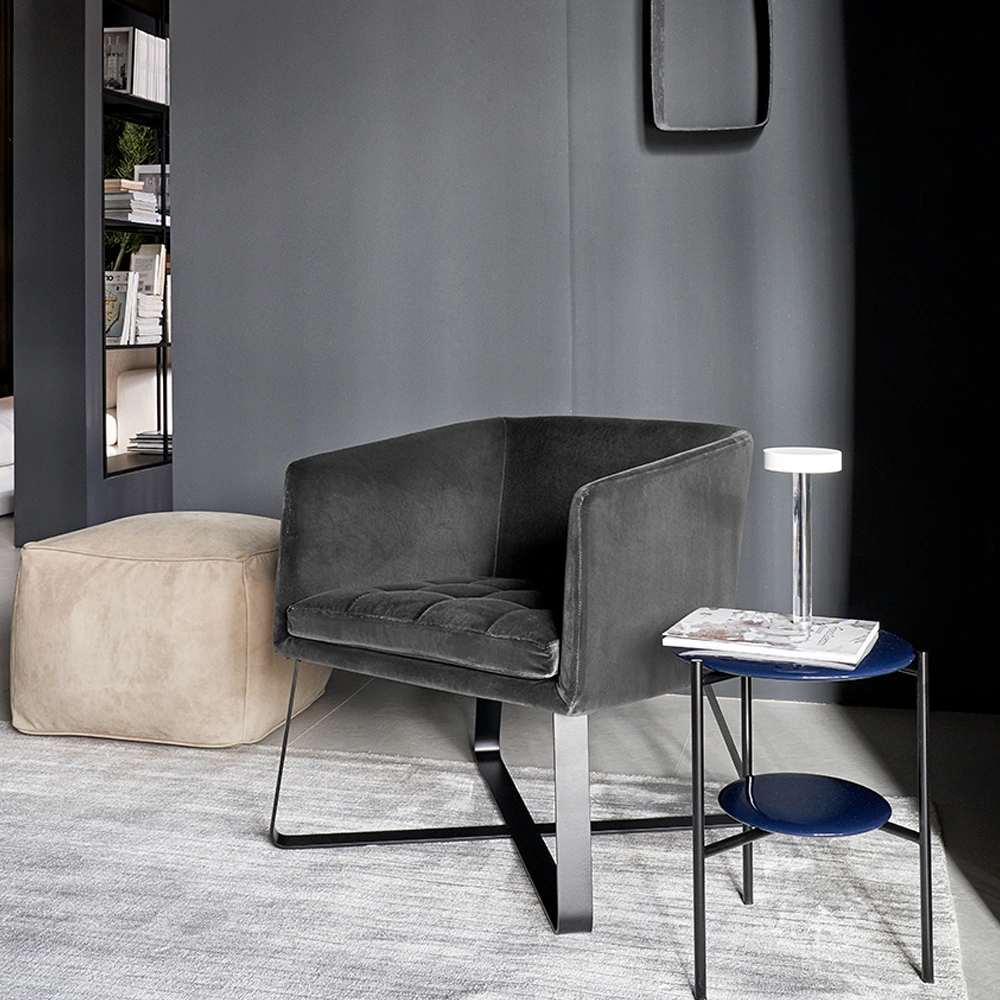
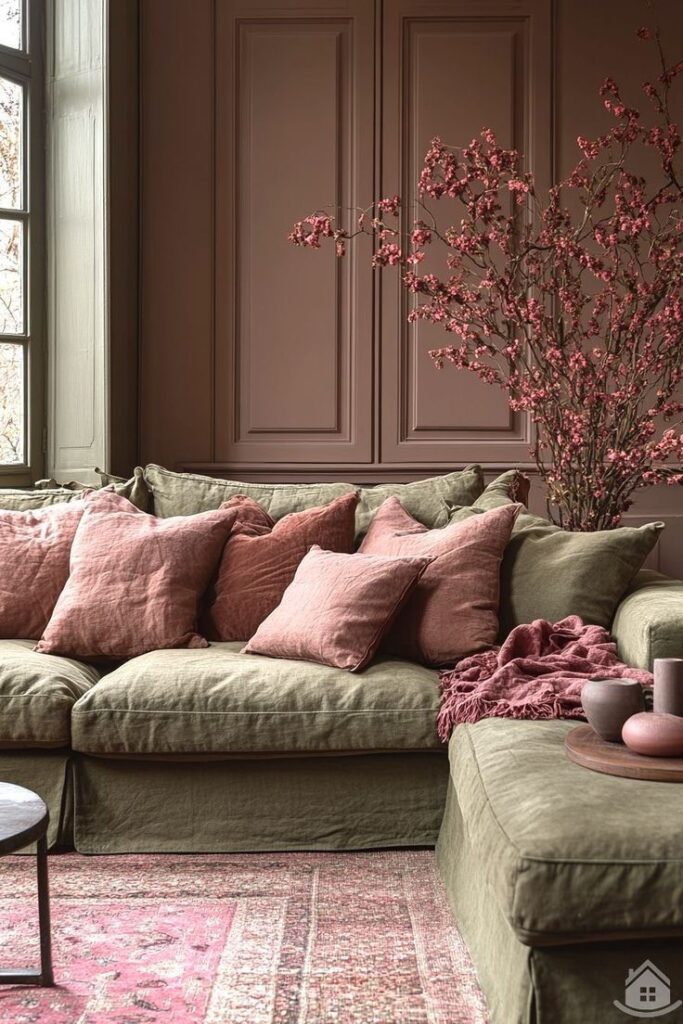
Mauve thrives when paired thoughtfully. With sage green, it feels organic. Soft gray, it reads urbane and restrained. Burnt orange nods to retro palettes but still reads modern. Metallics respond beautifully: brushed brass adds warmth, matte steel adds contrast. Textures matter too. Linen, velvet, ceramics—they all bring out different facets. A velvet sofa looks rich; a matte plastered wall reads calm. The color adapts seamlessly to surface and material.
Mauve isn’t about dominance; it’s about conversation. A blush rug under a mauve-painted wall or a mauve throw across a neutral sofa ties spaces together. It’s dialogue, tonal layering, subtlety. The sort of thing a practiced eye notices and the rest of us just feel.
Depth Through Discipline
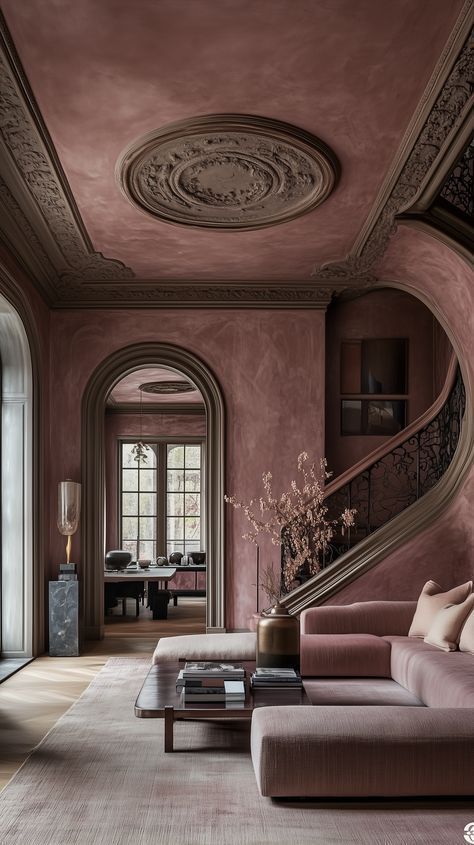
Part of what makes this revival believable is discipline. Mauve isn’t slapped across every surface. Accent walls, cabinetry, textiles, even ceilings introduce it thoughtfully. Proportion and placement give the shade gravity. A mauve ceiling can anchor a room. Cabinets can elevate a kitchen without making it feel dated.
There’s structural logic too. Mauve responds beautifully to architectural features. Recessed shelves, paneling, coffered ceilings—they catch shadows differently than white, revealing subtlety in light and form. It isn’t decoration for decoration’s sake. It’s structure and mood intertwined.
Emotional Resonance
Color shapes emotion. Mauve evokes calm, confidence, sophistication. Living rooms feel warm but not fussy. Bedrooms feel intimate without being sweet. Bathrooms benefit too: tiles or vanities in mauve introduce softness without saccharine vibes. Unlike stark white or gray, it has nuance. Unlike deep purples or reds, it doesn’t overwhelm. Measured, responsive, adaptable.
This is why it’s having a moment. Interiors are less about shock value now, more about inhabitable, meaningful space. Mauve offers that quietly, without theatrics. Personality without pretense.
Nostalgia With a Modern Lens
Yes, the ’80s connection is there, but today’s mauve feels studied rather than kitsch. Saturation is moderated, undertones deepened. Where it used to feel like a statement, it now reads considered. Nostalgia exists in the palette, sure—but sophistication keeps it grounded.
Designers play with this tension. Mauve walls paired with vintage touches—brass lamps, old oak desks—but contemporary forms. The result is a room that nods to memory but functions entirely in today’s language. Mauve becomes a bridge between eras.
Unexpected Versatility
Mauve pops up everywhere now. Kitchens, living rooms, bedrooms, bathrooms, hallways. Accent walls, cabinets, upholstery—each reveals a different facet. Sofas can anchor a neutral palette. Cabinets elevate kitchens without fuss. Rugs or throws unify multicolor schemes.
It’s forgiving, too. Mauve accommodates other trends—muted earth tones, jewel shades. The modern interior favors layering, and mauve responds gracefully. It can recede when needed or stand as a subtle hero. Few colors recently offer that flexibility with such refinement.
Quiet Power
Mauve’s return is more than a throwback. It’s depth, discipline, tonal intelligence. It carries memory without kitsch, softness without passivity, neutrality without blandness. Rooms breathe. Furniture speaks. Light plays. Surfaces shimmer subtly. Interiors feel anchored, considered, unexpectedly versatile.
Where once mauve was fleeting, now it reads like a measured choice. Part nostalgia, part modern sophistication, entirely compelling. Designers show that discipline can turn a color from costume into cornerstone. Mauve isn’t just a memory—it’s mood, anchor, and language all at once.