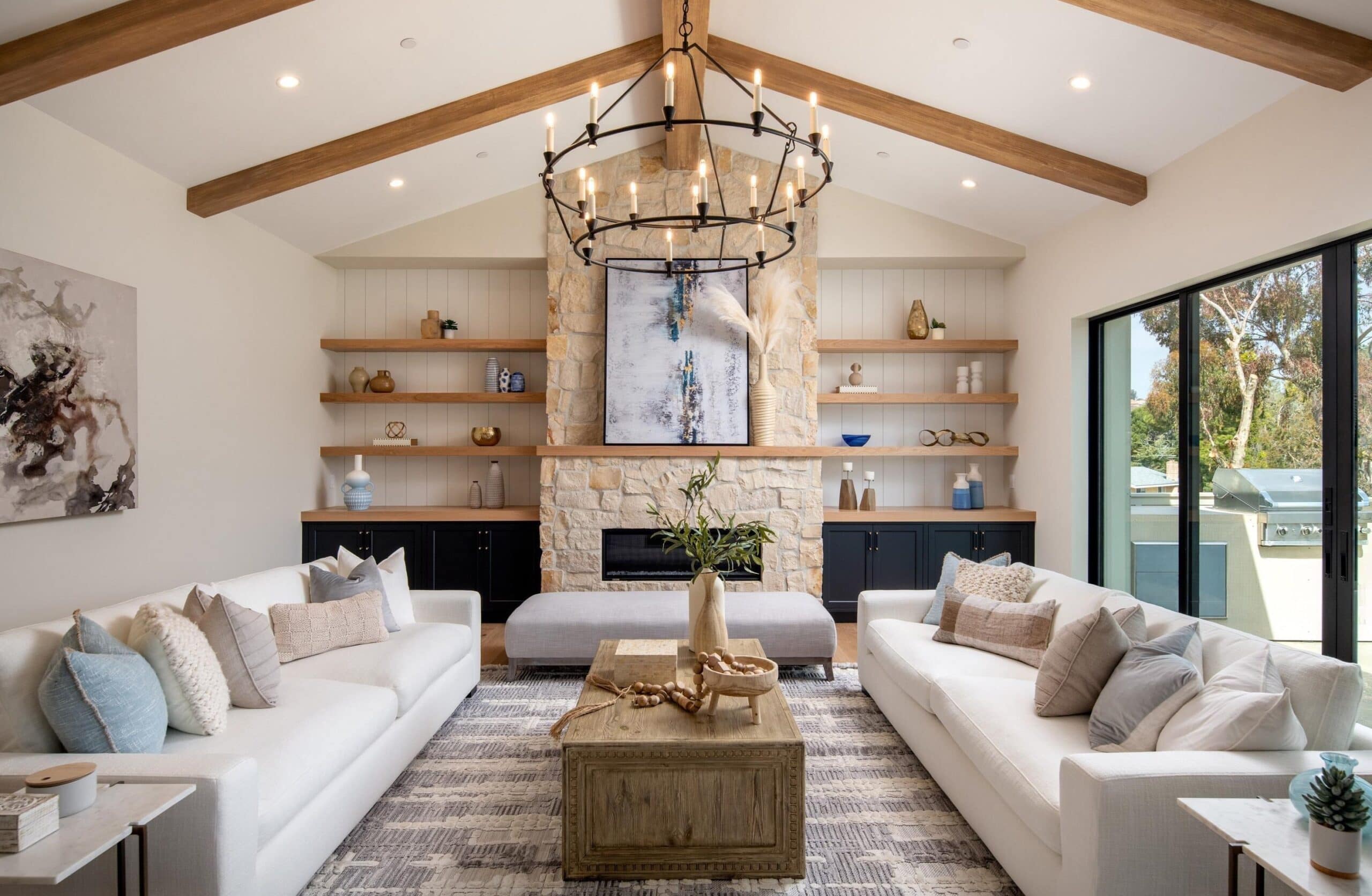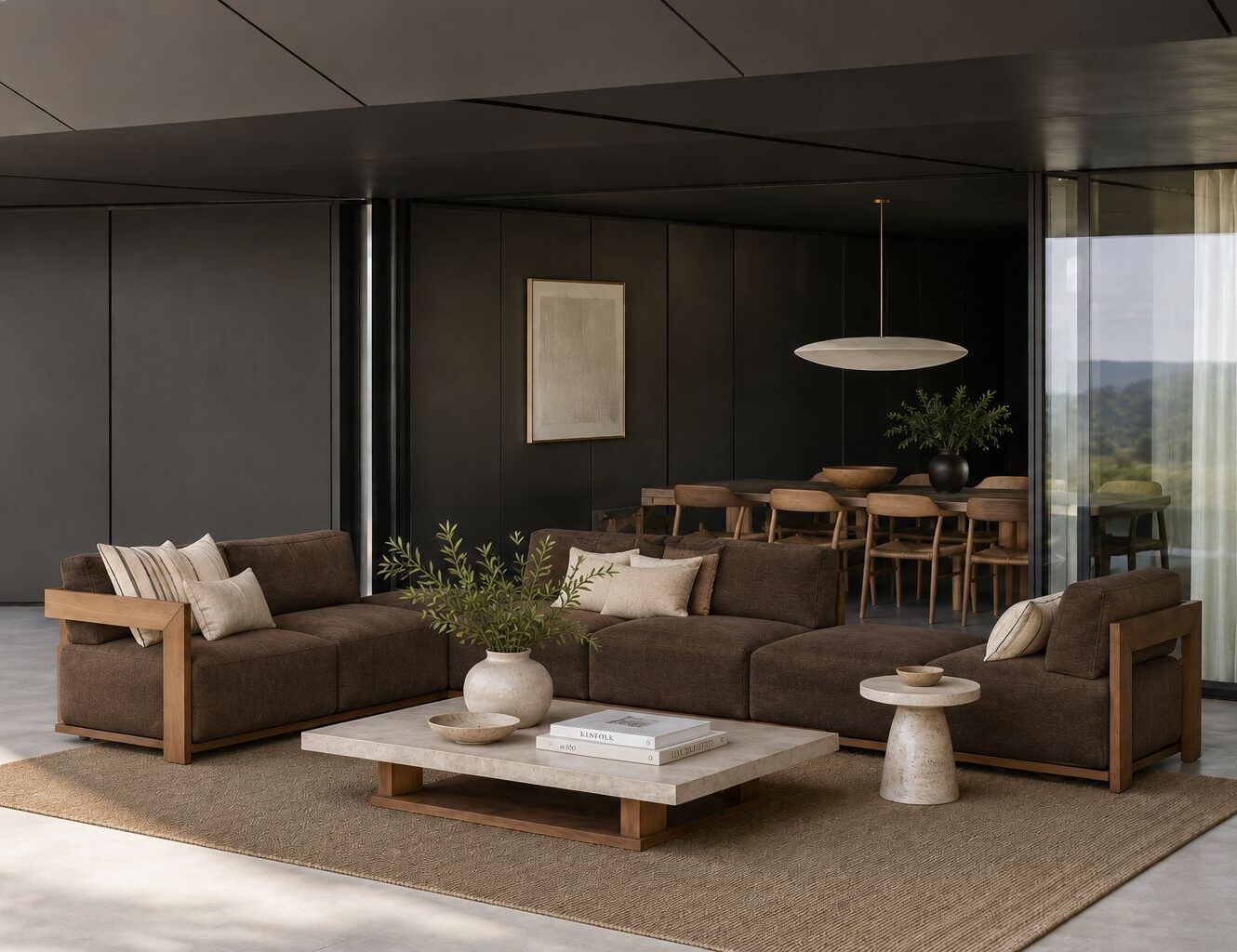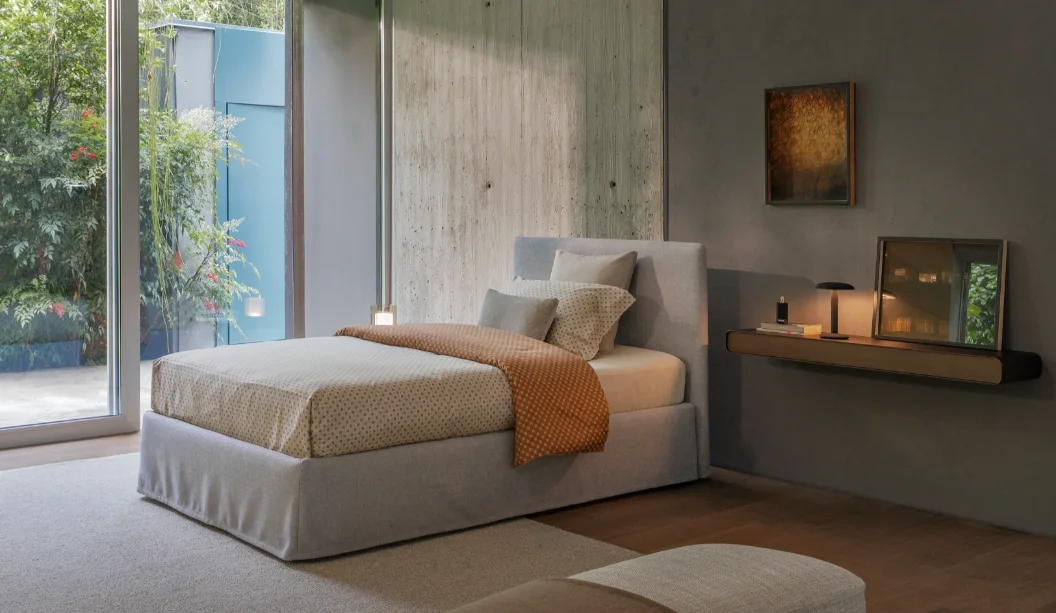

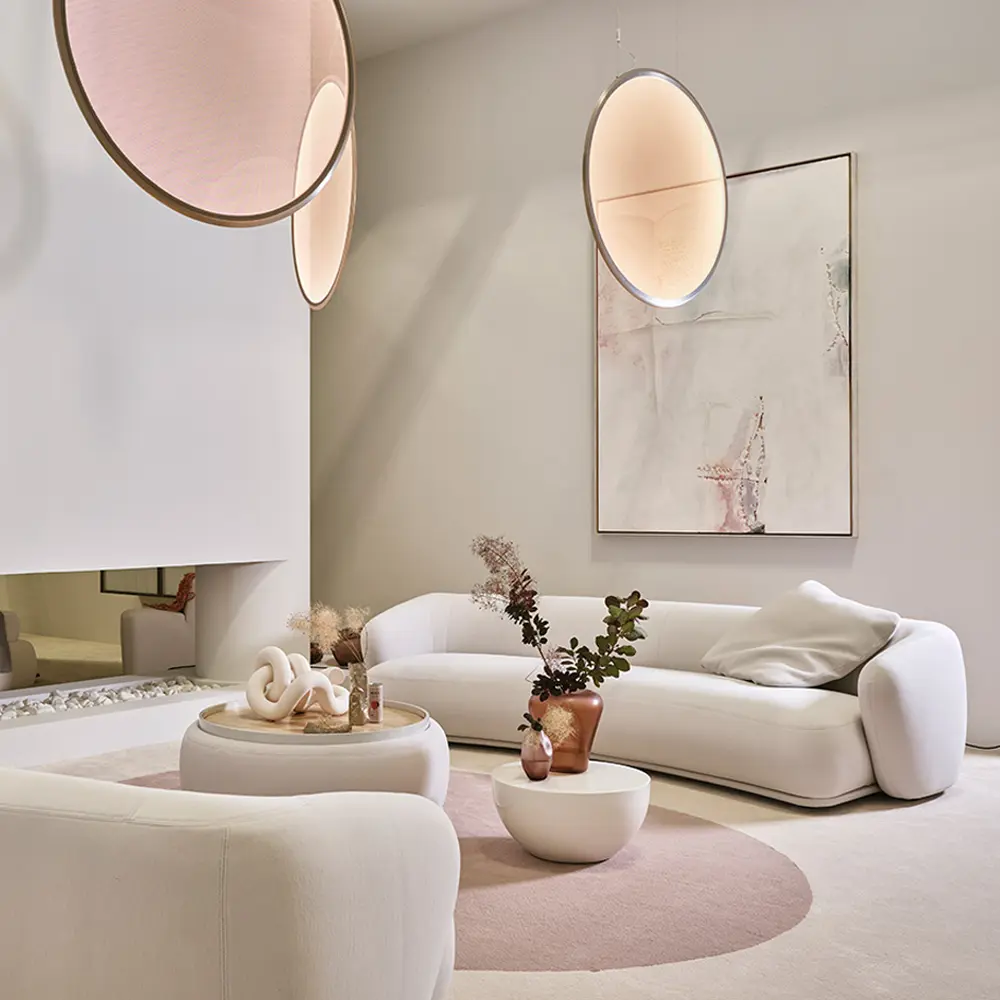













A beautifully furnished room can still feel strangely off. Many people discover this the hard way after bringing home a stylish sofa or luxurious rocking chair only to realize something isn’t working. The pieces are right, but the room still feels wrong. The issue almost always traces back to layout. A good living room layout doesn’t just organize furniture; it shapes the experience of the room. And no amount of trendy décor can compensate when the placement is fighting against how people naturally move and live.
:max_bytes(150000):strip_icc():format(webp)/DBURNS-Columbus-Visual-Manor-13-085d20277e164dec9515935da64acf0a.jpg "The Essential Living Room Layout Guide: A Smarter Way to Design Any Space 1")
This is where a clear, practical method becomes useful. Instead of arranging furniture by trial and error, a step-by-step approach brings logic to what often feels like guesswork. The living room layout guide below takes a thoughtful, human-centered path—beginning with how people naturally circulate through a room and ending with how they interact, relax, and settle into the space. It’s a framework that works in rooms of all sizes and doesn’t require major renovations or structural changes. Just intention.
Understanding the Natural Pathways of a Room
Every room has invisible routes that people instinctively follow. In design, these are sometimes compared to “desire paths”—the informal trails that appear in parks when people ignore the paved walkways and choose more natural routes. These patterns reveal something important: humans gravitate toward intuitive movement. And when the layout forces people to dodge around furniture or squeeze between pieces, the room instantly feels uncomfortable.
Mapping these internal pathways is the first step of any effective living room layout guide. Before placing a single piece, it helps to observe where the entrances are, where people tend to cross, and which parts of the room naturally become thoroughfares. Even without people in the room, the architecture hints at these paths: doorways, openings, staircases, and the relationships between them.
:strip_icc():format(webp)/BHGs_SIM_DoItYourself_JennaLeBlanc_MID_7006854_2378_preview-8dfe3831f4a748158ce1ccbfd9f013ee.jpg "The Essential Living Room Layout Guide: A Smarter Way to Design Any Space 2")
Once these routes are clear, the layout becomes less about placing furniture randomly and more about working with the natural flow already embedded in the space. A sofa that interrupts major movement will always feel awkward. A path that is too narrow will always feel tense. Creating a fluid flow makes the room feel instinctively comfortable in a way that attractive furniture alone cannot achieve.
Finding the True Pockets of Space
After identifying the circulation paths, something interesting happens: the remaining areas begin to reveal themselves as pockets of opportunity. These are the undisturbed zones where furniture belongs—places people don’t naturally walk through. In practice, they are the corners, alcoves, and open sections that feel restful rather than transitional.

These pockets become the structural anchor of the room. A large undisturbed zone might accommodate the main seating area. A secondary pocket could host a dining set, a reading nook, or a workspace. A narrower stretch of space might hold a console, a piano, or shelving. The goal is not to fill every corner but to honor the logic of the room.
People intuitively avoid sitting in areas with constant foot traffic. It’s the same instinct that makes diners avoid tables next to restrooms or doors. A sense of calm comes from being slightly removed from the busiest areas. A smart living room layout guide aligns with this instinct and places seating where movement won’t disrupt it.
Creating Order, Alignment, and Visual Calm
Once you know where furniture can go, the next step involves how to place it. Rooms don’t need rigid symmetry to feel right, but they do benefit from a sense of order. Humans naturally process aligned shapes and balanced arrangements more easily than chaotic ones. A layout with clear relationships—sofas aligned with windows, tables centered beneath lights, chairs oriented toward architectural features—helps the space feel calmer and more intentional.
Rooms typically have visual anchors: a fireplace, a large window, a pendant light, or even a long wall. These elements create an axis. Aligning larger furniture with these axes makes a room feel grounded. It’s the difference between a dining table that feels “meant” for its spot and one that looks pushed aside as an afterthought.
:max_bytes(150000):strip_icc():format(webp)/marthastewart-livingroom-simplysoutherncottage2-2c56240bb9d547cdacf33d095614c977.png "The Essential Living Room Layout Guide: A Smarter Way to Design Any Space 4")
This step of the living room layout guide isn’t about making everything perfectly symmetrical. Instead, it’s about creating enough structure to let the room breathe. Order first, creativity after. Once the foundation is balanced, small asymmetries become charming rather than chaotic.
Framing the First Impression
A room begins with its entry point—the moment someone crosses the threshold and takes in the first impression. Retail spaces and hotels understand this instinctively. They curate a welcoming vignette, something that sets the mood without exposing the most chaotic or utilitarian parts of the space. A home benefits from the same consideration.
When entering a living room, the first view should communicate the purpose and personality of the room. A seating arrangement is warmer than a television. A well-lit chair and a few objects hinting at daily rituals create an inviting feeling. A room that immediately presents clutter, appliances, or awkward angles sets a different tone.
Thinking about that initial sightline is a defining part of the living room layout guide. It asks a simple question: What should the room say the moment someone steps inside? If the answer is comfort, place seating where it greets the eye. If the answer is warmth, let the textures, lighting, or artwork take the lead.
Designing the Views You Live With Every Day
There is the first impression, and then there is the everyday impression—the view from the sofa, the dining table, or a favorite armchair. These views shape mood far more often than the entrance does. Research on environmental psychology and biophilic design shows that what we repeatedly see influences how calm or stressed we feel. Looking toward a window, a shelf with meaningful objects, or a visually quiet wall contributes to ease. Staring at clutter, dishes, or high-traffic zones has the opposite effect.
This is why sightlines matter deeply. A thoughtful living room layout guide takes into account the view from every major seat. If a sofa faces the kitchen and that kitchen is often busy, the visual noise may become tiring. Placing the sofa in a different position might replace that view with artwork, soft lighting, or a serene wall.
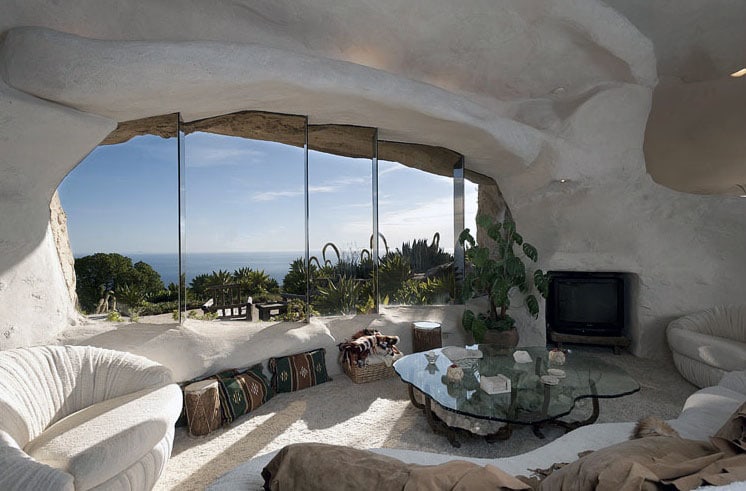
The goal is not to hide life’s realities but to give the eyes a place to rest. A living room that supports calm becomes more enjoyable to inhabit daily, not just when it’s perfectly tidy.
Building a Flexible Seating Circle
After shaping flow and views, the next question becomes: How will people sit and interact? A room with a single sofa facing one direction feels stiff and somewhat performance-like, as if the room was built for watching rather than gathering. A seating circle—whether literal or implied—creates a more social atmosphere.
The idea is simple: arrange seats so people can face one another comfortably, with options to angle, rotate, or shift positions. Even a single armchair next to a sofa transforms the dynamics of the room. And when space is limited, even dining chairs pulled into the area during gatherings can complete the circle.
Comfort improves when seating options vary. Bodies differ, habits differ, moods differ. A room furnished with identical seats forces everyone into the same posture. A more nuanced living room layout guide recognizes that variety—some structured seating, some soft, some angled—gives everyone a place where they naturally settle.
Creating a Center That Grounds the Space
Every seating arrangement needs a focal point—something that becomes the gravitational center of the room. In contemporary living rooms, the coffee table often takes on this role. Historically, people gathered around fire pits, hearths, or central tables. The instinct hasn’t changed.
A central table gives the seating arrangement shape. It anchors the chairs and sofa, supports daily rituals, and makes the room feel whole. Side tables enhance that feeling. They create subtle boundaries—visual cues that define personal space and add the sense of enclosure that makes a seat feel protected rather than exposed.
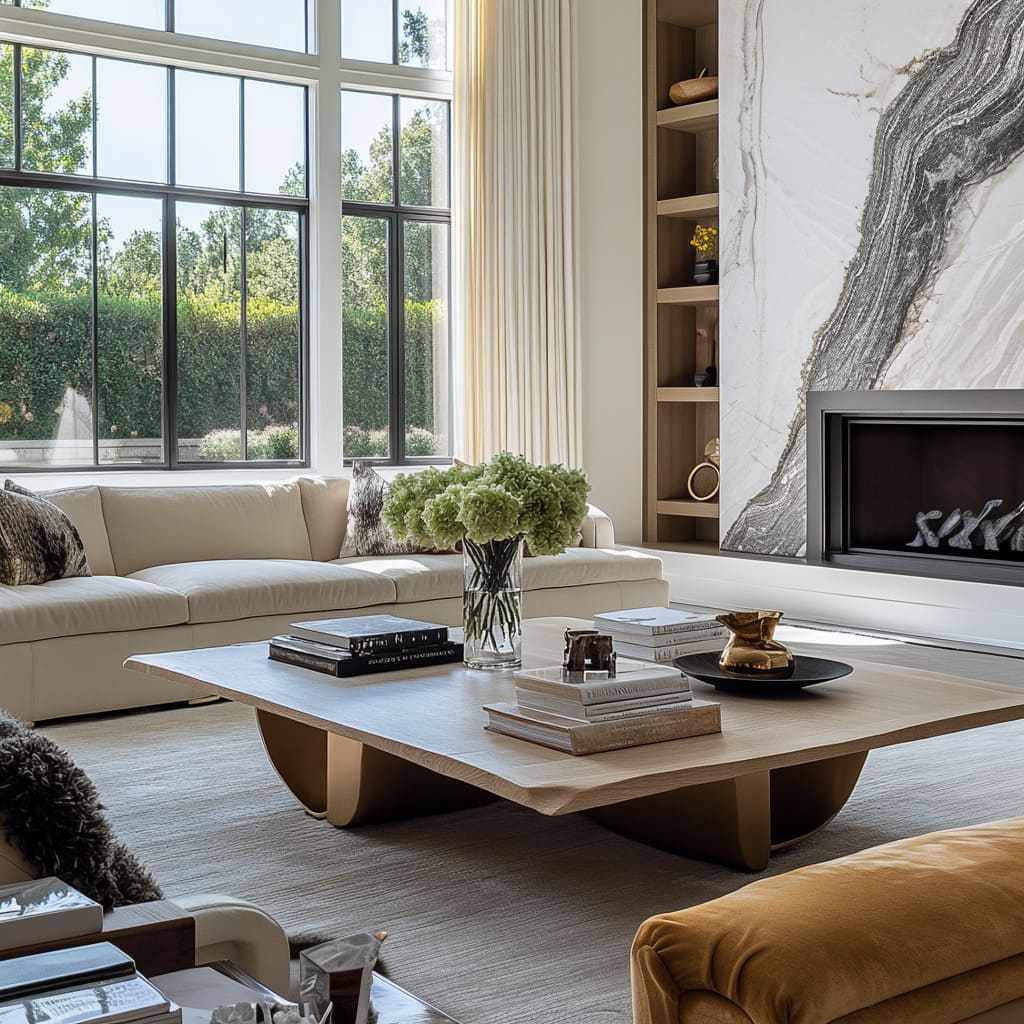
This step in the living room layout guide is less about strict rules and more about psychological comfort. When there’s a center to gather around, the room feels cohesive. When a favorite chair has a side table and lamp, it feels like a nook rather than a leftover corner.
Marking the Boundaries and Bringing It All Together
Finally, a room settles into itself when its zones are clearly defined. Rugs are often the unsung heroes of this stage. Just as walls define a room, rugs define the smaller areas within it. A seating zone without a rug can feel like furniture floating in an undefined void. With a rug, the pieces unite into a single, readable arrangement.
This simple layer reduces visual clutter and makes the room easier for the eye to understand. Small pieces no longer look scattered. They become part of a larger gesture. The living room layout guide uses rugs not as decoration but as a structural tool—one that brings coherence to the entire space.
A Framework for Any Room, Any Style
A good layout is more than an arrangement; it’s a way of thinking. This systematic approach—mapping pathways, finding pockets of space, aligning furniture, framing sightlines, building seating circles, anchoring the center, and defining boundaries—can transform any living room. It gives shape to intuition and provides clarity where people often feel stuck.
This living room layout guide doesn’t dictate style. It supports any aesthetic, whether rustic, modern, eclectic, or minimalist. And while décor, lighting, and accessories add personality later, a strong layout is the foundation that makes every choice afterward feel intentional.
Design begins with how a room moves, how it gathers, and how it rests. Once the layout supports those ideas, everything else falls naturally into place.