















The modern furniture market is overflowing with modern sofas that photograph beautifully but collapse into tired, shapeless forms within a year. It’s a frustration most people now share: where have all the truly high quality couches gone? Why does almost everything arrive in a box, demand self-assembly, and begin sinking by the second season?
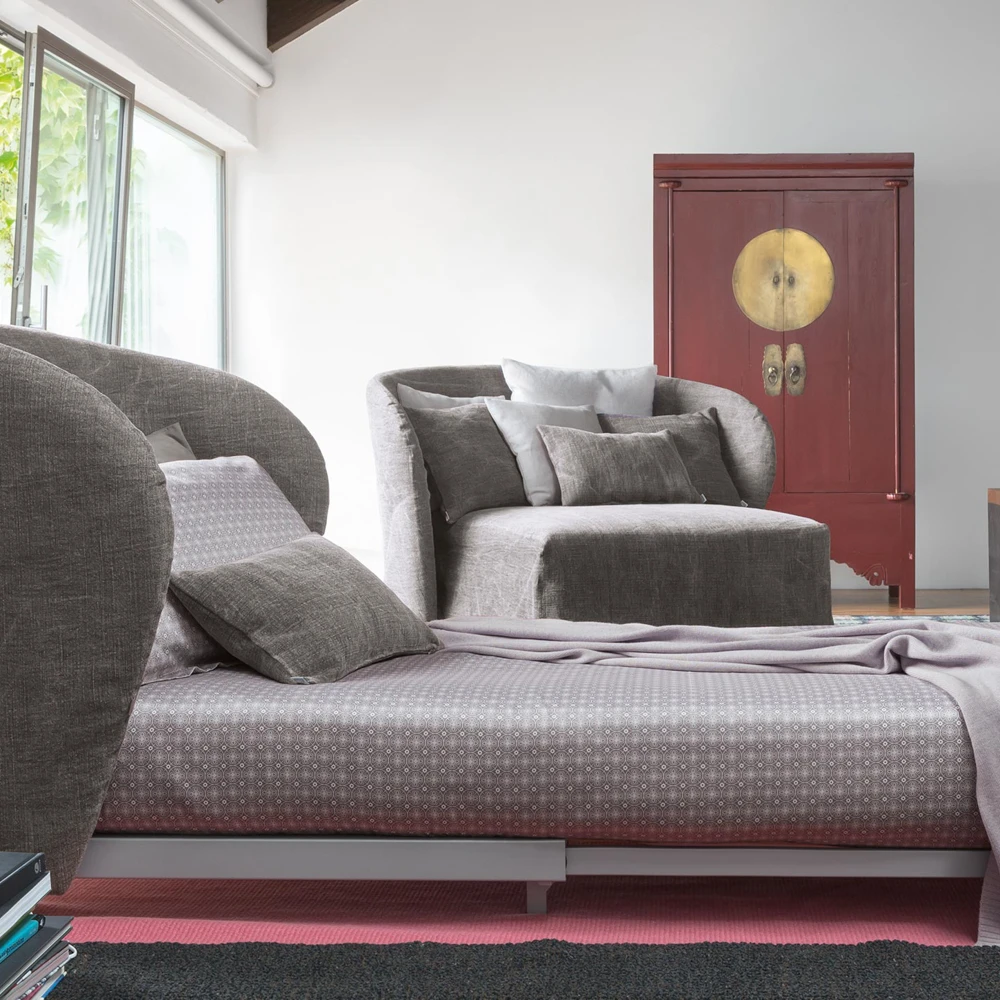
This decline in craftsmanship has sparked a resurgence in traditional tailoring, where structure is celebrated rather than hidden. For many, the answer lies in returning to time-honored silhouettes, such as a sofa with a skirted base. Unlike mass-produced flat-pack options, a well-constructed skirted sofa requires a level of precision in upholstery and frame-weight that ensures the piece holds its crisp, architectural line for decades.
Luxury consumers are rediscovering something simple but essential—craftsmanship still exists. It’s simply moved away from trend-driven online retailers and back into the hands of heritage manufacturers, boutique ateliers, and specialized makers who consider a sofa an investment, not a temporary placeholder.
This guide cuts through the noise with clarity: what actually defines a high quality couches, the materials that separate quality heirloom furniture from fast décor, and the best sources—American, European, and bespoke—where exceptional couches are still being made every day.
The Unexpected Reason Sofas Feel Worse Today
For the last decade, mass-market furniture companies have quietly optimized one thing above all else: shipping.
Slimmer frames, lighter materials, cheap webbing instead of springs, lower-density foam, stapled plywood—these choices aren’t aesthetic. They’re logistical.
The result is predictable:
- Cushions that lose shape
- Frames that flex under normal weight
- Support that collapses long before the upholstery fades
An entire category of furniture has become disposable by design.
Luxury sofas, however, still follow the opposite philosophy—construction first, shipping last. The difference is not subtle; it’s structural.
How to Identify High Quality Couches Before Making a Purchase
1. The Frame: The Foundation of Everything
A luxury sofa begins with a frame built like fine cabinetry:
- Kiln-dried hardwood (beech, ash, oak)
- Jointed construction—dowelled, corner-blocked, and glued
- Zero particleboard
A well-made frame doesn’t flex when lifted. Its weight alone hints at its stability.
In contrast, many online sofas use:
- Soft pine
- Plywood
- Metal brackets instead of joinery
You will feel the difference long before you see it.
2. Suspension: Where Cheap Sofas Fail Fastest
A high quality couches or modern sofas uses:
- Eight-way hand-tied springs (the gold standard)
- Or serpentine steel springs executed with precision
This is what prevents sagging for a decade or more.
Lower-end sofas rely on:
- Flat webbing
- Elastic straps
- Single-layer spring systems
These collapse quickly and unevenly, often within a year.
3. Cushion Quality: The True Secret Behind Long-Term Comfort
The most educated furniture buyers now know this term by heart: foam density.
A luxury sofa should use:
- 2.5 lb–3.0 lb high-density foam (minimum for 10+ years of life)
- Optional down-wrapped or feather-blend layers for plushness
Most mass-market sofas use:
- 1.5–2.0 lb foam, which softens and flattens rapidly
Even a beautiful sofa loses its identity when the cushions degrade. Materials matter.
4. Upholstery: Performance Fabrics vs. Luxury Textiles
The upholstery should match the lifestyle:
- European linens and cotton blends for refined living rooms
- Performance velvets, crypton weaves, or microfibers for homes with pets and kids
- Full-grain or top-grain leather for long-term patina and strength
Anything labeled “bonded leather,” “faux leather,” or “pleather” belongs nowhere near a luxury home.
Where to Actually Buy a Truly High-Quality Sofa
Across thousands of consumer reports, design discussions, and expert opinions, several categories consistently emerge as the best places to source long-lasting, luxury sofas.
1. Heritage Italian Makers
Many of the most durable sofas are still built in Italia—the historical center of furniture craftsmanship.
These manufacturers are known for their quality, longevity, and customization:
These brands still use kiln-dried frames, high-density foam, and professional upholstery artisans. They are designed to last decades, not seasons.
2. Boutique and Custom Upholstery Studios For Sofas
Custom sofas are one of the best-kept secrets in high-end interiors. Consumers assume they cost more, but often they are less expensive than big-name retailers—yet built to far higher standards.
Key advantages:
- Exact dimensions for your room
- Choice of depth, fill, fabrics, arms, legs, cushion firmness
- Repairable and reupholsterable for life
Cities across the U.S. have bespoke ateliers producing exceptional work:
- Local upholstery houses
- Custom sofa workshops
- Designer-run furniture studios
These pieces become generational assets rather than seasonal purchases.
3. Vintage and Reupholstered Classics
A growing number of design collectors are turning to vintage furniture—not for nostalgia, but for durability.
Why vintage frames are superior:
- Decades-old hardwood construction
- Spring systems built to last 30+ years
- Timeless silhouettes
Reupholstering a high-quality vintage sofa often costs less than buying a new luxury sofa, yet produces a better piece.
Names to look for:
- Baker Furniture
- Century
- Drexel Heritage
- Erwin Lambeth
- 1960s–1980s Ethan Allen
These frames are nearly indestructible and take exceptionally well to restoration.

Where Luxury Shoppers Are Not Buying Sofas Anymore
A large portion of modern complaints center around brands that photograph beautifully yet disappoint structurally.
Common issues include:
- Weak frames
- Low-density cushions
- Webbing instead of springs
- Short warranties
- Mass-produced construction
While some mass-market brands can work for secondary spaces, they rarely belong in a high-end primary living room.
Luxury is not about extravagance, it’s about longevity.
Why Luxury Sofas Cost More—and Why They’re Worth It
A high-quality sofa demands:
- Months of skilled labor
- Materials sourced from premium suppliers
- Hand-tied spring systems
- Structural hardwoods
- Thick, resilient foams
- Textiles engineered for performance
This is furniture built to outlive trends—and often outlive their owners.
The average household cycles through 4–5 cheap sofas over 15 years.
A luxury sofa replaces all of them.
The Personal Test: How to Evaluate a Sofa Like a Designer
Designers often judge a sofa within 30 seconds. Here’s what they’re looking for:
Lift One Corner
If the frame twists, creaks, or flexes, walk away.
Press Deep Into the Seat
You should feel uniform resistance. Cheap webbing will compress instantly.
Check the Cushion Weight
Heavier cushions usually indicate high-density foam or blended down—both good signs.
Inspect Stitching and Seams
Precision stitching signals professional upholstery, not mass assembly.
Look Beneath the Sofa
Real quality is visible on the underside—hardwood, real springs, and proper bracing.
Why Designer-Selected Brands Matter
Interior designers don’t choose brands for trendiness—they choose them for reliability. A luxury home cannot incorporate a sofa that collapses in two years.
Designers consistently favor:
These brands are staples in high-end residential projects for a reason—they deliver consistency.
The Rise of Performance Fabrics in Luxury Homes
Modern luxury homes prioritize beauty and livability. The most enduring sofas today often feature advanced textiles:
- Stain-repellent velvets
- Pet-friendly microfibers
- High-rub-count weaves
- Crypton fabrics resistant to spills, UV, and wear
This is luxury that adapts to real life rather than demanding you tiptoe around it.
For the Ultimate in Longevity: Italian Craftsmanship Meets Modern Neutral Design
Timeless silhouettes, precise tailoring, and refined proportion distinguish the world’s most luxurious sofas.
These pieces excel not only in construction but also in visual discipline—sofas from Italian designers, Scandinavian artisans, and American heritage manufacturers integrate seamlessly into refined interiors.
Luxury couches are not loud. They are sculptural, architectural, and restrained.
Where to Begin If You’re Upgrading Your Living Room
Start with clarity on three things:
- How long you plan to keep the sofa
If the answer is “10 years or more,” skip mass-market entirely. - How you use the space
Formal entertaining, daily lounging, or multi-purpose living all require different fill and fabric choices. - Look for craftsmanship—not hype
The best sofas rarely rely on marketing. Their materials speak for themselves.
Conclusion: Yes, High-Quality Couches Still Exist—You Just Need to Know Where to Look
Amid a sea of disposable furniture, truly exceptional sofas haven’t disappeared—they’ve simply retreated to spaces where craftsmanship still matters:
the artisan workshops of North Carolina, the design houses of Italy, the bespoke studios in major cities, and the vintage pieces built in an era when furniture was meant to last.
A luxury sofa isn’t just seating—it’s an architectural anchor to a room, a piece of functional sculpture, and an investment in comfort that endures for decades.
For homes curated with intention and taste, quality isn’t optional. It’s foundational.