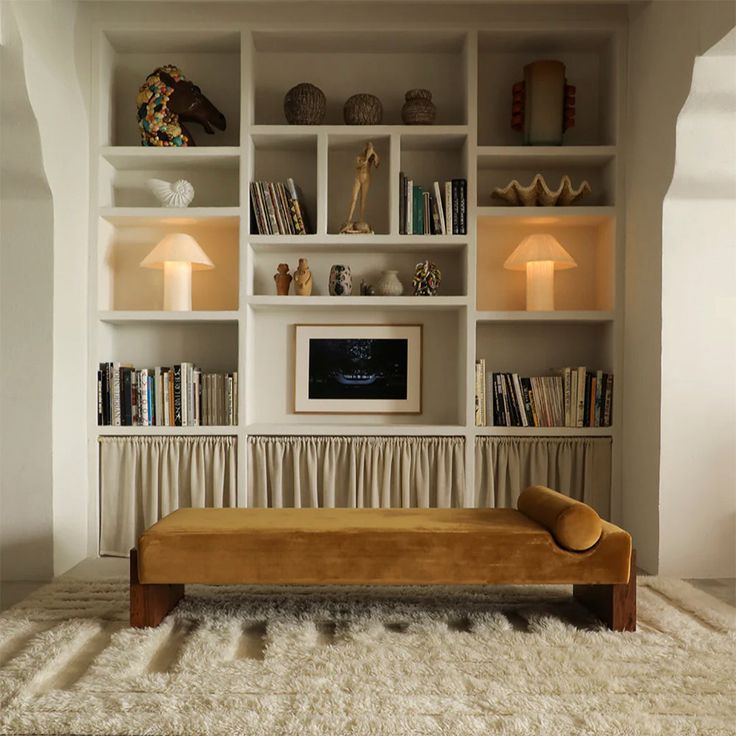
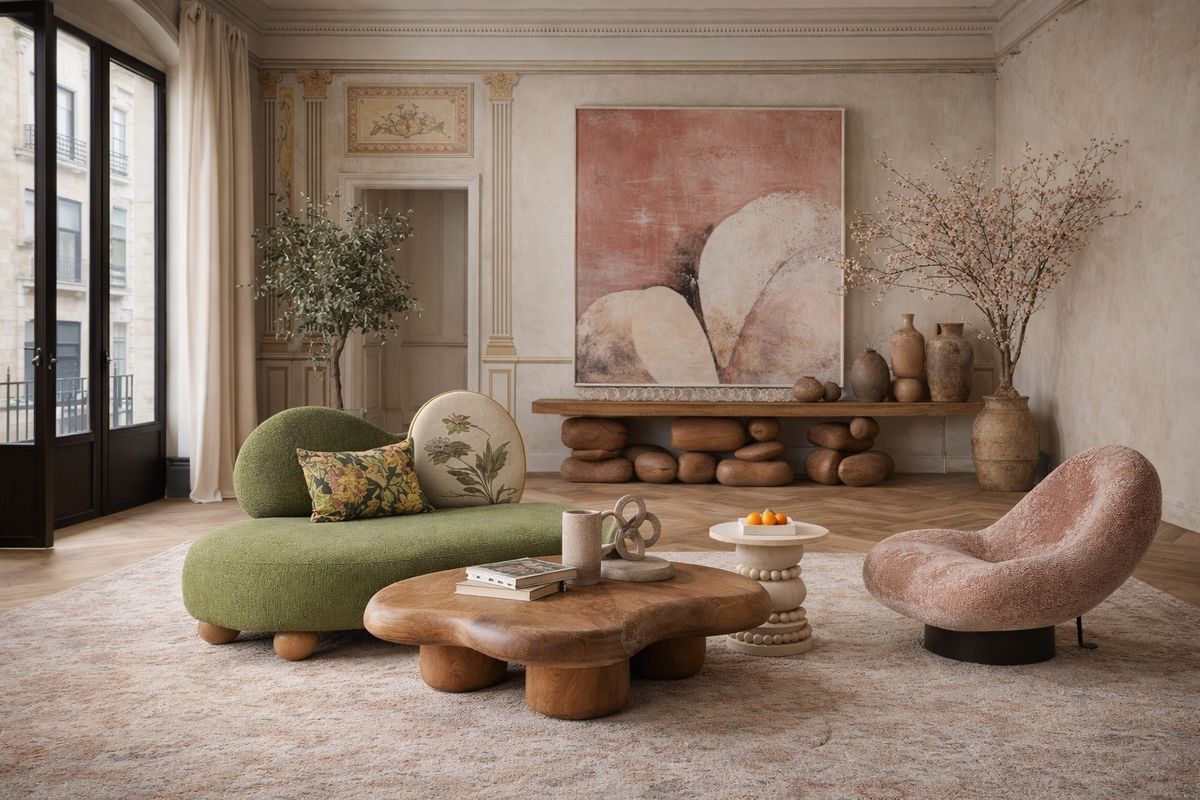
There was a stretch of about fifteen years when every piece of furniture seemed to float. Sofas perched on needle legs. Credenzas hovered above the floor like patient aircraft. Even the heaviest wardrobes were lifted on dainty metal pinpoints, as if mass itself had become embarrassing. You could vacuum under everything. You could see the wall all the way down. The room felt larger, or at least that was the claim—until skirting in furniture quietly started to return, reintroducing a grounded, subtle weight that had been missing for so long.
Design schools called it “lightness.” Showrooms called it “elegant minimalism.” Clients called it “goodbye dust bunnies.” But anyone who actually lived in these spaces knew there was something awkward in the air. Legs that thin are fragile. Tables that hover require circumspection. And the visual effect of constant weightlessness can, over time, feel like indecision.
A Quiet Return
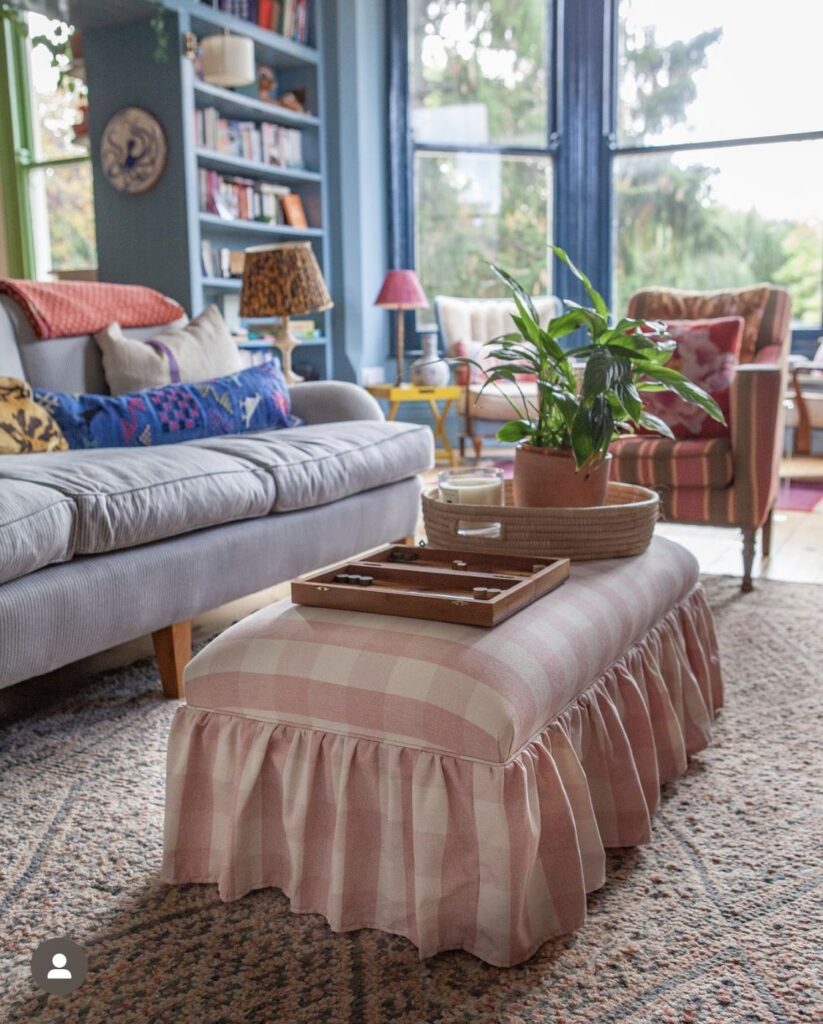
And then, almost without announcement, skirting in furniture trends started to come back. Not the clumsy plinths of provincial kitchen islands, and not the swollen toe-kicks of contractor cabinetry. I mean the deliberate, almost shy return of a base that meets the floor and stays there. It’s subtle, sometimes barely noticeable—a few centimeters of wood running along the bottom of a credenza, a whisper of MDF on a sideboard.
What’s interesting is that designers rarely draw attention to it. There’s no rhetoric about “grounding the furniture” or “reconnecting with materiality.” It simply reappears in homes that feel calm, rooms that feel settled. Skirting is now an afterthought, yet it carries authority.
The Subtle Logic
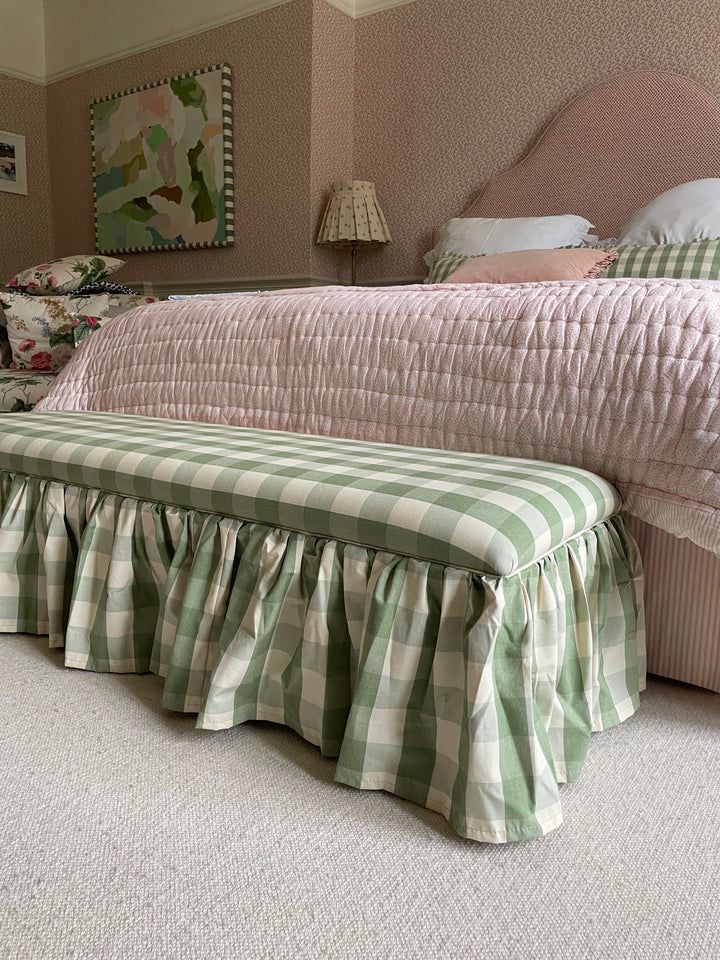
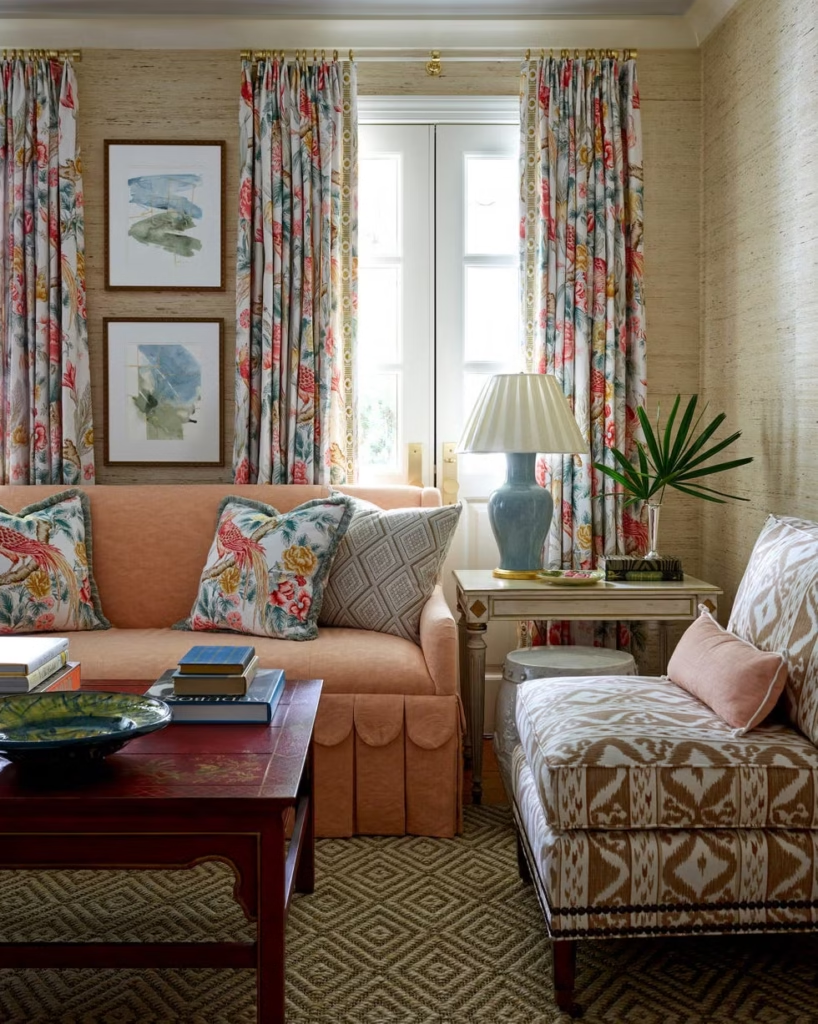
There’s a logic to it that is easy to overlook. Furniture that touches the floor signals permanence. A sofa with a thin skirting feels anchored. It communicates weight without shouting it. Legs are still visible, but they are no longer the only story. The visual tension between base and body suddenly feels intentional rather than necessary.
I watched this happen first in boutique hotel lobbies. Designers who had once insisted on levitation began introducing hidden plinths, or painting the base the same color as the floor, so the furniture read as a single object with gravity applied. You don’t notice the skirting in furniture until you do; until you step back and see the piece as complete, as though the floor were not an afterthought but a partner.
Material Conversations
Skirting also changes how materials speak. A walnut credenza on pin legs floats like a postcard. Add a modest strip of skirting, and suddenly the same walnut has weight, warmth, and presence. The joinery matters again. The grain meets the floor in a subtle gesture of intentionality. The shadow the piece casts is more predictable. There is no floating phantom.
Sometimes designers use it ironically. A bright lacquered base on a muted wood cabinet. Or a metal strip that turns the furniture into a hybrid of industrial and domestic language. It’s a quiet design joke, readable only to people who spend too much time examining edges and proportions.
Scale and Proportion
The other thing skirting affects is scale. You think you’re dealing with a sofa, a low table, a dresser—but the addition of a base suddenly defines a bottom line. Rooms that felt airy now feel framed. The skirting acts as punctuation. It sets expectations for how we occupy space, how we approach the object.
Yet it is often used sparingly. Not every piece needs it. A chair with skirting would look absurd. A minimalist stool, the same. But the occasional credenza or console gains a quiet dignity from it. It’s the difference between a piece that belongs somewhere and a piece that belongs nowhere in particular.
Design Without Noise
There is something else at work here. Skirting reminds me that design is not always about spectacle. It can be quiet. It can be about subtle adjustments that shift perception more than they announce themselves. In an era dominated by Instagram lighting and furniture that behaves like art, grounding becomes a small rebellion. You stop pretending everything is weightless. You stop pretending the floor isn’t real.
And that, oddly, feels modern. There’s honesty in it. Even if only a few centimeters meet the ground, the gesture says, “I am here. I rest. You may trust me.”
A Matter of Observation
I find myself noticing it now, in strangers’ homes, in showrooms, in boutique hotels. I notice when a sofa is just a sofa and when it carries that hidden strip of wood that makes it a sofa in the world rather than a sofa in a vacuum. Skirting is a quiet intervention, and that’s why it is effective. It doesn’t scream. It doesn’t demand attention. It only whispers its presence, and suddenly the furniture stops floating.
It is a small thing, but it is everything.