About Transparent OLED Display
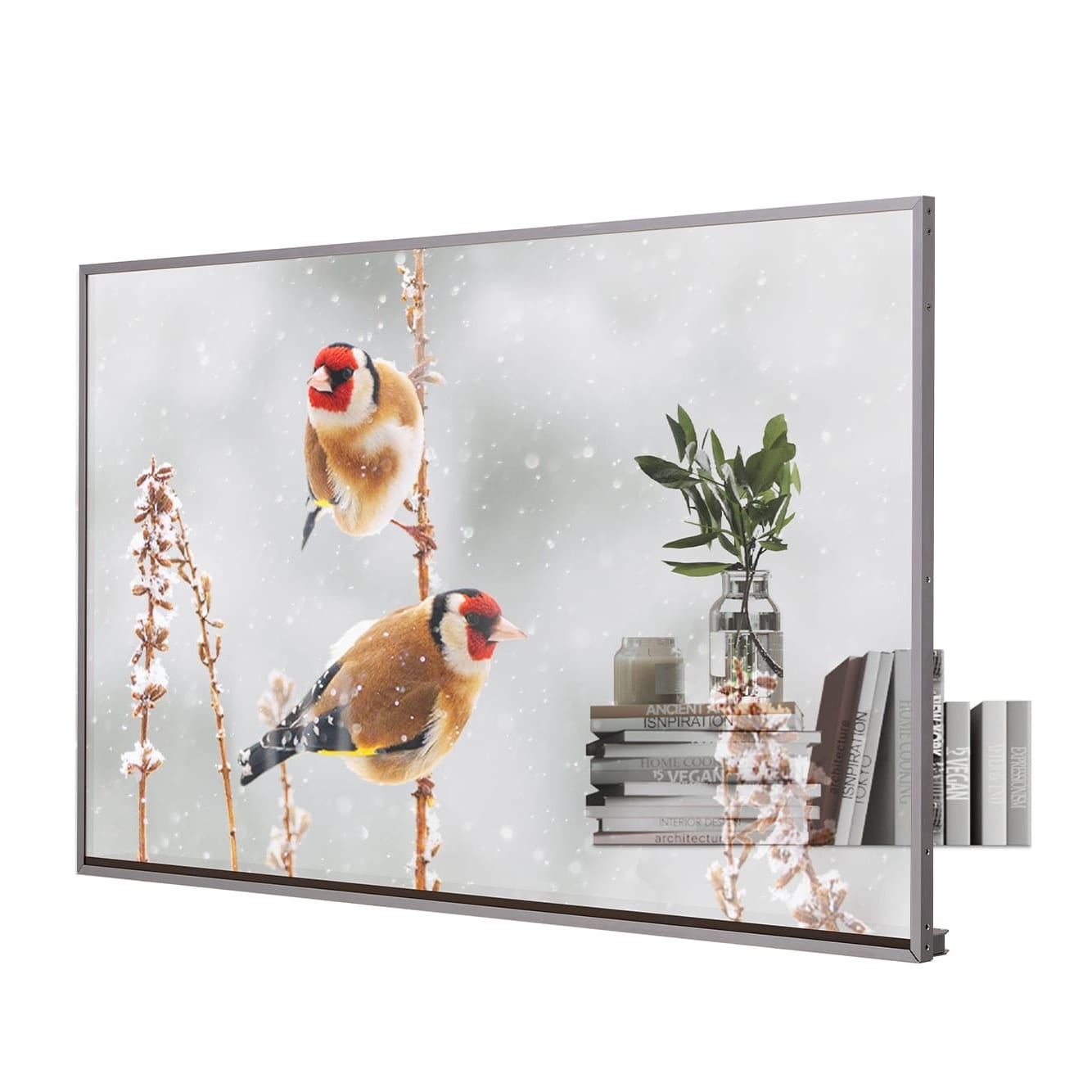
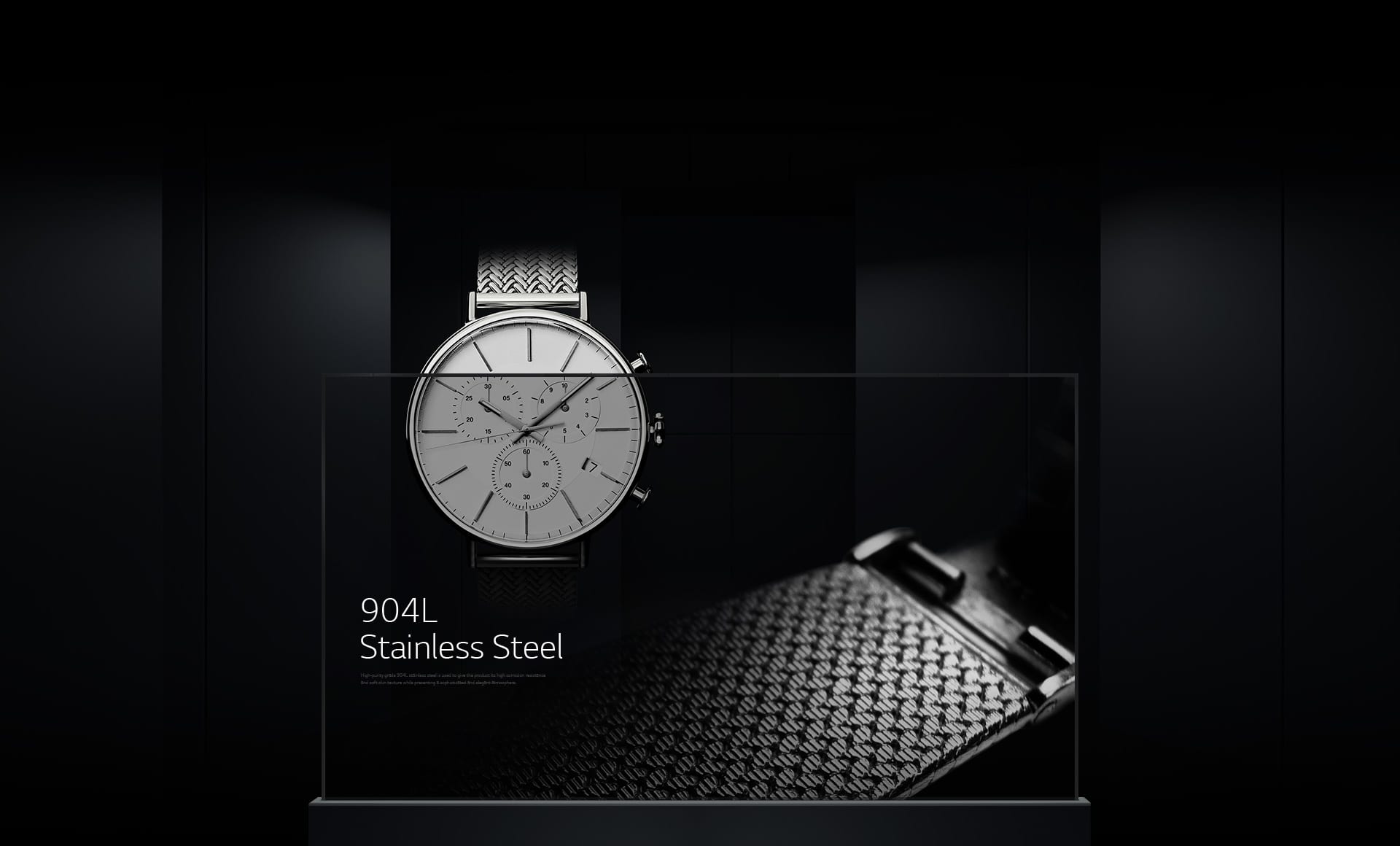
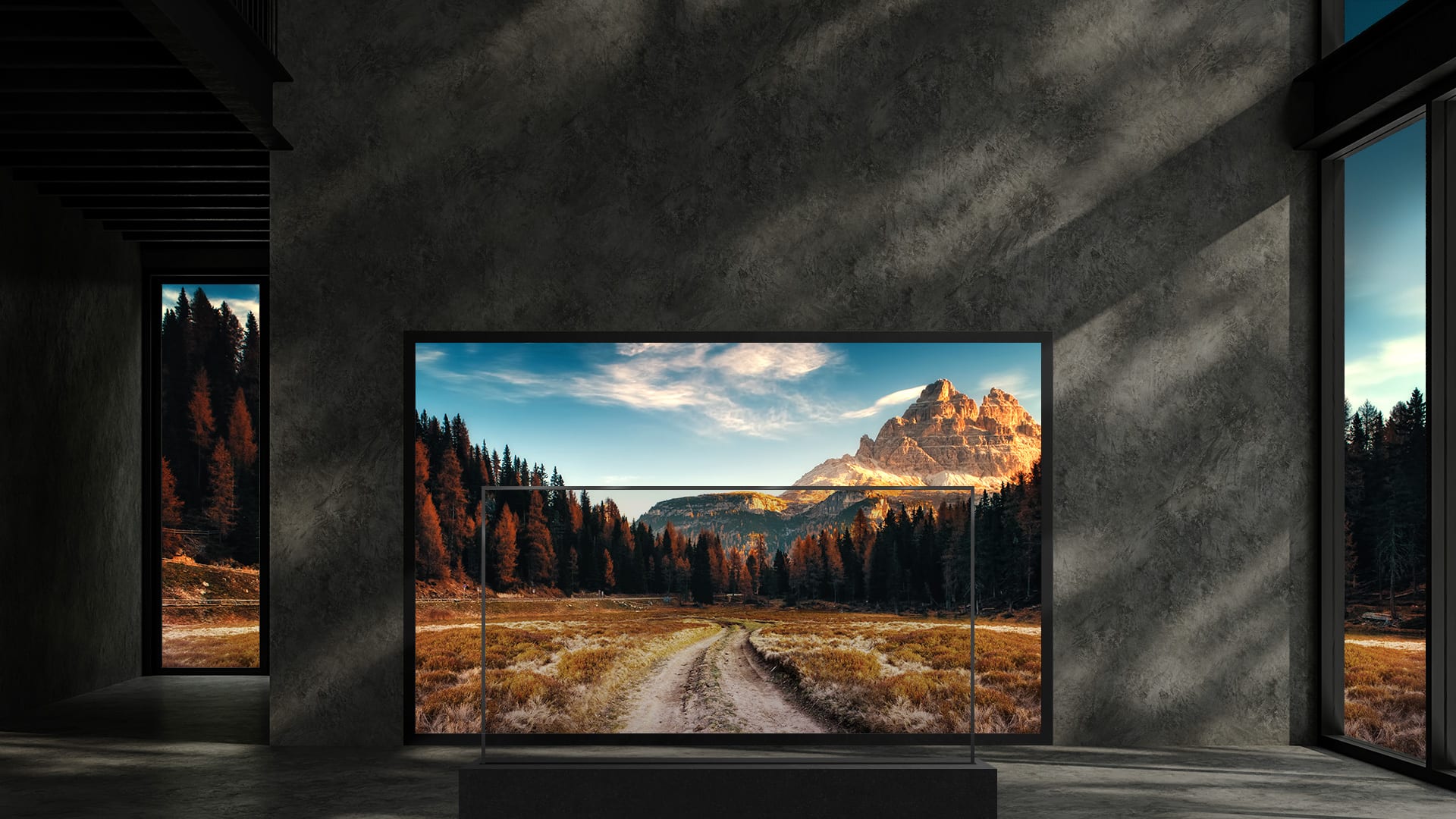
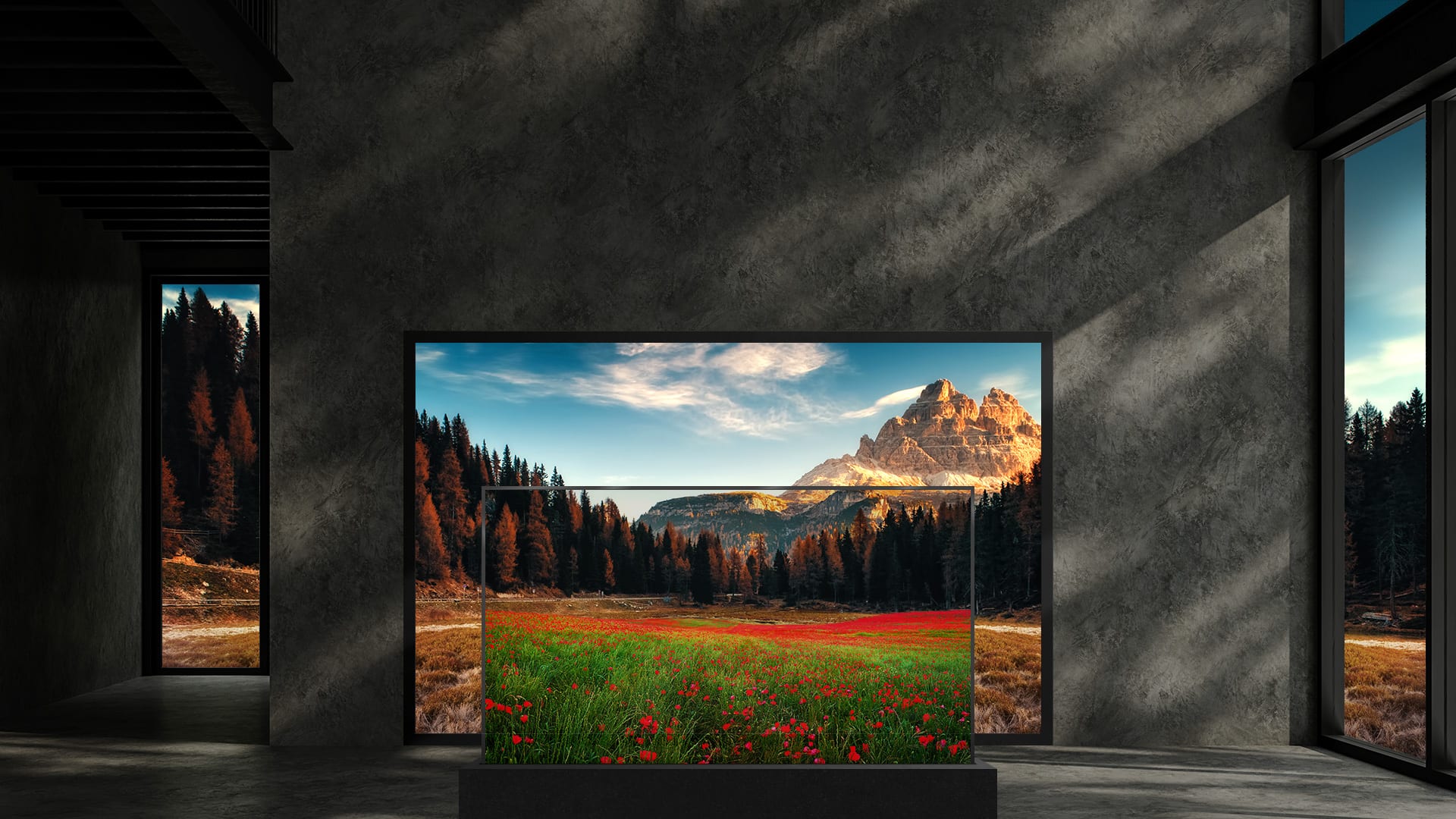
A transparent OLED isn’t a screen in the usual sense—it’s a luminous glass layer. Each pixel is self-emissive, so there’s no backlight, no bulky diffuser, and no visual heft. When pixels are off, the panel reads like clear glazing; when pixels fire, content appears to float in space—superimposed on whatever sits behind the glass. It’s an elegant paradox: high-end visuals with almost no physical presence. In galleries and luxury retail, that restraint is the difference between tech that shouts and media that whispers with intent.
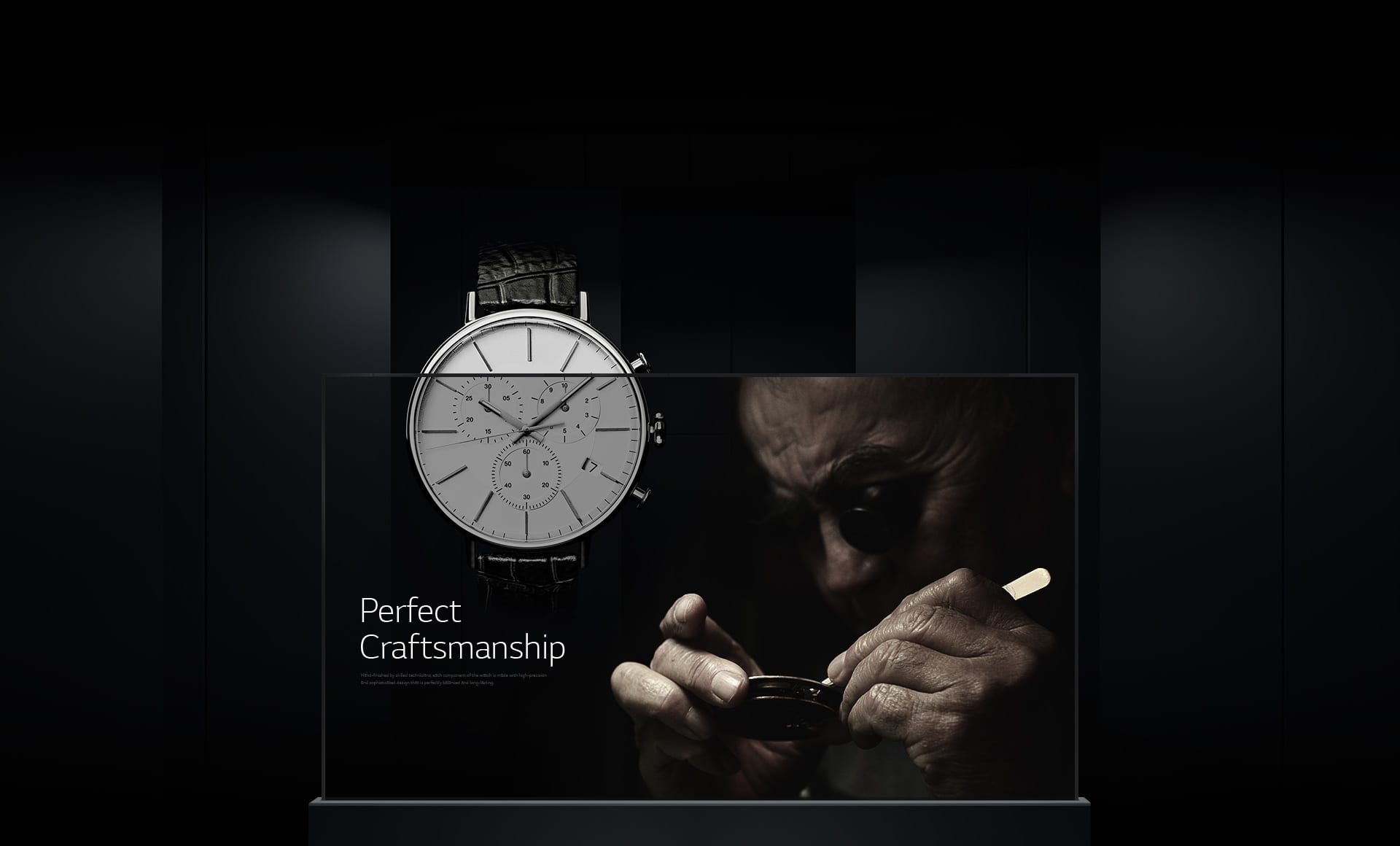
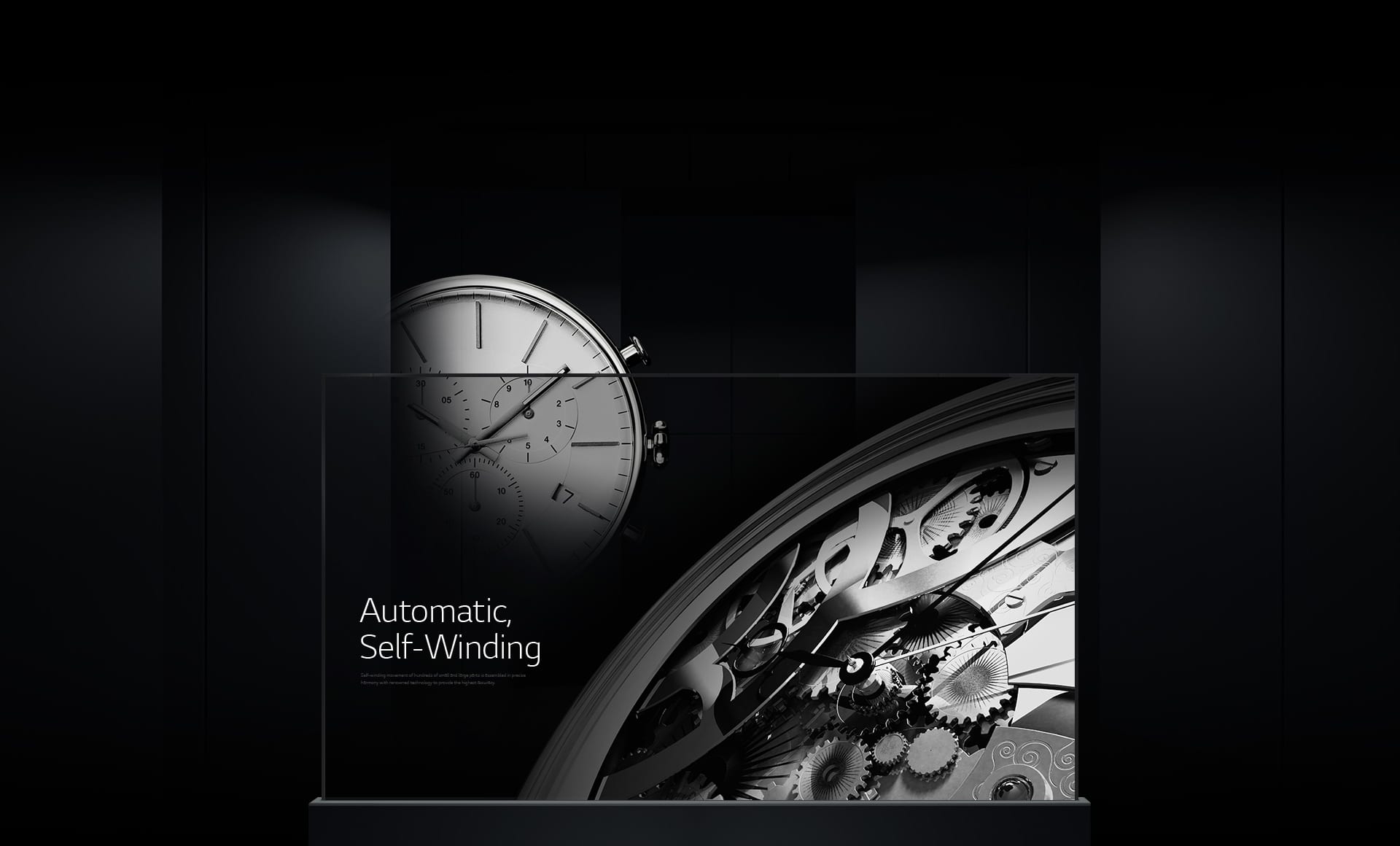
We spec transparent OLED for spaces that value sightlines, daylight, and material honesty. Think vitrines that animate artifacts without hiding them, storefronts where content hovers over merchandise, or lobbies where digital layers coexist with stone, metal, and wood rather than bulldozing them. Because black is effectively “see-through” on transparent OLED, compositions can dissolve to architectural nothingness between cues. That makes the medium uniquely capable of cadence—content that enters cleanly, speaks, and disappears without leaving a visual residue.
The experience hinges on craft. We tune luminance to ambient conditions (especially around glass), manage reflections with placement and finishes, and specify processing that keeps motion clean to the naked eye and to the camera. Structurally, the modules mount as slim glass panes—frameless, bracketed, or in discreet enclosures—so the installation reads like intentional architecture. Operations are equally civilized: front-serviceable components, sensible power budgets, and content templates that prevent last-minute guesswork.
Where Transparent OLED Shines
-
Museums & galleries: vitrines, didactic layers, time-based artworks that shouldn’t obscure the object.
-
Luxury retail: window storytelling, cases and counters, poetic overlays on product.
-
Hospitality & corporate: lobby “living glass,” executive briefing centers, reception identity.
-
Showrooms & events: concept reveals, layered brand narratives, kinetic wayfinding.
Spec Guidance (choose per project)
-
Transparency & Optical Behavior: Dark pixels recede to transparency; light pixels introduce visible opacity. Design compositions with selective brightness so the real scene remains legible.
-
Luminance (indoor only): Tuned to ambient lux; best in controlled light or indirect daylight. Avoid direct sun.
-
Color & Contrast: True blacks, rich color volume; on-site calibration aligns panel uniformity.
-
Viewing: Exceptionally wide viewing angles; plan for reflections from adjacent glazing and finishes.
-
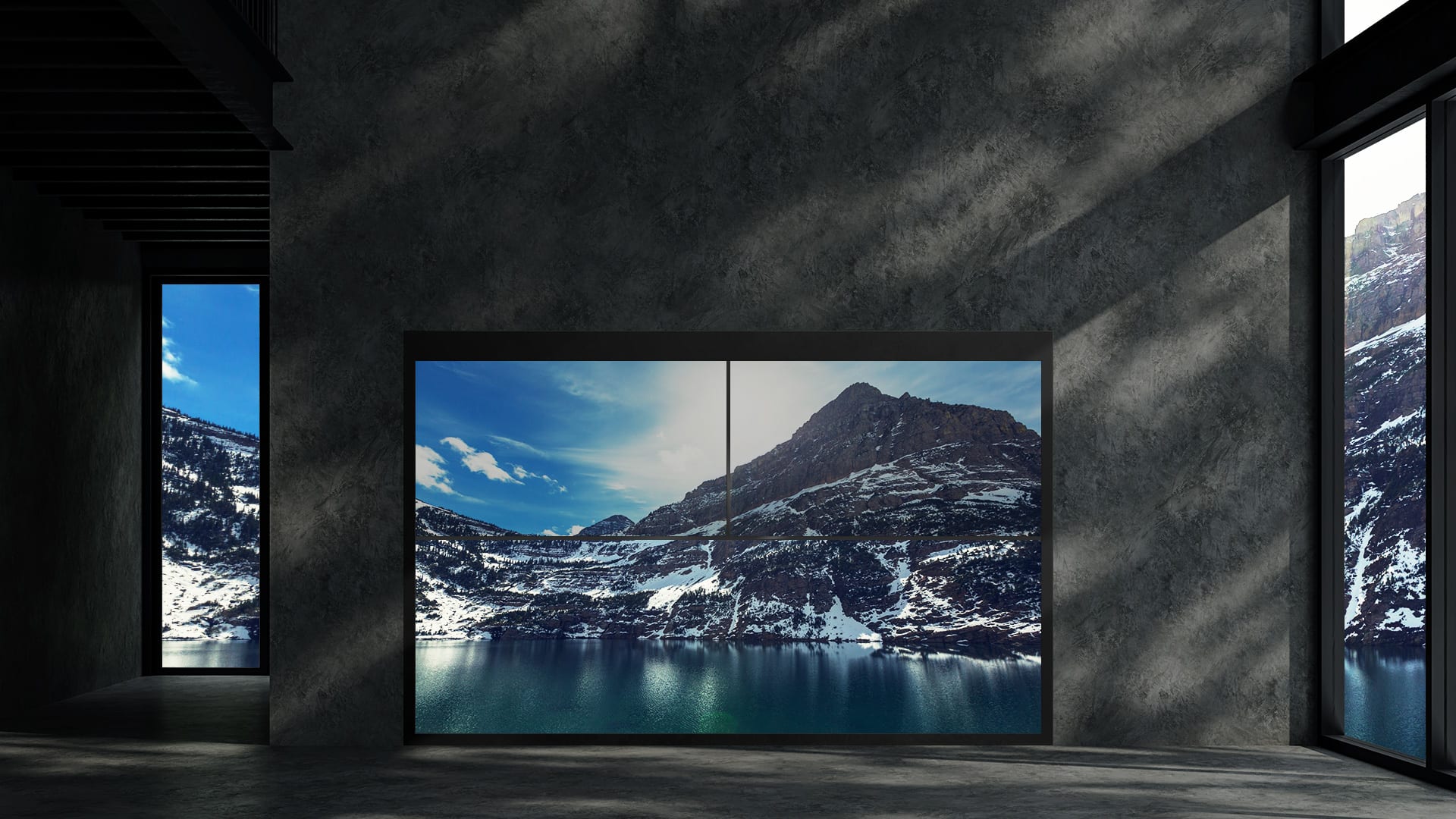
Form Factors: Single panes or tiled arrays (with fine seams). Curved/irregular options are specialty; confirm early.
-
Mounting: Frameless glass brackets, recess mounts, or protective enclosures; plan service access.
-
Control & Playback: Professional processors with canvas mapping; media players matched to codec and bit-depth needs.
-
Power & Thermal: Indoor duty cycle; allow passive airflow in enclosures; follow manufacturer clearances.
(All specifications are finalized after site survey and light studies.)
Content & Composition Principles
-
Design for transparency: Use negative space and dark fields to let the physical scene “breathe” through the image.
-
Typography: Favor bolder weights and generous kerning; avoid hairline text over busy backgrounds.
-
Color & Brightness: Use luminous accents and edge highlights; avoid full-frame white that turns the pane into an opaque slab.
-
Motion Cadence: Slower transitions and refined pacing feel premium and reduce visual fatigue.
-
Layering: Align digital elements to physical objects behind the panel (product, plinth, artifact) for a deliberate, almost holographic effect.
-
Capture: Validate on-camera behavior (frame rate/refresh) for documentation and broadcast.
Installation & Integration Workflow
-
Discovery: intent, audience, capture needs, operating schedule
-
Survey: dimensions, structure, sightlines, ambient light, reflection analysis
-
Studies: composition mockups against the real backdrop; luminance and legibility checks
-
Engineering: mounting details, power/data routing, enclosure and finish selections
-
Content: native-canvas templates, export specs, color pipeline
-
Build: installation, calibration, acceptance tests (including camera tests)
-
Handover: training for content ops, maintenance plan, spare kit
Operations & Care
-
Environment: Indoor, stable temperature, away from direct solar load.
-
Maintenance: Front-service access; non-abrasive glass care; periodic calibration checks.
-
Longevity Practices: Sensible brightness targets, balanced content (no perpetual static UI), scheduled rest.