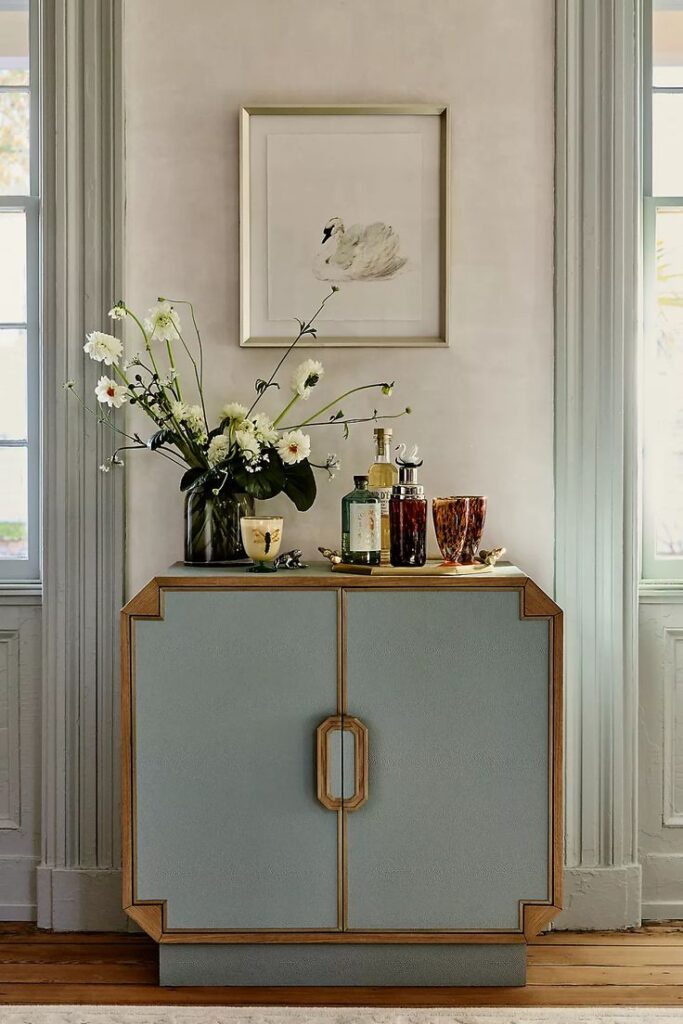
Shagreen furniture doesn’t whisper. It has a presence. Not loud or garish, but impossible to ignore. That granular, almost pebbled surface—traditionally shark or stingray skin, now often recreated in embossed or synthetic versions—carries weight, history, and tactility. In furniture, it changes how a piece occupies a room. A console, a cabinet, a small side table in shagreen immediately asserts itself. It asks to be touched, noticed, appreciated.
The appeal is both visual and haptic. It’s texture with substance. It reads differently depending on light, scale, and surrounding materials. Polished brass legs reflect into the surface. High-lacquered tabletops meet matte pebbled leather. A rug softens the floor beneath, highlighting the rigid irregularity of shagreen’s pattern. The material mediates, commands, and complements simultaneously.
Material with History
Shagreen is history embodied. Its origins in the East and Southeast Asia, the European fascination in the 18th century—it is at once exotic and aristocratic. Furniture pieces clad in shagreen nod to centuries of craft. Cabinets in Paris or London, inlaid boxes, desk tops: all carried that granular finish as a mark of refinement. Today, the same texture resonates differently. Interiors no longer need to be “period” to benefit. Shagreen bridges heritage and contemporary sensibilities.
This is one of its strengths. A console in green shagreen, paired with a high-lacquered custom credenza, can feel entirely modern. A side table with a textured top sits beneath a mid-century armchair and suddenly mediates between eras. The juxtaposition of materials—smooth lacquer, polished metal, tactile shagreen—creates a conversation in the room that is entirely visual yet subtly physical.
Surface and Tactility
Shagreen is unusual because it invites touch without being soft. It is tactile but firm, granular yet structured. Fingers rest on it differently than wood, metal, or upholstery. This surface transforms furniture from passive object to participant. It anchors space not through size or scale but through sensory presence.
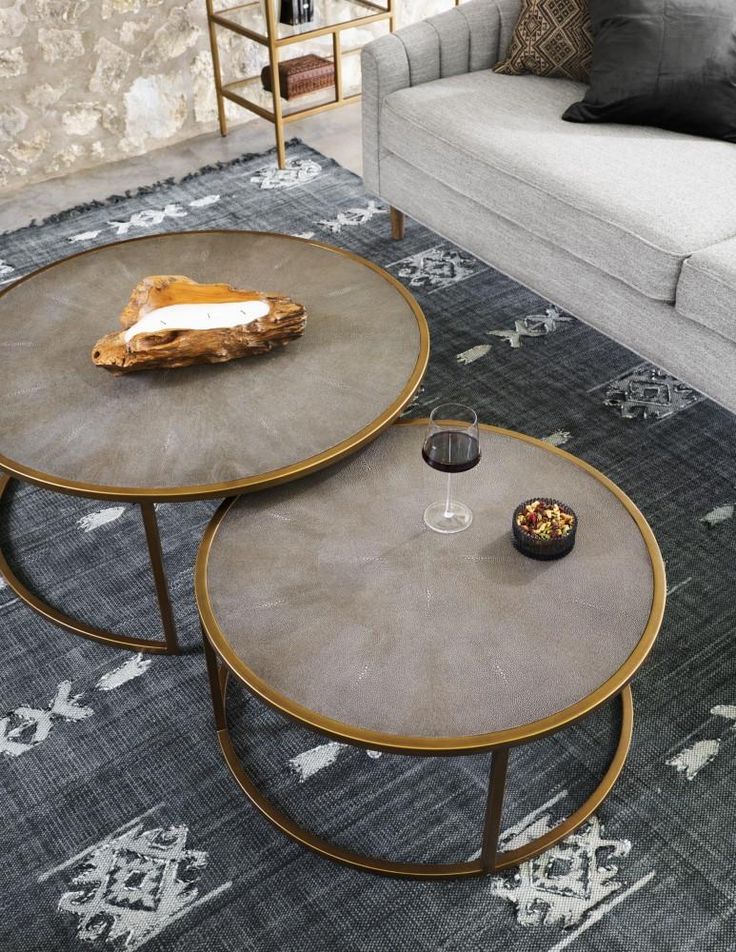
A low cabinet in shagreen does not hide behind other pieces. It stands as a quiet point of focus. A coffee table covered in the textured skin reads sculptural, tactile, and deliberate. Even small touches—a decorative box, a side table—draw attention through surface alone. The human response to shagreen is almost instinctive. It is impossible to ignore the texture, the subtle sheen, the variation across light and shadow.
Color, Light, and Mood
Shagreen often arrives in muted palettes—greens, creams, grays—but finishes vary, and modern design experiments with deeper tones: indigo, black, soft blush. Light interacts dynamically with the surface. Sunlight plays across granular ridges, producing subtle highlights and shadows. Interior moods change according to orientation and material combination.
Pairing shagreen with high-lacquered furniture amplifies this effect. The gloss reflects back the irregular surface. Wood tones—both warm and cool—soften its edge. Brass or bronze hardware catches light differently against pebbled texture than against polished wood. The room becomes layered, alive with a dialogue between surfaces.
Furniture Shapes That Benefit
Shagreen does not need exaggerated forms to assert itself. Its natural visual interest works in angular cabinets, curving consoles, low tables, or even modest trays. Yet curves amplify its allure. A rounded side table, with subtle undulation in the surface, makes the pebbled texture more apparent, catching light in ways a straight edge cannot.
Scale matters. Oversized consoles clad in shagreen dominate a space gracefully. Smaller pieces, like side tables or desk panels, punctuate interiors, offering moments of tactility without overwhelming. Custom furniture often becomes essential, allowing proportion, scale, and detail to follow the grain of the material.
Layering Materials
Shagreen thrives in layered interiors. It is rarely alone. Polished brass handles, marble tops, leather seating, linen rugs—all enhance its presence. Rooms gain depth through contrast. The pebbled surface absorbs and reflects differently than smooth or polished materials, creating subtle visual rhythm.
Juxtaposition is part of its magic. A mid-century credenza meets a green shagreen console. A lacquered sideboard sits beneath a textured cabinet. Surfaces echo without copying. The eye, and the hand, move through layers of material, each with distinct character. Shagreen provides the tactile punctuation, grounding interiors that might otherwise feel flat.
Human-Centered Design
Despite its aristocratic associations, shagreen is unexpectedly human-centered. Its firmness invites touch without being soft, tactile without fragility. Small pieces encourage engagement. A console or table becomes an object of curiosity. Interiors feel inhabited and responsive, not staged or museum-like.
It is approachable in ways other luxury materials are not. Furniture becomes interactive, not just decorative. The surface encourages subtle sensory awareness—touch, sight, even light-play through motion across the room. Shagreen furniture lives as much in human experience as in the visual composition of a space.
Versatility Across Interiors
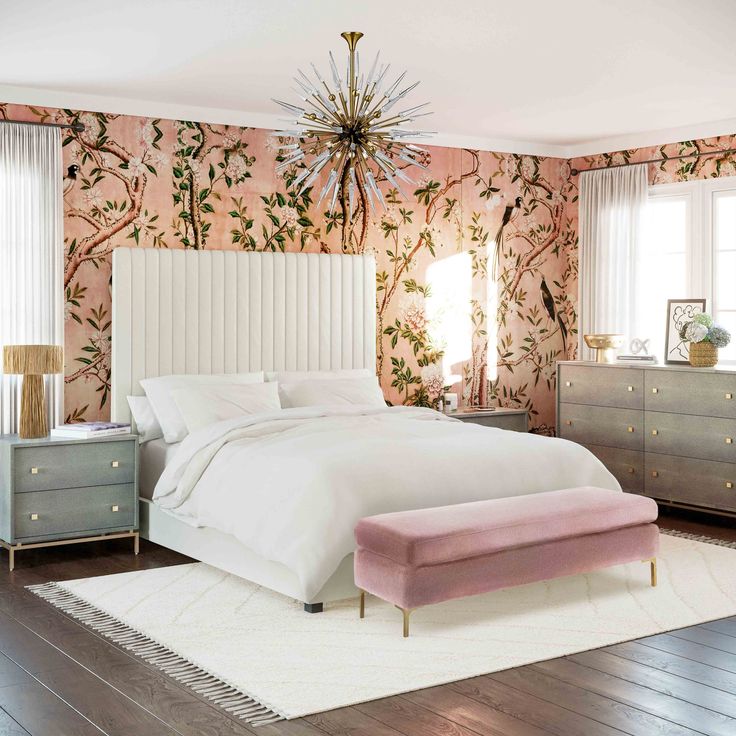
Shagreen adapts. Living rooms, hallways, offices, bedrooms. A side table in a lounge area or a console in a foyer immediately reads as intentional and tactile. Even commercial interiors—hotel lobbies, boutique spaces—benefit. Its presence signals craft, quality, and material interest without demanding historical accuracy.
Custom furniture allows designers to scale pieces, balance proportions, and integrate shagreen thoughtfully. Small apartments, large residences, and open-plan spaces alike gain from its texture. It acts as anchor, contrast, and conversation simultaneously.
Maintenance and Materiality
Traditionally derived from stingray or shark, contemporary shagreen is often embossed or synthetic, maintaining visual effect while increasing practicality. Surfaces resist minor wear, scratches blend with grain, fingerprints disappear into the pattern. It is furniture that tolerates life without compromising presence.
Durability reinforces the aesthetic. Unlike soft fabrics, shagreen withstands traffic, contact, and use. It is enduring, allowing interiors to evolve around it. The tactile surface does not flatten with time—it gains character.
Shagreen in 2026 Interiors
In 2026, shagreen represents tactility, subtle luxury, and material conversation. It softens geometric rigidity, mediates between eras, and creates visual dialogue. Sofas, cabinets, tables, and even small decorative surfaces in shagreen do more than function—they anchor rooms.
Its understated presence allows bold colors, high-lacquered surfaces, and custom furniture to shine while contributing to a layered, human-centered space. It is neither loud nor shy; it is confident in texture, scale, and placement.
Texture as Narrative
Shagreen furniture tells a story without words. It speaks of history, materiality, craft, and touch. Interiors furnished with it feel curated yet lived-in, luxurious yet approachable. The fabric—or its textured substitute—creates rhythm, movement, and pause in equal measure.
It is tactile, durable, and versatile. Rooms become not just visual compositions, but spaces of sensory dialogue. Furniture, surfaces, light, and shadow all interact around it. Shagreen mediates contrast, celebrates texture, and bridges eras. It carries weight without weightiness, presence without ostentation.
And in that quiet insistence, interiors feel alive.