It’s 2027. That color everyone loved last year? Already tired. Bold trend colors have a short shelf life. Overusing them is an easy way to make a space feel… stuck. Magenta walls, neon pillows, shocking citrus accents—they seemed fun at first. Now they’re a frozen Instagram moment.
Designers are cautious especially between what is in trend and what is considered as outdated decor. Bold statements aren’t banned. Just… measured, layered, balanced. One wall, a few accents, a single curated object. Enough drama without boxing the room into a hashtag or a year. The space should age with the inhabitant, not the feed.

Viral Isn’t Always Valuable
It’s tempting to chase virality in decor. That sculpture everyone is talking about. A vase with a million likes. A table everyone pins. Sure, it’s tempting. But a home built only on trends? Fragile. Can’t last a season, let alone a decade.
Viral pieces often lack context. They exist to be seen. Photographed. Shared. Homes are lived spaces. Objects need to respond to light, movement, touch. Not just a lens. Some of the best interiors sprinkle trend pieces like seasoning—not the main ingredient. Longevity comes from discernment, not hype.
The Minimalist Paradox
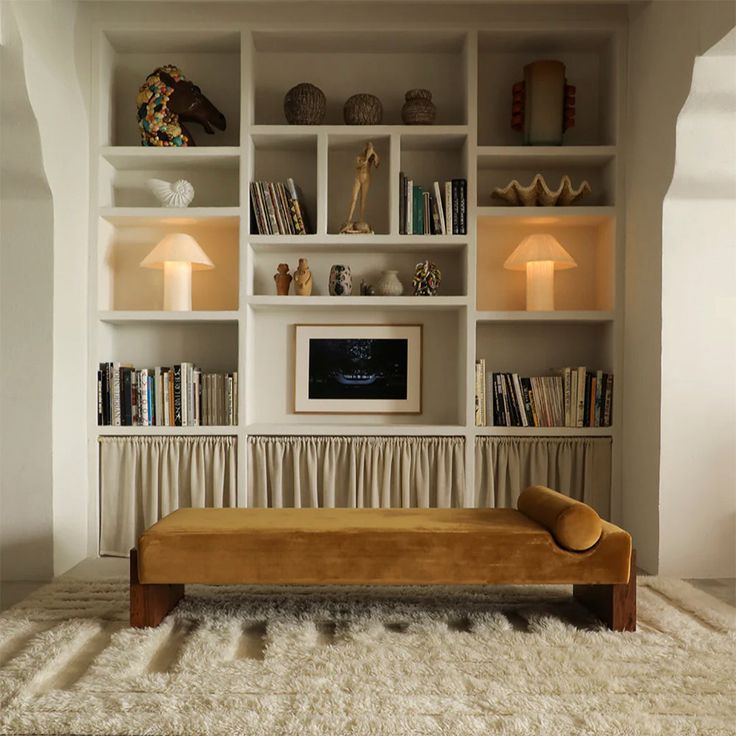
Minimalism is both sanctuary and trap. Quiet, restrained spaces promise calm but collapse under overdecoration. Minimalist sofa? Doesn’t need a dozen pillows. Sleek console? Not a forest of trinkets. Too much, and serenity disappears.
Still, restraint doesn’t mean sterility. Layered textures. Subtle color shifts. Objects with story. That’s how minimalism survives without boring you. Less can be more—but only if less is intentional. Spacing, breathing room, thoughtful selection. That’s it.
Comfort as an Underrated Luxury
Aesthetics dominate, but comfort can’t be ignored. Chairs may be sculptural, couches picture-perfect, rugs Instagram-ready. But if they don’t serve the body, the home fails. People sit, lounge, lean. Spaces have to accommodate that, not just looks.
Ignoring comfort dates a room faster than pattern or color ever could. Hard surfaces, impractical upholstery, awkward proportions—they look exciting in magazines, yes, but in life? Wrong. Rooms need to breathe, move, respond. Timeless interiors do that, quietly.
Balancing Bold and Subtle
Avoiding outdated decor is about balance. Bold statements exist alongside neutral anchors. Vibrant patterns gain meaning surrounded by subtle textures. One daring piece energizes; a room full of saturated color risks aging fast.
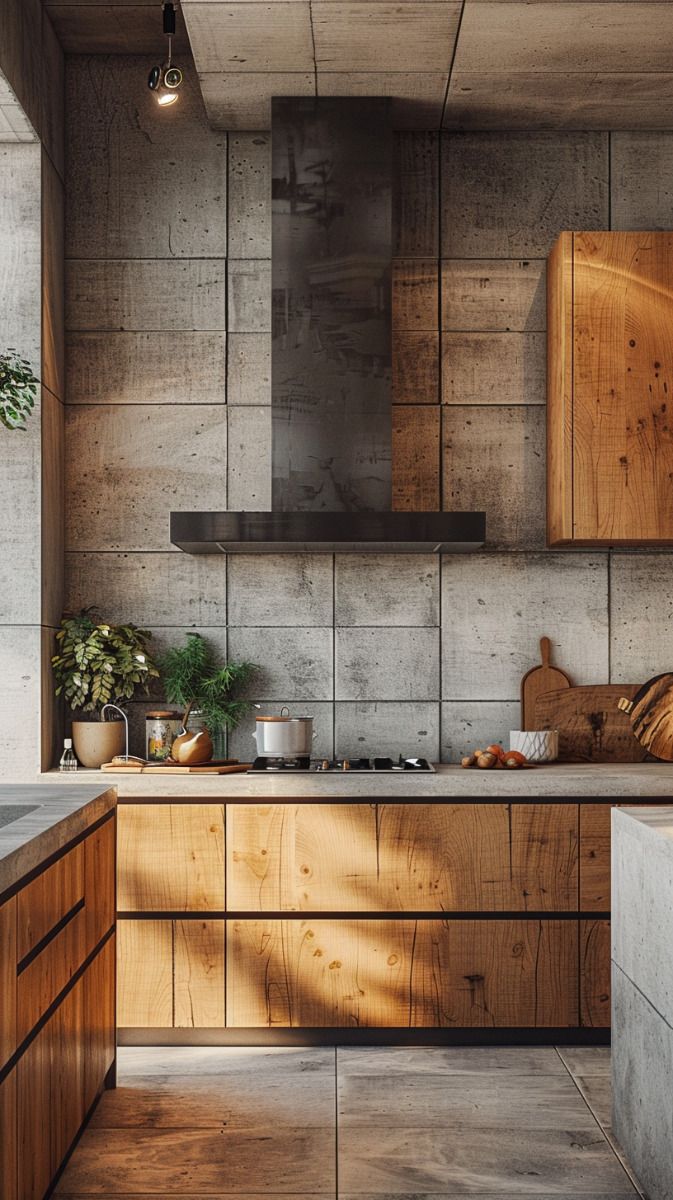
Balance isn’t just visual. Temporal, too. Materials that wear gracefully—leather softening, wood patina, metals tarnishing—keep a room alive. The eye tolerates texture evolution better than trend explosion.
Adaptability as Strategy
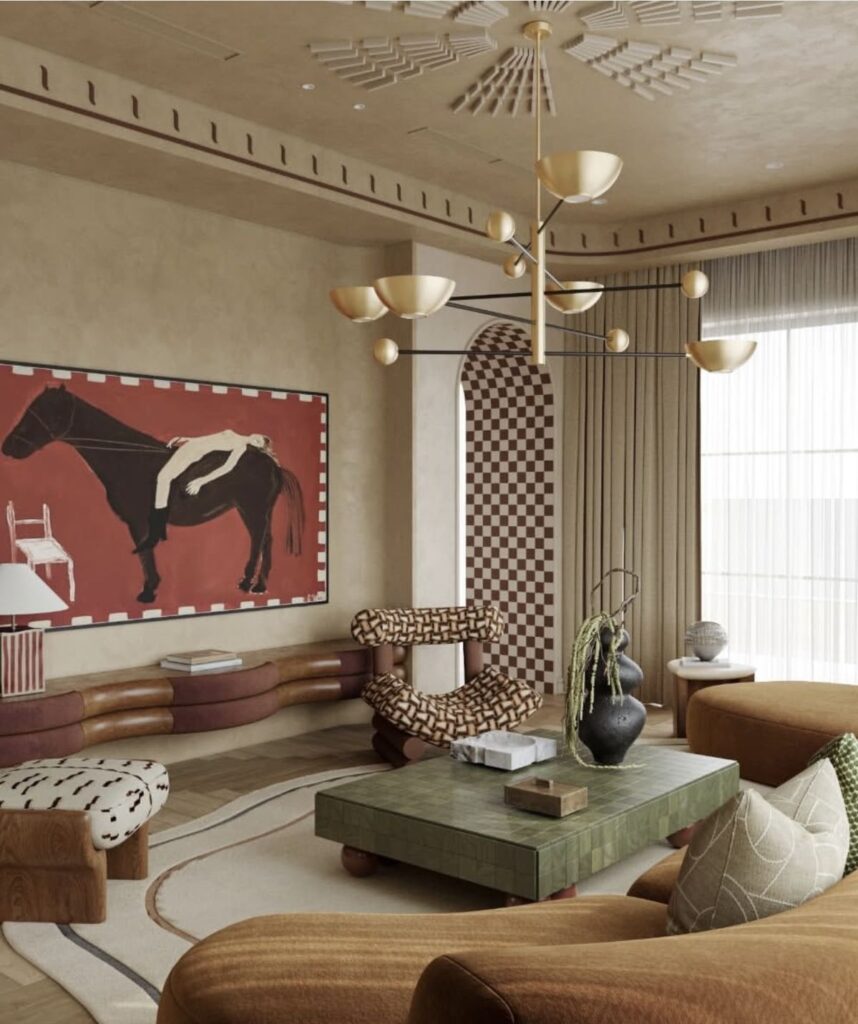
Timeless homes are adaptable. They don’t need renovation to stay relevant. Furniture, lighting, textiles—should pivot with minimal effort. Slipcovers, modular layouts, flexible lighting. Small updates refresh without rebuilding.
Adaptability needs foresight. Scale, proportion, material—thought about in advance. Rooms that anticipate human activity and style shifts resist obsolescence. Flexibility is quiet insurance.
The Role of Restraint
Restraint is underrated. Timeless interiors avoid overstatement. A room can be dramatic, layered, vibrant, without being loud.
Personality survives restraint. Every element is deliberate, justified, positioned in hierarchy. Restraint isn’t dullness. It’s intelligence applied to space.
Anchoring with Story
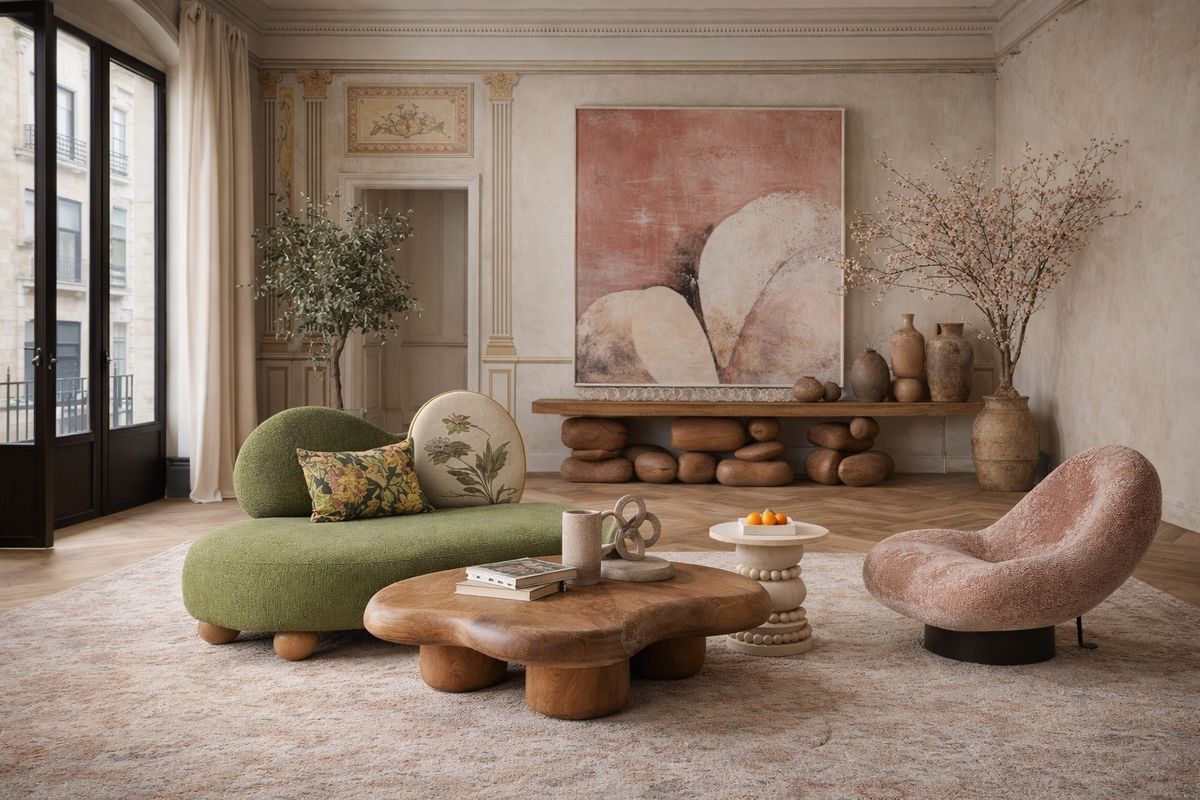
Objects with history anchor interiors. Antiques, inherited pieces, travel finds—they carry meaning. Depth. Context. Not “old” in a tired sense. Enduring. They give character, dialogue, continuity.
Storytelling objects are forgiving. They handle changes in color, style, mood. Trends flare and fade. These pieces? They last. They age gracefully, naturally, without screaming “look at me.”
Patterns with Patience
Patterns are tricky. Bold geometrics or exaggerated florals date rooms fast. Overapplied, they scream “this era.” In 2027, designers layer subtly. Texture without loudness, rhythm without showiness.
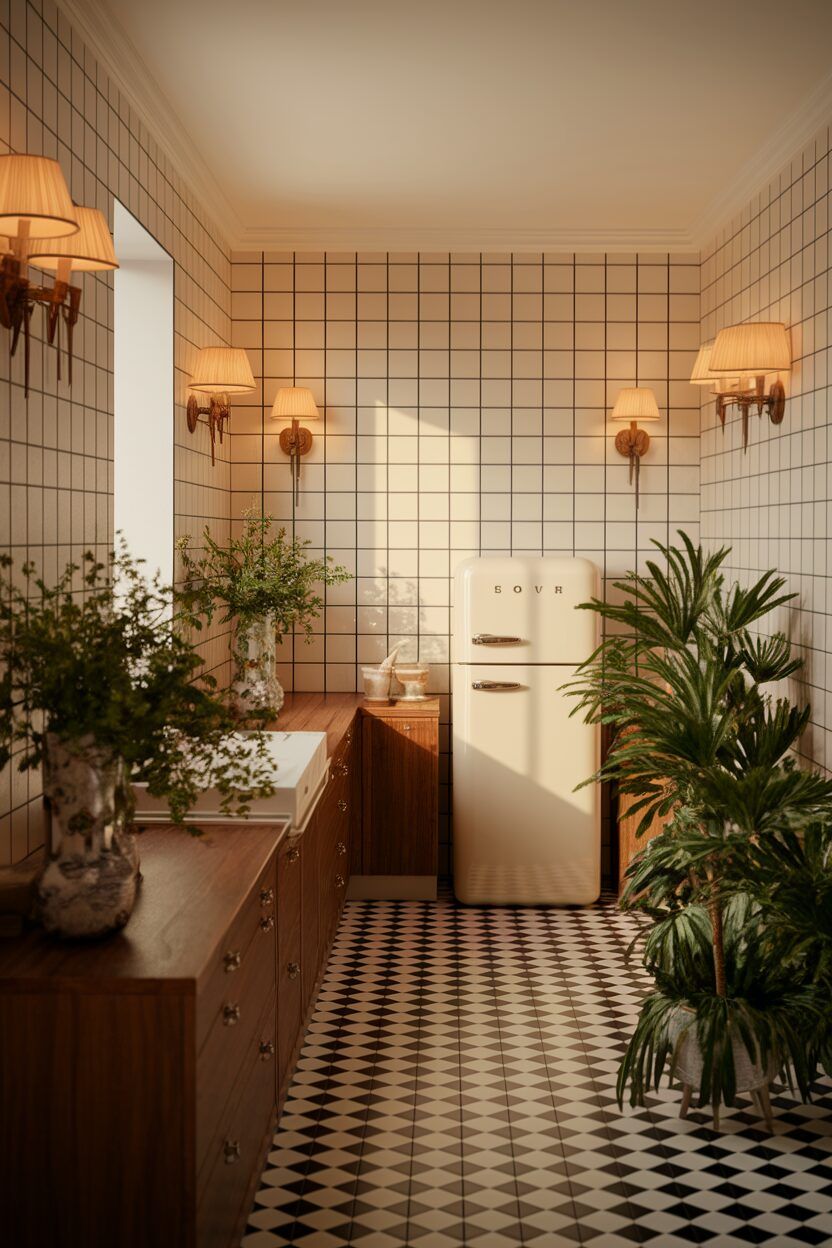
Pattern becomes supporting actor. Not headline. Stripes, muted florals, checks—layered carefully. Depth, interest. Quiet punctuation.
Avoiding Predictable Palettes
Colors cycle. Hot shades guarantee obsolescence. Forward-thinking homes treat color as punctuation, not main story. Neutral foundations, restrained accents. Rooms pivot with trends.
Color carries psychology. Saturation, contrast, context—matter more than novelty. Balanced palettes age well. Harmony > excitement.
Furniture and Form
Furniture shapes betray their era. Fussy silhouettes, extreme angles, ultra-modern experiments—date fast. Clean proportions, subtle curves, quiet versatility last longer.
Form is forgiving if scale, weight, function are right. Simple sideboard supports countless looks. Dated chair silhouette? Not so much. Geometry over gimmick. Durability over novelty.
The Psychology of Space
Avoiding outdated decor isn’t only visual. Rooms must feel welcoming, flexible, alive. Overly “on-trend” interiors alienate. Spaces must handle life. Movement. Mood. Not just imagery.
Psychology informs spatial choices: eye travel, circulation, light, texture. Rooms that feel right emotionally rarely feel dated visually. Human foundation > trend.
Living with Flexibility
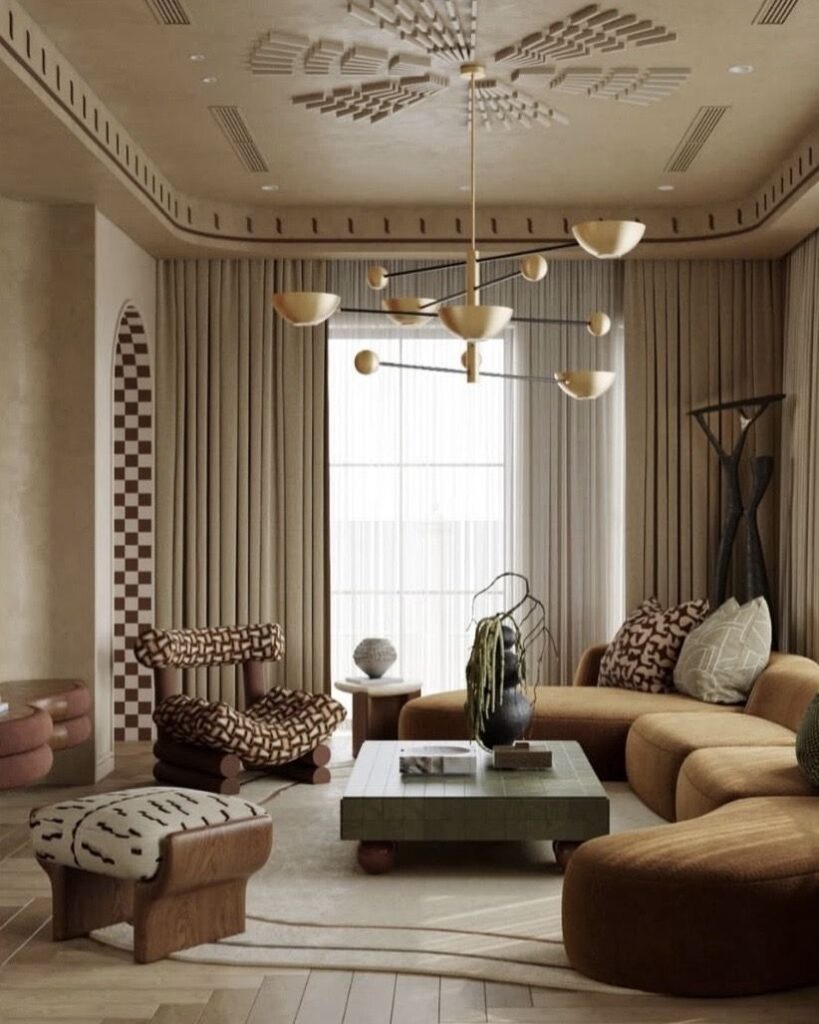
Homes that remain relevant are built for adjustment. Swap textiles, rotate accents, reposition furniture. Room evolves without overhaul. Flexible. Sustainable. Keeps spaces fresh.
It’s discipline: anchor room, identify shiftable elements, anticipate perception. Flexibility is foresight disguised as ease.
Timelessness as Outcome
Avoiding outdated decor isn’t about chasing what’s next. It’s about balance, restraint, adaptability. Trends can be integrated selectively, in dialogue with personality, history.
Timeless homes are curated, intentional, layered. Balance bold and subtle, novelty and narrative, function and aesthetics. Respond to life, allow life to respond.
Outdated decor? Rarely one mistake. Cumulative: overstatement, misjudgment, neglect of adaptability. With restraint, attention, foresight—a home remains vital, relevant, unmistakably lived-in. Trends come, go. Home survives.