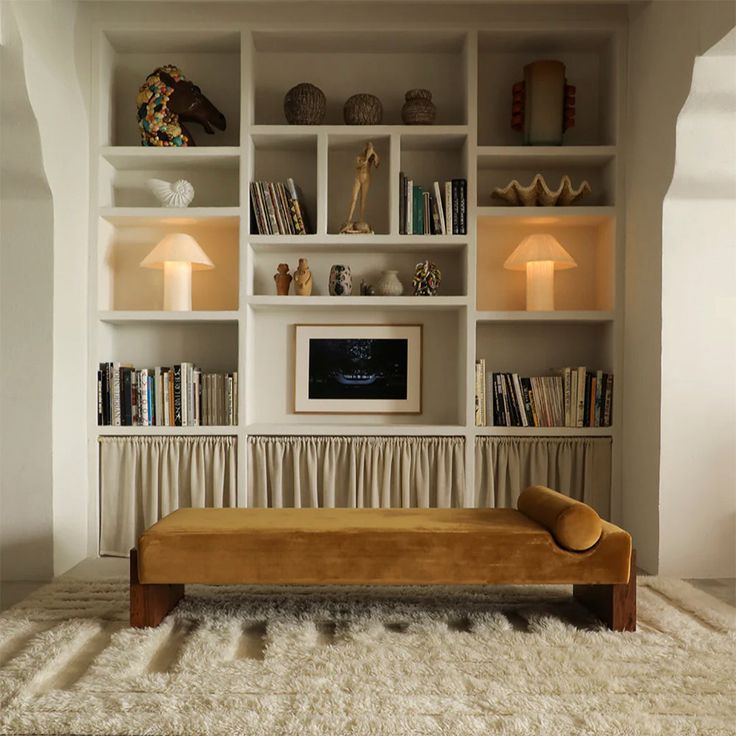
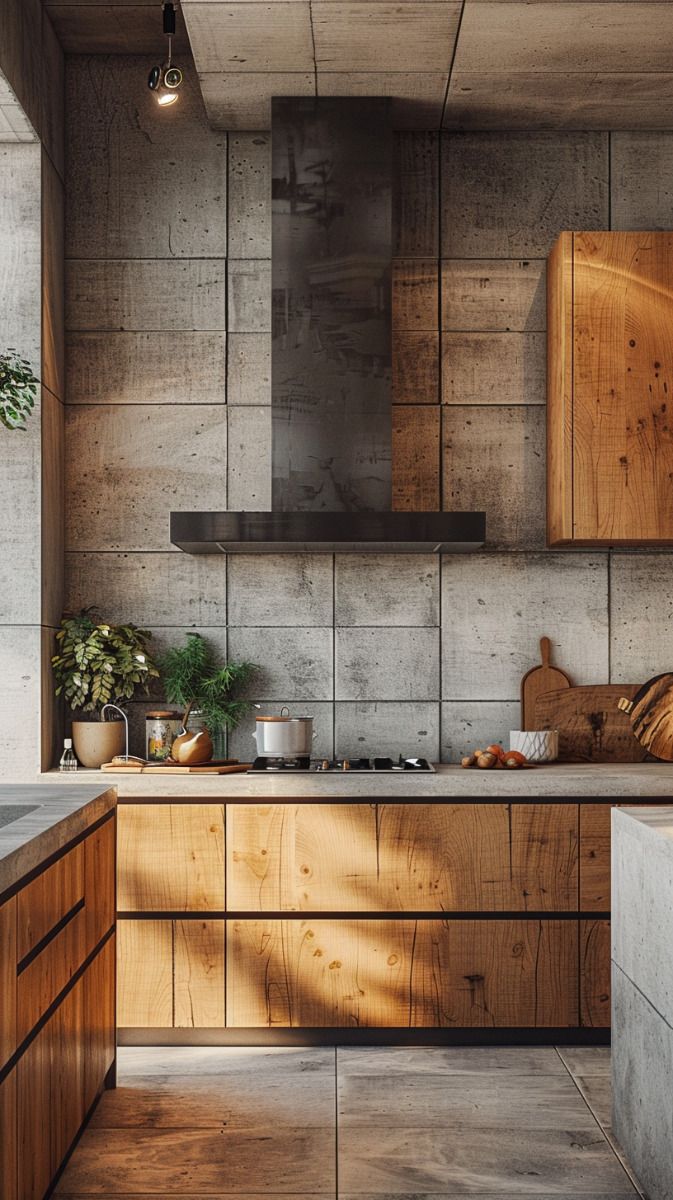
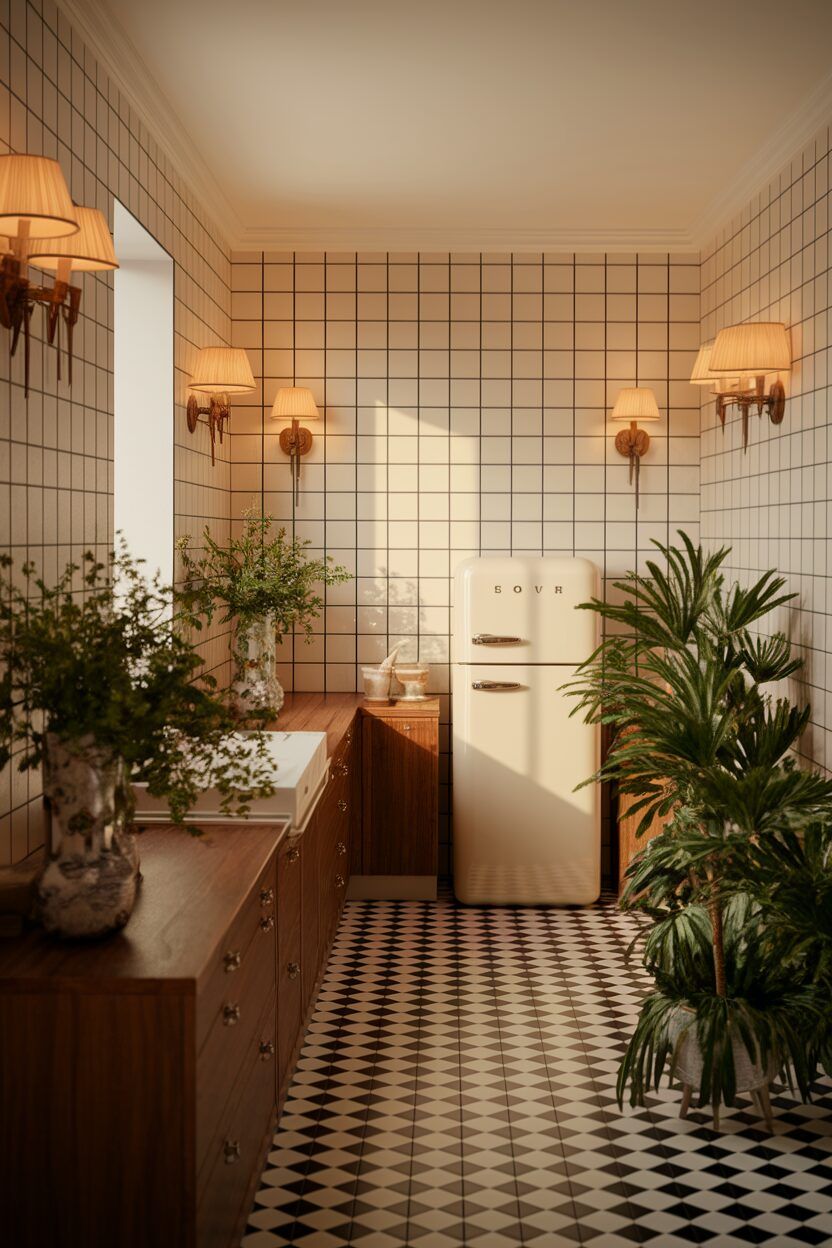
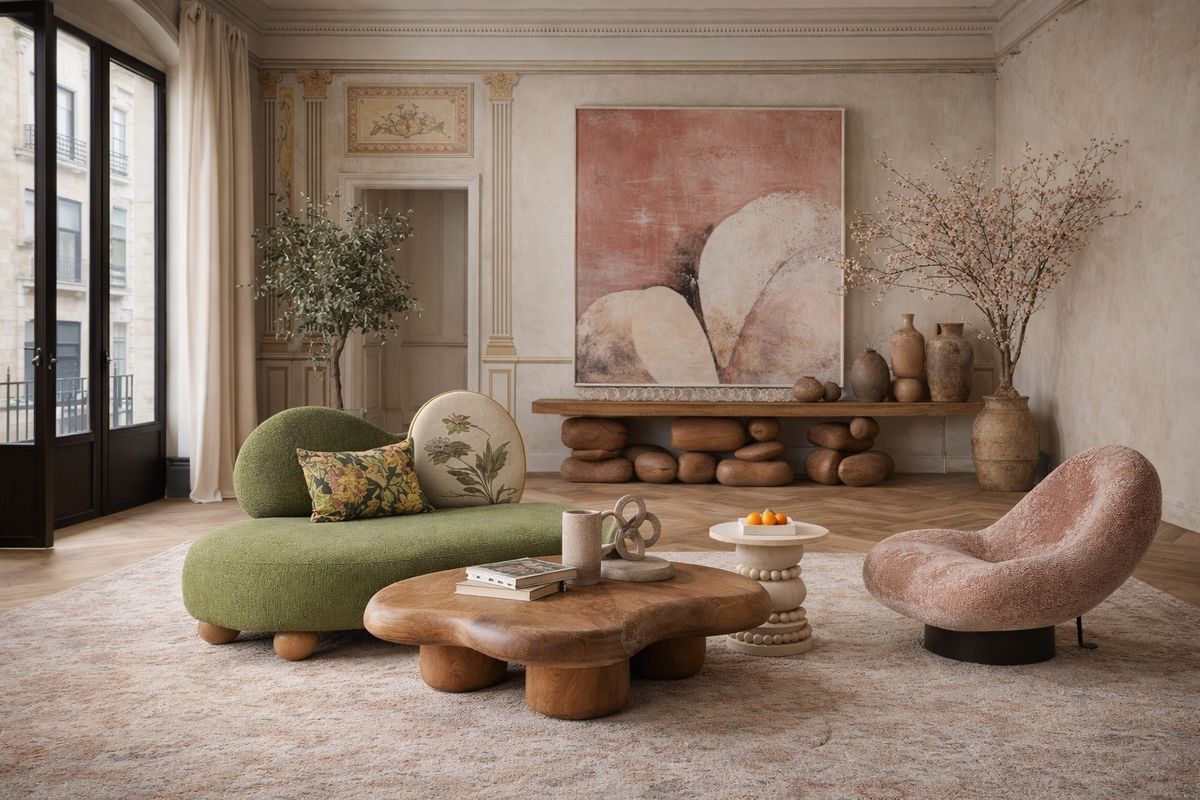
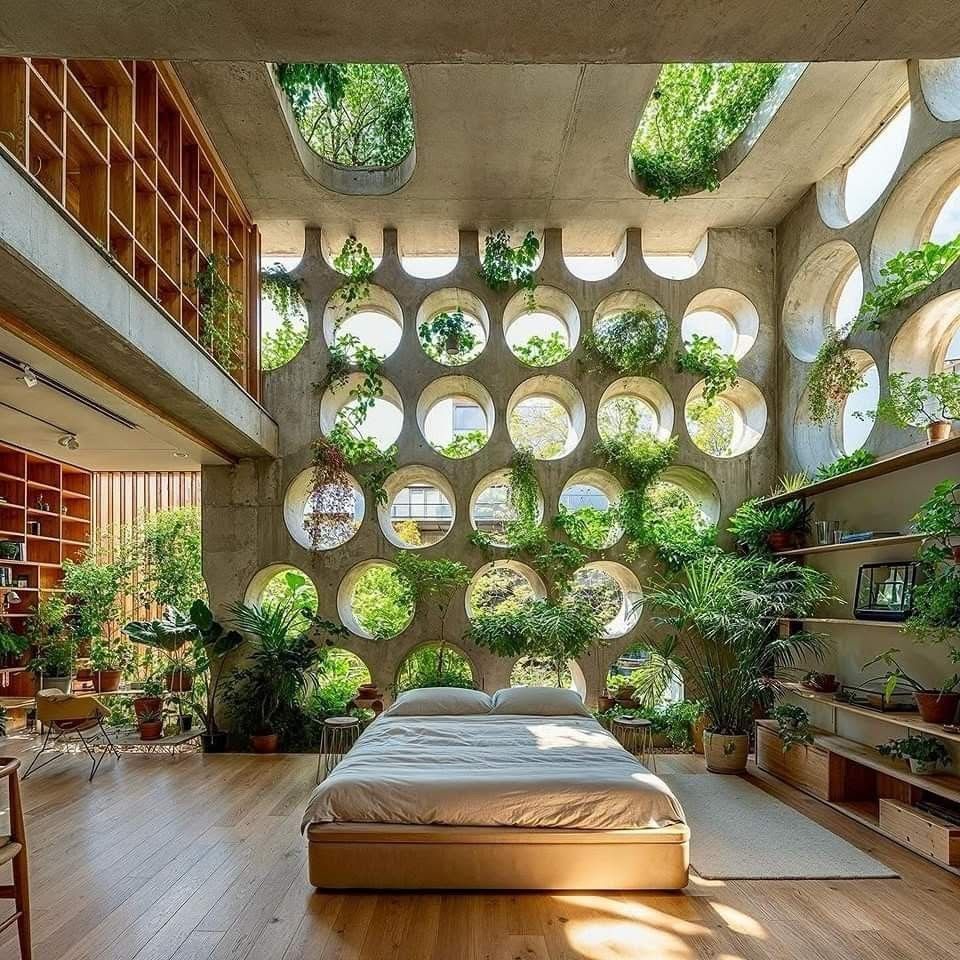
People have always known, instinctively, that rooms affect mood, and neuroarchitecture suggests that few things are as restorative as a space flooded with natural lighting, where the organic, repeating patterns of rattan furniture or bamboo provide the brain with a visual “fractal fluency” that shifts the nervous system from high alert to quiet restoration. Others make you restless, impatient, oddly tense. For a long time, design explained this in vague terms—light, proportion, balance—useful but incomplete. Neuroarchitecture puts sharper language to something designers have felt for decades: the built environment doesn’t just reflect how we live, it actively shapes how our brains behave.
What’s interesting isn’t that design influences mental well-being. That’s obvious to anyone who’s ever tried to relax under fluorescent lighting or focus on a cluttered room. What’s interesting is how subtle the influence is, and how often it’s misunderstood. Neuroarchitecture isn’t about turning homes into wellness machines. It’s about understanding how space quietly nudges the nervous system, for better or worse.
The Brain Reads Space Before You Do
Before furniture registers as “beautiful” or “ugly,” the brain is already scanning for safety, orientation, and comfort. Ceiling height, sightlines, shadow, sound—all of it is processed faster than conscious thought. A low ceiling can feel intimate or oppressive depending on light and proportion. A long corridor can feel ceremonial or unsettling. These reactions aren’t cultural; they’re biological.
Design that ignores this tends to feel exhausting. Too many sharp contrasts, too much visual noise, too little variation. The brain stays alert when it doesn’t need to. Over time, that low-level vigilance adds up. People describe it as stress, but it’s really cognitive load—the effort required just to exist in the space.
Good interiors reduce that load. They don’t demand attention constantly. They allow the mind to rest.
Light Is Not Just Illumination
Natural light is the most obvious neuroarchitectural tool, and still the most misused. It’s not just about brightness. It’s about rhythm. Morning light, angled and cool, signals alertness. Afternoon light softens perception. Evening light tells the body to slow down. Spaces that flatten this rhythm—either too dark all day or evenly lit all the time—confuse the body.
Artificial lighting can support or sabotage this process. Overhead lighting that’s too harsh keeps the nervous system activated. Point lighting, layered and indirect, gives the eye places to rest. Shadows matter more than designers often admit. A room with no shadows feels sterile, exposed, and subtly stressful.
People rarely say, “This lighting is overstimulating my nervous system.” They say, “I can’t relax here.” The result is the same.
Scale, Proportion, and the Feeling of Control
One of the less discussed aspects of neuroarchitecture is perceived control. Spaces that feel overwhelming—too large, too echoing, too undefined—can trigger unease. Spaces that feel cramped can do the same. The issue isn’t size itself, but proportion and legibility.
When the brain can understand a space quickly—where to sit, where to move, where to rest—it relaxes. When a room feels ambiguous or chaotic, the brain stays alert. This is why open-plan spaces can feel liberating or exhausting, depending on how they’re articulated. Zones matter. Thresholds matter. Even implied boundaries matter.
Furniture placement plays a role here. A chair backed against a wall feels safer than one floating in the middle of a room. A table that anchors a space gives orientation. These aren’t aesthetic choices alone; they’re neurological ones.
Texture and the Body’s Memory
The brain doesn’t just see interiors. It remembers them through touch. Smooth, cold surfaces communicate something very different from textured, warm ones. This is where material choice becomes psychological rather than decorative.
Natural materials tend to regulate sensory input better. Wood absorbs sound. Fabric softens edges. Stone carries thermal stability. These qualities reduce sensory spikes, which is why rooms with too much glass, metal, and high-gloss finishes often feel loud even when they’re visually minimal.
Texture also creates depth. A room with layered textures gives the eye places to land. That visual pacing allows the brain to move more slowly, more comfortably. Flat, uniform spaces don’t offer that relief.
Color and Emotional Temperature
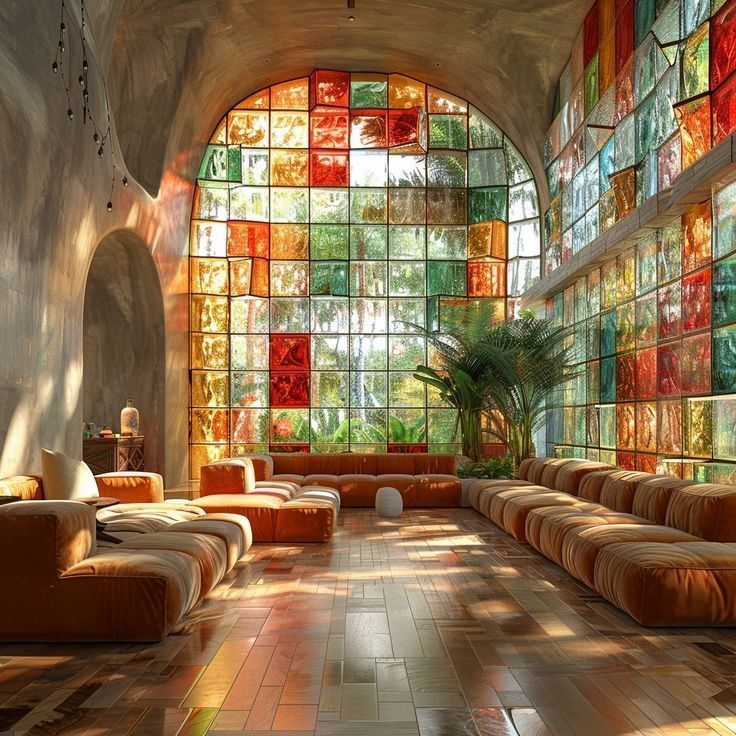
Color psychology is often oversimplified, but color does influence mental state—just not in universal ways. Red isn’t “energizing” in all contexts. Blue isn’t automatically calming. Saturation, contrast, and placement matter more than hue alone.
Highly saturated colors increase arousal. That can be good in social spaces, less so in places meant for rest. Muted tones tend to lower stimulation, especially when layered rather than applied uniformly. The brain responds to complexity that feels ordered, not chaotic.
What’s often overlooked is how color interacts with light. The same wall color can feel grounding or agitating depending on time of day. Neuroarchitecture pays attention to these shifts, designing spaces that change with the body’s needs rather than fighting them.

Sound, or the Absence of It
Acoustics are one of the most neglected aspects of interior design, yet they have a direct impact on mental well-being. Echoing rooms increase stress. Constant background noise prevents cognitive rest. Even subtle reverberation can make people feel unsettled without knowing why.
Soft materials, irregular surfaces, and layered furnishings absorb sound naturally. Rooms that manage acoustics well feel calmer even when occupied. Silence isn’t the goal; control is. The ability to hear what matters and filter out what doesn’t.
In homes, this is especially important. The brain associates home with recovery. When sound constantly intrudes, that recovery never fully happens.
Order, Clutter, and Cognitive Fatigue
Clutter isn’t just visual. It’s informational. Every object competes for attention, whether consciously or not. Highly cluttered spaces demand constant processing, which leads to mental fatigue.
This doesn’t mean minimalism is the answer. Sterile spaces can feel alienating. The key is coherence. Objects that relate to each other—through color, material, or placement—are easier for the brain to process. Randomness is harder.
Well-designed rooms allow personal objects without chaos. They create systems that support memory rather than overwhelm it. The brain likes patterns it can predict.
Spaces That Support Different Mental States
One of the most useful insights from neuroarchitecture is that no single environment supports every mental state. A space designed for focus isn’t ideal for rest. A space designed for social energy isn’t ideal for introspection.
Homes that work well tend to acknowledge this. They offer variation. A bright kitchen. A darker, quieter bedroom. A reading nook with enclosure. A living area with openness. The brain shifts modes more easily when the environment supports those transitions.
This doesn’t require more square footage. It requires intention.
Why This Matters Now
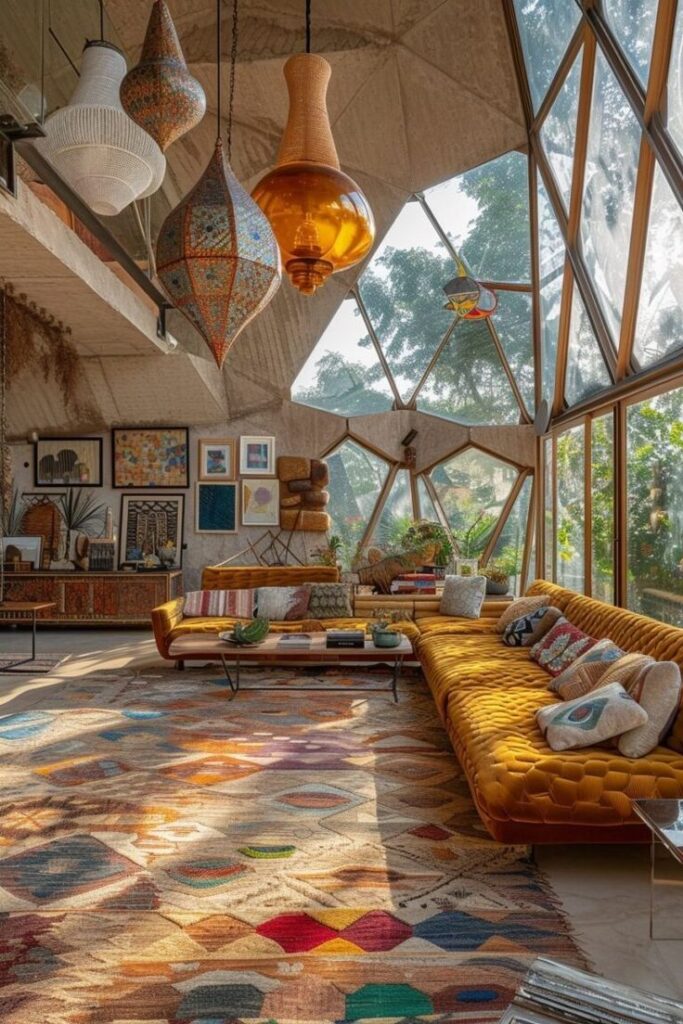
The relevance of neuroarchitecture has grown alongside the blurring of work, rest, and social life. Homes are no longer single-purpose. They host concentration, recovery, interaction, and solitude, often in the same day. When design doesn’t account for this, mental strain accumulates.
People often attribute burnout or restlessness to lifestyle alone. But environment plays a quieter role. A poorly designed space makes everything harder. A well-considered one reduces friction in ways that feel almost invisible.
Design That Gets Out of the Way
The best neuroarchitectural spaces don’t feel therapeutic. They don’t announce themselves. They simply feel right. You think more clearly. You rest more deeply. You move more slowly without trying to.
This isn’t about trends or aesthetics. It’s about alignment between human biology and built form. When that alignment exists, design disappears into experience.
And that, ultimately, is the goal—not to impress the eye, but to support the mind as it moves through the space, day after day, without asking for anything in return.