Modern living demands flexibility. Spaces are smaller, needs shift faster, and furniture is no longer just functional—it must adapt. Modular furniture answers this challenge, offering pieces that move, expand, contract, and sometimes even transform entirely. But beyond the obvious practicality, modular furniture carries a subtle design intelligence. It shapes not just how a room looks, but how it feels and how life unfolds within it.
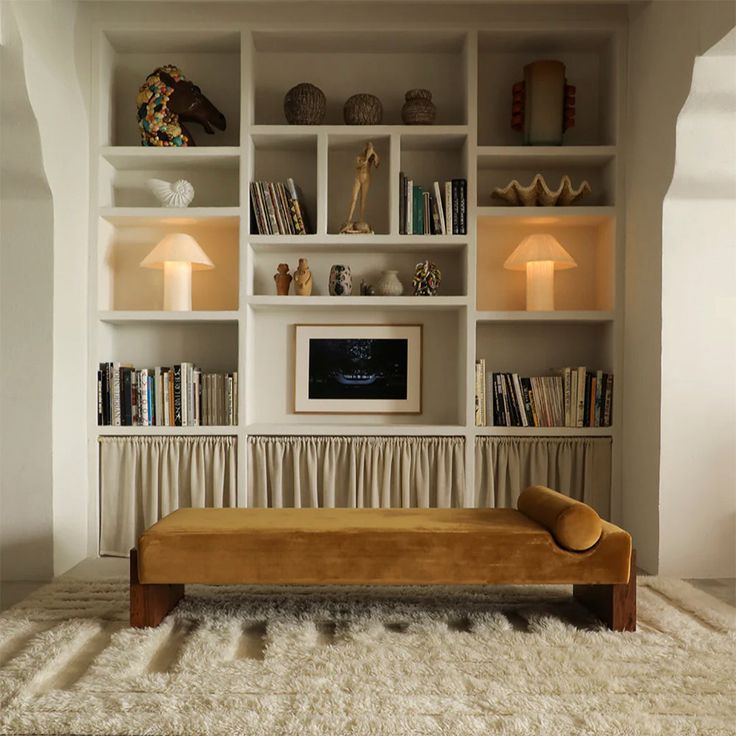
There is a quiet thrill in a room where every piece seems perfectly positioned yet capable of change. Custom high end modular sofas stretch across a living area like liquid, adapting to guests or quiet evenings. Shelving units rise, fall, or shift sideways, carrying books, art, and memories without demanding perfection. A modular approach allows the room to breathe, acknowledging that living spaces are never static.
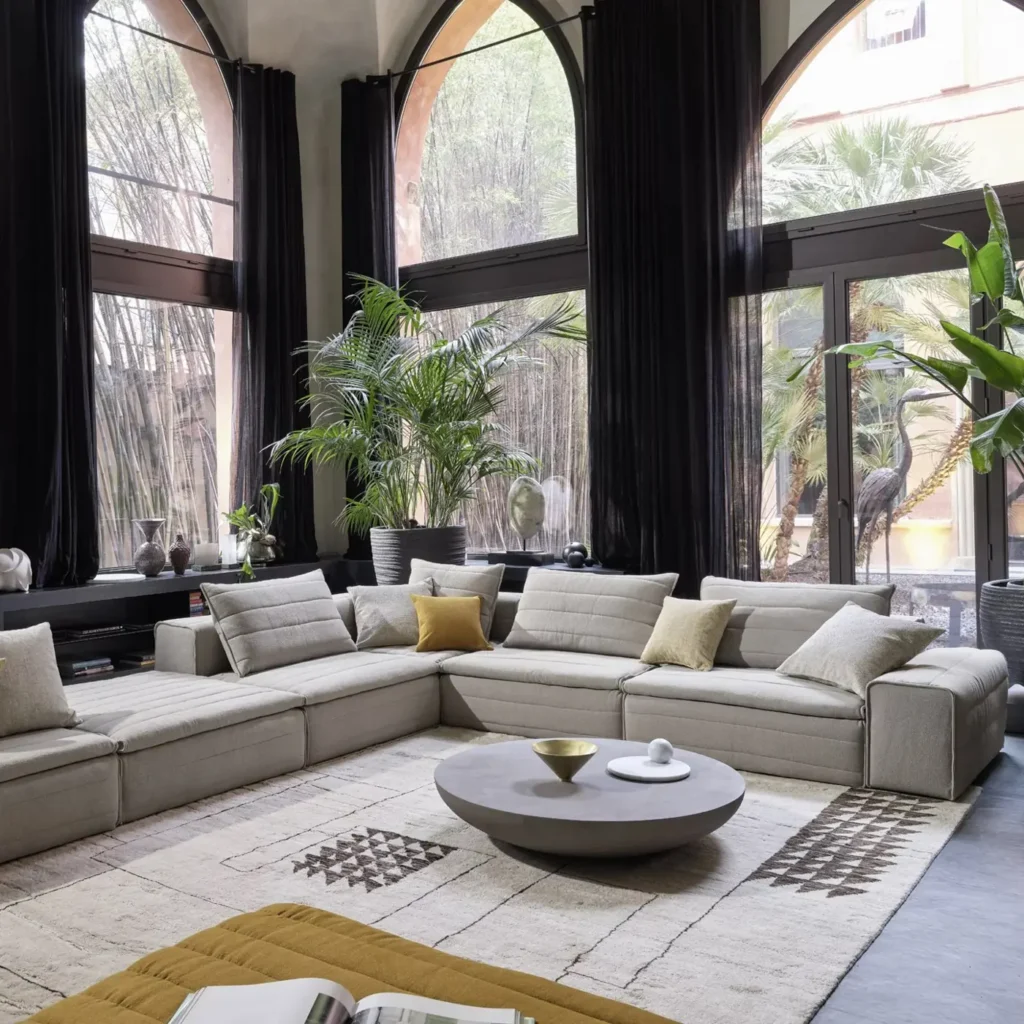
Flexibility Without Sacrifice
One common misconception is that modular furniture is only for renters or transient spaces. In reality, modular pieces offer sophistication without compromise. The right modular sofa can be low and minimalist, complementing a modern rug, or bold and architectural, commanding the room’s rhythm. Shelving systems, carefully chosen, can echo a home’s personality while accommodating shifts in lifestyle, whether the sudden acquisition of books or a rotating art collection.
Flexibility is not simply about movement—it is about agency. A room equipped with modular furniture allows inhabitants to control sightlines, flow, and focal points. A coffee table may slide to reveal more seating. A sectional may reconfigure into separate units for conversation or solitude. Unlike static furniture, modular pieces anticipate and adapt to how life actually happens, not just how it is imagined.
Design Intelligence in Modularity
Modular furniture is not merely convenient; it is intelligent design. Each component is measured, angled, and proportioned with a kind of quiet foresight. A single cube shelving system can function as storage, display, or room divider. A modular ottoman can act as a footrest, a side table, or even a makeshift dining seat. Each unit is a small experiment in spatial reasoning, a puzzle piece designed to interact with the rest of the room.
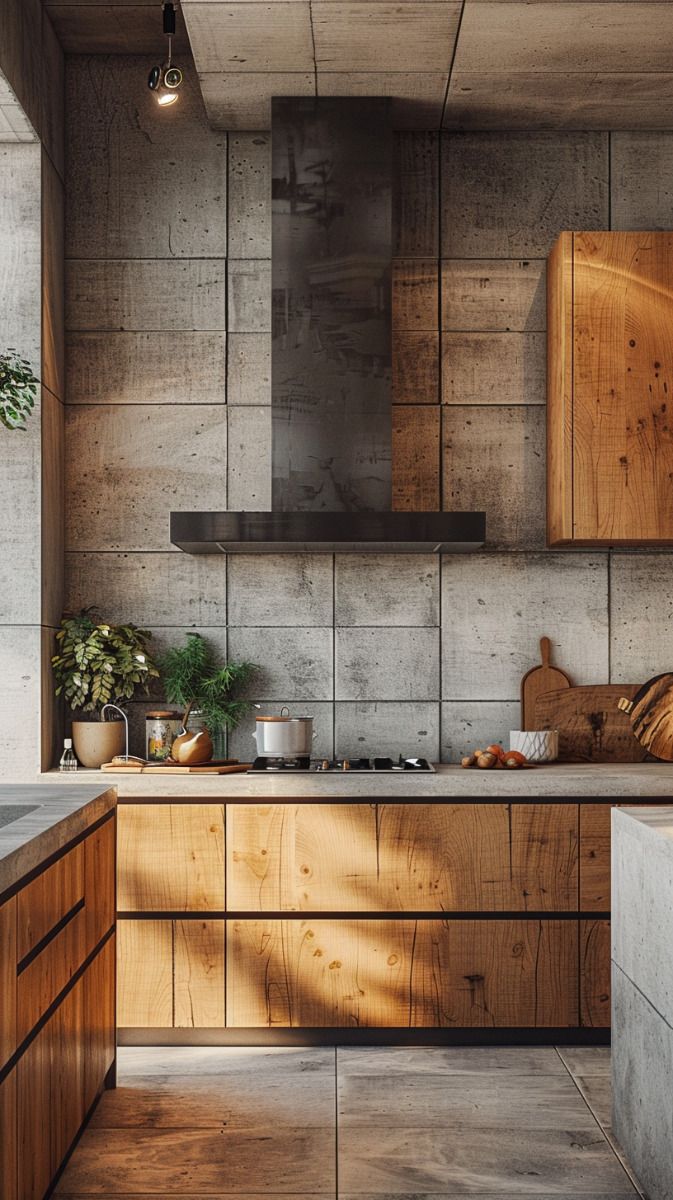
Material choices elevate modular design beyond utility. Natural wood, brushed metals, and matte finishes prevent a room from feeling industrial or impersonal. Modular furniture need not appear “assembled” or impromptu; thoughtful finishes and clean lines ensure cohesion. Texture plays a critical role—soft upholstery can warm steel frames, while wood panels can temper glass or lacquered surfaces. The result is a balance of pragmatism and aesthetics.
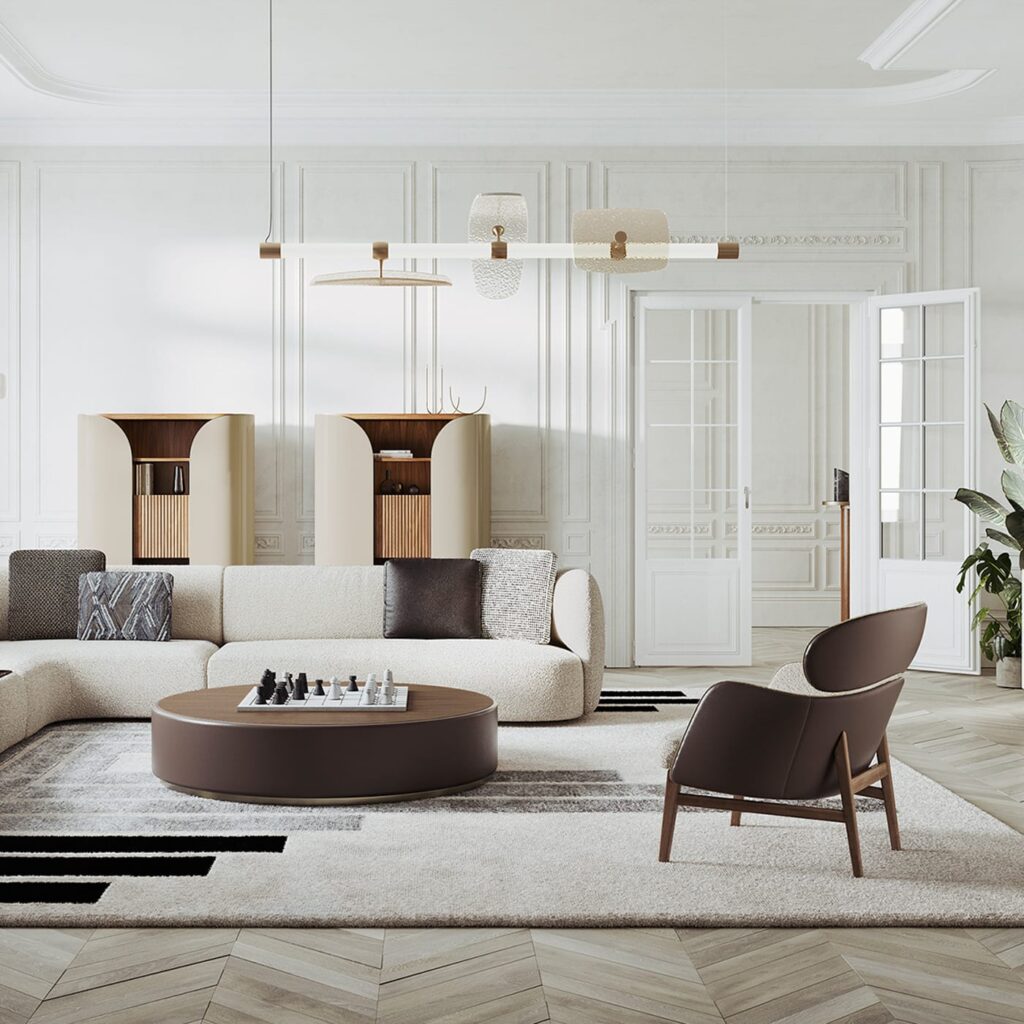
Scaling Spaces Intelligently
Small apartments, large lofts, open-plan living areas—they all benefit from modular thinking. Scale is no longer a limiting factor. A compact modular sofa can anchor a tiny studio without overwhelming it, while an expansive modular sectional can create conversation zones in a loft. Shelving and storage systems can be stacked vertically to maximize floor space or spread horizontally to delineate zones.
Scale, in modular furniture, is not dictated by the dimensions of a single piece but by the combination of units and the room’s rhythm. A well-planned modular layout acknowledges movement and perspective, allowing the eye to travel through the space naturally. Each piece has a role, but none dominates unnecessarily.
Personalization and Expression
Perhaps the most compelling aspect of modular furniture is its ability to reflect individuality. Unlike mass-produced static furniture, modular systems invite the inhabitant to become a co-designer. Swapping cushions, adding an extra shelving cube, or shifting units across the room is a form of personal expression. It’s not chaos—it is intentional play, guided by taste and need rather than arbitrary trends.
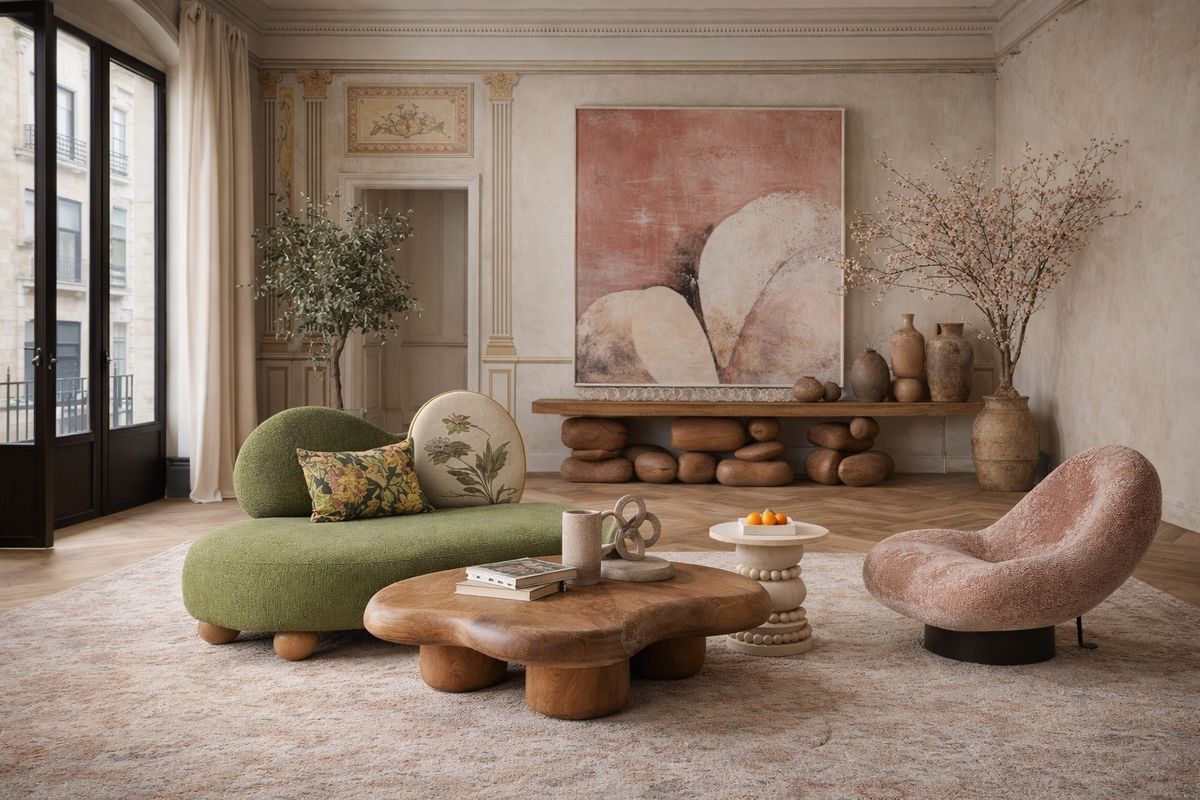
Color and texture are key tools. Neutral modular frames can serve as a canvas for bold cushions, throws, or art. Wood modules can carry patina that contrasts with sleek, modern upholstery. Accessories, lighting, and rugs can emphasize the modular system’s flexibility, transforming a neutral framework into a space that is unmistakably personal.
Function as Aesthetic
Modular furniture challenges the idea that function and beauty are separate. The very logic that allows a unit to transform, combine, or separate informs its visual appeal. A modular sofa isn’t just a seat—it is a sequence of shapes, a composition of color, texture, and geometry. A modular shelf isn’t merely storage—it is an evolving sculpture, capable of hosting objects while adapting to their weight, arrangement, and purpose.
There is elegance in restraint. Each component is designed to be visually coherent when isolated, and when combined, it creates a deliberate harmony. Modularity encourages consideration, forcing each addition or subtraction to feel meaningful. This is a kind of beauty that static furniture rarely achieves because it cannot respond to its environment in real time.
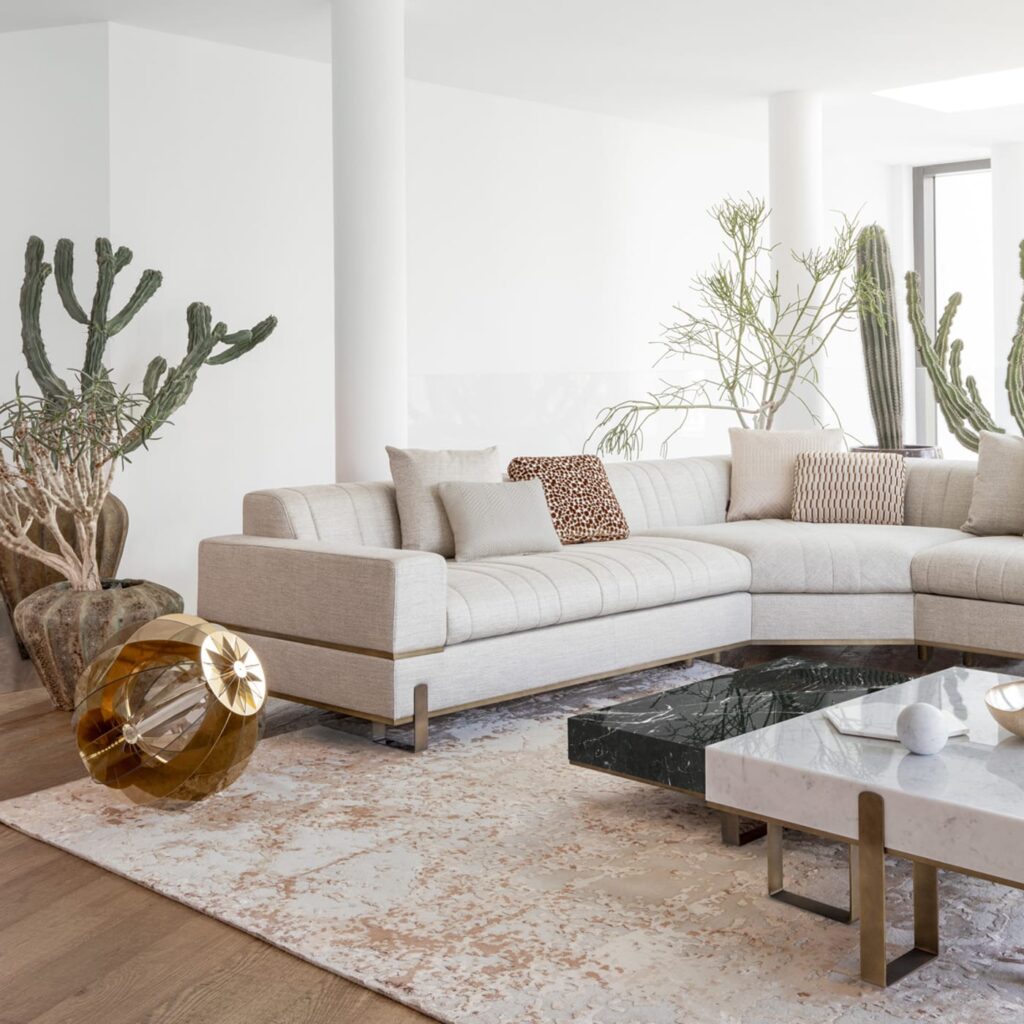
Layering Life with Modular Systems
Living in a modular space encourages layering, both physically and temporally. Pieces can be added as life evolves—a new shelving cube for a growing book collection, a modular ottoman converted into storage for toys, a sectional expanded for entertaining. Life leaves traces in the configuration of units, creating a record of use without clutter.
Layering also applies to design sensibility. Modular furniture can coexist with vintage or artisanal objects. A worn leather chair can sit beside a sleek modular sofa. A handcrafted vase can occupy a minimalistic shelf. The modular elements do not dominate; they provide structure and allow other objects’ histories to breathe.
Sustainability Through Modularity
Modular furniture is inherently sustainable. Components can be replaced individually rather than discarding an entire piece. Spaces evolve without necessitating a complete overhaul. This aligns with modern living’s growing emphasis on environmental responsibility. Each unit is an investment in longevity and adaptability.
Sustainability also manifests in spatial efficiency. Rooms with modular furniture reduce wasted space. Units that can shift, stack, or multi-task allow smaller homes to feel expansive and uncluttered. The furniture works with life rather than against it, supporting functionality without demanding sacrifice.
The Psychology of Adaptability
There is a psychological benefit to modular design. Spaces that can change with activity, mood, or need reduce friction in daily life. The ability to reconfigure furniture on a whim subtly reinforces a sense of control and freedom. A room that responds to its inhabitant feels alive, rather than staged.
This adaptability extends beyond individual rooms. Open-plan layouts, multi-use living areas, and small apartments all benefit from the invisible intelligence of modular furniture. The pieces orchestrate a dialogue between function, form, and human activity, allowing life to unfold naturally.
Investing in Modularity
Choosing modular furniture is not always the cheapest option. Quality units require foresight, precise design, and durable materials. But the long-term payoff is significant. Modular systems reduce the need for constant replacement, adapt to lifestyle changes, and can carry forward across multiple living spaces or design trends. They are furniture that grows, evolves, and persists without losing aesthetic integrity.
The investment is not merely financial—it is spatial, temporal, and psychological. Modular furniture rewards patience, attention, and creativity. It asks for thoughtful placement and care, and in return, provides versatility, coherence, and a kind of understated elegance that static furniture rarely achieves.
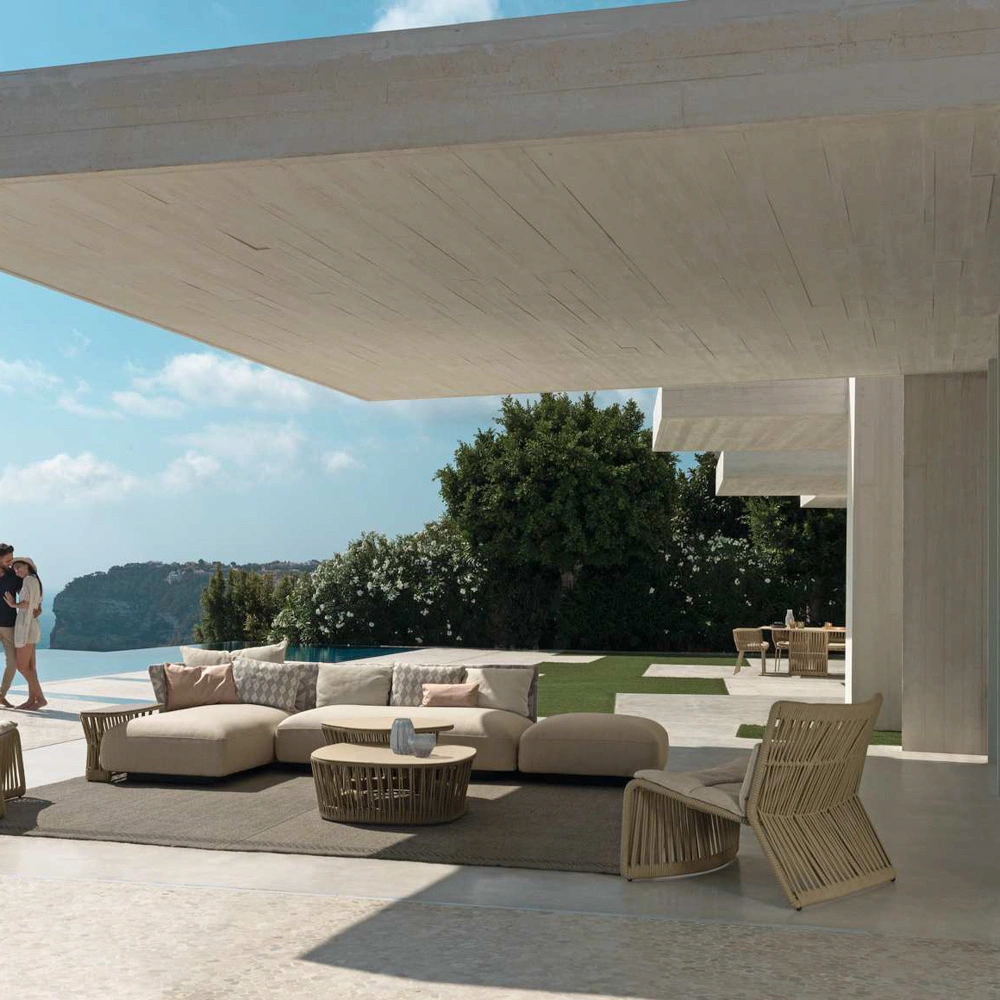
Conclusion Without Conclusion
Modular furniture is not a trend; it is a reflection of how contemporary life actually functions. It acknowledges flux, scale, and personality, offering spaces that breathe rather than demand conformity. It combines intelligence, aesthetics, and practicality in ways that rigid furniture cannot.
In the end, modular furniture is both infrastructure and expression. It allows spaces to host life, change over time, and adapt to necessity and whim. Its beauty is quiet, not instantaneous—felt more than proclaimed. Living around modular furniture is a reminder that design can be as dynamic as the lives it shelters.