By 2027, a new interior aesthetic has quietly settled in—Modern Nomadism. It isn’t about literal travel, though it borrows from the idea. It’s about living a globalized life without losing intimacy, cultural nuance, or authenticity. Interiors reference faraway textures, craft, and patterns, but carefully—never as gimmicks or superficial nods. They carry stories without shouting, hints without explanation. Spaces feel curated, layered, and alive.
The term itself is flexible, intentionally. A home can feel rooted while drawing subtle inspiration from distant cultures. Cosmopolitan, yet personal. Aspirational, yet lived-in. Modern Nomadism balances curiosity with comfort, discovery with familiarity.
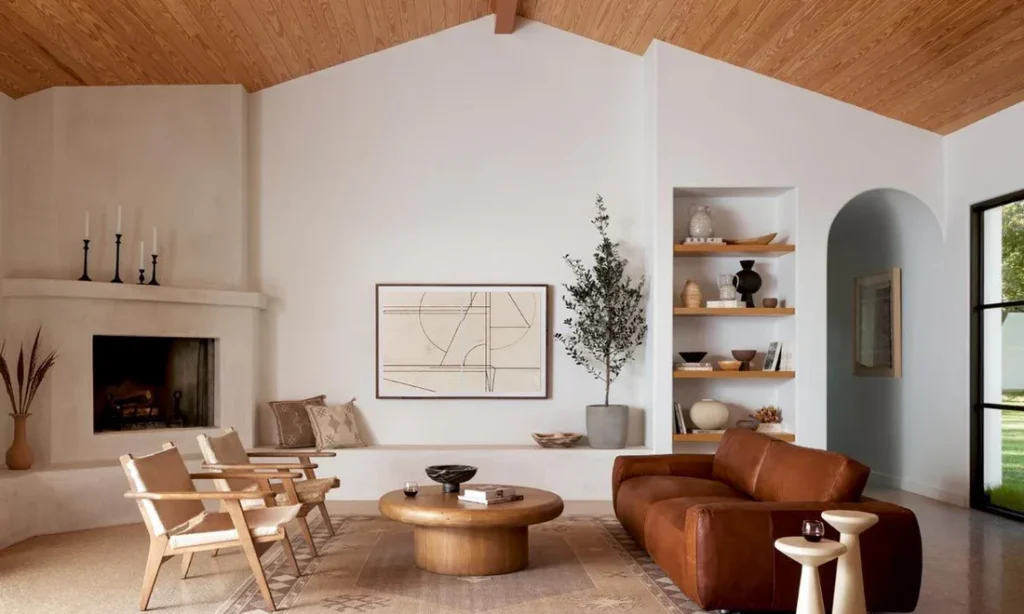
Japandi 2.0: Soft Minimalism
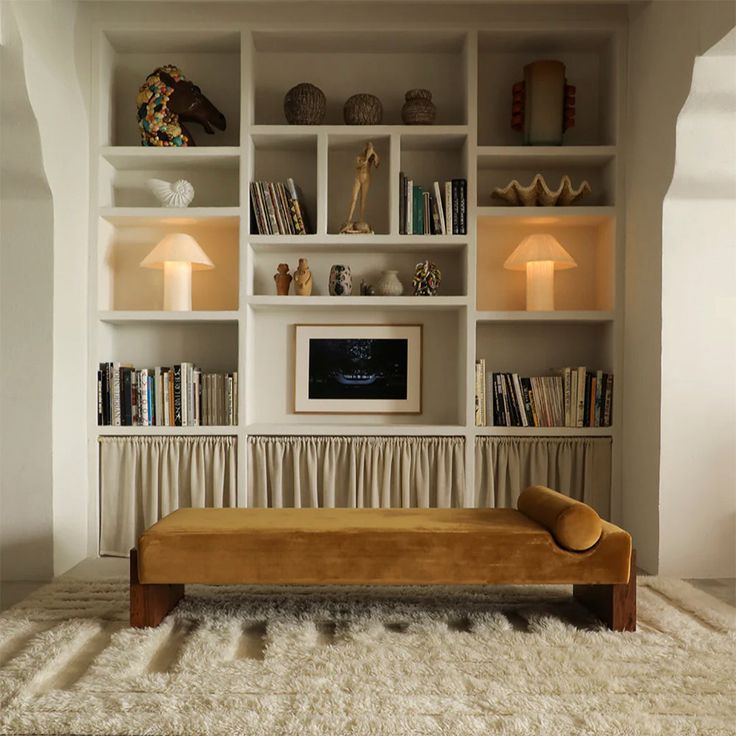
Japandi, the Japanese-Scandinavian hybrid, has evolved. By 2027, it’s warmer, softer, and embraces imperfection more openly. Furniture edges are rounded; wood grain is celebrated rather than concealed. Linen cushions, low wooden tables, and layered rugs soften clean lines.
It’s subtle, human. Neutral palettes, ochres, soft taupes—they calm, but also invite touch. Interiors feel lived-in without becoming cluttered. Japandi 2.0 still values restraint, but no longer feels austere. Scandinavian homes might incorporate Japanese joinery techniques with locally sourced timber, creating spaces that are quietly global, slightly imperfect, but harmonious.
Mediterranean Calm: Sun-Washed Simplicity
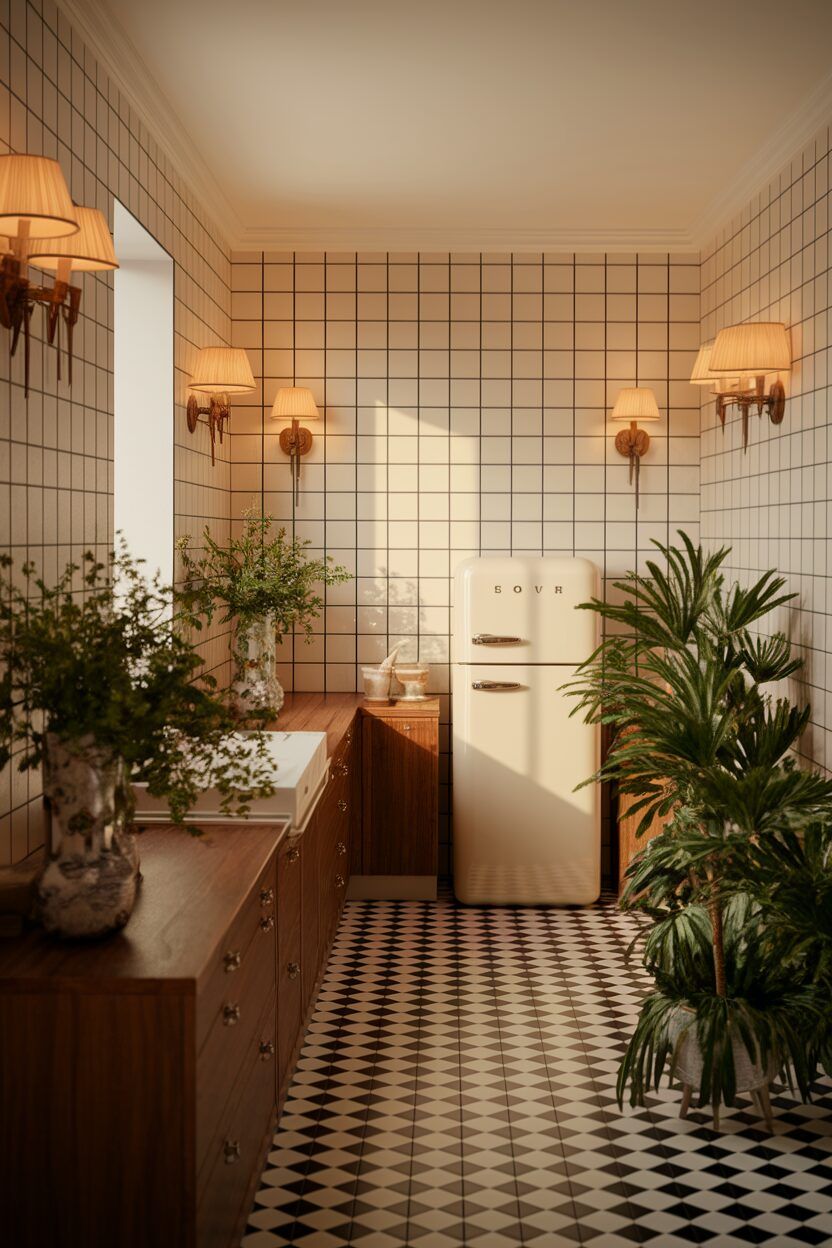
Mediterranean influences are having a resurgence, and not in a cliché way. Terracotta tiles, lime-washed walls, and handwoven textiles create surfaces that age gracefully. Roughness is welcomed. Sunlight interacts with textures, highlighting subtle imperfections, creating depth.
By 2027, Mediterranean Calm is understated. Terracotta floors are muted, lime walls softened. Textiles are chosen for weave and hand-feel rather than pattern. The palette—ochres, sand tones, muted blues—evokes sun-warmed stone, gentle skies, tactile warmth. It’s quiet, sensory luxury. You notice the space through touch as much as sight.
African Modernism: Pattern and Craft
African Modernism is bold, expressive, and rooted in artisanal craft. By 2027, geometric patterns, sun-baked colors, and handmade objects define interiors. But it’s controlled—energy without chaos.
Textiles, baskets, ceramics—they’re irregular, tactile, and human. Colors are used sparingly but effectively: burnt sienna, clay red, ochre, deep chocolate. Light catches surfaces differently, emphasizing texture over sheen. Interiors reference craft without copying it. Every object carries a subtle narrative, and the home feels layered, dynamic, and alive.
Nordic Naturalism: Light and Balance
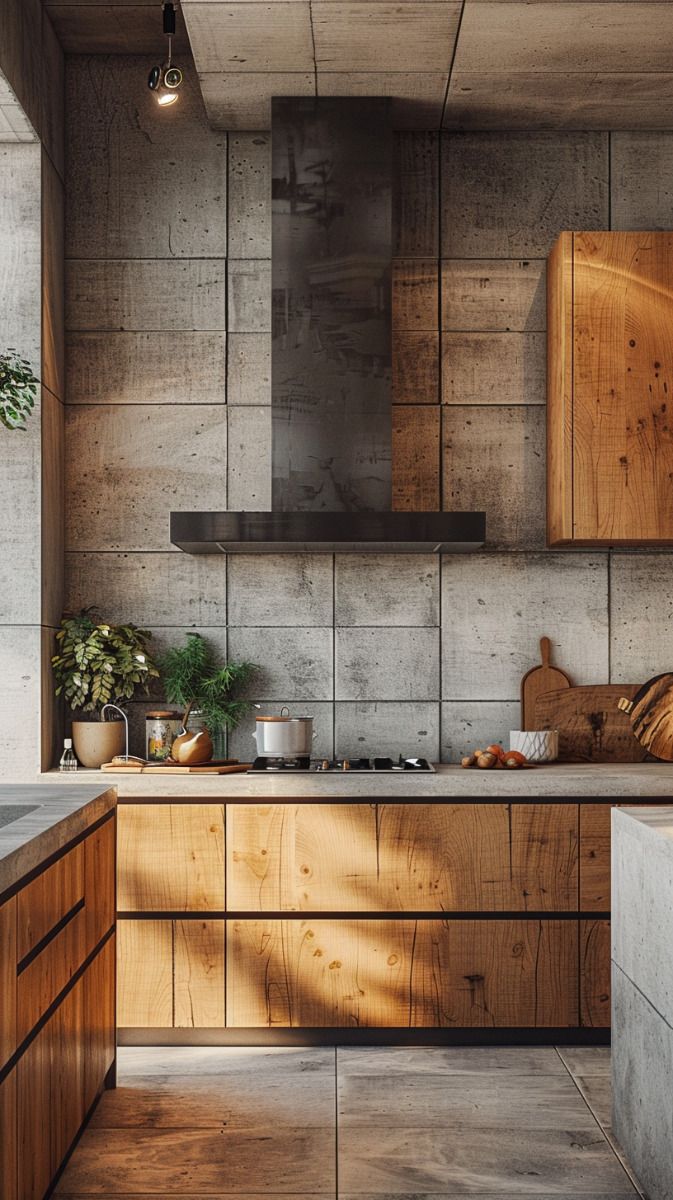
Nordic aesthetics remain a backbone but have softened. Nordic Naturalism in 2027 embraces light wood, minimal clutter, and cozy textiles. Blank spaces feel warm when paired with tactility—sheepskin rugs, linen throws, soft upholstery.
Within Modern Nomadism, Nordic elements stabilize bolder references. African textiles or Middle Eastern accents pop against pale oak floors. Calm is achieved through proportion, light, and texture. Spaces feel balanced, tactile, and intuitive rather than overly staged.
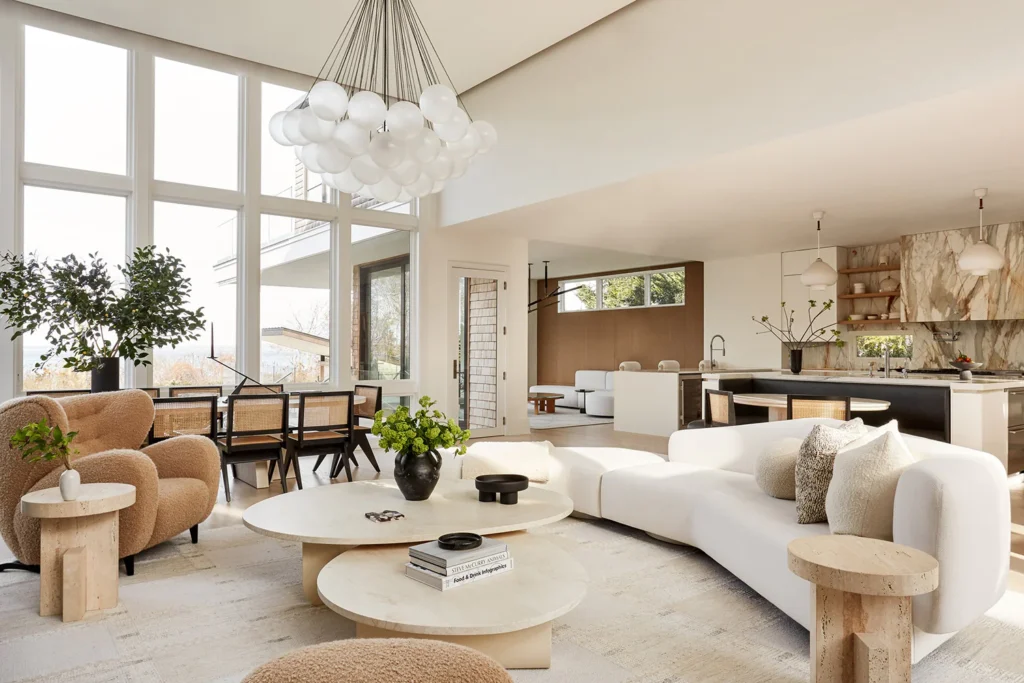
Middle Eastern Luxe: Jewel-Toned Restraint
Middle Eastern influences are luxurious but never excessive. Brass details, mosaics, and jewel tones—emerald, ruby, sapphire—are applied sparingly. A single statement element punctuates rather than dominates.
Texture is crucial. Brass interacts with soft textiles, mosaic meets carved wood. Lighting is warm, shadowed, intimate. Interiors feel global yet refined. Luxury is felt through materiality and craft rather than opulence. It’s a tactile richness that invites engagement.
Layering Cultures and Textures
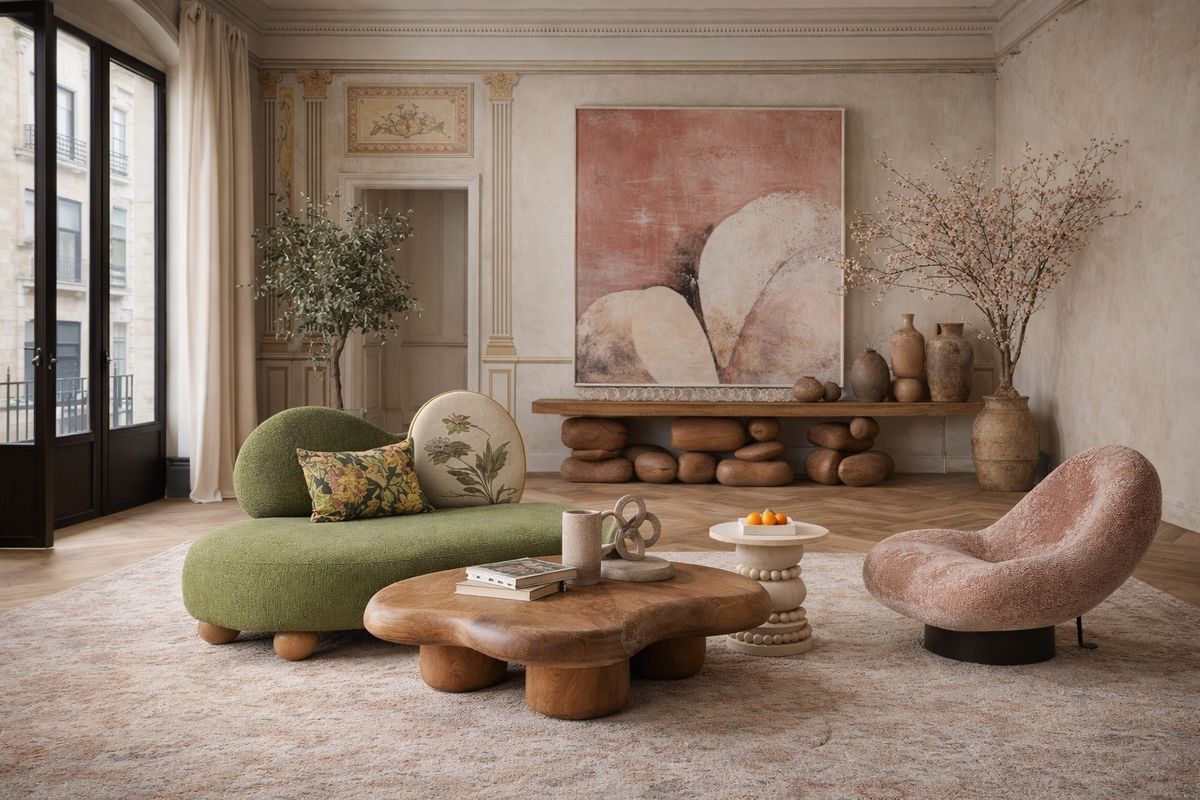
The secret of Modern Nomadism is layering. Japandi warmth, Mediterranean textures, African patterns, Nordic balance, and Middle Eastern luxury coexist—carefully, thoughtfully. Interiors feel global without feeling scattered, eclectic without appearing chaotic.
Layering extends beyond visuals. Linen, wool, woven fibers, polished wood, brass—they invite touch. Textures and colors interact. Spatial rhythm guides movement subtly. The home feels alive, tactile, lived-in, yet cohesive.
Emotional and Sensory Depth
This aesthetic isn’t only about appearance. Tactility, color, pattern, and material combine to affect mood and presence. Textiles invite touch. Floors respond underfoot. Light plays across surfaces, revealing texture. Interiors feel immersive, layered, and emotionally resonant.
Psychologically, this matters. Spaces that balance tactile engagement, cultural references, and light foster calm, focus, and grounding. The home feels alive, comforting, and connected. It communicates care and presence in ways that photographs never capture.
Adaptable, Human-Centered Interiors
Modern Nomadism also accommodates the way people live. Spaces are flexible. Furniture can shift. Textiles rotate. Lighting can be adjusted. Living, working, socializing—all happen without compromise. Cultural references coexist with practical needs, and tactility ensures comfort.
It’s lived-in sophistication. Surfaces tolerate interaction. Rugs and cushions invite touch. Spaces feel personal yet worldly, curated yet comfortably habitable.
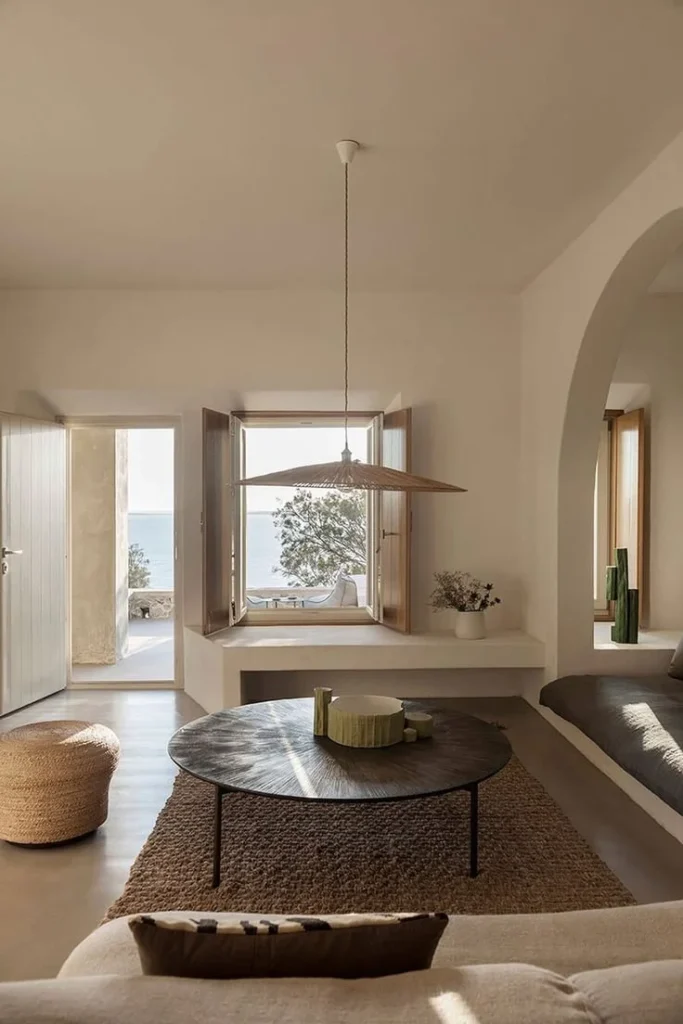
Craft, Story, and Imperfection
At its heart, Modern Nomadism celebrates craft. Materials are chosen for origin, technique, and imperfection. Woven rugs, carved wood, terracotta, brass—these aren’t just decorative, they are storytellers.
Every piece contributes context. Brass lamps nod to Middle Eastern motifs. African rugs reference traditional weaving. Linen cushions echo Japandi restraint. Layering is tactile and narrative. Stories are felt as much as seen.
Imperfect finishes are embraced—rough edges, subtle variations, irregular patterns. These elements make interiors feel authentic, human, and memorable.
Living With Modern Nomadism
Daily life in these interiors is tactile, layered, and calm. Linen curtains filter light, wool throws invite touch. Terracotta floors, brass details, patterned textiles—all add sensory richness. Spaces feel expansive, yet intimate.
The aesthetic encourages awareness—of material, light, texture—without demanding focus. You notice subtleties without thinking. Homes feel alive, personal, and slightly unpredictable in a comforting way.
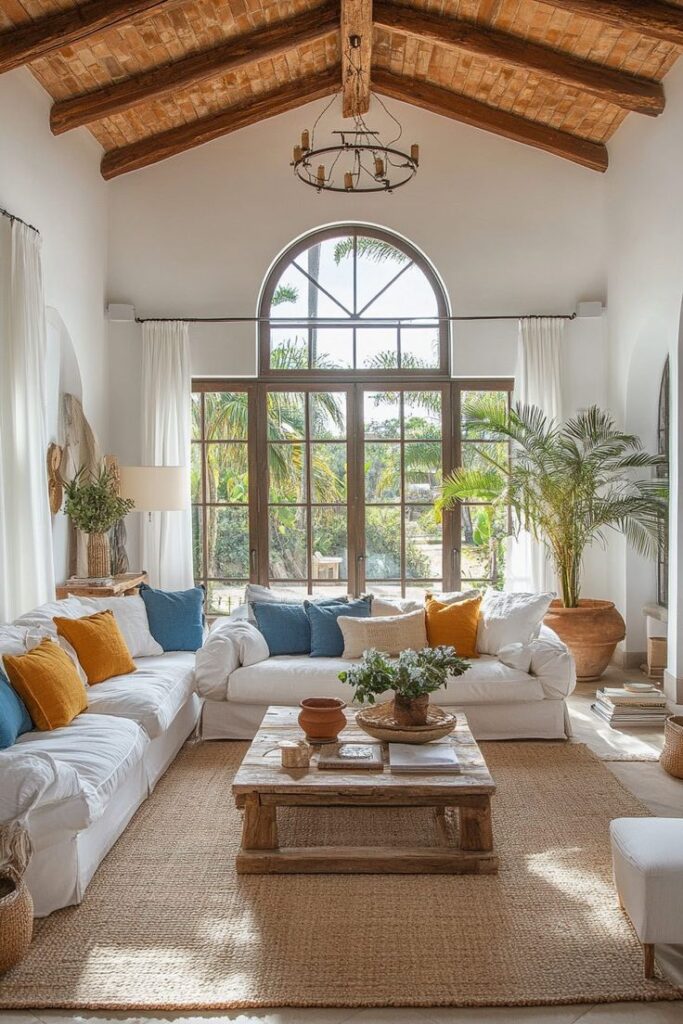
Aesthetic for a Globalized Era
By 2027, Modern Nomadism is less a trend, more a philosophy. Interiors honor origin and craft while blending with contemporary life. They are tactile, layered, expressive, yet restrained.
Homes feel worldly but intimate. Eclectic but coherent. Spaces are curated, lived-in, layered, and emotionally resonant. Modern Nomadism allows global references to exist without overshadowing comfort, authenticity, or human experience. It’s an aesthetic for a life that moves, connects, and belongs everywhere while still feeling like home.