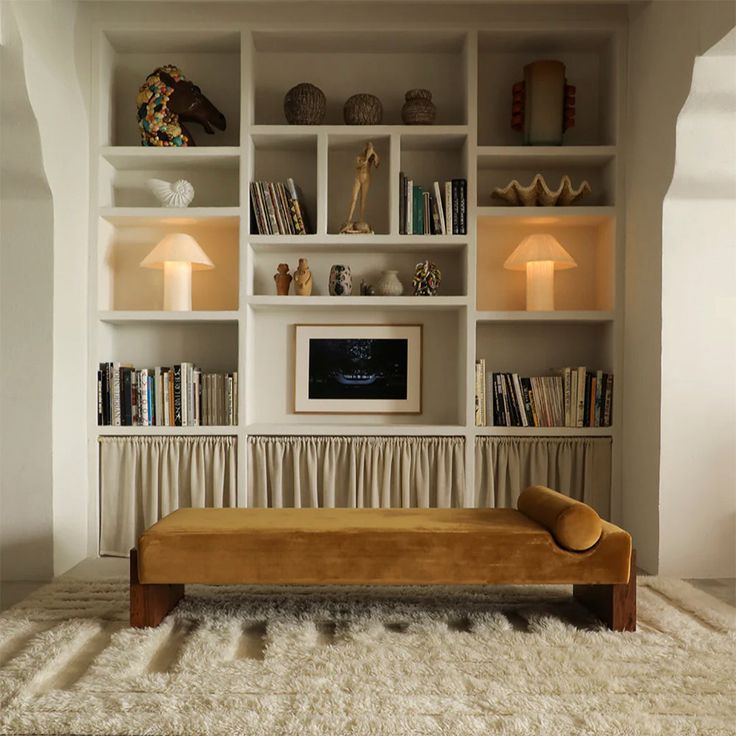
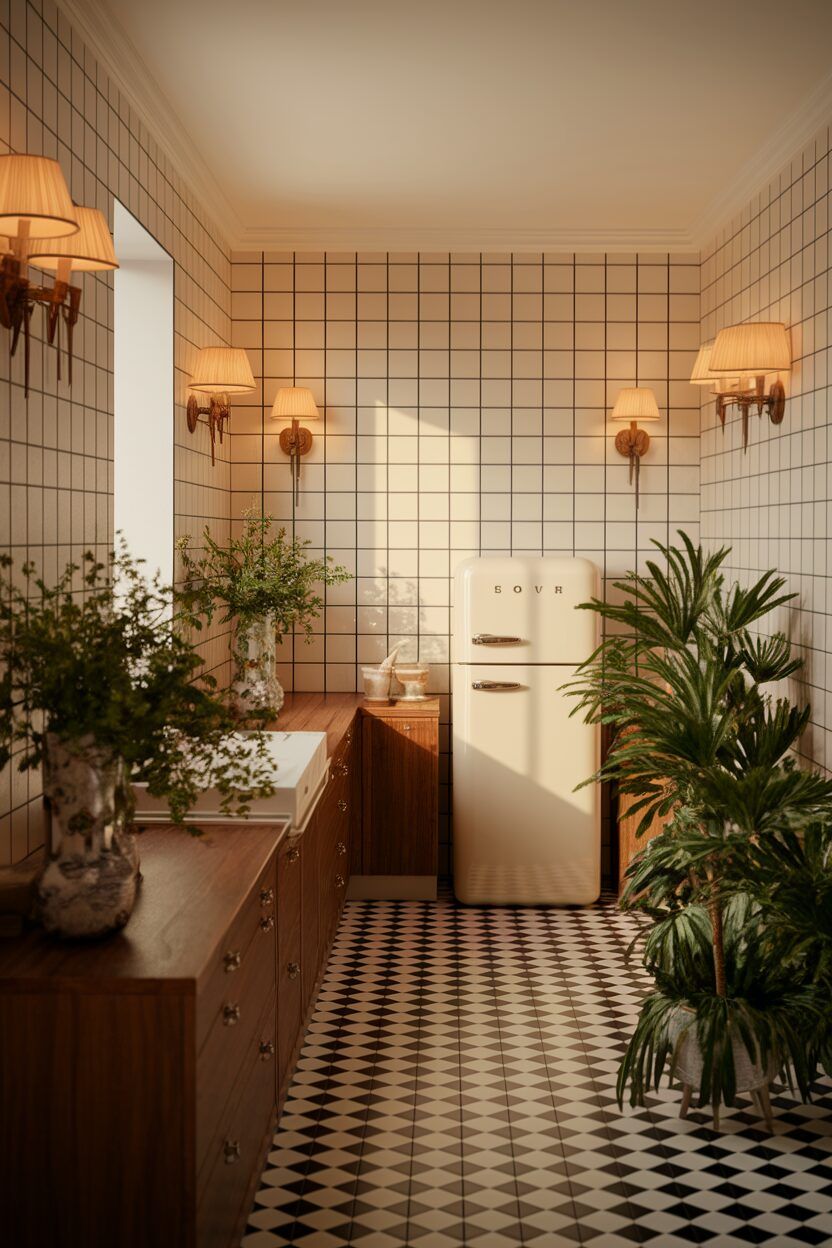
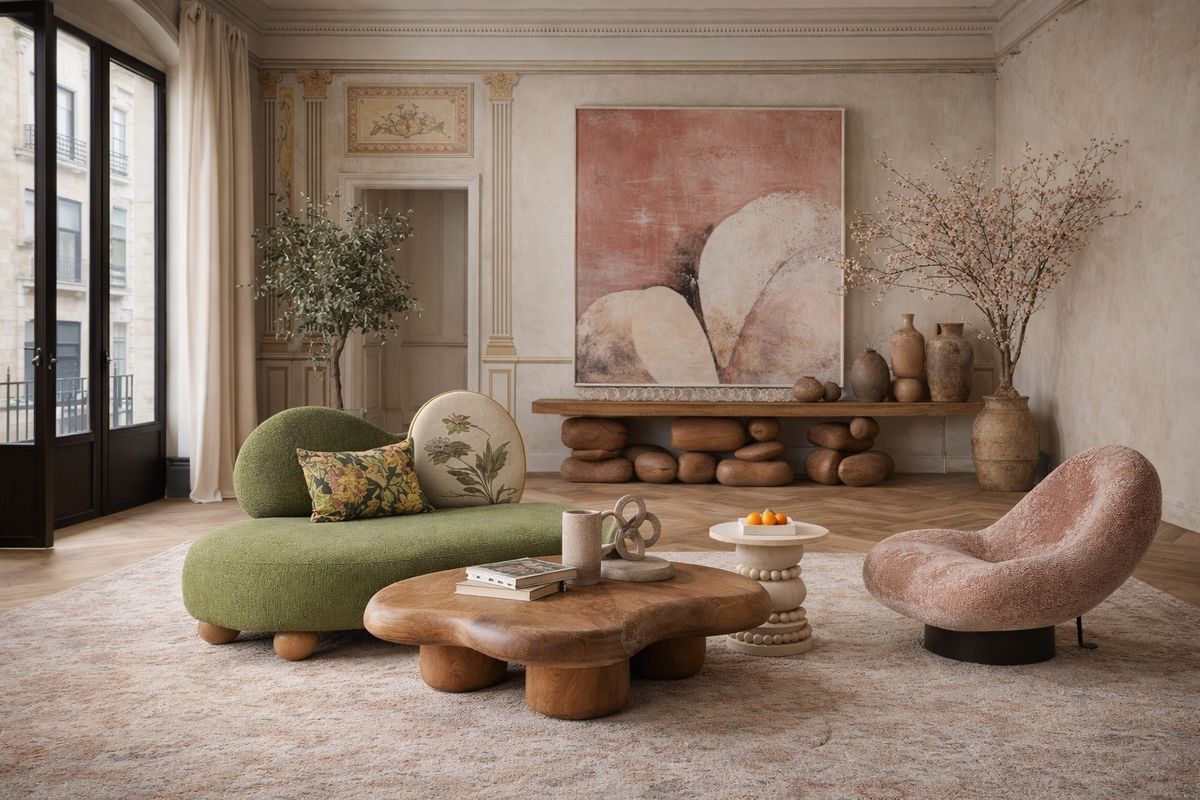
There’s a particular kind of restraint that shows up in houses near horses. Not rustic, not themed, not trying to cosplay the ranch life. It’s quieter than that. More assured. In places like Hidden Hills or the equestrian pockets of Los Angeles, interiors often carry an unspoken confidence: nothing is decorative without purpose, nothing is precious without reason. The look sometimes gets labeled “modern equestrian,” but that undersells it. What’s really happening is a conversation between discipline and comfort, between materials that wear well and spaces that expect to be lived in.
This isn’t farmhouse. It isn’t Western. It’s not about antlers on the wall or shiplap everywhere. It’s about leather that softens with use, wood that darkens over time, and rooms that feel composed with custom high-end furniture without feeling staged. A sophisticated ranch isn’t nostalgic. It’s practical, grounded, and slightly austere in the best way.
Leather as Architecture
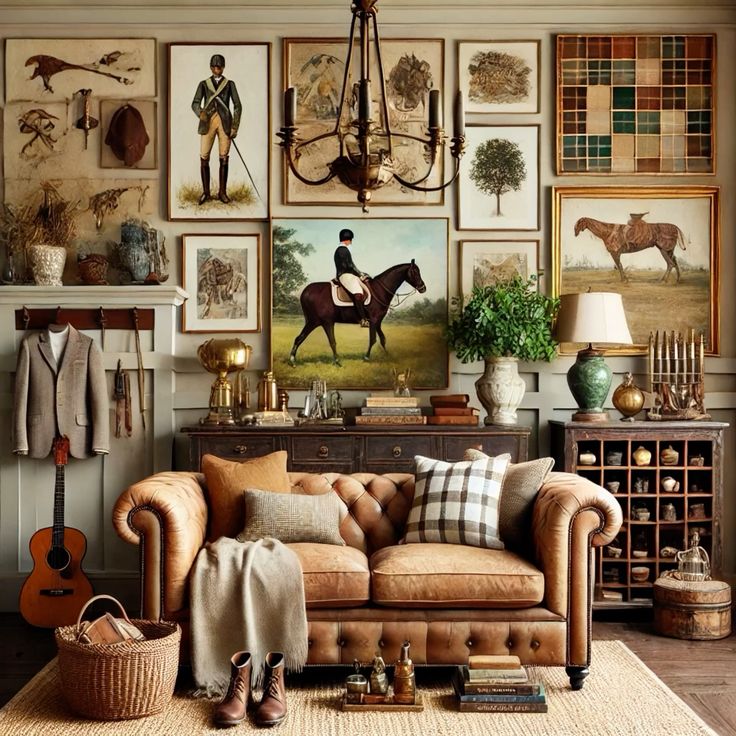
Leather is often treated as an accent—an ottoman here, a dining chair there. In equestrian-inspired interiors, it plays a more structural role. Large leather sofas anchor living rooms. Club chairs sit heavy and low, almost architectural in their presence. The material isn’t shiny or overly polished. It’s matte, thick, slightly imperfect. You can tell when it’s good because it doesn’t ask for attention; it absorbs it.
There’s something honest about leather in these spaces. It’s durable without being utilitarian, refined without feeling fragile. It belongs in rooms that expect mud on boots and sun through open doors. Leather also has a way of grounding lighter architectural elements. A modern plaster wall or a steel-framed window feels warmer when paired with a deep brown or saddle-toned sofa.
What matters is restraint. Too much leather and the room turns heavy, almost clubby. The balance comes from contrast—linen curtains, stone floors, wool rugs. Leather works best when it’s allowed to be the darkest note in the room, not the loudest.
Dark Wood and the Weight of Time
Light wood dominated interiors for years, and for good reason. It opened rooms up, made spaces feel casual, contemporary. Dark wood does something else entirely. It adds gravity. It slows the room down.
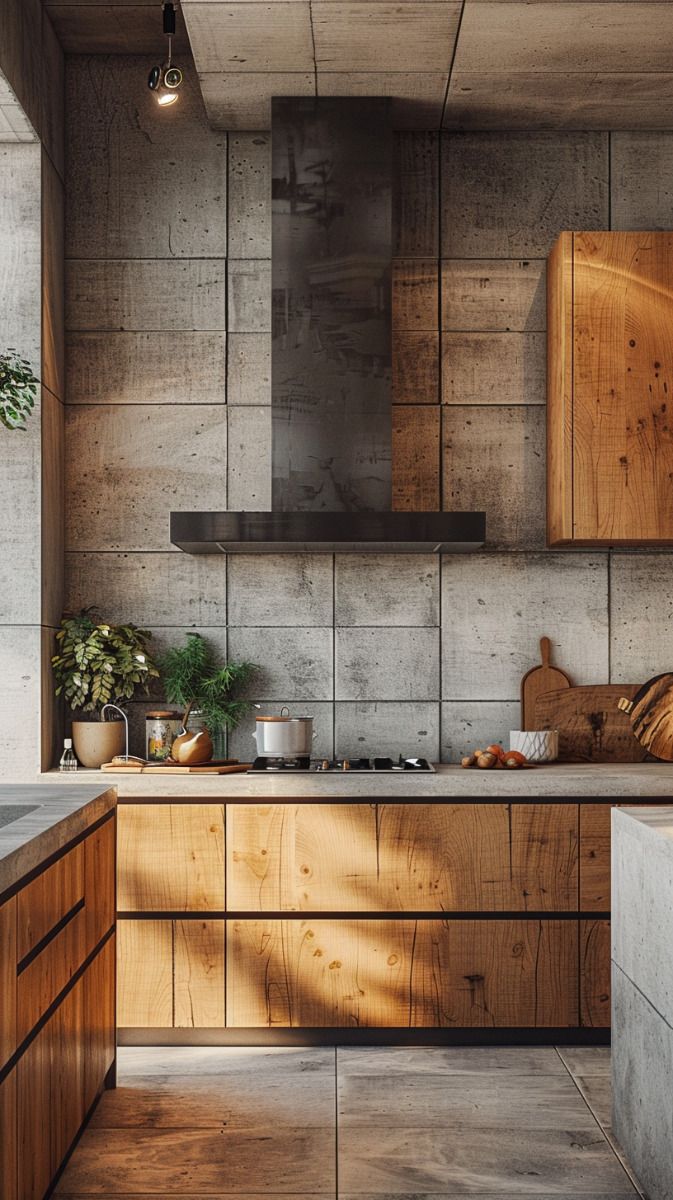
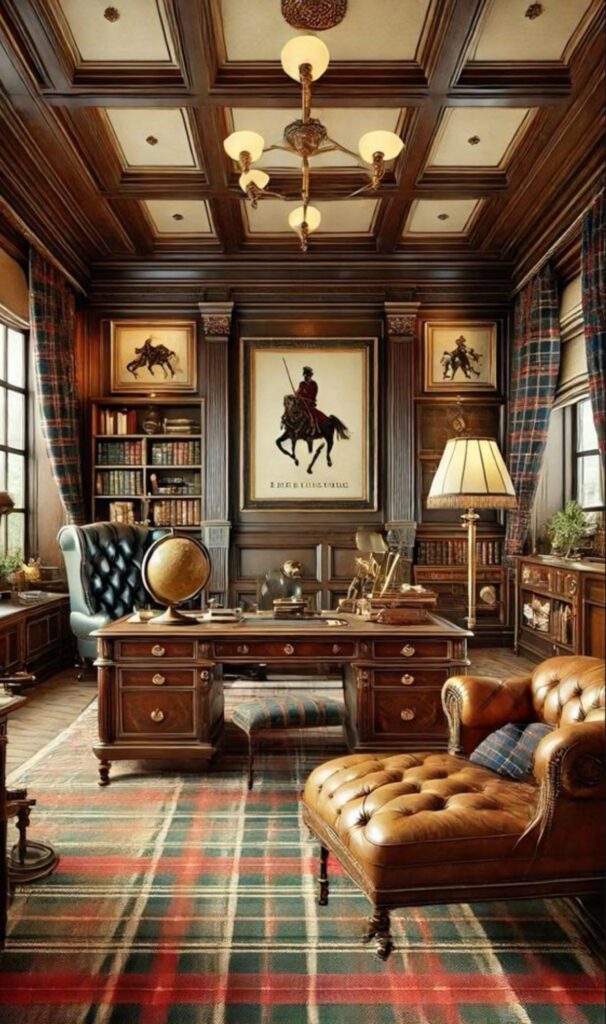
In a modern equestrian interior, dark wood shows up in beams, floors, cabinetry, and substantial furniture. Walnut, stained oak, even ebonized finishes. These surfaces don’t reflect light; they absorb it. They make rooms feel quieter, more intentional. The effect is subtle but powerful, especially in homes with generous natural light.
Dark wood also carries a sense of permanence. It feels built, not installed. A dark wood dining table doesn’t feel temporary. It suggests meals, gatherings, repetition. The kind of furniture that stays when trends move on.
What’s crucial is avoiding uniformity. Different tones, grains, and finishes should coexist. Perfect matching reads as decorative. Variation reads as real.
Clean Lines, Not Rustic Tropes
The sophisticated ranch aesthetic relies on editing. The temptation to lean into rustic clichés is strong, especially in equestrian settings. But the most compelling interiors resist it. Instead of barn doors, there are flush panels. Instead of distressed finishes, there’s quiet patina. Instead of decorative hardware, there’s precision.
Modern lines keep the space from slipping into theme. A leather chair with a clean silhouette feels current. A wood console with minimal detailing lets the material speak. The architecture does more of the work, which allows the furniture to relax into its role.
This balance is especially important in Los Angeles, where light and landscape already do so much. Overdesigning fights the environment. The best spaces here feel like they’re responding to the terrain, not decorating over it.
Color That Lives in the Shadows
Modern equestrian interiors tend to favor darker, richer palettes—but not in a dramatic way. Think deep browns, charcoal, ink, olive, and muted clay. These colors don’t shout. They sit back. They work best when layered, not contrasted sharply.
White still plays a role, but it’s warmer, softer. Rarely bright. It exists to give breathing room, not to dominate. Stone and plaster often replace paint entirely, allowing texture to do the work instead of color.
This palette feels especially right in equestrian settings because it mirrors the environment—earth, leather, dust, shade. It doesn’t compete with the view outside. It complements it.
Furniture That Assumes Use
A sophisticated ranch interior assumes that people will sit, lean, rest their feet, stay awhile. Furniture reflects that assumption. Sofas are deep. Chairs are substantial. Tables are heavy enough to stay put.
There’s no anxiety about wear. In fact, wear is part of the appeal. A leather armrest that darkens where hands rest. A wood table with softened edges. These marks don’t detract from the space; they complete it.
Modern performance materials quietly support this lifestyle. Leather that resists cracking. Fabrics that handle sun exposure. Wood finishes that can be refinished rather than replaced. Nothing announces its durability, but everything relies on it.
Indoor-Outdoor Without Literal Translation
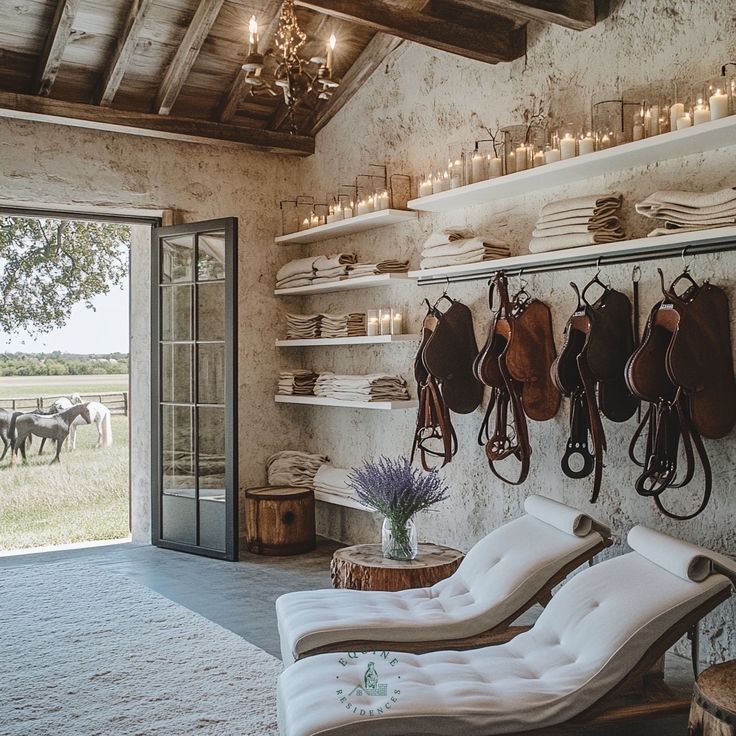
In equestrian areas, the boundary between inside and outside is porous. Doors stay open. Mudrooms get used. Furniture moves. The interiors that succeed don’t try to bring the outdoors inside literally. They echo it.
Stone floors continue from exterior patios. Dark wood beams align with outdoor pergolas. Leather tones reflect saddle leather without imitating it. The connection feels natural rather than thematic.
This approach avoids the trap of “ranch décor.” There’s no need for horseshoes on the wall when the view already includes horses.
A Different Kind of Luxury
What defines this style as luxurious isn’t cost or rarity. It’s confidence. The rooms don’t overexplain themselves. They don’t chase novelty. They feel settled, even when newly finished.
This kind of luxury appeals to people who value longevity over statement. Homes that can handle guests, animals, dust, sunlight. Spaces that feel composed even when not perfectly tidy.
In Hidden Hills and similar enclaves, this sensibility makes sense. These are homes where life happens at a slightly different pace. Where mornings start early, afternoons stretch long, and evenings gather around a table rather than a screen.
Letting the House Breathe
Perhaps the most important element of modern equestrian elegance is space. Not emptiness, but breathing room. Furniture isn’t crowded. Objects aren’t over-layered. The room trusts its materials enough to let them stand on their own.
This restraint is what separates sophistication from styling. When leather, wood, stone, and light are chosen well, they don’t need embellishment. They just need to be allowed to exist.
The result is a home that feels grounded, capable, and quietly elegant. Not decorative ranch, not minimalist modern—but something more lived-in, more assured. A place where the materials do the talking, and the design stays out of the way.