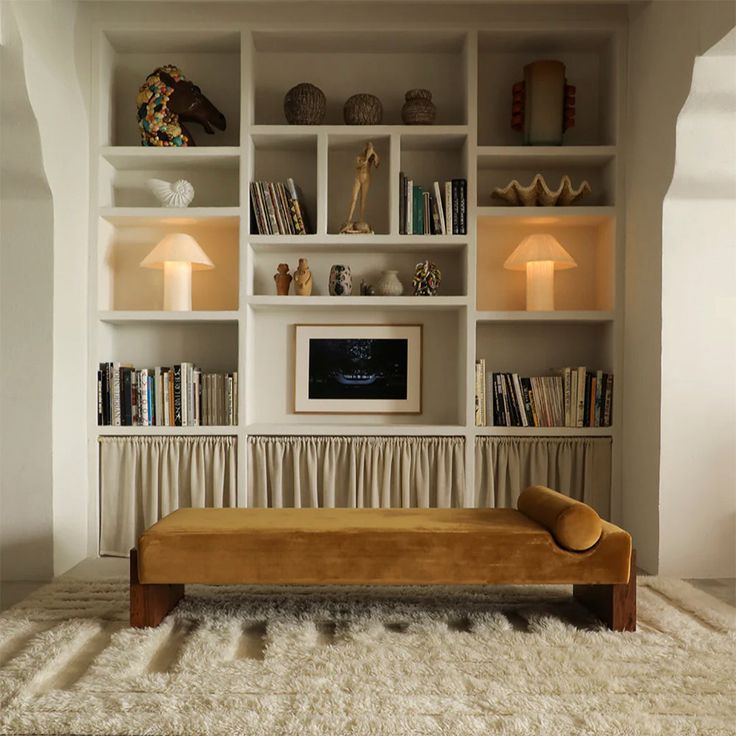
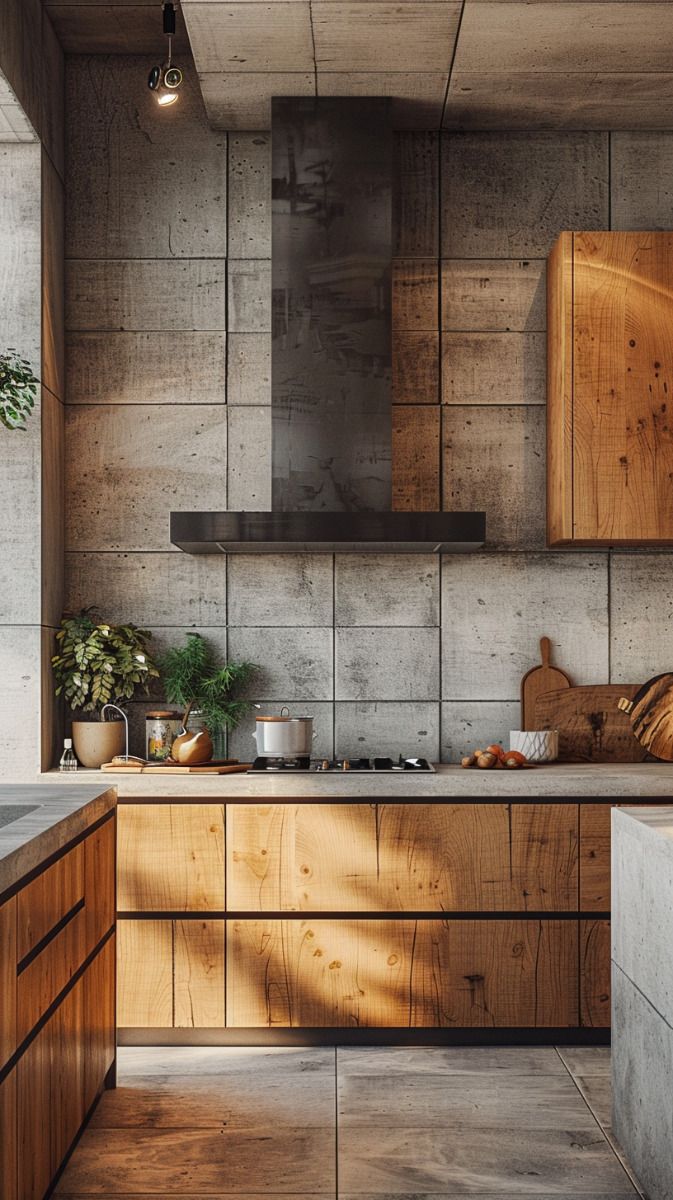
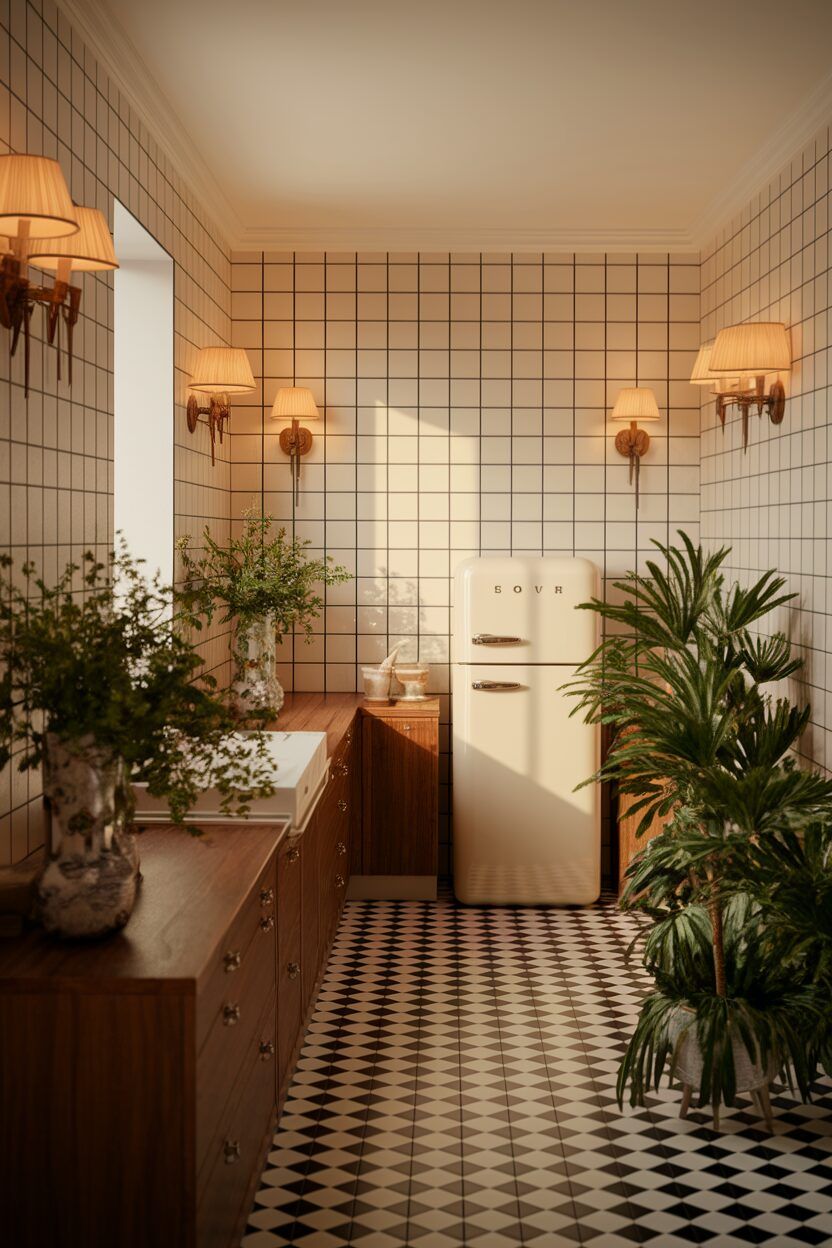
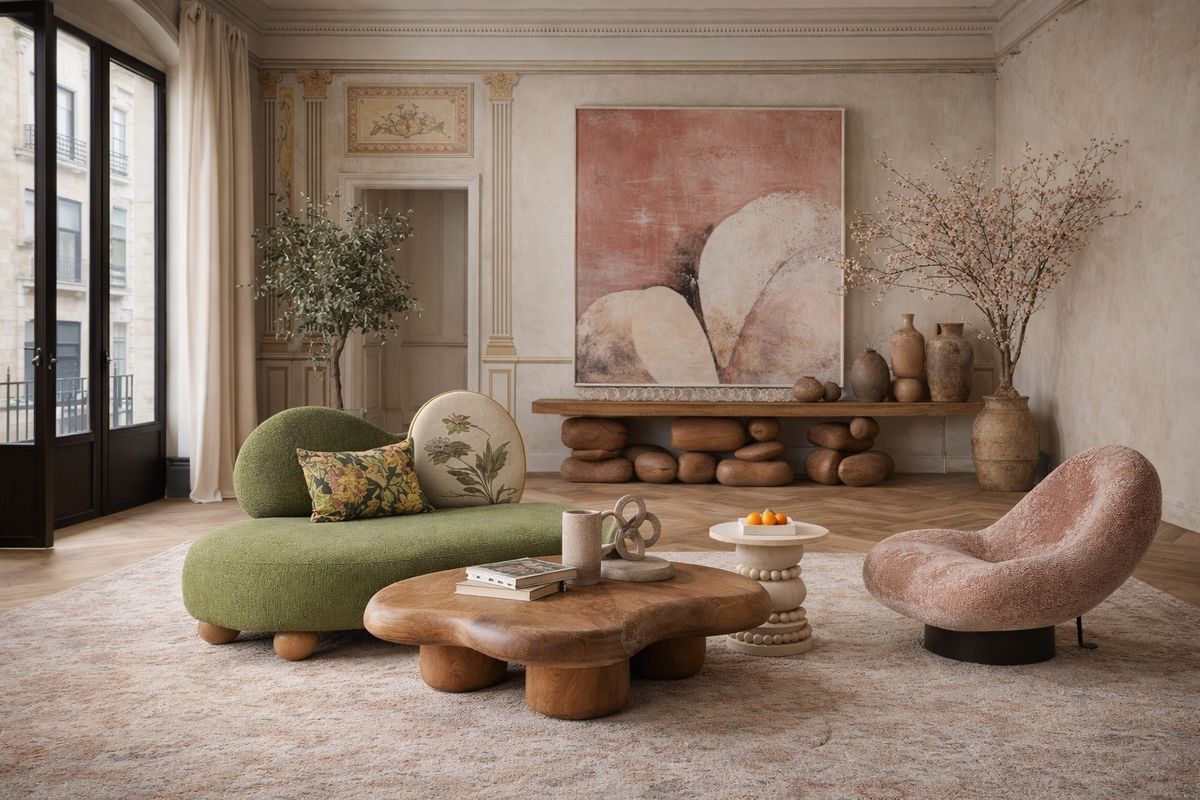
There was a time when rooms were almost religious about uniformity. Oak with oak. Walnut with walnut. Everything matched. It felt safe. Cohesive. Predictable. But now, walking into a space where blonde pine meets dark mahogany, or cherry sits next to bleached oak, it hits differently. There’s a tension, subtle but present. Alive. The room feels layered, even accidental, but in a good way. That’s the effect of mixing wood tones—letting different species, shades, and grains share a room without forcing them into a single palette.
Wood is tricky. People fuss over undertones, stain comparisons, and finish sheen. But mostly, it’s about rhythm, proportion, and giving the eye something to follow. Contrast, texture, balance. The rest is secondary. Done right, mixing wood tones brings a space to life in ways a uniform palette neve can.
Conversation Between Woods
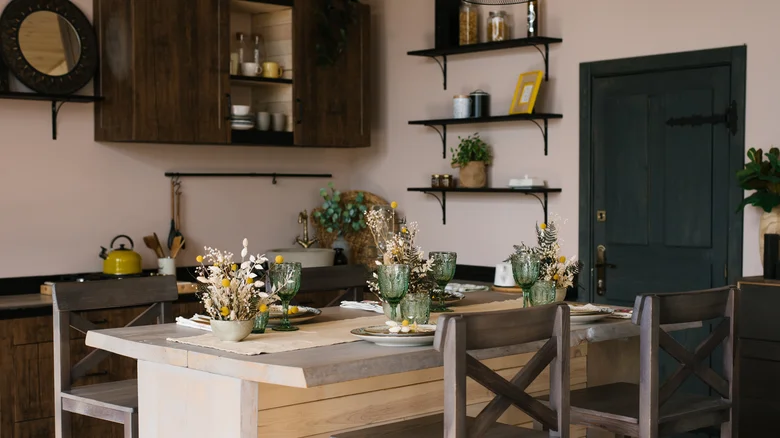
Take a walnut sideboard. Place a maple chair nearby. At first glance, it might seem mismatched. But then the walnut frames the lighter maple. Suddenly, the space isn’t flat anymore. It breathes. There’s a dialogue.
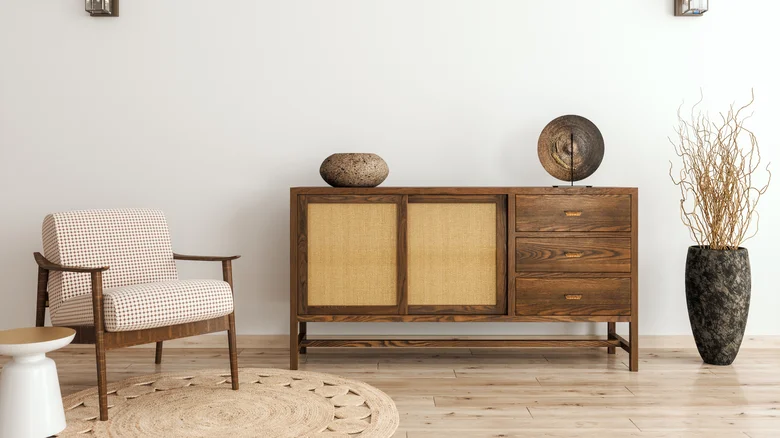
Same goes for flooring. White oak floors with a mid-century teak credenza suddenly tell a story: soft meets dense, old meets new. When mixing wood tones is done well, the room feels intentional, alive, self-aware. Not overly curated.
Avoiding the Patchwork Trap
Randomly throwing wood tones together is a trap. Without repetition, without scale, the eye gets confused. One warm wood echoed in a tabletop, a dark tone repeated in an accent piece—these little callbacks give the room rhythm.
Even extreme mixes can work. Bleached oak floors, walnut shelving, cherry desks, maple consoles, teak chairs. On paper, chaos. In reality, it can sing—if every tone has its place and references another somewhere. Balance, scale, moderation.
Undertones Matter
Undertones are everything. Warm? Cool? Red? Yellow? Olive? A lot rides on this. Two woods of the same darkness can fight if the undertones clash. Rosewood next to golden oak, for example. On paper, fine. In the room, not so much.
Other materials help. Rugs, upholstery, even lighting can bridge differences. Sometimes a combination that seems off in the daylight suddenly works once shadows, reflections, and textures enter the equation.
Texture as a Layer
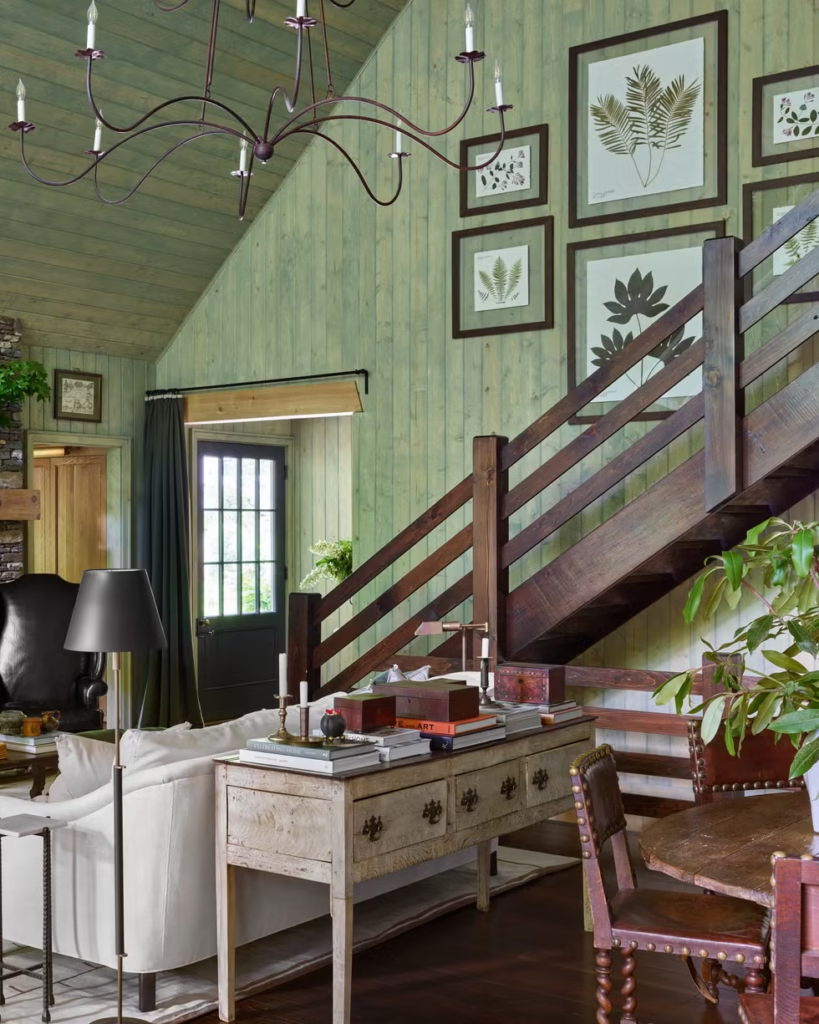
Color isn’t the only player. Texture matters. Rough, hand-hewn wood against polished veneers adds depth. Antique pine sideboard plus lacquered walnut table. History meets design. Labor, craft, intentionality.
Smooth highlights rough. Matte emphasizes gloss. Grain patterns punctuate. Even if subtle, the brain notices. Spaces layered like this feel rich, real.
Scaling for Impact
Scale plays a big role. A tiny dark table next to a large light-wood dining table grounds without weighing. A large dark piece can dominate if paired with multiple lighter tones. Balance matters.
Rooms fail when mid-sized pieces all compete for attention. One dominant tone, one accent, one support—that’s enough. Suddenly, the combinations feel natural, like they’ve always been that way.
Wood with Other Materials
Wood isn’t alone. Metal, stone, fabric, glass—they all influence perception. Brass hardware warms mahogany. Marble tabletop balances light and dark wood. Glass or ceramic offers the eye a rest between conflicting tones.
Each plank, grain, finish—it’s a syllable. Layered together thoughtfully, it’s poetry. Rhythm without effort, narrative without words.
Emotional Resonance
Different woods evoke feelings. Dark tones—grounded, protective, serious. Light tones—airy, optimistic, playful. Combining them choreographs mood along with aesthetics. Oak cabinets and walnut islands, for instance: grounded, warm, dynamic.
The room tells a story without words. Each wood has a voice, contributing to the overall narrative. Lived-in, layered, intentional.
Imperfection is Good
Tiny variations, chips, unexpected stains—they aren’t mistakes. They give character. Perfection is flat. Imperfection adds life.
The best spaces embrace subtle tension. Rhythm, echo, dialogue. Not everything needs to match exactly. Sometimes, the smallest variation makes the space feel deliberate and human.
Contemporary Context
Modern design has picked this up, but subtly. Scandinavian spaces often mix pale ash and dark walnut. Mid-century modern often juxtaposes teak, oak, rosewood. Minimal spaces benefit too—light and dark wood together adds depth.
It’s never about excess. One or two dominant tones, a few supporting accents. Shadows and light reveal layers. Spaces read as intentional, not forced.
Wood as Story
Every plank carries history. Dark wood, decades old. Light wood, fresh. Combined, they tell a narrative. Old and new. Dense and soft. Smooth and rough.
Mixed wood tones create tension and harmony at once. They feel curated without being trendy. Rooms layered like this communicate quietly, clearly, without explanation.
The effect is subtle but unmistakable. The eye notices. The space feels alive, nuanced, and real. Lived-in. Intentional. Timeless.