There is a distinct moment of panic that every owner of luxury furniture knows well—the split second after a drop of Pinot Noir hits the Belgian linen, or when you notice a shadow of denim dye transferring onto your cloud-white leather. In that instant, the question becomes unavoidable: how to clean luxury sofa without compromising its materials, craftsmanship, or longevity.
In the world of high-end interiors, we are often sold the romance of the material—the buttery hand of aniline leather, the multidimensional depth of mohair velvet—but rarely are we handed the manual on how to live with it. The result is a low-level anxiety that turns your living room into a museum exhibit rather than a sanctuary.
True luxury, however, is not fragile. It is resilient. The finest hotels in Paris and the most exclusive clubs in Mayfair are filled with these same materials, yet they remain impeccable. The secret isn’t magic; it is methodology.
This handbook bridges the gap between showroom perfection and real life, offering the museum-grade techniques professionals use to maintain the integrity of your investment, teaching how to clean luxury sofa.
The Toolkit: What the Pros Use
Before you touch your sofa, you must purge your cleaning cabinet of supermarket solutions. Most generic upholstery cleaners are too alkaline for natural fibers, leading to chemical burns or water rings.
The Gentleman’s Kit in How to Clean Luxury Sofa:
- Distilled Water: Never use tap water. The minerals (calcium and magnesium) in tap water are what cause those brown “water rings” after drying.
- Horsehair Brush: Essential for leather. Plastic bristles are microscopic razors to fine hides.
- The Gleener or Velvet Brush: For lifting dust without crushing the pile.
- White Microfiber Cloths: Dyed cloths can bleed color onto your sofa when wet.
- Cheesecloth: For vacuuming (more on this later).
1. Velvet: The Art of “Lifting”
Velvet is often feared as high-maintenance, but it is actually one of the most durable fabrics historically used in royalty. The issue is rarely the fabric itself, but the “crush.”
The “Bruise” vs. The Stain
If your velvet looks patchy, it is likely not dirty; the pile is simply crushed. This is called “bruising.”
- The Steam Release: Use a handheld steamer (or an iron held 6 inches away) to gently steam the area. Never touch the hot metal to the fabric. The steam relaxes the fibers.
- The Brushing Technique: While the velvet is slightly damp from steam, use a soft-bristle velvet brush to brush the pile up and against the grain. This lifts the fibers back to attention.
The Spill Strategy
Liquid sits on top of velvet for a few seconds before sinking in due to the density of the pile.
- Don’t Rub: Rubbing pushes the liquid deep into the base weave.
- The Blot: Place a dry white cloth over the spill and press down firmly. Lift and repeat with a fresh section of the cloth until dry.
- The Soap Suds Hack: If a stain remains, mix a drop of clear, mild dish soap in a bowl of distilled water. Agitate it until it creates a mountain of thick suds. Scoop up only the suds (no water) with a cloth and blot the stain. This cleans the fiber without wetting the backing.
2. Leather: Treating the Skin
High-end aniline and full-grain leathers are not sealed with heavy polymers like cheaper “corrected” leathers. They are skin, and they need to breathe. Here’s a guide on how to clean luxury sofa when it comes to leather material.
The Pore Cleanse
Dust and body oils settle into the pores of leather, turning it dark and shiny over time.
- Vacuum First: Dust is abrasive. If you wipe a dusty leather couch, you are essentially sanding it.
- The Horsehair Scrub: Apply a specific pH-balanced leather cleaner to a horsehair brush (not the couch). Gently work the cleaner into the leather in circular motions. The natural bristles are soft enough to preserve the grain but firm enough to lift dirt from the pores.
- Wipe and Wait: Wipe away the foam with a clean cloth. The leather will look dark (wet) for about 20 minutes. Do not panic; let it air dry naturally.
The “Patina” Mindset
Understand that a scratch on a $500 bonded leather sofa is a defect; a scratch on a $10,000 full-grain leather sofa is a story. Over time, these marks blend into a rich patina that cannot be faked. To blend a light scratch, try rubbing it briskly with your clean finger; the heat and natural oils from your skin are often enough to darken the scratch back to the hide’s color.
3. Linen: The “Code S” Protocol
Linen is the most anxiety-inducing fabric because it is absorbent and prone to fraying if scrubbed.
The Vacuum Hack
Museum conservators never vacuum textiles directly with a high-suction nozzle, as it can pull and distort the weave.
- The Technique: Take a piece of cheesecloth or nylon pantyhose and secure it over your vacuum nozzle with a rubber band. This catches the dust but prevents the suction from damaging the loose weave of the linen.
Dealing with “Code S”
Check the label under your cushions. High-end linen is often marked “Code S,” meaning Solvent Only. Water will cause it to shrink or ripple.
- For Code S: Do not use water. You must use a solvent-based cleaner (often found in dry cleaning kits). Apply it to a cloth, not the sofa, and blot.
- For Performance Linen: If you have “Crypton” or treated performance linen, you have more leeway. You can use the distilled water and mild soap method, but always blot from the outside of the stain inward to prevent a “halo” from forming.
The Golden Rule: The Annual Reset
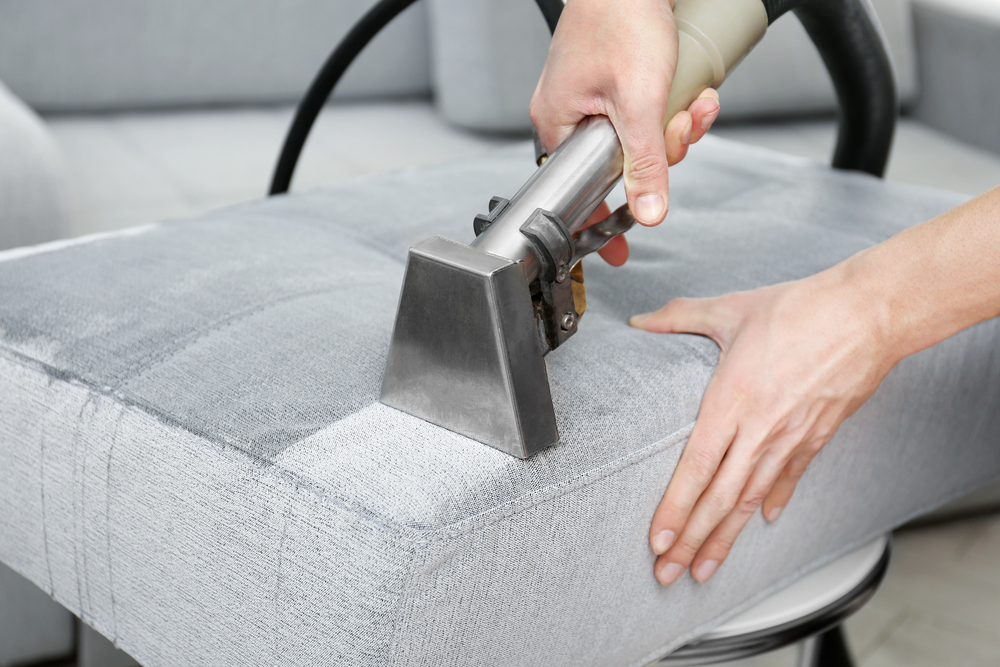
Even with impeccable spot cleaning, your sofa accumulates environmental dust that dulls its vibrancy. Once a year, schedule a professional extraction cleaning. Ensure you hire a specialist who understands “dry” cleaning methods for viscose and linen blends, rather than a standard carpet cleaner who uses hot water extraction, which can ruin luxury fabrics.
Your sofa is the anchor of your life at home. Treat it with the same respect you offer your wardrobe, and it will not just last—it will improve.