The dining table was never meant to be a permanent workplace. It tolerated the laptop for a while, indulged the chargers and notebooks, allowed the chair to be pulled out at odd hours. But tolerance is not suitability. As hybrid work settles into something less temporary, the fiction that shared surfaces can absorb professional life without consequence has worn thin. Meals displaced by meetings. Paperwork creeping into evenings. The table doing too much, badly.
What once felt flexible now feels compromised. Not because people lack discipline, but because space shapes behavior more than intention ever does. A table designed for gathering encourages interruption. Circulation paths cut through concentration. Light is wrong at certain hours. Noise never quite recedes. The body notices before the mind does—tight shoulders, shallow focus, work stretching later because it never quite begins properly. This is fueling the home office design boom

The Return of the Room
Dedicated studies or home office were once dismissed as indulgent, relics of larger houses and narrower lifestyles. That dismissal no longer holds. The enclosed room has returned, not as status symbol but as infrastructure. A door is not a luxury; it is a boundary. The ability to close it at the end of the day matters more than the square footage inside it.
Enclosure changes the psychological contract with work. Focus sharpens when the edges are clear. A room with walls says: this is where attention belongs, and elsewhere it does not. Hybrid work depends on this clarity. Without it, work seeps. Emails answered from sofas. Calls taken near sinks. The day never quite ends, it just thins out.
Light as a Requirement, Not a Feature
Natural light is no longer decorative in a study; it is functional. Screens demand it. Bodies demand it. A room without daylight becomes a bunker too quickly, flattening time and mood. The best home offices are not the darkest corners carved out of leftover floor plans, but rooms placed deliberately where windows already existed.
Light also establishes rhythm. Morning brightness cues start. Afternoon shadows signal slowing. Artificial lighting can supplement, but it cannot replace the subtle shifts that keep the nervous system oriented. Studies that work well tend to borrow from bedrooms and living spaces in this respect—softer light, lateral windows, views that pull the eye outward when thought stalls.
Storage Is the Silent Enabler
The most productive home offices rarely look productive at first glance. Surfaces are clear. Paper is absent. Cables are restrained. This is not minimalism for its own sake; it is cognitive relief. Visual noise competes with mental work, and domestic spaces already carry enough of it.
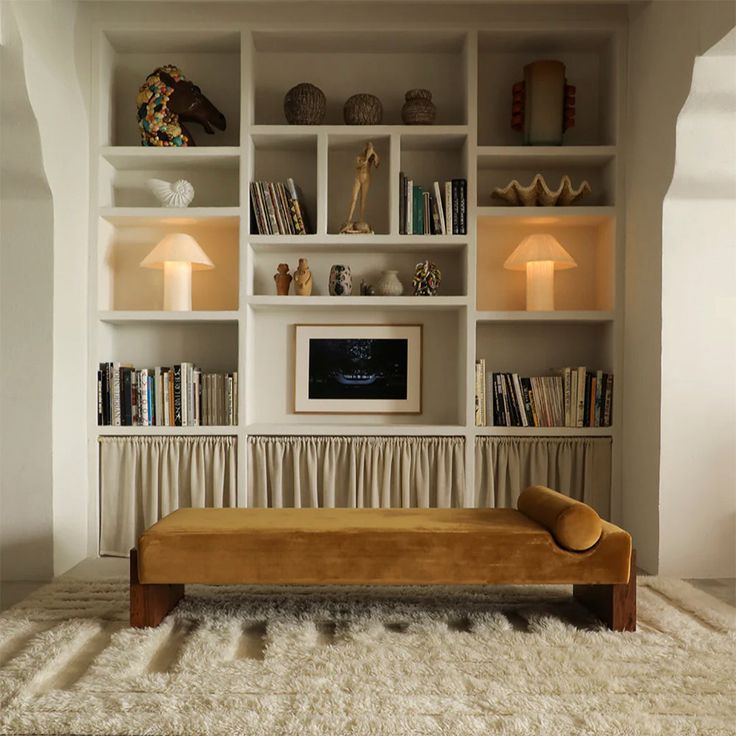
Smart storage is what makes enclosure effective. Built-ins that absorb printers, files, reference materials. Cabinets that close without ceremony. Shelving that respects reach and habit rather than display. When storage works, the room resets easily. Work can end because the evidence of it can disappear. A dining table cannot do this. It only accumulates.

The Cost of Blurred Boundaries
Wellbeing is often discussed abstractly, but spatial boundaries are concrete. The inability to shut a door has measurable effects: longer hours, poorer sleep, a constant low-grade sense of unfinished business. Hybrid work amplifies this. When the office is everywhere, it is nowhere specific enough to contain stress.
Dedicated studies offer containment. Not isolation, but definition. The act of closing a door is both physical and symbolic. It tells the household, and the self, that attention has shifted. This gesture matters more than any ergonomic chair. Without it, work lingers like background noise.
Furniture That Assumes Duration
Temporary workspaces tolerate compromises. Dedicated rooms do not. Furniture choices change when work is assumed to be ongoing rather than occasional. Chairs are chosen for hours, not meetings. Desks for posture, not flexibility. Monitor heights fixed, not improvised with books.
This is less about optimization and more about honesty. Hybrid work is not a phase anymore. Spaces designed around it acknowledge that reality. They accept duration. The body appreciates that acceptance, even when the mind resists admitting how much time is spent there.
Acoustics, Finally Considered
Noise is the hidden failure of many home offices. Open plans promised sociability but delivered distraction. A dedicated study, properly enclosed, restores acoustic control. Not silence—just predictability. Voices muffled. Appliances distant. The ability to think without bracing for interruption.
Materials matter here. Soft finishes absorb sound. Doors that actually close, not slide halfway. Even small rooms benefit from this attention. Acoustic comfort is not about luxury; it is about reducing cognitive load. Fewer intrusions mean fewer recoveries.
A Shift in Domestic Hierarchy
The rise of the home office has quietly reordered priorities within the home. Guest rooms become studies. Spare rooms gain significance. The hierarchy shifts away from occasional hospitality toward daily function. This is not a loss, but a recalibration.
Homes are no longer just places to return to after work; they are places where work happens. Design responds accordingly. Spaces that support focus are no longer secondary. They sit alongside kitchens and living rooms as essential infrastructure.
Technology Without Theater
The best dedicated studies integrate technology without spectacle. Screens do not dominate the room. Cables are managed quietly. Equipment works, then disappears. This restraint allows the space to feel domestic, not corporate.
There is resistance to making homes feel like offices, and rightly so. But avoidance often leads to worse outcomes: awkward setups that never quite function. The alternative is not denial but integration. Technology treated as a tool, not an identity.
The Door as Design Element
Doors have become protagonists again. Not just panels, but thresholds. Their placement, swing, and sound matter. A door that closes with weight signals finality. One that rattles undermines it.
Glass doors introduce compromise—light shared, sound softened but not eliminated. In some homes this balance works. In others it frustrates. The point is intentionality. The door should do what the space requires, not what trends dictate.
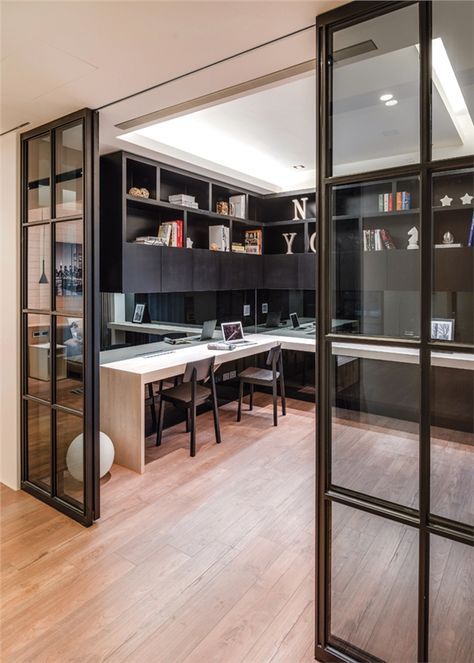
Living With the Choice
A dedicated study changes how the rest of the home is used. Living spaces relax when work retreats. Dining tables return to meals. Evenings feel cleaner. The house breathes differently.
This is not about productivity metrics. It is about mental clarity. Hybrid work demands more from domestic environments than they were originally asked to give. Dedicated rooms respond by absorbing that demand, rather than spreading it thinly across every surface.
Not an Upgrade, a Correction
The move toward enclosed home offices is often framed as an upgrade. It is closer to a correction. An acknowledgment that the improvisations of the early work-from-home era were always provisional. Useful, but unsustainable.
The dining table served its purpose. It carried households through a transition. But transitions end. What follows needs structure. Rooms with light. Storage that works. Doors that close. Spaces that know what they are for.
And when the workday ends, they let it end.