Glossy surfaces used to be about wealth or caution. Lacquer screamed opulence or mid-century overconfidence. In contemporary interiors, lacquer often felt theatrical, almost uncomfortable. Too reflective. Too deliberate. Too permanent. And yet, here it comes again—striking, purposeful, and oddly contemporary.
High-lacquered furniture is quietly coming back in 2026 interiors. Cabinets, sideboards, credenzas, tables—even storage units—coated in thick, polished layers of lacquer. The effect isn’t just visual. It’s spatial. Light bounces off these surfaces in ways that interact with the room rather than dominate it. Gloss becomes more than decoration; it becomes presence.
Reflective Surfaces as Space-Makers
There was a time when interiors favored matte finishes almost exclusively. Wood, stone, textiles—they all absorbed light rather than returned it. Glossy lacquer flips that. The surface reflects, distorts, animates.
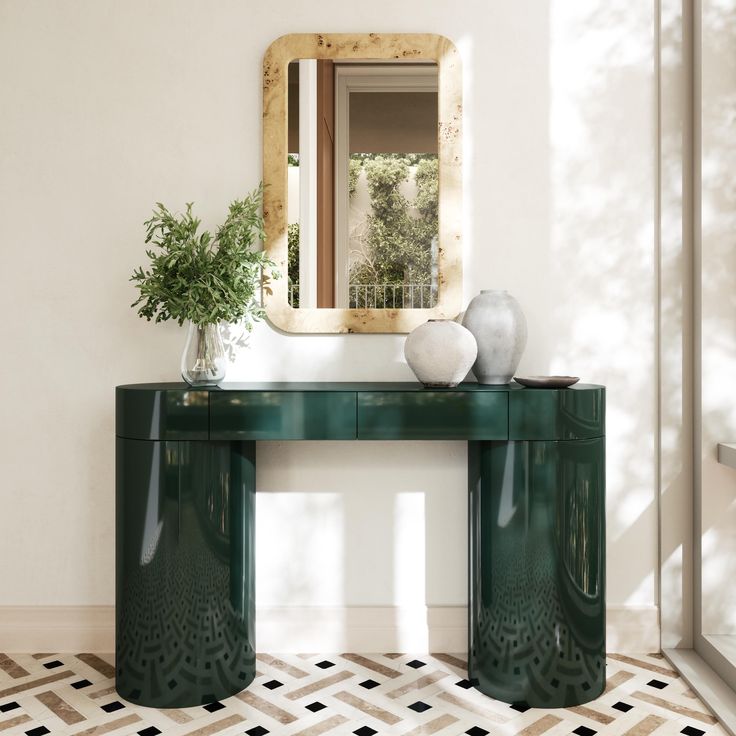
A piece of high-lacquered furniture, like a lacquered console, doesn’t just sit against a wall. It captures a window, a shadow, someone walking by. The object becomes a fragment of the room, not isolated. When executed as custom furniture, it can be tailored to interact perfectly with light and space, enhancing its reflective quality. That reflection brings movement into static interiors. Light shifts. Colors shift. Furniture, in a sense, breathes.
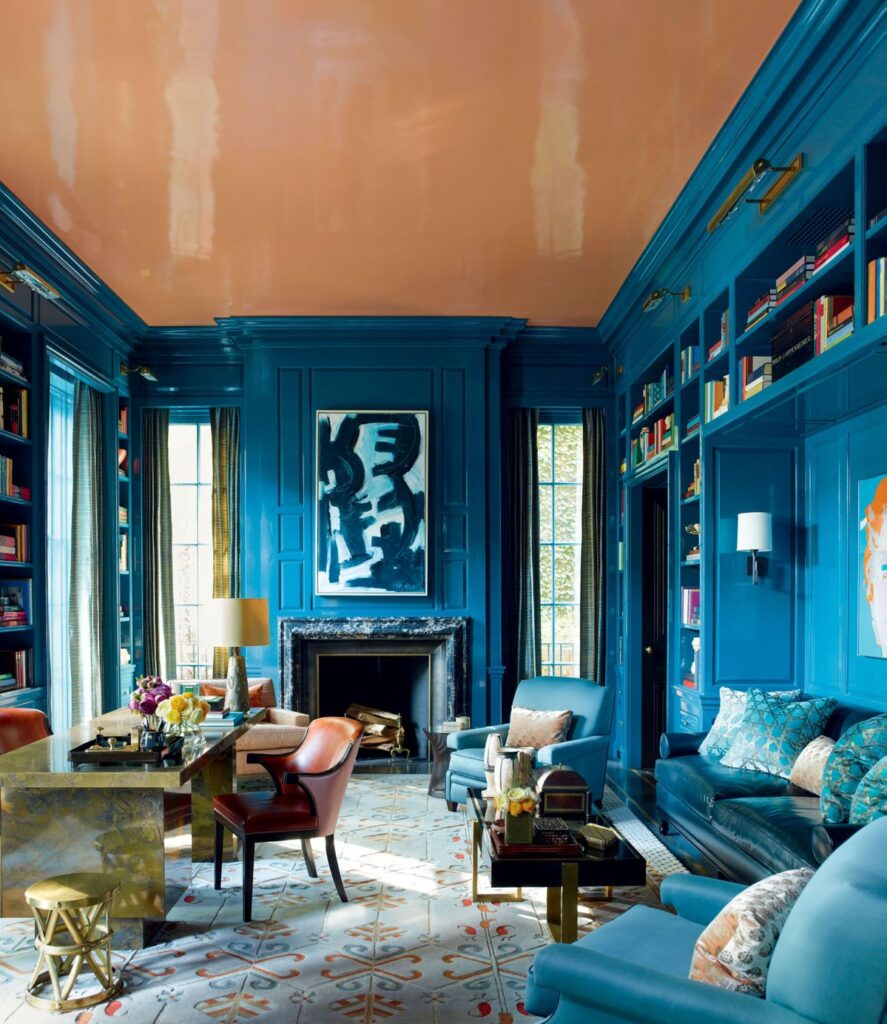
Color Amplified
Lacquer transforms color. A deep emerald cabinet doesn’t just exist—it saturates. A cherry-red credenza glows. Even muted tones acquire depth. Smoke-gray or cream reads richer than the same pigment on matte paint.
Designers in 2026 experiment boldly. Layered shades, ombre effects, jewel tones—vibrancy that flat finishes can’t achieve. Furniture becomes a visual anchor, a statement without ornamentation or hardware.
Texture Through Reflection
Gloss creates implied texture. Light across a high-lacquered surface suggests movement, even if smooth. The gloss interacts with the wood grain, with structure, with shadows cast nearby.
Some designers pair lacquer with tactile elements—wood edges, metal pulls, leather insets—so that the surface isn’t uniform. The tension between reflective smoothness and organic textures gives credibility. Furniture reads contemporary because it’s deliberate.
Form Meets Finish
Finish dictates perception of form. A simple cube or rectangular cabinet can feel monumental in lacquer. Rounded edges catch highlights differently than sharp ones. Thin legs reflect beneath them, making pieces appear to float.
This is especially noticeable in custom interiors. Furniture doesn’t need complex geometry to feel sculptural; lacquer does the work. Silhouettes become legible, deliberate, visible.
Interacting With Light
High-lacquered furniture thrives with light. Morning sun across a sideboard transforms it. Shadows flicker, reflections shift. Lamps create pools of color that ripple across surfaces. Furniture changes throughout the day, interacting instead of standing apart.
Unlike matte finishes, lacquer participates. It’s reactive. Performative. Even in dim interiors, a lacquered cabinet punctuates space, drawing attention without volume.
Lacquer and Pattern
Lacquer carries pattern subtly. Woodgrain beneath transparent layers. Embedded metallic pigments. Geometric panels enhanced by sheen. Layers without clutter. Minimalism with richness.
Designers highlight material contrasts—wood edges, brass pulls, stone tops—so gloss amplifies subtle differences. The result is tactile visually, even without touch.
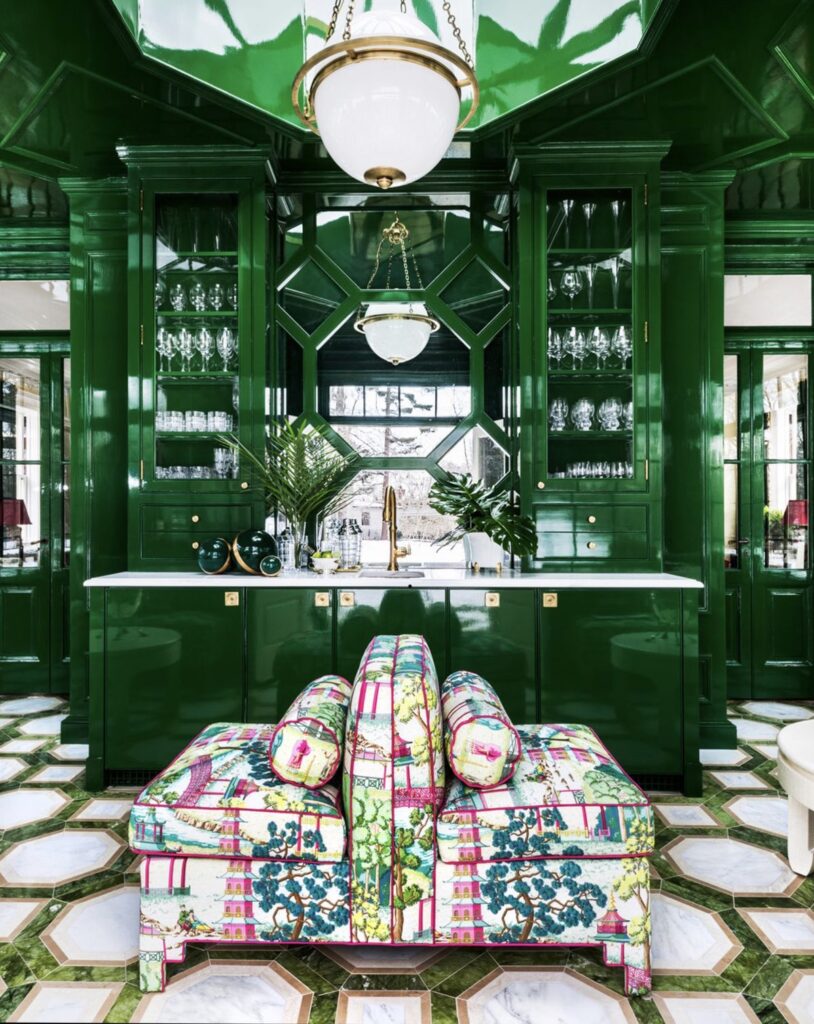
Emotional Presence
There’s emotion in lacquer that’s easy to overlook. Reflective surfaces command attention without asking. Deliberate. Intentional. Modern.
A lacquered piece in a neutral interior doesn’t need accessories. It establishes mood, anchors space, conveys energy. It introduces focus, luxury, even drama without decoration.
A Nod to History
Lacquer has pedigree—from Japanese urushi to mid-century European gloss. In 2026, designers reference roots while updating use. Focus isn’t ornamentation but presence, light, material honesty.
There’s restraint now. Gloss paired with simplicity. Oversized cabinets, elongated credenzas, floating consoles. Furniture reads contemporary but acknowledges craft history. Lacquer communicates refinement without nostalgia.
Maintenance as Design Feature
High-lacquer finishes demand attention. Smudges, fingerprints, dust—they show. Designers embrace this. Some finishes age gracefully, recording interaction.
It’s furniture that doesn’t pretend to be untouchable. It invites engagement. You notice it when you walk by, reach for a drawer, brush your hand across it. Finish becomes interactive, subtly reminding inhabitants of presence in space.
Integrating with Interiors
Lacquered pieces thrive in interiors that respect authority. Neutral walls, simple flooring, natural textiles give them room. They also work in bold spaces with other saturated colors or reflective surfaces.
Placement is deliberate. Console by a window reflects light. Table in a room anchors seating. Cabinets frame hallways. Scale, orientation, context matter as much as finish.
Why 2026 is Ready for Lacquer
There’s a cultural reason lacquer resonates now. Interiors rediscover shine and surface complexity after years of matte minimalism. Emphasis on tactile, reflective, responsive materials.
High-lacquered furniture fits perfectly. Bold without being loud. Elegant without being precious. Contemporary without erasing craft. Brings light and presence into rooms focused on texture, tactility, emotional resonance.
A Surface That Commands
High-lacquered furniture isn’t decoration or luxury alone. It’s attention, light, interaction. It reads presence, draws eyes, participates in space. Allows walls and floors to remain calm while asserting authority.
Gloss stops being surface treatment and becomes a tool for spatial storytelling. Rooms feel intentional, alive. Furniture asserts quietly but insistently.
Lacquered furniture doesn’t shout. It just reflects.