There’s something immediate about handcrafted Americana. Not perfection. Not sleek, mass-produced lines. Just marks left by human hands. Slight unevenness in a table leg. The curve of a chair back that isn’t perfectly straight. Grain that tells its own story. Walk into a room with a hand-hewn pine table, a turned maple chair, or a reclaimed oak sideboard, and it feels grounded. Alive. American.
These pieces carry weight. Not literal, just the weight of history, of labor. Every joint, every plane mark, every nick speaks to a time when furniture was made slowly. With care. With respect for materials. That feels almost radical today.
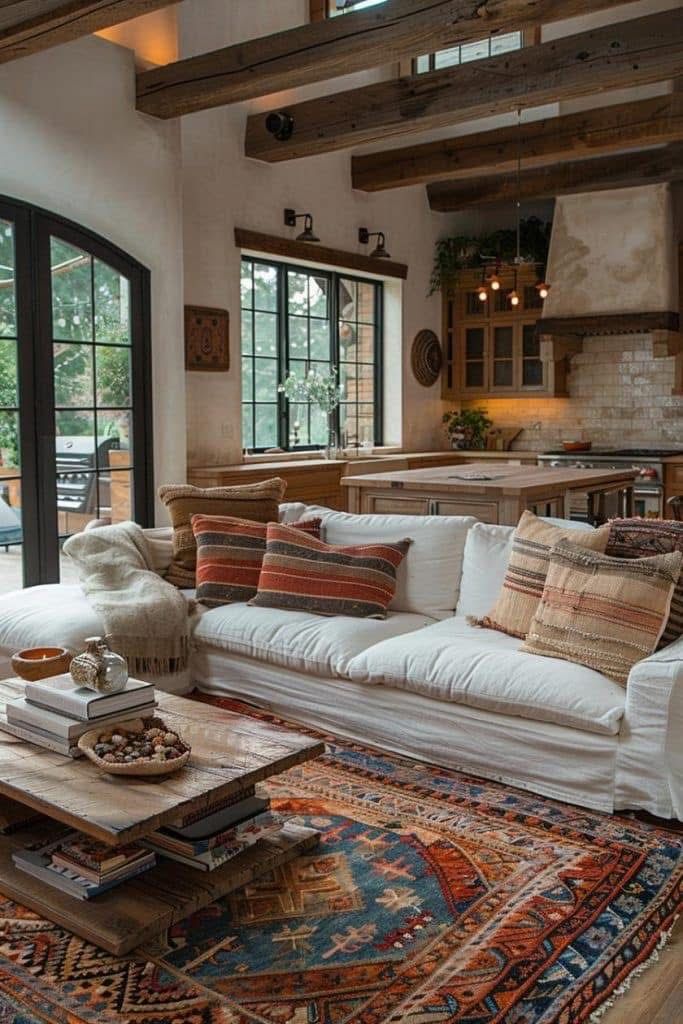
Objects That Speak
In a custom indoor interior, a hand-hewn farmhouse table can anchor a room differently than anything modern. The table isn’t just a surface. It’s a storyteller. Its worn edges hint at generations of meals, of conversations, of hands carrying daily life. Chairs, turned maple or walnut, aren’t flawed because they’re asymmetrical. They are signatures.
The eye moves across textures and tones. Knots, cracks, repairs, slight warps—all of it matters. In rooms with handcrafted Americana, the objects talk to one another. Not loudly. Not competitively. They echo. They harmonize.
Materials That Matter
What sets these pieces apart is devotion to materials. Oak, pine, cherry, walnut—not just colors. They are narratives. Grain patterns, blemishes, seasonal variations—they are embraced, not hidden. No veneer. No fake patina. Just wood, time, and hands.
Finishes matter too. Oil rubbed into curves. Wax applied by hand. Soft, worn patina that only decades can create. Sit at a hand-planed pine table and feel the ridges under your palms. Lean on a maple chair and notice the slight give. The weight of craft. The presence of human effort.
Imperfection as a Virtue
Mass production trains the eye to expect uniformity. Handcrafted Americana doesn’t. Variations aren’t mistakes—they’re the point. Leg slightly shorter. Edge not perfectly straight. Drawer sticks a bit. That tells a story. That makes each piece one-of-a-kind.
There’s a quiet rebellion in that imperfection. In a world obsessed with perfection, handcrafted objects assert individuality. They invite slowing down. Observation. Appreciation.
Function Meets Story
These objects aren’t just for looking. They’re meant to be used. Tables, chairs, cabinets—they were designed to endure. Every scratch adds character. Every repair adds history.
Even decorative items—turned bowls, carved frames, lanterns—carry evidence of making. Tactile, approachable, human. A sideboard wants plates, books, linens. A pine stool asks to be sat on. There is intimacy in use. Rare in modern interiors.
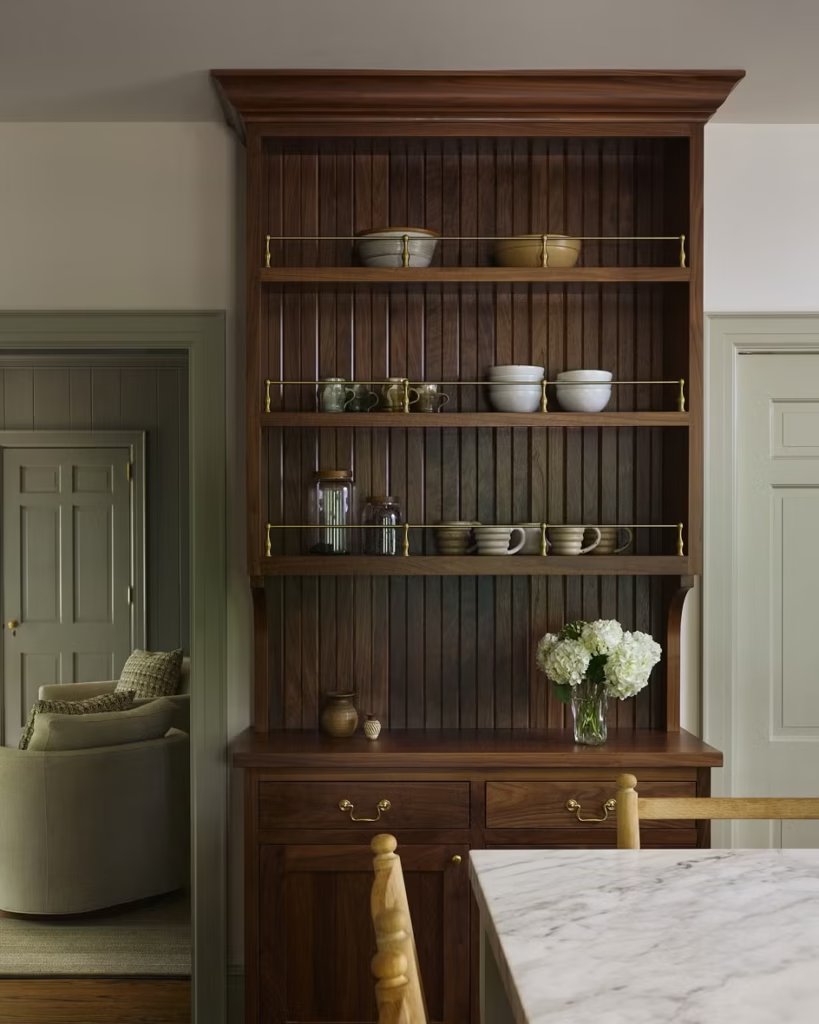
Layers of Americana
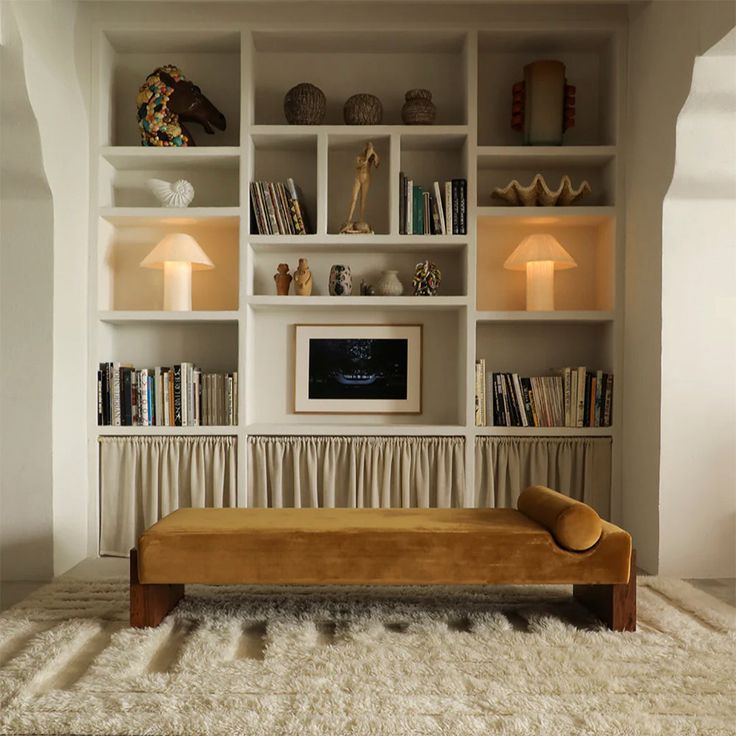
The effect grows when these pieces are layered thoughtfully. A hand-hewn oak table next to a contemporary photograph. A turned maple chair beside a modern metal lamp. That juxtaposition of eras brings life to a space. Past meets present, rural meets urban, tradition meets experimentation.
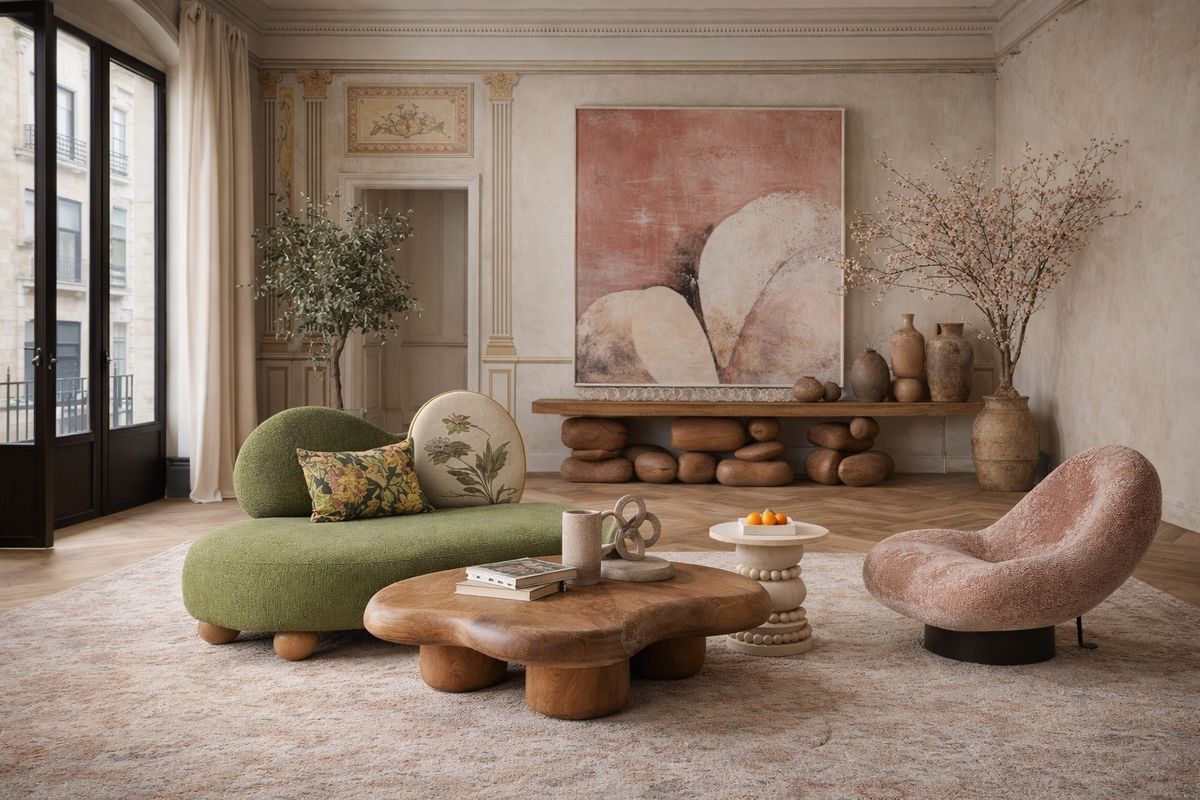
Textures and tones interplay. Rough pine alongside polished cherry. Matte walnut with waxed oak. These juxtapositions give vitality, rhythm. Nothing feels imposed. Everything feels earned. A room like this feels lived-in, personal, human.
Beyond Wood
Wood dominates, but other materials matter too. Metal brackets. Wrought iron handles. Hand-blown glass. Leather straps. They add narrative, accent, craft. Brass latches on a pine cabinet—they’re not just hardware. They’re bridges. Signatures.
Even textiles join the conversation. Homespun linens, handwoven rugs, embroidered cushions. Natural fibers. Muted tones. Worn textures. They echo the philosophy of the furniture: human effort, imperfection, enduring beauty.
Emotional Resonance
Handcrafted Americana resonates because it feels honest. Warmth and integrity embedded in every curve, joint, scratch. Spaces feel quiet but assertive. Signal history without nostalgia. Skill without showiness.
A hand-carved rocking chair soothes. A farm table invites long meals, conversations, lingering. Objects occupy time as much as space. They teach patience, observation, connection.
Contemporary Context
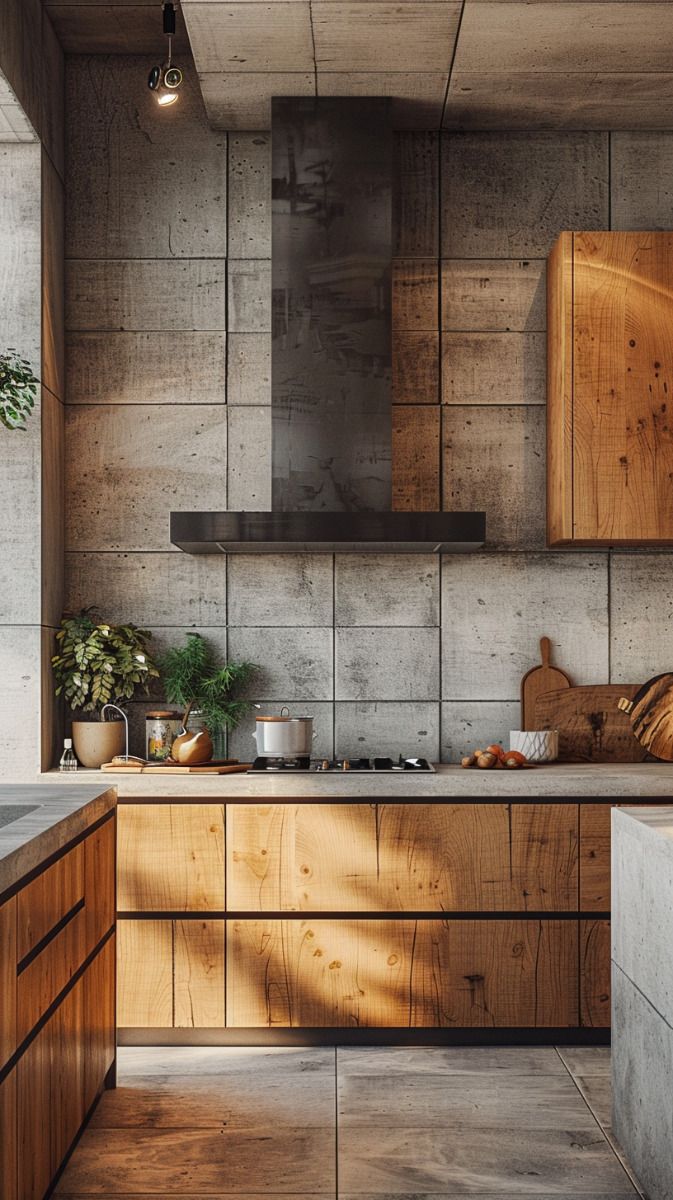
Handcrafted Americana isn’t just for farmhouses anymore. It works in urban lofts, custom indoor interiors, contemporary homes. A reclaimed pine sideboard in a minimalist kitchen. A hand-turned maple stool in a modern study. A hand-planed oak bench in a gallery-style entryway. Same values: craft, imperfection, tactility, presence.
Balance is key. Too many handcrafted pieces can feel heavy. One or two statements, with modern or neutral elements, allows them to breathe. Stand out without dominating.
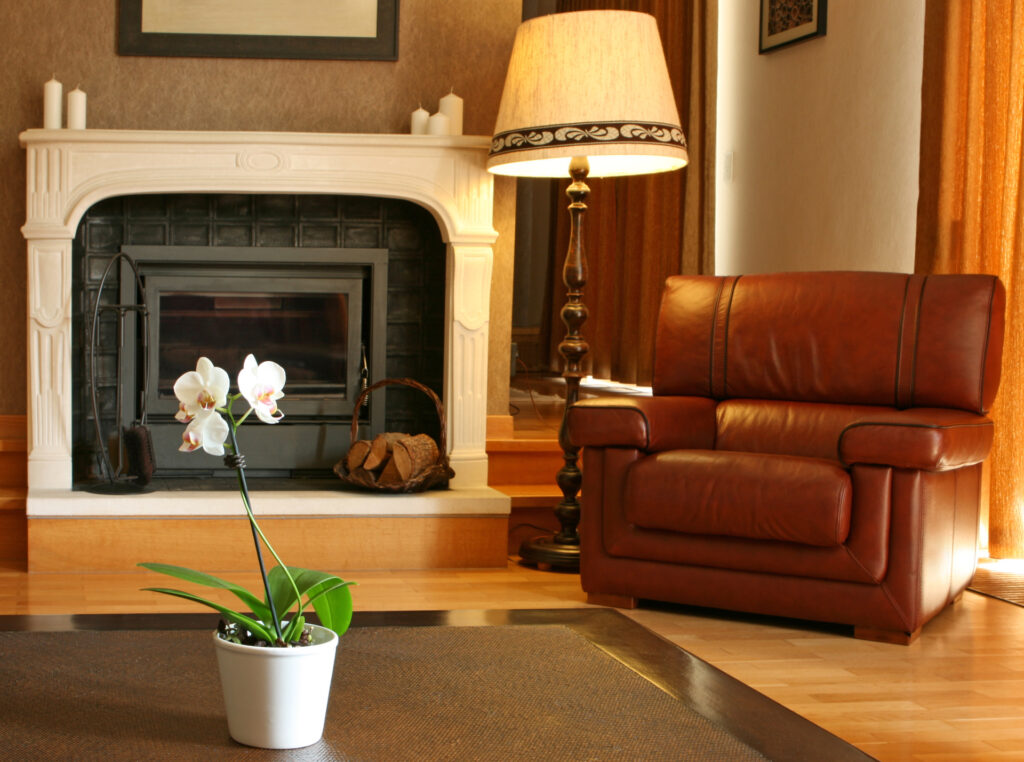
Craftsmanship as Philosophy
This style is more than design. It’s philosophy. Valuing the human touch. Acknowledging labor. Respecting materials. Celebrating stories embedded in objects. Slow accumulation of experience.
Spaces with handcrafted Americana feel different. Patient. Observant. Alive. Even minimal contexts feel right. Objects belong. They’re necessary, not just decorative.
Living With Handcrafted Pieces
Homes filled with handcrafted Americana aren’t just curated. They’re inhabited. Surfaces mark with use. Chairs creak. Patina deepens. Rooms change with occupants. That’s the appeal. Not static. Not disposable. Not superficial.
These pieces teach. Value of labor. Beauty of imperfection. Poetry of materials. Remind interiors—and their inhabitants—that design is tactile, temporal, human.
Handcrafted Americana stays timeless because it balances function, story, and emotion. Deliberate but unpolished. Historical but present. Rugged but intimate. Furniture that breathes. Speaks. Lives.