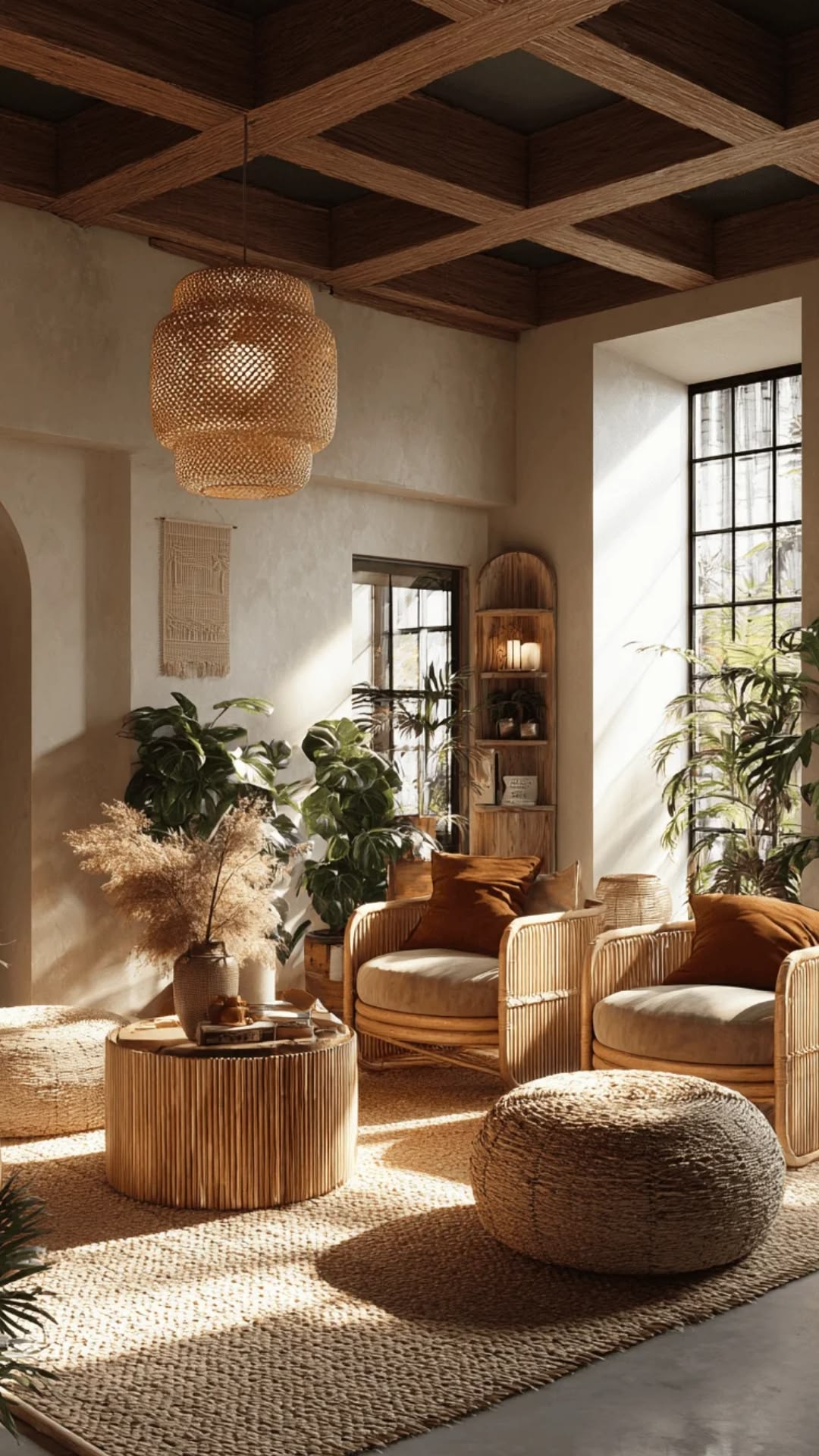
Choosing a dining table and chairs might seem straightforward — but get it right, and your dining space becomes more than just a place to eat. It becomes a spot to gather, connect, and enjoy. Get it wrong, and you may end up with awkward proportions, uncomfortable seating, or a room that just doesn’t feel right. In this blog, we’ll walk you through everything you ought to consider: measurements, comfort, style, and how to match table and chairs so they feel cohesive as well as creating custom high end furnitures — not random.

Why the Right Dining Set Makes a Difference
A dining room furniture isn’t just furniture. It’s a gathering point. It anchors a room. It sets the tone for meals, conversations, celebrations. Choosing the right dining table and chairs ensures your dining space is welcoming, practical, and visually pleasing.
The size, shape, material, and style of your table and chairs can influence how spacious a room feels, how comfortable meals are, and how well the furniture works long‑term. A good dining set flows naturally with the room’s layout, feels right to sit at, and looks like it was made for the space — not squeezed in.
Get the Basics Right: Size, Height, and Space
Perhaps the most important — but often overlooked — step when selecting a dining table and chairs is getting the measurements and spacing right. This ensures comfort and practicality before you even think about style.
Table & Chair Height — The Foundation
Most standard dining tables are about 28 to 30 inches (roughly 71–76 cm) tall.
For those tables, dining chairs should ideally have a seat height of about 18 to 20 inches (46–51 cm) from the floor.
Why does this matter? Because you need enough legroom — as a general guideline, leave about 10–12 inches (25–30 cm) between the chair seat and the table’s underside.
If you ignore this, you risk having chairs that feel too low or too high — awkward posture, knee bumping, or just plain discomfort.
Chair Width, Depth & Spacing
A comfortable chair seat depth is often 16–18 inches (about 40–46 cm) — making dining chair dimensions a key factor in long-term comfort.
As for placement around the table, plan for about 60–70 cm per chair (or about 24–28 inches) so each person has enough elbow room and you can slide chairs in and out without scrambling.
Don’t forget clearance behind the chairs: allow enough space (at least 60–70‑80 cm if possible) so pulling chairs out is easy and chairs don’t block walkways.
Table Shape & Room Size
The shape of the table matters, and understanding different dining table shapes helps you choose what best fits your space.
- Rectangular tables are versatile, seat more people, and work well in larger or elongated rooms.
- Round or oval tables fit smaller or more compact spaces — because they don’t have corners, they often allow easier movement around the table and can feel more open.
Before buying, sketch out your room layout (or use masking tape on the floor) to visualize how the table would fit, where chairs would go, and how much circulation space remains.

Style & Materials — Let Table and Chairs Speak Together
Once dimensions are sorted, it’s time to think about style and material. After all, the dining set isn’t just for function — it’s part of what makes your home feel lived‑in, personal, and beautiful.
Match Material and Tone — Or Use Contrast with Intention
A classic approach is to match the table and chairs: for example, a wooden table with wooden chairs creates a cohesive, harmonious look — especially if wood tones, grain patterns, or finishes echo each other.
But you can also mix materials for interest. For instance: a solid wood table paired with upholstered chairs (fabric or leather), or even metal-framed chairs. This introduces contrast — texture, softness vs. solidity — which can make a dining space feel layered and thoughtfully composed.

When mixing, aim for balance: chairs that are visually lighter if the table is heavy and robust; or chairs with warmth if the table feels austere. Tone and finish — wood stains, upholstery color, metal sheen — should harmonize or deliberately contrast.
Weight and Shape of Chairs — Avoid Visual Competition
If you mix chair styles (or mix a bench with chairs, for example), make sure their proportions and “visual weight” work together. A good rule: if end chairs are heavy (solid wood, armrests), pair them with simpler side chairs. If side chairs are chunkier, let end chairs be lighter, or vice versa.
This prevents a chaotic look — even if the chairs are different in style or material, the overall set feels intentional and balanced.
Consider Upholstery for Comfort & Style
If you use your dining chairs regularly — for long dinners, working, reading — consider upholstered chairs. Fabric or leather seats give added comfort compared to rigid wood or metal. Just make sure materials are durable and easy to clean if the chairs will see frequent use.
Also, colors matter. Neutral tones (beige, gray, muted earth tones) tend to offer versatility — they don’t clash easily and leave room for other decor elements (tableware, centerpieces, rugs) to shine. Bold-colored or patterned upholstery can add personality — but should complement rather than compete with other room elements.
Layout & Flow — Design for Everyday Life
Your dining set shouldn’t just look good (though that’s important) — it should work in real life. That means thinking about movement, comfort, flexibility.
Allow Space Around the Table
Beyond the minimum clearance behind chairs, ensure there’s enough room to move around comfortably. Especially in smaller spaces or open‑plan layouts, the dining set should feel integrated, not cramped. Aim for at least 90 cm (roughly 36 inches) between the table edges and surrounding walls or furniture for comfortable flow.

Flexible Seating Options — Benches, Mix & Match Chairs
If you entertain or host gatherings occasionally, consider flexible seating: a bench at one side, chairs at others — or a mix. According to a guide from a trusted design source, mixing chair styles (e.g. upholstered end chairs with simpler side chairs) adds character without sacrificing cohesion.
Benches are also useful for small spaces — they can tuck under the table when not in use and accommodate variable numbers of people.
Consider Table Function — Everyday Meals, Work, or Hosting
Think about how you’ll use the table:
- Daily family meals? Choose comfort, durability, ease of cleaning.
- Often hosting guests? Opt for extendable tables, mix‑and‑match chairs, or benches for flexibility.
- Multi‑use (meals + work/study)? Comfortable chairs (possibly upholstered) and enough surface area are key.
How to Choose — A Step‑by‑Step Process
Here’s a practical workflow to follow when selecting a dining table and chairs for your home:
- Measure your space carefully. Sketch the layout, or use tape on the floor to outline where the table and chairs will go. Include walking paths, clearance behind chairs, and adjacent furniture.
- Decide table shape & size based on space and use. Rectangular for large or elongated rooms; round/oval for small or cozy spaces. Think about how many people usually sit there.
- Choose table and chair heights with comfort in mind. Ensure standard proportions: ~76 cm table height, ~46–51 cm chair seat height, 25–30 cm clearance for legs.
- Select materials & styles. Decide whether to match (for cohesion) or mix (for contrast). Base this on overall room style, existing furniture, flooring, and lighting.
- Pick chairs considering comfort, practicality, and visual balance. For everyday comfort choose chairs with adequate seat depth, supportive backs; for style, consider upholstery, armrests, leg style, and how they pair with the table.
- Plan seating layout. Allow 60–70 cm per seat, adequate space behind chairs for pulling out, comfortable circulation around the table.
- Add flexibility if needed. Mix chair types, include a bench, or go for an extendable table — especially useful for hosting or changing needs.
- Test before finalizing. If possible, bring one chair to the table (or vice versa) to test seating comfort, legroom, and visual fit — even in a showroom.
Common Mistakes (and How to Avoid Them)
Even when you have good instincts, dining furniture can go wrong if a few details are neglected. Here are common pitfalls — and what to watch out for:
- Table and chairs mismatch in height — results in discomfort, awkward posture. Always check seat‑to‑table clearance.
- Too little clearance around the table — leads to cramped feel, difficulty moving chairs or walking around. Take room layout seriously.
- Chair seat size or depth too small or shallow — uncomfortable for long meals or extended use. Opt for standard dimensions (around 16–18″ depth) for comfort.
- Mixing too many materials/styles without a unifying element — leading to a chaotic look. Whether matching or mixing, aim for a consistent tone (color, finish, material family).
- Neglecting durability and usage needs — especially if dining set gets heavy daily use. Consider ease of cleaning, wear resistance, and longevity of materials (e.g. solid wood vs veneer, washable upholstery, stable construction).
- Ignoring comfort for aesthetics — beautiful chairs that are uncomfortable won’t get used; aim for balance between style and comfort.
Why It’s Worth Investing Thoughtfully
Selecting the right dining table and chairs may take time and consideration — but the payoff is big. A well-chosen dining set can transform a room:
- It makes everyday meals feel intentional — not just functional.
- It supports gatherings: family dinners, friends over, celebrations.
- It enhances comfort: meals, conversations, lingering over coffee or games.
- It elevates home design — tying together floors, lighting, kitchen or living room, and overall decor.
- It’s a long-term investment. Durable, well‐fitted furniture lasts, ages well, and maintains comfort and style.

Final Thoughts — Build a Dining Space That Works and Welcomes
At its best, a dining area isn’t just a place to eat — it’s a place to connect, relax, celebrate. Choosing the right dining table and chairs matters more than many people realize. When you take the time to consider size, comfort, materials, layout — you build a space that welcomes, supports, and endures.
Whether you go for classic wood and matched chairs, or mix textures and styles for interest, the keys remain the same: proportion, comfort, cohesion, and usability. Let your space reflect how you live — not just what looks good.
Use the guidelines above to plan thoughtfully; test before committing; and don’t rush the process. Because when your dining set feels right, the whole room falls into place.