There was a time when glass tables were all about disappearing. You could see the floor beneath. You could vacuum without thinking. They were meant to vanish. And then designers started treating glass differently. Color entered the conversation. Subtle smoke, deep amber, jewel-toned green, sapphire blue. Suddenly the table didn’t just hold things. It held light. Shadow. Attention.
Walk through a design fair this year and it’s obvious: colorful glass tables are back. And they aren’t shy. Some pieces are almost liquid, sheets of translucent color. Others are structured, geometric, slicing light across the room. They’re tactile, visual, spatial. All at once.
Glass as Sculpture
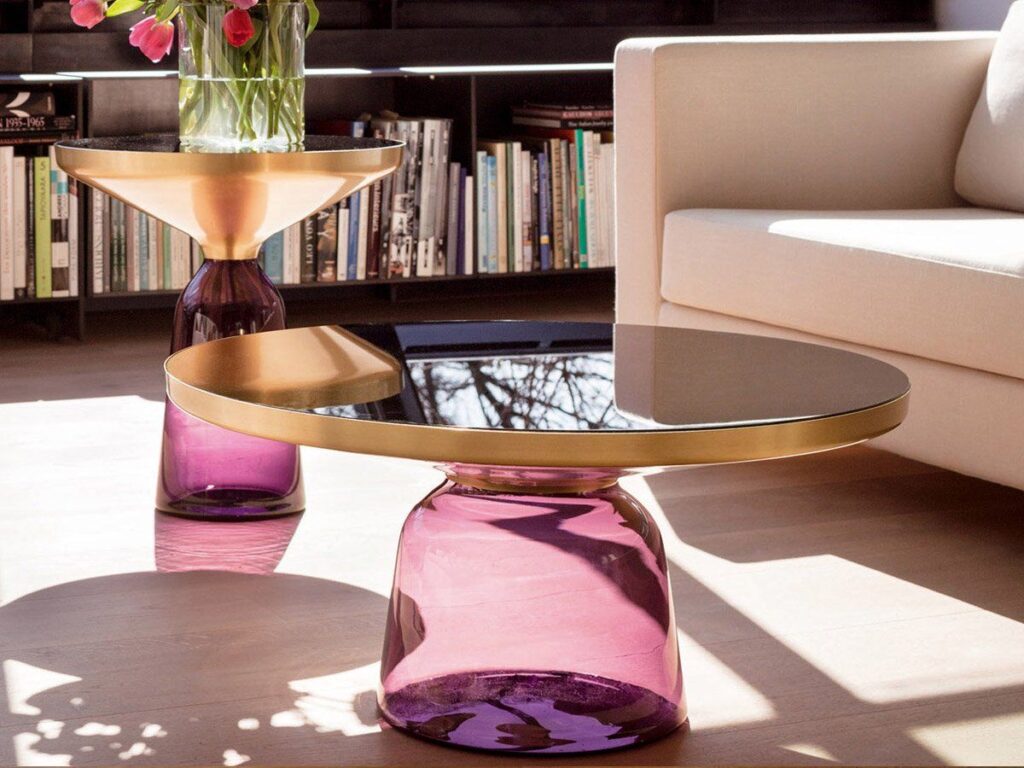
A colored glass table is never just a surface. It’s a lens, a filter, a way to animate a room. Jewel tones refract sunlight, cast pools of color across floors and walls. You notice it before you notice it. A deep ruby dining table doesn’t just hold plates. It changes the room’s mood. Shadows ripple. Reflections shift. Edges glow like facets of a gemstone.
Designers are layering too in custom furniture. Sheets of glass in slightly different hues, stacked or offset. Embedded colored panels framed by metal. Bases that mirror the top. Each decision alters how light moves, how the eye travels. The table participates in the room. Not just occupies it.
Scale, Shape, and Context
Scale changes everything. Large dining tables in amber dominate without being heavy. Small coffee tables in cobalt or emerald act as accent, punctuating a seating area with color.
Shape matters too. Rounded edges, beveled cuts, asymmetric forms. One rectangular table had edges softened into organic curves. From above, the surface seemed like a shallow pool. From the side, it appeared to float. Placement matters. Natural light, wall color, textures nearby—they all transform perception.
Craft and Technique
It’s harder than it looks. Tinting a sheet isn’t enough. Heat treatment, lamination, fusing, acid washes—all change clarity, hue, and reflection. Some designs embed metal leaf or tiny inclusions. Others rely on color saturation and thickness.
Edges are critical. Polished, beveled edges glow like jewelry. Sandblasted or raw, they feel tactile. Even tiny bubbles or faint swirls become personality. The human hand is evident, even in industrial process.
Interaction With Other Materials
Colored glass shines in dialogue. Warm wood balances it. Brass or steel adds shimmer. Stone grounds it. Even textiles affect perception. A rug under a ruby table intensifies glow, diffuses reflections, introduces contrast.
One standout piece at a fair: smoky lavender coffee table with brass legs over a neutral sisal rug. The metal caught subtle purple tones. Light bounced off edges. Shadows fractured across fibers. The room felt intentional. Alive. Unexpected.
Furniture That Engages
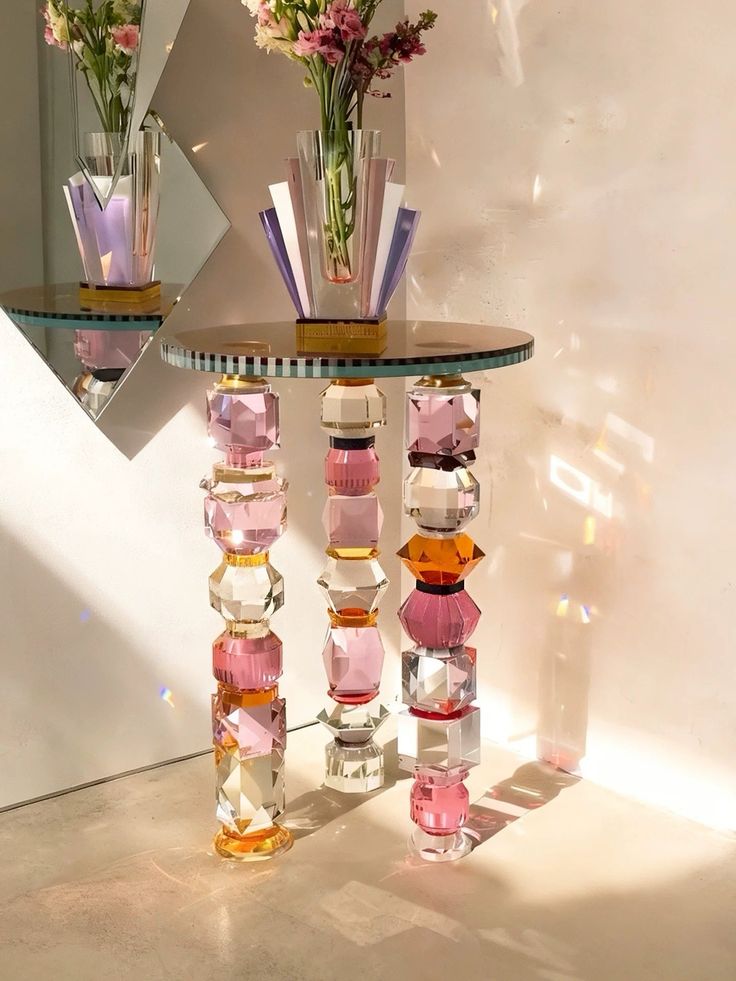
Colored glass tables invite interaction. Not purely visual. Moving around it, sitting, leaning, reaching—it responds. The eye catches shifting color, refracted light, reflected edges. The table participates in your presence.
It’s subtle choreography. Objects placed on it change shadows. Foot traffic shifts reflections. Furniture becomes a participant, not a backdrop.
Historical Echoes
Colored glass tables have lineage. Murano glass, Art Deco, mid-century tinted tops. But 2026 pieces are different. Restrained, sculptural, aware of space. Color is purposeful. Geometry, scale, layering respond to contemporary interiors, not history books.
Balance between nostalgia and modernity is why it works. You recognize lineage, but the execution feels of the moment. Contemporary, alive, elegant.
Light, Shadow, and Kinetic Presence
Glass is kinetic even when still. Fluted light bounces across tinted surfaces. Edges refract. Shadows stretch. You sense time passing, presence of light itself.
Even in darker interiors, it asserts itself. Matte tones absorb, polished edges reflect. The surface is performative—present in perception, not just physical.
Emotional Resonance
Color in furniture is rare, deliberate. Sapphire blue demands attention, focus, mood. Smoky amber conveys warmth, intimacy. Green invites calm.
The table communicates without words. It responds to surroundings. Reflects human presence. Assert personality without shouting.
Small Interventions, Big Effect
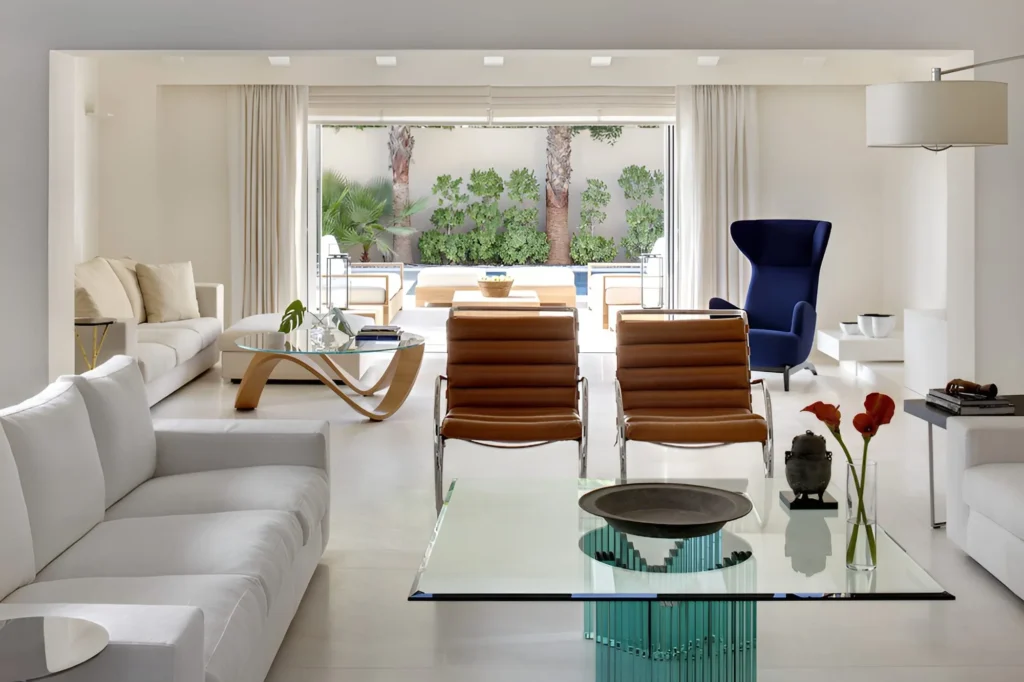
Not every table needs to dominate. Accent tables, side tables, console tops—they transform seating areas, entryways, hallways. Scale, hue, and light dictate impact.
Layering is key. Glass over wood introduces warmth. Metal frame adds reflection, edge. Context turns an object into narrative.
Craft, Tactility, and Human Presence
Smooth, polished, hard—yet surprisingly intimate. Trace the edge. Notice thickness. See your hand through color. Transparency softens, turns cold material human-scaled.
Every colored glass table shows intention—hue, transparency, edge, proportion. They aren’t passive. They’re alive.
Colorful glass tables aren’t decoration. They’re presence. Rhythm. Tactility. They respond to light, movement, surroundings. They carry technique and history but feel modern and deliberate.
They invite touch, observation, interaction. Transform spaces subtly. Transparency has weight. Color has tactility. Furniture participates in a room in ways opaque surfaces cannot.