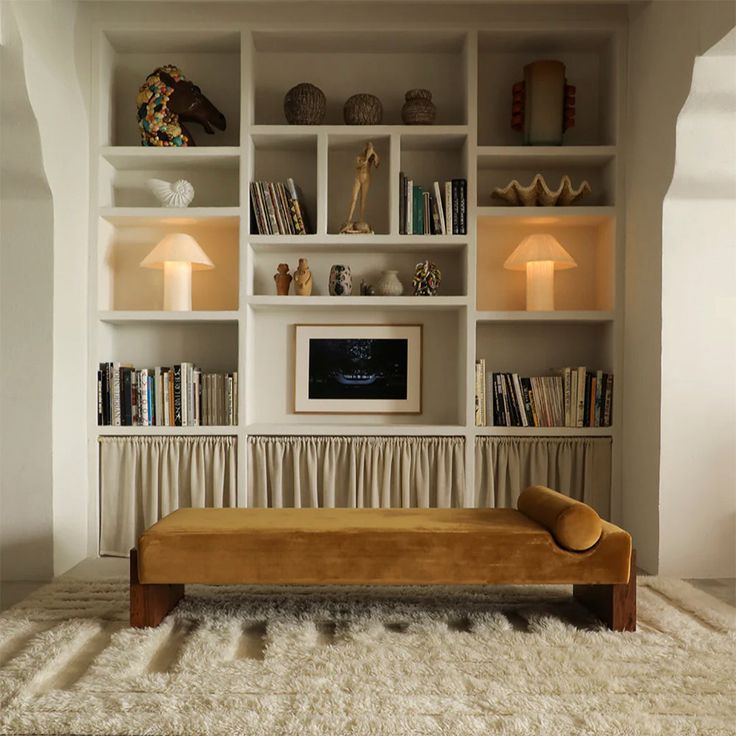
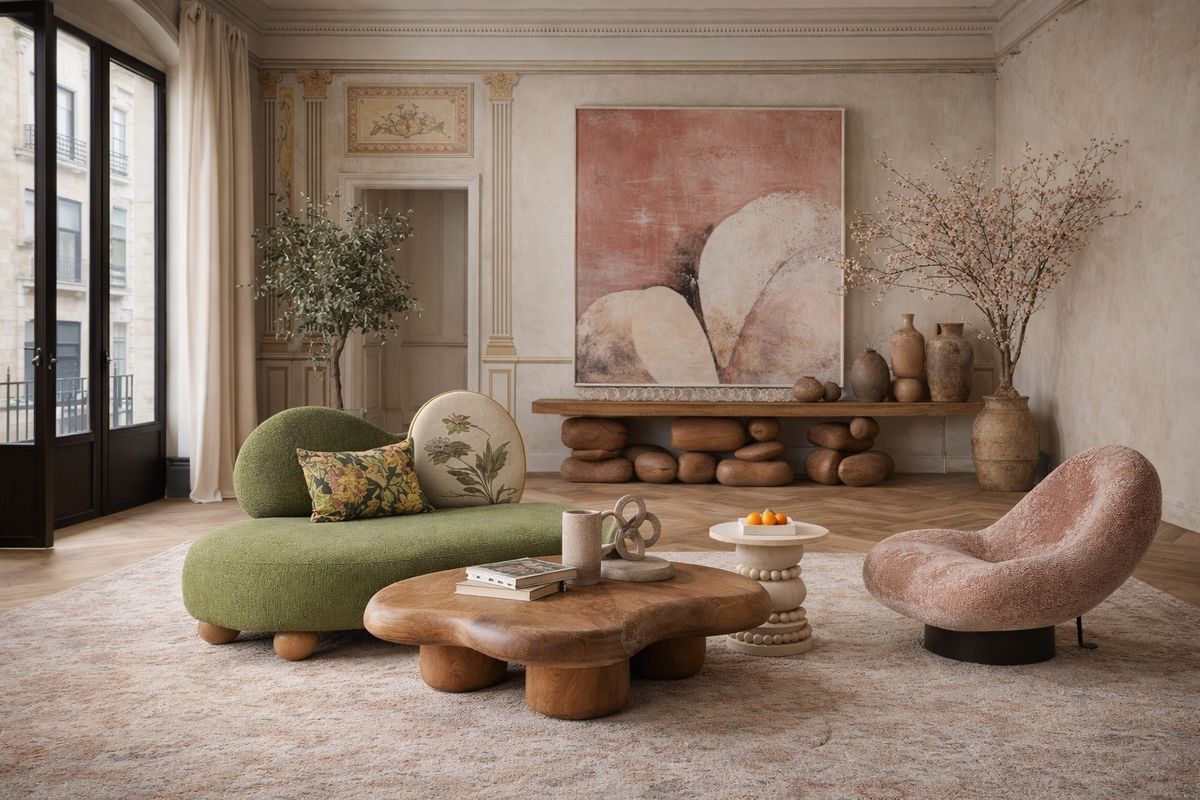
There was a time when interiors chased lightness. Pale walls, soft greys, washed-out neutrals everywhere. Furniture followed suit—muted, polite, almost apologetic. Caned pieces existed, sure, but mostly as side notes. A chair tucked in a corner, a headboard quietly framed. Now, in 2026, caned furniture is stepping forward.
It’s lightweight, sustainable, handmade, textured, and warm. It doesn’t just sit in a room; it gives it breath. A caned chair or bench doesn’t anchor the space like a solid sofa would, but it defines it. It’s presence without heaviness, texture without shouting.
Airy, Yet Grounding
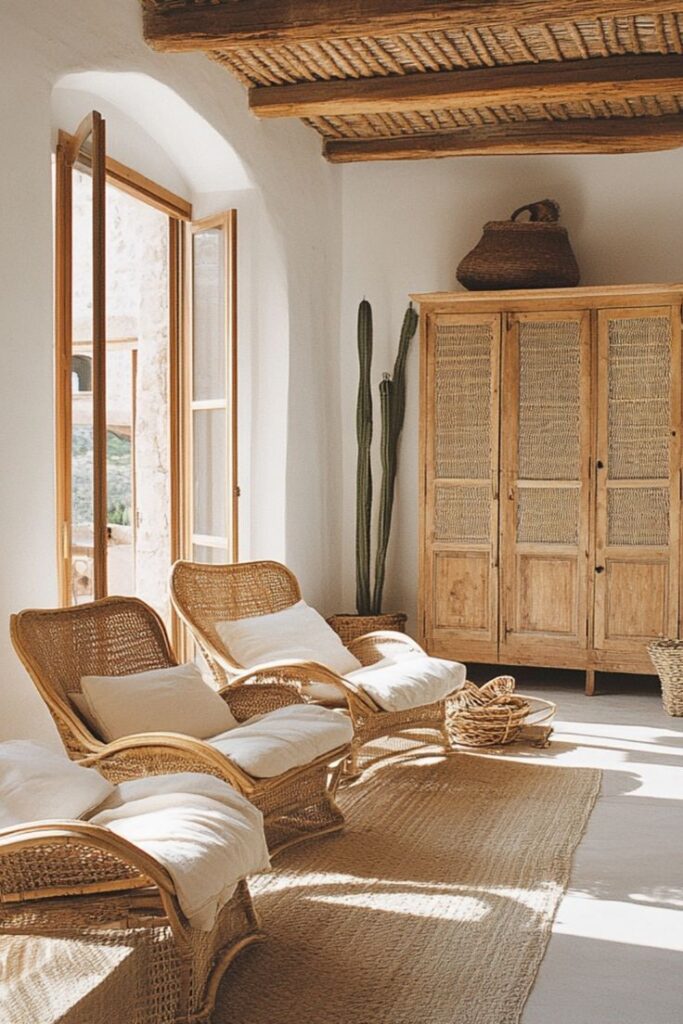
Caned furniture floats. A chair with a woven back or seat doesn’t block the eye. Shadows pass through it, light dances across the weave. It’s open, forgiving, and adaptable. A dining chair, a small bench, a headboard—they all add form without weighing down the room.
This is why designers love it. Even in tight spaces, it works. Even in grand rooms, it scales. It’s both subtle and assertive, the kind of furniture that organizes a room without demanding perfection from every other piece.
Texture That Talks
The weave of cane introduces subtle pattern and texture. Not in a loud, graphic way, but quietly. Against lacquered surfaces, glass, or polished metal, it softens, adds rhythm. Touch is invited. Light falls across it differently throughout the day. Shadows move. The room feels alive.
Wood frames, bamboo, rattan furniture —all warm tones—make it even more approachable. The color variations in natural fibers catch the light in a way flat surfaces can’t. It’s organic, human, and very much alive, even when other furniture is sleek and minimal.
Imperfectly Handmade
Each caned piece carries minor variations. Slight tension differences, small irregularities, uneven edges. Not mistakes—proof of handwork. Mass production erases these qualities, but the resurgence of caning celebrates them.
Handmade furniture has a story embedded in it. A chair is more than a seat; it’s evidence of skill, labor, and human touch. That imperfection is part of the charm. Interiors that include caned furniture feel curated but not staged. They feel human.
Sustainability, Without Compromise
Rattan, cane, bamboo—they grow fast, require little processing, and are renewable. Caned furniture is lightweight and low-impact. And it looks good doing it. Sustainability isn’t just a checkbox; it’s visible in the materials themselves.
A caned dining chair signals intentional design. A handwoven bench at the hallway end shows thoughtfulness. The room feels ethical without the gesture ever being overbearing.
A Nod to the ’60s and ’70s
Caning surged during the bohemian interiors of the 1960s and ’70s. Open, airy spaces, natural materials, a little relaxed, a little unstructured. The revival of 2026 doesn’t copy it wholesale—it reframes it. Clean lines, minimal silhouettes, modern proportions—but the texture and warmth of cane remain.
A caned armchair might sit next to a high-lacquered console. A bench with a woven seat anchors a neutral rug. Even in contemporary, sculptural spaces, caning softens edges. It humanizes rooms without compromising style.
Layering Materials
Caning works best in conversation with other textures. Smooth metal, polished wood, plush textiles—they all highlight the weave. Velvet cushions on a caned lounge chair make it rich, tactile, luxurious. High-gloss or lacquered surfaces reflect the pattern subtly. Leather accessories provide contrast.
Layering prevents the look from feeling flat. The weave becomes a focal point without overwhelming. Light, shadow, pattern, and texture interact. The eye moves. The room breathes.
Practical Yet Beautiful
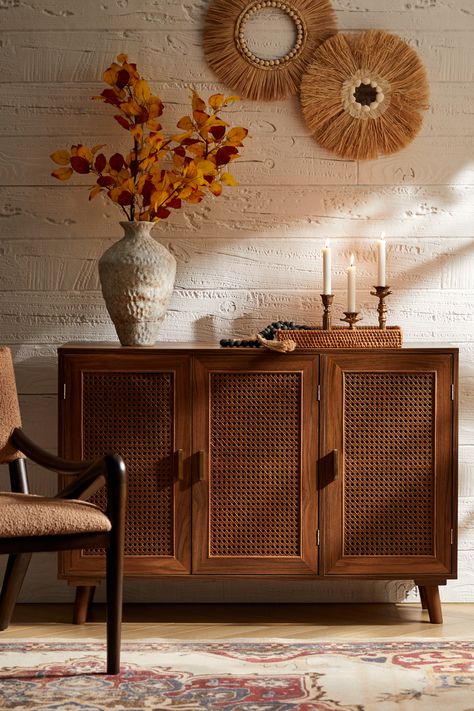
Caned furniture is functional. Chairs support weight, benches endure use, cabinets hold items. But unlike solid, heavy materials, the openness makes interaction feel different. People notice the pieces, move around them differently, sit in them more deliberately.
It’s the kind of furniture that balances drama and utility. A caned lounge chair adds warmth and tactility, while remaining practical. A caned dining set feels lively but never fragile.
Scale Matters
Open weaves make scale forgiving, but proportion is still key. A small caned armchair energizes a corner. A full-sized dining chair commands attention but doesn’t overpower. Benches, sideboards, headboards—they all play with volume without dominating space.
Custom sizing helps the pieces feel intentional. Designers can adjust weave density, frame thickness, and seat dimensions so the furniture reads right in any context. It becomes part of the room rather than something imposed on it.
Caned Furniture as an Anchor
Rooms benefit from layers of texture, and caning provides a subtle anchor. It doesn’t shout, but it organizes. A woven back gives rhythm. A caned seat adds tactility. Shadows, light, pattern—they all come together.
It’s a quiet presence, but it shapes interiors. Open-plan spaces, small apartments, or expansive living rooms—caned furniture adapts, providing breathing room while maintaining warmth and style.

Why It Resonates in 2026
Caned furniture feels timely because it balances old and new. Handcrafted, natural, textural, and light—it aligns with sustainability, tactility, and material honesty. It’s versatile across interiors—from modern minimalism to bohemian revival.
It’s not nostalgia. It’s practicality with personality. It’s furniture that encourages touch and invites use. It softens, anchors, and adds warmth without fuss. Interiors in 2026 need that balance, and caned furniture delivers.