












Something curious has happened in interiors — the daybed, a piece that once seemed like a footnote in furniture history, has become a quiet fulcrum for designers. It’s strange, because this isn’t a dramatic return of a forgotten beast. Nobody is dragging fainting couches out of attic storage and plastering them into contemporary spaces. Instead, the daybed trend has been rethought, re‑scaled, re‑stitched into the architecture of modern domestic life. It’s the Victorian era’s recliner reframed for today, making spaces feel simultaneously sculptural and lived‑in.
The daybed’s resurgence feels like a response to interiors that have become too rigid. Sofas have been polished into uniformity, sectionals have become predictable, and loveseats have been content to play respite to media walls. The daybed sidesteps that all‑too‑ordinary lifecycle. It’s not a loveseat disguised as something else. It stands on its own — a horizontal element in a vertical world, a piece that invites the body to linger rather than perch, to recline with purpose rather than merely offer seating.
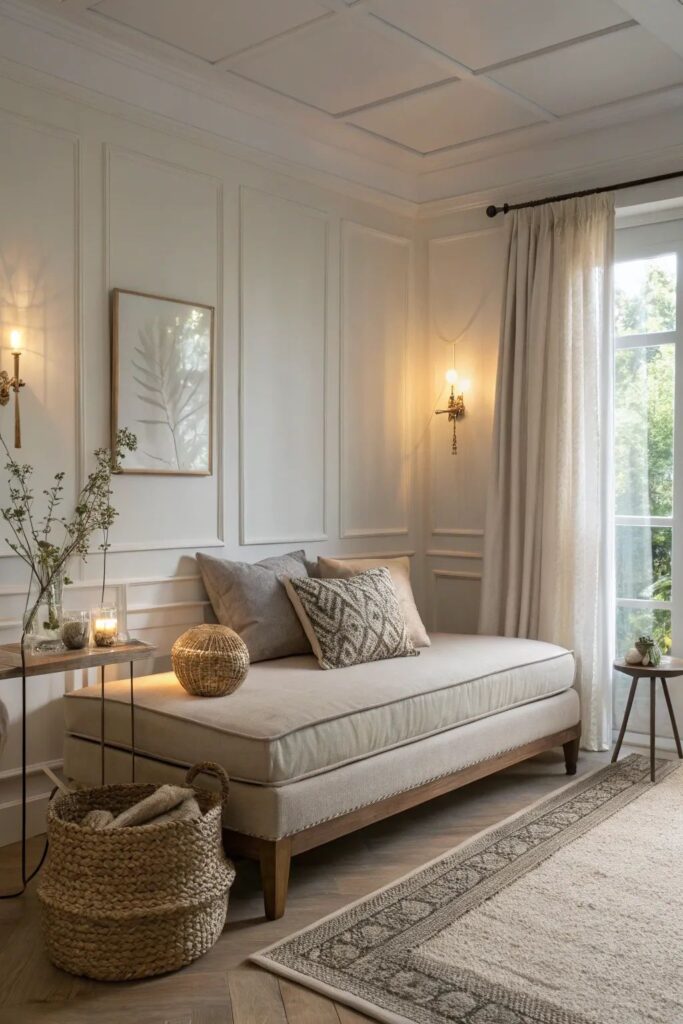
Not a Sofa, Not a Bed
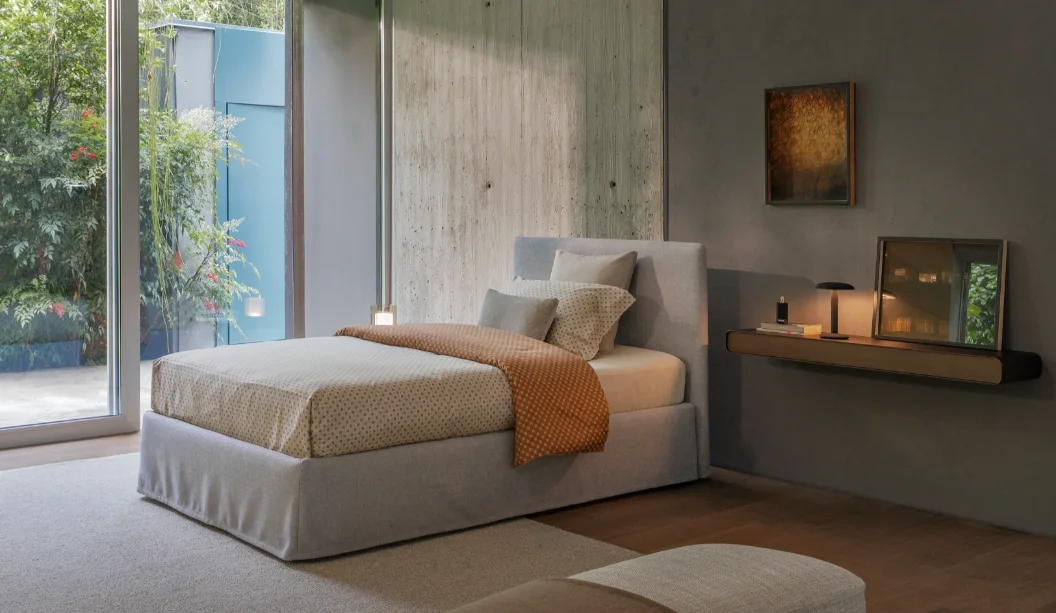
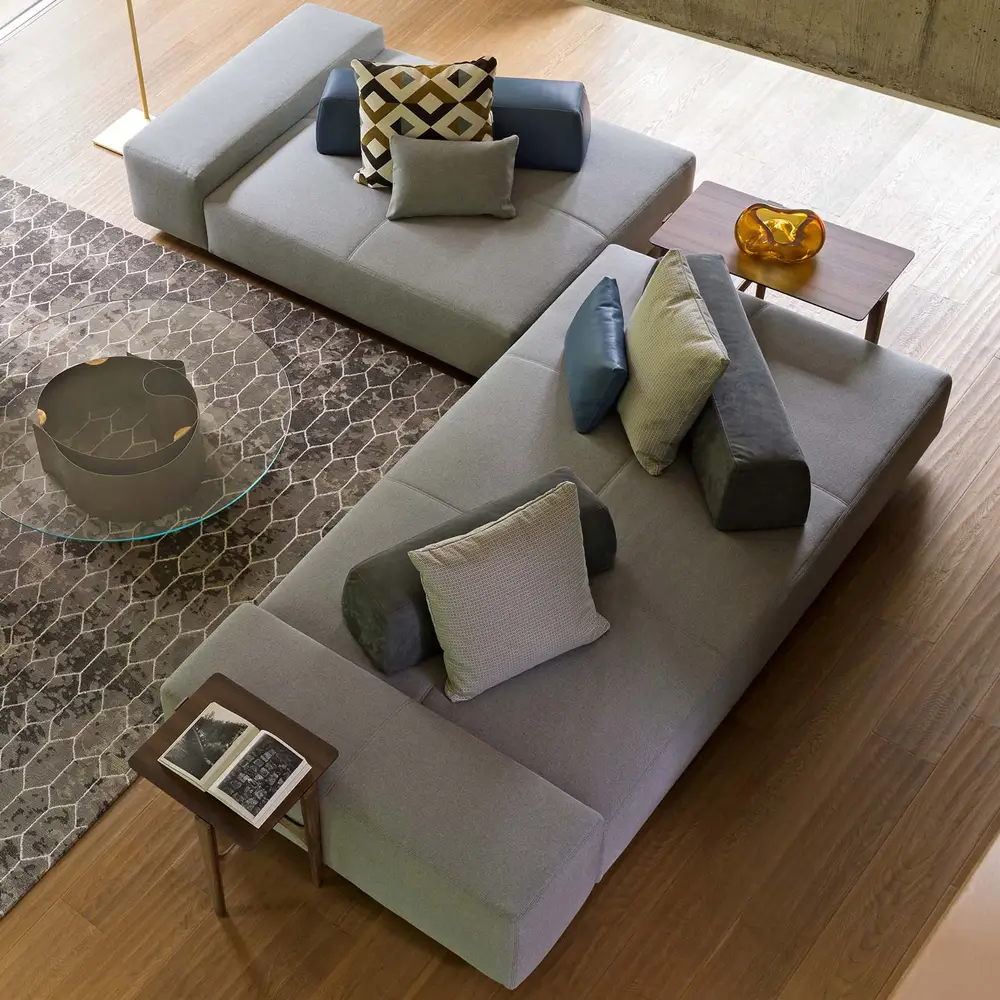
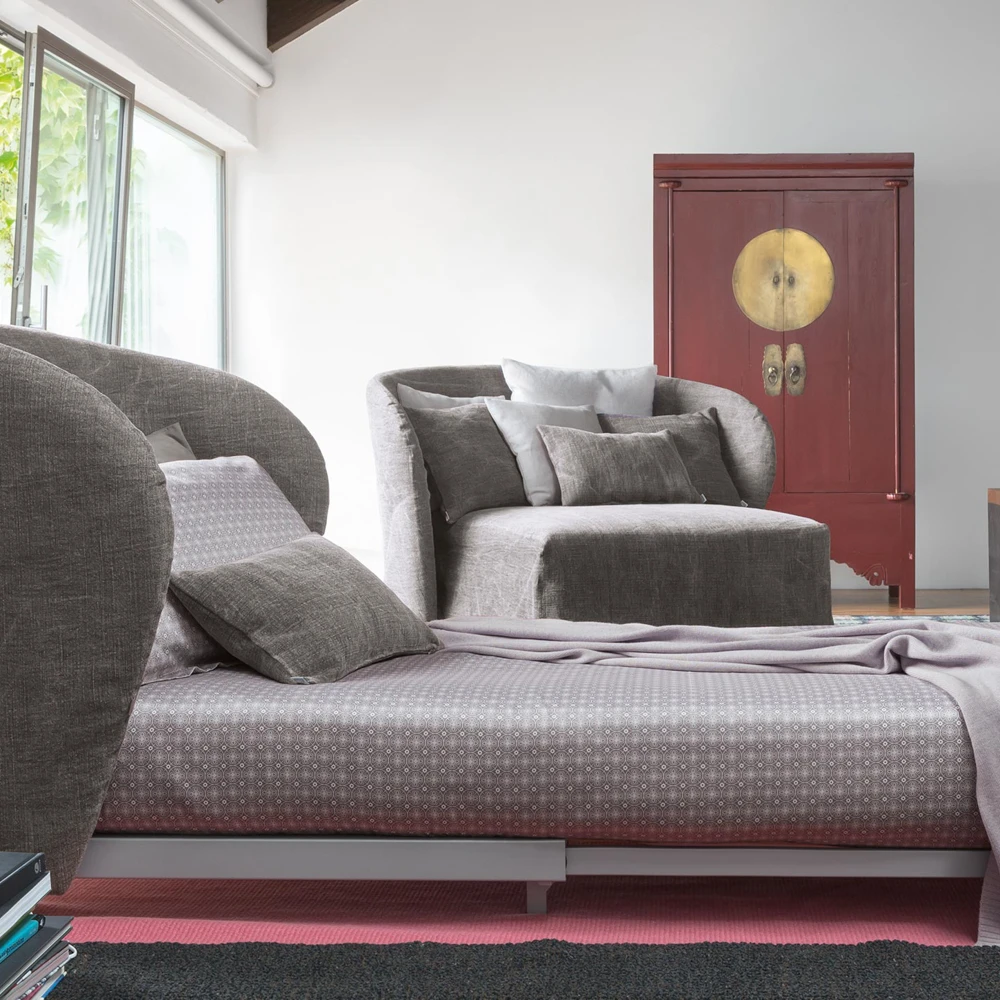
This matters because designers are not copying history. What’s happening is a reinterpretation. The daybed of 2026 isn’t a replica of a 19th‑century fainting couch. It borrows the lineage — the elongated shape, the sense of repose — but strips away any languid associations that feel dated or literal. Upholstery in fabric or leather remains predominant, but the lines are clean, the proportions refreshed, and the intent is unmistakably contemporary, as seen in recent daybed collections from brands like Atmosphera and Meridiani.
The rhetoric around it — voiced by practitioners like Laura Gonzalez — centers on the daybed as sculptural and inviting. There’s talk of it as a “monolithic presence softened by textured fabric and generous seats,” an articulation that captures its dual role: visually assertive, yet tactile. That tension is what makes it more than a piece of furniture; it becomes a spatial pivot. It anchors a room without commanding it like a bulky sofa might.
Comfort Without Sacrifice
What’s fascinating is how this trend negotiates comfort and aesthetics without compromise. Historically, thinking about comfort in design often meant conceding something else: form for function, or vice versa. But the daybed of 2026 seems to demand both. It’s meant to be pleasurable — a place to nap, to scroll, to linger in the afternoon light — and also to elevate the room’s visual architecture. This insistence on duality feels very much of the moment, as if the demands of everyday life have forced designers to stop sacrificing utility on the altar of style.
Sherry Shirah’s emphasis on textile richness underscores this. The daybed must be comfortable enough to call someone to rest but luxurious enough to invite contemplation. In a world where interiors double as offices, lounges, and nearly every other kind of room, furniture that can span functions without losing emotional resonance becomes more than wishlist item — it becomes a necessity.
Statement or Subtlety
Adaptability is the word designers slip into these conversations. A daybed can be statement‑laden or quietly integrated into the background. Some practitioners lean into its sculptural potential; others deploy it as a spatial mediator, working within a broader circulation pattern so it feels cohesive rather than intrusive. For those with limited space, the daybed is not a centerpiece competing for attention but a harmony‑seeking instrument that reinforces lines of sight and movement.
What’s telling is that this trend isn’t prescriptive. You’re not told to place your daybed in one specific spot. Some designers situate it smack in the middle of the room, as if daring it to become the expected anchor of the space. Others prefer it tucked into a corner nook — a light‑filled recess for reading or reflection. The piece adapts. It doesn’t dominate; it converses. That’s rare. Most furniture trends push front and center or fade into anonymity. The daybed feels alive somewhere in between.
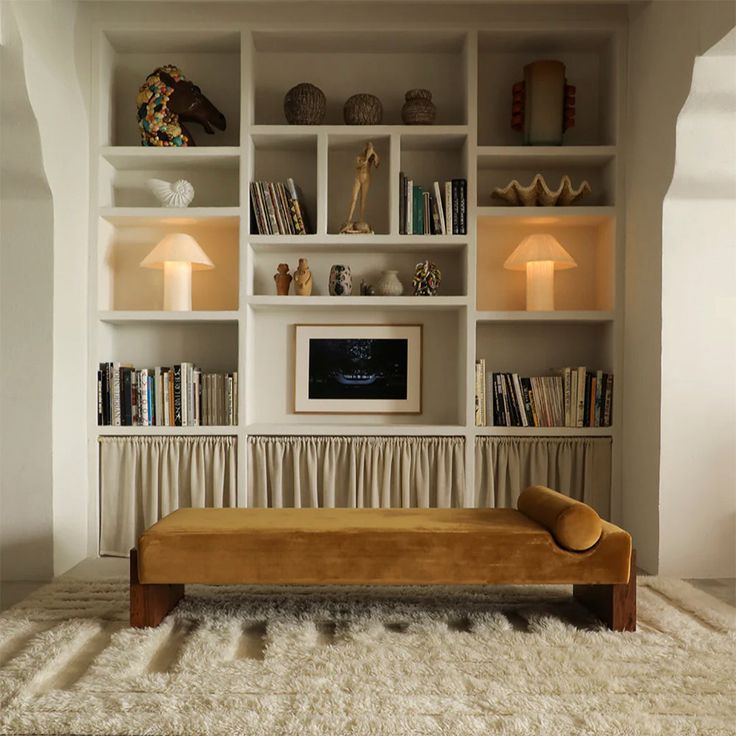
Styling Idiosyncrasies
There’s also a small but fascinating debate about styling the daybed — with pillows or without. Michelle Gage’s rule is practical, anchored in form: back present? Layer print and pattern. Backless? Keep it simple with a throw and a small side table. These recommendations are almost amusingly obvious, but they point to something deeper about the way designers are thinking: context matters. The material life of a piece — how it feels against the body, how it looks against the horizon of the room — becomes part of the narrative rather than a superficial afterthought.
And because contemporary interiors have grown comfortable with a kind of informality, pillows become cues, not clutter. They signal the intention to use the piece, not just admire it. Whether print‑mixed or minimal, they are part of a new lexicon that embraces comfort and design with equal seriousness.
Rituals and Rhythms
Part of what makes the daybed trend interesting, though, is its subtle psychological undertone. There’s a ritual quality to reclining that a sofa doesn’t quite capture. The couch is orientation: you sit facing something. The daybed is orientation toward being. It encourages lying back, gazing upward or outward, scrolling without interruption, maybe even a midday nap. In a culture that rarely allows for pause, a piece of furniture that quietly suggests rest is provocatively subversive.
The revived daybed is not nostalgic in a sentimental way. It doesn’t fetishize the past. It borrows only enough to feel familiar. It signals a shift in how living spaces function and how people want to feel in them. It moves beyond tourist detachment from interiors — the cold, curated scenes that once dominated photography — toward something that feels domestically earnest, modestly generous, and reassuring.
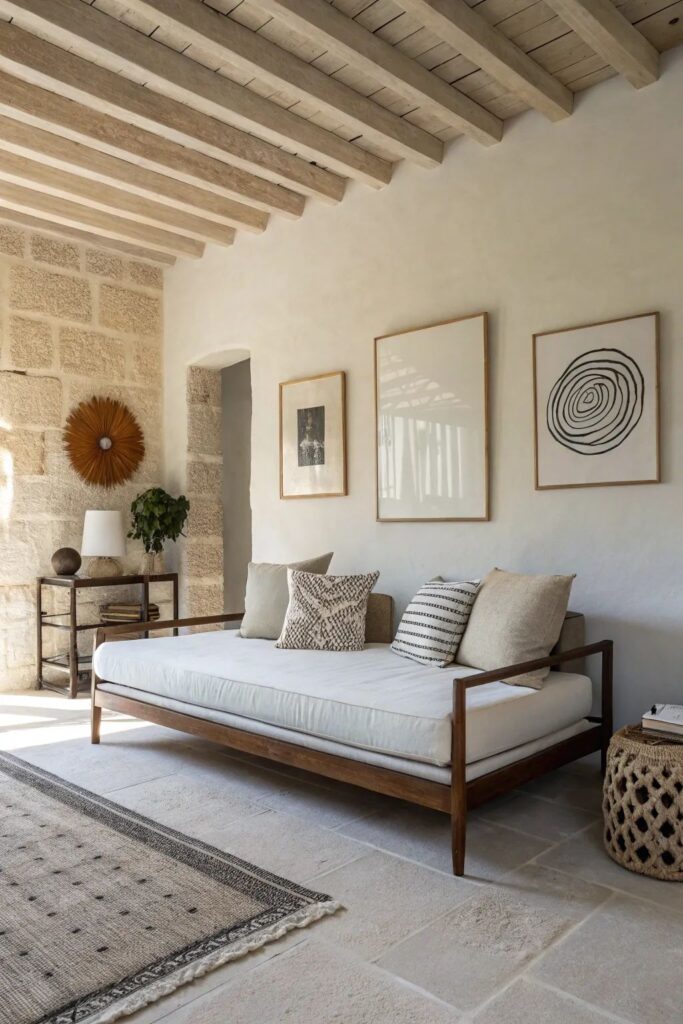
Object and Space
In an age when walls blur — kitchens open to living areas, offices fold into lounges — furniture has had to become more elastic. A rigid sofa no longer fits this hybridized lifestyle easily. But the daybed, in its linear ambiguity, seems to slide into these layered spaces without resistance. It can be a long seat for guests, a solitary spot for a cup of coffee, a sleeping nook for an unexpected overnight. It’s not trying to define the room so much as extend its usability.
Designers talk about proportion and materiality, but there is also an intuitive sense at work. The daybed’s horizontal profile echoes the body’s natural repose. It references sightlines and human scale in ways sofas rarely do. It doesn’t call attention to itself on arrival; it invites the occupant in slowly, quietly, and without fuss.
A Statement About Rest
What this trend also signals — unavoidably — is a cultural shift. Interiors aren’t just about looking nice for visitors or being photogenic. They are about inhabiting life. The daybed, with its ambiguous identity between couch and bed, celebrates that. It’s not a compromise piece. It’s an honest statement: homes should accommodate the rhythms of life, not just the aesthetics of display.
Maybe it’s the slow rejection of overly stylized living rooms — rooms that look perfect in photos but feel hollow in use. Maybe it’s a craving for furniture that feels like a body could genuinely inhabit it. Maybe it’s a reflection of pace: slower days, more moments spent lingering with a book, or allowing a space to become a backdrop for unstructured time. Whatever the reason, the rise of the daybed feels less like a fad and more like a recalibration of how interior life is meant to feel.