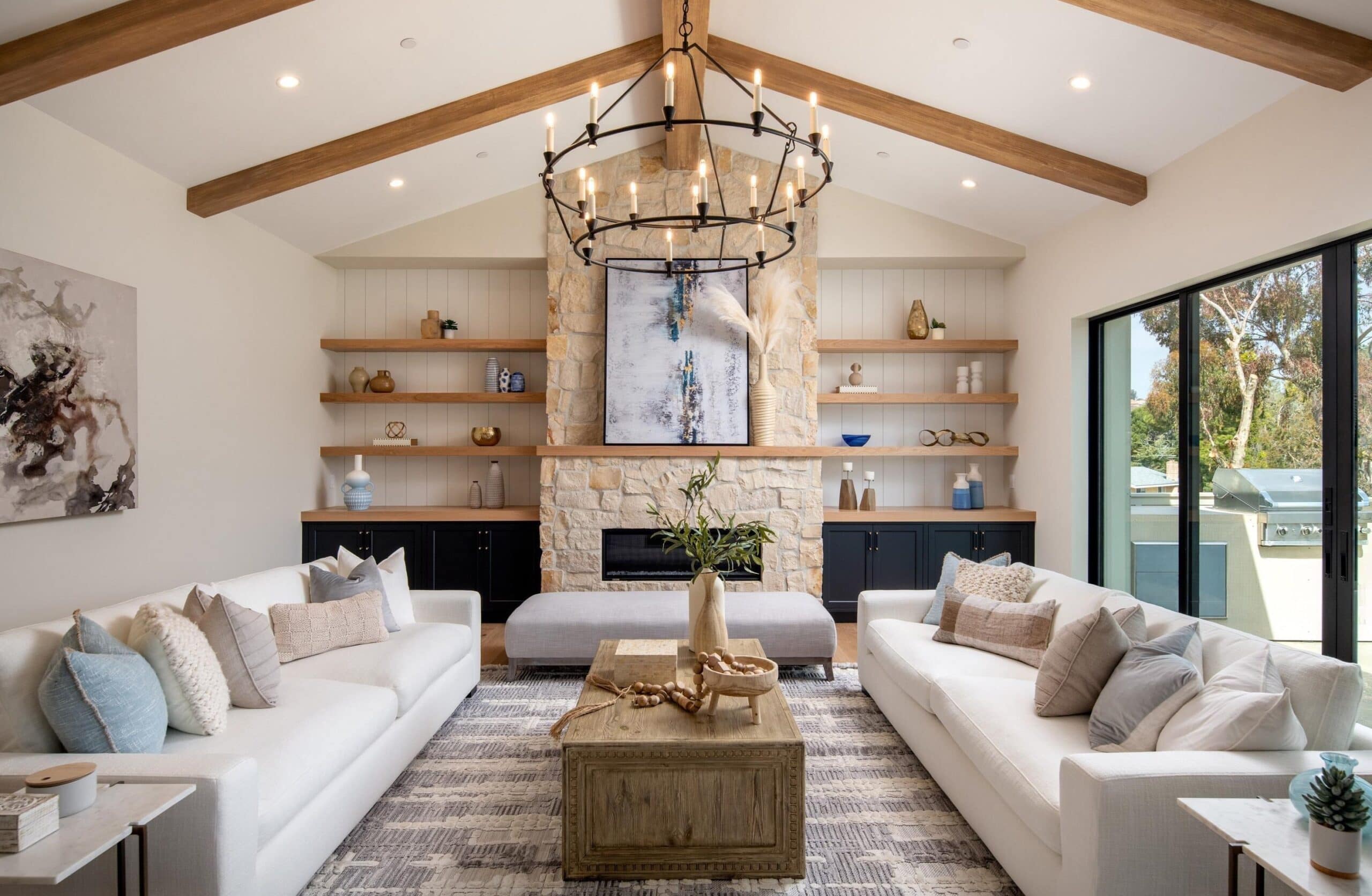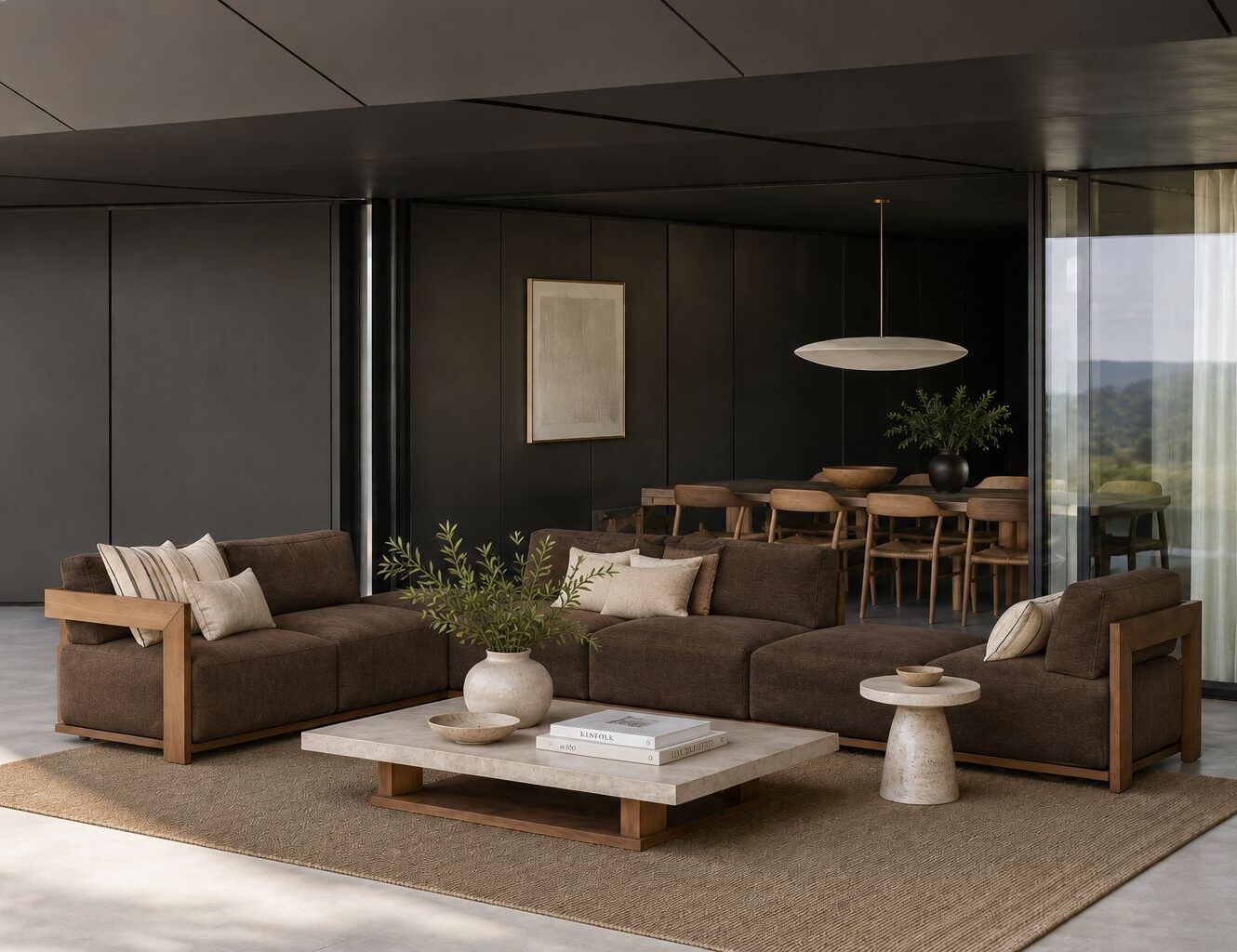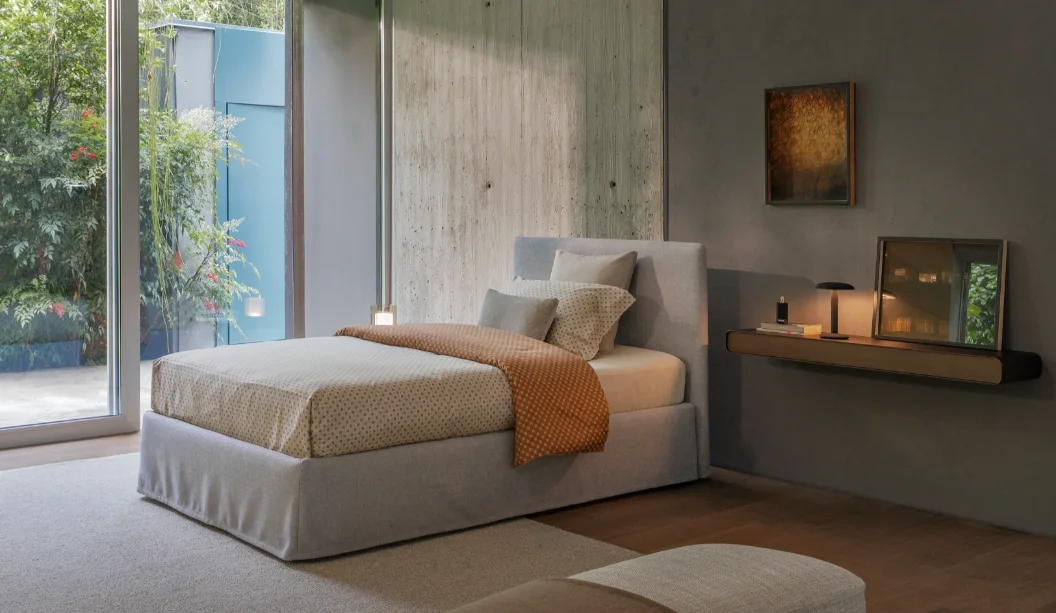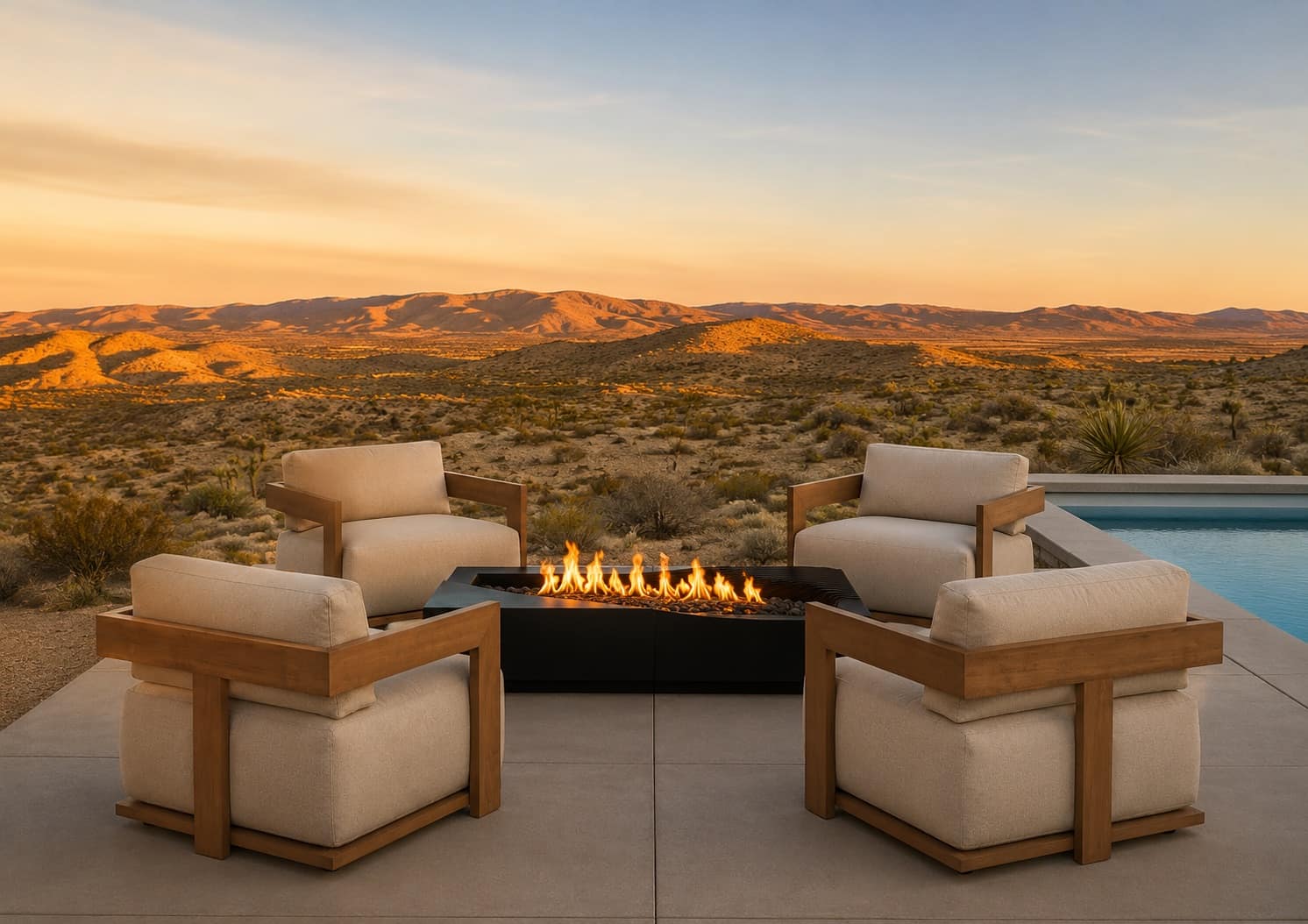











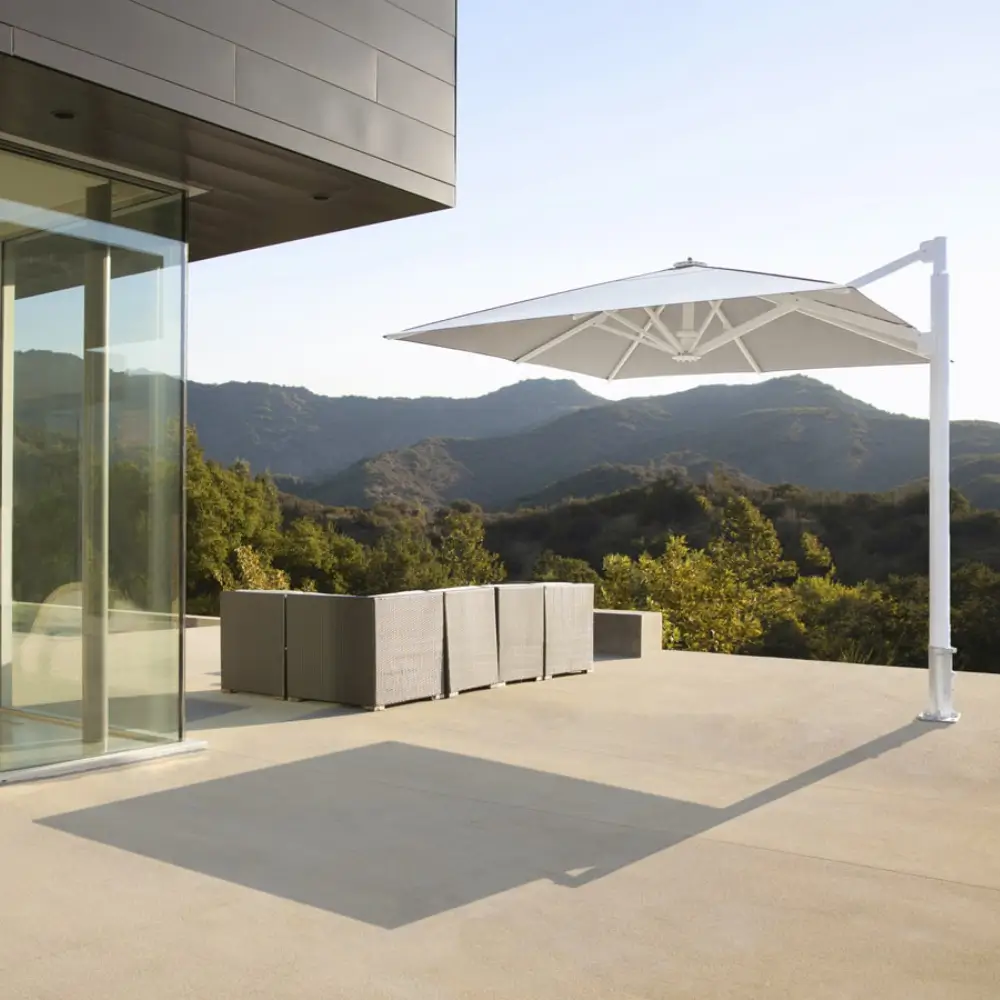


Luxury rarely announces itself with a price tag. It reveals itself slowly, through proportion, texture, and the deliberate quiet of a well-considered room. A luxurious interior isn’t defined by square footage or costly furniture; it emerges from intention—from the choices that shape how a space feels, breathes, and ages.
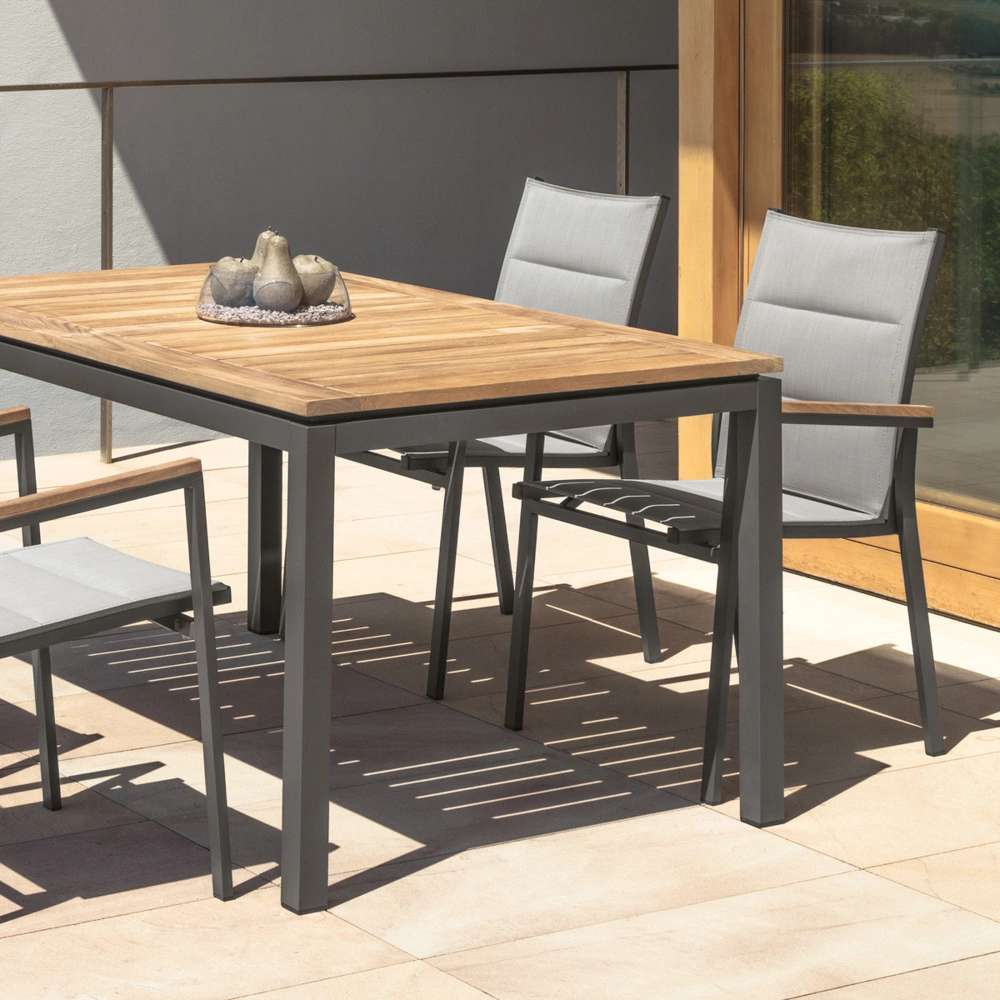
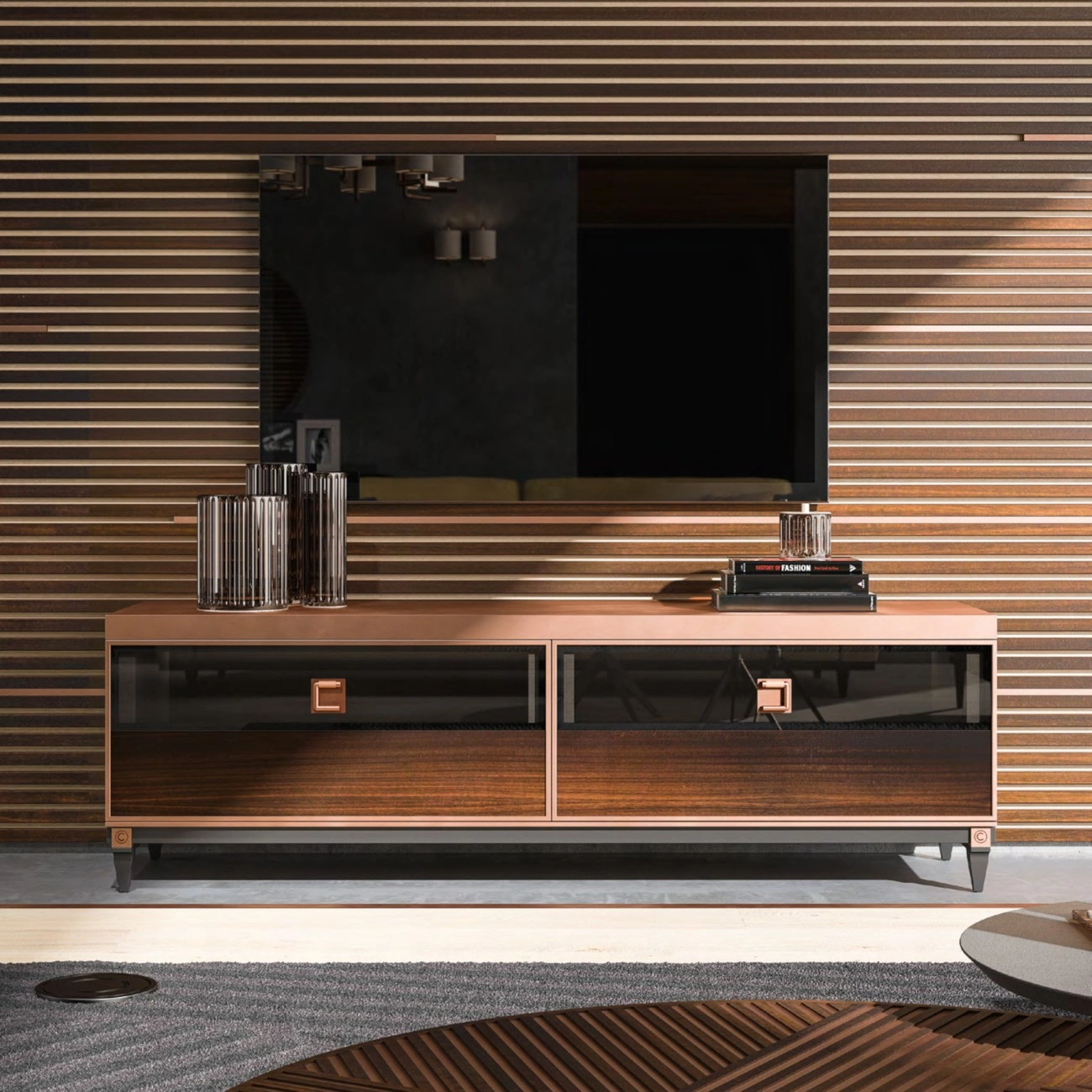
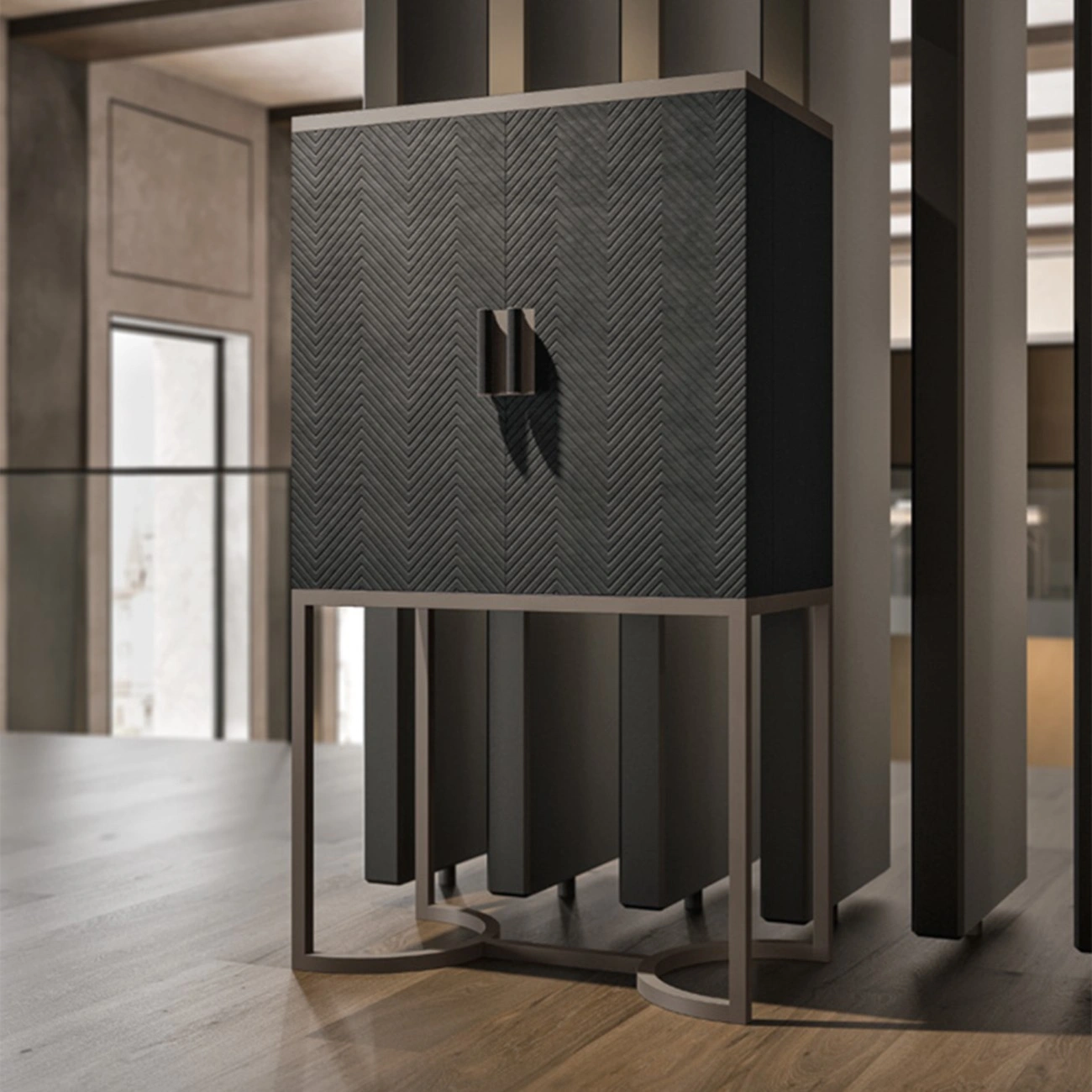
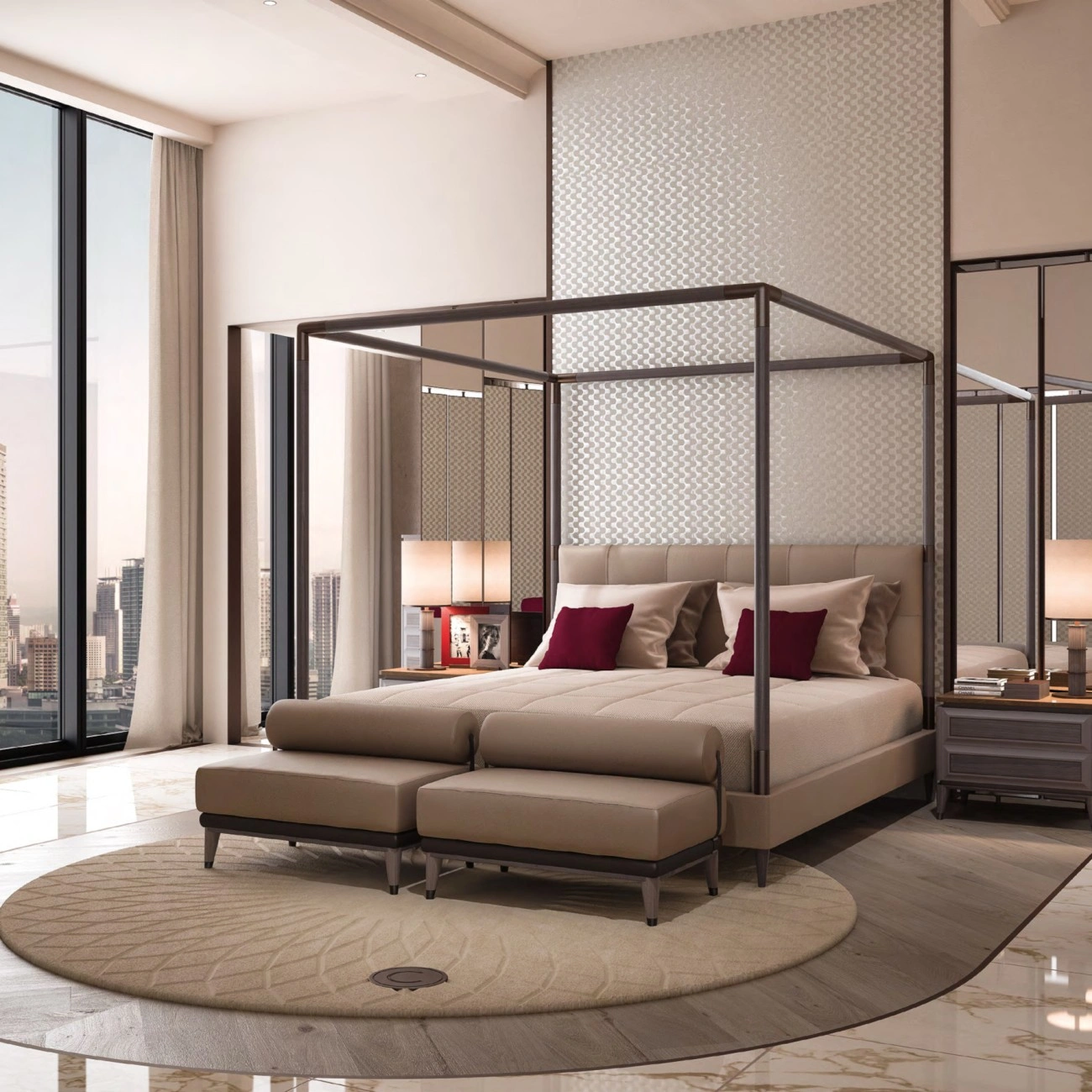
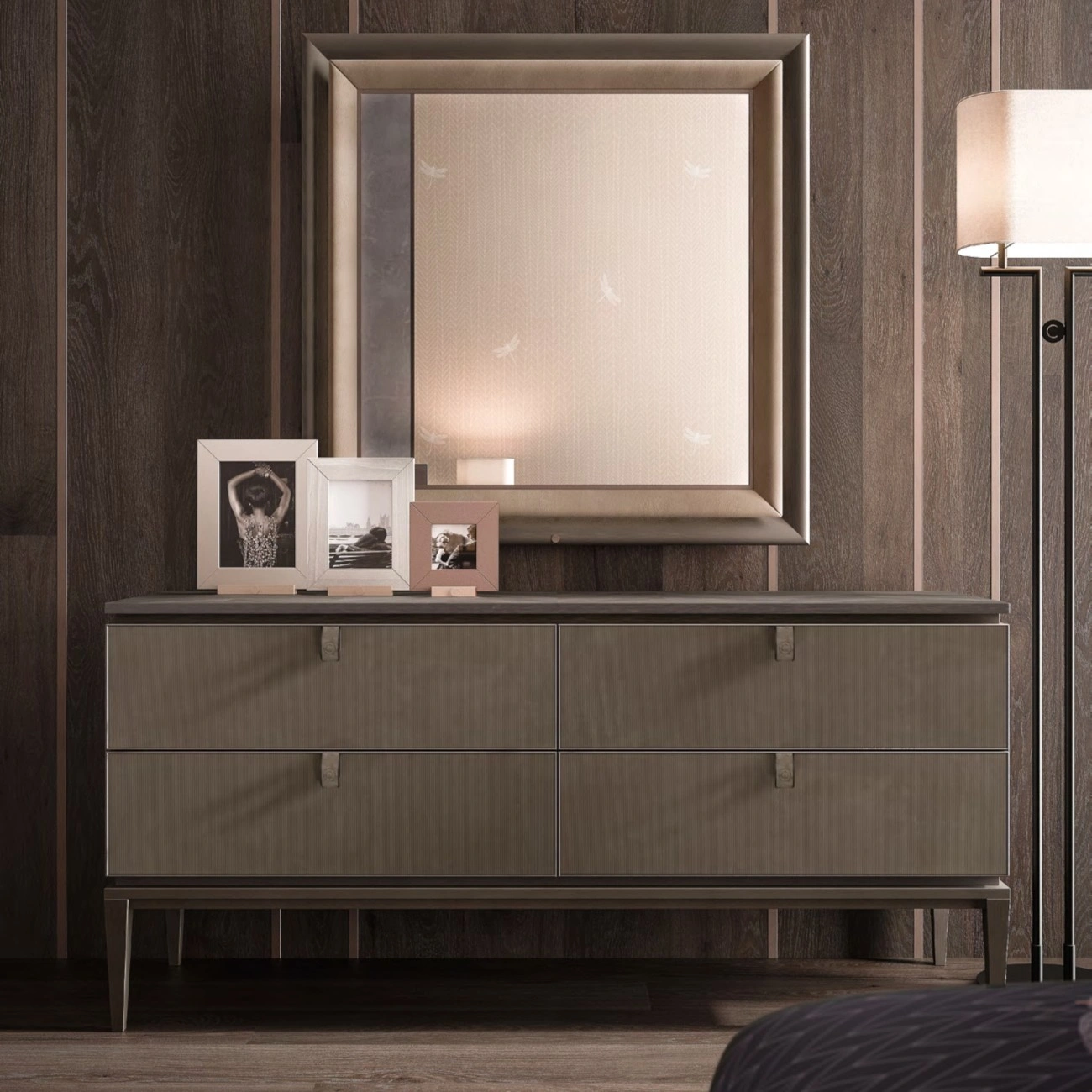
This philosophy is the bedrock of luxury Italian furniture brands, where design is treated as a cultural heritage rather than a fleeting trend. Makers like CPRN Homood, Flou and Talenti furniture understand that true luxury lies in the “silent elegance” of a perfectly balanced silhouette or the tactile honesty of hand-stitched leather. By prioritizing material integrity and artisanal precision, these brands create pieces that don’t just fill a room, but anchor it with a sense of permanence and refined soul.
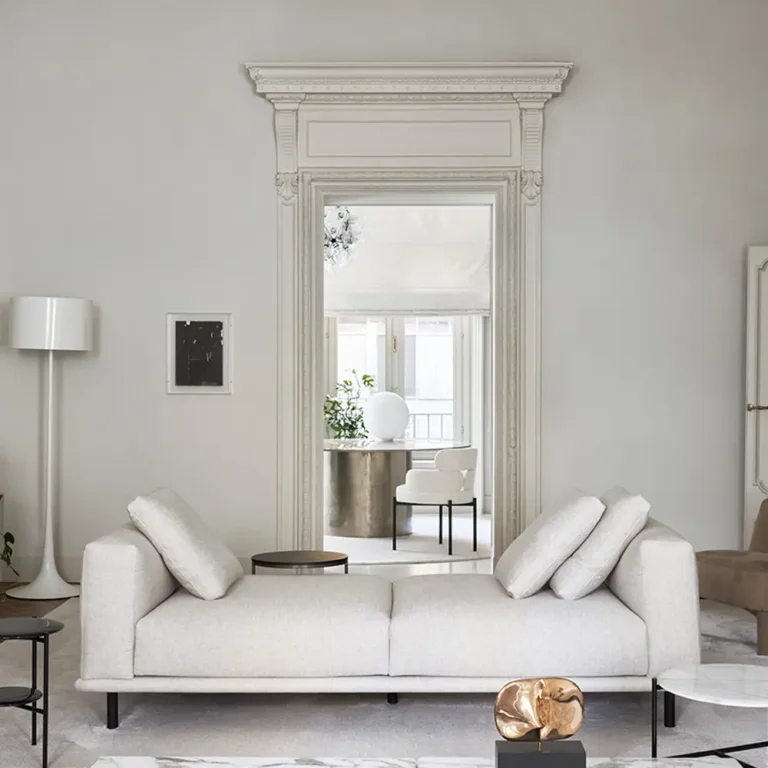
Luxury home design excels in this subtle language. It pays attention to the smallest details: the curve of a chair leg, the weight of a stone bowl, the silence created by an empty shelf. These elements work together with the kind of ease that appears effortless, even though it is anything but.
Below, the principles that truly give a home that unmistakable calm, expensive sheen — the kind that lingers long after someone steps through the door.
Curves: The Soft Geometry of Elegance
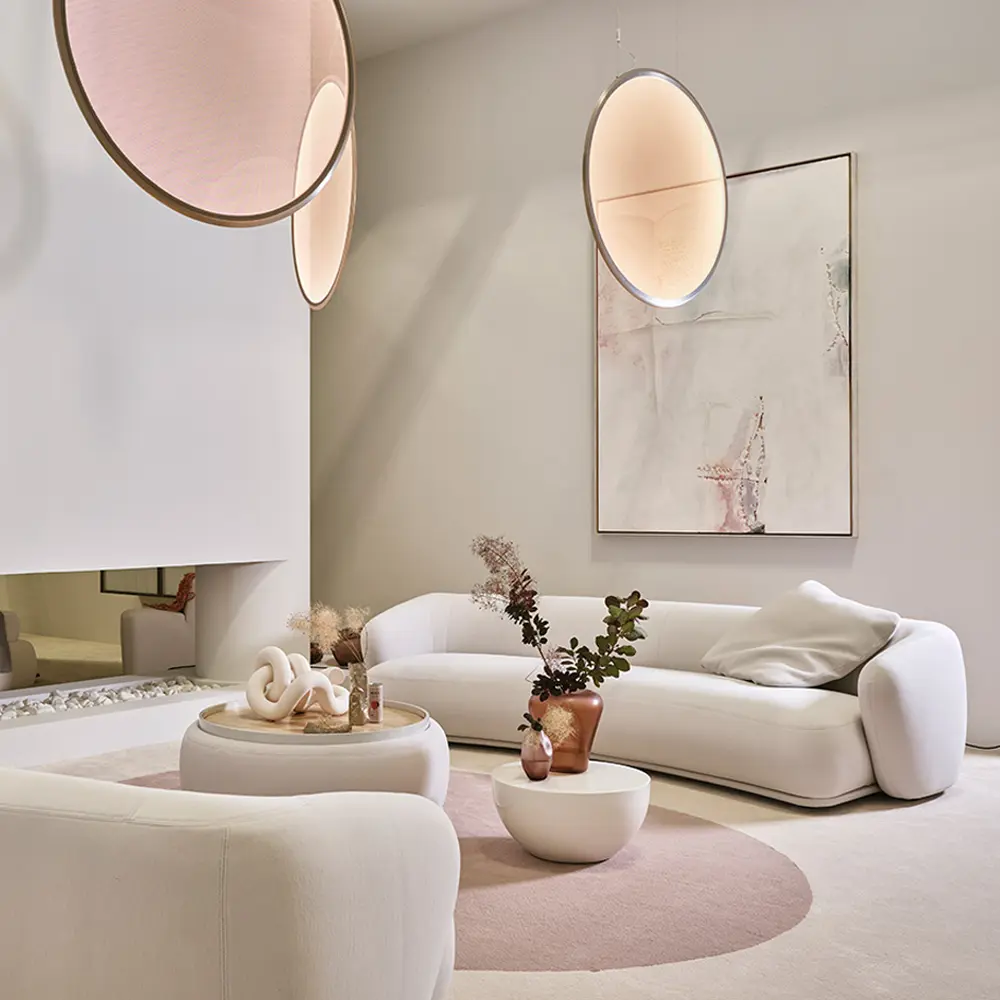
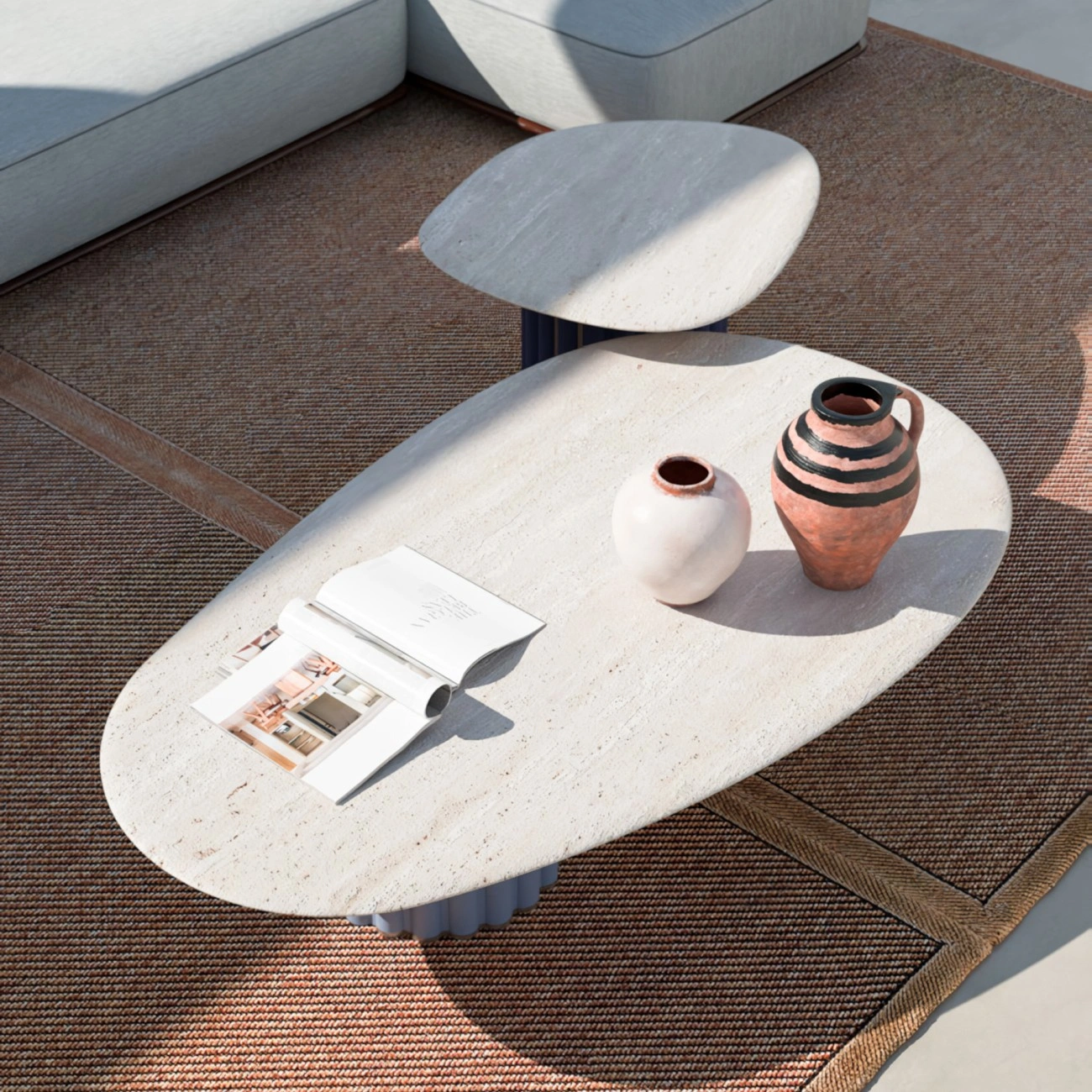
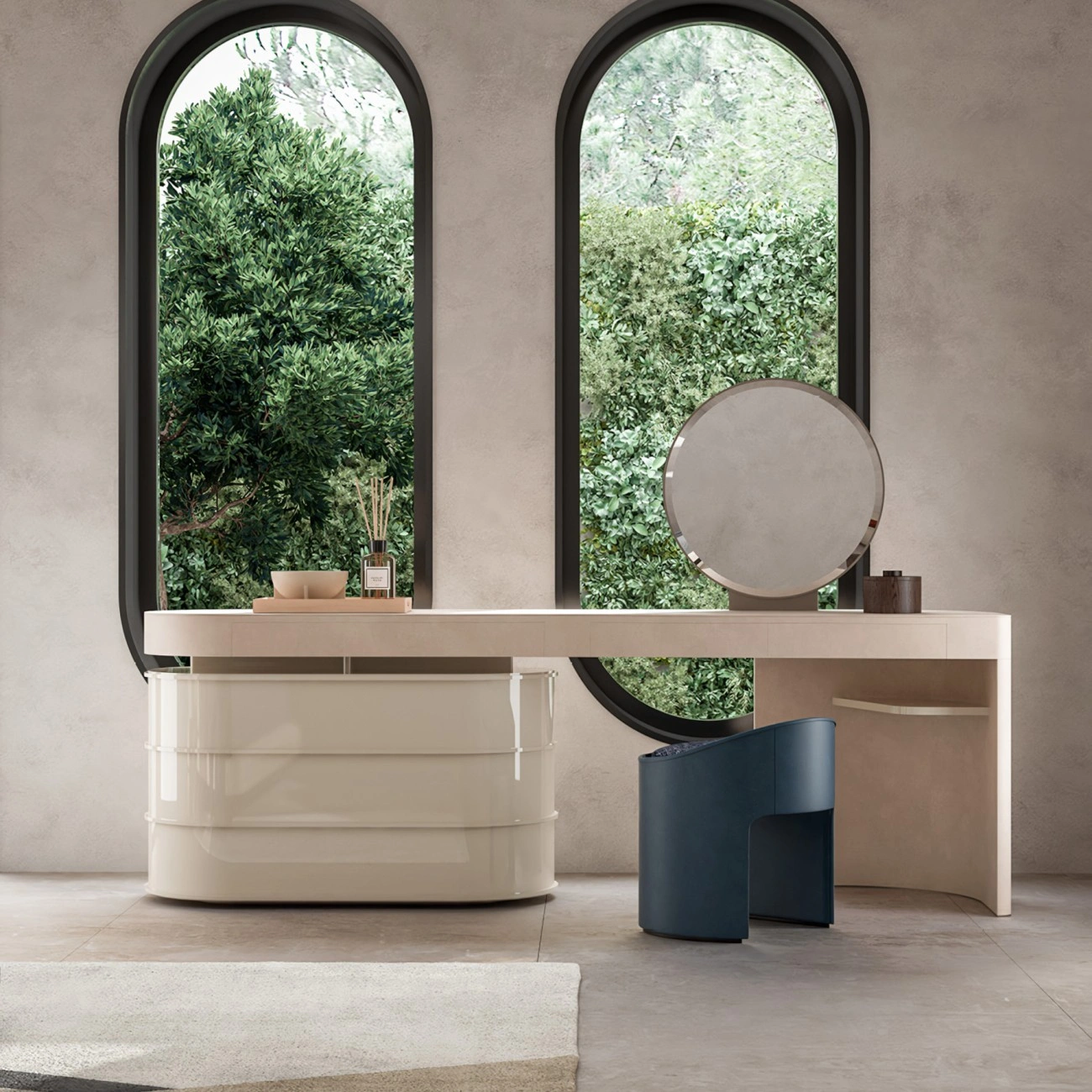
Walk into any thoughtfully designed interior and chances are the eye will land first on something curved. It may be the arch of a doorway, a velvet sofa with a rounded back, or a table carved with subtle, organic edges. Curves have long been associated with grace, and in luxury home design they act as quiet sculptural moments that break away from rigid geometry.
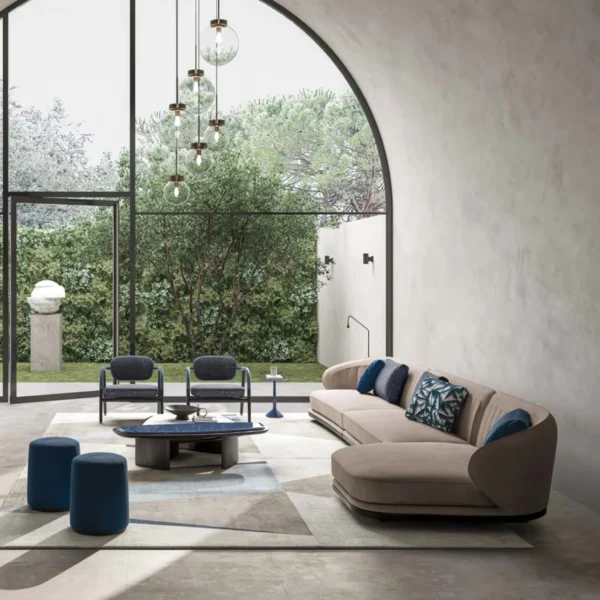
There’s a psychological pull to them. Humans instinctively read curved forms as safe, approachable, and pleasing. They take the severity out of a room and replace it with a kind of visual generosity. A curved table softens a hard corner; a rounded ottoman creates flow where a square one would simply occupy space.
But curves also carry another meaning: craftsmanship. Any object with a smooth, continuous form suggests labor, expertise, and an unwillingness to cut corners — literally and metaphorically. These are the subtle signals that distinguish elevated interiors from mass-produced ones.
In places where architecture already hints at softness — a bay window, a rounded alcove — curved pieces feel almost inevitable. In more angular rooms, they act as a needed counterbalance. Even small gestures, like a circular rug or a spherical cushion, can shift the temperament of a space from ordinary to quietly indulgent.
Materials That Earn Their Beauty Over Time
The enduring appeal of timeless interior materials lies in their ability to evolve gracefully, gaining character rather than losing relevance as years pass. There is reason natural materials dominate the world’s most admired interiors. They do not simply decorate a space; they evolve within it. Stone, wood, leather, metal, and plaster all carry the gift of aging well — deepening in tone, changing in texture, gathering history with every year.
Luxury home design resists surfaces that imitate permanence but fail to embody it. Plastics crack. Vinyl peels. Laminate warps. These materials often look their best on day one and decline quickly afterward. By contrast, natural materials reward longevity: marble softens into a matte, lived-in glow; brass darkens into a handsome patina; solid wood gains character rather than losing it.
There is something inherently luxurious about weight as well. Heavy materials feel assured. They don’t pretend to be anything else. The heft of crystal compared to plastic, the cool solidity of a stone platter — these sensations linger in the hand and communicate quality without a single word.
Luxury home design relies on materials that carry their value forward, year after year, until they feel intrinsic to the home itself.
Integrated Storage and the Luxury of Visual Quiet
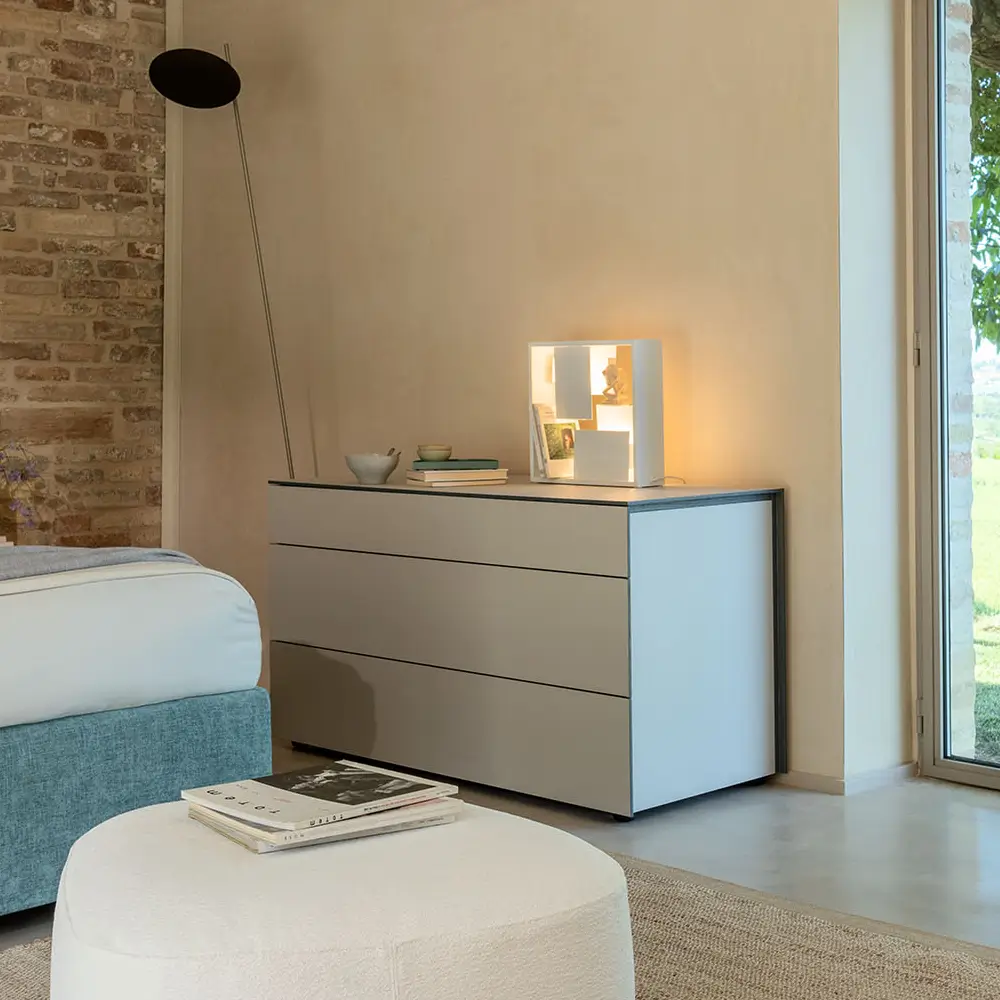
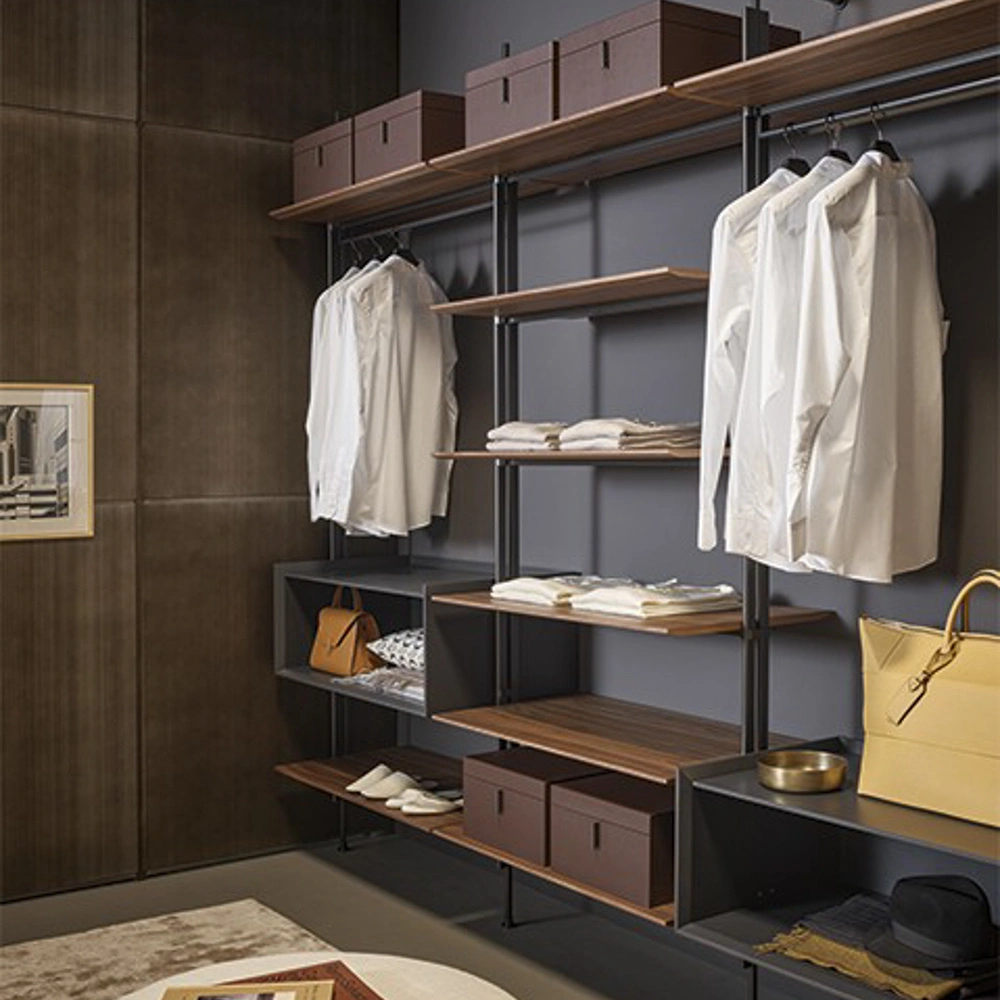
One of the most underestimated characteristics of expensive interiors is silence — not acoustic silence, but visual quiet. Built-in cabinetry plays a monumental role in this. When storage is integrated from floor to ceiling, without interruptions or awkward gaps, the room immediately feels more intentional and more expansive.
These seamless surfaces read as custom, even when they are not. They stretch the proportions of a space and erase the visual noise created by disjointed furniture. The absence of clutter isn’t just tidiness; it’s part of the psychological calm that luxurious environments cultivate.
Hardware is another subtle indicator of refinement. Handles finished in aged brass, marble, or forged metal bring dignity to otherwise simple joinery. They add tactile richness and reinforce a sense of permanence — small signals that distinguish luxury home design from ordinary function.

None of this is about extravagance; it is about eliminating distractions so the room’s architecture and materials can speak.
Furniture That Lives as Sculpture
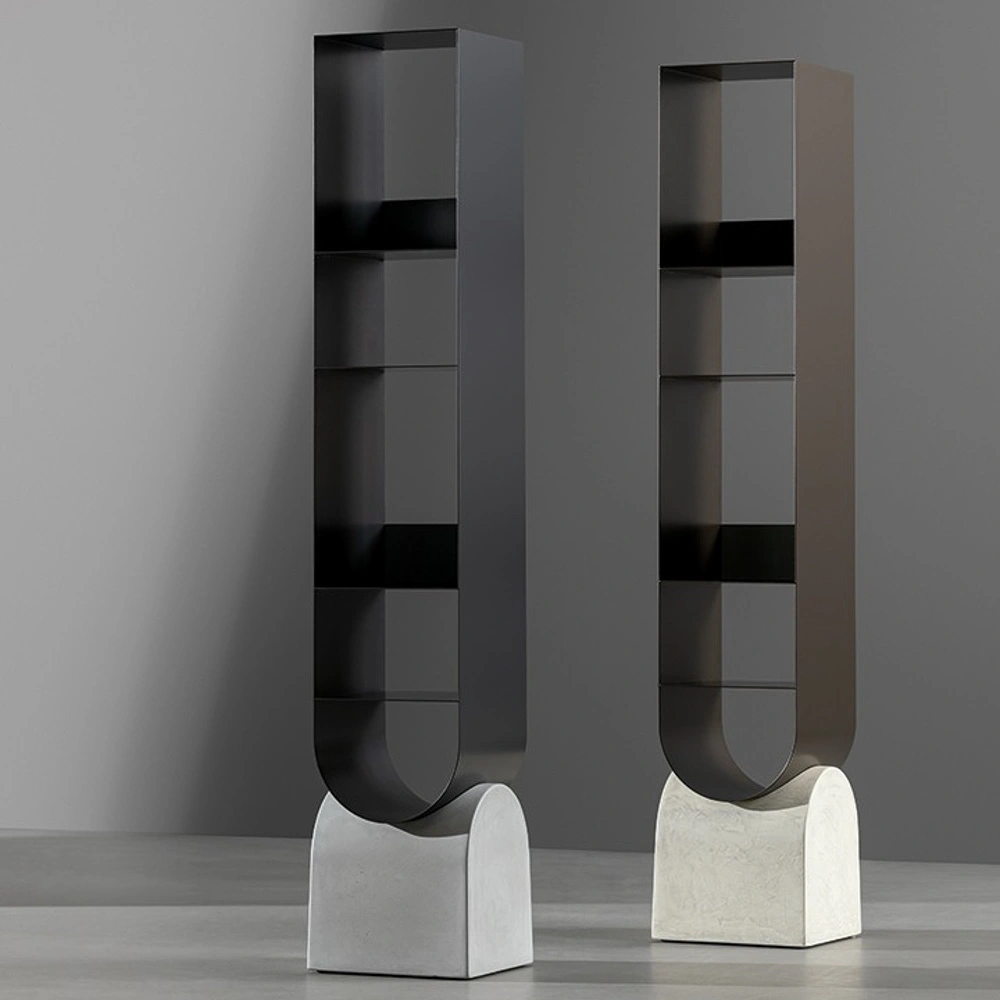
Every room benefits from one piece that operates on both functional and sculptural levels. This doesn’t mean living within the pages of an art catalog, but rather allowing one or two pieces to stand with a sense of presence.
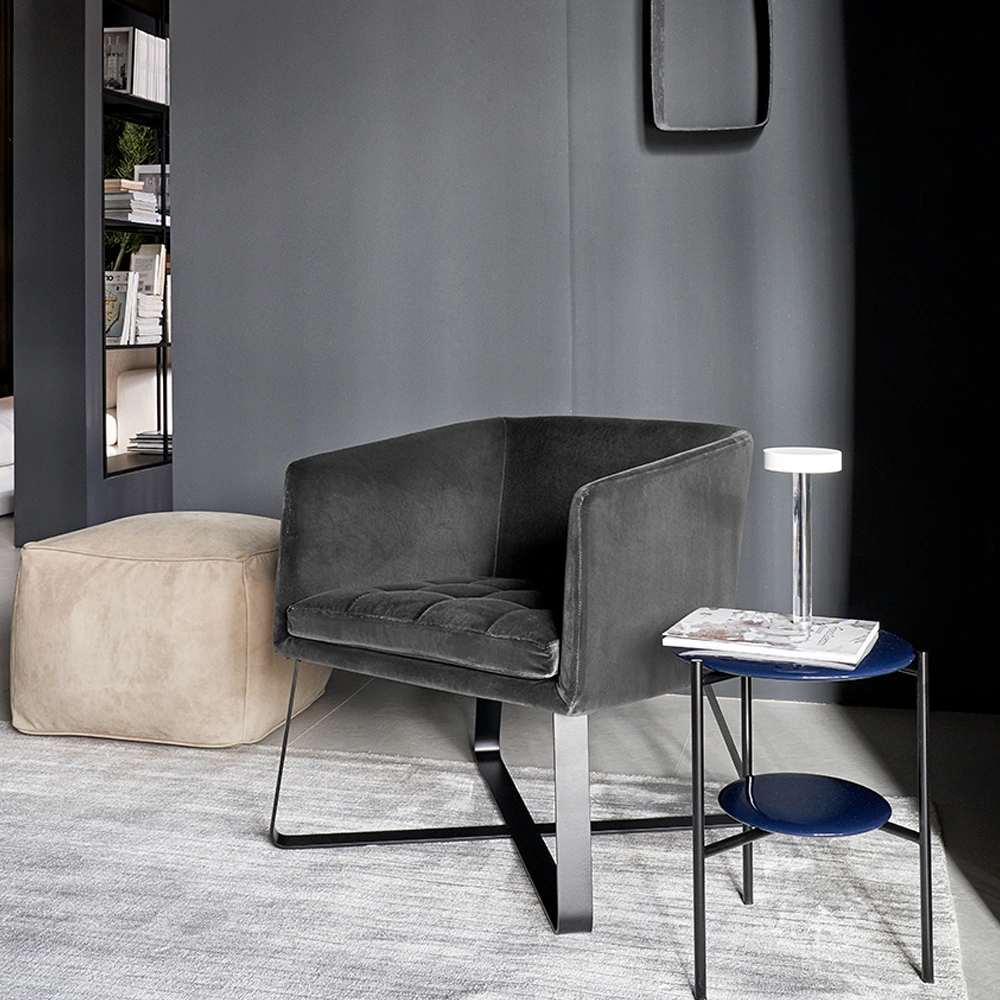
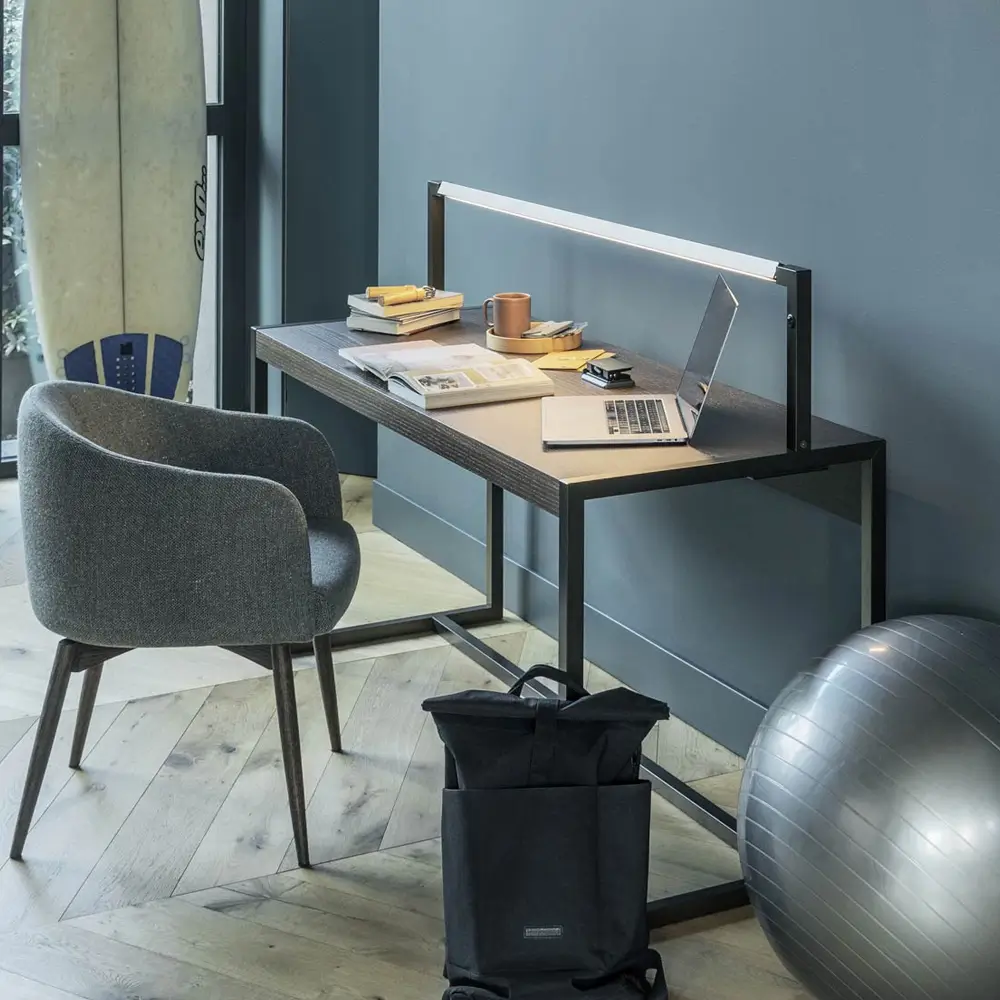
A coffee table with commanding geometry, a chair shaped like a flowing line, a lamp with a hand-cast base — each becomes its own artwork. These pieces draw the eye, not because they are loud, but because they look considered. They are unexpected without being impractical.
The best interiors are those where the furniture appears chosen, not simply bought. Luxury home design often hinges on this very idea: elevating practicality through beauty, and ensuring that even the most ordinary objects carry a sense of intention.
Art That Creates Mystery and Balance
Art is the soul of a refined interior. Unlike personal photographs, which anchor a space in autobiography, art opens it up. It creates ambiguity, curiosity, and quiet tension — all elements that contribute to a sophisticated atmosphere.
Scale plays an enormous role here. Rooms full of identically sized artwork feel stiff, more like a grid than a curated collection. Contrast changes everything. A single oversized canvas above a sofa, a few smaller paintings tucked along a shelf, a sketch leaning casually against a wall — together they create rhythm. They imply time, discernment, the slow building of a collection rather than the convenience of a single shopping trip.
Even frames matter. Matching frames can feel safe but uninspired. Slight variations — a brass frame beside a dark wood one, a rough oak beside a thin black metal — create nuance. They signal that the art dictated the frame, not the other way around.
Luxury home design uses art not as decoration, but as architecture for the eye.
The Grace of Mixing, Not Matching
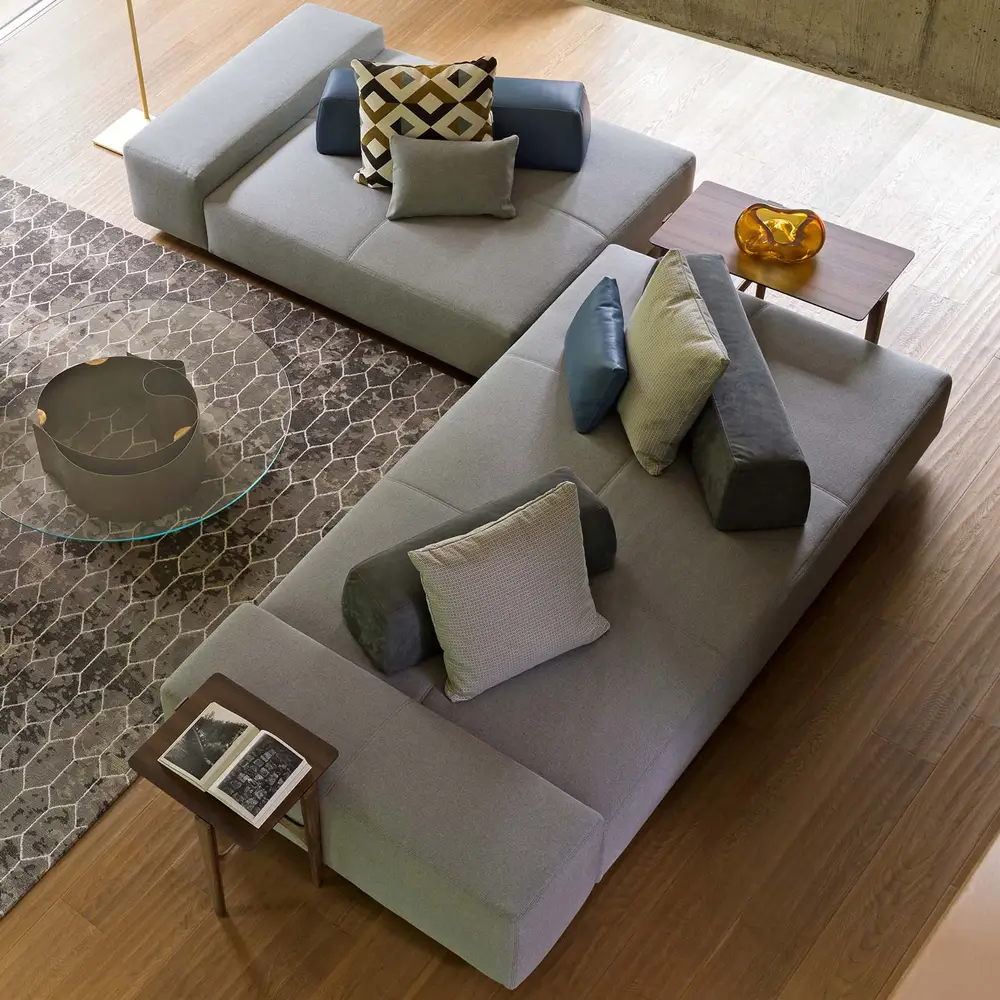
Uniformity has its place in certain design philosophies, but luxury is not one of them. The most compelling interiors blend pieces from different eras, styles, and materials — each chosen for its character rather than its ability to match.
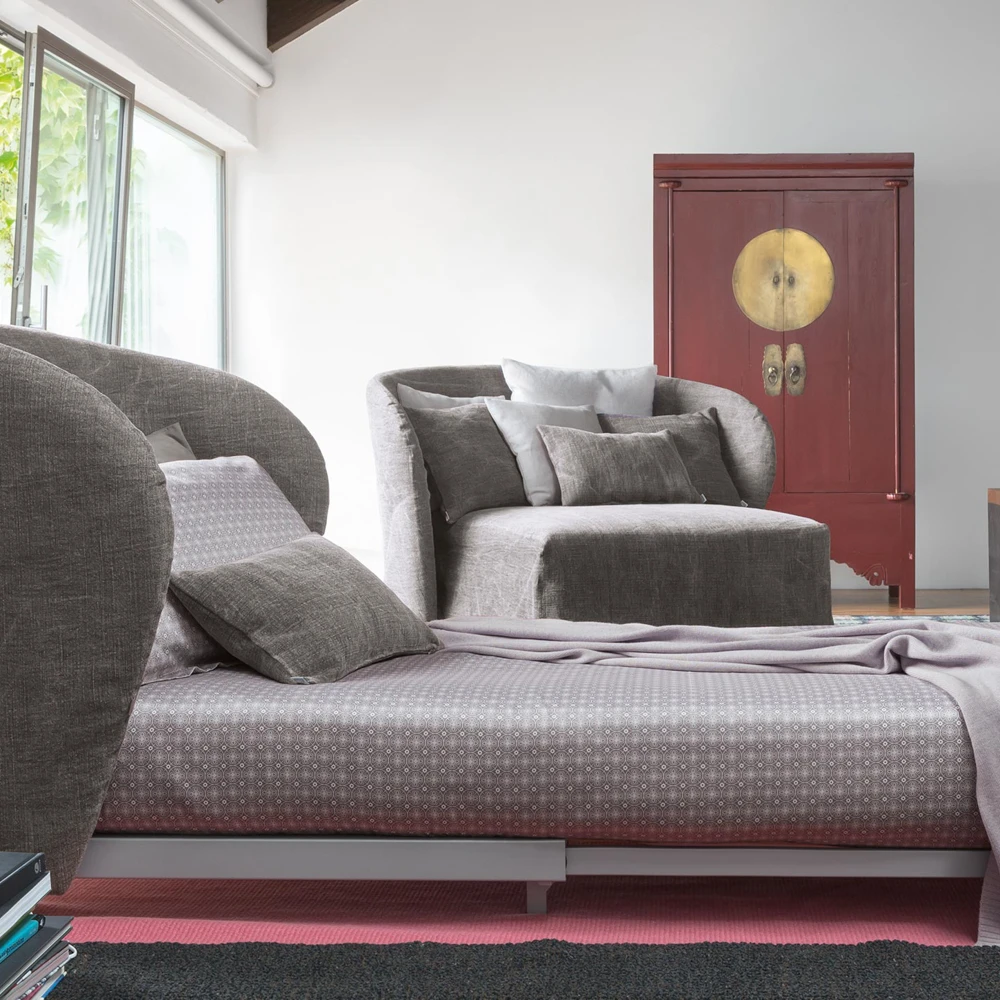
A smooth contemporary sofa paired with an aged wooden cabinet. A marble dining table beside vintage cane chairs. A sleek metal light pendant above a weathered stone vase. These contrasts create layers that make a room feel collected rather than assembled in a day.
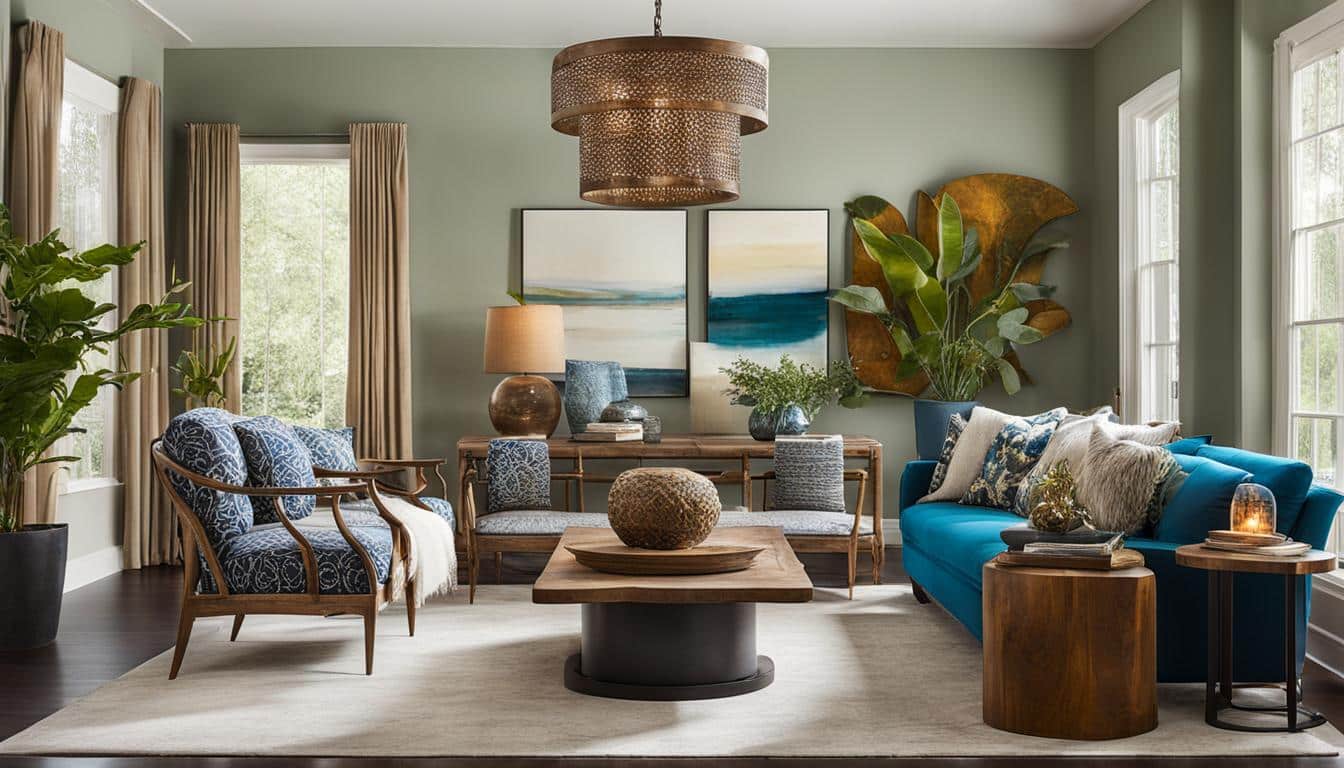
Matching furniture sets often strip a space of personality. Too many new pieces make a home feel sterile; too many antique ones create heaviness. Luxury home design thrives in the space between the two, where old meets new and the room gains its depth from dialogue, not repetition.
Scale: Think Bigger Than Expected
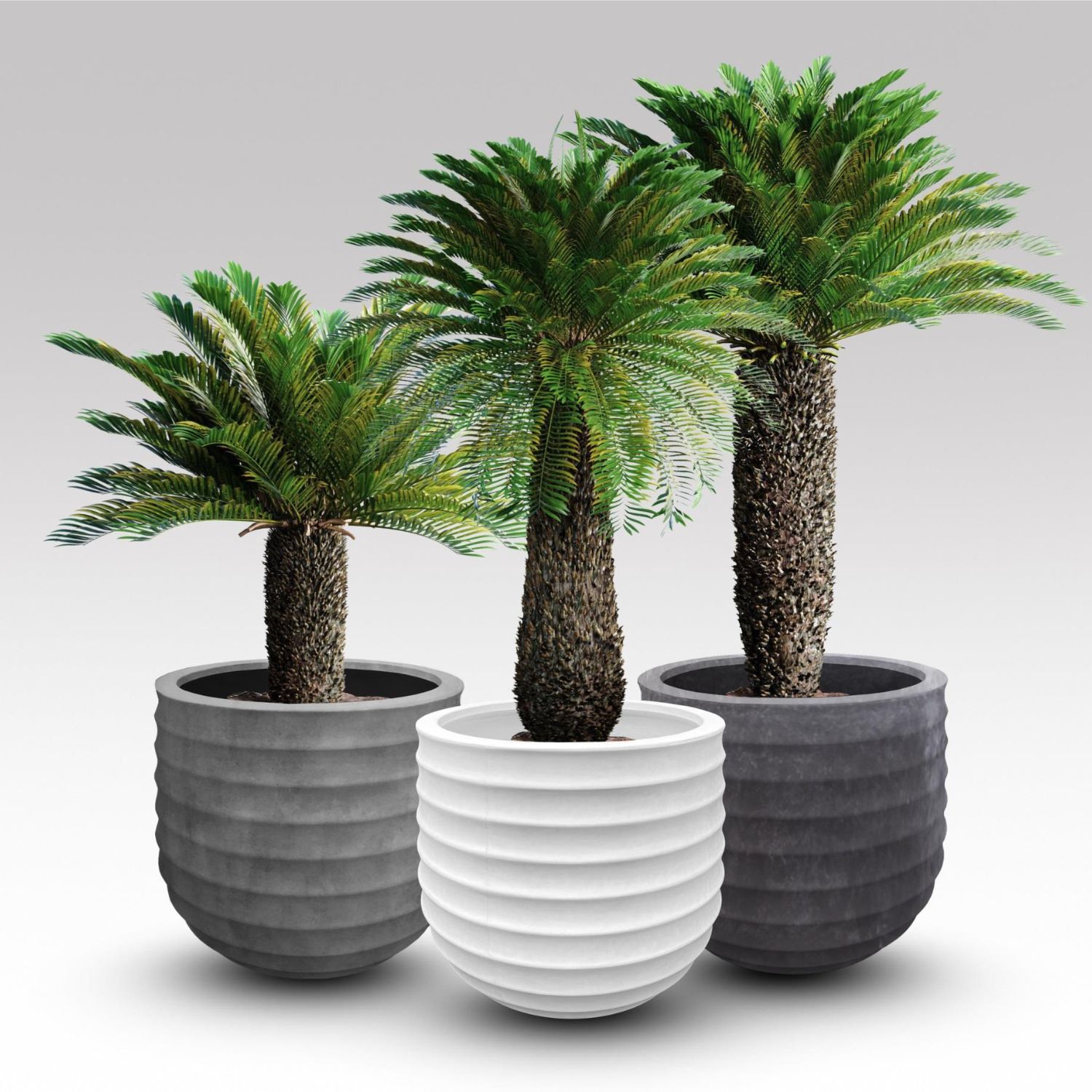
Small decorative objects tend to multiply until they become clutter. Luxury interiors rarely rely on tiny trinkets; they favor pieces with presence. A tall ceramic vessel, a broad sculptural bowl, a lamp with a generous shade — these objects hold their own space.
Larger items read as deliberate. They carry weight visually and physically, grounding the room in a way that smaller pieces simply cannot. This doesn’t mean eliminating smaller décor entirely; grouping them on trays or within a defined zone transforms them into a single, cohesive display.
Scale is one of the silent forces of luxury home design. When proportions lean toward the generous, the entire space feels more assured.
The Courage to Leave Things Empty
An empty shelf is one of the boldest statements in interior design. It signals restraint, confidence, and clarity. Luxury interiors make abundant use of negative space, allowing the architecture and key pieces to breathe.
This restraint can feel counterintuitive — especially in a world where décor is readily available and endlessly marketed — but it is essential. A room that is slightly under-decorated will always feel more elegant than one overwhelmed by objects.
This principle echoes the logic behind a museum display, where space elevates the significance of each piece. In luxury home design, emptiness is not absence; it is intention.
Hiding the Functional to Reveal the Beautiful
Every home contains objects that exist purely for practicality: toiletries, wires, cleaning supplies, packages, and tools. Exposed, they introduce reality into a space that strives for refinement. Concealed, they allow the room to retain its composure.
Transferring soaps, shampoos, or detergents into glass or neutral-toned dispensers immediately quiets visual chaos. Storing essentials in cabinets or baskets restores order. The goal is not to hide life, but to avoid letting functional clutter become the focal point.
Luxury home design understands that practicality can coexist with beauty — just not in its raw form.
The End of the Lone Accent Wall
Accent walls once offered a quick route to personality, but in a luxurious setting they rarely achieve the desired effect. Instead of acting as a bold enhancement, they often feel like hesitations — a gesture made halfway.
True luxury commits. If a space calls for rich color, the whole room carries it. If texture is needed, it wraps around the walls. If molding adds depth, it extends across the entire surface, not just one panel.
By embracing continuity instead of contrast, the room gains unity, weight, and a sense of deliberate character. Luxury home design favors this immersive approach, where ideas are executed fully rather than partially.

A Final Reflection
Luxury is not abundance. It is not cost. It is not ornament for ornament’s sake. Luxury is intention — the careful, thoughtful shaping of a space through material, proportion, restraint, and artistry.
A room feels luxurious when nothing is arbitrary and everything holds purpose. When the eye moves comfortably, when the hand meets surfaces that carry history, when the air in the room feels calm rather than crowded — that is luxury home design in its truest sense.