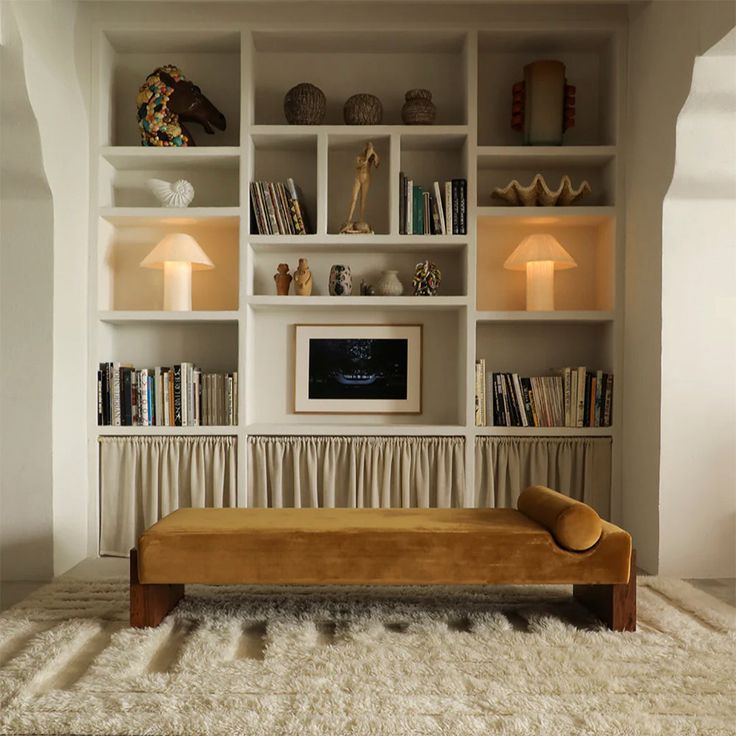
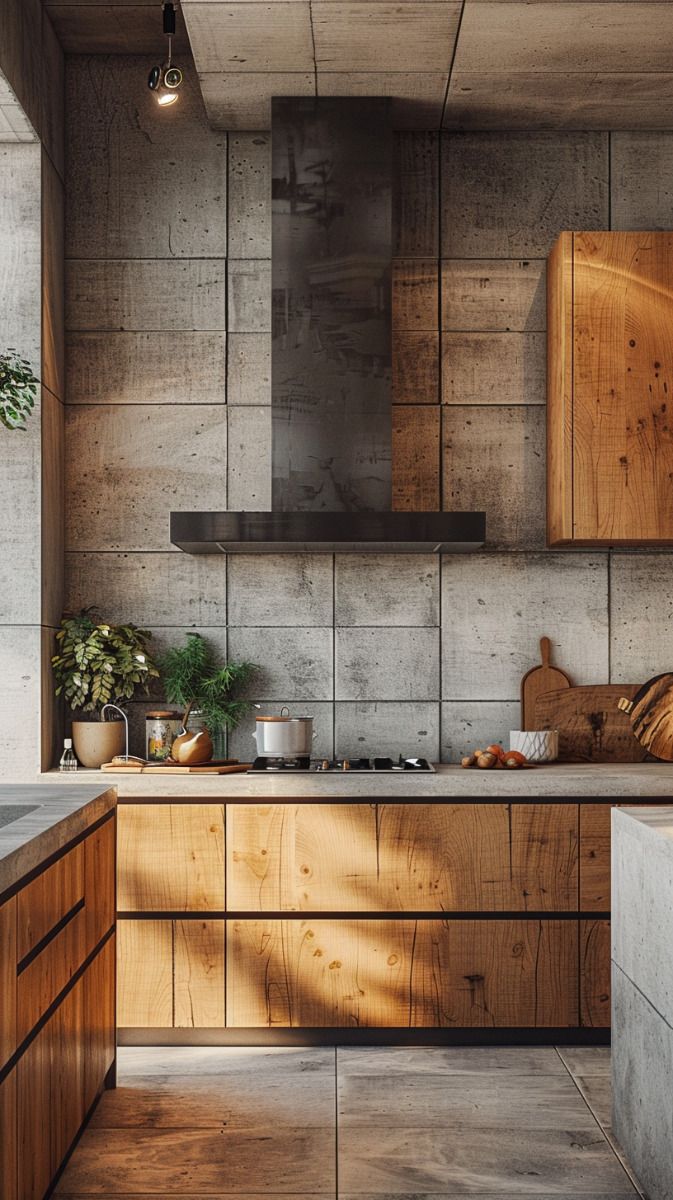
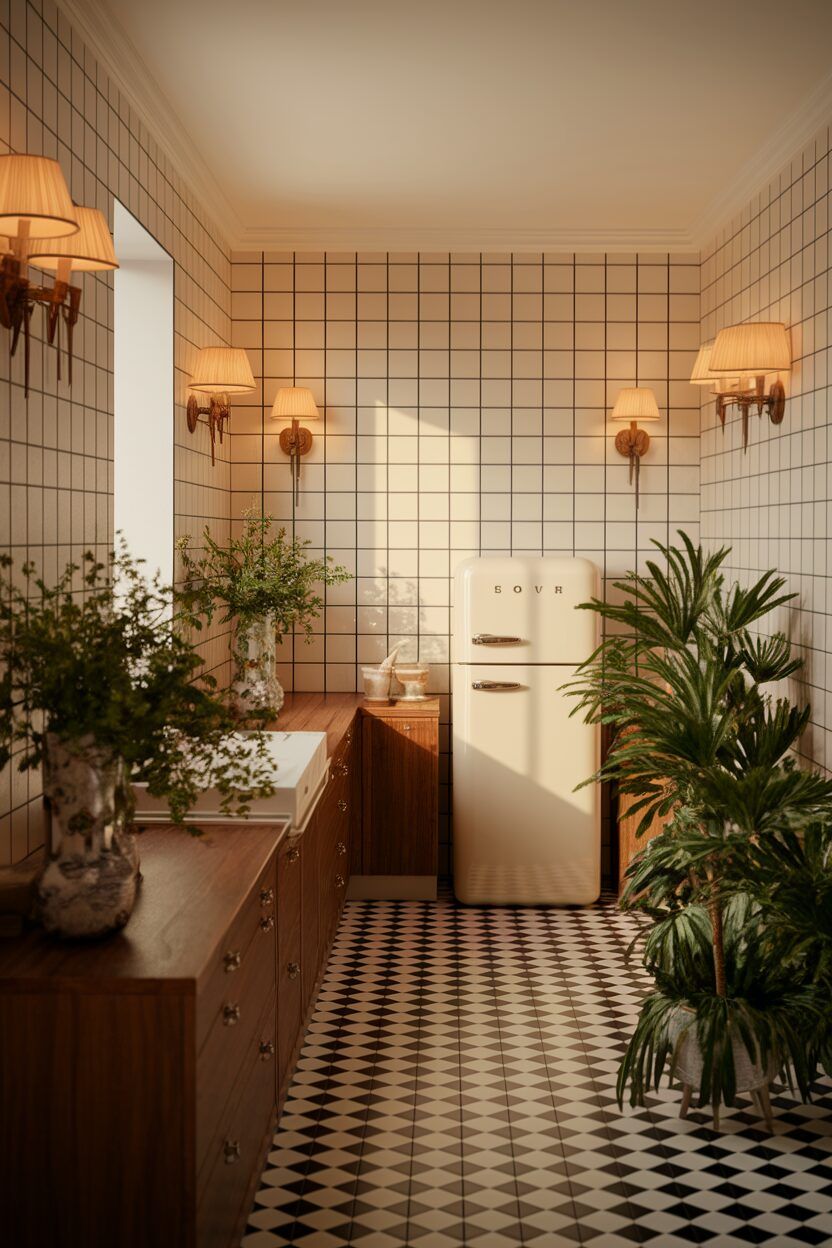
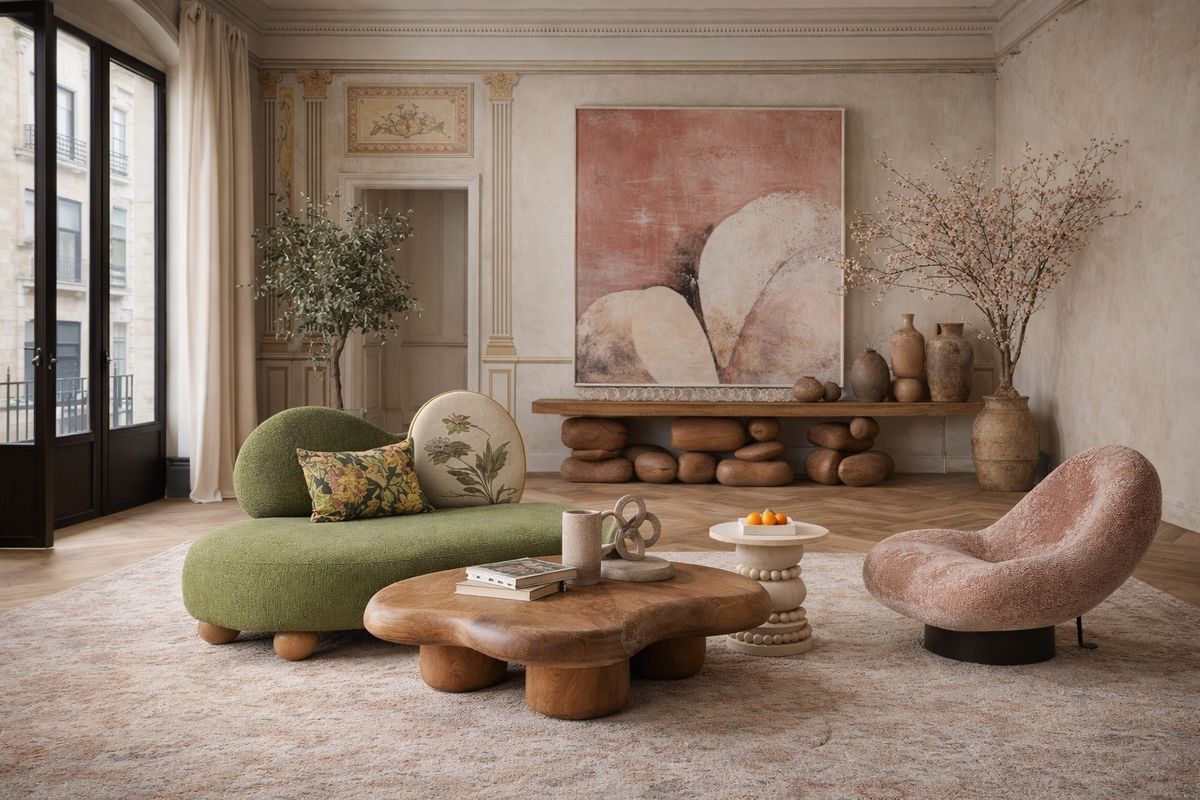
Colour forecasting feels like astrology for interiors—magicians with sample fans telling us what tomorrow ought to look like. But there’s a difference between guesswork and pattern recognition, and the latest forecast from forecasters like WGSN and Coloro—summarized in a recent colour preview—reads more like a chart of contradictions than a single narrative.
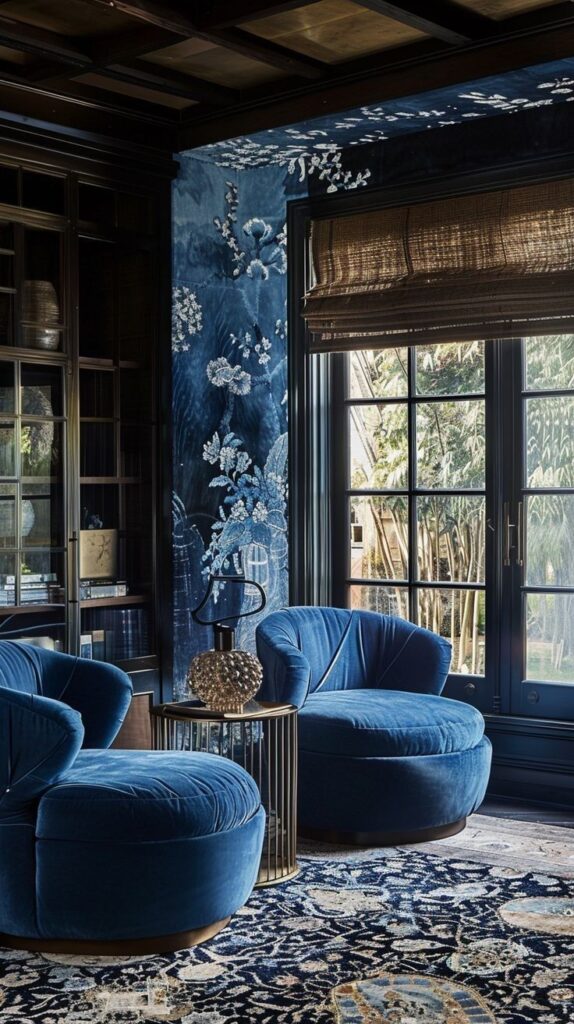
The headline hue for 2027 interior colour palette is Luminous Blue, which already sounds like a contradiction: electric yet heritage, future-facing yet grounded in ancient pigment traditions (think lapis lazuli). This duality encapsulates much of what future palettes assert—they’re about interconnectedness, about linking past and future, nature and technology, calm and energy, all at the same time.
Why Interconnectedness Matters
Trends often chase surface aesthetics—a tint here, a shade there—but this forecast tries to graft colour onto life itself. Interconnectedness is not a cute theme; it’s a symptom of how interiors are being designed now. Homes are screens, sanctuaries, workspaces, hospitality venues, retreats, galleries, and everything in between. Static palettes don’t cut it. Colours in 2027 interior colour palette mediate between binaries—blue that feels both electric and historical, greens that calm while priming alertness—make sense in that complexity.
Not everyone will want walls drenched in Luminous Blue, but the idea itself is telling: designers aren’t trying to soothe minimalist anxieties anymore. They’re trying to make colour carry meaning.
The Usual Suspects—But Not So Usual
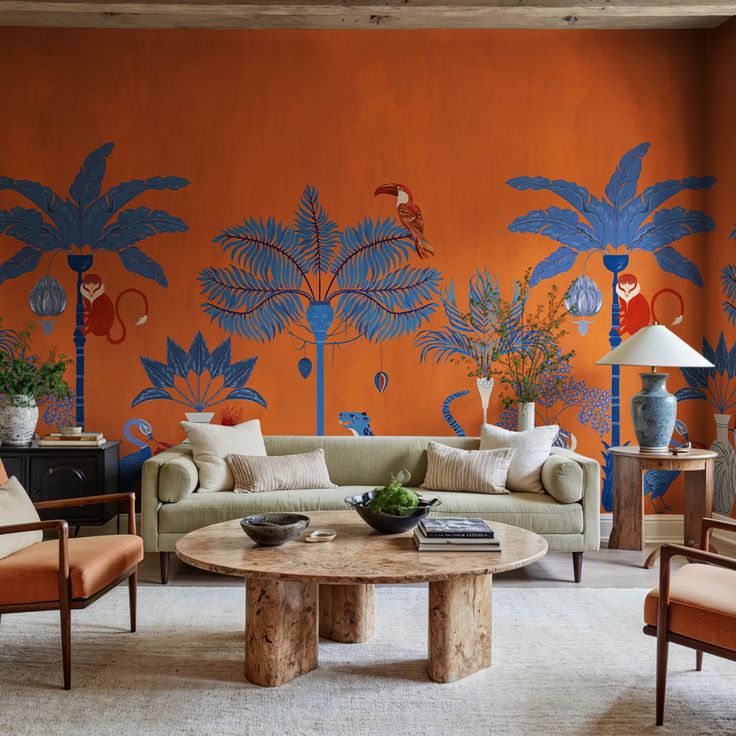
Accompanying Luminous Blue are four supporting colours that signal clear intentions. Energy Orange is not timid. It asserts resilience, not just brightness—an emotional buffer against instability and uncertainty. Pop Pink is not playful for frivolity’s sake, but a break from restraint, a colour that insists anything but neutrality injects optimism. Meadowland Green is restorative to the point of therapy, indicating that colour no longer complements space, it shapes emotional climate. And Clay, an earthy neutral with pink undertones, is not just an ambient hue but a nod to materials that we treat as real—stone, timber, leather, linen—rather than surfaces to be ignored.
These are not random picks; they reflect broader movements. Across design reporting in the last year, there’s been a clear shift toward warm, nature-infused palettes—greens that soothe, terracottas and earthy hues that ground, richer colors that make spaces feel lived-in rather than staged.
Blue as Anchor and Amplifier
Blue as a primary signal makes a strange kind of sense, not because it’s fresh, but because it isn’t new. Blue has always been psychologically stable—associated with sky, water, distance—but in this context it also becomes technological. Luminous Blue links to the lithium-ion battery powering the shift to electrification (as the forecast notes), which places colour squarely in the realm of material culture, not decoration.
It’s no longer enough for a colour to look good. It has to resonate with an idea about how we live: in homes that hold hybrid work, in cities in flux, in societies oscillating between retreat and connection. That’s a tall order for paint, and it’s why the trope of Pantone’s “Color of the Year” (whatever flat, neutral singe) is losing credibility. People need colour to mean something.
Pink, Green, Clay—A Narrative, Not a Trend
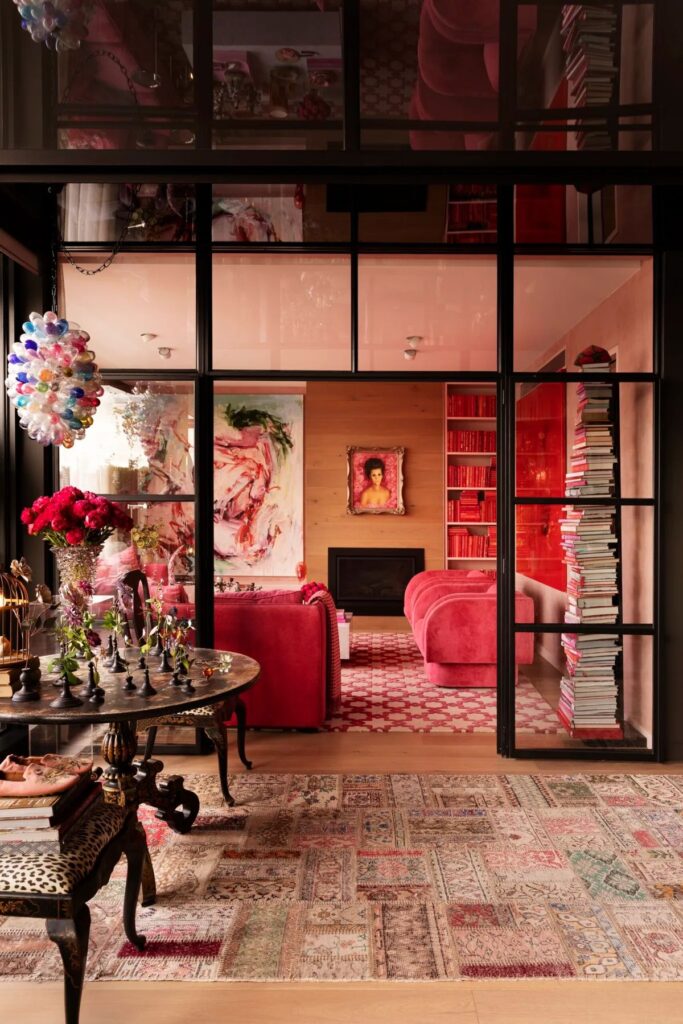
Take Pop Pink: this isn’t a pastel flirtation. It’s buoyancy with complexity—pink that nudges joy without toyishness. In a world awash with digital grey minimalism, pink becomes a counterweight. Not riotous, but decisive. Colour predictions rarely spotlight pink for long, but here it coexists with clay and meadow greens in a way that balances them, not competes with them.
Meadowland Green is not the chartreuse fad of recent years, but a mid-green that calls for calm. Not loud, not mute, just restorative. Given how interior colour trends have tilted toward grounding tones—olive greens, sage, terracotta—it feels less like a prediction and more like an extension of present sensibilities.
Clay, with its pink undertones, anchors these brighter colours. Earth tones have been creeping into interior forecasts as a counterpoint to sterile white and achromatic minimalism. Clay doesn’t ask for attention; it accepts it quietly, acting as the connective tissue between expressive hues and natural materials.
A Palate, Not a Palette
One misunderstanding with these forecasts is to treat them as paint swatches. That is to miss the point. Forecasted palettes are less about specific wall colours and more about relationships between tones and contexts. The colours themselves can be dialed up or down, layered or isolated, too bold or barely a whisper. Use for textiles, upholstery, ceramics, metalwork, art—even lighting—not just walls.
This opens a more interesting phase of interior design: sliding scales of intensity rather than strict dogmas. Blue can dominate a room or be a quiet accent in textiles; orange can live on cabinetry or in a scatter of clay objects; green can cradle a living room without screaming ‘trend’. The forecast becomes a tool for variation not replication.
The Future Isn’t Neutral
The decades-old dominance of cool greys and washed-out neutrals is clearly waning. Designers and homeowners alike are moving toward hues that feel anchored—earthy, warm, mood-altering. That’s not a cyclical deviation; it’s a shift in how spaces are meant to function. Colour is emotional infrastructure now, not just a backdrop.
Even forecasts for 2026 reflect this: warmer neutrals, nature-inspired greens, and richer shades are predicted to dominate, with stark minimalism and cold greys receding. If designers agree on one thing, it’s that people want spaces that feel personal, alive, and layered—not washed out or background faint.
A Palette of Intentionality
The 2027 forecasts also signal a broader repositioning of colour as architectural rather than decorative. Colour is being recruited to support emotional well-being, to signal sanctuary and dynamism, to connect interior and exterior, to marry the organic and the engineered. This intentionality is perhaps the most interesting part because it implies that colour is stepping into a role traditionally occupied by form and material.
Colour used to be cautionary—avoid bold walls, stick to safe neutrals. Now, it’s being weaponized as a means of expression within restraint: blue that speaks to innovation, orange that anchors vitality, green that cultivates calm, clay that grounds. Design is no longer safe it is deliberate.
Fact and Forecast
None of this means every home in 2027 will be awash in electric blue or vibrant orange. That literal interpretation would be missing the point. What the forecast says—loudly—is that colour is no longer incidental. It’s a language that designers and homeowners are using to articulate how we feel about place, emotion, and transition.
Whether odd to some or revealing to others, these predicted palettes are not just about paint—they are about what colour does. Colour alters perception, alters mood, alters how objects and materials are read in space. And in a moment where spaces are expected to be both refuge and workstation, retreat and social stage, that function of colour matters more than ever.