Every design era has its moment. Some styles burn bright and disappear almost as quickly. Others linger quietly in the background, waiting for the right cultural mood to bring them back into focus. As 2026 approaches, one of those quietly lingering styles is stepping back into the light: the Tuscan revival, a renewed interest in the earthy, welcoming character of Tuscan interior design—though updated, softened, and far less theatrical than it once was.
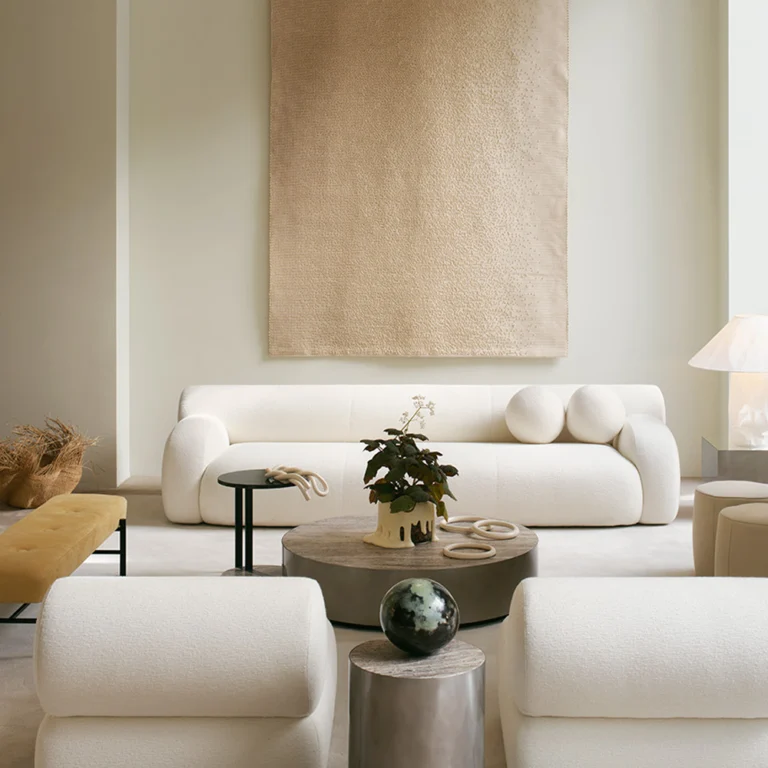
This movement is less about “themed” decor and more about the soul of Italian craftsmanship. It finds its perfect anchor in pieces from the best Italian sofa brands, where the focus has shifted toward low-slung, modular comfort and tactile, natural textiles. Brands like Talenti, Meridiani and Flou are defining this era by blending modern silhouettes with the warm, sun-faded palettes of the Mediterranean.
By pairing a structured, linen-upholstered sofa with reclaimed wood and lime-wash walls, the new Tuscan style avoids the heavy “espresso” cliches of the past. Instead, it creates an environment that feels grounded, authentic, and undeniably luxurious—proving that the most enduring trends are the ones that invite us to slow down and stay a while.
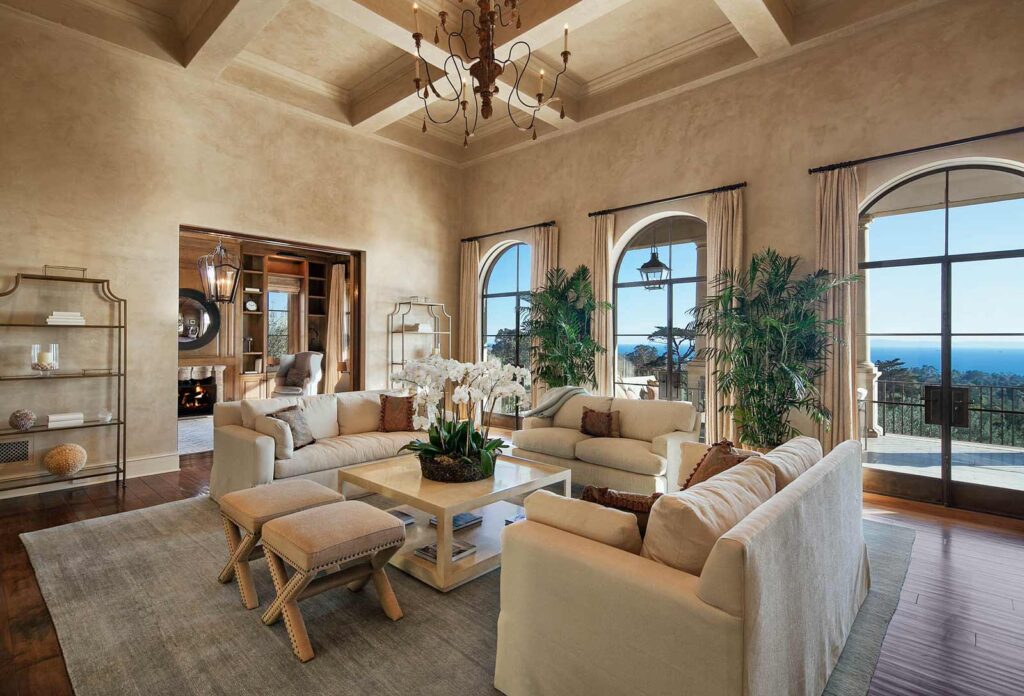
It’s funny how time changes our tastes. A decade ago, most people wouldn’t have predicted that Tuscan anything would return. For many, the word conjured memories of overdecorated kitchens, faux-finished walls, and ornate ironwork that looked more scripted than soulful. But styles evolve, and when they come back, they come back differently. The modern take isn’t a repeat. It’s a rethink. A gentler, lighter, more natural interpretation that feels surprisingly right for the moment we’re in.
And maybe that shouldn’t be so surprising. The last several years have been dominated by pared-down minimalism, cool color palettes, and an almost clinical neatness. Beautiful, yes, but also a little detached. As people started to crave something with texture and warmth again, Tuscan style—stripped of its old heaviness—found its opening.
Why Warmth Is Having a Moment Again
Design often reflects collective emotion. Minimalism, at its height, matched a cultural desire for clarity, mental space, and simplicity. But after years of grayscale interiors, many people realized that stripped-down didn’t always translate to inviting. Homes started feeling more like workspaces or galleries than places to settle into at the end of a long day.
Enter the shift toward warmth. Not just color warmth, but emotional warmth—spaces that feel lived in, relaxed, and quietly layered. The Tuscan look naturally carries that kind of atmosphere. Even in its modern interpretation, it leans into earthy comfort: sandy neutrals, sun-washed tones, and surfaces that don’t mind a little wear.

That emotional quality is what’s fueling the Tuscan revival more than anything else. People want a home that feels like it exudes a slow exhale. They want a space that doesn’t panic at the first scratch on the table. They want something that feels grounded. And Tuscan design, as it reemerges, is providing all of that without feeling old-fashioned.
The New Tuscan Palette: Softer, Sun-Faded, More Editorial
Color tells the story of this revival better than anything. The modern palette is still inspired by Tuscany, but instead of borrowing its deepest pigments, it pulls from the softest, most natural tones in the landscape. It’s the color of clay left out in the sun, of pale limestone, of olive leaves with a dusty underside, of warm beige walls that seem to glow during golden hour. These tones don’t feel themed; they feel lived-in.
One of the biggest differences between then and now is subtlety. The revived palette doesn’t shout. It doesn’t announce its origins before you’ve stepped fully into the room. It creates an atmosphere that could be Mediterranean, or countryside European, or simply “warm” without further explanation. That versatility is one of the reasons the Tuscan revival is resonating with so many different homeowners.
It’s also a palette that supports texture beautifully. Soft plaster, warm wood, clay tiles, stone with natural veining—everything sits together comfortably, like it belonged in the same room from the start.
The Appeal of Imperfect, Honest Materials
If you ask people what they remember most about Tuscan style—beyond color—it’s usually the materials. Not in the literal product-catalog sense, but in the way the materials made the home feel. Heavy wood, textured walls, handmade ceramics, stone floors that looked like they’d been walked on for years. Even if the execution was sometimes too much, the idea behind it had heart.
The updated version embraces that original heart but strips away anything that feels heavy-handed. It leans into simpler, authentic materials that genuinely age well. Plaster walls that show subtle movement. Terracotta tiles with just the right amount of patina. Wide-plank wood that doesn’t pretend to be flawless. Stone counters that you can actually cook on without worrying about their future.

There’s a sense of relief in this kind of design—relief from perfectionism, from overcuration, from surfaces that need constant protection. The Tuscan revival is, in many ways, a revival of the idea that a home should weather with you rather than resist you.
The Kitchen: The Heart of the Revival
If there’s one room that reveals the charm of this comeback, it’s the kitchen. The early 2000s version of a Tuscan kitchen was memorable for all the wrong reasons: bulky cabinetry, decorative trim, colors that felt heavy even on a sunny day. The new version barely resembles that aesthetic at all.
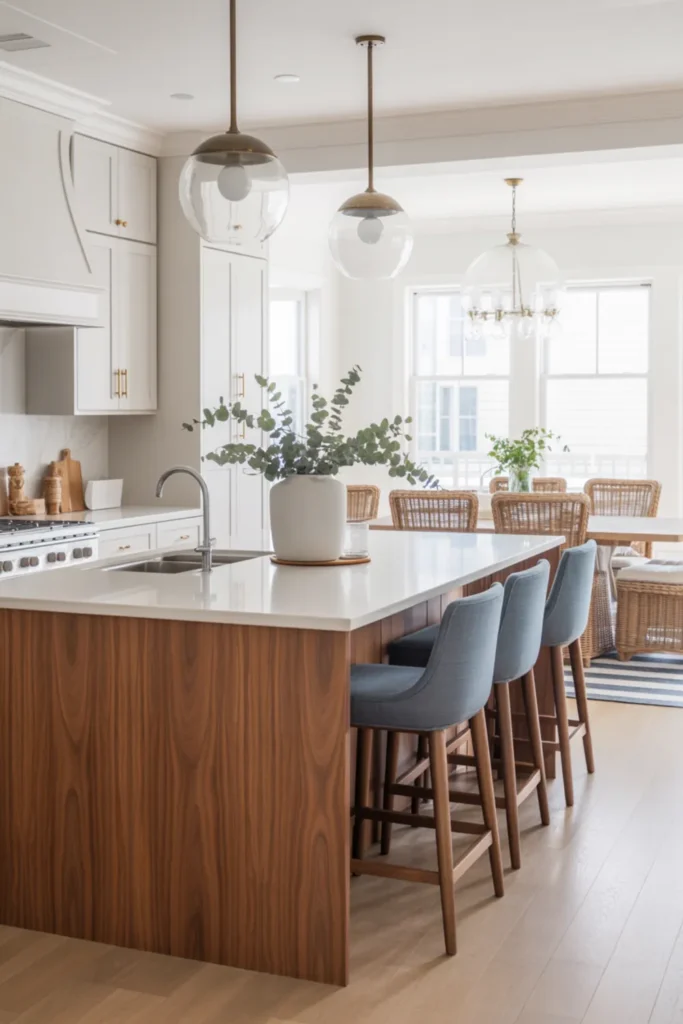
Today’s Tuscan-inspired kitchens are warm and understated. The walls are often plastered or painted in soft neutrals that look organic rather than architectural. Counters lean toward stone or even softly veined marble, but in finishes that don’t look overly polished. Wood elements play a central role, though they’re simpler and more streamlined than before. And the décor tends to be practical—ceramics you actually use, produce left out because it’s beautiful in its own way, herbs in pots on the counter.
The whole space feels collected rather than decorated. Like a kitchen that grew into itself over time instead of being styled all at once. This sense of ease is exactly why the Tuscan revival is finding such a comfortable home in the kitchen—it supports the idea of food, family, and function without ever feeling showy.
Indoor–Outdoor Living Without Trying Too Hard
One of the loveliest parts of Tuscan design is its relationship with the outdoors. In Tuscany, life naturally spills outside—the architecture encourages it. Even if you don’t live in a climate that allows for year-round open doors, the influence still translates beautifully.
Terraces, balconies, patios, small gardens—these spaces become extensions of the home. Terracotta pots, olive trees, even weathered furniture can bring that feeling of casual elegance into outdoor living areas. What makes this appealing is that it doesn’t require a dramatic overhaul. It’s more about atmosphere than layout. Even a tiny apartment balcony can take cues from the Tuscan revival and feel instantly warmer.This relaxed approach to indoor–outdoor living design reflects the Tuscan philosophy of letting life move naturally between inside and outside spaces.

This connection to nature is subtle but meaningful. It reminds you to slow down, step outside, and breathe a little.
Why the Revival Resonates With Younger Generations
Interestingly, the enthusiasm for the Tuscan comeback isn’t coming from those who loved it the first time. It’s being driven largely by millennials and Gen Z homeowners who aren’t revisiting the past but discovering something fresh in it. And that says a lot about where design is heading.
Younger generations have grown weary of sterile spaces. They want homes that feel intimate and expressive rather than perfect. They crave tactility—something digital spaces can’t give them. And they value materials that last, that don’t need replacing every few years, that feel tied to something older than trends.
The modern Tuscan revival aligns naturally with these values. It’s slow. It’s calm. It’s forgiving. And it reminds people that chairs can be scratched, tables can be worn, walls don’t have to be pristine, and homes don’t have to be styled within an inch of their lives to be beautiful.
Still Editorial, but Without the Stiffness
One of the pleasant surprises about this revival is how effortlessly it can look editorial without feeling like it was made for photos. Texture photographs well—plaster, stone, old wood, linen. Light plays beautifully on these surfaces. But none of it feels staged. It feels almost accidental in the way the best homes do.

This is perhaps the biggest difference between today’s aesthetic and the Tuscan look of decades past. The new approach is simpler, more sincere. It lets the materials do the work instead of leaning on decorative motifs. And that subtlety helps the style blend with modern furniture and contemporary art in a way the original didn’t.
When done thoughtfully, the Tuscan revival becomes a backdrop that enhances daily life rather than a theme that dictates it.
A Design Trend That Feels Like a Return to Self
If 2026 is shaping up to be the year of warm, grounded interiors, the Tuscan renaissance fits perfectly into that movement. Its appeal has less to do with nostalgia and more to do with how people want to feel in their homes—comforted, surrounded by natural materials, and invited to slow down.
In a way, the style isn’t reemerging because it’s trendy again. It’s reemerging because people have changed. Their values have changed. Their pace has changed. And this style, with its unfussy authenticity, speaks directly to that shift.
The Tuscan revival is not so much a comeback as it is a rediscovery of what homes have always been best at: warmth, welcome, and the quiet beauty of things that age well.