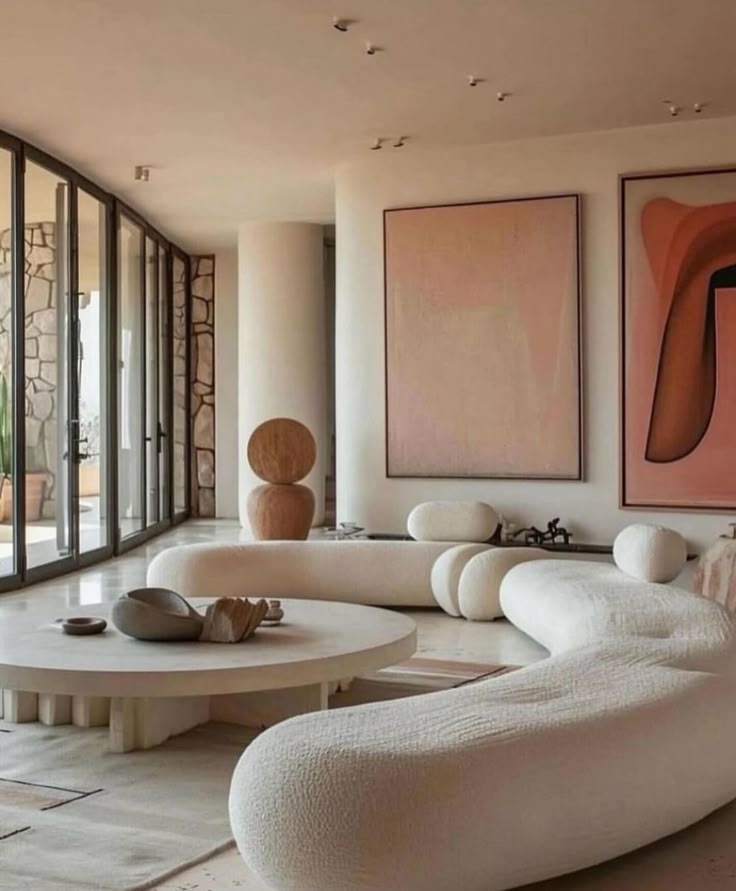
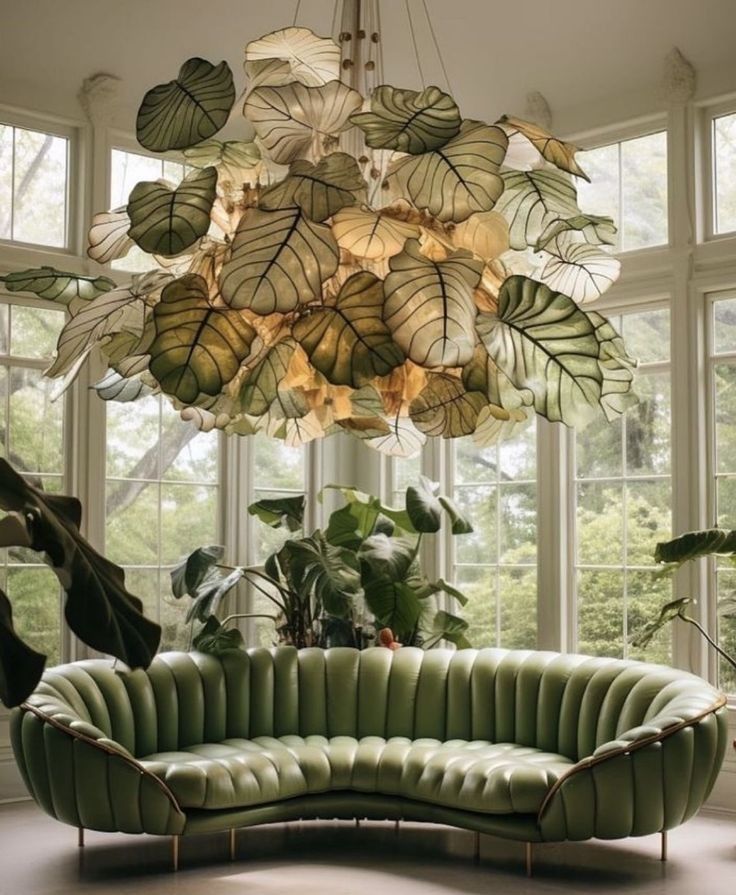
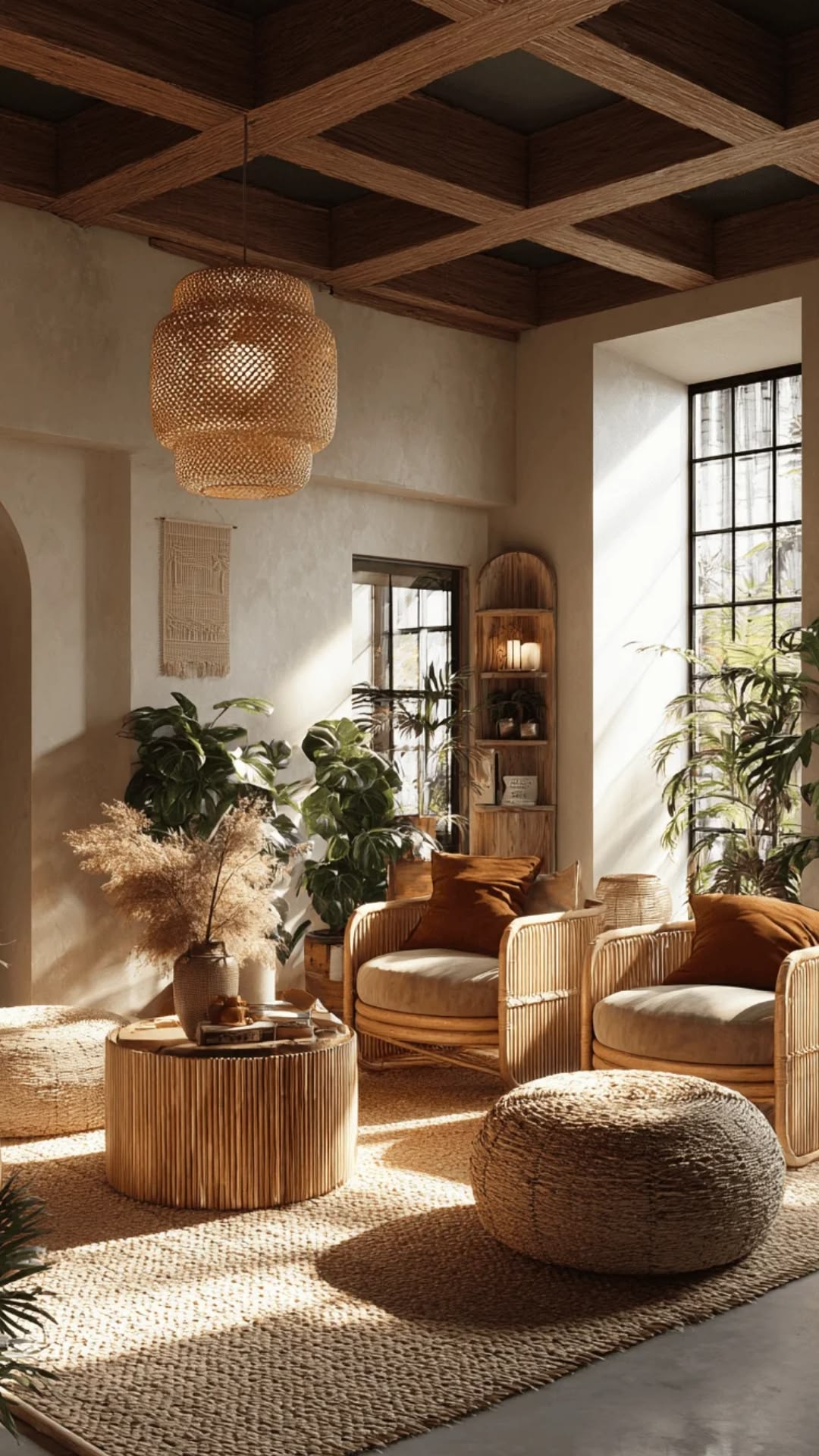
Walking into a home and feeling a sense of coherence is deceptively difficult. Most interiors stumble here. Furniture from different eras, mismatched wall colors, collections acquired over years—they can feel like a jumble. The “red thread theory” is the design antidote to that chaos. It’s a concept borrowed from storytelling, mythology even, suggesting a connecting thread that weaves disparate elements into a single narrative. Applied to interiors, it’s about a guiding principle that ties a home together—not rigidly, not predictably, but making it cohesive with intention.
Finding the Thread
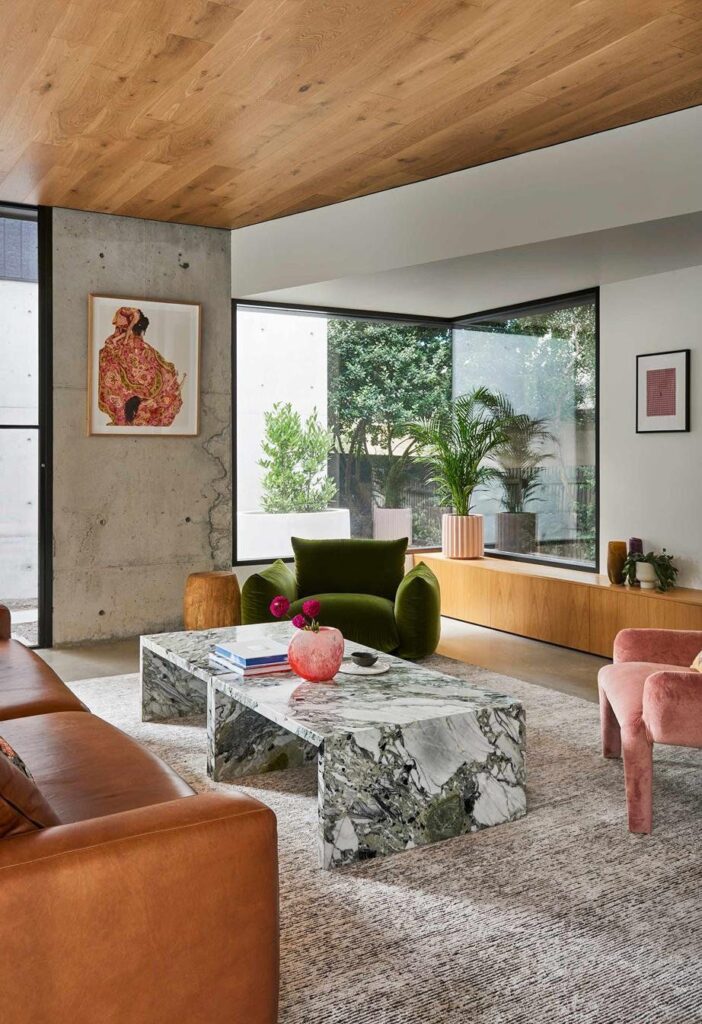
The red thread isn’t literal. It doesn’t have to be a color, though it can be. Often, it’s a material, a motif, or even a mood. A subtle reference: the warmth of oak repeating from dining table to stair treads to bedroom side tables. Or a pattern—a geometric angle that crops up in rugs, throw pillows, wicker furniture and lighting. The eye registers it without necessarily naming it. The brain responds to the repetition, the echo, the quiet rhythm.
Homes without a thread feel suspended. Rooms can be beautiful in isolation but disjointed together. The red thread theory insists there’s a narrative. You walk from space to space and feel a subtle, continuous logic. It’s not about matching or symmetry. It’s about resonance.
Material as Thread
Wood, metal, and stone are common carriers of this principle. A home with consistent undertones in its materials feels intentional. Polished brass pulls through a kitchen, hallway sconces, and a living room table. Slate or marble might run from the bathroom to the fireplace hearth. These aren’t decorative gimmicks—they anchor the eye and create rhythm.
Texture also counts. Linen repeats in curtains, bedding, and throw pillows. Velvet cushions might echo an upholstered bench in the hallway. It’s tactile as much as visual, a thread you can sense with your hands.
Color as Thread
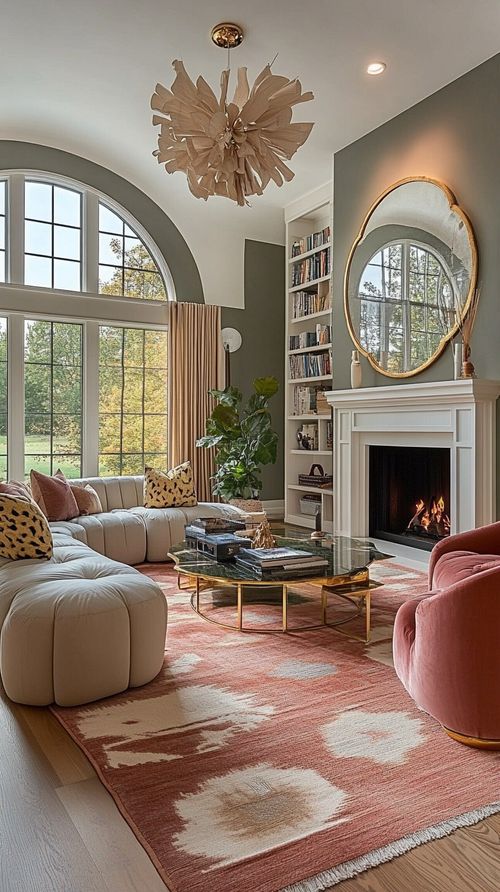
Color is the obvious candidate for a red thread. But the subtlety is in undertone rather than hue. A soft blue can link a powder room to a bedroom without feeling like a matchy-matchy scheme. Warm terracotta accents might appear in vases, lampshades, and kitchen backsplashes. When color threads are applied with attention to undertone and saturation, it’s invisible yet binding.
The danger is overuse. Too obvious, too literal, and it becomes contrived. The red thread isn’t about repetition for repetition’s sake—it’s about continuity that feels effortless. You might not even consciously register it, but without it, the home feels scattered.
Pattern and Motif
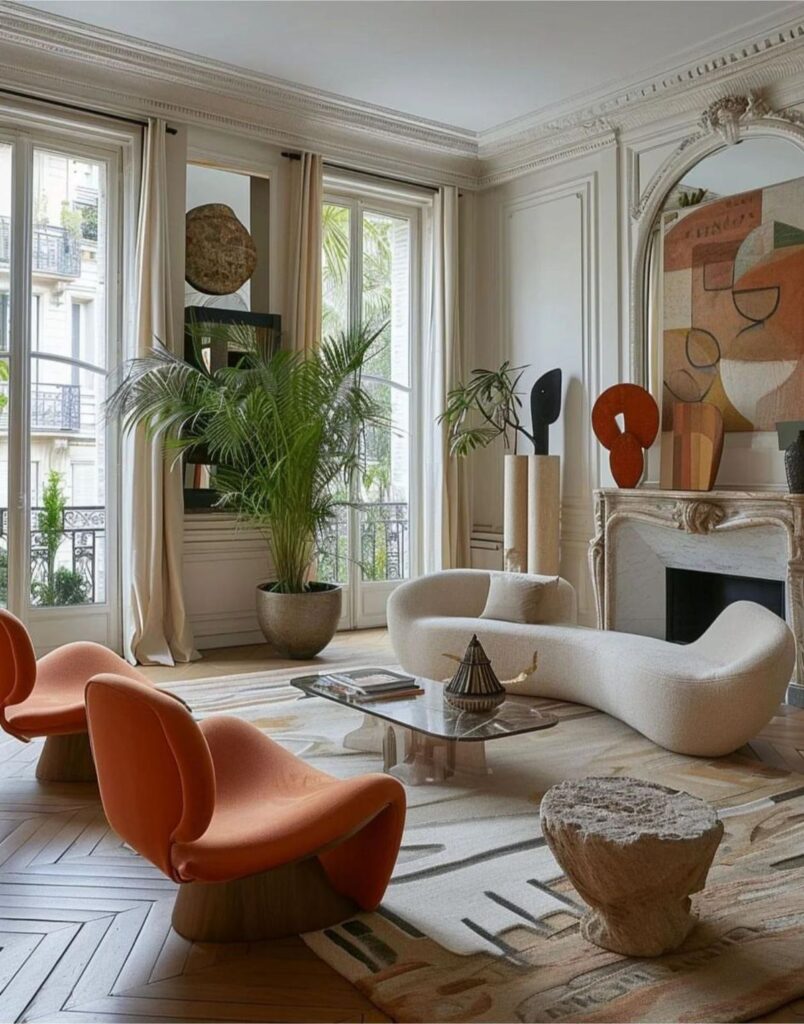
Motifs are another layer. A geometric angle, a floral detail, or a sculptural curve repeated across fabrics, wallpapers, and furniture shapes can act as the connecting thread. The trick is subtlety. If every cushion, rug, and lampshade is a carbon copy, the home feels theme-park-ish. A single motif, reinterpreted, with variations in scale and finish, reads as thoughtful rather than obsessive.
For example, a scalloped curve might appear in a bathroom mirror, the edge of a dining chair, and a sideboard handle. It’s not a motif you notice immediately. It’s something you feel—the eye moves, the brain recognizes a pattern, a quiet coherence emerges.
Lighting as a Thread
Lighting often goes unconsidered in this context, but it’s surprisingly effective. A series of pendants in a similar metal finish, or table lamps sharing a silhouette, can unify a floorplan. Even when shapes differ, the color, scale, or finish can become the thread that connects spaces. Lighting interacts with material, furniture, and color, anchoring the eye to the sequence of spaces.
Custom and High-End Pieces
Custom furniture and high-end pieces are sometimes the strongest carriers of a red thread. A table made to echo the tone of a staircase railing, or a bespoke sideboard whose grain mirrors the bedroom paneling, carries intention across rooms. These pieces become visual punctuation marks, moments of clarity within a potentially busy interior.
You don’t need everything custom, of course. But selective, deliberate interventions heighten the effect. It’s the difference between a home that feels assembled and a home that feels authored.
The Red Thread and Storytelling
At its heart, the red thread theory is storytelling. A home is a narrative told through color, texture, material, and object placement. Each room is a chapter. The thread is the motif that links them, giving the house a beginning, middle, and—well, not necessarily an end. The thread allows surprises, shifts in pace, contrasting tones. Without it, each chapter might as well be read in isolation.
Some homes carry multiple threads—material, color, and motif running in parallel. That can work, but requires restraint. Threads can tangle, clash, or compete if not managed. In a way, the best implementations are invisible. The home feels cohesive, even when each element is striking in its own right.
Personal Expression
Unlike rigid color palettes or strict matchy-matchy décor rules, the red thread accommodates personal expression. It doesn’t suppress eclecticism. It doesn’t enforce uniformity. A family heirloom, a flea market find, a gallery-worthy sculpture—each can belong if it resonates with the underlying thread. The thread is the glue, not the cage.
This makes it particularly relevant for 2026 interiors. There’s a growing rejection of interiors designed for resale or trend. People are living in their homes. The red thread theory acknowledges that homes accumulate objects, stories, and memories. And it allows for that accumulation while still delivering a sense of coherence.
Implementation in Practice
Start small. A wall color can serve as a subtle thread, extended in fabrics or small objects. Lighting finishes can echo metals in furniture. Tiles, textures, or patterns might recur in discreet ways. Then layer. Materials, motifs, and high-end pieces can be coordinated selectively to amplify the effect.
The key is not to overthink. A thread should feel natural. You shouldn’t be able to point to it and say, “Ah, that’s the thread.” It works in the margins, in reflection, in the way the eye moves through the home.
The Emotional Impact
A home with a red thread feels easier to inhabit. Rooms flow. Even contrasting styles—the minimalist living room versus a more maximalist study—can read as coherent if the thread is there. It’s comforting, but never predictable. It creates rhythm, cadence, a visual sigh of recognition.
There’s also a sense of intelligence in a threaded interior. The home doesn’t feel accidental. You can live in it, entertain in it, and at the same time, feel the subtle joy of visual continuity. A red thread doesn’t shout. It whispers, quietly guiding the experience.
Threading Complexity
Some homes have multiple threads, some have one. Too many, and the space feels rigid. Too few, and it drifts. The discipline comes from observation: what repeats naturally? What can be connected without forcing it? High-end custom furniture often helps here, but it’s not mandatory. Thoughtful curation, deliberate placement, and an eye for rhythm are more important.
The red thread theory isn’t a formula. It’s not a checklist. It’s a mindset. It asks you to look, notice, and weave. Each object, each surface, each finish has potential to participate in the narrative.
Living With the Thread
Once implemented, the red thread allows freedom. You can add, remove, or rotate pieces. The thread provides cohesion, but not constraint. A new sculpture, an unusual textile, or a striking lamp can join the home’s visual story if it resonates with the thread.
In the end, a home with a red thread feels intentional without being rigid. The eye travels. Rooms talk to each other. Spaces carry memory, texture, and tone forward. The thread becomes almost invisible, yet it underpins every interaction, every glance, every moment spent in the house.