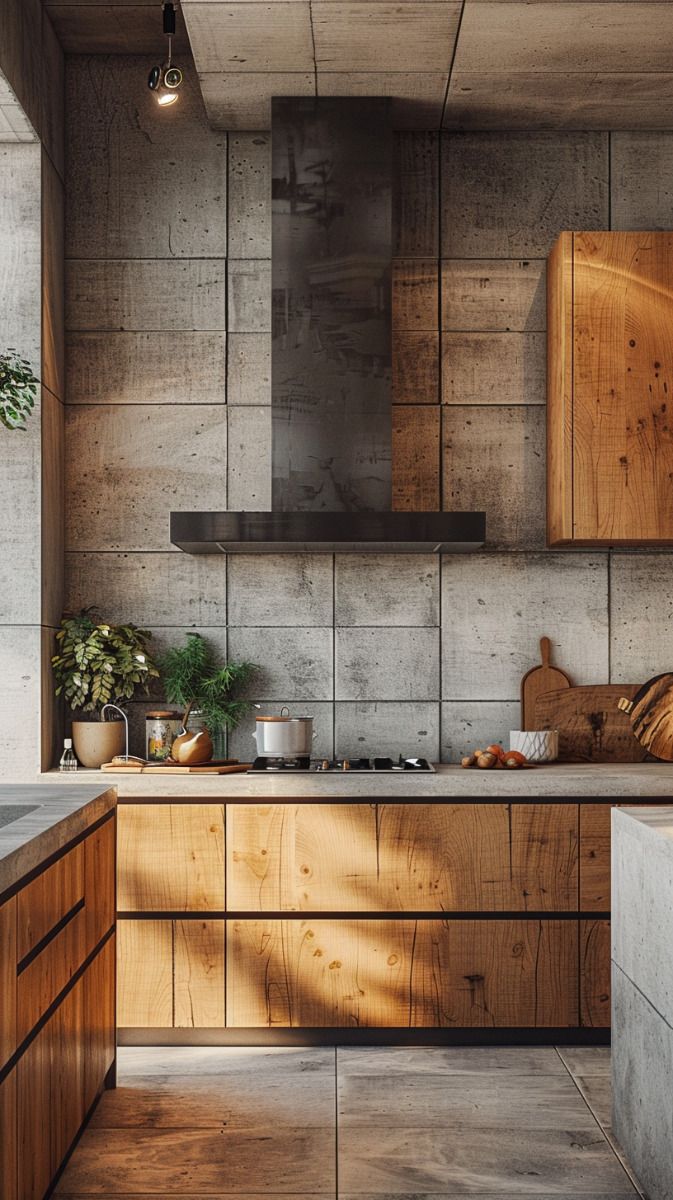
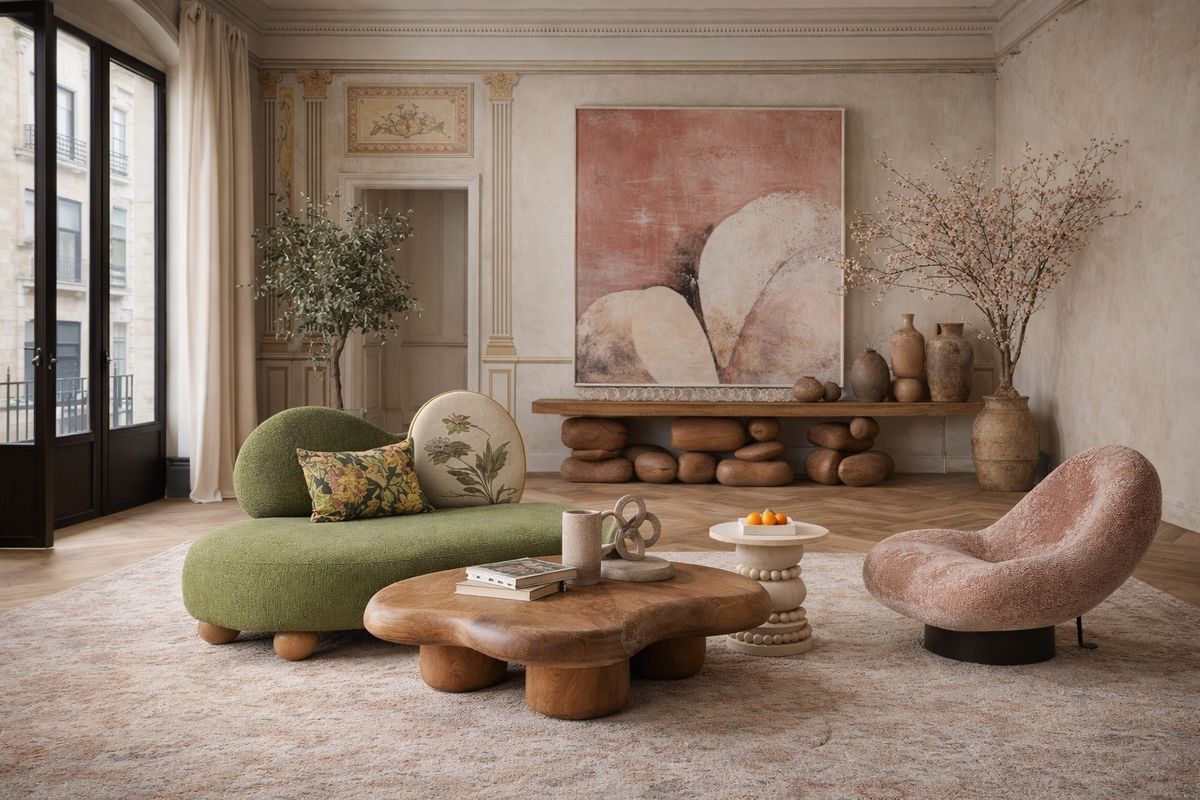
For years, sustainability in design was treated like a moral checkbox. Bamboo furniture, recycled glass countertops, a small badge somewhere in the product description promising reduced impact. It was earnest, often well-intentioned, and occasionally vague. “Eco-friendly” became a floating term, applied generously and interrogated rarely. What’s changing now isn’t concern for the environment—it’s sophistication. Sustainability is no longer about declarations. It’s about evidence.
In high-end homes, especially, a quieter shift is underway. The question is no longer is this sustainable? but where did this come from, and can you prove it? Provenance has become the new signal. Not in a showy way, but in the way good tailoring or well-aged wine signals taste. It’s not loud. It’s legible to those who know how to read it.
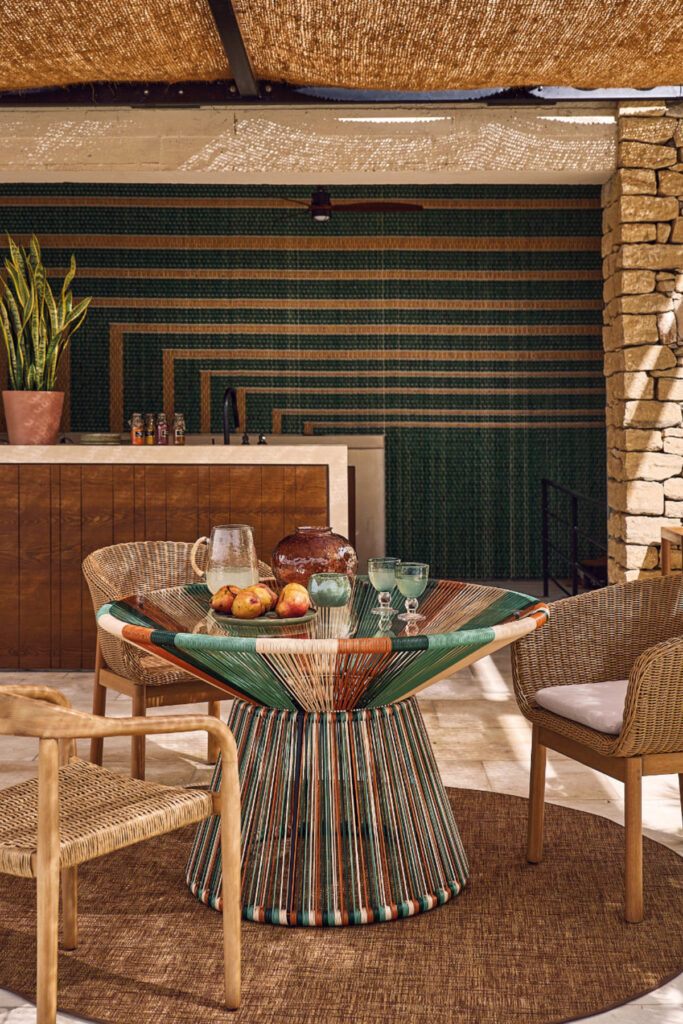
When “Green” Stopped Meaning Anything
The problem with “eco-friendly” for sustainability in design is that it collapsed under its own weight. Too many materials claimed it without context. Too many certifications were opaque or loosely enforced. Homeowners learned to nod politely and move on.
Design-literate clients, especially, grew skeptical. They started noticing how often sustainability language was divorced from material reality. A table advertised as “responsibly sourced” without naming a forest. A wood veneer described as “natural” without acknowledging the substrate beneath it. The language felt aspirational rather than accountable.
That skepticism has matured into discernment. Sustainability now has to withstand scrutiny. It has to survive follow-up questions.
Provenance as a Design Value
Provenance changes the conversation entirely. It shifts sustainability in design from an abstract good to a specific story. This oak came from a managed forest in Burgundy. That walnut was salvaged from a decommissioned rail line in the Pacific Northwest. This teak was harvested under a 30-year replanting cycle, tracked and documented.
Suddenly, the material isn’t interchangeable. It’s anchored in geography, time, and process. That anchoring adds value—not just ethical value, but aesthetic and emotional value. A dining table becomes more than a surface. It becomes an artifact.
This is where sustainability becomes a status symbol, but not in the way people often assume. It’s not about signaling virtue. It’s about signaling discernment. Knowing where something came from, and choosing it because of that, suggests patience, curiosity, and a long view.
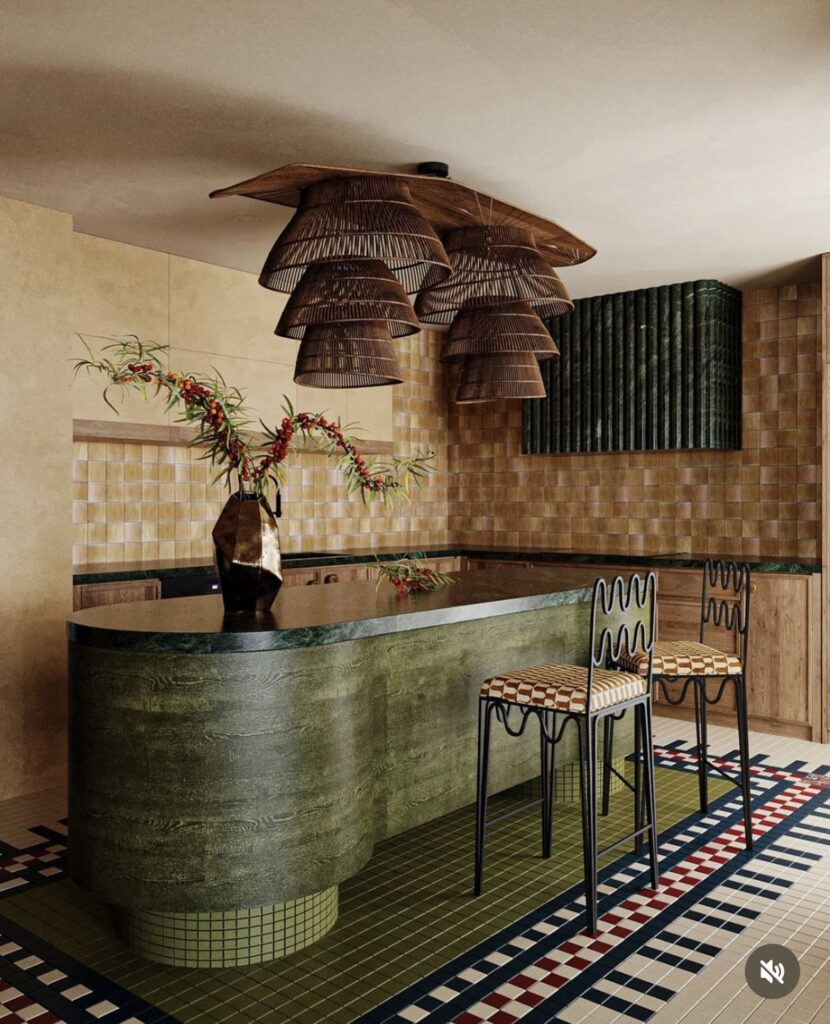
Wood Is Never Just Wood
In interiors, wood carries more cultural weight than almost any other material. It’s structural and emotional at once. We touch it constantly. We read its grain, even if unconsciously. And yet, for a long time, most people treated wood species as aesthetic categories rather than ecological ones.
Provenance disrupts that. It forces specificity. Red oak from where? Walnut harvested when? Was the tree milled locally or shipped across oceans? Was it air-dried or kiln-dried? These questions aren’t pedantic; they affect how the material behaves, ages, and feels in a space.
A slab table made from a single, traceable tree reads differently than one assembled from anonymous boards. Even if the visual difference is subtle, the psychological difference isn’t. The material feels grounded. Intentional. Harder to replace casually.
Tracking Isn’t Just for Architects Anymore
Provenance used to live behind the scenes, buried in spec sheets and procurement documents. Now, it’s moving closer to the homeowner. Not because clients want to manage supply chains, but because they want assurance.
Many reputable mills and furniture makers now offer documentation: chain-of-custody certificates, harvest locations, even photographs from the forest. Some go further, tagging slabs or batches so their journey can be followed from tree to table.
This doesn’t mean every homeowner needs a binder of paperwork. But knowing that the information exists—and choosing vendors who can produce it—changes how value is perceived. The object feels earned, not generic.
Why This Matters More Than Ever
There’s a practical reason provenance is gaining traction: scarcity. Old-growth forests are gone. Salvage is finite. Climate pressure has made sourcing more complex, not less. Materials that were once abundant now require negotiation, stewardship, and long timelines.
When materials become harder to source responsibly, transparency becomes a differentiator. A piece of furniture that can explain itself—where it came from, how it was made, what it replaces—stands apart from one that can’t.
In this context, sustainability stops being an abstract ideal and becomes a form of risk management. Homes filled with traceable materials are less vulnerable to future scrutiny, regulation, or resale questions. The value holds because the story holds.
The Quiet Luxury of Knowing
There’s something deeply unflashy about provenance. It doesn’t announce itself unless asked. A guest might admire a floor without realizing it’s reclaimed barn wood from a specific valley. The pleasure comes later, when the story is shared—or simply known.
This aligns neatly with the broader shift toward quiet luxury. Fewer logos. Fewer declarations. More substance. More depth. Provenance fits because it rewards attention rather than attention-seeking.
It also changes how people live with their homes. Materials with known origins are treated with more care. Not preciousness, but respect. You don’t discard a table lightly when you know its history. You repair it. Refinish it. Adapt around it.
Beyond Wood, But Wood Is the Gateway
While provenance applies to stone, metal, textiles, and ceramics, wood is often where homeowners begin. It’s accessible. It’s legible. And it’s emotionally resonant.
Once people start asking where their wood came from, the question spreads. Where was this stone quarried? Who wove this rug? What mill produced this fabric? The home becomes a collection of decisions rather than purchases.
That shift—from consumption to selection—is where sustainability matures. It’s not about having less. It’s about knowing more.
Provenance vs. Performance
One misconception is that provenance and performance are in tension. That responsibly sourced materials are somehow less durable or more delicate. In practice, the opposite is often true.
Wood that’s harvested at maturity, dried properly, and milled with care tends to perform better. It moves less. It ages more predictably. It develops character instead of flaws. Provenance often correlates with craftsmanship, because both require time.
This is where value compounds. A table that looks good and performs well and carries a traceable history occupies a different category entirely. It’s no longer just furniture. It’s infrastructure.

What Adds Value, Really
In real estate, value is often discussed in terms of finishes and square footage. But long-term value is quieter. It’s resilience. It’s relevance. It’s the ability of a home to feel thoughtful rather than dated.
Materials with provenance contribute to that. They resist trend cycles because they weren’t chosen for trend reasons in the first place. They anchor a space in something external to fashion.
Buyers notice this, even if they can’t articulate it. A home that feels grounded, materially honest, and well-considered stands apart from one that feels assembled from catalogs. Provenance doesn’t guarantee resale value, but it supports it in ways surface-level upgrades rarely do.
Moving Forward Without Performance
The danger, of course, is that provenance becomes the next buzzword. That it gets flattened into another label without substance. Avoiding that requires restraint.
True provenance doesn’t need to be advertised everywhere. It doesn’t need plaques or explanations on every surface. It lives comfortably in the background, ready when asked, unconcerned if not.
That’s the difference between sustainability as marketing and sustainability as culture. One performs. The other persists.
And in homes where materials are chosen with that kind of care—where wood has a known origin, a documented path, a reason for being there—the value is felt long before it’s measured.