Sunlight is no longer just a bonus in design. It’s a material. It shapes interiors, defines color palettes, and dictates furniture placement. Homes that embrace the “sundrenched” trend aren’t about flashy windows or Instagram-ready views—they’re about inhabiting light, letting it spill across walls, floors, and surfaces like a collaborator rather than a guest.
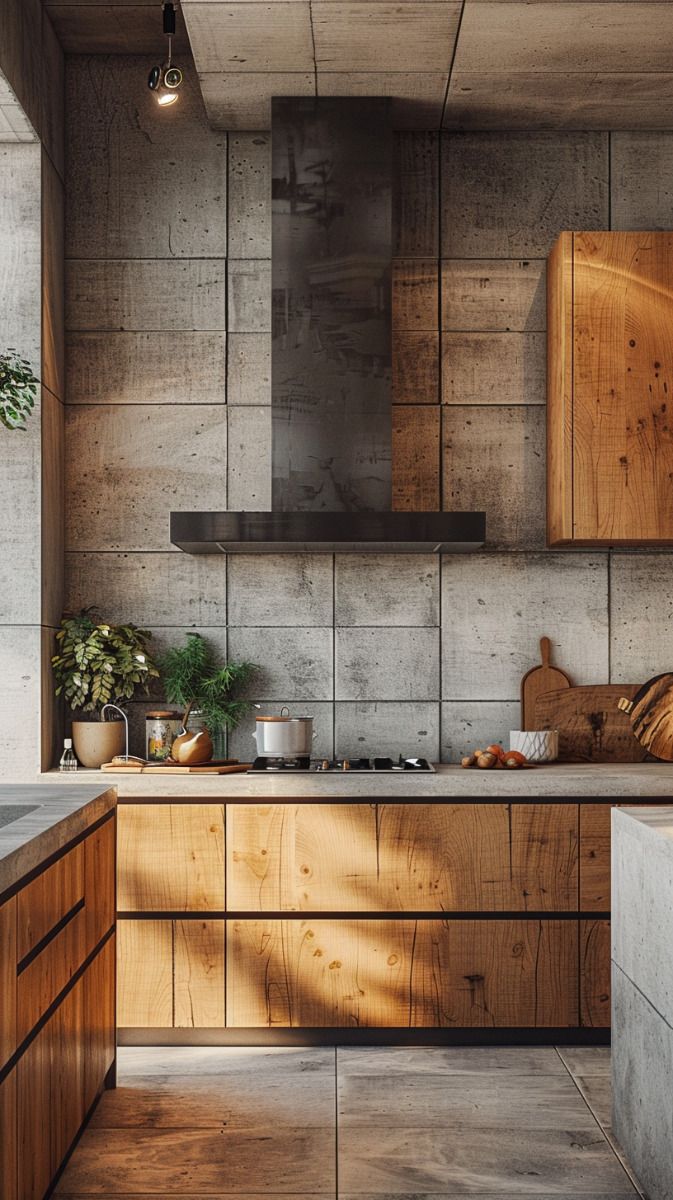
There’s a reason natural light is suddenly a star of interior conversation. Dark corners and recessed lamps feel increasingly archaic. Light defines warmth. Light defines mood. Rooms that are flooded with sunlight in sundrenched interiors feel alive even when they’re empty. A chair in shadow for doesn’t command presence the way it does in light. Teak, oak, or walnut surfaces take on a different character as sun moves across them. Grain, tone, and warmth shift subtly hour by hour.
The Art of Placement
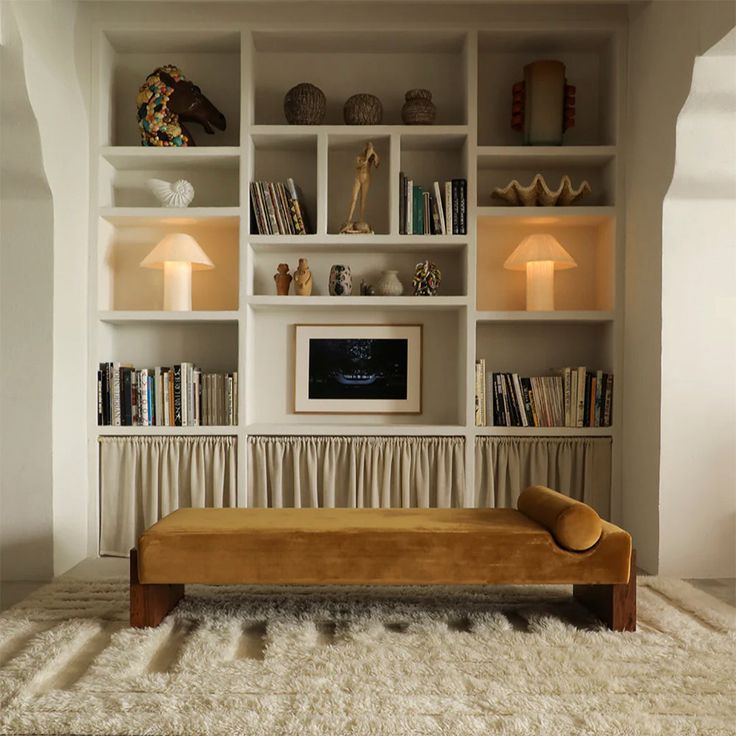
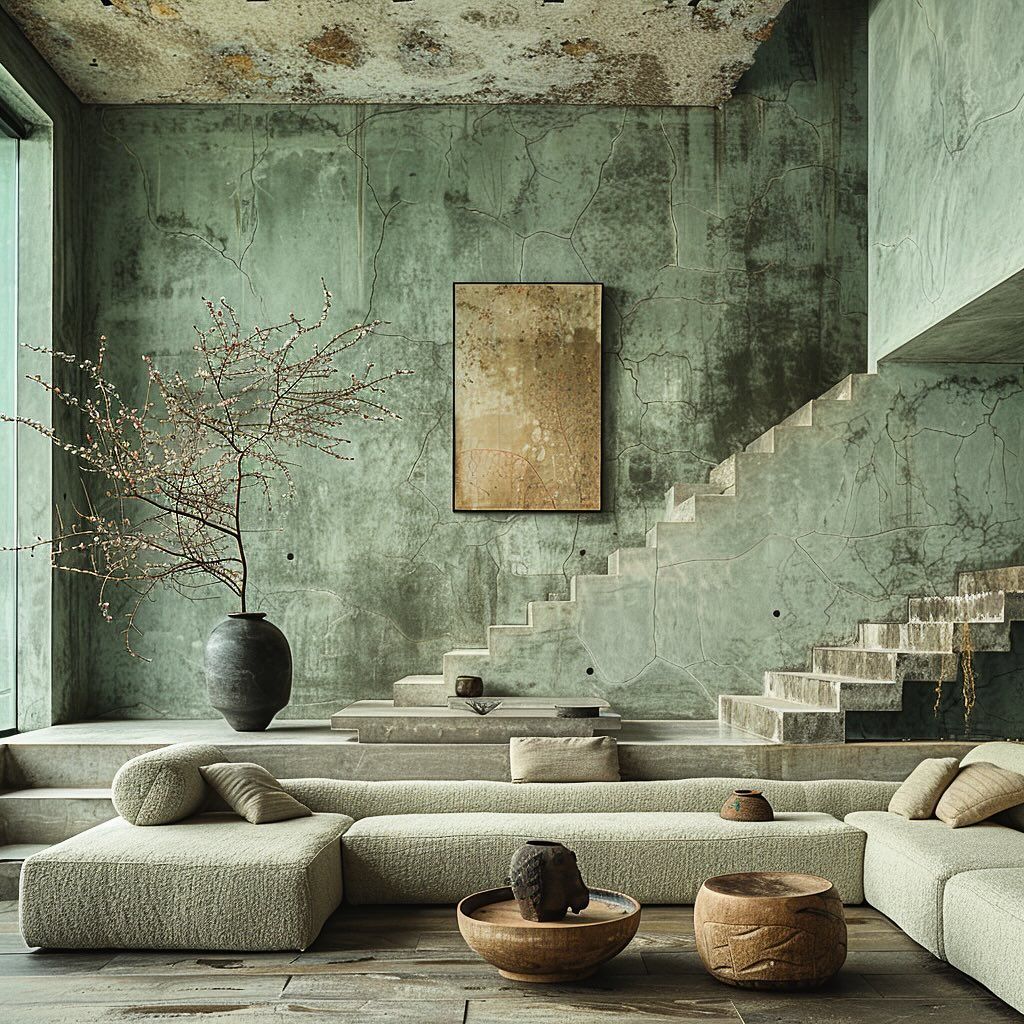
Placement matters, obviously. Not just of furniture but of everything. Sofas, side tables, rugs, custom furniture—all of it is positioned to catch or diffuse light in specific ways. A linen sofa in a corner that receives a morning sunbeam suddenly becomes more than seating—it becomes part of the architecture, part of the light choreography. Shadows stretch differently over time, and furniture is chosen to participate rather than fight.
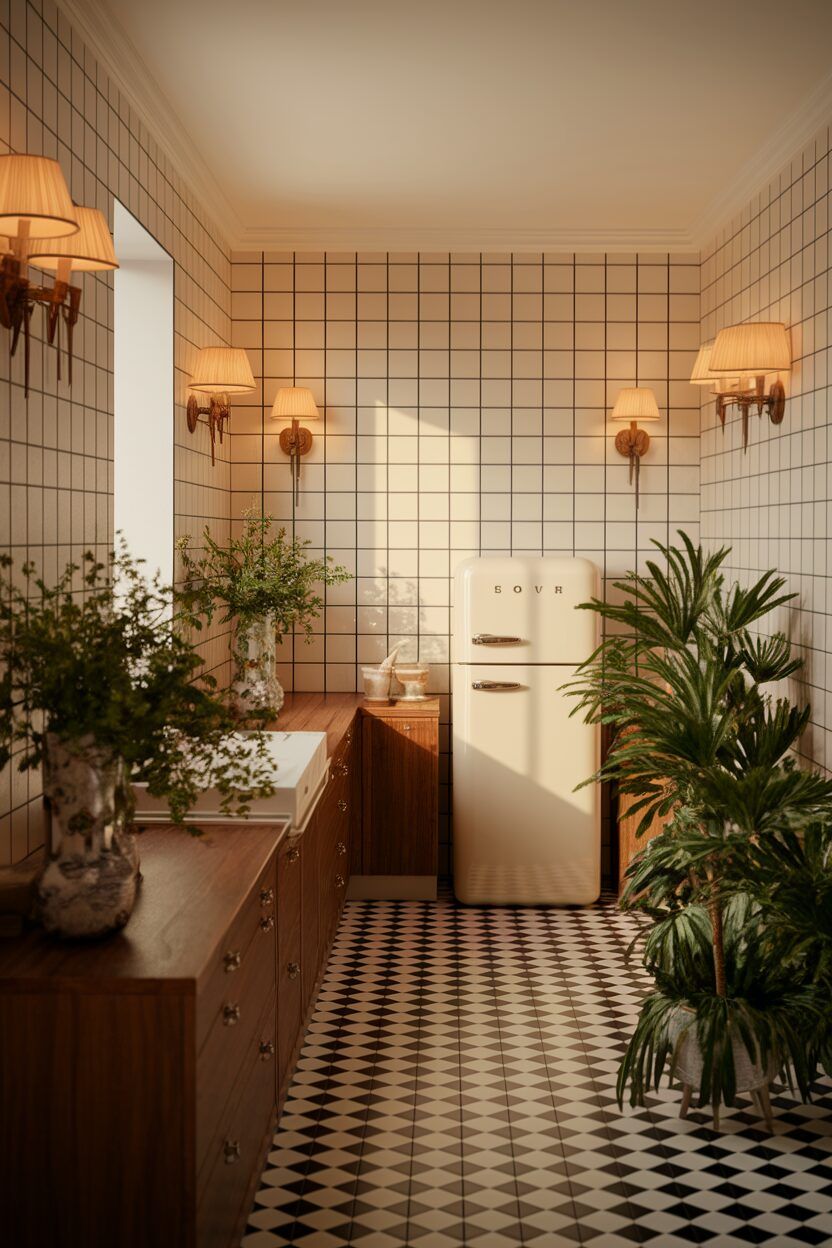
Walls, too, become actors. Creams and soft whites are predictable, but increasingly, designers are embracing muted ambers, sandy beiges, and even very pale ochres that shift under sunlight. A wall may read one way at ten a.m. and entirely differently at five p.m. That variability, that subtlety, is the point.
Material Matters
The sundrenched trend favors surfaces that respond to light. Matte plaster and soft clay absorb and diffuse. Polished marble or glass reflects aggressively. Wood warms the eye. Teak, oak, and rattan suddenly feel more intentional than ever—they’re not just furniture, they’re light moderators. A rattan chair in morning light has texture the eye can almost feel. The same piece in dim artificial light becomes flat, one-dimensional.
Textiles also play a role. Linen, cotton, raw silk—they breathe, they move with the sun. Curtains, sometimes sheer, sometimes weighted, control the intensity of daylight without turning the space into a shadowless stage. Throw in a few accent pillows or rugs with sun-sensitive pigments—colors that glow or fade slightly—and suddenly the room is subtly alive.
Light as Color
Light changes everything. The same neutral walls read differently as sunlight changes temperature. A pale gray may feel warm and cozy at eight a.m., crisp and cool at two p.m., and almost golden in the late afternoon. Designers are increasingly treating light itself as a color palette. It’s unpredictable. It moves. It has gradients, shadows, and warmth that no paint sample can replicate.
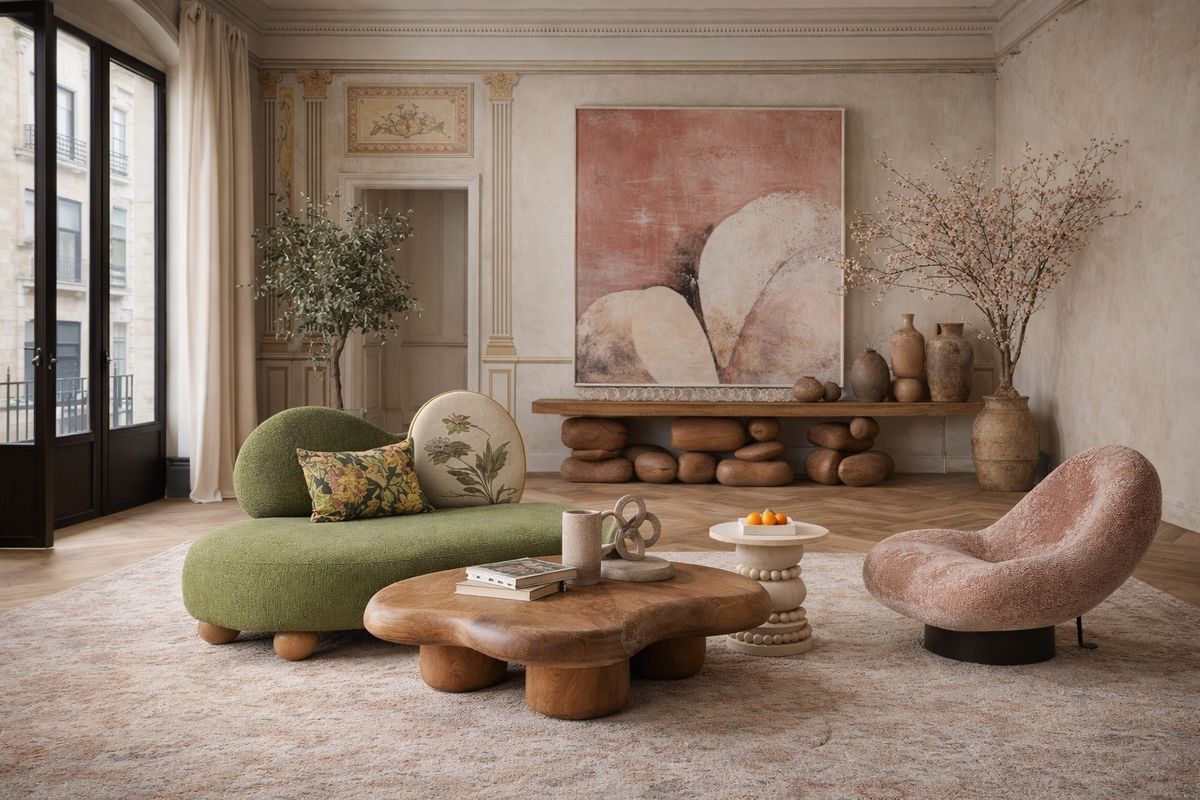
It also affects human perception of objects. A ceramic vase or a wooden sculpture is never “static” in a sundrenched interior. The eye tracks subtle differences constantly. That’s why designers pair simple, natural materials with light instead of competing with it. A bold sofa or artwork can survive, but only if it’s positioned intentionally relative to sun exposure.
Architecture That Facilitates Light
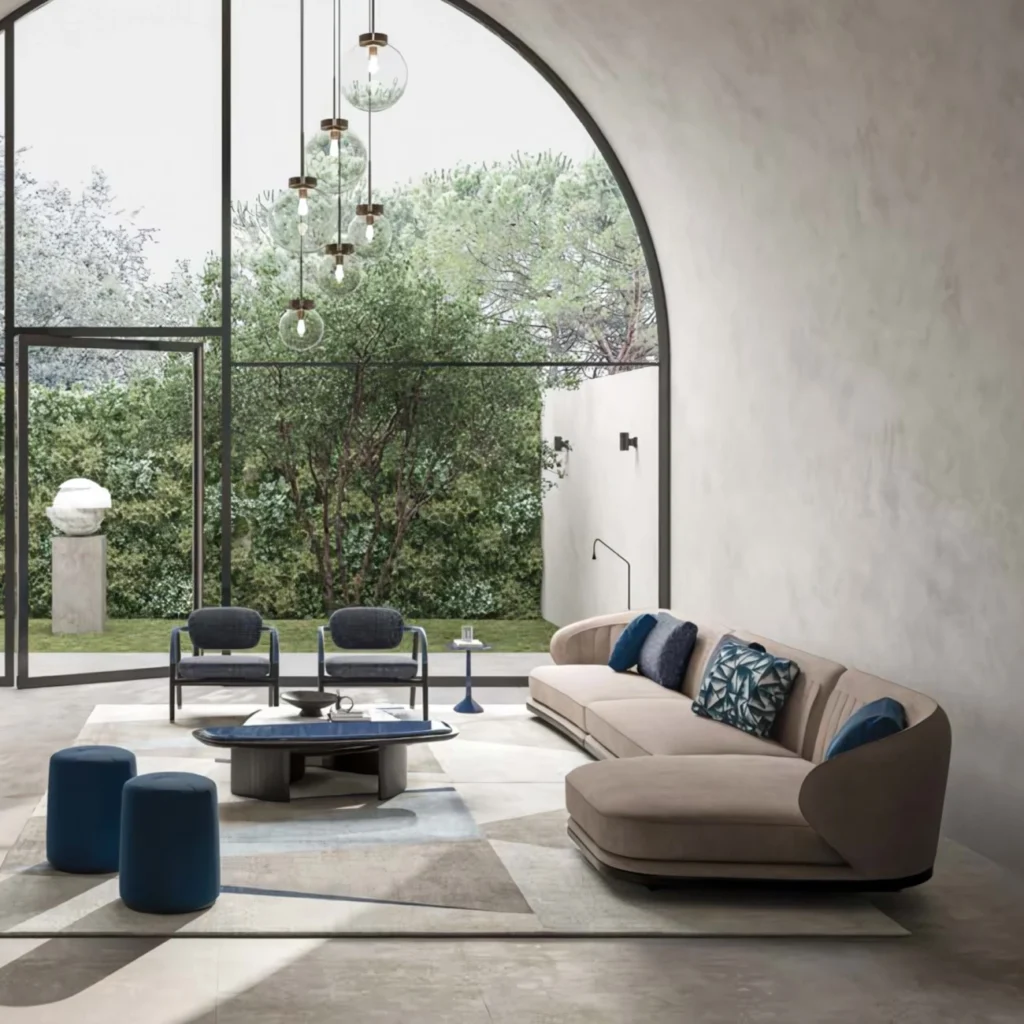
Windows aren’t just holes in walls anymore—they’re instruments. Floor-to-ceiling glazing, clerestory openings, skylights, even glass walls that blur indoors and outdoors. But it’s not about maximization. The homes that feel truly sundrenched don’t always have the biggest windows; they have the smartest ones. Orientation, depth, and shadow play all matter. A wall angled to catch morning light, a bench that sits perfectly in a sun patch by the terrace, even a skylight over a reading nook—all of it adds choreography.
It’s subtle. It’s quiet. It’s impossible to capture in a single photograph. And that’s exactly why the trend resonates with designers who understand nuance.
Human-Centric Light
Sundrenched interiors are about more than aesthetics. They’re about physiology, too. Humans are wired to respond to natural light. Mood shifts. Perception shifts. Even small changes in exposure influence how a room feels. Designers who embrace sunlight often think in terms of occupancy: how the morning light falls on breakfast tables, how the afternoon sun reaches workspaces, how evening glow interacts with seating areas. The architecture and the light collaborate. Furniture and objects follow their lead.
It’s also why minimalism and light-heavy interiors pair naturally. Negative space in a sundrenched room isn’t empty—it’s breathing room for light. Every surface, every texture, every material is amplified by sunlight. There’s no competition. A single teak coffee table or a woven rattan chair suddenly feels considered, almost sacred.
Shadows as Design
Shadows are just as important as light itself. Designers are increasingly thinking about shadow lines as they would color blocks or textures. A woven chair casts linear shadows that evolve across the day. A sculptural vase interacts differently depending on the angle of the sun. Even the gaps between louvers or window panels are considered. Light, shadow, and materiality—layered together—become a sort of temporal wallpaper that shifts continuously.
It’s almost performative, but not in a flashy way. It’s quiet, unassuming. The room isn’t just furnished, it’s staged subtly, with impermanence in mind. And that’s what separates a sundrenched interior from a room that’s merely bright.
Layering and Texture
Sundrenched rooms aren’t about stark sterility. They favor layered textures. Linen curtains, handwoven rugs, wooden furniture with patina, soft ceramics, and glass with slight irregularities. Everything participates in how light is absorbed, reflected, or filtered. Even the smallest material variation becomes meaningful.
The trend isn’t maximalist—it’s intentional. It’s not cluttered, but it’s not flat. It’s tactile. You notice it physically and visually, even if unconsciously.
Seasonal and Daily Shifts
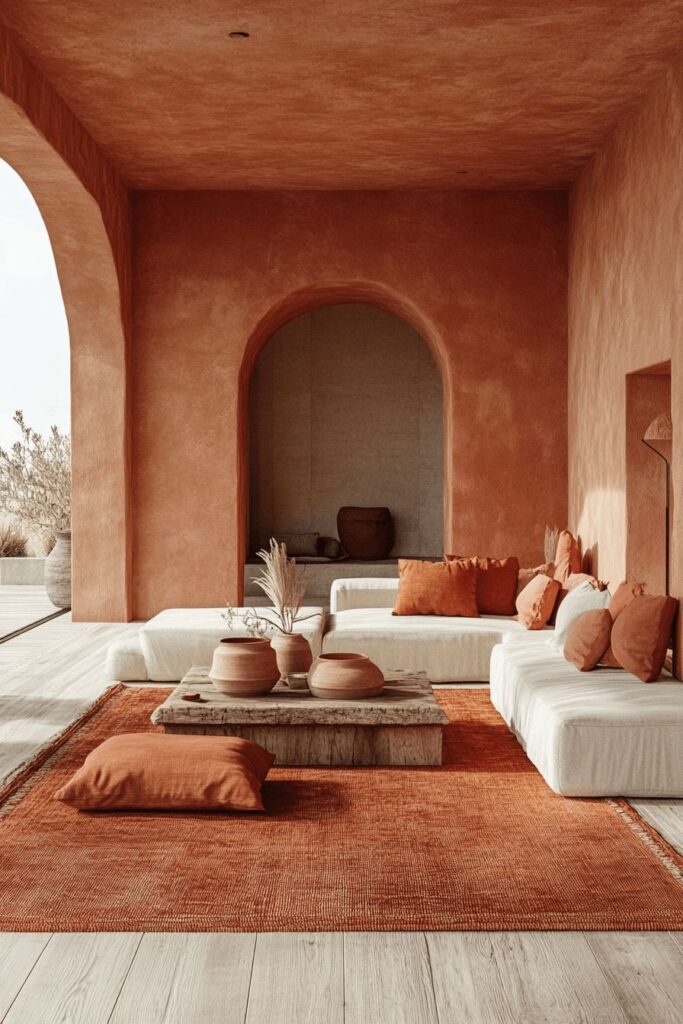
One of the fascinating things about sundrenched interiors is how they change. Morning light is cool, crisp, and blue-toned. Midday light flattens, then warms toward evening. Shadows lengthen. Colors shift. Materials reveal subtleties you might never notice otherwise. Designers are increasingly thinking in terms of time, not just spatial arrangement.
Furniture placement, materials, and color palettes are chosen to interact with these temporal shifts. A sofa that looks ordinary in artificial light transforms when the sun hits its cushions just right. A rattan chair seems to glow. A ceramic bowl reveals hidden texture. Small choices, big impact, constantly evolving.
The Human Element
Sundrenched interiors work best when people inhabit them. Furniture, textiles, and surfaces all respond to use. Worn teak or oak interacts with light differently as it ages. Linen and cotton soften, showing creases, folds, and subtle imperfections. The light doesn’t just illuminate—it collaborates with the materials, the objects, and the humans who move among them.
It’s why the trend is gaining momentum. It’s about life in a space, not just curated perfection. The room becomes a companion throughout the day.
A Quiet, Subtle Luxury
Ultimately, sundrenched interiors aren’t flashy. They’re about subtle luxury. The joy isn’t in a statement object or bold color—it’s in how the sun shifts, how shadows dance, how textures reveal themselves over hours. A home that’s sundrenched feels alive. It invites inhabitation. It rewards patience.
Luxury is quiet. The most expensive materials aren’t necessary. Teak, linen, plaster, clay, rattan—they all interact with sunlight in ways that elevate them beyond their nominal value. The space becomes greater than the sum of its parts.