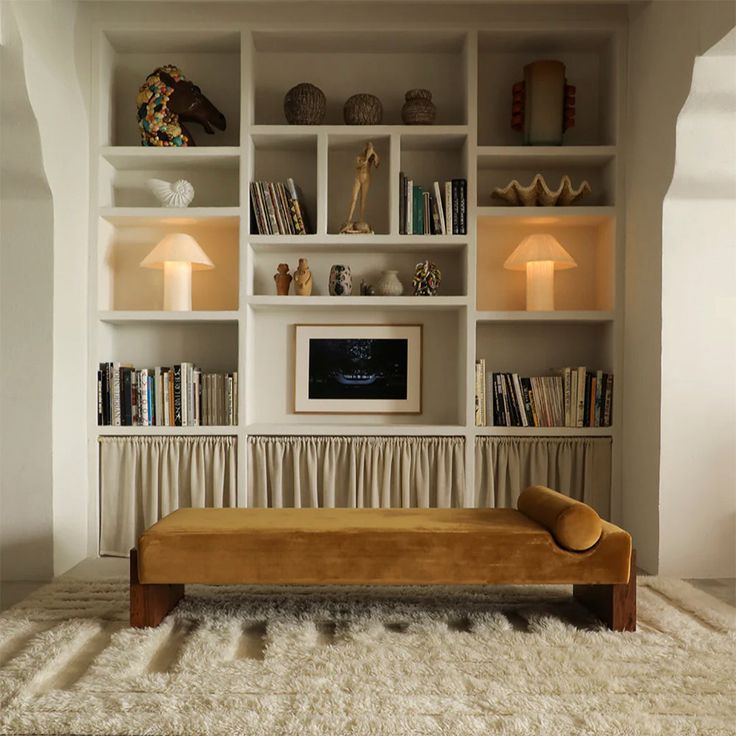
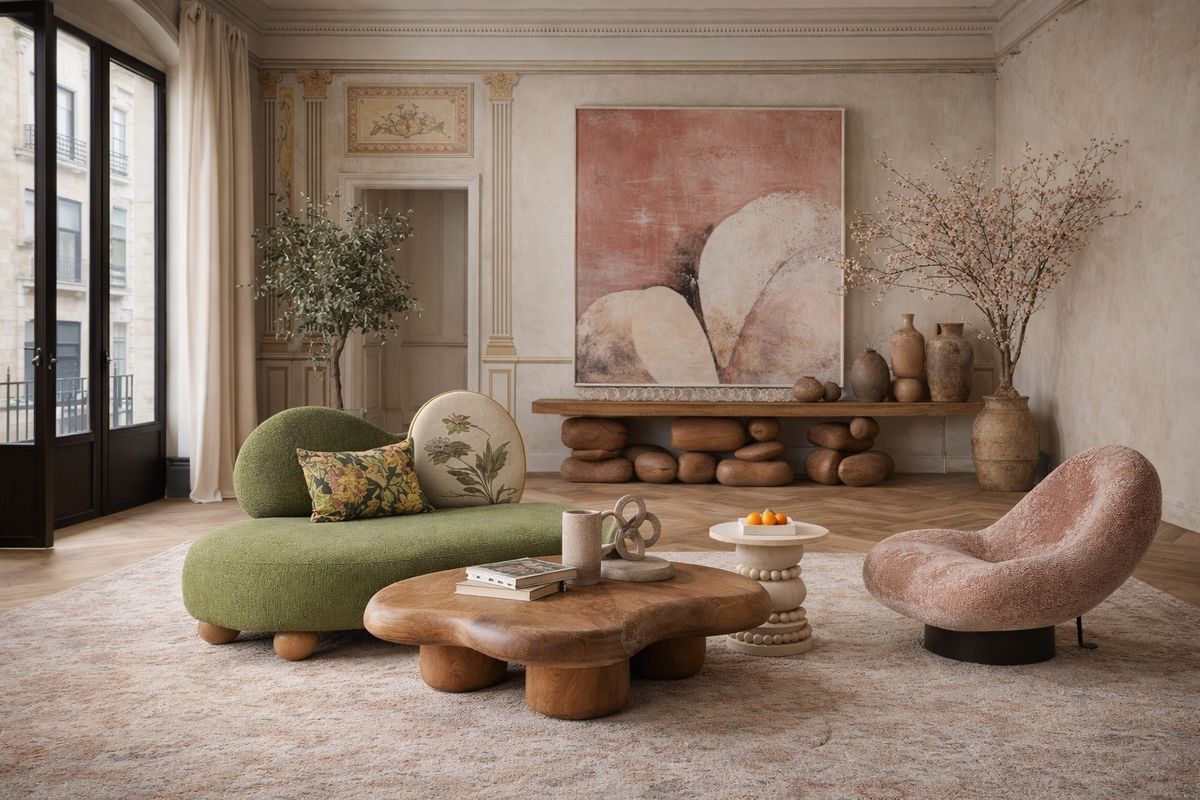
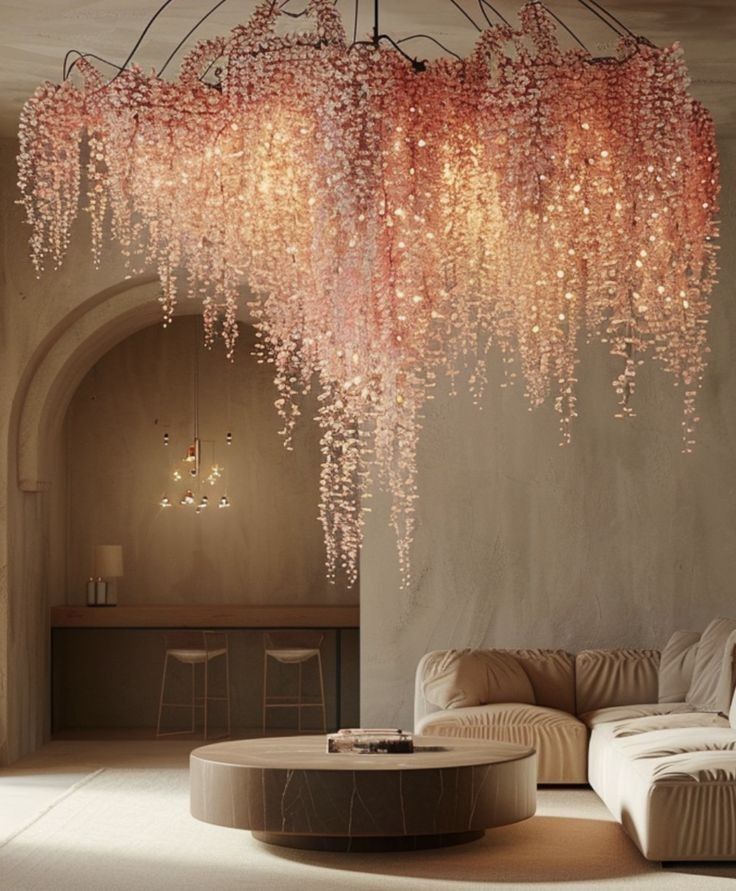
There’s a peculiar thrill in having a single object in a room that feels like it owns the space. Not in a “look-at-me-I’m-expensive” way, but in subtle, undeniable gravity. A sofa that is impossibly low, a credenza with drawers that seem to hum with their own personality, a chair whose curve the body remembers the moment it is sat upon. These statement pieces exist, and they demand attention, but not like a scream—they demand orientation. Everything else in the room bends to their logic.
Walking into a loft, the first thing noticed might not be the sprawling view or books stacked in chaotic pyramids. It could be the rug—thick, hand-knotted, bleeding teal and rust in ways no catalog could capture. And the rest of the space? Secondary. The sofa, muted beige, sits as if reluctantly accepting it is merely the stage for that rug’s performance. Lamps lean in, throw pillows mirror a thread or two. Nothing competes with the rug. Styling a room around statement pieces especially when its custom high-end pieces mean letting it set the rules, even if it’s humble.
Negotiation Without Obedience
Styling around statement pieces is often a gentle negotiation. Contrast without aggression, support without mimicry. The piece dictates color accents: a single mustard pillow, not a dozen, or a small side table that echoes a leg curve or finish. Pattern, if present, reads almost like a whisper. Design often speaks of “dialogue” between elements, but the reality is hierarchy. Everything in the room must know its place without being obedient.
Consider a wooden chair, ordinary in shape, just the right shade of cherry with a seat worn into perfect concavity. In a dining room otherwise ruled by minimalist rationalism, it refuses to be ignored. The table, the pale rug, the unadorned walls—all become framing devices. Only the chair carries history and narrative. Rooms bend around objects like these, whether anyone notices consciously or not, or whether absence is felt as a subtle unease.
Patience, or a Form of Laziness
Statement pieces don’t need the room to be overstuffed. Too often, new furniture triggers walls crowded with prints, lights, plants, every surface groaning under aesthetic pressure. A hero piece wants space. Art echoes, rather than shouts. Lamps extend the logic of the piece, occasionally awkwardly, as if discovered organically. Tension can be necessary. A perfect hero piece can be drowned in perfection; a slightly at-odds object can give it gravity.
Texture Over Color
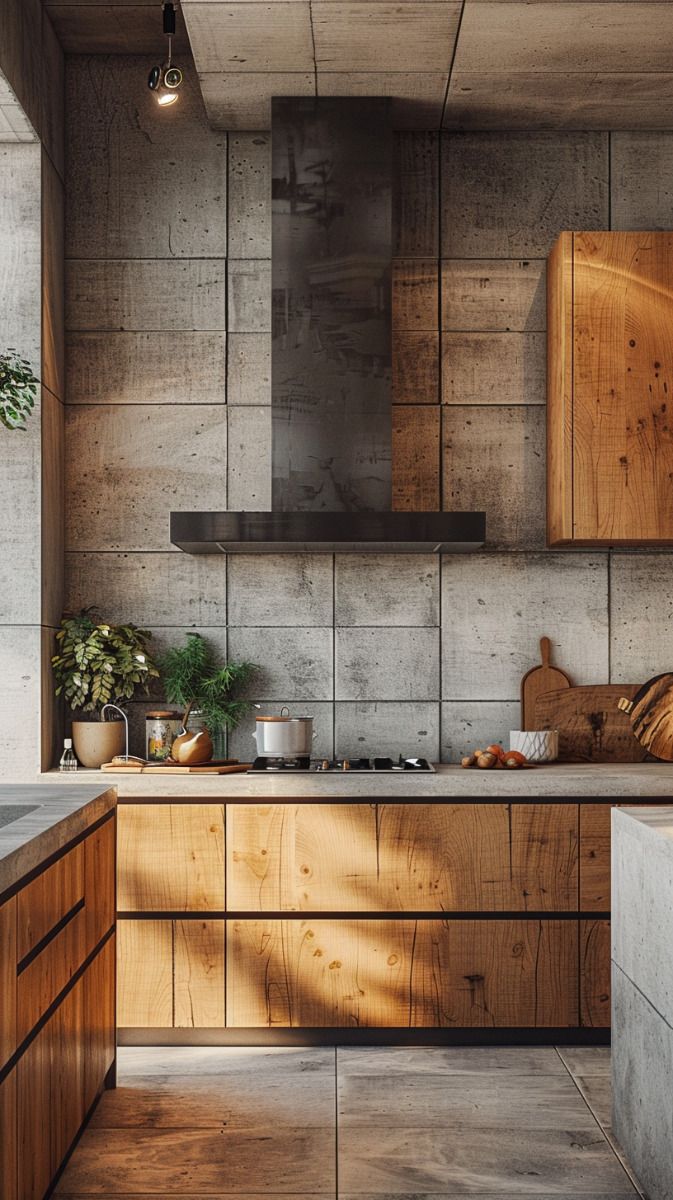
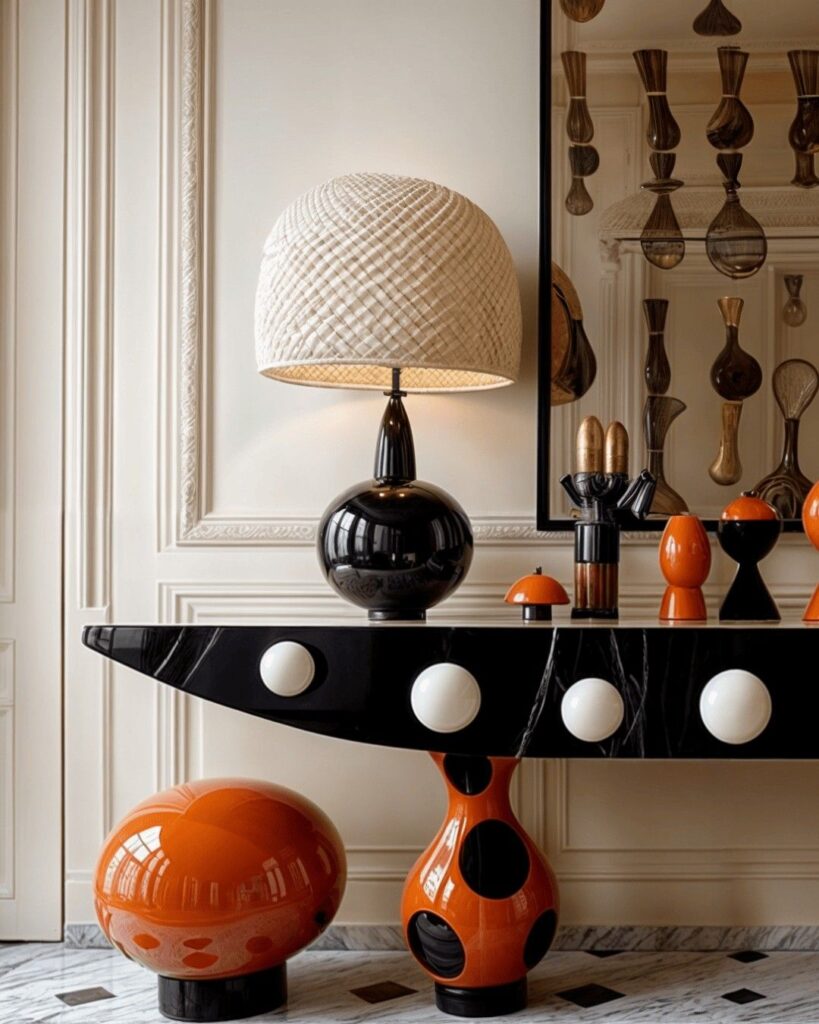
Materials are trickier than color. A velvet sofa demands soft companions, but “soft” can misfire. Linen, distressed leather, brushed metal—they can argue with the sofa without challenging it. Texture’s tone, not its volume, matters. A hero chair’s fine wood surrounded by identical wood, polished in the same sheen, under the same light, will fail. It doesn’t dominate; it is swallowed. Heroism in furniture is not literal; it is presence.
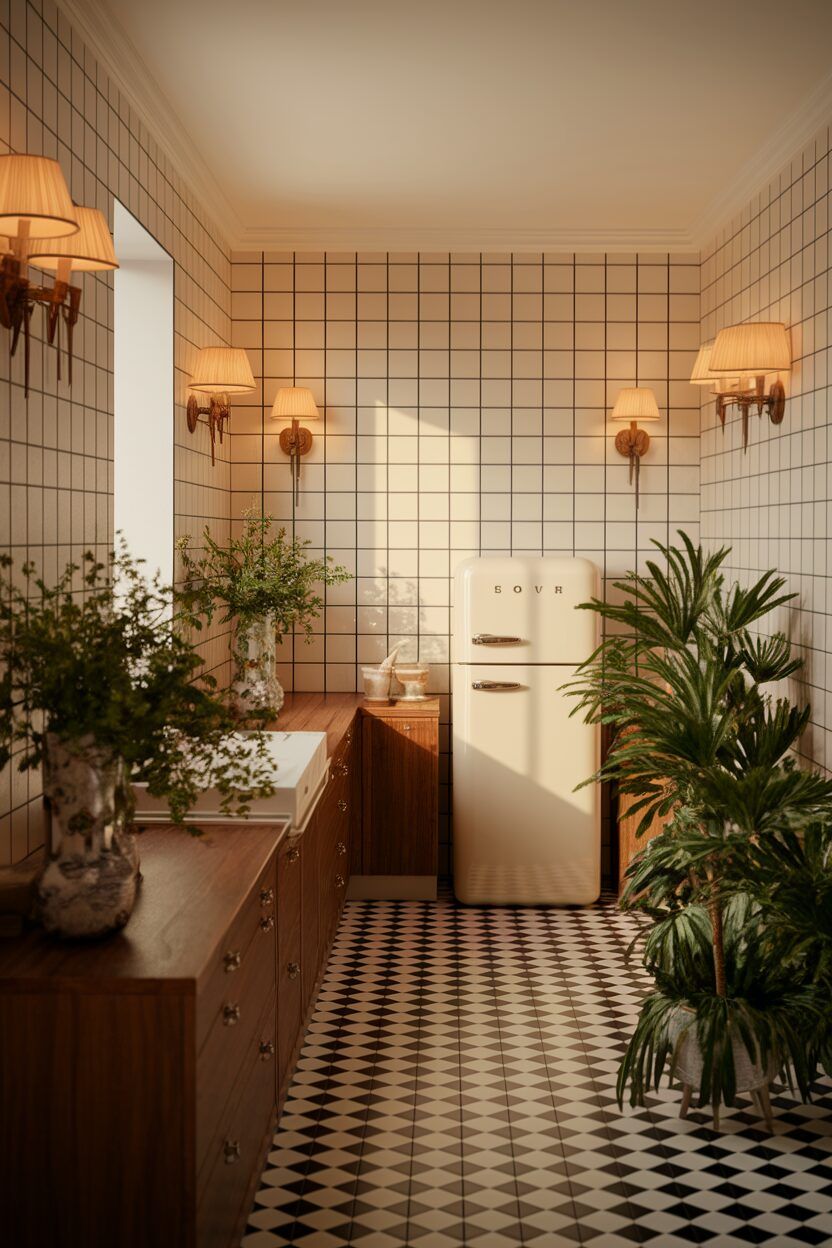
Lighting reveals or betrays. Uniform ceiling light can make a hero piece vanish. Spotting it, shadowing it, allowing incidental yet deliberate attention is necessary. When natural light catches a chaise differently each hour, the piece seems to breathe. Constant, subtle change keeps attention alive.
Presence as Judgment
Statement pieces are inherently moral—not ethical, but judgmental. Poorly chosen hero objects announce their misfit from the doorway. They establish hierarchy in the mind: what matters, what fills space. Sometimes, the hero isn’t new or striking. It may simply carry memory, fingerprints, survival. A grandmother’s rocking chair, an intact original Bauhaus lamp in a room of reproductions—they hold attention because they have endured scrutiny.
Scale is irrelevant to heroism. Tiny stools can dominate with the right finish, craftsmanship, and light. The space shifts subtly, proving that heroism is relative. It asks not for size, but recognition.
Improvisation Over Planning
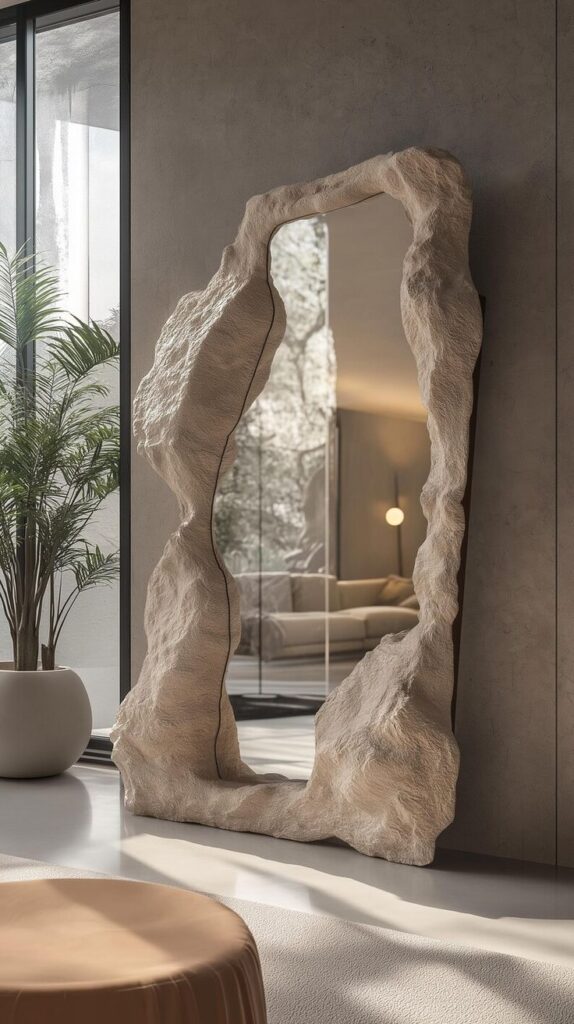
The process of styling a room around one object is uneven. Sometimes the statement pieces exist before the room is built; sometimes it emerges organically. Mismatched tables read as foil, ordinary rugs gain meaning. It is less about arranging and more about observing. True hero styling resists overthinking. Rooms fail when a sofa’s presence triggers an obsession with matching: rugs, side tables, chairs, all aligned in staged cohesion. A room where everything matches renders the hero piece invisible, lost in obedience.
Letting the hero piece exist alone, even slightly lonely, is often the strongest statement. Rooms hum with anticipation when a hero object is in charge. They suggest movement, pause, attention. Small adjustments—a pillow, a book, a different angle—become a daily ritual. Engagement with the space cannot be taught; it develops instinctively, guided by taste, observation, and subtle luck.
Authority Without Intent
Sometimes the statement pieces are not intentionally heroic. A low, rectangular coffee table inherited from an aunt can restructure a living room. Rugs, couches, lamps, even the art on walls bend to its authority. Coherence emerges by accident. The room finds its leader organically, and everything else becomes supportive. Statement pieces do not ask for domination—it only requires recognition.
Styling around statement pieces is elastic, personal, resistant. It relies on noticing weight, gesture, proportion, and the subtle conversation between materials. A hero piece anchors not just a room, but the way it is lived in, moved through, and remembered.