Small spaces often get a bad reputation. They’re seen as restrictive, inconvenient, or difficult to decorate — the kind of challenge you simply “make do” with. But if you look closely at the most charming city apartments, the smartest tiny homes, and the coziest compact living spaces, a different story emerges. Small spaces can be surprisingly stylish. They can feel open, calm, and incredibly efficient. And with thoughtful choices, they can feel much larger than they actually are.
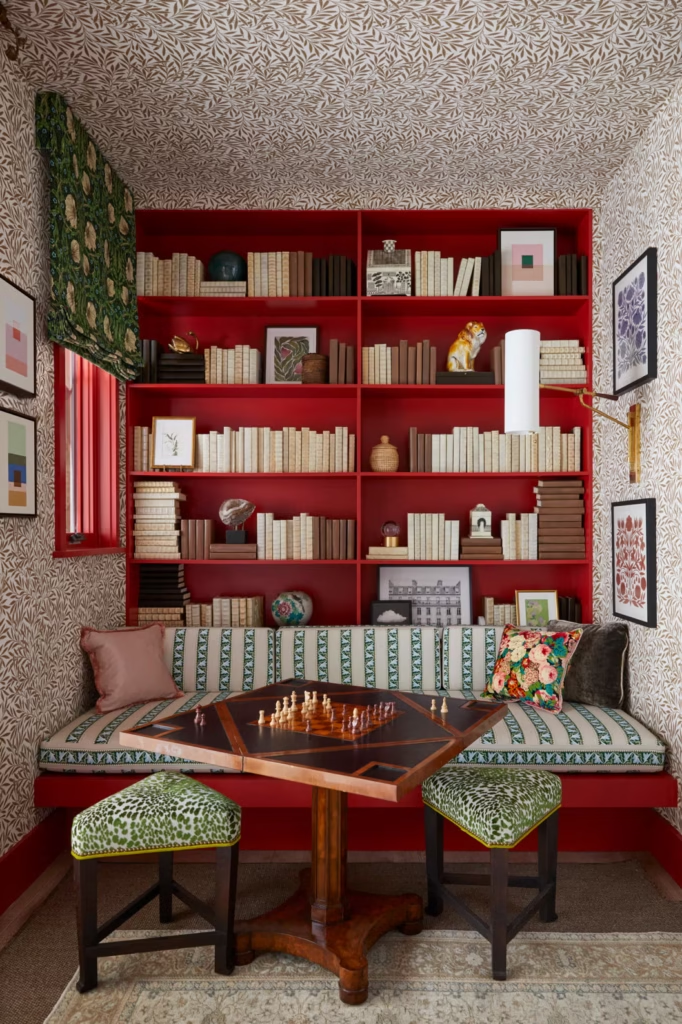
The truth is, small space design isn’t about square footage at all. It’s about perception. The way you use color, the way light moves, the way furniture sits in a room, the way your eye travels from wall to wall — these choices shape how big or small a space feels. And the best part? You don’t need a renovation budget to use these ideas. You just need to understand a few foundational principles that interior designers rely on every day.
Below are 13 design strategies that help make small rooms look bigger while still keeping the space warm and livable. Whether you’re trying to maximize small apartment layouts or simply want your living room to feel less cramped, these ideas offer easy wins and long-lasting value.
Light and Color: The First Tools for Creating Openness
The quickest way to transform a small room is to reimagine its relationship with light. Natural light is one of the most powerful elements in interior small space design principles. When it’s allowed to flow freely, everything looks bigger: surfaces brighten, boundaries soften, and the room seems to stretch outward.
A simple trick is to remove anything that blocks windows. Heavy drapes, bulky blinds, and dark coverings can dramatically shrink a room, even without you noticing. Replacing them with sheer curtains or slim roller shades can open up the space without sacrificing privacy.
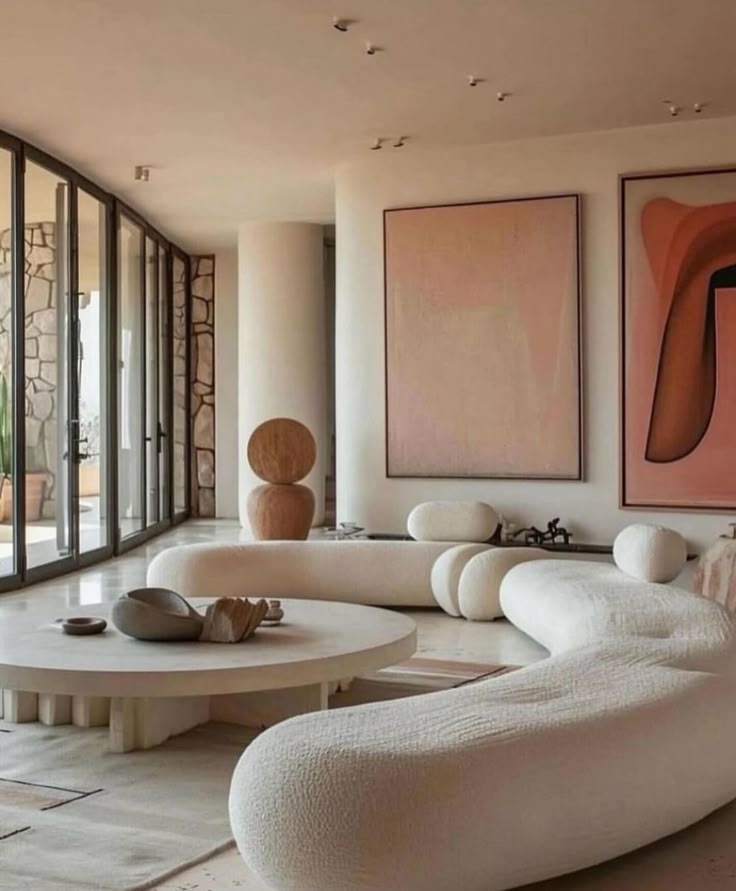
Color works hand in hand with light for small space design. Soft neutrals — think white, cream, blush beige, foggy greys — reflect sunlight and create an airy backdrop. These tones prevent shadows from pooling in corners, which is essential if your goal is to make small rooms look bigger. Even if you love color, incorporating lighter hues into the main surfaces of a room allows bolder tones to stand out without overwhelming.

Continuity is also important. When the walls, ceilings, and trim stay within a similar color family, the eye moves across the room without stopping. That uninterrupted flow creates a gentle illusion of more space. It’s one of the simplest small space design tricks, yet it makes a profound difference.
Furniture: What You Choose Matters as Much as How You Use It
People often assume that small rooms require small furniture. But in many cases, the opposite is true. Several tiny pieces scattered throughout a room can make it feel busier — and therefore smaller. A few well-chosen, appropriately scaled pieces create cohesion and visual clarity.
Furniture with clean lines and raised legs helps lighten the visual footprint. Chairs, sofas, and tables that sit on slim legs allow light to pass underneath, and that openness contributes to the room feeling larger. It’s a small detail, but in small space design, details work overtime.
Floating furniture slightly away from the walls is another technique that surprises people. Instinct says to push everything against the perimeter to open the floor, but this can actually make a room look stiff and boxy. Pulling pieces forward — even just by a few inches — adds depth and dimension.
Mirrors are arguably the strongest design tool for compact rooms. They reflect light, double your visual field, and add a polished sophistication. Designers often place mirrors across from windows to encourage daylight to bounce throughout the room. In living rooms and entryways, a single large mirror can transform the entire feeling of the home. It’s one of the most reliable small living room ideas you can adopt.
When it comes to functionality, multi-purpose furniture becomes essential. Think ottomans that contain storage, dining tables that extend, beds with built-in drawers, and consoles that double as desks. These are staples of small space design tips, and they help maintain a clutter-free environment — a nonnegotiable when working with limited space.
Vertical Thinking: Height Is Your Secret Superpower
If square footage is limited, height becomes your strongest ally. Emphasizing vertical lines guides the eye upward and gives the room a sense of lift. This approach works for everything from bookshelves to lighting to artwork.
Tall, slender furniture pieces create the feeling of a room with generous proportions. Floor-to-ceiling curtains — even if your windows don’t require them — add drama while making ceilings seem taller. Vertical wall décor, elongated artwork, and slim lamps help maintain that upward movement.
For anyone looking for practical small space design tricks that owners can implement quickly, this one consistently delivers. Verticality also supports better storage: high shelves can hold items that aren’t needed daily, keeping lower surfaces uncluttered. And when the lower half of a room stays visually quiet, the room feels larger.
Flooring continuity also contributes to perceived space. When one room flows into another without a material change, the entire home feels more unified. That seamlessness helps maximize small apartment layouts and reduces the visual interruptions that often make a home feel fragmented.

A single large rug, rather than several small ones, achieves a similar effect. It anchors the room and creates a clear, unified zone for furniture — essential for maintaining visual order.
Lighting, Texture, and the Balance of Visual Calm
Great lighting is the backbone of every well-designed small home. Relying solely on a single overhead light often flattens the room and creates shadowed corners. Instead, designers layer lighting with intention: floor lamps for warmth, sconces for height, accent lights for detail, and soft-glowing table lamps for ambiance. This approach is especially effective when applying layered lighting for small spaces, where thoughtful placement can dramatically expand how open and balanced a room feels.
This layers the room with brightness rather than blasts it with a single, harsh source. When corners are lit, rooms automatically feel larger. This approach is critical in small space design projects.
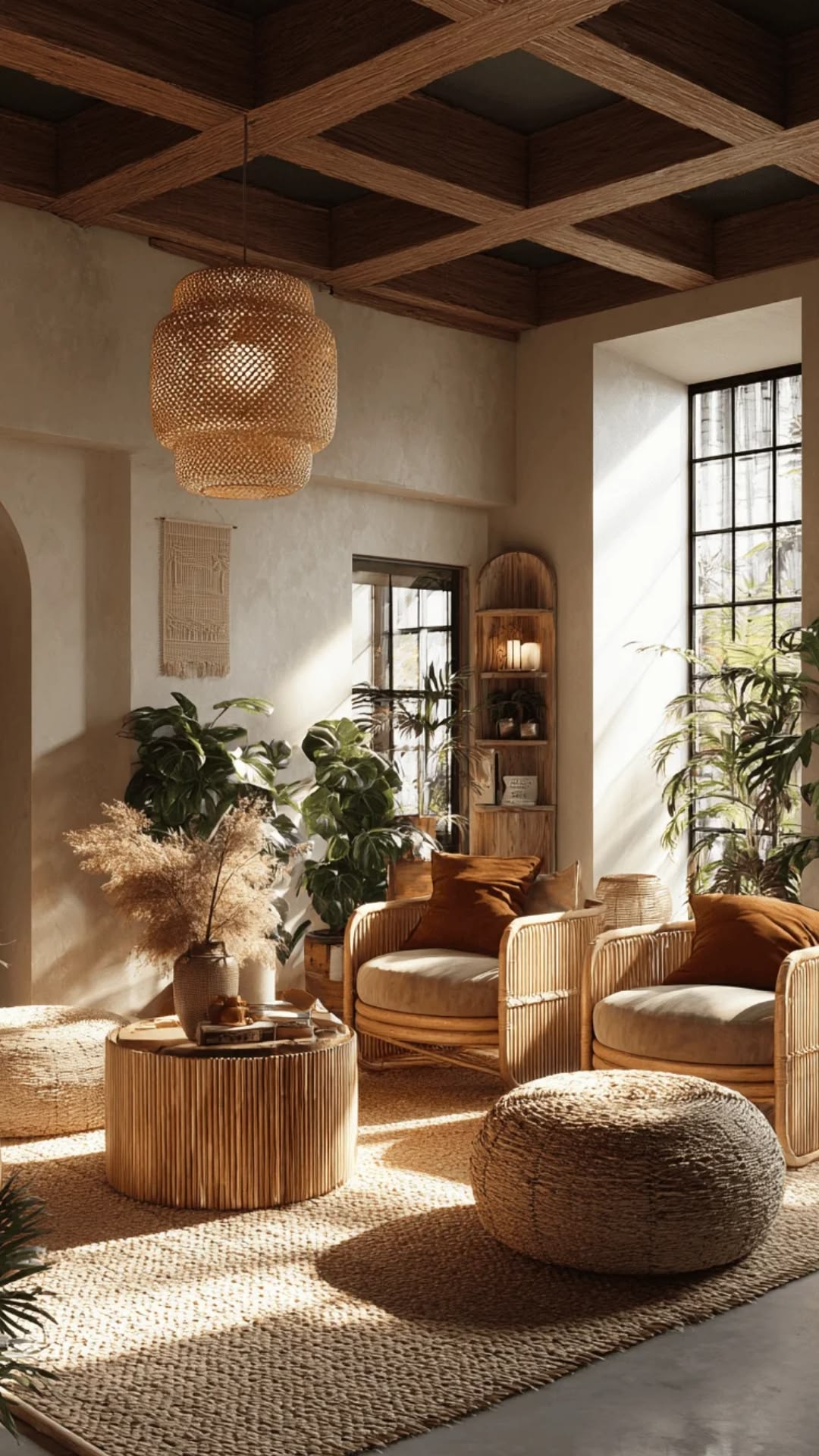
Texture also deserves careful consideration. Small spaces often benefit from softer, more subtle materials. Heavy patterns, sharp contrasts, and visually complex textures tend to dominate, creating a crowded effect. Simpler textures — smooth woods, light fabrics, minimal patterns — provide calm and balance.
Materials that allow sightlines to pass through them, like glass or acrylic, reduce visual clutter. A glass coffee table, for example, maintains surface space while leaving the room feeling open. These are the kinds of adjustments that allow you to make small rooms look bigger without sacrificing personality.
Zoning is another dimension that contributes to livability. Without walls, a single space may serve multiple roles — dining, lounging, working. Subtle shifts in lighting, rugs, or furniture placement can differentiate areas without creating physical divisions that shrink the room. It’s a small move with outsized impact.

Why These Strategies Work — and Why They Matter
What makes these techniques so effective is that they account for how people experience space, not just how they describe it. Light affects mood. Color affects stress levels. Clutter affects focus. When these elements work together, the emotional quality of the room improves as much as the visual one.
Good small space design can change how a home feels — and by extension, how we feel living in it. A well-lit room appears more optimistic. A tidy, intentional layout calms the mind. A space that feels larger brings a sense of freedom instead of restriction.
And importantly, these strategies are accessible. You don’t need custom-built cabinets or expensive materials. In many cases, all you need is rearrangement, restraint, and a keen sense of how you want your space to work for you.
A Smarter Approach to Compact Living
Small spaces don’t need to feel small. They can feel thoughtful, curated, and surprisingly expansive with the right techniques. These 13 strategies — from using mirrors to choosing the right rug to letting natural light lead the room — are timeless tools for shaping a space that’s functional and beautiful. Thoughtful interior lighting for small homes plays a central role in this process, reinforcing openness, comfort, and visual clarity.

With intentional design, even the smallest apartment can feel like a well-organized, inviting retreat. And when you embrace the principles of small space design, prioritize light, and select pieces that support both style and function, compact living becomes less of a challenge and more of an opportunity.
These home design tricks prove that you don’t need more space — you just need a smarter way to use the space you already have.